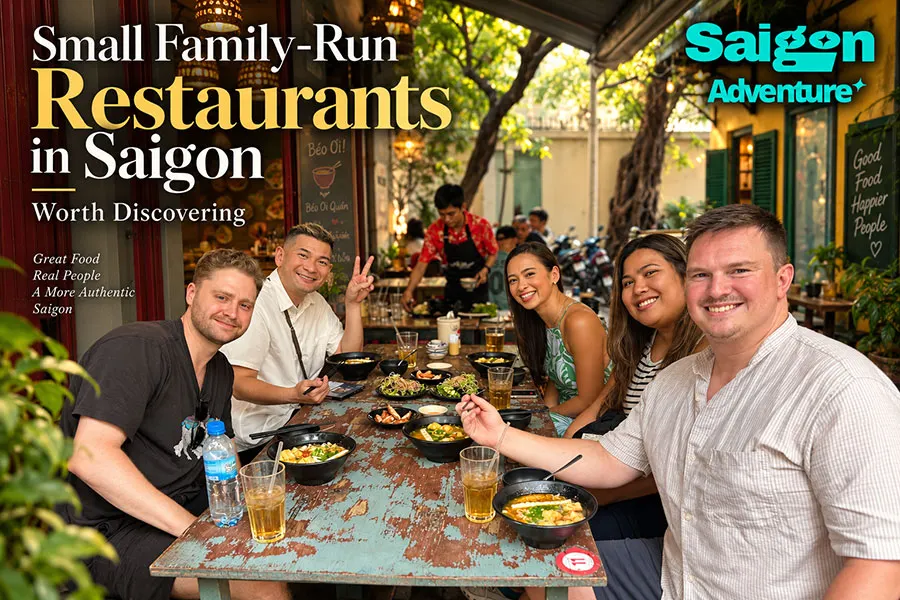
If you are looking for family-run restaurants in Saigon, some of the most rewarding meals are found in small neighborhood kitchens rather than large restaurant chains. These independently owned eateries often specialize in one dish, follow recipes passed through the family and serve the same local customers day after day.
From traditional pho and Vietnamese curry to home-style rice meals, this guide highlights family-owned restaurants in Ho Chi Minh City worth discovering, along with practical tips on what to order, where to look and how to enjoy them like a local.
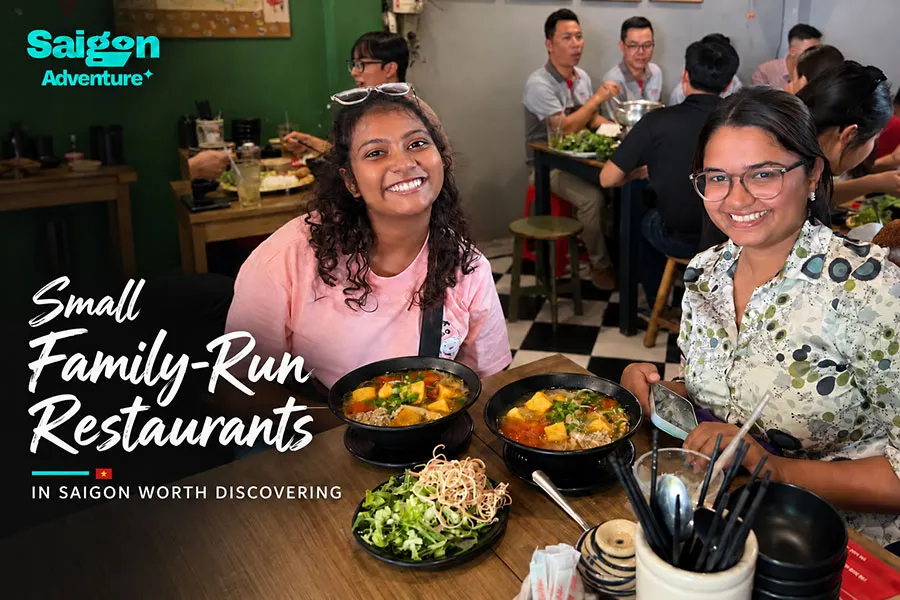
What is a family-run restaurant in Saigon?
A family-run restaurant is usually owned and operated by relatives who share the cooking, serving, shopping and payment duties. One person may prepare the broth before sunrise, another handles orders, and a younger family member helps customers or manages delivery apps.
The category includes noodle shops, rice restaurants, seafood kitchens, vegetarian eateries and casual dining rooms specialising in one regional dish.
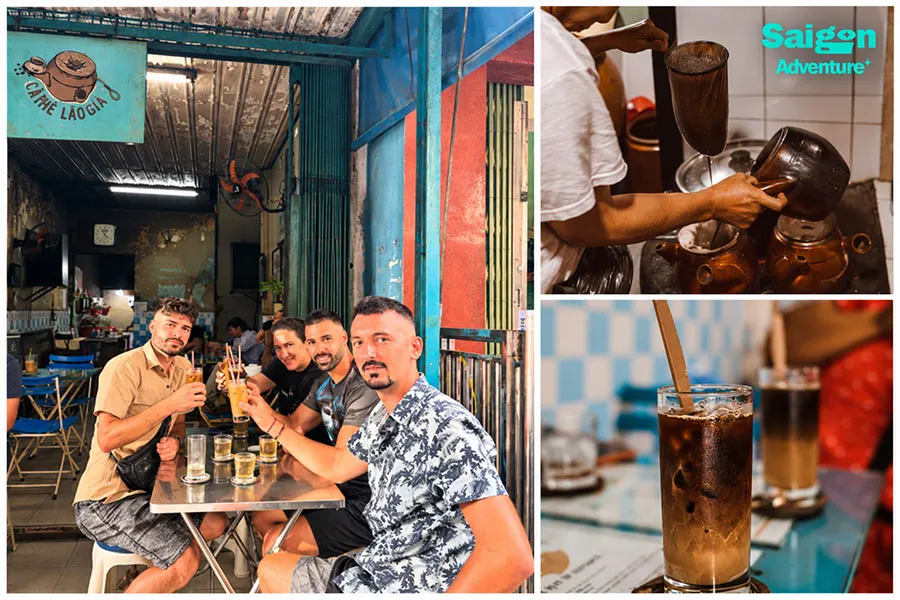
Why are small local restaurants worth discovering?
The main appeal is focus. Many independent kitchens build their reputation around a short menu, repeating the same techniques daily and refining flavours through experience.
You may also encounter dishes connected to Huế, the Mekong Delta, central Vietnam or Chinese-Saigon communities. That regional detail makes a meal more revealing than simply ordering another generic list of “Vietnamese favourites.”
There are trade-offs. English menus, air-conditioning and card payments are less common, and opening hours can change when food sells out. Unlike a street stall, a family restaurant usually offers more seating and a broader menu; unlike a chain, it feels personal but less predictable.
For a broader introduction to informal dining, read this guide to Vietnamese street-food etiquette. It explains ordering, shared dishes and table manners before you start exploring.

Where to find family-run restaurants in Ho Chi Minh City
Walk beyond District 1’s main hotel streets and look near markets, offices, apartment entrances and residential lanes. The former Districts 3 and 4 are convenient from the centre, while Bình Thạnh, Phú Nhuận, District 5 and District 10 offer a wider mix of neighbourhood kitchens and regional specialties.
Do not choose an area based only on viral recommendations. A modest restaurant serving nearby residents may be more rewarding than crossing the city for a famous address.
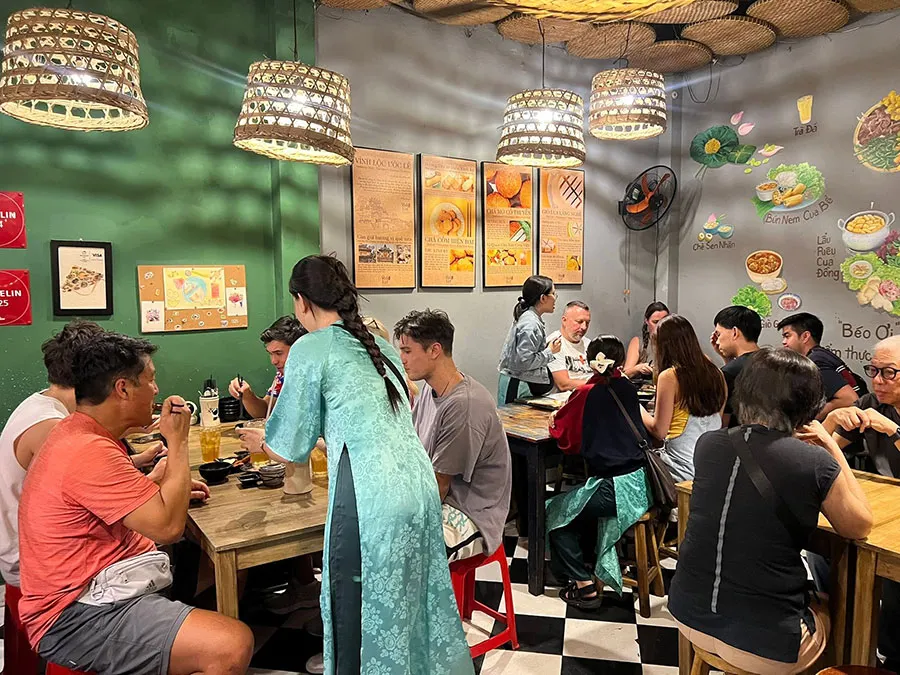
How can travelers spot a promising local restaurant?
Look for a steady flow of customers, food cooked in active batches and ingredients stored with care. A concise menu, visible specialisation and local diners returning throughout the meal period are usually more useful signs than fashionable decoration.
Busy does not guarantee perfection, and an empty room may simply be between meal periods. Check recent reviews, then use your judgment on arrival.
What should you order at a small Saigon restaurant?
Start with the dish named on the sign or repeated across most tables. A shop displaying “hủ tiếu,” “bún bò,” “cơm gà” or “bánh xèo” prominently is telling you where its confidence lies.
At family-style kitchens, meals may include rice accompanied by fish, meat, vegetables, soup and a dipping sauce. This shared format differs from a single bowl of noodles, so ask whether the listed portion is intended for one person or the table.
How do you order without an English menu?
Use your phone’s translation tool, point politely to a menu item or indicate a dish you can see. Confirm the quantity with your fingers and check whether the price is per plate, per portion or by weight—especially for seafood.
Useful phrases include “một phần” for one portion, “không cay” for not spicy and “tính tiền” for the bill. For allergies, carry a clearly translated written message.
How much does a meal cost?
Prices depend on the neighbourhood and ingredients. Noodles and rice meals are usually affordable, while seafood and shared specialty dishes can raise the total.
As a practical 2026 planning range, travelers eating mainly at street stalls and small local restaurants can budget roughly 180,000–350,000 VND per person per day. Treat this as guidance rather than a quoted menu price, and always check the displayed menu before ordering.
For a fuller breakdown by dish, see the Ho Chi Minh City street-food price guide. Cash remains the safest payment option at very small eateries.
Local Tip: Carry smaller Vietnamese notes. They make payment easier and reduce confusion in a busy restaurant, but count your change calmly instead of blocking the payment area.
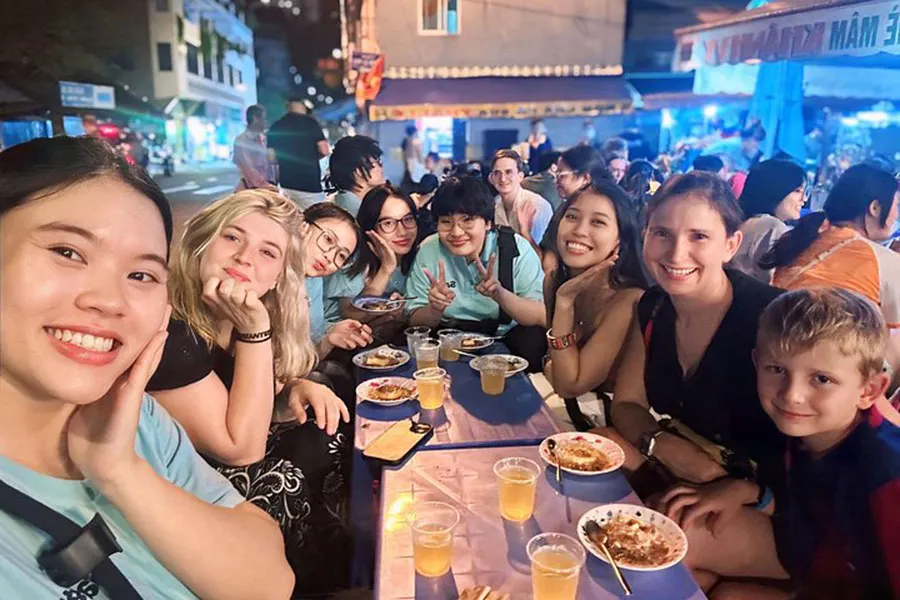
Best time to visit a family-run restaurant
Breakfast specialists may open early and finish before late morning. Lunch restaurants are often busiest from about 11:30 a.m. to 1:00 p.m., while dinner-focused places become lively after offices close.
Arrive slightly before the local rush to understand the menu and find a seat. Come too late and the signature dish may be sold out.
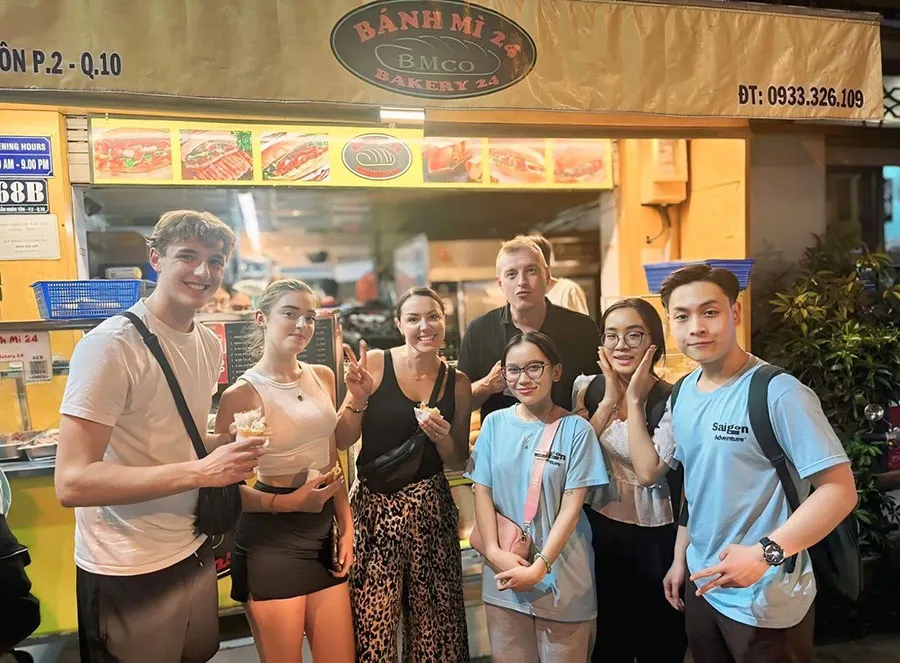
Dining etiquette and practical local tips
At a shared meal, use serving utensils and take modest portions. Do not leave chopsticks standing upright in rice or move condiments to another table without asking.
Keep backpacks off narrow walkways and valuables where you can see them. Tipping is not automatically expected; pay the stated bill, with a modest extra amount optional for unusually helpful service.
What should travelers avoid?
- Do not assume international cards are accepted.
- Do not order seafood before confirming the price and unit.
- Do not block the entrance while taking photographs.
- Do not rely on an old post for current opening hours.
If food handling makes you uncomfortable, leave politely and choose another place. Hot food should arrive properly cooked, while travelers with sensitive stomachs may prefer busy kitchens with rapid turnover.
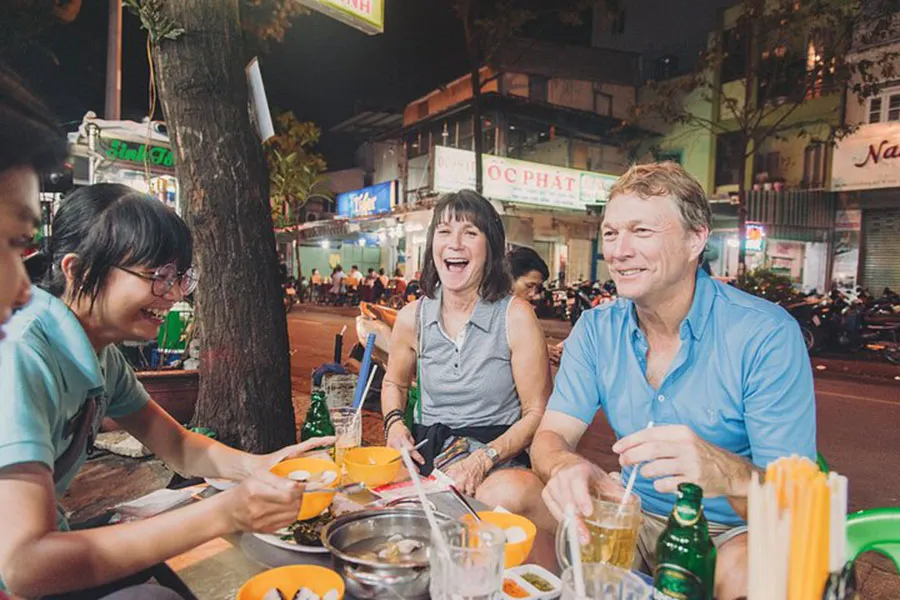
Who will enjoy this Saigon dining experience?
Family-run eateries suit independent travelers, couples and small groups who value atmosphere over polished service and enjoy learning about regional recipes.
They may be less suitable for large groups needing guaranteed seating or travelers requiring strict allergen controls. Families with children should choose quieter hours and check spice levels, seating and restroom access.
Solo travelers can begin with single-dish shops, where ordering is simpler and eating alone feels completely normal. For more guidance and introductions from local hosts, a Saigon motorbike food tour can remove much of the guesswork.
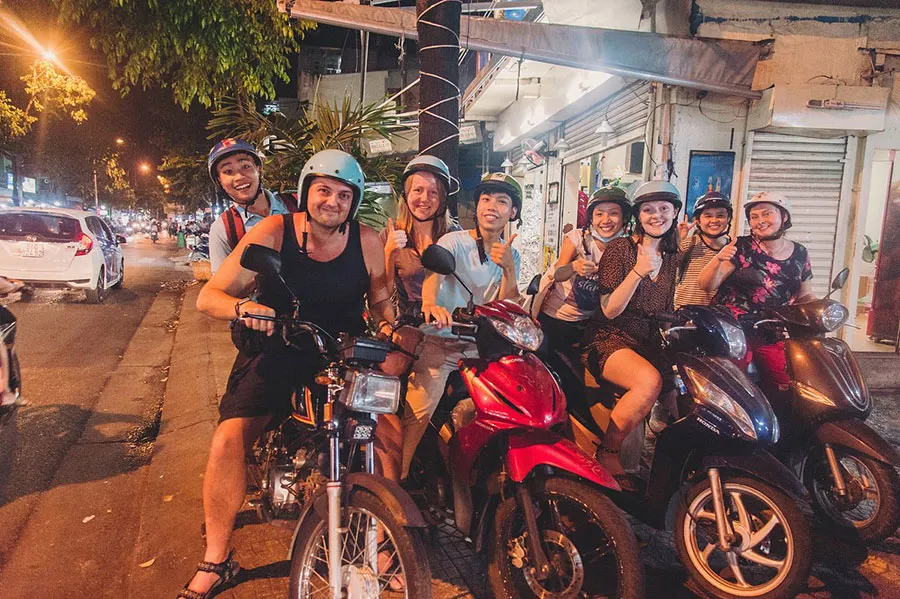
How to make the experience more meaningful
Explore one neighbourhood slowly and notice the markets, cafés and daily rhythms surrounding your meal. A guided street food experience for food lovers can explain unfamiliar dishes, while a Saigon night tour by scooter combines local food with the city after sunset.
Remember that the restaurant is a family’s workplace, not a photo set. Ask before photographing people, pay fairly and respect the pace of service.

A more personal taste of Saigon
Family-run restaurants reward travelers who trade perfect convenience for character. Behind an ordinary sign may be a recipe carried from another province or several generations sharing one kitchen.
Pick a neighbourhood, arrive before the rush and order what the restaurant does best. If you would like local help navigating menus and finding flavours beyond the tourist centre, explore Saigon with an experienced guide and allow your next meal to become part of the journey.
Frequently asked questions about family-run restaurants in Saigon
Are family-run restaurants in Saigon safe for tourists?
Many are suitable for travelers, but standards vary. Choose places with active cooking, good turnover, clean utensils and careful ingredient storage; order fully cooked food served hot, and leave if hygiene conditions make you uncomfortable.
Are small local restaurants in Saigon expensive?
Most simple noodle and rice shops are affordable, although seafood and shared specialty dishes cost more. Check the menu, confirm prices for items sold by weight and carry Vietnamese cash in smaller denominations.
Can I eat at a local restaurant if I do not speak Vietnamese?
Yes. Translation apps, menu photos and polite pointing usually work for simple orders. Confirm portion numbers clearly and prepare a written Vietnamese allergy card if you have serious dietary restrictions.
Do family-run restaurants in Ho Chi Minh City accept credit cards?
Some do, but many small eateries remain cash-first. Digital bank transfers are common among Vietnamese customers but may not be practical for international visitors, so carry enough Vietnamese đồng for the meal.
What is the best district for authentic local food in Saigon?
There is no single best district. The former Districts 3 and 4 are convenient from the centre, while District 5, District 10, Bình Thạnh and Phú Nhuận offer extensive neighbourhood dining beyond the main tourist streets.
Should tourists tip at small restaurants in Saigon?
Tipping is not compulsory at most casual family-run restaurants. Pay the correct bill, and leave a modest optional tip only when you genuinely want to recognise especially helpful service.
What time do local restaurants close in Saigon?
Hours depend on the dish and family schedule. Breakfast shops may finish before noon, while some dinner restaurants open only in the late afternoon; popular dishes can sell out before the advertised closing time.
Explore our best-selling tours
 Bestseller
Street Food Tour In Ho Chi Minh City By Motorbike
Saigon Street Food Tours: An Authentic Culinary Odyssey To experience Ho Chi Minh City, you need to do two things:...
 Bestseller
Saigon: Premium Award-Winning Food Tour with Ao Dai Female Riders
A Michelin food tour by scooter in Vietnam elevates the standard street food experience by combining world-class culinary recognition with...
 Bestseller
Saigon Foodie Tour By Scooter With Female Rider (With Beer & Seafood)
Beautiful female tour guides at Saigon Adventure ABOUT THIS TOUR Let us be your guide to experiencing Saigon By Night...
 Bestseller
Vegan Food Tour
Keep your travel plan flexible - book your spot now and pay nothing today! You only need to pay 4...
 Bestseller
Hanoi Local Food Tour with Train Street and Old Quarter
Discover the flavors and everyday life of Vietnam’s capital on a 3-hour Hanoi local food tour through the historic Old...
 Bestseller
Ho Chi Minh City Michelin Food and Live Music Scooter Tour
Welcome to our premier michelin food tour in Ho Chi Minh City! Secure your experience today with Total Flexibility Reserve...
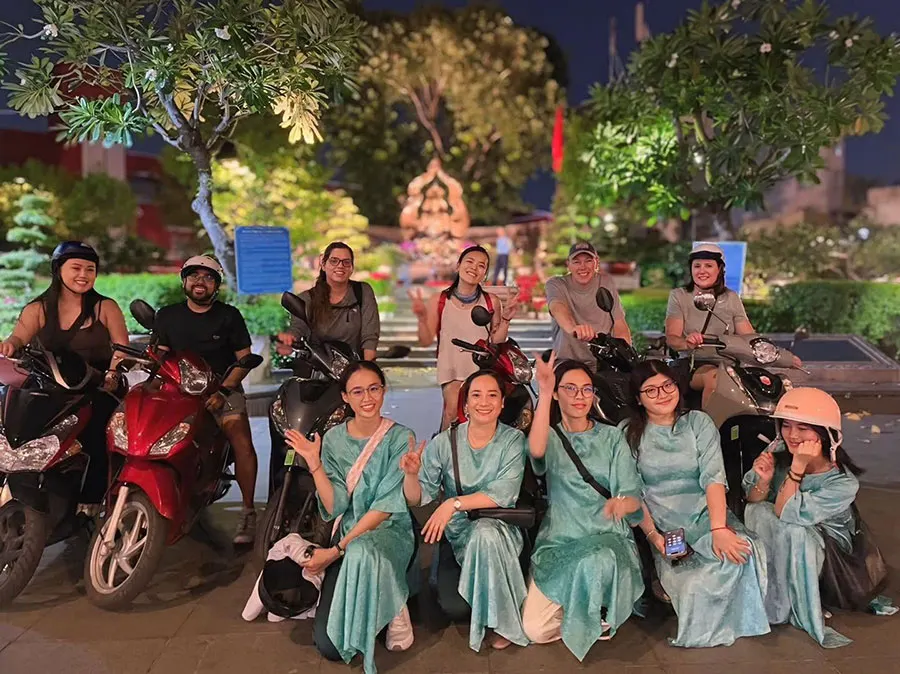 Bestseller
Premium Saigon Hidden Alleys & History: Private Motorbike Tour
Ho Chi Minh Hidden Alleys & History: Private Motorbike Tour Ready to step off the beaten path and discover the...
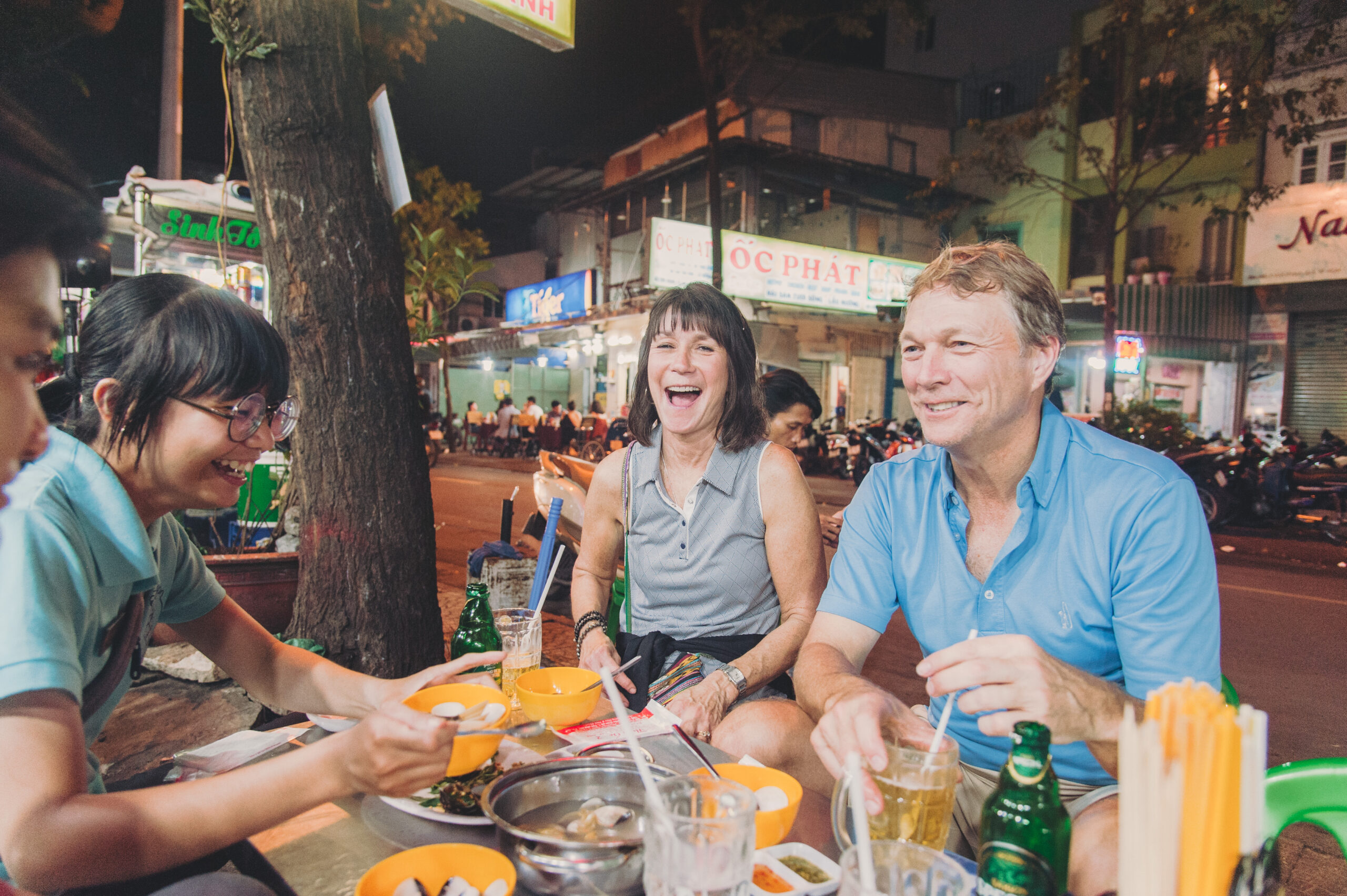 Bestseller
Ho Chi Minh Food Safari With 20 Tastings
Explore Ho Chi Minh City through its food on our Ho Chi Minh Food Safari, featuring 20 authentic street food...
 Bestseller
Saigon | Combo Street Food And Sightseeing Tour By Scooter
Food and Sight Motorbike (Special Combo) Experience the ultimate Saigon adventure! Over 4 thrilling hours, hop on the back of...
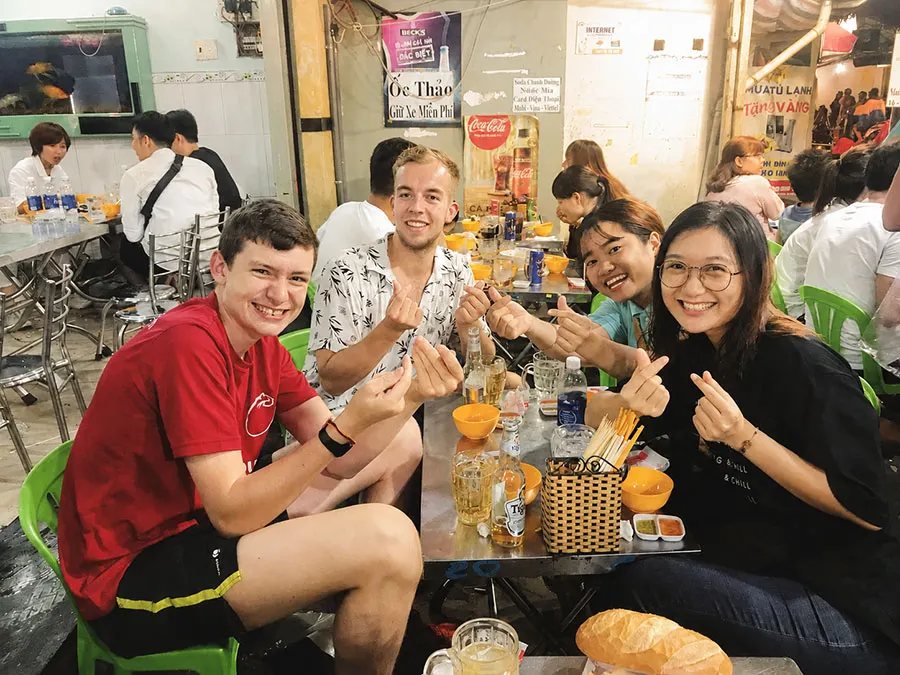 Bestseller
Hanoi Michelin Street Food Tour With a Local Guide
Explore the Old Quarter through its most memorable flavors on our Hanoi Michelin Street Food Tour. Led by a knowledgeable...
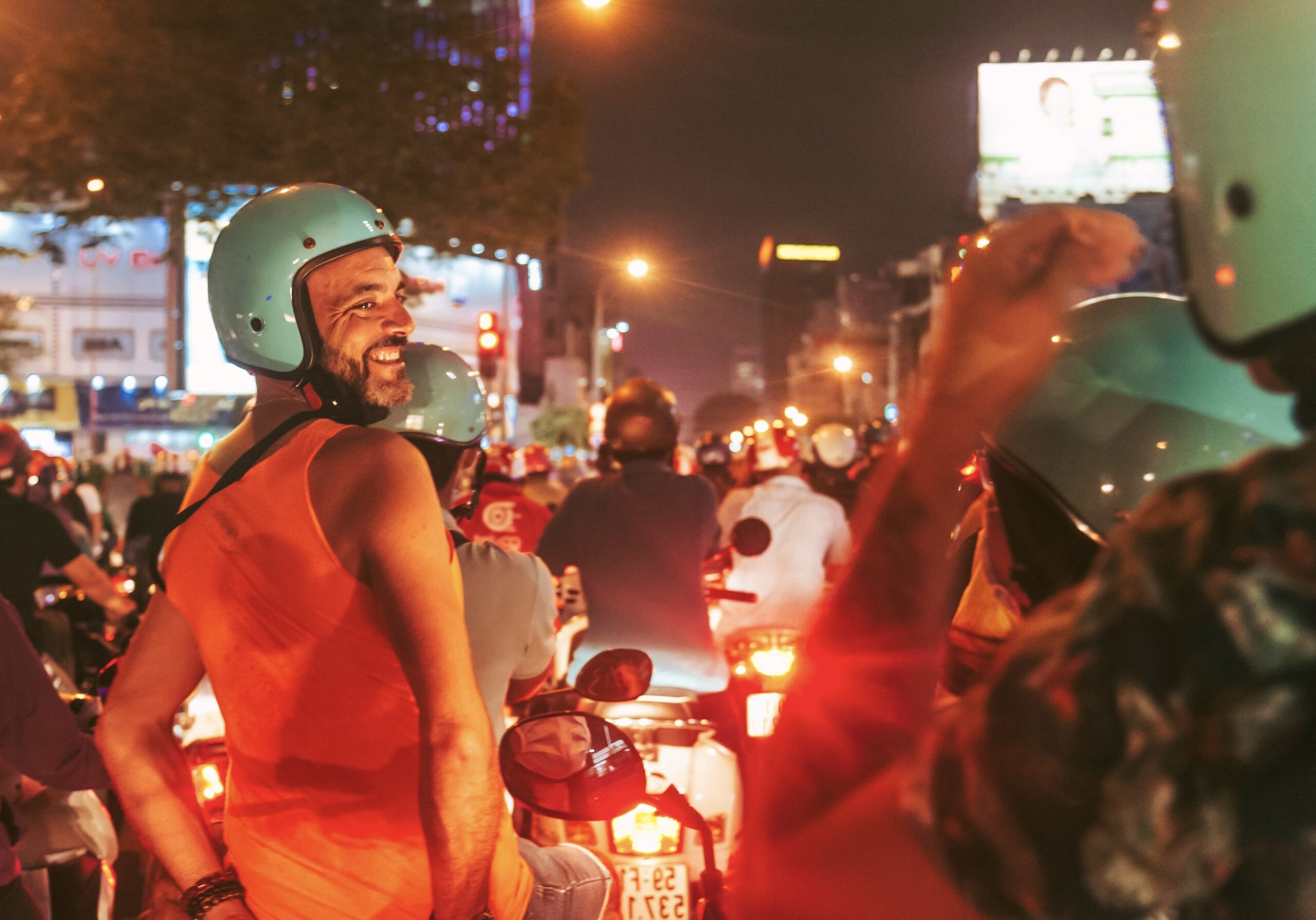 Bestseller
Saigon By Night (Motorbike Tour) With Rooftop Bar – Live Music And Seafood
Keep your travel plan flexible - book your spot now and pay nothing today! You only need to pay...
 Bestseller
Beers, Music & Foods
TOUR DETAILS Saigon After Dark: The Ultimate Scooter, Food & Live Music Odyssey Experience the electric energy of Ho Chi...