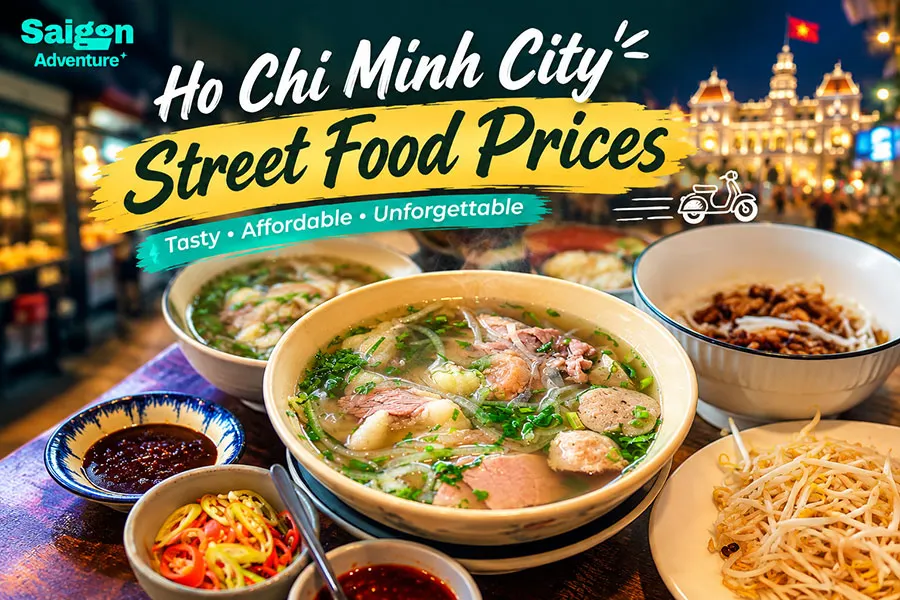
Vietnam is one of the best destinations in Asia for travelers who want delicious local food at affordable prices. In 2026, a typical local meal usually costs around 40,000–100,000 VND, while street food in Ho Chi Minh City often ranges from 25,000–80,000 VND per dish.
This guide breaks down current Vietnam food prices, popular Saigon street food costs, daily food budgets and what travelers can realistically expect to spend on bánh mì, phở, cơm tấm, drinks and other local favorites.
Quick Answer: How Much Does Food Cost in Vietnam?
A typical local meal in Vietnam costs around 40,000–100,000 VND ($1.50–$4) per person. Street-food snacks can start from 15,000–40,000 VND, while casual Vietnamese restaurants usually cost around 100,000–250,000 VND per person.
For travelers eating mostly local food, a realistic daily food budget is about 200,000–400,000 VND ($8–$15) per person, depending on where and what you eat.
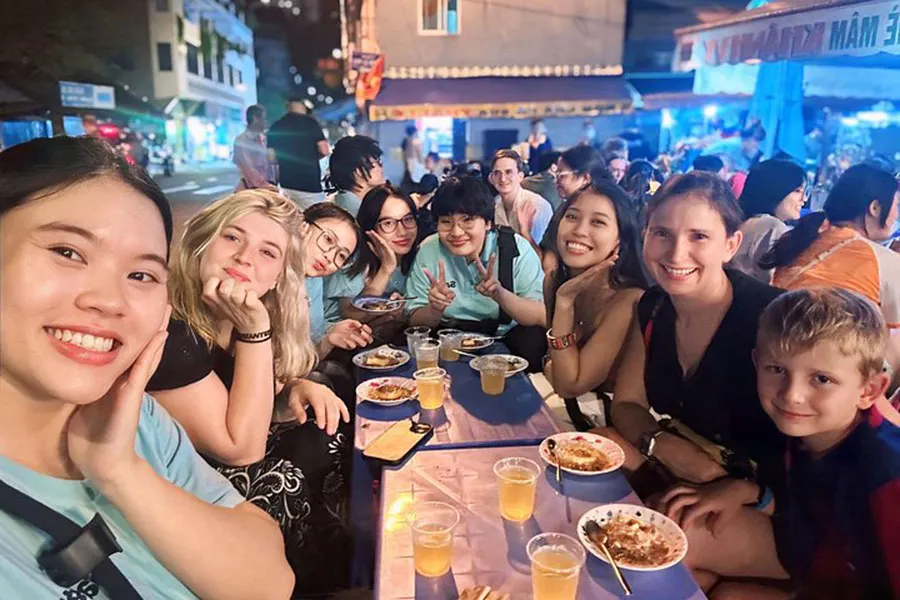
How Much Does Street Food Cost in Ho Chi Minh City in 2026?
Most complete street-food meals cost approximately 40,000–80,000 VND. Smaller snacks and drinks can cost less, while seafood, larger portions, premium ingredients and well-known restaurants may cost 100,000 VND or more.
A practical daily food budget for one traveler is:
- Budget street-food day: 180,000–250,000 VND
- Comfortable local-food day: 250,000–400,000 VND
- Street food plus cafés and seafood: 400,000–700,000 VND
These figures are estimates rather than fixed prices. Exchange rates change, but 25,000–26,000 VND is roughly equivalent to one US dollar, so even a 75,000 VND noodle bowl remains affordable for many international visitors.
Prices in central Ho Chi Minh City can be higher than in residential areas, depending on the neighborhood, portion size and reputation of the vendor.
How Much Does a Meal Cost in Vietnam?
A simple local meal in Vietnam typically costs around 40,000–100,000 VND, while snacks and small street-food dishes can cost as little as 15,000–40,000 VND. Casual restaurants, larger portions and meals in major tourist areas generally cost more.
| Type of meal | Typical price |
|---|---|
| Street-food snack | 15,000–40,000 VND |
| Local rice or noodle meal | 40,000–100,000 VND |
| Casual Vietnamese restaurant | 100,000–250,000 VND |
| Mid-range restaurant meal | 150,000–350,000+ VND |
Food prices vary by destination, neighborhood and restaurant type. In Ho Chi Minh City, travelers who mainly choose street stalls and local eateries can generally budget around 180,000–400,000 VND per person per day for food.
A simple local meal in Vietnam typically costs around 40,000–100,000 VND, while snacks and small street-food dishes can cost as little as 15,000–40,000 VND. Casual restaurants, larger portions and meals in major tourist areas generally cost more.
| Type of meal | Typical price |
|---|---|
| Street-food snack | 15,000–40,000 VND |
| Local rice or noodle meal | 40,000–100,000 VND |
| Casual Vietnamese restaurant | 100,000–250,000 VND |
| Mid-range restaurant meal | 150,000–350,000+ VND |
Food prices vary by destination, neighborhood and restaurant type. In Ho Chi Minh City, travelers who mainly choose street stalls and local eateries can generally budget around 180,000–400,000 VND per person per day for food.
Vietnam Food Price List: Popular Street Food Prices in Saigon
The following ranges reflect prices commonly found at street stalls, markets and casual local eateries. Restaurants with air conditioning, elaborate interiors or strong social-media followings may charge more.
| Street food or drink | Typical price in 2026 (VND) | Approx. USD |
|---|---|---|
| Bánh mì | 25,000–60,000 | $1.0–2.4 |
| Phở | 40,000–100,000 | $1.6–3.9 |
| Cơm tấm | 40,000–90,000 | $1.6–3.5 |
| Hủ tiếu | 40,000–85,000 | $1.6–3.3 |
| Bún bò Huế | 45,000–80,000 | $1.8–3.1 |
| Bún thịt nướng | 40,000–75,000 | $1.6–2.9 |
| Bánh xèo | 40,000–100,000 | $1.6–3.9 |
| Gỏi cuốn (per roll) | 8,000–20,000 | $0.3–0.8 |
| Bánh tráng trộn | 20,000–40,000 | $0.8–1.6 |
| Grilled skewers (each) | 10,000–30,000 | $0.4–1.2 |
| Chè | 20,000–45,000 | $0.8–1.8 |
| Vietnamese iced coffee | 20,000–50,000 | $0.8–2.0 |
| Fresh juice or sugarcane juice | 15,000–40,000 | $0.6–1.6 |
| Street seafood (per dish) | 80,000–300,000+ | $3–12+ |
For a broader introduction to the city’s essential dishes, see this guide to the best street food in Ho Chi Minh City.
How Much Do Saigon’s Most Popular Dishes Cost?
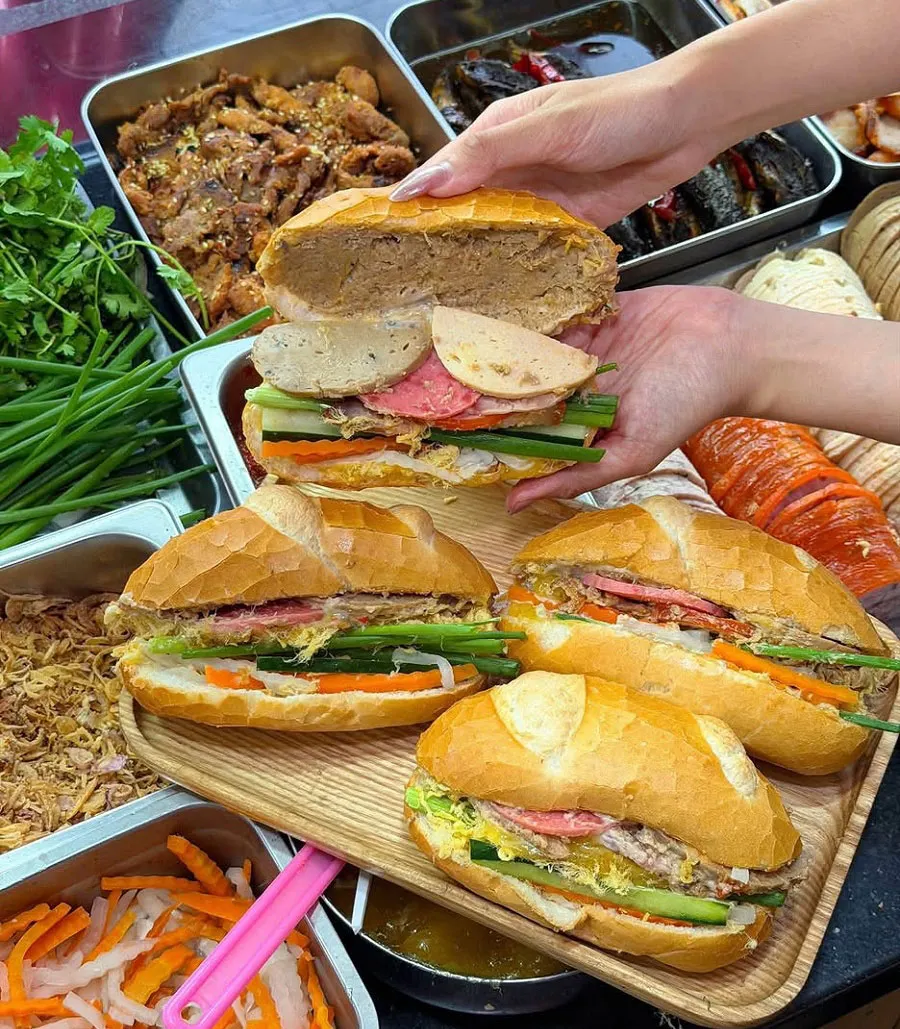
How Much Is a Banh Mi in Vietnam?
A typical bánh mì in Vietnam costs around 25,000–60,000 VND ($1–$2.40) in Ho Chi Minh City. Simple neighborhood versions are usually cheaper, while popular shops with larger portions, extra meat or more fillings may cost slightly more.
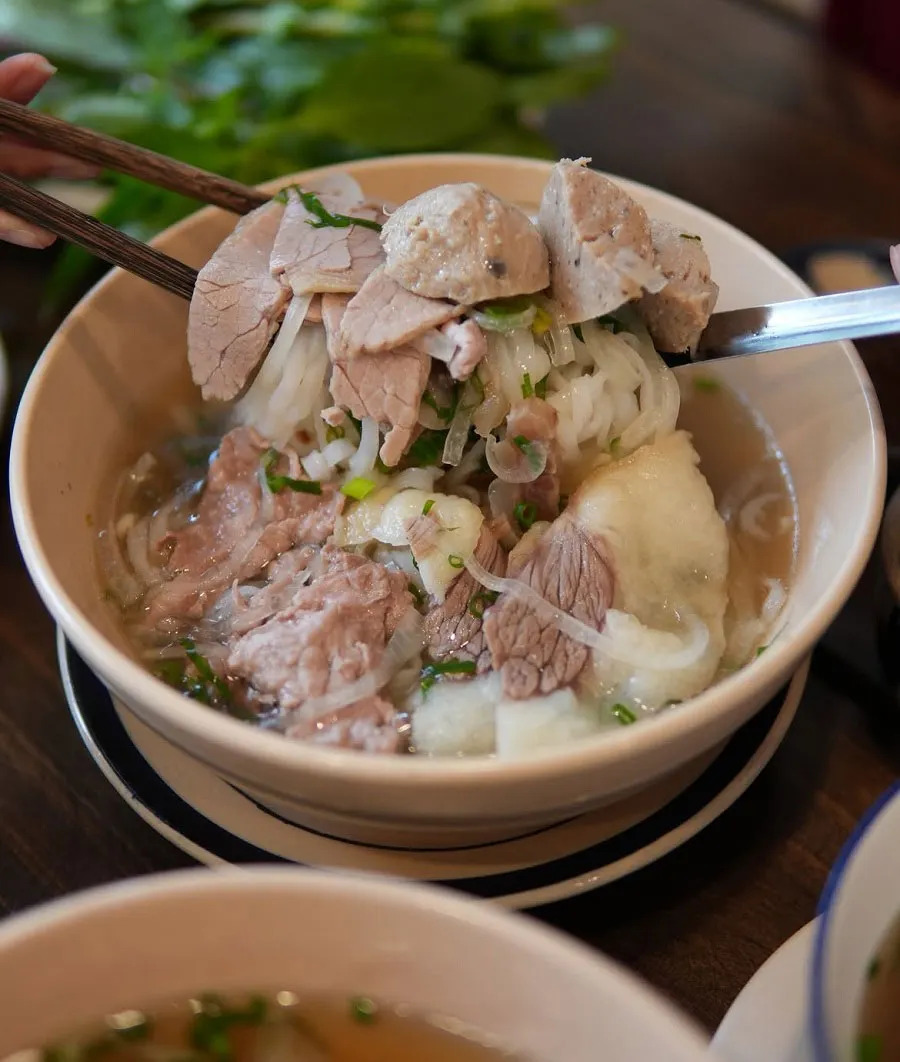
Phở and other noodle soups: 40,000–100,000 VND
A neighborhood bowl of phở, bún bò Huế, bún riêu or hủ tiếu generally costs 40,000–70,000 VND. Larger portions, premium beef cuts and established central restaurants can push the price closer to 100,000 VND.
Some menus list different prices for a regular bowl and a larger serving. Words such as “đặc biệt” indicate a special version that normally contains more meat and costs more.
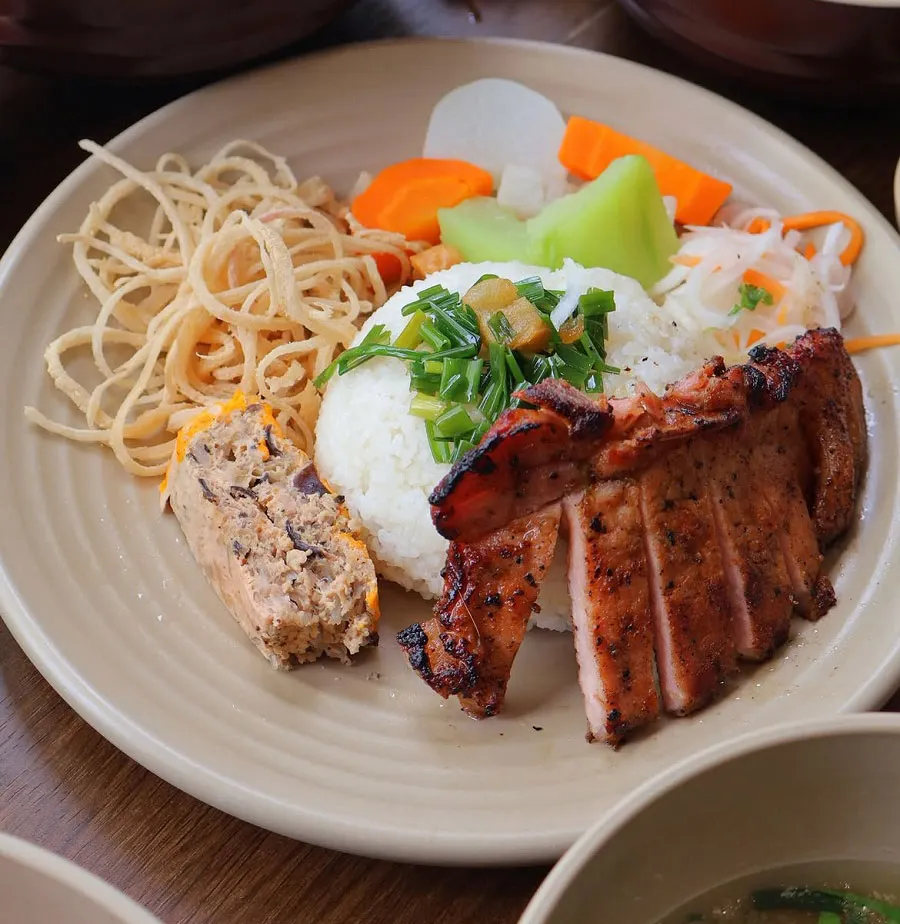
Cơm tấm: 40,000–90,000 VND
A basic plate of broken rice with a grilled pork chop is usually one of the city’s best-value full meals. Adding a fried egg, shredded pork skin, steamed egg cake or extra meat increases the total.
Ask for the price of additional toppings if a menu is unavailable. In many local eateries, each topping is charged separately even when the completed plate appears to be one set meal.
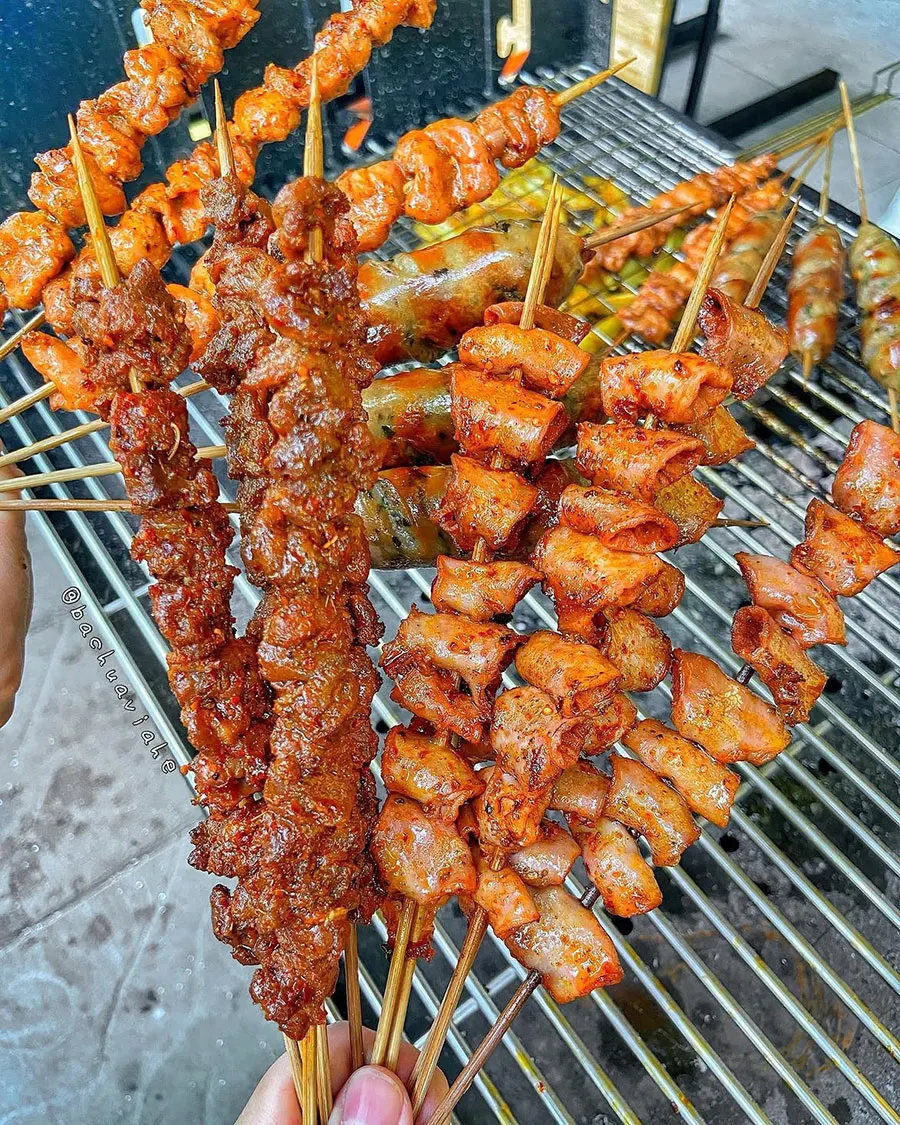
Snacks, rolls and skewers: 8,000–40,000 VND
Fresh spring rolls, grilled skewers, fried snacks and rice-paper dishes are inexpensive individually. However, a table filled with small dishes can become more expensive than one complete rice or noodle meal.
Confirm whether the displayed price applies to one item, one plate or a full portion. This is particularly useful when ordering grilled seafood, dumplings or skewers with several varieties on display.
Seafood and snails: 80,000–300,000 VND or more
Seafood is the category in which prices vary most. Snails, clams, scallops, prawns and crab may be priced by plate, portion, size or weight.
Never assume every item displayed at a seafood stall has the same price. Ask for the price and serving size before the kitchen begins cooking, especially when ordering crab, large prawns or fish.

Why Street Food Prices Vary Across Ho Chi Minh City
Location makes a significant difference
District 1 offers exceptional convenience, but stalls close to major attractions, nightlife streets and hotels often have higher rents and more tourist traffic. A comparable meal may cost less in Districts 3, 5, 10 or other residential neighborhoods.
That does not mean District 1 should be avoided. Its central location, broad selection and longer opening hours can justify paying slightly more, and this District 1 food guide can help you choose worthwhile local dishes.
Ingredients and portion sizes are not standardized
Two bowls carrying the same name can contain very different amounts of meat, seafood, noodles and toppings. A 45,000 VND bowl is not automatically better value than a 70,000 VND version if the latter includes a larger portion and higher-quality ingredients.
Instead of judging a vendor by price alone, observe portion sizes on nearby tables. This is often the simplest way to understand what you will receive.
Famous vendors may charge more
Long-established stalls and Michelin-recognized eateries may have higher prices because of demand, ingredients, portion size or reputation. They may still offer good value, but fame does not guarantee that every traveler will prefer their flavor.
A quieter family-run shop can be equally rewarding. The difference is that international visitors may find its menu, location and ordering process less accessible.
How Much Should You Budget for Food Per Day in Vietnam?
Travelers who mainly eat local Vietnamese food can eat comfortably without spending much. Your daily budget will depend on how often you choose street food, cafés, seafood or sit-down restaurants.
| Eating style | Estimated daily food budget |
|---|---|
| Street food and simple local meals | 180,000–250,000 VND |
| Comfortable local eating | 250,000–400,000 VND |
| Local food plus cafés and drinks | 400,000–600,000 VND |
| Restaurants, seafood and nightlife | 600,000–1,000,000+ VND |
For most visitors, 250,000–400,000 VND per person per day is a practical budget if you want to try several local dishes, have a Vietnamese coffee and enjoy a few snacks along the way.
Can You Eat Well in Saigon for $10 a Day?
Yes. With approximately 250,000–260,000 VND, a traveler can comfortably eat three simple local meals and perhaps add a drink or snack, provided most choices are neighborhood stalls rather than tourist restaurants.
One possible budget day could include:
- Breakfast: bánh mì and Vietnamese coffee – 60,000 VND
- Lunch: cơm tấm with grilled pork – 65,000 VND
- Afternoon snack: chè or fruit – 30,000 VND
- Dinner: noodle soup – 70,000 VND
- Water – 15,000 VND
Total: approximately 240,000 VND.
This budget becomes tighter when you order seafood, imported drinks, cocktails or multiple dishes at famous restaurants. It also excludes transportation, tours and hotel dining.
Are Food Prices Different Across Vietnam?
Yes. Food prices in Vietnam vary by destination, neighborhood and restaurant type. Ho Chi Minh City and Hanoi generally offer everything from very cheap street food to expensive restaurants, while smaller cities can be slightly cheaper for simple local meals.
Tourist-heavy areas in District 1, Hoi An Old Town or central beach zones may charge more than residential neighborhoods. However, travelers can still find affordable bánh mì, noodle soups, rice dishes and local drinks almost everywhere.
As a general rule, the biggest price difference comes from where you eat rather than which city you visit. Neighborhood stalls and family-run restaurants are usually much cheaper than restaurants located beside major attractions.
Are Street-Food Prices Higher in District 1?
Street food in District 1 is generally more expensive than in residential areas, although affordable vendors still exist. Visitors pay partly for convenience: central locations are close to hotels, attractions and nightlife, while menus are more likely to include English.
District 10 provides a more neighborhood-focused experience, particularly around markets and busy evening food streets. Our guide to street food in District 10 covers local snacks, noodle dishes and practical visiting advice.
District 5 and Chợ Lớn are particularly rewarding for Chinese-Vietnamese flavors, dim sum and herbal noodle dishes. Read the District 5 and Chợ Lớn food guide before planning a morning or evening visit.
How to Ask the Price in Vietnamese
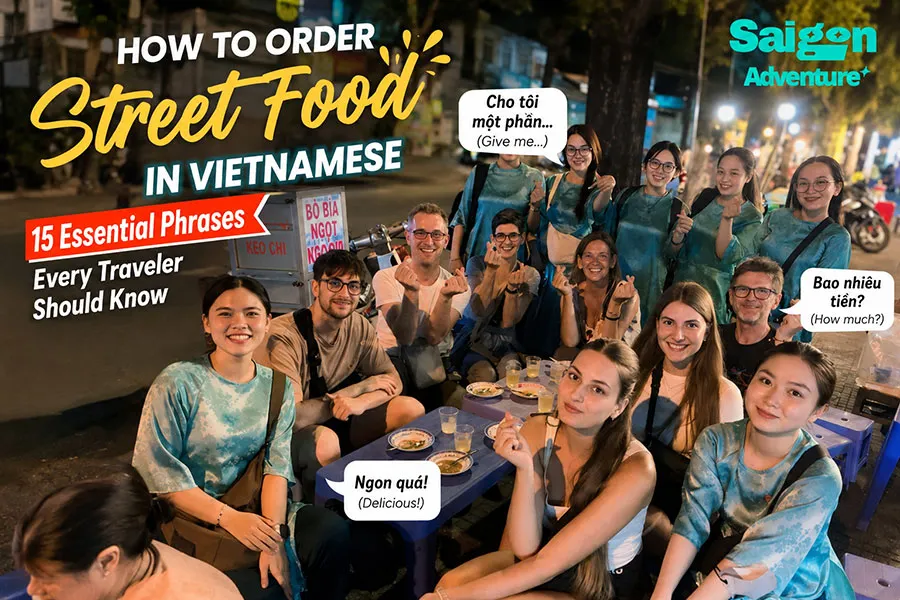
The simplest phrase is “Bao nhiêu tiền?” meaning “How much?” Pointing politely at the dish while asking is usually enough when there is no English menu.
Useful phrases include:
- Bao nhiêu tiền? – How much?
- Một phần – One portion
- Không cay – Not spicy
- Ít cay – Less spicy
- Không đá – No ice
- Tính tiền – The bill, please
Show the price on your phone calculator if spoken numbers are difficult to understand. Confirming the amount before ordering is normal and prevents confusion without creating an awkward interaction.
How to Pay for Street Food in Saigon
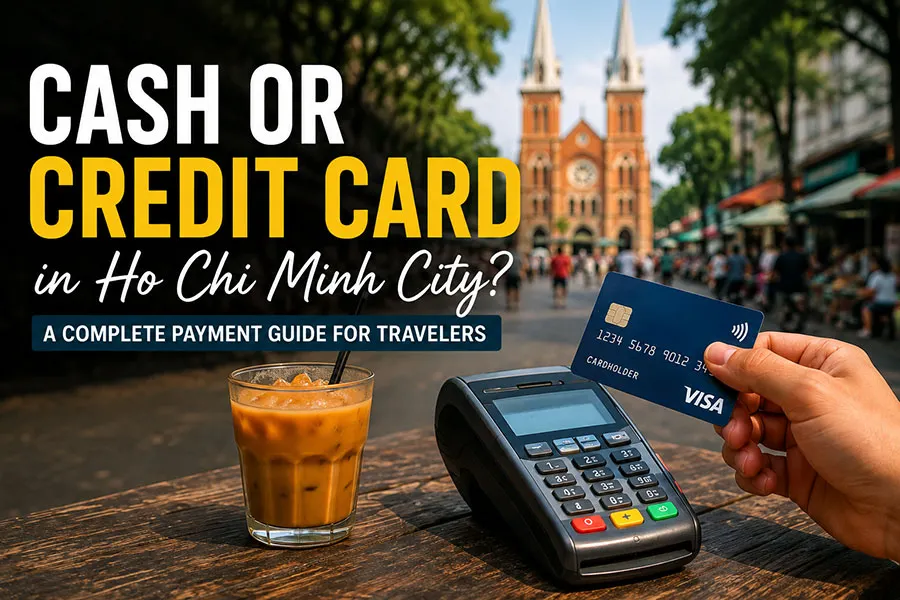
Cash remains the most reliable payment method at small stalls and mobile carts. Carry 10,000, 20,000, 50,000 and 100,000 VND notes so vendors do not need to find change for a 500,000 VND bill.
QR payments are widespread, but they often require access to a compatible Vietnamese banking application. International credit cards are rarely accepted by informal street vendors, although larger restaurants and food courts commonly accept them.
Count your change calmly and keep cash in a secure pocket or small bag. Avoid displaying an entire wallet on a crowded pavement or market street.
Local Tips for Getting Better Value
Choose vendors displaying prices whenever possible. A short menu with clear prices makes comparing portions easier and reduces the risk of misunderstandings.
Busy stalls are often a positive sign, particularly when local customers arrive steadily and ingredients are cooked to order. High turnover can also mean food spends less time sitting at room temperature.
Eat slightly before or after the main rush if you want more time to understand the menu. Vendors are usually less hurried outside the busiest breakfast, lunch and dinner periods.
Do not chase the lowest possible price. Saving 10,000 VND is rarely worthwhile if a stall appears unhygienic, food has been left uncovered or ingredients do not look fresh.
Independent Eating vs Joining a Food Tour
Exploring independently is the cheapest option and gives you complete control over your budget, portions and schedule. It suits confident travelers who enjoy researching neighborhoods, navigating busy streets and ordering food without assistance.
A Saigon walking tour is a good choice if you prefer a slower pace and want to explore markets, alleys and local eateries within one compact area. Walking keeps you close to everyday street life, although the number of neighborhoods you can visit is naturally limited.
A Saigon Motorbike Food Tour makes it possible to reach family-run restaurants and hidden food stalls spread across several districts in one evening. The higher cost includes transportation, carefully planned tastings, local guidance and stories behind dishes that can be difficult to discover independently.
Neither option is automatically better. Choose a walking tour for a relaxed neighborhood experience, a motorbike tour for greater variety and distance, or explore alone when keeping costs as low as possible is your main priority.

Is Saigon Street Food Worth the Price?
Saigon street food offers exceptional value because the experience extends beyond the amount of food on the plate. You see meals prepared beside charcoal grills, hear vendors calling across crowded alleys and experience the everyday rhythm of neighborhoods that operate far beyond the main attractions.
The cheapest stall is not necessarily the best choice, and the most famous restaurant is not automatically the most authentic. A good food budget leaves room to compare simple local meals, try unfamiliar snacks and occasionally pay more for a dish that requires premium ingredients.
Plan around 250,000–400,000 VND per day for a comfortable introduction to local food. If you would rather spend one evening tasting several specialties without planning every stop, explore Saigon with a knowledgeable local and let the city reveal itself one small table at a time.
If you want to combine local transportation with markets, landmarks and neighborhood life, consider exploring the city on a Ho Chi Minh City motorbike tour

Frequently Asked Questions
How much does a meal cost in Vietnam in 2026?
A typical local meal in Vietnam costs around 40,000–100,000 VND per person. Street-food snacks may cost less, while casual restaurants usually range from about 100,000–250,000 VND per person.
How much does street food cost in Vietnam?
Most Vietnamese street-food dishes cost around 25,000–80,000 VND. Simple snacks can start from about 15,000–30,000 VND, while seafood, larger portions and famous vendors may cost more.
How much should I budget for food per day in Vietnam?
For travelers eating mainly local food, around 250,000–400,000 VND per person per day is a comfortable budget. A tighter street-food budget can be closer to 180,000–250,000 VND, while restaurants and seafood can push daily spending much higher.
How much is a banh mi in Vietnam?
A typical bánh mì in Vietnam costs around 25,000–60,000 VND in Ho Chi Minh City. Prices vary depending on the filling, portion size and location.
Is food expensive in Ho Chi Minh City?
No. Ho Chi Minh City is still very affordable for travelers who eat local food. Street stalls, small restaurants and neighborhood eateries usually offer much lower prices than restaurants in tourist-heavy areas.
Is street food cheaper outside District 1?
Usually, yes. Street food in residential districts is often cheaper than in the busiest parts of District 1, especially around major attractions and nightlife areas.
Do street food vendors in Vietnam accept credit cards?
Many small street-food vendors still prefer cash or local QR payments. Travelers should carry some Vietnamese đồng, especially when eating at small stalls, markets and neighborhood restaurants.
Explore our best-selling tours
 Bestseller
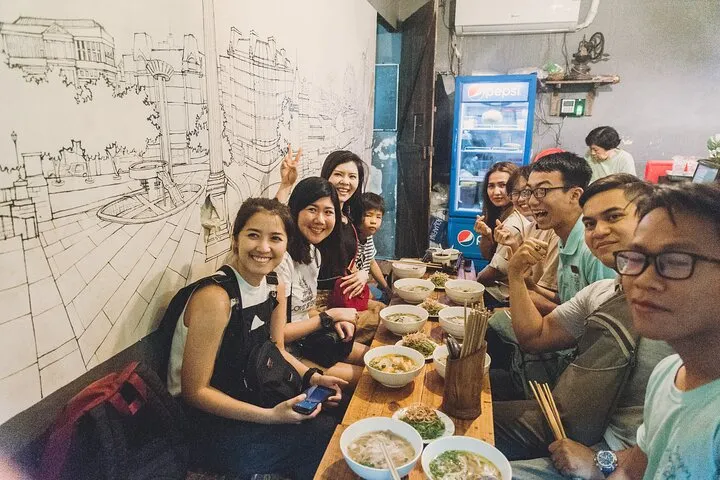
Street Food Tour In Ho Chi Minh City By Motorbike
Saigon Street Food Tours: An Authentic Culinary Odyssey To experience Ho Chi Minh City, you need to do two things:...
 Bestseller
Saigon: Premium Award-Winning Food Tour with Ao Dai Female Riders
A Michelin food tour by scooter in Vietnam elevates the standard street food experience by combining world-class culinary recognition with...
 Bestseller
Saigon Foodie Tour By Scooter With Female Rider (With Beer & Seafood)
Beautiful female tour guides at Saigon Adventure ABOUT THIS TOUR Let us be your guide to experiencing Saigon By Night...
 Bestseller
Vegan Food Tour
Keep your travel plan flexible - book your spot now and pay nothing today! You only need to pay 4...
 Bestseller
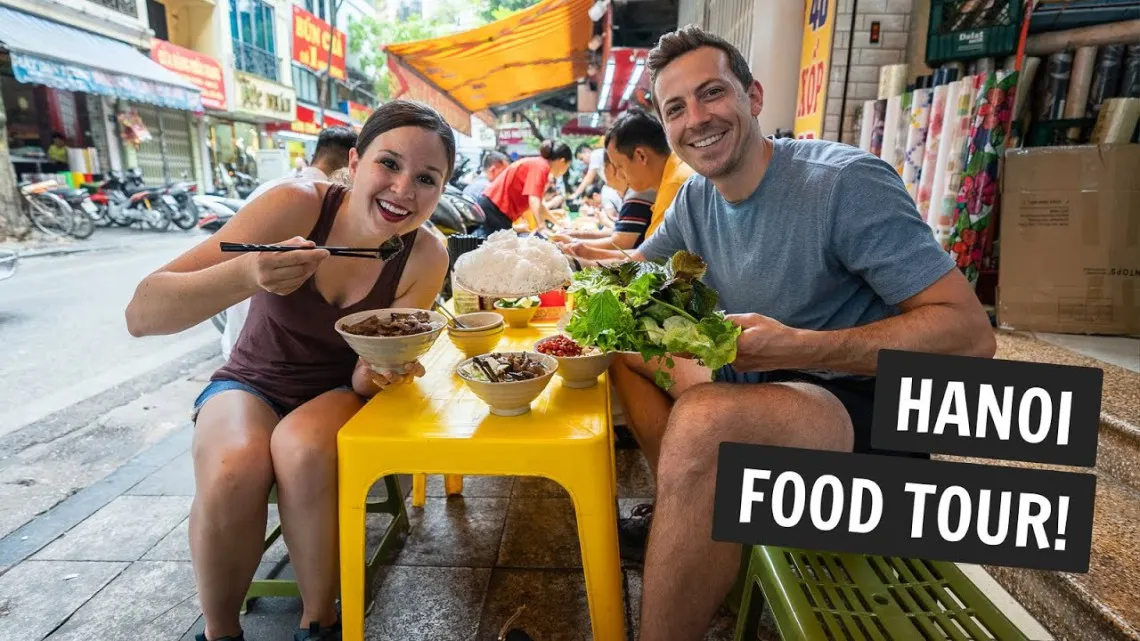
Hanoi Local Food Tour with Train Street and Old Quarter
Discover the flavors and everyday life of Vietnam’s capital on a 3-hour Hanoi local food tour through the historic Old...
 Bestseller
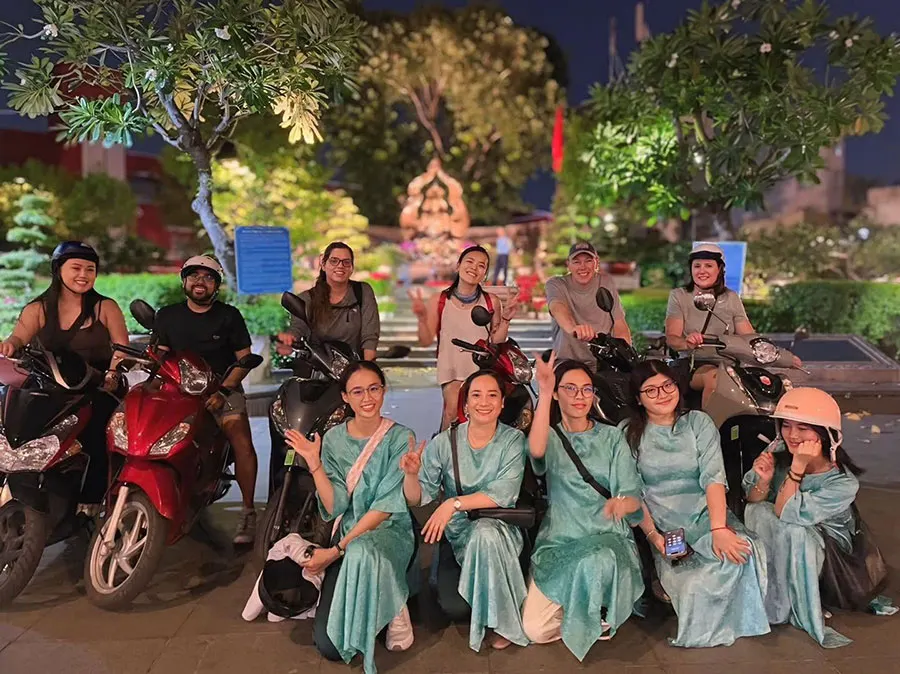
Premium Saigon Hidden Alleys & History: Private Motorbike Tour
Ho Chi Minh Hidden Alleys & History: Private Motorbike Tour Ready to step off the beaten path and discover the...
 Bestseller
Ho Chi Minh City Michelin Food and Live Music Scooter Tour
Welcome to our premier michelin food tour in Ho Chi Minh City! Secure your experience today with Total Flexibility Reserve...
 Bestseller
Ho Chi Minh Food Safari With 20 Tastings
Explore Ho Chi Minh City through its food on our Ho Chi Minh Food Safari, featuring 20 authentic street food...
 Bestseller
Saigon | Combo Street Food And Sightseeing Tour By Scooter
Food and Sight Motorbike (Special Combo) Experience the ultimate Saigon adventure! Over 4 thrilling hours, hop on the back of...