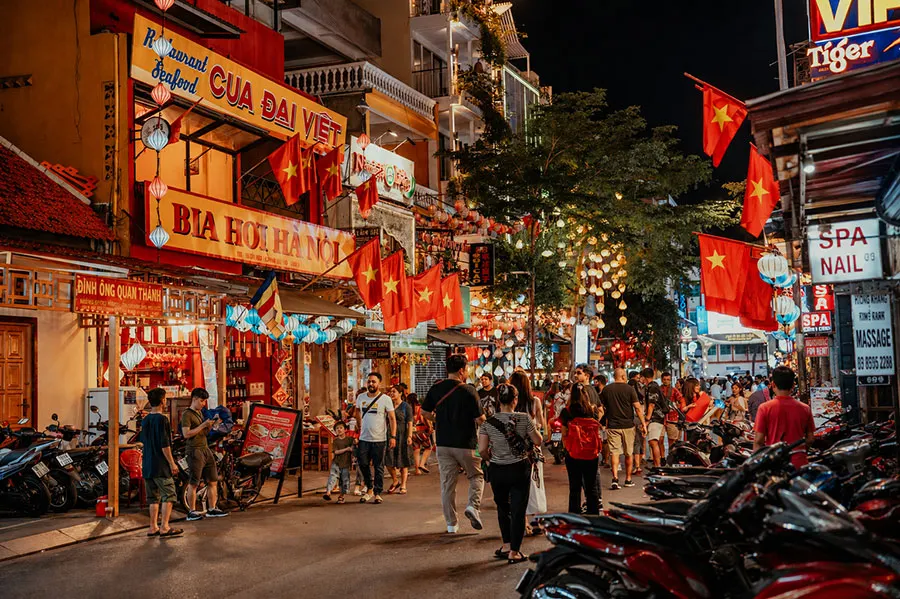
District 1 is where many first-time visitors meet Ho Chi Minh City: landmark boulevards, busy markets, old apartment blocks, hidden cafés and the smell of grilled meat drifting through the streets after dark. It is also one of the easiest places to begin exploring Vietnamese food without traveling far from the city center.
If you are wondering what to eat in District 1 Ho Chi Minh City, focus on dishes that reveal how Saigon actually eats. Broken rice, noodle soups, grilled pork, crispy pancakes, seafood, desserts and strong Vietnamese coffee can all fit naturally into one day of sightseeing.
Quick Answer: What Should You Eat in District 1?
If this is your first time eating around central Saigon, start with cơm tấm for a classic local meal, hủ tiếu Nam Vang for a southern-style noodle bowl and bánh mì when you need something quick between sightseeing stops.
Later in the day, try bún thịt nướng or share a crispy bánh xèo before moving on to ốc and street seafood in the evening. Finish with chè or a strong cà phê sữa đá if you still have room.
You do not need to eat all eight dishes in one sitting. A better approach is to spread them across breakfast, lunch, an afternoon snack and an evening food crawl so you can experience how eating habits change throughout the day in Saigon.
First-time recommendation: If you can try only three, choose cơm tấm, hủ tiếu Nam Vang and bánh mì. Together, they give a better introduction to everyday Saigon food than relying only on phở.
Why District 1 works well for first-time food travelers
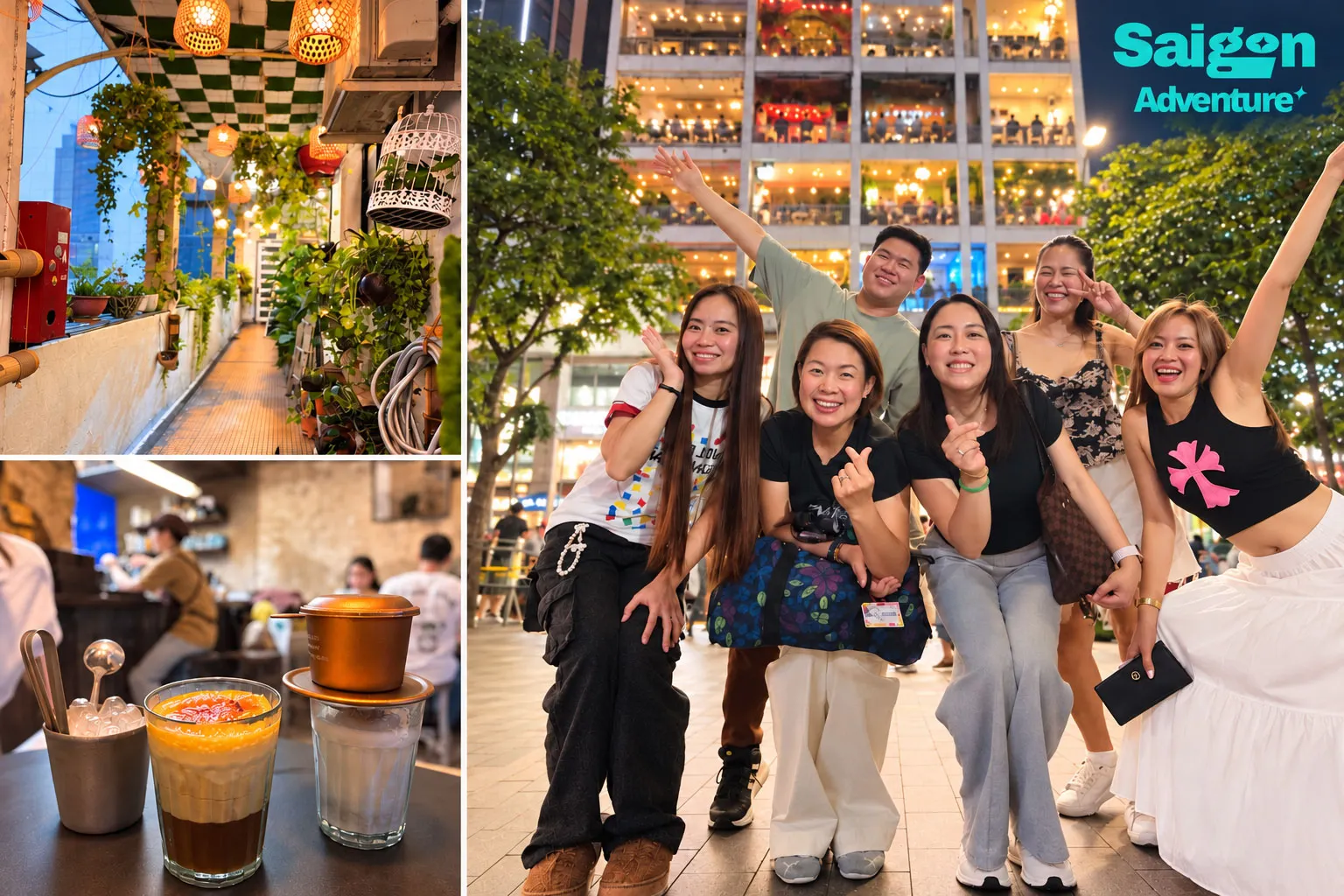
District 1 combines convenience with variety. Around Ben Thanh Market and the smaller streets branching away from the main tourist boulevards, you can move quickly between local meals, street snacks, coffee shops and more polished restaurants.
It is more tourist-oriented than some outer districts, but that can help on a first visit: menus are often easier to navigate and central attractions are close by.
See also the best street food in Ho Chi Minh City.
1. Com Tam – A Classic Saigon Meal
Cơm tấm is one of the most recognizable everyday dishes in Ho Chi Minh City. A typical plate combines broken rice with grilled pork, scallion oil, pickled vegetables and fish sauce, often with a fried egg or steamed egg cake.
For a classic order, try cơm tấm sườn trứng with grilled pork chop and fried egg. If you are hungry, sườn bì chả adds shredded pork skin and steamed egg cake.
Cơm tấm works especially well for breakfast or lunch, when many local shops are grilling pork continuously.
Local Tip: Choose a busy shop where the pork is cooked fresh on the grill, and add the fish sauce gradually rather than pouring it all over the rice at once.
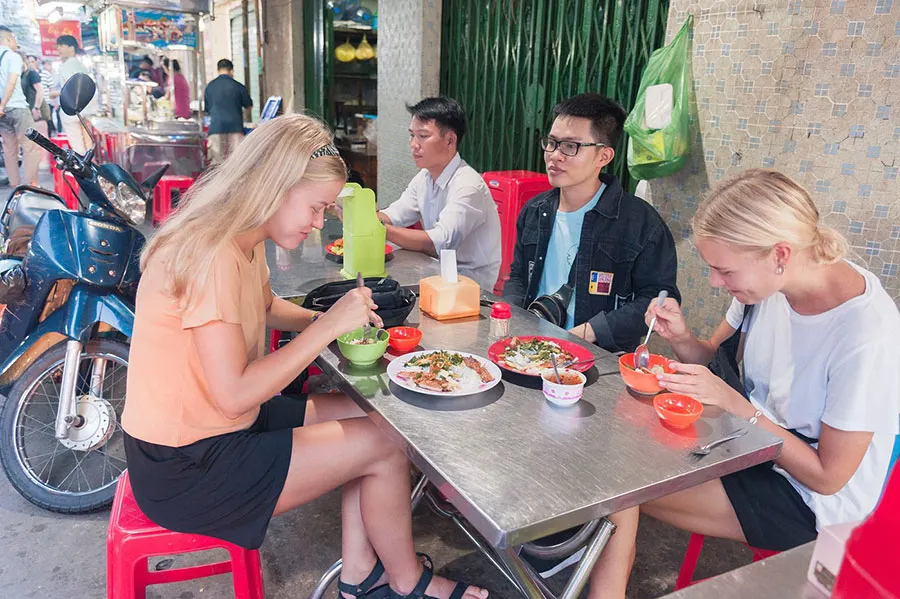
2. Banh Mi – Fast, Portable and Full of Flavor
Bánh mì is one of the easiest foods to try while exploring District 1. A crisp baguette may be filled with pâté, cold cuts, grilled pork or chicken, then balanced with pickled vegetables, cucumber, herbs and savory sauce.
It works well for breakfast, a quick lunch or an afternoon snack when you do not want to stop sightseeing for a full meal.
Local Tip: Every vendor has a different style, so watch what is being prepared fresh. If you do not like chili, simply ask for “không cay.”

3. Hu Tieu Nam Vang – Saigon’s Other Essential Noodle Bowl
If phở is already familiar, hủ tiếu Nam Vang is a great way to discover another side of southern Vietnamese noodle culture. A typical bowl may include pork, shrimp, minced meat, greens and sometimes quail egg.
You can order it with broth or try hủ tiếu khô, where the noodles are served dry with a small bowl of soup on the side. The flavor is often lighter and slightly sweeter than phở.
Local Tip: Try the dry version if you want something different from the noodle soups you may already have eaten elsewhere in Vietnam.
4. Bun Thit Nuong – Smoky Grilled Pork With Fresh Herbs
Bún thịt nướng combines rice vermicelli with grilled pork, fresh herbs, vegetables, crushed peanuts and a savory-sweet fish sauce dressing. It is especially satisfying when you want something fresh but still filling.
The best part is the contrast between warm smoky pork, cool noodles, crunchy vegetables and fragrant herbs. Mix everything together before eating so the sauce coats the noodles evenly.
Local Tip: This is a good lunch or early-afternoon choice on a hot Saigon day when a steaming bowl of soup feels too heavy.
5. Banh Xeo – Crispy Pancakes Made for Sharing
Bánh xèo is a thin, crispy Vietnamese pancake commonly filled with shrimp, pork and bean sprouts. It arrives with plenty of lettuce and fresh herbs, making it as much about texture as flavor.
Tear off a small piece, wrap it with greens and herbs, then dip it into the sauce. Sharing one pancake is a good idea if you are planning several food stops.
Local Tip: Bánh xèo is best eaten immediately while the edges are still hot and crisp. You can also discover dishes like this on Saigon Adventure’s Saigon food tours.

6. Goi Cuon – A Fresh Break Between Richer Dishes
Gỏi cuốn, or fresh spring rolls, are a lighter option between grilled meat, noodles and richer street foods. Rice paper is wrapped around shrimp, pork, rice noodles, lettuce and herbs, then served with dipping sauce.
Unlike fried spring rolls, they feel cool and refreshing, which makes them especially appealing during a hot afternoon in District 1.
Local Tip: If you have a peanut or shellfish allergy, always ask about both the filling and dipping sauce before ordering.

7. Oc and Street Seafood – Save This for the Evening
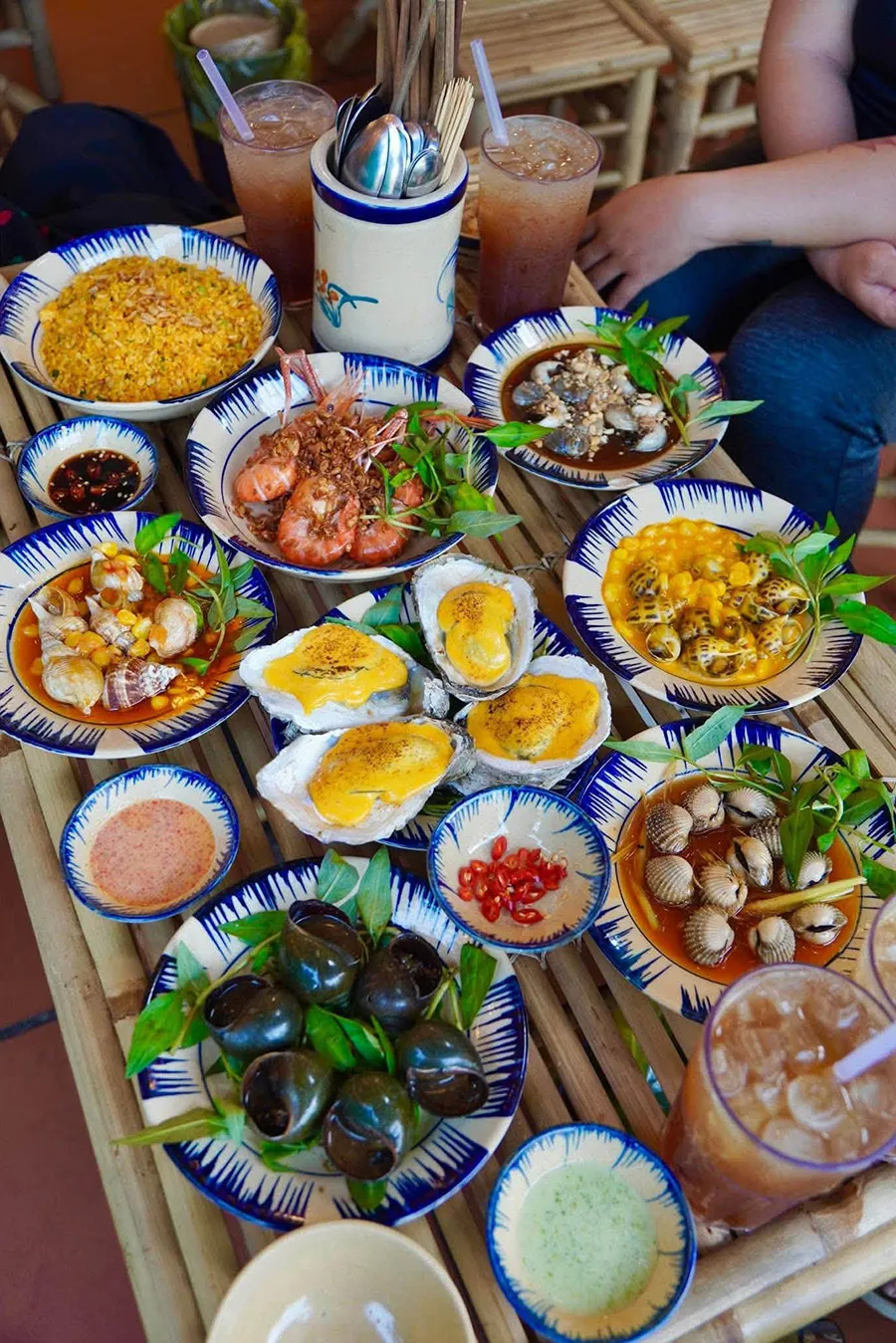
Evening is one of the best times to try ốc and Saigon street seafood. Local menus may include snails, clams, scallops and other shellfish grilled, steamed or stir-fried with garlic, lemongrass, chili or coconut-based sauces.
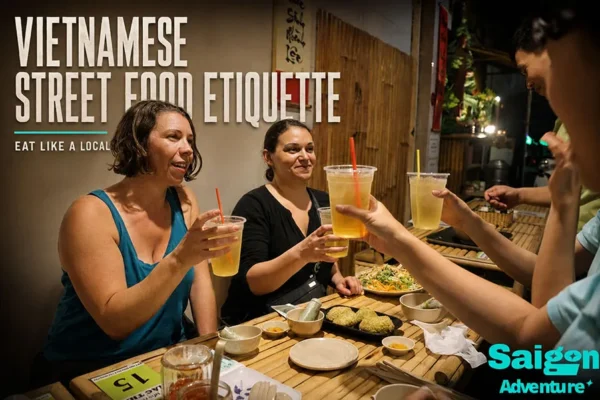
Order several small plates to share rather than choosing one large dish. The relaxed pace, busy tables and variety of flavors are part of the experience.
Local Tip: If you want to explore seafood beyond central District 1, a Saigon street food tour by motorbike can connect you with more local neighborhoods and evening food stops.
8. Che and Ca Phe Sua Da – Finish Sweet, Then Stay for Coffee
Chè is a broad family of Vietnamese desserts made with ingredients such as beans, jelly, coconut milk, fruit, sticky rice or crushed ice. If it is your first time, a fruit- or coconut-based version is usually an easy place to start.
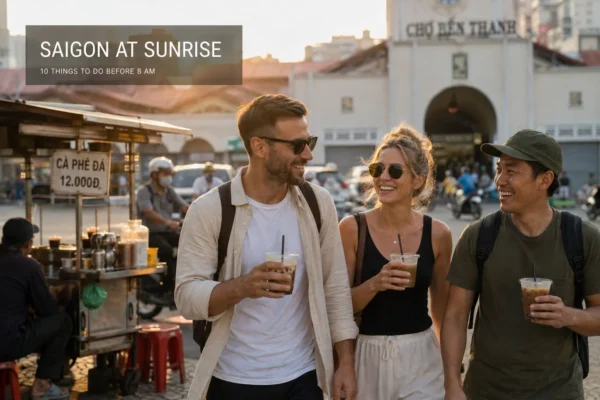
After dessert, order a cà phê sữa đá — strong Vietnamese iced coffee mixed with condensed milk. It is sweet, bold and especially refreshing after walking around District 1.
Local Tip: Coffee shops are everywhere in central Saigon, so choose a place where you can slow down, cool off and watch the street rather than rushing to the next food stop.
Where to Eat in District 1 Without Relying on Tourist Traps
Ben Thanh Market is convenient for seeing many foods in one place, but it should not be your only stop. Walk into smaller streets away from the busiest tourist areas and notice where office workers, families and delivery drivers are eating.
Look for places with steady turnover, visible cooking and dishes prepared to order. A busy local shop is often a better signal than an old “best restaurant” list, especially in a city where restaurants can change quickly.
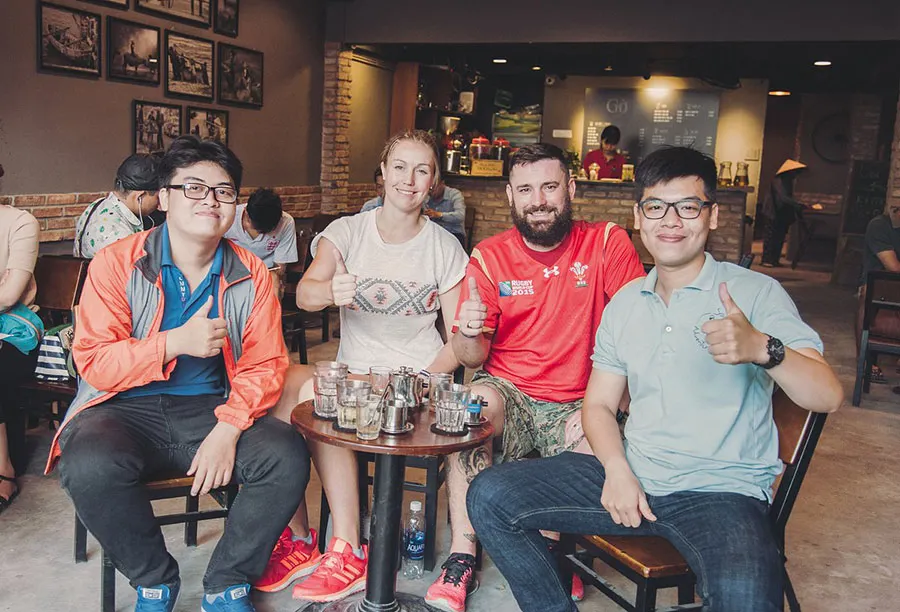
Local Tip: Do not judge a good food stop only by its decoration. Some of the most memorable meals in Saigon come from simple family-run eateries with plastic stools and short menus.
How to Plan a First-Time District 1 Food Crawl
Start the morning with cơm tấm or hủ tiếu, then try bánh mì or bún thịt nướng around lunch. Take a coffee break in the afternoon before sharing bánh xèo or gỏi cuốn.
Save ốc, street seafood and chè for the evening, when the temperature becomes more comfortable and Saigon’s food scene feels more social.
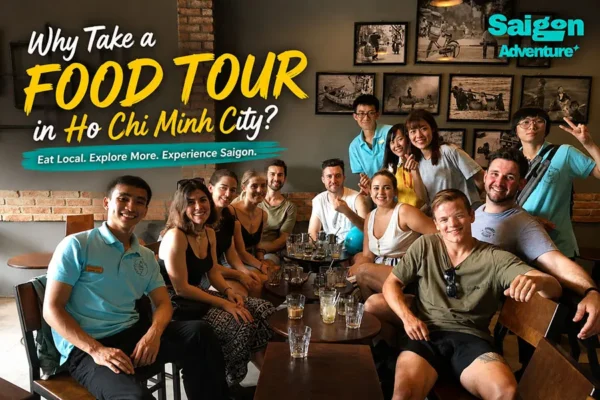
If you prefer not to plan every stop yourself, a Ho Chi Minh City walking street food tour can help with ordering, ingredients and finding smaller food streets around the city.
Essential Food Tips for First-Time Visitors
Carry some Vietnamese dong in small notes because smaller food stalls may not accept cards. Order one or two dishes at a time and share when possible so you have room to try more.
Choose busy vendors where food is being cooked continuously, especially during breakfast, lunch and evening meal times.
If you have allergies, ask before ordering. Fish sauce, peanuts, shrimp paste, shellfish and soy may appear in sauces or garnishes.
For more ideas beyond the busiest tourist streets, see our guide to where locals eat in Saigon.

Taste District 1, Then Explore Beyond It
District 1 is an easy starting point for discovering Ho Chi Minh City food. You can begin with cơm tấm or hủ tiếu in the morning, grab bánh mì between attractions, and finish the day with seafood, chè and Vietnamese coffee.
But Saigon’s food culture extends far beyond the city center. Once you feel comfortable ordering and trying unfamiliar dishes, explore nearby neighborhoods where smaller markets, family-run eateries and evening food streets reveal another side of the city.
If you prefer local guidance, a guided food experience can make ordering easier while introducing you to neighborhood stories and everyday Saigon life.
Frequently Asked Questions
What food should I try first in District 1?
Start with cơm tấm for a distinctly Saigon-style meal. Hủ tiếu Nam Vang, bánh mì and bún thịt nướng are also excellent choices for first-time visitors.
Is District 1 good for street food?
Yes. District 1 has local eateries, markets, food alleys, cafés and street-side vendors, although some areas near major attractions are more tourist-oriented.
Is Ben Thanh Market good for food?
Ben Thanh Market is convenient for trying snacks and seeing many Vietnamese ingredients in one place. For a more local experience, combine it with smaller streets and eateries away from the immediate market area.
What is the best time to eat in District 1?
Morning is ideal for cơm tấm and noodle dishes. Lunch works well for bánh mì or bún thịt nướng, while late afternoon and evening are better for bánh xèo, seafood, desserts and a relaxed food crawl.
Is street food in District 1 safe for tourists?
Choose busy vendors, look for food being cooked fresh and pay attention to general cleanliness. Travelers with allergies should also ask about sauces, garnishes and ingredients before ordering.
Can I explore District 1 food without a tour?
Absolutely. Many dishes are easy to find independently. A guided food tour is more useful if you want help with ordering, ingredients and discovering food areas beyond the most obvious tourist streets.
Explore our best-selling tours
 Bestseller
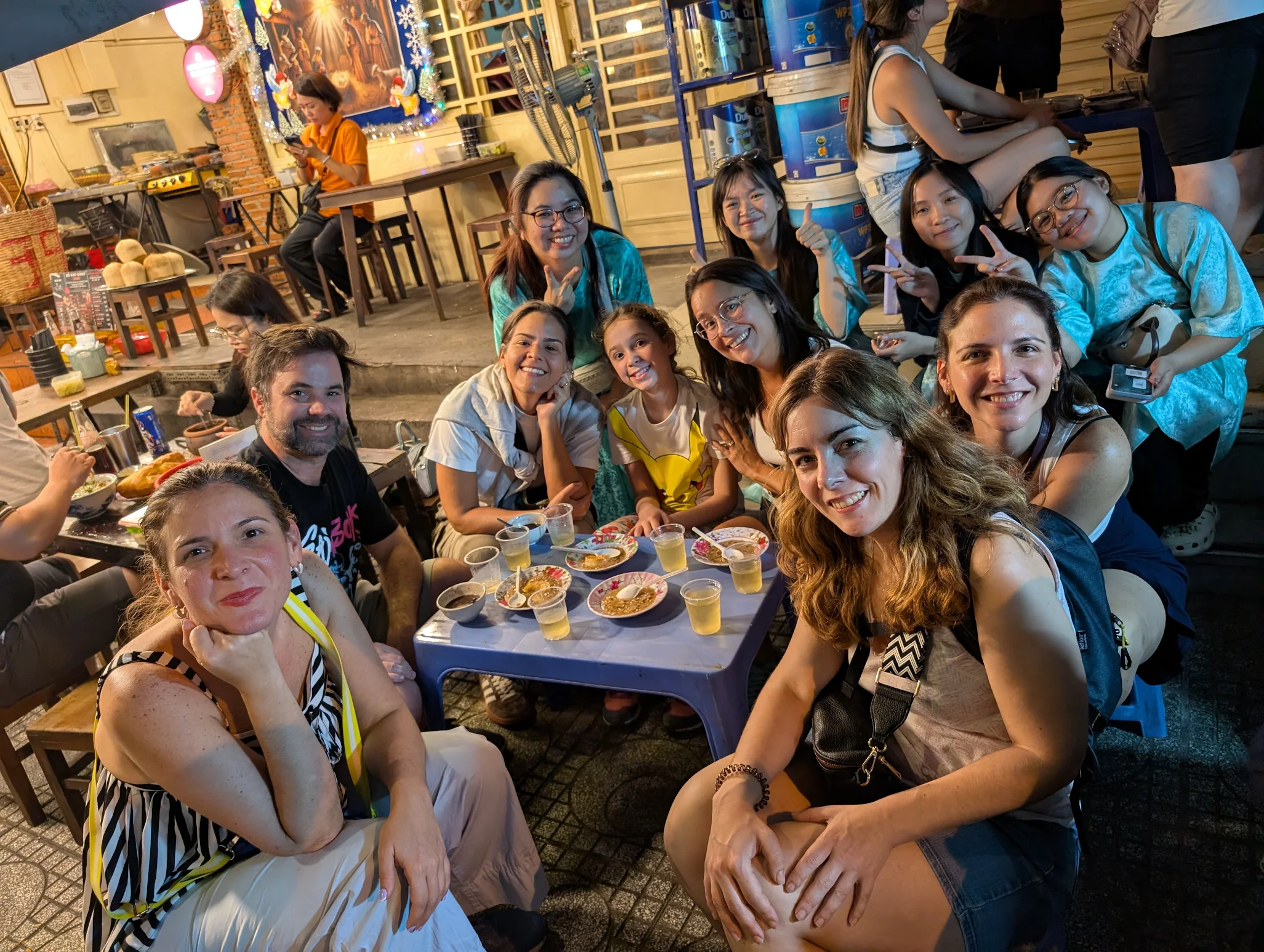
Street Food Tour In Ho Chi Minh City By Motorbike
Saigon Street Food Tours: An Authentic Culinary Odyssey To experience Ho Chi Minh City, you need to do two things:...
 Bestseller
Saigon: Premium Award-Winning Food Tour with Ao Dai Female Riders
A Michelin food tour by scooter in Vietnam elevates the standard street food experience by combining world-class culinary recognition with...
 Bestseller
Saigon Foodie Tour By Scooter With Female Rider (With Beer & Seafood)
Beautiful female tour guides at Saigon Adventure ABOUT THIS TOUR Let us be your guide to experiencing Saigon By Night...
 Bestseller
Vegan Food Tour
Keep your travel plan flexible - book your spot now and pay nothing today! You only need to pay 4...
 Bestseller
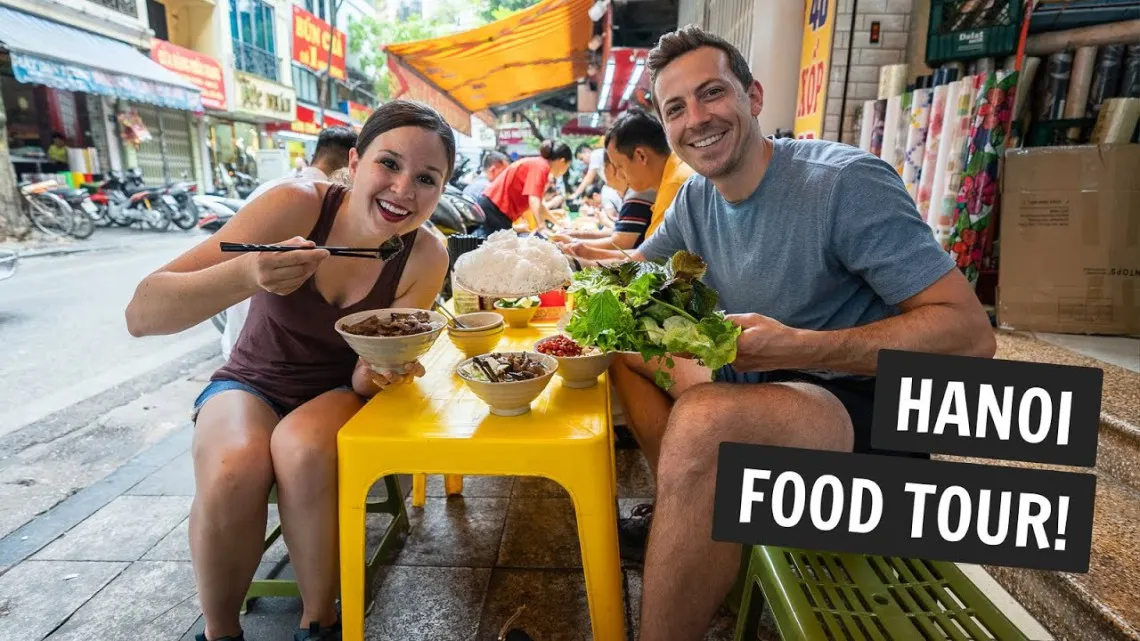
Hanoi Local Food Tour with Train Street and Old Quarter
Discover the flavors and everyday life of Vietnam’s capital on a 3-hour Hanoi local food tour through the historic Old...
 Bestseller
Ho Chi Minh City Michelin Food and Live Music Scooter Tour
Welcome to our premier michelin food tour in Ho Chi Minh City! Secure your experience today with Total Flexibility Reserve...
 Bestseller
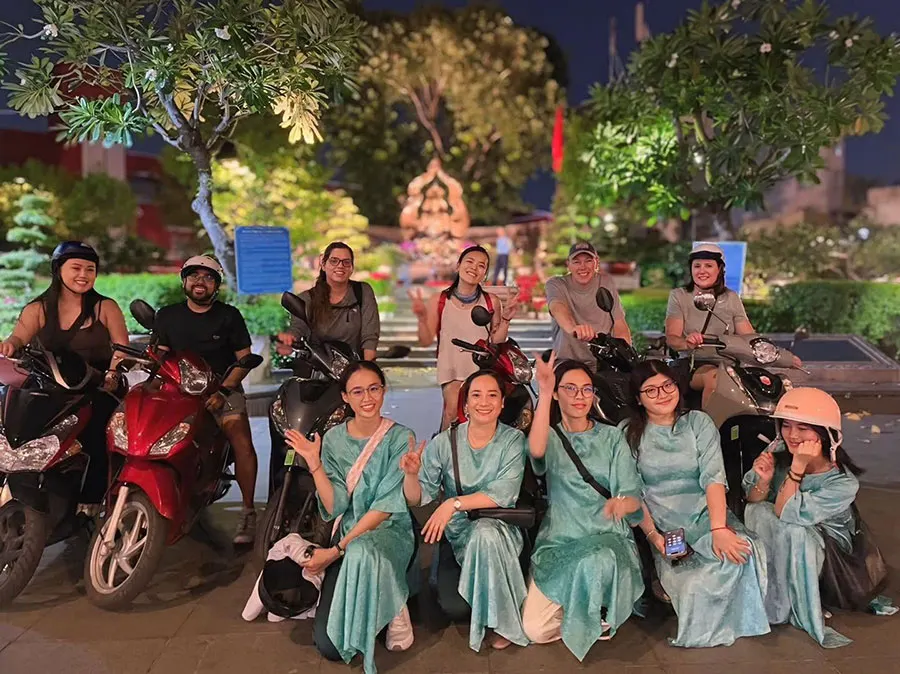
Premium Saigon Hidden Alleys & History: Private Motorbike Tour
Ho Chi Minh Hidden Alleys & History: Private Motorbike Tour Ready to step off the beaten path and discover the...
 Bestseller
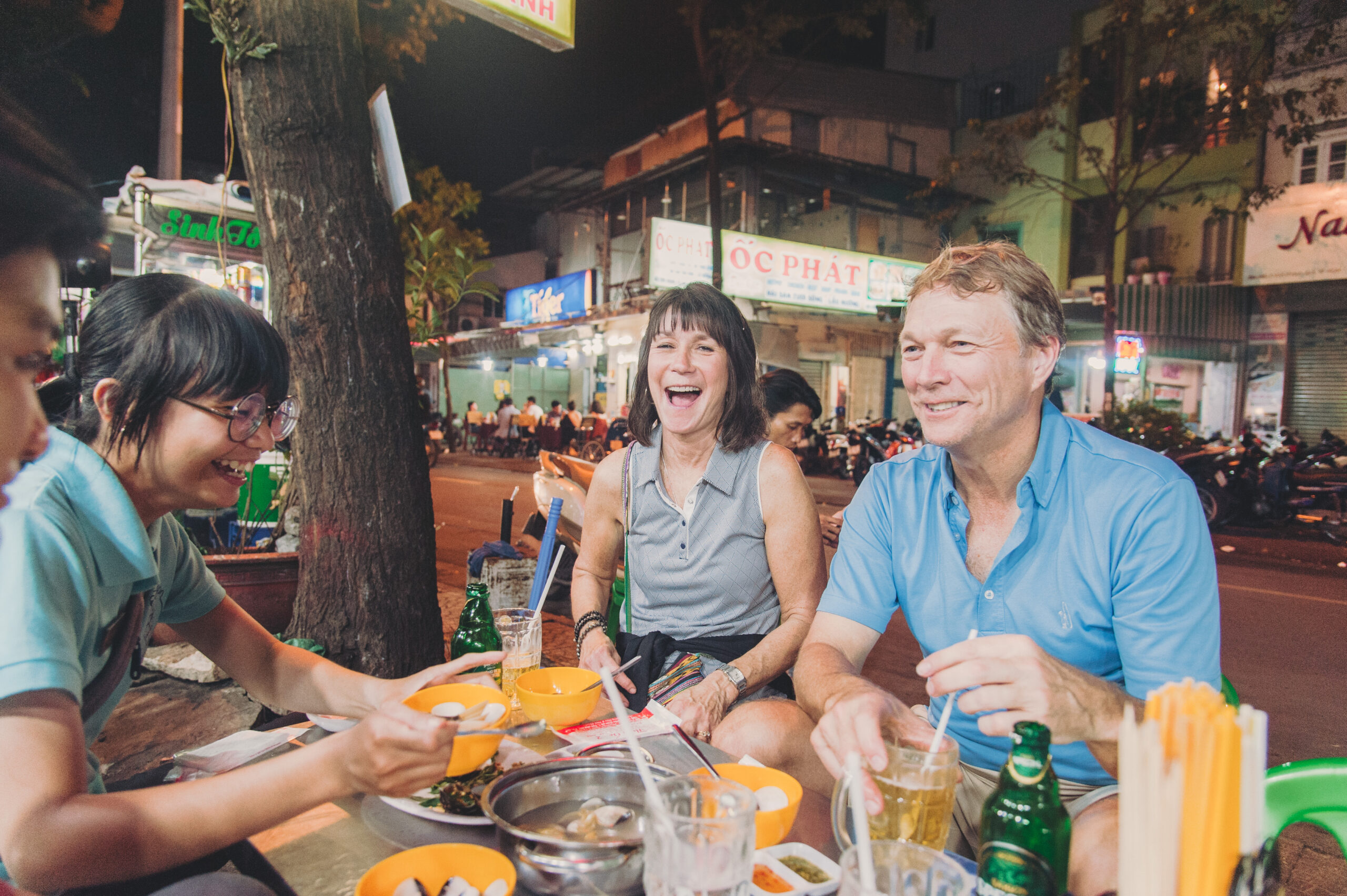
Ho Chi Minh Food Safari With 20 Tastings
Explore Ho Chi Minh City through its food on our Ho Chi Minh Food Safari, featuring 20 authentic street food...
 Bestseller
Saigon | Combo Street Food And Sightseeing Tour By Scooter
Food and Sight Motorbike (Special Combo) Experience the ultimate Saigon adventure! Over 4 thrilling hours, hop on the back of...
 Bestseller
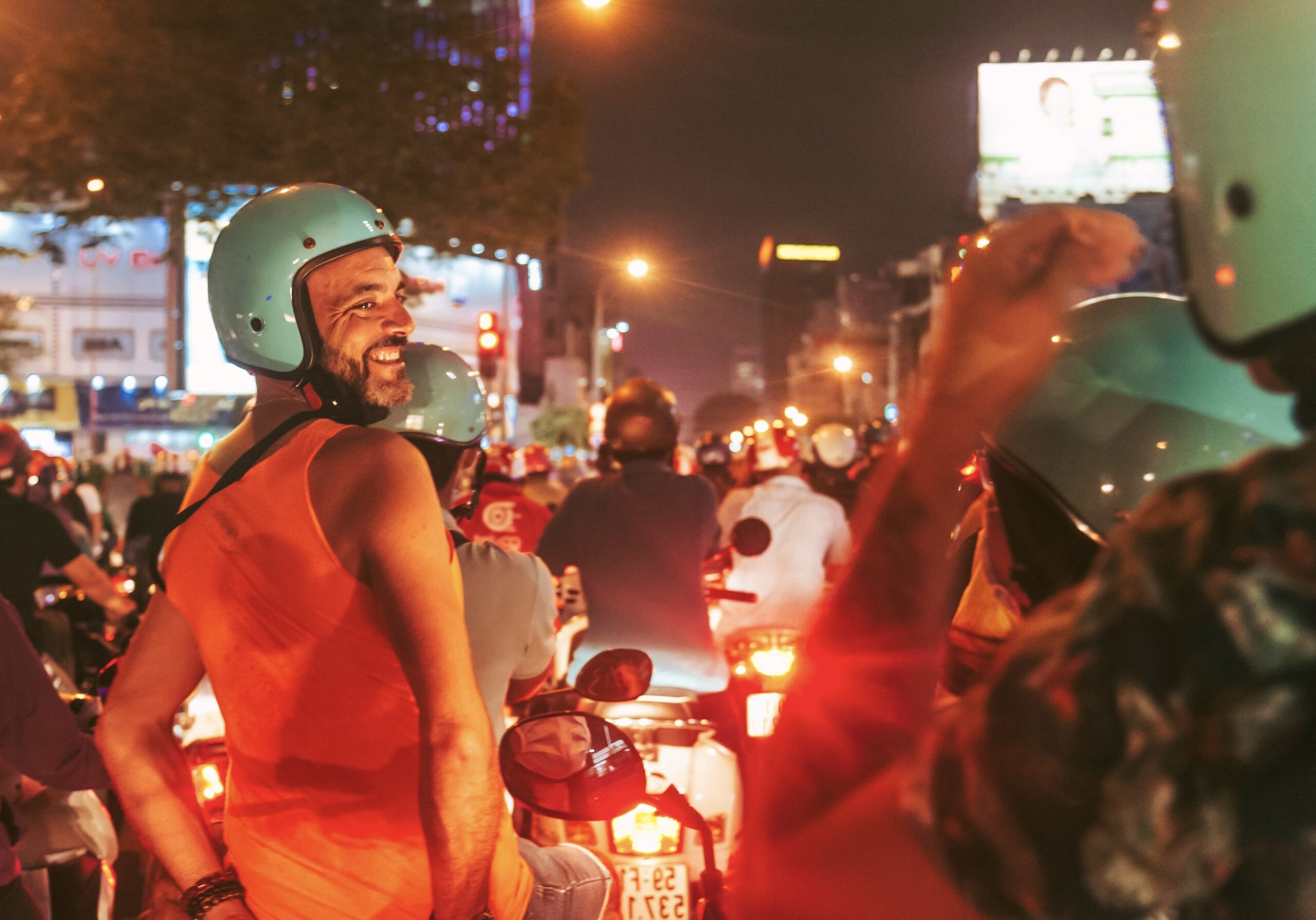
Saigon By Night (Motorbike Tour) With Rooftop Bar – Live Music And Seafood
Keep your travel plan flexible - book your spot now and pay nothing today! You only need to pay...
 Bestseller
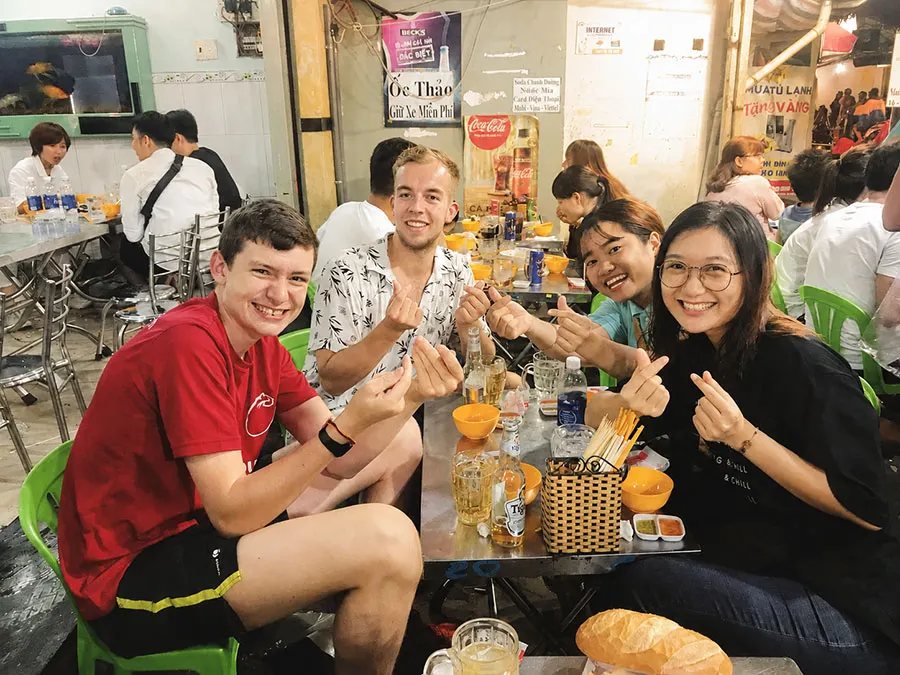
Hanoi Michelin Street Food Tour With a Local Guide
Explore the Old Quarter through its most memorable flavors on our Hanoi Michelin Street Food Tour. Led by a knowledgeable...
 Bestseller
Beers, Music & Foods
TOUR DETAILS Saigon After Dark: The Ultimate Scooter, Food & Live Music Odyssey Experience the electric energy of Ho Chi...