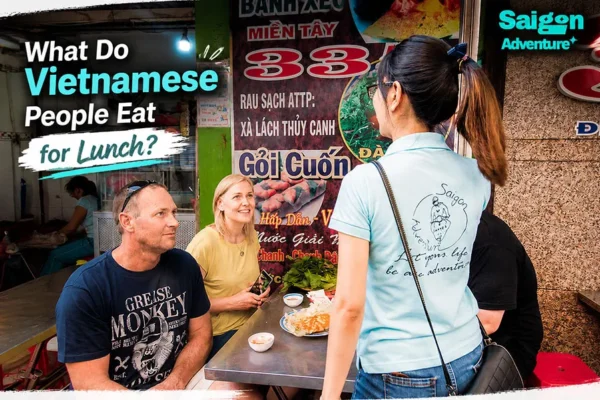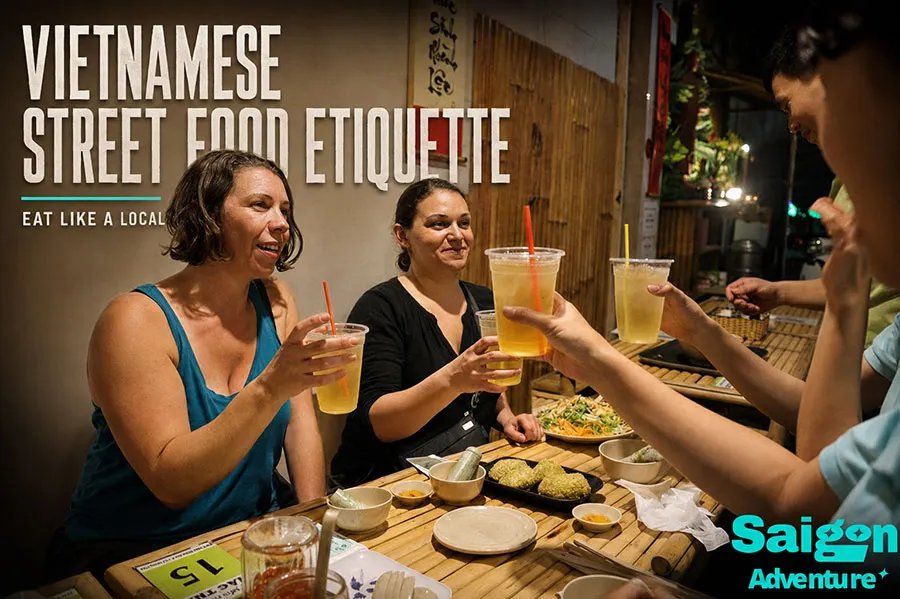
The first time you approach a Vietnamese street food stall, the scene may feel wonderfully chaotic. Motorbikes pull up beside tiny tables, diners call out their orders, chopsticks move quickly between bowls, and the vendor seems to remember what everyone wants without writing anything down.
There is no need to feel nervous. Vietnamese street food etiquette is relaxed, and local vendors do not expect international visitors to understand every custom. A friendly attitude, a little patience, and a willingness to observe are usually enough.
Still, knowing how locals order, share food, use chopsticks, and pay can help you avoid awkward moments. If you are joining a Food Tour in Ho Chi Minh City, these simple customs will also help you understand the culture behind each dish—not just its ingredients.
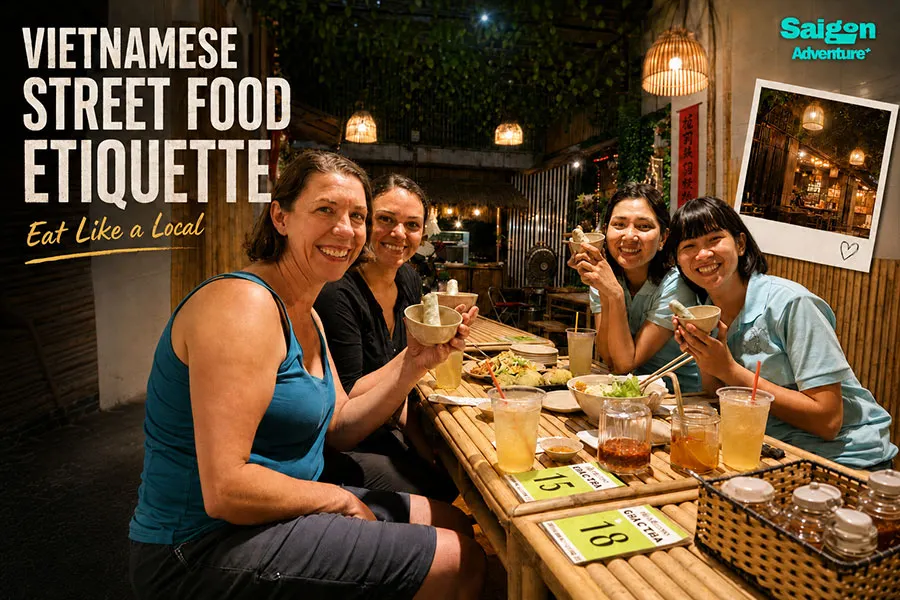
Why Street Food Etiquette Matters in Vietnam
Street food in Vietnam is more than a quick meal. Sidewalk stalls and family-run eateries are part of the neighborhood’s daily rhythm. Office workers stop for breakfast, students gather over afternoon snacks, and families share grilled seafood late into the evening.
Good etiquette is less about following formal rules and more about respecting that shared space. This includes waiting patiently, keeping your belongings out of the way, using communal dishes considerately, and treating vendors with courtesy.
You do not have to eat exactly like a Vietnamese person to be welcomed. Showing curiosity without judging unfamiliar food is far more important than mastering every table manner.
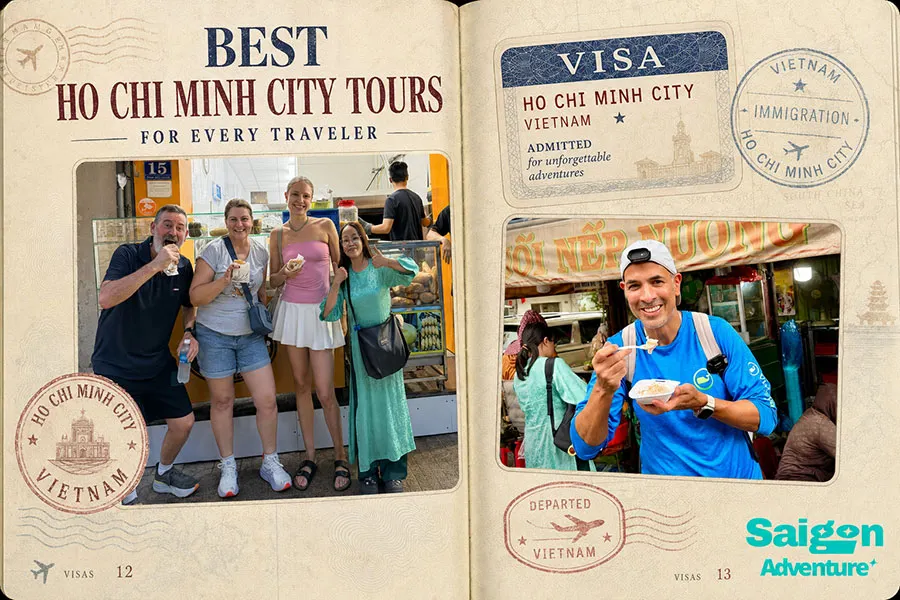
How to Order Vietnamese Street Food Politely
Many authentic eateries have short menus written only in Vietnamese. Some stalls specialize in one dish, so there may be no menu at all.
Look at what the vendor is cooking and what nearby customers are eating. Pointing politely at a dish is completely acceptable. You can also use these simple phrases:
- Cho tôi một phần này – Please give me one serving of this.
- Không cay – Not spicy.
- Ít cay – A little spicy.
- Không đá – No ice.
- Bao nhiêu tiền? – How much is it?
- Cảm ơn – Thank you.
Do not worry if your pronunciation is imperfect. Speak slowly, smile, and use gestures or a translation app when necessary. Most vendors are accustomed to helping travelers.

Confirm the Price Before Ordering
Prices are often displayed on a sign or menu. When they are not, asking before ordering is sensible, especially at markets and stalls in busy tourist areas.
You can ask “Bao nhiêu tiền?” and let the vendor enter the amount on a calculator or phone. Confirming the price is not rude; it simply prevents confusion.
Bargaining is generally inappropriate at an ordinary street food stall with fixed prices. Negotiating over a bowl of noodles or a bánh mì may feel disrespectful when the difference is relatively small.
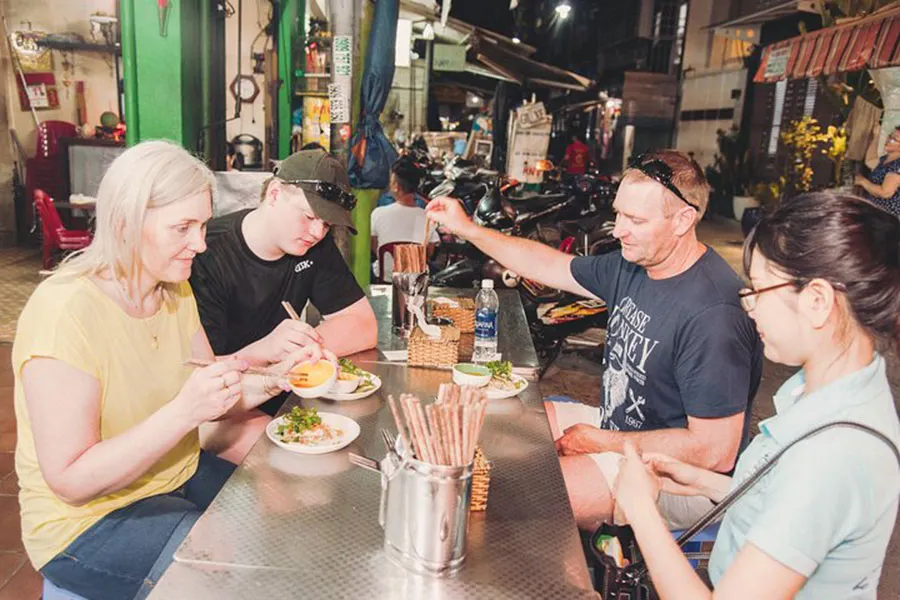
Follow the Local Rhythm at Busy Food Stalls
Vietnamese queues do not always form a neat line. At a popular bánh mì cart, customers may stand around the counter while the vendor manages several orders from memory.
Watch for a moment before stepping forward. Make eye contact so the vendor knows you are waiting, but avoid interrupting repeatedly or pushing ahead of other customers.
If the stall is crowded, order clearly and remain nearby. Walking away can make it difficult for the vendor to find you when your food is ready.
Popular vendors often work quickly, but speed should not be mistaken for impatience. Their short, direct communication is usually part of serving many customers efficiently.
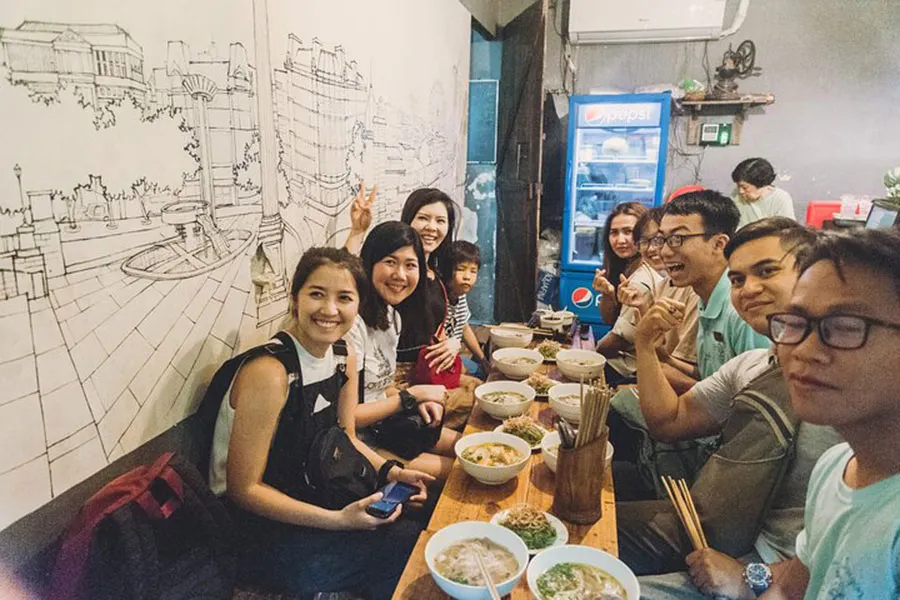
Sitting on Small Stools and Sharing Tables
Low plastic stools are a familiar part of Vietnamese street food culture. They may not be luxurious, but they place you directly inside the energy of the street.
Before sitting, look toward the staff. They may point you to a specific table during a busy period. Sharing a table with strangers is normal when space is limited and does not require a formal introduction.
Keep backpacks, shopping bags, and cameras close to you instead of placing them on spare seats. Street food tables turn over quickly, particularly around lunch and dinner, so leave space for other diners whenever possible.

Vietnamese Chopstick Etiquette
No one expects first-time visitors to use chopsticks perfectly. Many eateries provide spoons or forks, and asking for one is not disrespectful.
A few customs are worth remembering:
- Do not point at someone with your chopsticks.
- Avoid waving chopsticks while speaking.
- Do not use personal chopsticks to search through a shared plate.
- Do not tap bowls or plates with chopsticks.
- Never leave chopsticks standing vertically in a bowl of rice.
Vertical chopsticks resemble incense used in memorial rituals, so this gesture carries an uncomfortable association. When pausing or finishing, place your chopsticks neatly across the bowl or beside your plate.
Utensils are often kept in a container on the table. Many locals wipe them with a clean tissue before eating, so you can comfortably do the same.
Taste the Food Before Adding Condiments
A Vietnamese street food table may hold fish sauce, soy sauce, fresh chili, pickled garlic, lime, and other seasonings. These are there for you to use, but taste the dish first.
The vendor has usually balanced the broth, meat, herbs, and sauces carefully. Adding a large spoonful of fish sauce or chili before your first bite may overwhelm the original flavor.
Start with a small amount and adjust gradually. If you are unsure which sauce belongs with your dish, observe nearby diners or ask the vendor.
This approach is particularly useful when trying unfamiliar dishes. Fish sauce, fermented shrimp paste, and chili mixtures can taste intense on their own but become beautifully balanced when paired correctly.

How to Eat Fresh Herbs Like a Local
Fresh herbs are not simply decoration in Vietnamese cooking. Basil, mint, lettuce, bean sprouts, coriander, and other greens add aroma, texture, and balance.
With noodle soup, diners often tear herbs into smaller pieces and add them gradually. When eating bánh xèo or grilled meat, locals may wrap the main ingredients in lettuce with herbs before dipping the entire bundle into sauce.
There is no need to add everything at once. Try different combinations and decide what tastes best to you.
Travelers interested in specific dishes can also read this guide to eating like a local in Ho Chi Minh City, which introduces several everyday Saigon favorites.

Respect the Culture of Sharing Food
Vietnamese dining is highly social. When friends or families eat together, several dishes are often placed in the center for everyone to share.
Take modest portions and return for more later. Use the serving spoon or communal chopsticks when provided instead of reaching into a shared dish with utensils that have already touched your mouth.
Avoid searching through the plate for the largest or most appealing piece. Take what is closest and make sure everyone has an opportunity to try each dish.
When dining with a Vietnamese family or host, wait briefly before beginning. Someone may invite the group to eat by saying “Mời mọi người ăn”—a warm expression meaning “Please, everyone, enjoy the meal.”
Tell the Vendor About Food Allergies
Street food recipes may contain ingredients that are not immediately visible. Broths, marinades, sauces, and garnishes can include peanuts, shellfish, fish sauce, soy, egg, or other allergens.
For a serious allergy, prepare a translation card in Vietnamese explaining exactly what you cannot eat. Show it directly to the vendor instead of relying only on gestures.
Small kitchens often share cooking oil, grills, knives, and utensils. If the vendor cannot confidently confirm that a dish is safe, choose another place. No culinary experience is worth risking a severe reaction.
Vegetarians should also ask about broth and sauces. A dish without visible meat may still contain fish sauce, shrimp paste, pork stock, or meat-based seasoning.

How to Choose a Good Street Food Stall
A busy stall filled with local customers is usually a positive sign. Steady turnover often means ingredients are used quickly and dishes are prepared throughout the service period.
Look for food cooked fresh, hot dishes served steaming, and raw ingredients kept apart from ready-to-eat items. The preparation area does not need to look like a luxury restaurant, but it should appear organized and actively maintained.
Many excellent stalls specialize in just one or two dishes. A short menu can indicate that the family has spent years refining the same recipe.
For more practical recommendations, explore the best street food in District 1 or discover where locals eat in Ho Chi Minh City.

Paying and Tipping at Vietnamese Street Food Stalls
Payment customs depend on the type of stall. At carts selling bánh mì, fruit, or takeaway snacks, you may pay when ordering. At noodle shops and casual sidewalk eateries, customers usually pay after eating.
When you are ready, say “Tính tiền”, meaning “The bill, please.” Keep smaller Vietnamese banknotes available because some vendors may struggle to change a very large note, particularly early in the day.
Tipping is not required at Vietnamese street food stalls. Paying the stated amount and offering a sincere “Cảm ơn” is perfectly acceptable.
If the vendor has been especially patient or helpful, leaving a small amount or allowing them to keep the change is a kind gesture, but it should always remain voluntary.

Common Mistakes Travelers Should Avoid
Most vendors will overlook an innocent cultural mistake. Nevertheless, visitors should avoid:
- Blocking the stall while taking photographs
- Photographing vendors closely without permission
- Touching displayed food or ingredients
- Criticizing unfamiliar smells or ingredients
- Expecting every traditional dish to be customized
- Leaving tissues and skewers scattered across the table
- Occupying extra seats with bags during busy hours
- Treating street food prices as something that must always be negotiated
Street food vendors often work long hours in hot, crowded conditions. Patience and basic courtesy will be remembered more than perfect chopstick technique.

Experience Saigon’s Street Food Like a Local
Eating like a local is not about pretending to know every rule. It is about sitting down with an open mind, observing how the stall works, and allowing the meal to introduce you to everyday Vietnamese life.
Taste the dish before changing it. Try the herbs and sauces in different combinations. Ask what another customer has ordered. Even when language is limited, food creates an easy connection between travelers, vendors, and local diners.
If you want help navigating hidden alleys, ordering regional specialties, and understanding the stories behind each dish, join a Ho Chi Minh City motorbike food tour. With a friendly local guide, you can experience authentic neighborhood food while learning the customs that turn an enjoyable meal into a meaningful cultural memory.
Frequently Asked Questions
What is proper street food etiquette in Vietnam?
Be patient, confirm prices when necessary, keep shared tables tidy, use chopsticks respectfully, and thank the vendor. Vietnamese street food culture is informal, so a friendly and considerate attitude is more important than following strict rules.
Is it rude to leave food unfinished in Vietnam?
Leaving a small amount is not a serious offense at a street food stall. However, ordering far more than you can eat creates unnecessary waste. Start with one portion and order more if you are still hungry.
Can tourists eat Vietnamese street food with a fork?
Yes. Many eateries provide forks and spoons, and using them is not disrespectful. Choose whichever utensil allows you to enjoy the food comfortably.
Should I tip a Vietnamese street food vendor?
Tipping is not expected. You can pay the listed price without adding anything. Small change may be left to recognize especially kind service, but it is always optional.
Is it acceptable to photograph street food vendors?
Photographing your meal is generally fine. Ask permission before taking a close portrait of a vendor, and avoid blocking their workspace or interrupting service.
Should I bargain over street food prices in Vietnam?
Usually not. Most food stalls use fixed prices. When a price is not displayed, ask how much the dish costs before ordering rather than negotiating after eating.
How can I order street food without speaking Vietnamese?
Point politely to the dish, use a translation app, or say “Cho tôi một phần này”, meaning “Please give me one serving of this.” Confirm the quantity and price before the vendor begins preparing your order.
Explore our best-selling tours
 Bestseller
Saigon Foodie Tour By Scooter With Female Rider (With Beer & Seafood)
Beautiful female tour guides at Saigon Adventure ABOUT THIS TOUR Let us be your guide to experiencing Saigon By Night...
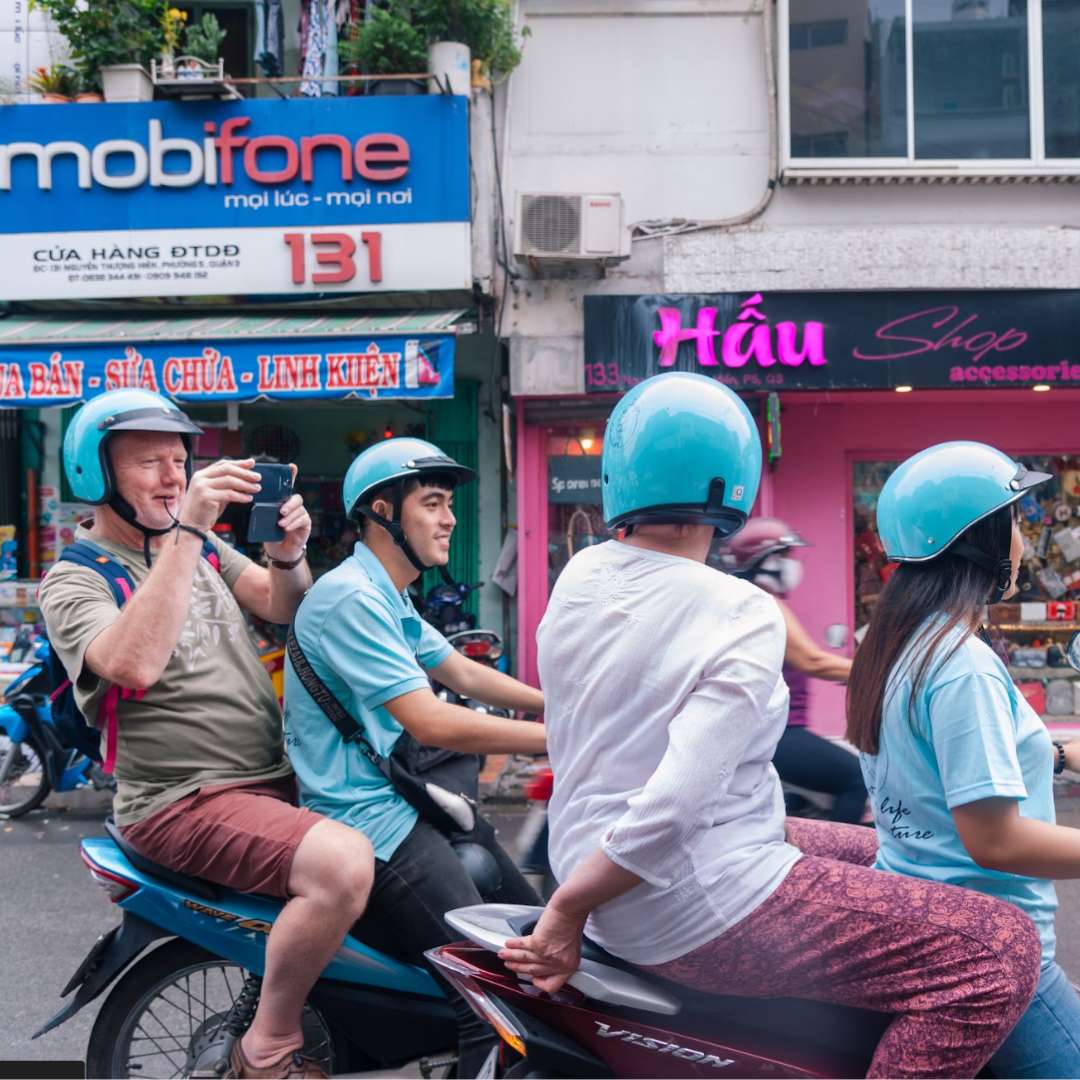 Bestseller
Saigon Unseen By Scooter
ABOUT THIS SAIGON UNSEEN TOUR It cannot be considered a great trip if you only get to see famous tourist...
 Bestseller
Ho Chi Minh City Motorbike Tour – Must-See Sights & War Remnants Museum
Get the perfect introduction to Saigon life with our premier Ho Chi Minh City motorbike tour —without the risks of...
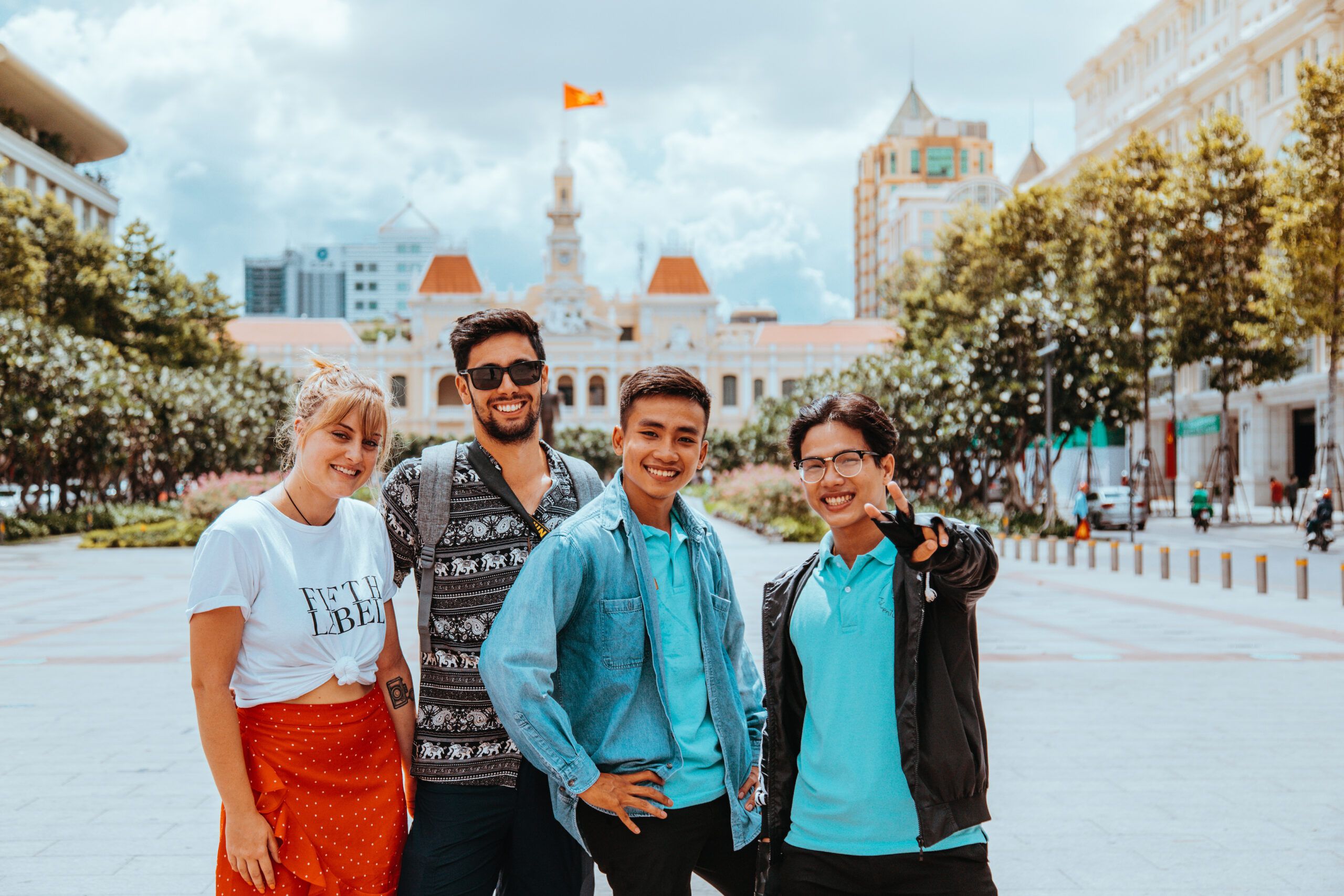 Bestseller
Saigon City Tour Half Day – Private Tour
Discover the Heart of Saigon Want to see the best of Ho Chi Minh City in just a few hours?...
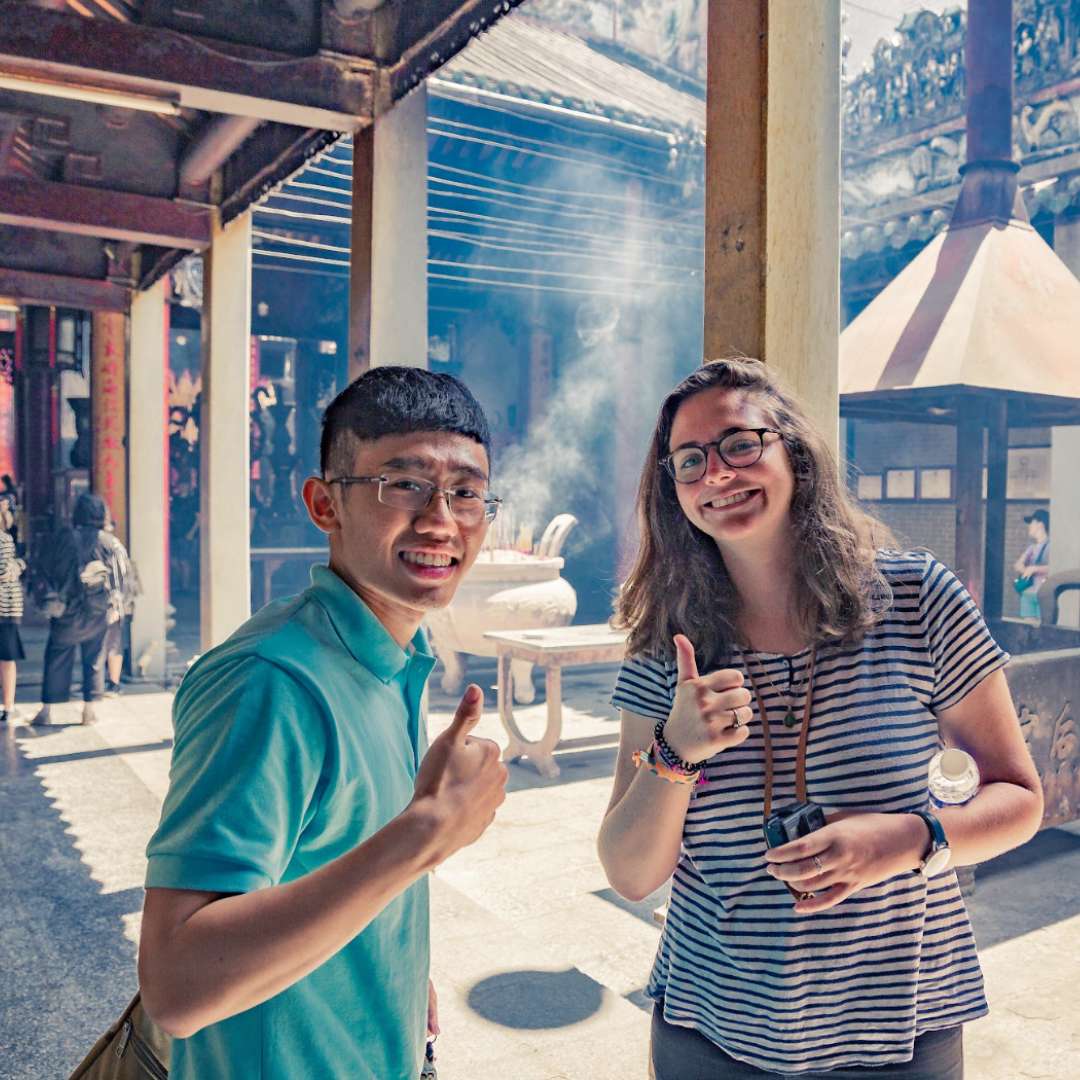 Bestseller
Ho Chi Minh City Student Tour By Scooter
Discover Saigon through the eyes of a local on our Ho Chi Minh City student tour by scooter. Ride with...
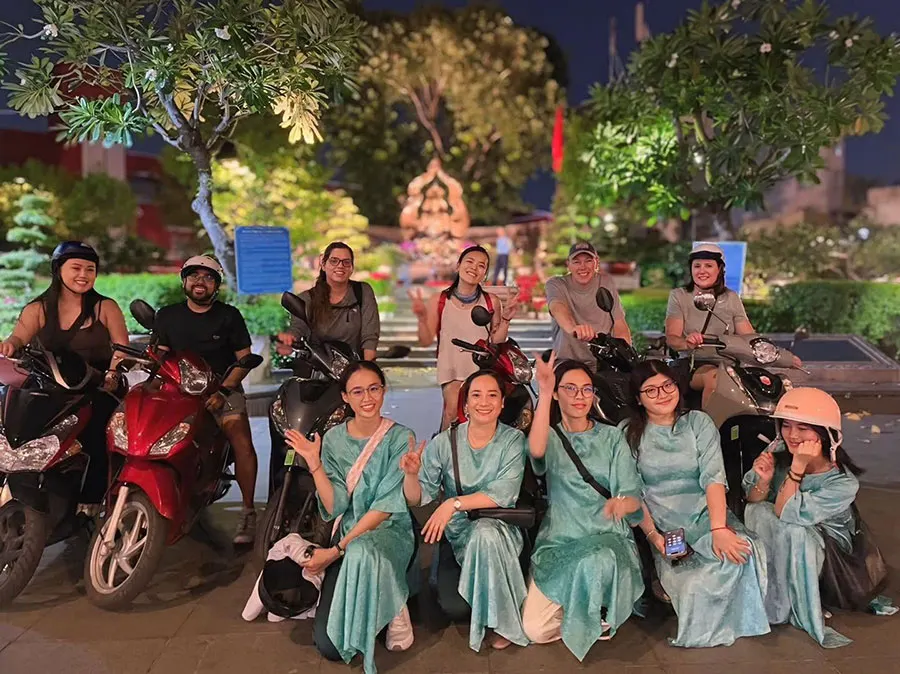 Bestseller
Premium Saigon Hidden Alleys & History: Private Motorbike Tour
Ho Chi Minh Hidden Alleys & History: Private Motorbike Tour Ready to step off the beaten path and discover the...
 Bestseller
Mekong Delta One Day Group Tour
ABOUT THIS MEKONG DELTA TOUR Departure: 8:00 AM Drop off time: 5:30 PM to 6:30 PM Small group travel experience...
 Bestseller
Mekong Delta 1 Day Tour ( Small Group Tour )
TOUR DETAILS Located approximately 90km (about 2 hours) from Saigon, My Tho and Ben Tre lie nestled in the picturesque...
 Bestseller
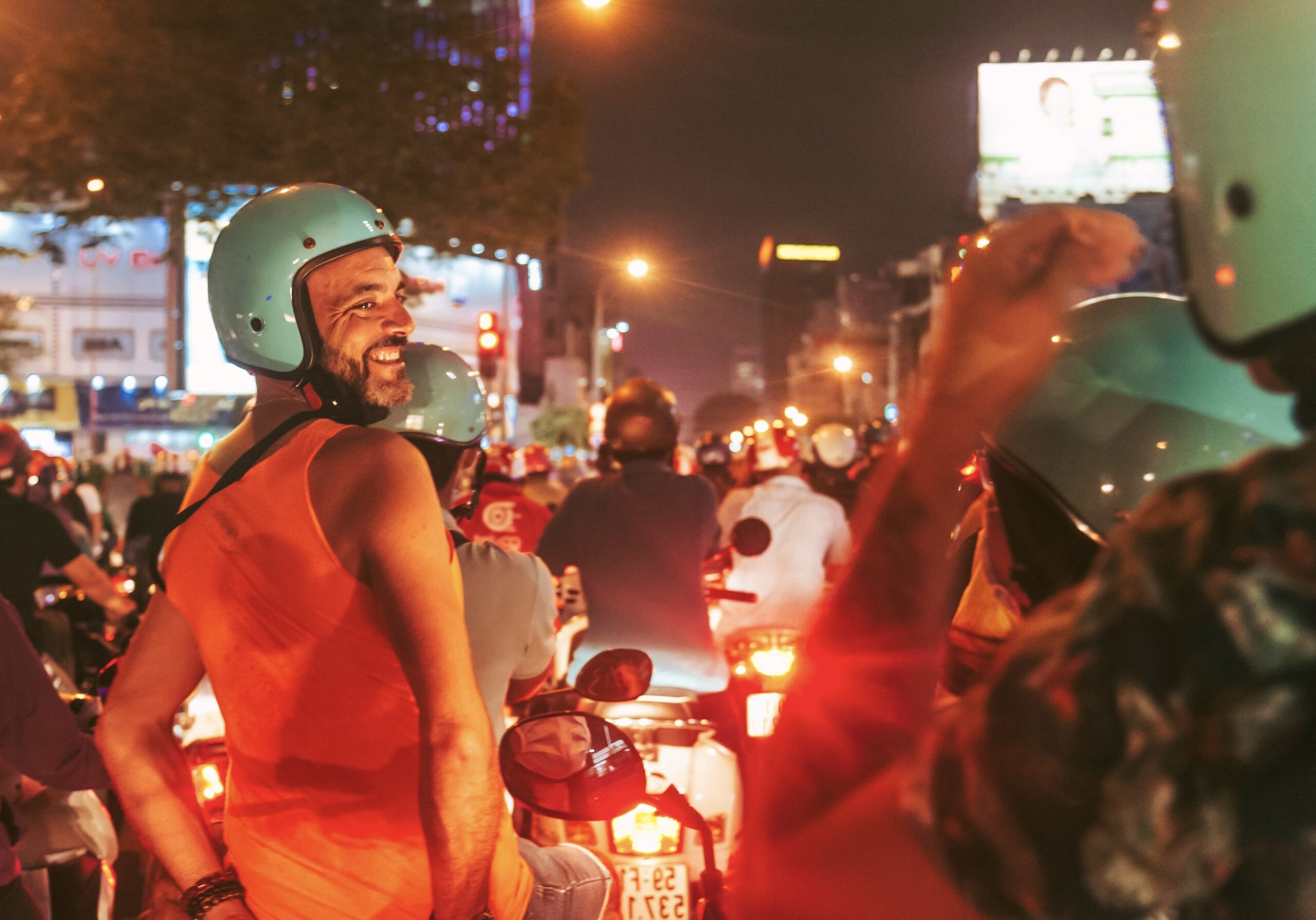
Saigon By Night (Motorbike Tour) With Rooftop Bar – Live Music And Seafood
Keep your travel plan flexible - book your spot now and pay nothing today! You only need to pay...
 Bestseller
Cyclo City Tour
Keep your travel plan flexible - book your spot now and pay nothing today! You only need to pay...
 Bestseller
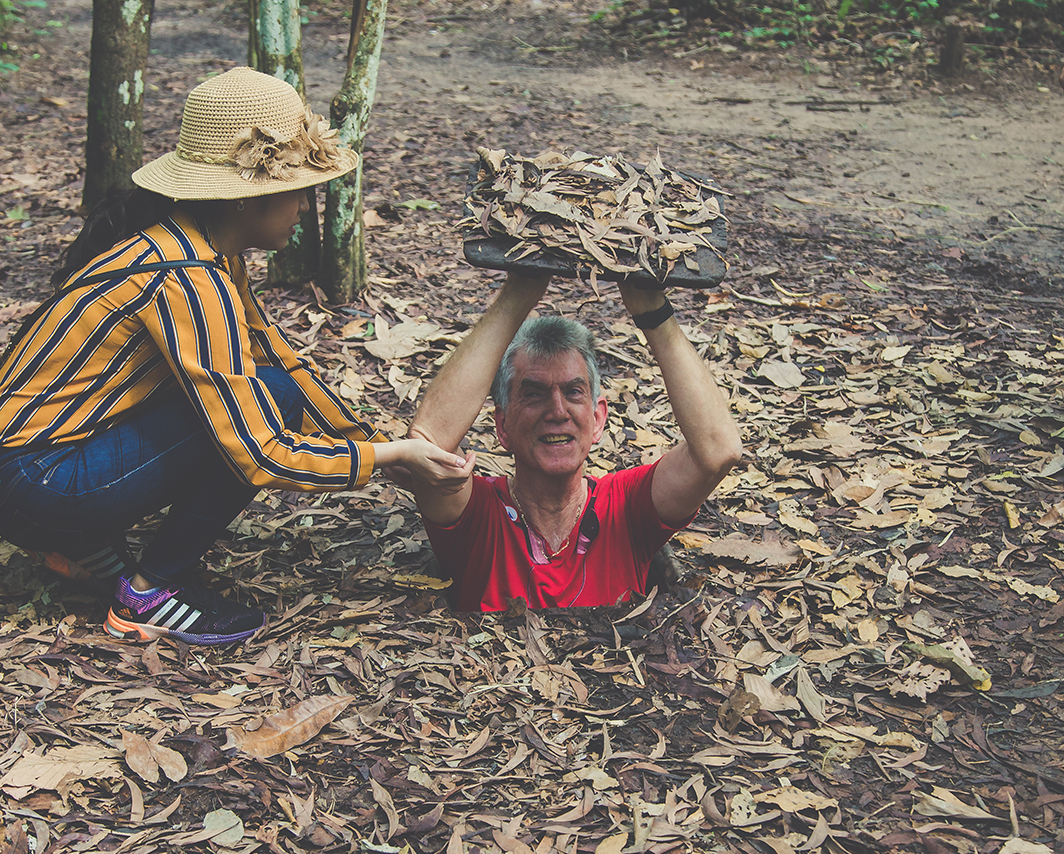
Cu Chi Tunnels Adventure (Small Group)
Pick-up time: 08:00 - 08:30 Drop off time: 14:00 Depart from Saigon, it takes 1,5 hours to get to Cu Chi...
 Bestseller
Female Rider | Food – Beers – Live Music | Scooter Tour
Discover Saigon after dark on a Saigon food tour with friendly female riders dressed in traditional Vietnamese Ao Dai. Explore...