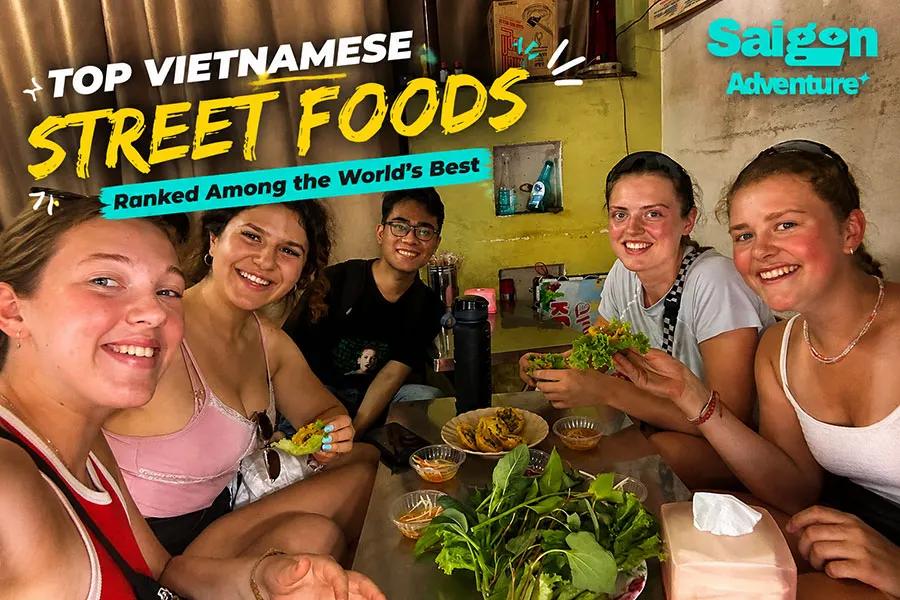
Imagine strolling through the lively streets of Vietnam as the aroma of charcoal-grilled pork, freshly baked baguettes, simmering broth, and fragrant herbs fills the air. Every corner offers a different culinary discovery, and many of these humble street-side dishes have earned international recognition from food critics, travel experts, and millions of travelers around the world.
Vietnamese street food is no longer a hidden gem. It has become one of the country’s biggest travel attractions, regularly appearing in global rankings by respected publications and culinary platforms such as CNN Travel, TasteAtlas, Michelin Guide, Lonely Planet, and Condé Nast Traveler. What makes these dishes extraordinary isn’t simply their flavor—it’s the combination of fresh ingredients, generations-old recipes, regional traditions, and the unforgettable experience of enjoying them where locals eat every day.
Unlike many famous cuisines that rely on expensive restaurants, Vietnam’s greatest meals are often served from tiny family-run stalls, busy street markets, or modest sidewalk kitchens. Behind every bowl of noodles or crispy sandwich is a story of culture, craftsmanship, and community that has been passed down for decades.
Whether you’re planning your first trip to Vietnam or you’re a returning visitor searching for authentic local flavors, this guide introduces the Vietnamese street foods that have earned worldwide acclaim. You’ll also discover why they stand out, where to enjoy them, and practical tips to experience them like a local rather than a tourist.
Many travelers also choose professionally guided Ho Chi Minh City Food Tours to discover several iconic dishes in one trip while learning about Vietnam’s rich culinary traditions from knowledgeable local guides.

Why Vietnamese Street Food Continues to Impress the World
Vietnam has earned its reputation as one of Asia’s premier food destinations because its cuisine celebrates freshness, balance, and simplicity. Instead of masking ingredients with heavy sauces, Vietnamese cooking allows natural flavors to shine through, creating dishes that feel both satisfying and surprisingly light.
Most traditional recipes are built around five essential taste elements—sweet, sour, salty, bitter, and umami—while also balancing different textures. Crispy bread meets creamy pâté, tender grilled meat pairs with crunchy pickled vegetables, and aromatic herbs brighten every bite. This harmony is one of the defining characteristics that international chefs and food writers frequently praise.
Another reason Vietnamese street food receives global recognition is its accessibility. Travelers don’t need reservations or luxury budgets to enjoy memorable meals. Some of the country’s highest-rated food vendors operate from simple roadside stalls, proving that exceptional cooking depends on skill, quality ingredients, and tradition rather than expensive dining rooms.
Regional diversity also makes Vietnam a fascinating destination for food lovers. Northern Vietnam is known for elegant, subtle flavors, Central Vietnam offers bold and spicy specialties, while Southern Vietnam delights visitors with sweeter dishes, tropical ingredients, and colorful presentations. Exploring these regional differences is like taking a culinary journey across the country.
Perhaps most importantly, Vietnamese street food offers something many destinations struggle to provide—an authentic connection with local life. Sitting on a small plastic stool beside office workers, students, and families while watching meals prepared from scratch creates an experience that feels genuine, memorable, and uniquely Vietnamese.

Vietnamese Street Foods That Have Earned Global Recognition
The following dishes have become international ambassadors of Vietnamese cuisine. Many have appeared in global food rankings, been recommended by respected travel publications, or gained worldwide popularity through celebrated chefs and international visitors.
| Vietnamese Dish | Origin | Why It’s World Famous |
|---|---|---|
| Pho | Hanoi | Frequently ranked among the world’s best soups for its rich broth and delicate balance of flavors. |
| Banh Mi | Ho Chi Minh City | Regularly featured on global lists of the world’s greatest sandwiches. |
| Bun Cha | Hanoi | Gained worldwide fame after Anthony Bourdain and Barack Obama shared the dish in Hanoi. |
| Bun Bo Hue | Hue | Celebrated for its bold, spicy broth and complex layers of flavor. |
| Com Tam | Ho Chi Minh City | One of Southern Vietnam’s most beloved everyday meals. |
| Banh Xeo | Southern Vietnam | Crispy Vietnamese pancake admired for its texture and fresh ingredients. |
| Goi Cuon | Southern Vietnam | Fresh spring rolls recognized worldwide as one of Vietnam’s healthiest dishes. |
| Cao Lau | Hoi An | A unique noodle dish found almost exclusively in the UNESCO-listed ancient town. |
| Cha Ca | Hanoi | A centuries-old seafood specialty unlike any other Vietnamese dish. |
| Bo La Lot | Southern Vietnam | Grilled beef wrapped in betel leaves, famous for its smoky aroma and distinctive flavor. |
| Hu Tieu | Southern Vietnam | A versatile noodle soup influenced by Chinese and Khmer culinary traditions. |
| Banh Cuon | Northern Vietnam | Delicate steamed rice rolls showcasing the elegance of Northern Vietnamese cuisine. |
Rather than trying every dish randomly, many experienced travelers build their itinerary around these iconic specialties. Each one reflects the history, geography, and culinary identity of its region, making every meal an opportunity to understand Vietnam beyond its famous landmarks.
Pho – The Dish That Put Vietnamese Cuisine on the Global Map
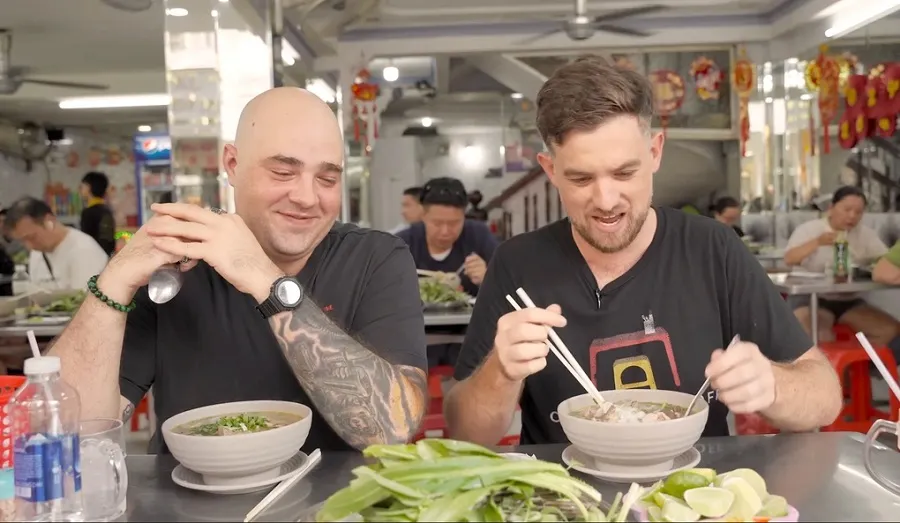
No Vietnamese street food has achieved greater international recognition than pho. Often described as one of the world’s finest noodle soups, pho has become the culinary symbol of Vietnam and is served in thousands of restaurants across the globe. Yet tasting it in its homeland is an entirely different experience.
A traditional bowl begins with a crystal-clear broth simmered slowly for many hours using beef or chicken bones, roasted ginger, onions, cinnamon, star anise, cloves, and other fragrant spices. This patient cooking process creates remarkable depth without feeling heavy, allowing every ingredient to contribute naturally to the final flavor.
Fresh rice noodles, thinly sliced beef or chicken, spring onions, cilantro, and herbs complete the bowl before diners personalize it with lime, chili, garlic vinegar, or fresh basil. Despite its apparent simplicity, achieving the perfect balance requires years of experience—one reason family-run pho shops often become neighborhood institutions for generations.
International publications including CNN Travel and TasteAtlas have repeatedly highlighted pho among the world’s greatest comfort foods, praising its nourishing qualities, aromatic broth, and timeless appeal. Whether enjoyed at sunrise in Hanoi or during a late-night meal in Ho Chi Minh City, pho remains an essential culinary experience that every visitor should try at least once.
Looking for an unforgettable local food experience? Our Best Motorbike Food Tour in Ho Chi Minh City lets you enjoy authentic pho alongside many other iconic Vietnamese dishes while exploring hidden neighborhoods with experienced local guides.
Banh Mi – One of the World’s Greatest Sandwiches
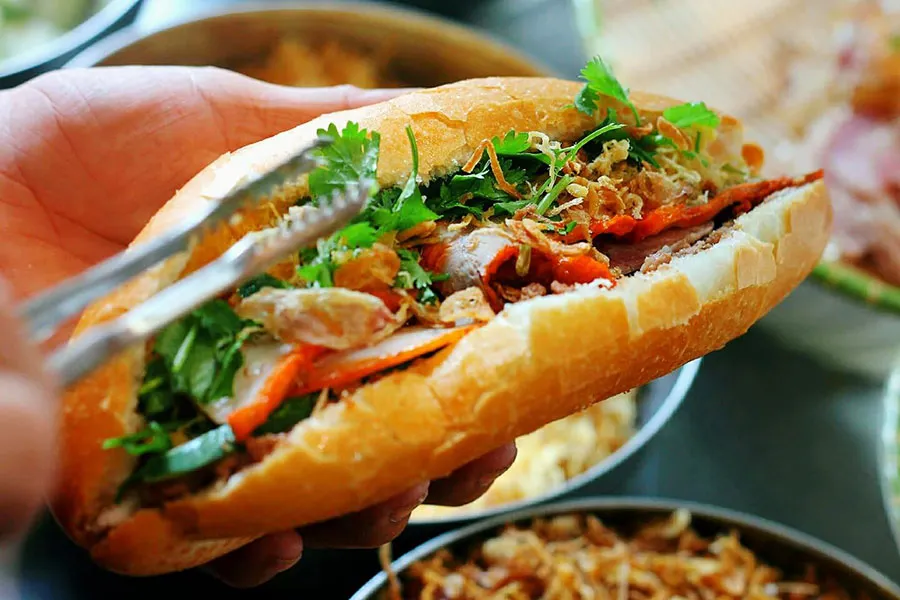
If pho is Vietnam’s culinary icon, banh mi is its most successful street food export. Frequently included in international rankings of the world’s best sandwiches, banh mi perfectly illustrates how Vietnam transformed French culinary influence into something uniquely its own.
At first glance, the sandwich appears simple—a crispy baguette filled with meat and vegetables. But every ingredient plays an important role. The crust is light and crackly, while the inside remains soft and airy. Layers of pâté, butter, grilled pork, roasted chicken, Vietnamese cold cuts, or fried eggs are complemented by pickled carrots, daikon, cucumber, cilantro, fresh chili, and flavorful sauces.
The result is an explosion of textures and flavors in every bite. Rich meats balance crunchy vegetables, creamy pâté contrasts with fresh herbs, and the crisp bread ties everything together beautifully.
Modern vendors now offer countless variations, including seafood, vegetarian, vegan, and gourmet versions, yet the classic recipe remains a favorite among both locals and international travelers.
One of the best places to enjoy banh mi is Ho Chi Minh City, where countless family-run bakeries and street stalls have perfected their recipes over decades. Every neighborhood has its own local favorite, making banh mi one of the easiest and most affordable ways to experience authentic Vietnamese cuisine.
If you’re searching for the city’s most iconic sandwiches, don’t miss our guide to the Best Banh Mi in Ho Chi Minh City, featuring both famous shops and hidden local favorites.
Bun Cha – Hanoi’s Legendary Grilled Pork Specialty
While pho often takes center stage, many Vietnamese food lovers believe bun cha deserves equal recognition.
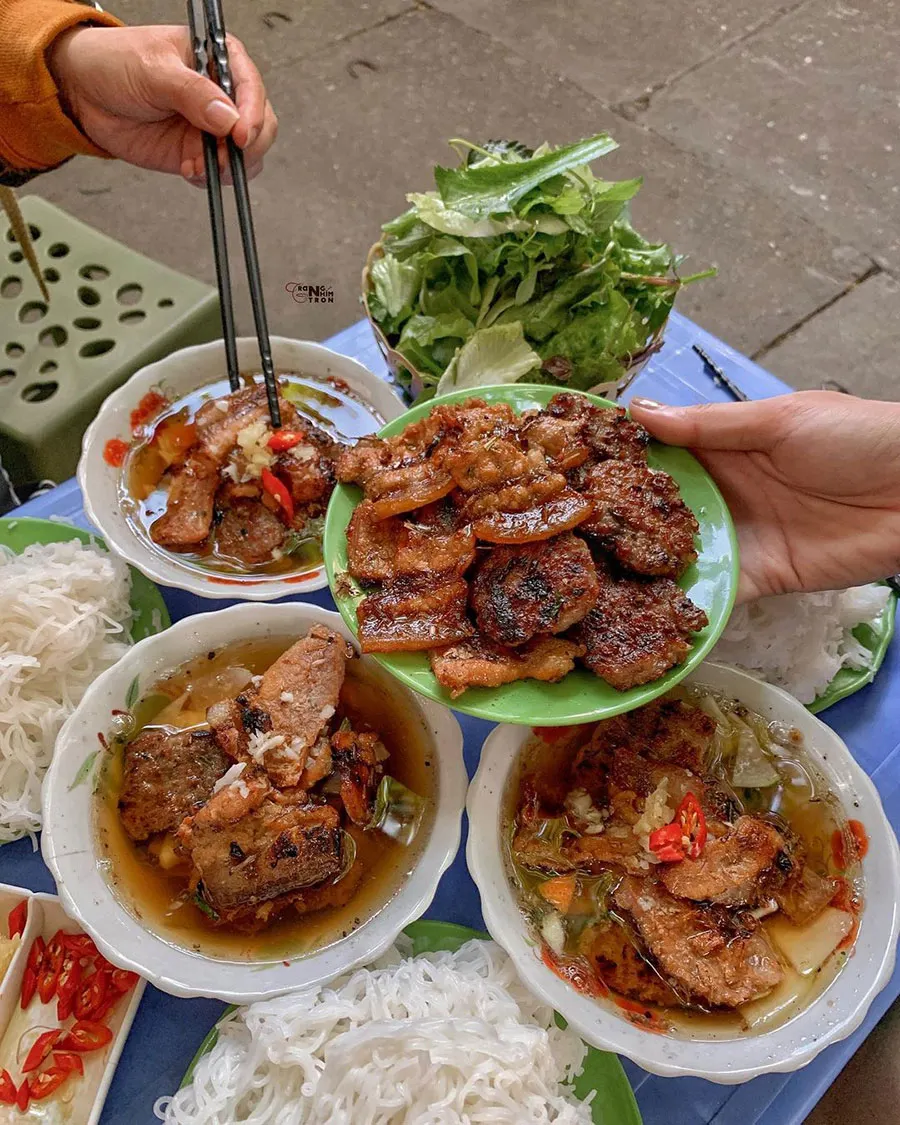
Originating in Hanoi, bun cha became internationally famous after former U.S. President Barack Obama and the late Anthony Bourdain shared this humble meal during Bourdain’s television series. That moment introduced millions of viewers to one of Vietnam’s most beloved lunch dishes.
Unlike noodle soups, bun cha features smoky charcoal-grilled pork patties and slices of marinated pork served in a warm bowl of lightly sweet fish sauce with green papaya and carrots. Diners combine the grilled meat with fresh rice vermicelli, lettuce, mint, basil, coriander, and other herbs before dipping everything into the flavorful broth.
Its appeal lies in contrast. The smoky richness of grilled pork is perfectly balanced by crisp vegetables, fragrant herbs, delicate noodles, and refreshing dipping sauce. Every bite feels light yet incredibly satisfying.
Most bun cha restaurants begin grilling meat early each morning, filling Hanoi’s narrow streets with an irresistible aroma that attracts locals long before lunchtime.
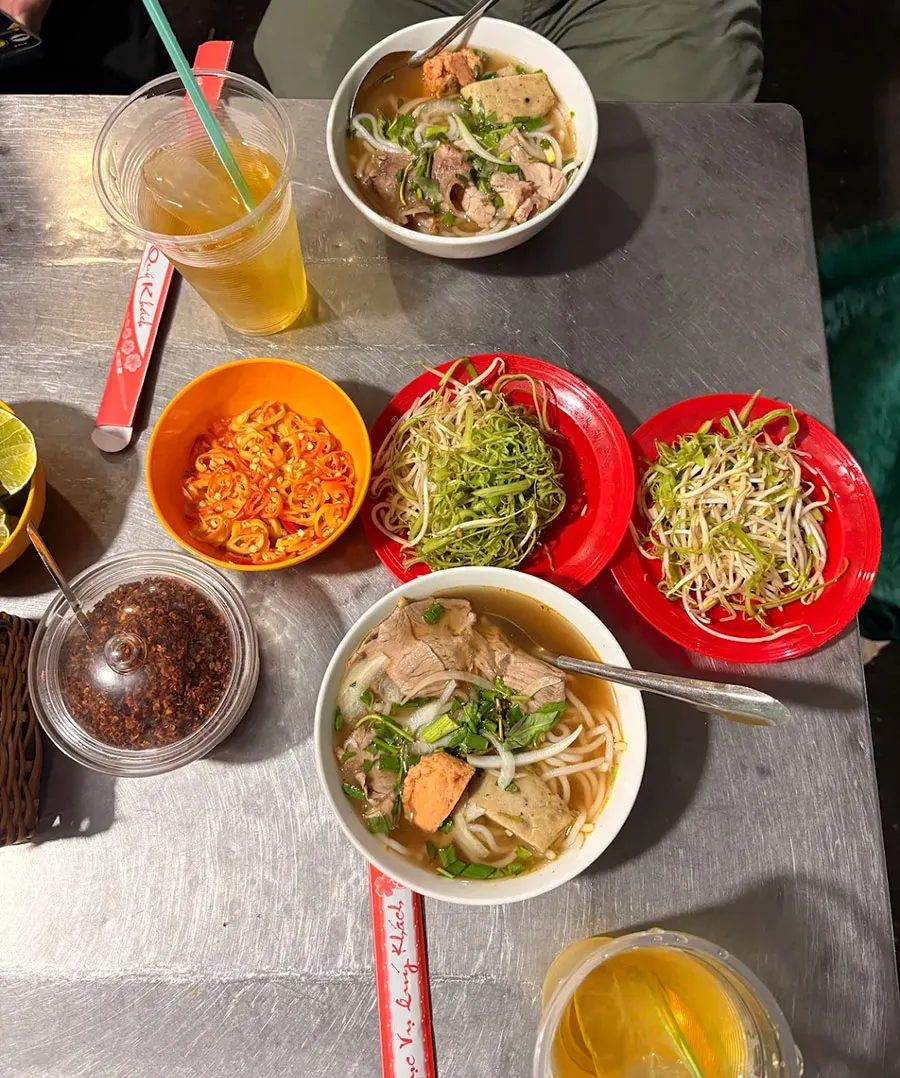
Bun Bo Hue – Vietnam’s Boldest Bowl of Noodles
If pho represents elegance, bun bo Hue showcases intensity.
Originally from the former imperial city of Hue, this spicy noodle soup is famous for its rich broth infused with beef bones, lemongrass, shrimp paste, chili oil, and aromatic spices. The result is a soup with remarkable complexity that differs completely from pho.
Thicker round noodles provide a satisfying texture, while sliced beef, beef shank, pork knuckles, Vietnamese ham, and fresh herbs make each bowl both hearty and flavorful.
Food enthusiasts often describe bun bo Hue as one of Vietnam’s most underrated culinary treasures because it delivers deeper spice, stronger aromas, and bolder flavors than many first-time visitors expect.
Although authentic versions can now be found throughout Vietnam, enjoying bun bo Hue in its hometown remains a memorable experience for travelers interested in regional cuisine.
Com Tam – Ho Chi Minh City’s Everyday Comfort Food
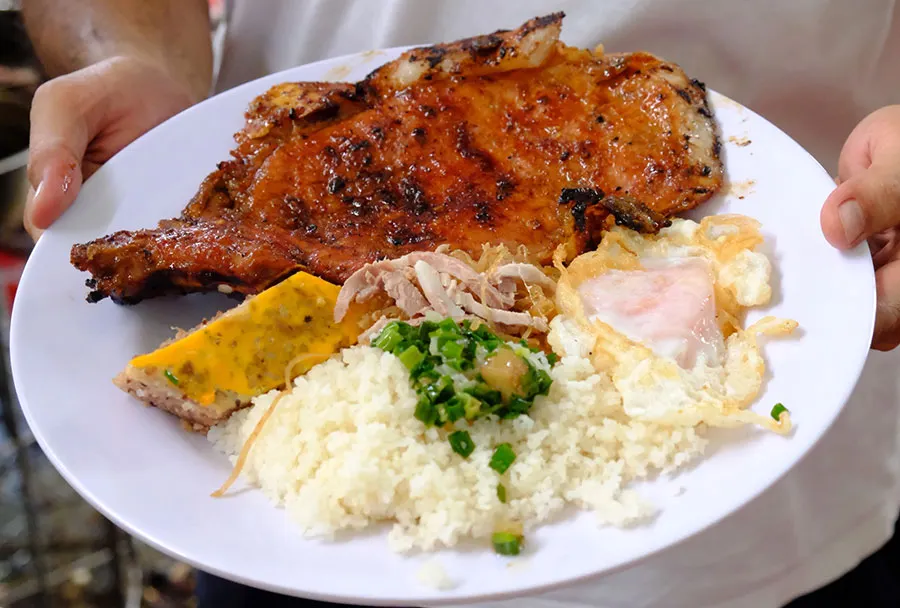
Few dishes capture the spirit of Southern Vietnam better than com tam, or broken rice.
Originally considered a meal for farmers using fractured rice grains that couldn’t be sold commercially, com tam has evolved into one of Ho Chi Minh City’s signature dishes and a favorite breakfast, lunch, and dinner option.
A traditional plate includes fragrant broken rice served alongside charcoal-grilled pork chops, shredded pork skin, steamed egg meatloaf, pickled vegetables, cucumber, tomato, scallion oil, and a small bowl of fish sauce dressing.
The smoky aroma from freshly grilled pork is impossible to ignore. Throughout Ho Chi Minh City, countless roadside grills fill the air with delicious scents from early morning until late at night.
What makes com tam especially appealing to visitors is its balance between affordability, generous portions, and authentic local character. Sitting beside office workers enjoying a quick meal provides an everyday glimpse into city life that many tourists rarely experience.
Want to discover more authentic local flavors? Join our Street Food Tour in Ho Chi Minh City, where you’ll explore hidden alleyways and taste dishes served by family-run vendors across the city.
Banh Xeo – Vietnam’s Crispy Golden Pancake
One of Vietnam’s most visually striking street foods is banh xeo, whose name literally means “sizzling pancake,” inspired by the sound of batter hitting a hot pan.
Made from rice flour, turmeric, and coconut milk, the thin pancake is fried until perfectly crisp before being filled with shrimp, pork, bean sprouts, onions, and occasionally mushrooms.
Eating banh xeo is an experience in itself. Instead of using utensils, locals wrap pieces of the pancake inside fresh lettuce leaves along with herbs like mint, basil, perilla, and coriander before dipping everything into a tangy fish sauce.
This interactive style of eating highlights one of the defining characteristics of Vietnamese cuisine—fresh herbs are never just a garnish; they are an essential ingredient that transforms every bite.
Southern Vietnam offers the largest and crispiest versions, while Central Vietnam serves smaller pancakes with regional variations in filling and dipping sauces.

Goi Cuon – Fresh Spring Rolls Loved Around the World
Healthy, refreshing, and naturally colorful, goi cuon has become one of Vietnam’s most recognizable dishes internationally.
Unlike fried spring rolls, goi cuon uses delicate rice paper to wrap shrimp, pork, rice vermicelli, lettuce, cucumber, and an abundance of fresh herbs. The rolls are typically served with peanut hoisin sauce or traditional fish sauce.
Because the ingredients remain uncooked or lightly prepared, every bite feels clean, vibrant, and full of natural flavor.
Many nutritionists and chefs praise goi cuon as one of Southeast Asia’s healthiest street foods thanks to its fresh vegetables, lean protein, and minimal oil.
For travelers seeking lighter meals between richer Vietnamese specialties, fresh spring rolls offer the perfect balance while still delivering authentic local flavors.
One of the best ways to sample pho, banh mi, bun bo Hue, com tam, banh xeo, and fresh spring rolls in a single evening is by joining a guided street food experience. A knowledgeable local guide can introduce hidden family-run vendors, explain the stories behind each dish, and help visitors confidently explore neighborhoods they might never discover on their own.

Cao Lau – Hoi An’s One-of-a-Kind Noodle Dish
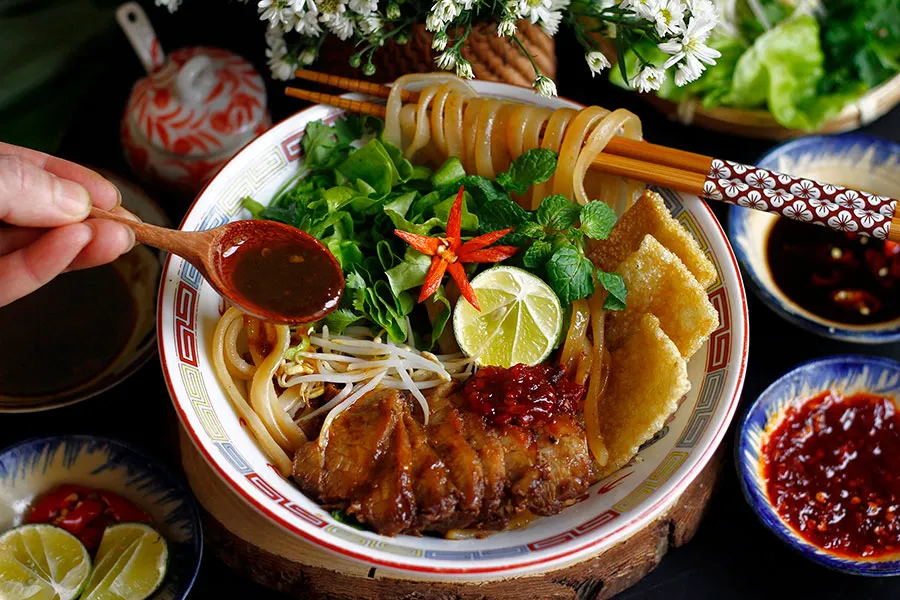
Unlike many Vietnamese specialties that can be found across the country, Cao Lau remains closely tied to the ancient town of Hoi An. This iconic noodle dish is celebrated not only for its distinctive flavor but also for the centuries of cultural exchange that shaped it.
A bowl of Cao Lau combines chewy noodles, slices of roasted pork, crispy rice crackers, bean sprouts, fresh herbs, and a small amount of rich broth. The noodles have a unique texture that sets them apart from pho or other Vietnamese noodle dishes, making Cao Lau instantly recognizable.
Because authentic preparation follows traditional methods that have been preserved for generations, many travelers consider tasting Cao Lau in Hoi An an essential culinary experience. It is a perfect example of how Vietnam’s regional cuisine reflects local history, geography, and culture.
Cha Ca – Hanoi’s Legendary Turmeric Fish
One of Hanoi’s oldest signature dishes is Cha Ca, a specialty dating back more than a century.
Fresh fish is marinated with turmeric, galangal, garlic, and dill before being grilled and finished in a sizzling pan at the table. Diners then combine the fish with rice noodles, roasted peanuts, spring onions, herbs, and shrimp paste or fish sauce according to personal preference.
The dramatic tableside cooking experience makes Cha Ca far more than just a meal. It is an interactive tradition that showcases the creativity of Northern Vietnamese cuisine while highlighting the importance of fresh herbs and balanced flavors.
Bo La Lot – Smoky Beef Wrapped in Betel Leaves
Among Vietnam’s lesser-known street foods, Bo La Lot is often one of the biggest surprises for international visitors.
Seasoned minced beef is carefully wrapped inside fragrant betel leaves before being grilled over hot charcoal. As the leaves cook, they release a distinctive herbal aroma that infuses the beef with rich, smoky flavors.
Bo La Lot is commonly served with rice paper, fresh vegetables, herbs, pickles, and dipping sauce, allowing diners to create their own fresh rolls.
Although it doesn’t receive as much international attention as pho or banh mi, many local food experts consider Bo La Lot one of Vietnam’s most underrated street food experiences.

Hu Tieu – Southern Vietnam’s Versatile Noodle Soup
Popular throughout Ho Chi Minh City and the Mekong Delta, Hu Tieu reflects Vietnam’s multicultural culinary heritage, combining Vietnamese, Chinese, and Khmer influences.
Unlike pho, Hu Tieu offers remarkable flexibility. Travelers can enjoy it with a clear broth or served dry with soup on the side. Common toppings include pork, shrimp, squid, quail eggs, minced meat, and fresh herbs.
Its lighter broth and customizable ingredients make Hu Tieu a favorite breakfast and lunch choice for locals, while visitors appreciate the variety of flavors available from one vendor to another.

Banh Cuon – Delicate Steamed Rice Rolls
Elegant yet comforting, Banh Cuon demonstrates the remarkable precision of Vietnamese cooking.
Thin sheets of freshly steamed rice batter are filled with seasoned minced pork and wood ear mushrooms before being rolled by hand. The rolls are topped with crispy fried shallots and served alongside Vietnamese sausage, bean sprouts, herbs, and a light fish sauce.
Watching experienced vendors prepare Banh Cuon is almost as enjoyable as eating it. With incredible speed and precision, they create paper-thin rice sheets that remain soft, silky, and perfectly smooth.

Tips for Enjoying Vietnamese Street Food Like a Local
The best street food experiences often happen away from major tourist attractions. Small family-run stalls with a steady stream of local customers usually serve the freshest dishes because ingredients are prepared continuously throughout the day.
A few practical tips can make your culinary adventure even more enjoyable:
- Visit popular vendors during breakfast or lunch when ingredients are at their freshest.
- Don’t judge a food stall by its appearance—busy local businesses often serve the best meals.
- Keep small Vietnamese Dong notes for quick and convenient payment.
- Be open to trying regional specialties instead of searching only for famous dishes.
- Watch how locals customize their meals with herbs, lime, and chili before seasoning your own.
- If you have food allergies or dietary restrictions, learn a few basic Vietnamese phrases or join a guided food tour where your guide can communicate with vendors.
Common Mistakes Tourists Make When Trying Vietnamese Street Food
Many visitors unintentionally miss Vietnam’s best culinary experiences by making a few common mistakes.
The biggest mistake is eating only in tourist districts. While these areas offer convenience, some of the country’s most memorable flavors are hidden inside residential neighborhoods, traditional markets, and small alleyways where local families have cooked for generations.
Another common misconception is assuming that street food is unsafe. In reality, choosing busy vendors with high customer turnover and freshly prepared ingredients is often a reliable way to enjoy delicious and hygienic meals.
Some travelers also skip unfamiliar dishes because they look different from foods back home. However, Vietnam’s greatest culinary discoveries often come from trying something you’ve never heard of before.
Finally, don’t rush. Vietnamese street food is meant to be enjoyed slowly—watching vendors cook, chatting with locals, and appreciating the atmosphere is just as rewarding as the meal itself.
Experience Vietnam’s Best Street Food with Local Experts
Reading about Vietnam’s world-famous street food is only the beginning. The real magic happens when you follow the aroma of sizzling grills, pull up a tiny plastic stool beside local diners, and enjoy recipes that have been perfected over generations.
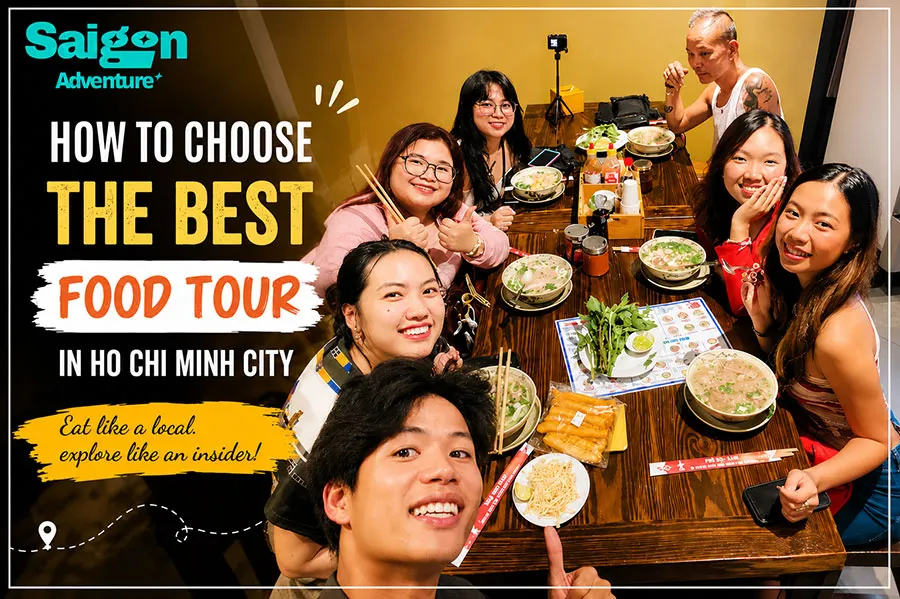
If you’re visiting Ho Chi Minh City, joining a guided food tour is one of the easiest ways to discover hidden street food stalls, family-owned eateries, and authentic neighborhoods that many visitors never find on their own. Local guides not only introduce award-worthy dishes but also explain the stories, traditions, and cultural significance behind every bite.
Prefer to discover the city on foot? Explore our Ho Chi Minh City Walking Tours, where you’ll wander through bustling markets, hidden alleyways, historic neighborhoods, and local food streets while uncovering the fascinating stories behind Vietnam’s vibrant culture.
Whether you’re tasting your very first bowl of pho or searching for Vietnam’s most underrated specialties, every meal becomes part of an unforgettable journey through one of the world’s greatest street food destinations.
Start exploring Vietnam one delicious bite at a time—and let authentic local flavors become the highlight of your adventure.
Frequently Asked Questions
1. What is the most famous Vietnamese street food?
Pho is widely considered Vietnam’s most famous street food thanks to its international popularity, rich history, and balanced flavors.
2. Which city has the best street food in Vietnam?
Both Ho Chi Minh City and Hanoi are outstanding food destinations. Ho Chi Minh City is known for its diverse Southern specialties, while Hanoi is famous for traditional Northern dishes like pho and bun cha.
3. Is Vietnamese street food safe for tourists?
Yes. Choose busy stalls with freshly cooked food and high customer turnover. These vendors often maintain excellent food quality and freshness.
4. How much does Vietnamese street food usually cost?
Most street food dishes cost between 30,000 and 80,000 VND, making Vietnam one of the most affordable food destinations in the world.
5. What are the healthiest Vietnamese street foods?
Fresh spring rolls (Goi Cuon), Pho, Bun Cha, and many rice noodle dishes are excellent choices thanks to their fresh herbs, lean proteins, and balanced ingredients.
6. Can vegetarians enjoy Vietnamese street food?
Absolutely. Many vendors offer vegetarian versions of banh mi, fresh spring rolls, noodle dishes, tofu specialties, and seasonal vegetable meals.
7. What’s the best way to experience authentic Vietnamese street food?
Exploring with a knowledgeable local guide is one of the best ways to discover hidden food stalls, understand Vietnamese food culture, and confidently try authentic regional specialties.
Explore our best-selling tours
 Bestseller
Street Food Tour In Ho Chi Minh City By Motorbike
Saigon Street Food Tours: An Authentic Culinary Odyssey To experience Ho Chi Minh City, you need to do two things:...
 Bestseller
Saigon: Premium Award-Winning Food Tour with Ao Dai Female Riders
A Michelin food tour by scooter in Vietnam elevates the standard street food experience by combining world-class culinary recognition with...
 Bestseller
Saigon Foodie Tour By Scooter With Female Rider (With Beer & Seafood)
Beautiful female tour guides at Saigon Adventure ABOUT THIS TOUR Let us be your guide to experiencing Saigon By Night...
 Bestseller
Vegan Food Tour
Keep your travel plan flexible - book your spot now and pay nothing today! You only need to pay 4...
 Bestseller
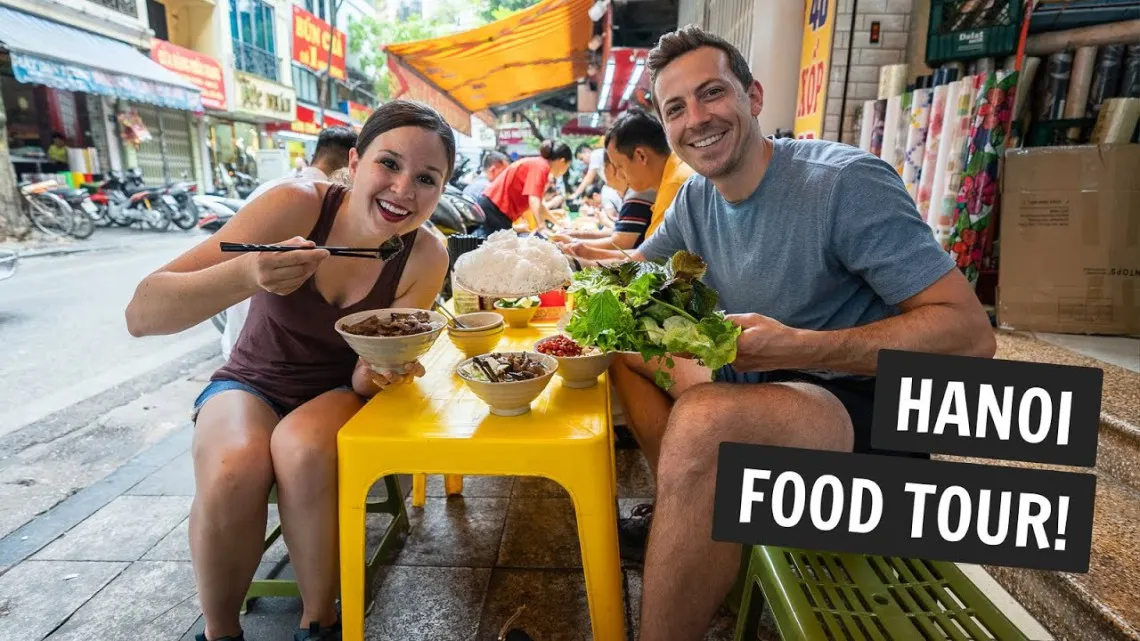
Hanoi Local Food Tour with Train Street and Old Quarter
Discover the flavors and everyday life of Vietnam’s capital on a 3-hour Hanoi local food tour through the historic Old...
 Bestseller
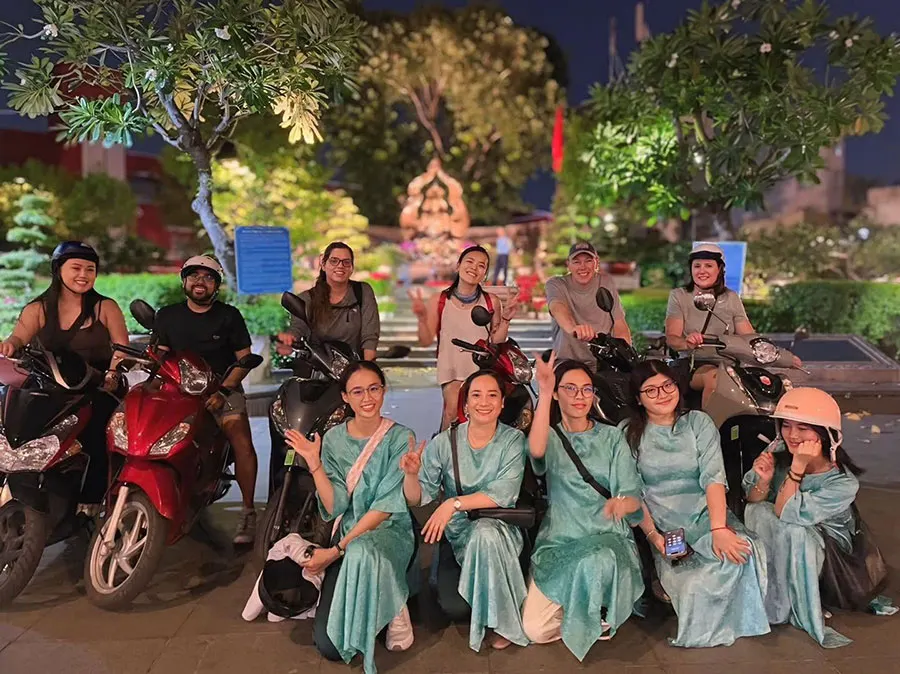
Premium Saigon Hidden Alleys & History: Private Motorbike Tour
Ho Chi Minh Hidden Alleys & History: Private Motorbike Tour Ready to step off the beaten path and discover the...
 Bestseller
Ho Chi Minh City Michelin Food and Live Music Scooter Tour
Welcome to our premier michelin food tour in Ho Chi Minh City! Secure your experience today with Total Flexibility Reserve...
 Bestseller
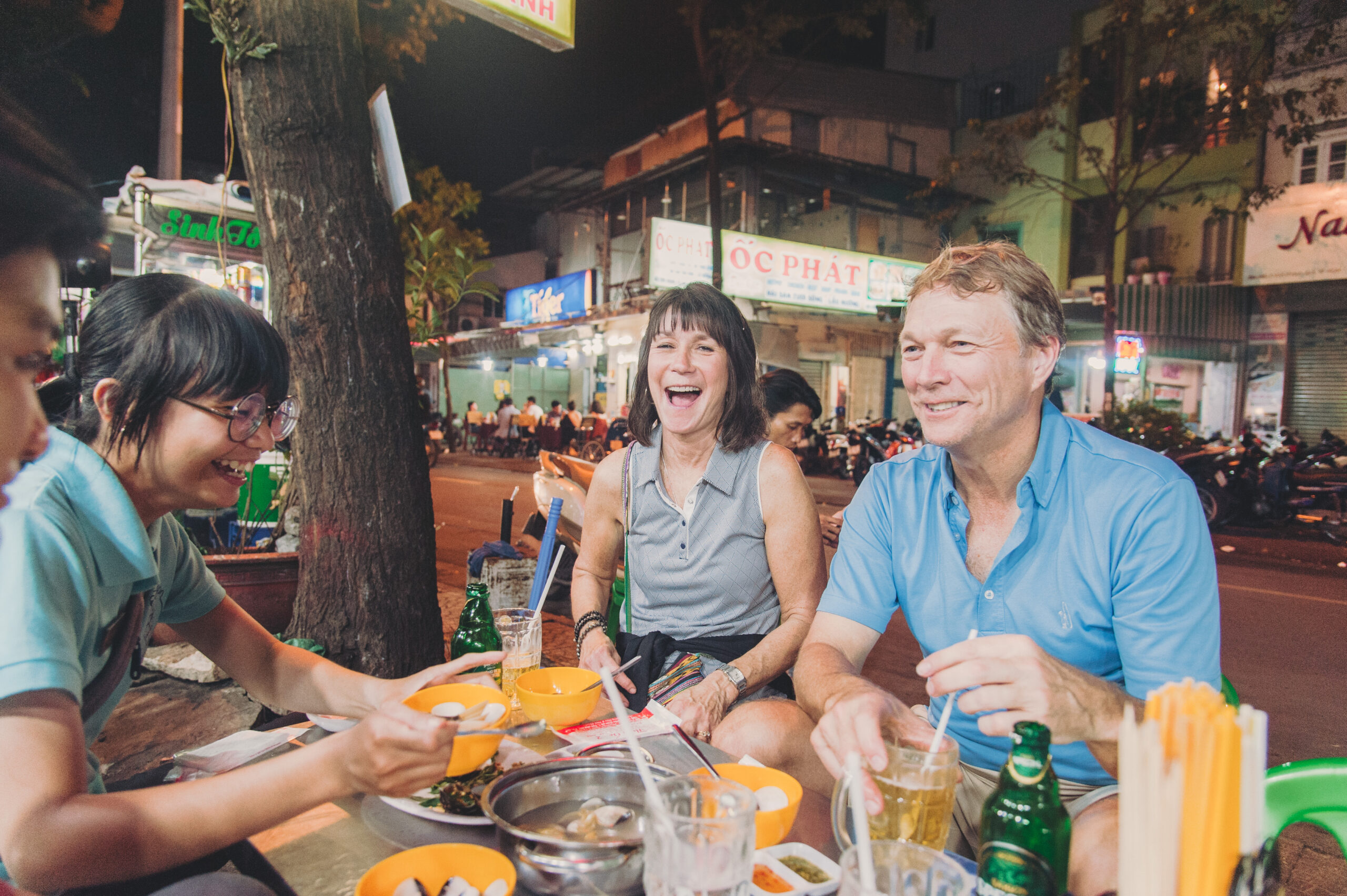
Ho Chi Minh Food Safari With 20 Tastings
Explore Ho Chi Minh City through its food on our Ho Chi Minh Food Safari, featuring 20 authentic street food...
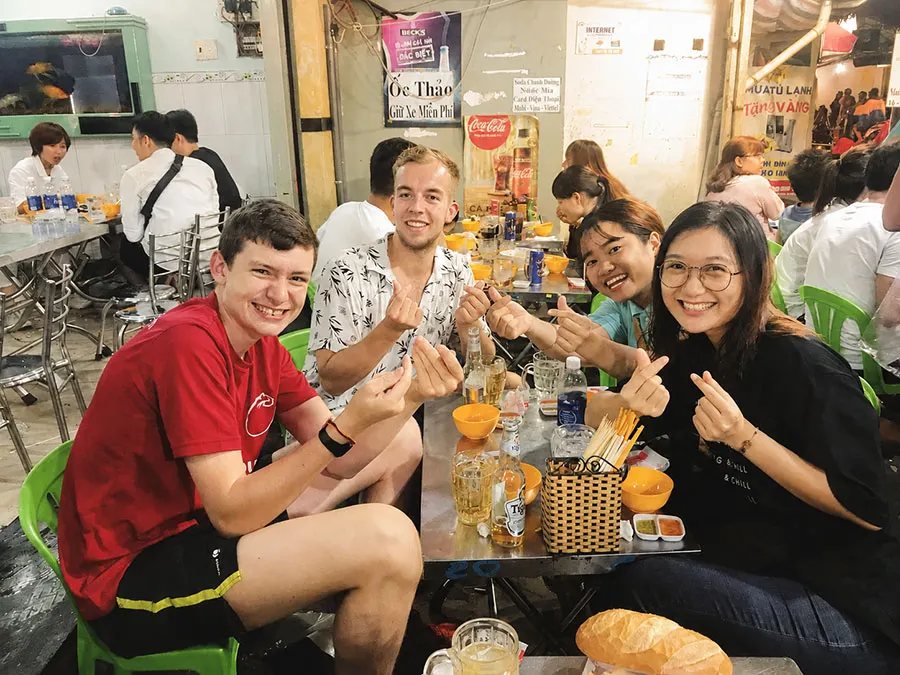 Bestseller
Hanoi Michelin Street Food Tour With a Local Guide
Explore the Old Quarter through its most memorable flavors on our Hanoi Michelin Street Food Tour. Led by a knowledgeable...
 Bestseller
Saigon | Combo Street Food And Sightseeing Tour By Scooter
Food and Sight Motorbike (Special Combo) Experience the ultimate Saigon adventure! Over 4 thrilling hours, hop on the back of...
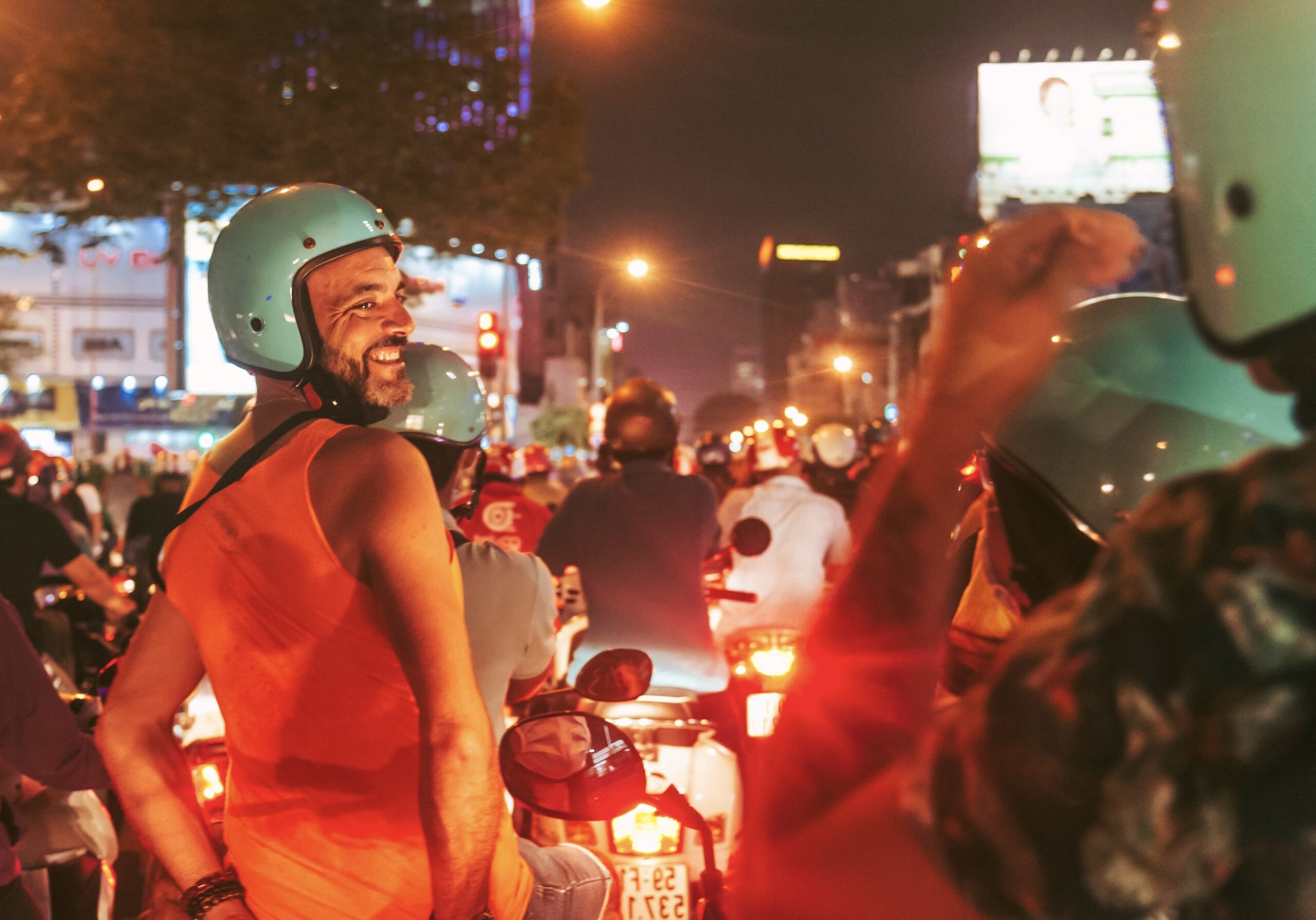 Bestseller
Saigon By Night (Motorbike Tour) With Rooftop Bar – Live Music And Seafood
Keep your travel plan flexible - book your spot now and pay nothing today! You only need to pay...
 Bestseller
Beers, Music & Foods
TOUR DETAILS Saigon After Dark: The Ultimate Scooter, Food & Live Music Odyssey Experience the electric energy of Ho Chi...
 Bestseller
Saigon After Dark Night Tour With Rooftop Bar And Live Music
Enjoy the best Saigon After Dark experience while keeping your travel plan flexible - book your spot now and pay...

Saigon Relax (Private Vip Tour By Car or Scooter)
PRIVATE VIP TOUR Our Saigon Relax Tour is available by private VIP car or scooter. This tour lasts for 4,5...