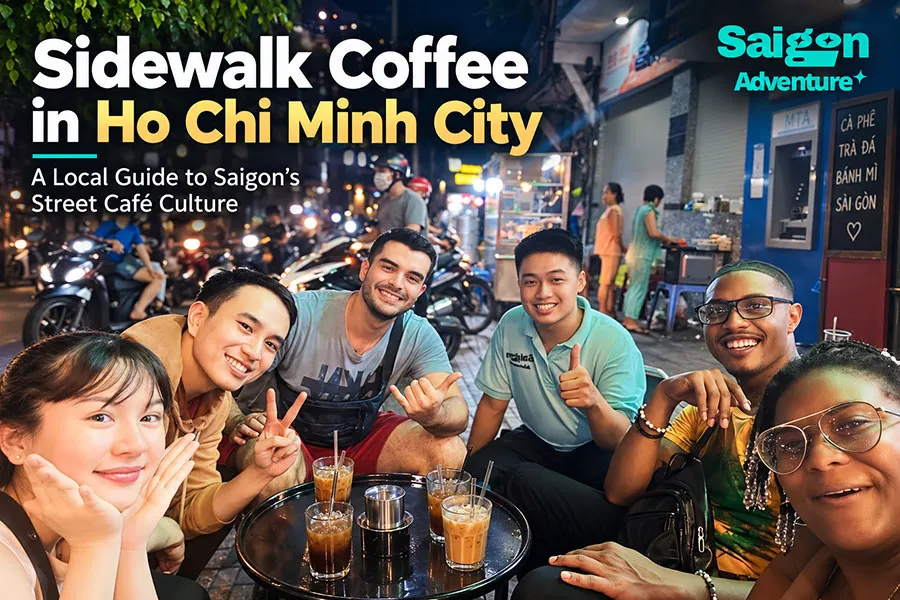
A tiny plastic stool, a strong glass of iced coffee and a front-row seat to the morning rush can reveal more about Saigon than many polished attractions. Experiencing sidewalk coffee in Ho Chi Minh City is not simply about caffeine; it is a chance to slow down and watch the city live around you.
Locals stop for coffee before work, meet friends between errands or sit for an unhurried conversation while motorbikes stream past. For international travelers looking for an inexpensive and genuinely local experience, spending half an hour at a simple street café can become one of the most memorable parts of visiting Ho Chi Minh City.

What is sidewalk coffee in Ho Chi Minh City?
Sidewalk coffee, commonly understood as cà phê vỉa hè, refers to informal coffee spots where customers sit close to the street rather than inside an air-conditioned café. A setup may be as simple as a cart, several low stools, a small table and containers filled with coffee, condensed milk and ice.
The atmosphere matters as much as the drink. Vietnam Tourism describes pavement coffee as a familiar part of Vietnamese sidewalk culture, where people gather with friends and watch everyday life unfold around them.
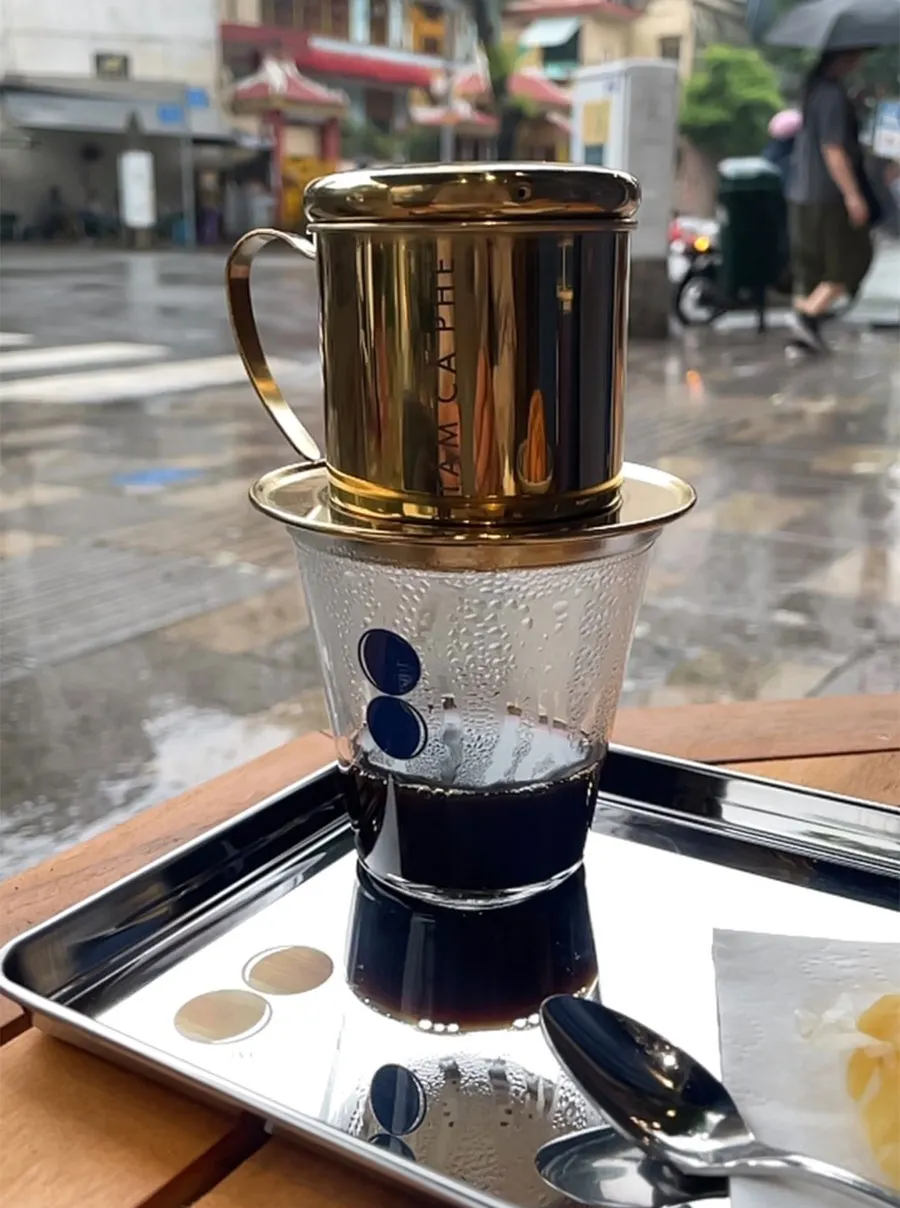
Some vendors serve coffee brewed individually through a metal phin, while busy stalls may prepare coffee in advance for faster service. Either way, the experience is usually casual, social and closely connected to the rhythm of the neighborhood.

Is Saigon sidewalk coffee worth experiencing?
Yes, particularly if you want to understand everyday life rather than spend your entire trip moving between major landmarks.
The appeal is surprisingly simple. You sit close enough to hear street vendors calling, office workers ordering breakfast, delivery riders stopping for drinks and neighbors greeting one another.
Sidewalk coffee is especially worthwhile for:
- First-time visitors curious about Vietnamese daily life
- Street photographers and people-watchers
- Budget travelers
- Solo travelers who enjoy observing local culture
- Coffee lovers interested in traditional Vietnamese flavors
- Visitors who prefer unscripted experiences over formal attractions
It may be less suitable if you need strong air-conditioning, quiet working space, accessible seating or a long specialty-coffee menu.
Local Tip: Do not rush the experience. Order one drink and spend 20–40 minutes watching the street rather than treating the stop as another item on a sightseeing checklist.
Travelers who enjoy this slower style of exploration may also like discovering neighborhoods through Ho Chi Minh City walking tours, where markets, alleys and everyday street scenes become part of the experience.
What should you order at a sidewalk coffee stall?
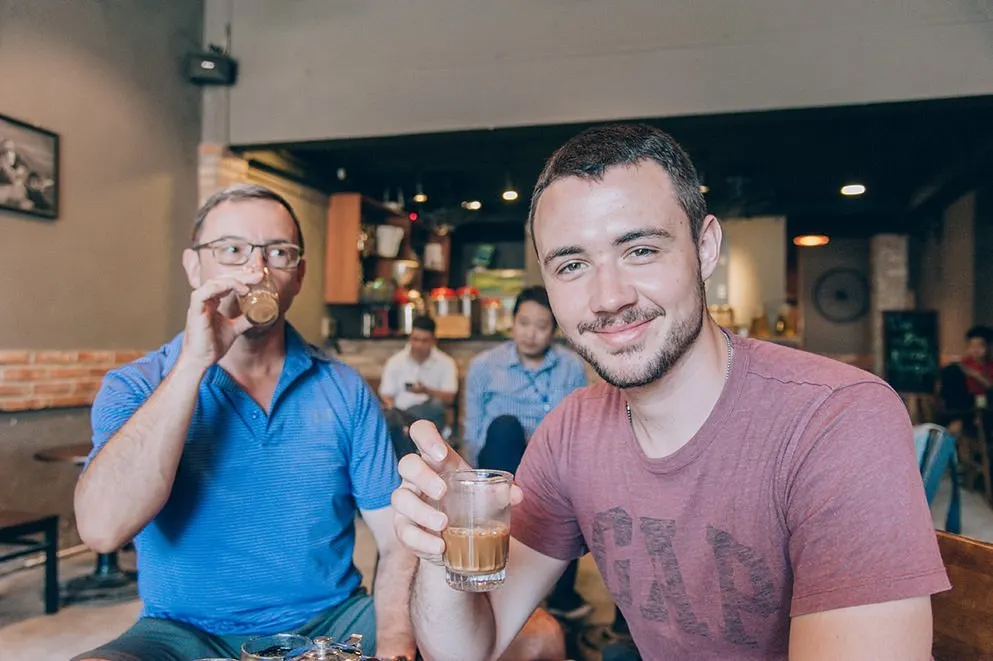
You rarely need a complicated menu. Traditional street coffee in Saigon often revolves around several familiar drinks.
Cà phê sữa đá – Vietnamese iced coffee with condensed milk
Cà phê sữa đá is the easiest introduction for many visitors. Strong coffee is mixed with sweet condensed milk and poured over plenty of ice.
The result is bold, sweet and refreshing in Ho Chi Minh City’s warm climate. If you normally drink lightly roasted coffee without sugar, expect something considerably richer.
Cà phê đen đá – Black iced coffee
Choose cà phê đen đá if you want a stronger, less creamy drink. It is usually served black over ice and may already contain some sugar depending on the vendor.
If you prefer little or no sweetness, say “ít đường” for less sugar or “không đường” for no sugar.
Bạc xỉu – A sweeter, milkier option
Travelers who find Vietnamese coffee too intense may prefer bạc xỉu. It contains more milk relative to coffee and generally tastes softer and sweeter than a standard cà phê sữa đá.
It is a useful choice for beginners who prefer a milkier coffee, although the milder taste does not necessarily mean less caffeine; that depends on how much coffee the vendor uses.
When is the best time for sidewalk coffee in Saigon?
Morning is the classic time, especially from roughly 6:30 AM to 9:00 AM. The temperature is usually more comfortable, breakfast vendors are active and commuters create the energetic street atmosphere that makes morning coffee in Saigon so interesting.
Late afternoon can be equally enjoyable once the strongest daytime heat begins to ease. Some sidewalk spots become particularly social after work when groups of friends gather before dinner.
Midday is usually less comfortable for visitors because of the tropical heat. Choose a shaded stall or an indoor café if you are exploring around noon.
Morning or evening: which is better?
Choose morning if you want to see Saigon waking up: breakfast, newspapers, commuters and neighborhood routines.
Choose late afternoon or evening if you prefer a more relaxed social atmosphere. You can then continue exploring the city’s food culture with a Saigon street food tour or spend the evening discovering local neighborhoods.
Where can travelers find authentic sidewalk coffee?
You do not necessarily need a famous café. In fact, searching only for viral coffee shops can defeat the purpose of experiencing genuine Saigon street coffee culture.
Look along side streets, near local markets, beside office areas and around older residential neighborhoods. Small coffee carts often appear wherever there is enough shade and regular pedestrian traffic.
Central Ho Chi Minh City is convenient, but quieter streets outside the busiest sightseeing zones can feel more relaxed and local. Exploring several neighborhoods on a Saigon motorbike city tour also helps reveal how dramatically street life changes within only a few kilometers.
Local Tip: A busy stall with regular local customers is often a better choice than an empty setup positioned only beside a tourist attraction.
For a specific place to start, try one of these traditional neighborhood cafés. Both offer a glimpse of Saigon’s everyday coffee culture, with simple surroundings and cloth-filter coffee rather than a modern specialty-café setting.
| Coffee stop | Address in Ho Chi Minh City | What to expect |
|---|---|---|
| Cheo Leo Café | 109/36 Nguyen Thien Thuat Street | A small café tucked into a residential alley, known for traditional cloth-filter coffee. A good choice for travelers interested in old Saigon’s coffee-making traditions. |
| Phan Dinh Phung cloth-filter coffee | 330/2 Phan Dinh Phung Street | A longstanding family-run coffee spot with low plastic stools and a casual alley setting. Suits visitors who want to sit among regular customers and observe neighborhood life. |
Search the café name together with its full street address on your map app, as both are in alleys. Check current opening hours before making a special trip, and ask the vendor where to sit when you arrive.

How much does sidewalk coffee cost in Ho Chi Minh City?
Simple street coffee remains one of the city’s most affordable everyday experiences. For basic cà phê đen đá or cà phê sữa đá, around 15,000–30,000 VND per drink is a useful planning range, although prices vary by location and concept.
Do not assume every street vendor charges exactly the same amount. If there is no visible menu, asking “Bao nhiêu tiền?” before ordering is completely reasonable.
Sidewalk coffee vs modern cafés in Ho Chi Minh City
Both deserve a place in your itinerary, but they provide very different experiences.
| Experience | Sidewalk coffee | Modern café |
|---|---|---|
| Atmosphere | Busy, open and local | Comfortable and controlled |
| Seating | Low stools or simple chairs | Standard tables and chairs |
| Typical stay | Short to moderate | Often longer |
| Menu | Usually simple | Larger drink selection |
| Air-conditioning | Usually no | Often yes |
| Best for | People-watching and local culture | Working, relaxing and specialty coffee |
| Cost | Generally lower | Usually higher |
A specialty café may teach you more about beans, brewing techniques and modern Vietnamese coffee trends. A sidewalk stall teaches you something different: how coffee fits naturally into daily life.
There is no reason to choose only one. Drink a traditional iced coffee on the pavement in the morning, then explore a creative café later in the trip.
How to order coffee like a local
Ordering is usually easy even if the vendor speaks limited English. Pointing to another customer’s drink can work perfectly well.
Useful phrases include:
- Cà phê sữa đá – iced coffee with condensed milk
- Cà phê đen đá – black iced coffee
- Ít đường – less sugar
- Không đường – no sugar
- Mang đi – takeaway
- Bao nhiêu tiền? – how much?
Local Tip: For a less sweet cà phê sữa đá, ask for “ít sữa đặc” (less sweetened condensed milk). Saying “không đường” (no sugar) alone may not be enough, because the condensed milk itself is sweet.
Keep small Vietnamese đồng notes available whenever possible. Street vendors may not accept cards, and paying for a low-cost drink with a very large banknote can be inconvenient.
Do not worry about mastering complicated café etiquette. Find an available stool, order clearly, enjoy your coffee and pay before leaving unless the vendor asks for payment first.
Safety and practical tips for first-time visitors
Sitting beside a busy Saigon street is part of the appeal, but basic awareness makes the experience more comfortable.
Keep your phone and wallet away from the road-facing edge of the table. When taking photos, step away from moving traffic rather than backing into the street while concentrating on the camera.
Choose stalls where cups, ice and preparation areas appear reasonably clean. If something about food handling, water or hygiene makes you uncomfortable, simply choose another vendor.
Also remember that low plastic stools are not ideal for everyone. Travelers with knee, hip or mobility difficulties may be more comfortable at a street-facing café with regular chairs.
If you want to explore street culture with local guidance rather than navigating unfamiliar neighborhoods alone, motorbike food tours in Ho Chi Minh City combine local food, markets and everyday street scenes across different parts of Saigon.
Who will enjoy Saigon street coffee culture most?
Sidewalk coffee suits travelers who enjoy observing rather than constantly doing.
You may spend thirty minutes without visiting a monument or taking a tour, yet notice dozens of small details: how breakfast arrives on motorbikes, how friends share tables, how vendors recognize regular customers and how the street changes from one hour to the next.
That unplanned quality is precisely why the experience works. It is inexpensive, flexible and easy to fit between larger attractions.
For photographers, food lovers and culturally curious travelers, sidewalk coffee also pairs naturally with markets, street food and neighborhood walks. Those who enjoy Saigon after sunset can continue with a Saigon by night experience after seeing a different side of local life during the day.
Why sidewalk coffee reveals the real rhythm of Saigon
Ho Chi Minh City can initially feel fast: traffic, horns, crowds, markets and constant movement. Sidewalk coffee offers an unusual way to understand that energy without escaping from it.
Instead of watching the city through a restaurant window, you become temporarily part of the street. Your coffee arrives, another customer takes the next stool, motorbikes come and go, and daily Saigon continues around you.
That is why sidewalk coffee in Ho Chi Minh City deserves a place in a first-time itinerary. It costs little, requires almost no planning and offers something increasingly valuable in modern travel: time to simply observe a city as people actually live in it.
When you are ready to explore beyond your coffee stool, continue through the markets, alleys and local neighborhoods that make Saigon rewarding away from its headline attractions.
Frequently asked questions about sidewalk coffee in Ho Chi Minh City
What is sidewalk coffee in Vietnam?
Sidewalk coffee is an informal Vietnamese coffee experience where customers drink at small street-side stalls, often sitting on low stools. In Ho Chi Minh City, it is closely connected with socializing, people-watching and everyday neighborhood life.
How much is street coffee in Ho Chi Minh City?
Basic sidewalk coffee commonly costs around 15,000–30,000 VND, although prices vary by neighborhood, drink and style of vendor. Newer or more polished street-coffee concepts can cost more.
What coffee should first-time visitors order in Saigon?
Cà phê sữa đá is the most approachable introduction for many international visitors because condensed milk balances the coffee’s strong flavor. Try cà phê đen đá if you prefer black coffee or bạc xỉu for something milkier and sweeter.
What is the best time to drink sidewalk coffee in Ho Chi Minh City?
Morning between approximately 6:30 AM and 9:00 AM offers the most characteristic experience, with cooler temperatures, breakfast activity and commuters filling the streets. Late afternoon is another good choice.
Is sidewalk coffee safe for tourists?
Generally yes, provided you use normal urban precautions. Choose a clean-looking busy stall, keep valuables away from the roadside, remain aware of motorbike traffic and move away from the curb before taking photographs.
Where should tourists try local coffee in Saigon?
Look beyond famous café chains and search around local markets, quieter side streets, office neighborhoods and residential areas. A busy stall used by local customers often provides a more authentic experience than a place designed primarily for tourists.
Explore our best-selling tours
 Bestseller
Street Food Tour In Ho Chi Minh City By Motorbike
Saigon Street Food Tours: An Authentic Culinary Odyssey To experience Ho Chi Minh City, you need to do two things:...
 Bestseller
Saigon: Premium Award-Winning Food Tour with Ao Dai Female Riders
A Michelin food tour by scooter in Vietnam elevates the standard street food experience by combining world-class culinary recognition with...
 Bestseller
Saigon Foodie Tour By Scooter With Female Rider (With Beer & Seafood)
Beautiful female tour guides at Saigon Adventure ABOUT THIS TOUR Let us be your guide to experiencing Saigon By Night...
 Bestseller
Vegan Food Tour
Keep your travel plan flexible - book your spot now and pay nothing today! You only need to pay 4...
 Bestseller
Ho Chi Minh City Michelin Food and Live Music Scooter Tour
Welcome to our premier michelin food tour in Ho Chi Minh City! Secure your experience today with Total Flexibility Reserve...
 Bestseller
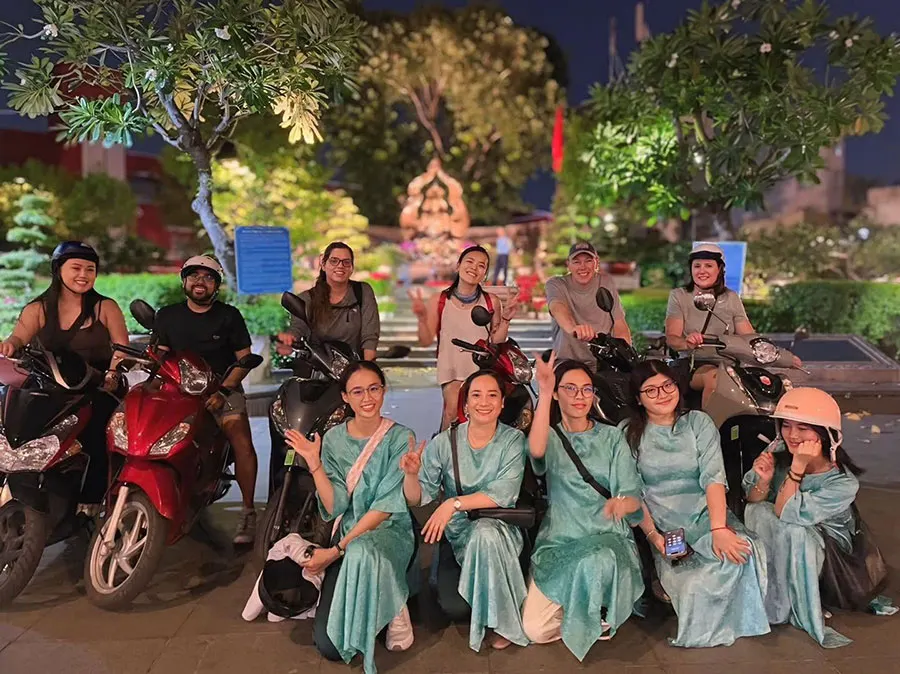
Premium Saigon Hidden Alleys & History: Private Motorbike Tour
Ho Chi Minh Hidden Alleys & History: Private Motorbike Tour Ready to step off the beaten path and discover the...
 Bestseller
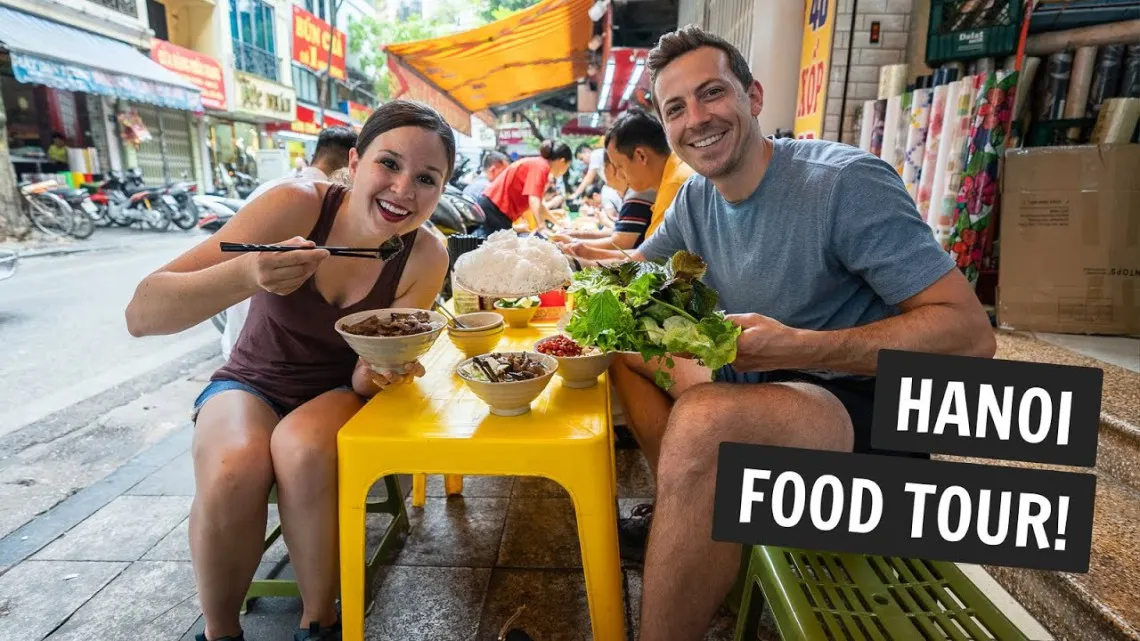
Hanoi Local Food Tour with Train Street and Old Quarter
Discover the flavors and everyday life of Vietnam’s capital on a 3-hour Hanoi local food tour through the historic Old...
 Bestseller
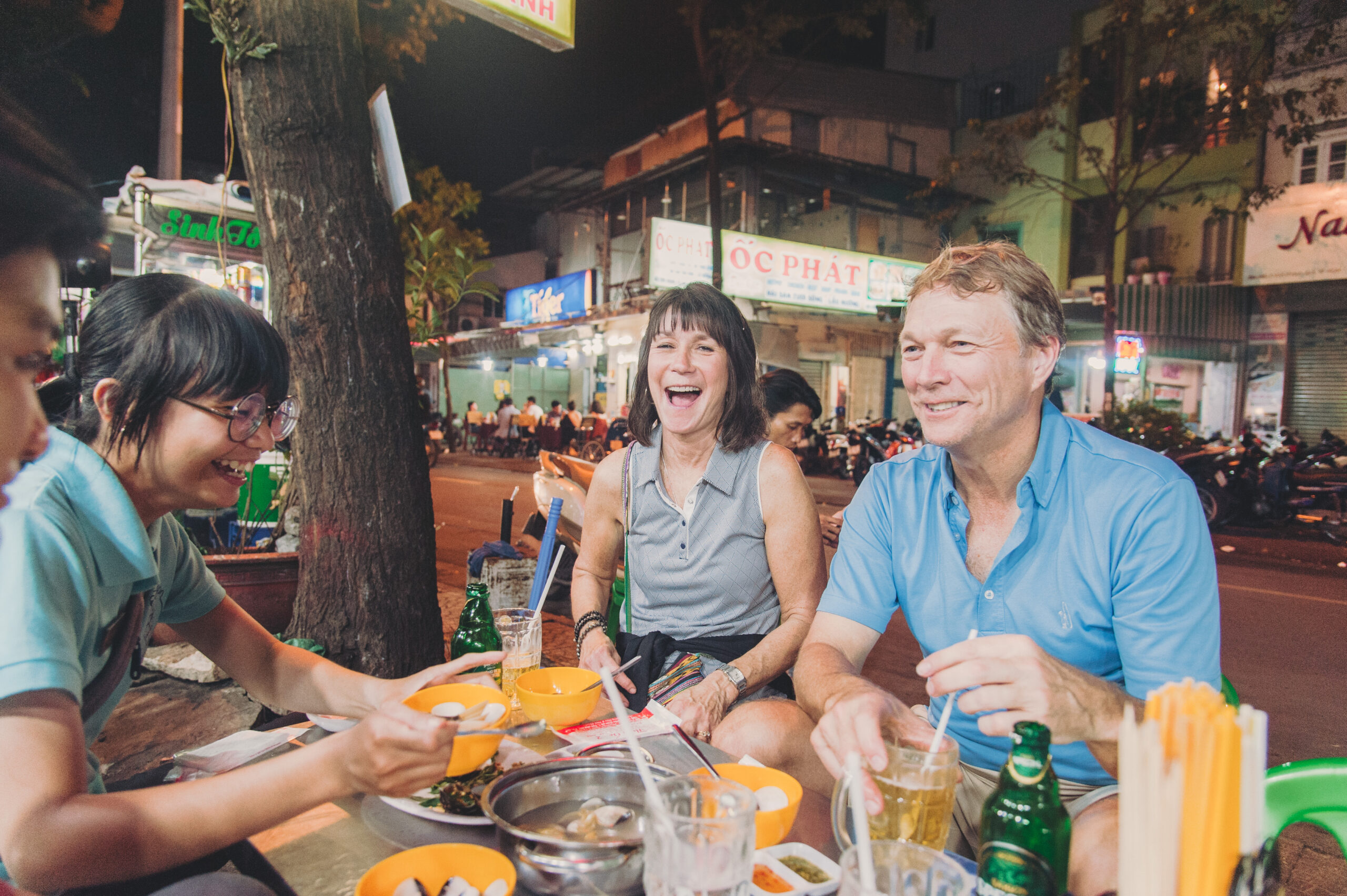
Ho Chi Minh Food Safari With 20 Tastings
Explore Ho Chi Minh City through its food on our Ho Chi Minh Food Safari, featuring 20 authentic street food...
 Bestseller
Saigon | Combo Street Food And Sightseeing Tour By Scooter
Food and Sight Motorbike (Special Combo) Experience the ultimate Saigon adventure! Over 4 thrilling hours, hop on the back of...