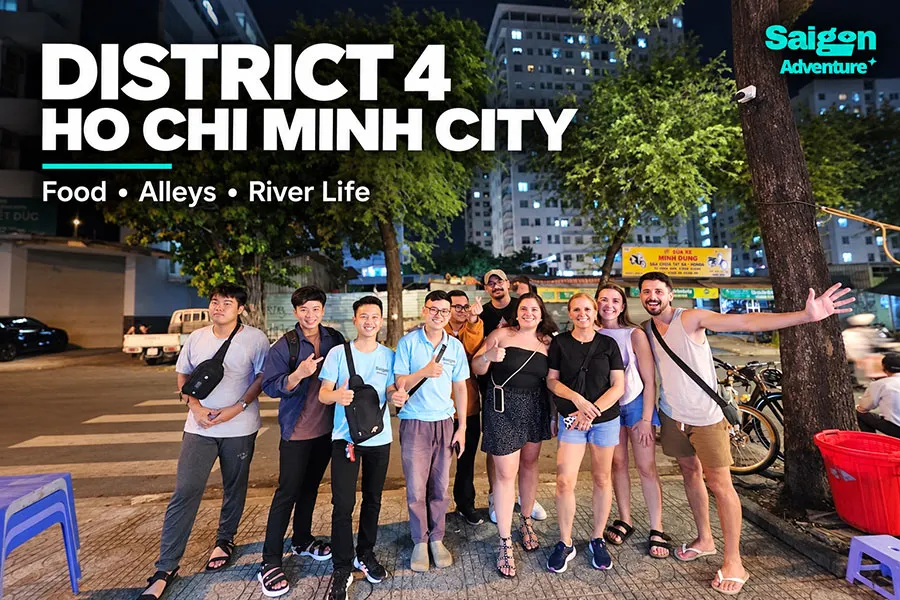
Cross a bridge from central Saigon and the city changes almost immediately. District 4 Ho Chi Minh City replaces polished shopping streets with tightly packed alleys, neighborhood cafés, sizzling seafood grills and apartment-lined roads shaped by its waterfront past.
District 4 is worth visiting if you want to experience everyday Saigon without traveling far from District 1. Come in the late afternoon, explore the riverside and residential lanes, then stay for one of the city’s most energetic local dining scenes.

Is District 4 worth visiting?
Yes. District 4 offers a compact mix of local food, riverside scenery and residential life within minutes of downtown Ho Chi Minh City.
The area is especially rewarding for food lovers, street photographers, repeat visitors and travelers who prefer lived-in neighborhoods to landmark-heavy sightseeing. It is less suitable for anyone seeking luxury shopping, large museums or neatly organized pedestrian attractions.
District 4’s strength is not a long checklist of famous sights. Its appeal comes from observing daily routines: residents buying fruit in a narrow lane, diners sharing shellfish around low tables and motorbikes flowing between old houses and modern apartment towers.
The neighborhood also works well as a short evening excursion. Two to four hours is enough to combine a walk, riverside views and dinner without committing an entire day.
Where is District 4 in Ho Chi Minh City?
The area commonly known as District 4 sits directly south of central District 1, separated from downtown by the Bến Nghé Channel. The Saigon River borders its eastern side, while the Tẻ Canal lies to the south.
Several bridges connect the neighborhood with surrounding parts of the city. Khánh Hội Bridge provides convenient access from the Bến Thành and Nguyễn Huệ areas, while Calmette Bridge and Mống Bridge are useful for visitors approaching from central Saigon.
Since Vietnam’s administrative reorganization in July 2025, District 4 is no longer a formal district-level administrative unit. Its former territory is associated with the new Vĩnh Hội, Khánh Hội and Xóm Chiếu wards, but hotels, residents, maps and travel websites still commonly use “District 4” as a familiar geographic name.
How far is District 4 from District 1?
The two areas are closer than they appear on a map. From the southern edge of District 1, you can cross into District 4 in only a few minutes by taxi, ride-hailing motorbike or on foot via an appropriate bridge.
Travel time from central landmarks depends heavily on traffic. Allow approximately 10–20 minutes by vehicle from the Bến Thành area, with extra time during the evening rush.
What makes District 4 different from District 1?
District 1 concentrates many of the city’s best-known landmarks, rooftop bars, hotels and commercial streets. District 4 feels denser, more residential and less arranged around international tourism.
| Experience | District 4 | District 1 |
|---|---|---|
| Atmosphere | Local, compact and energetic | Central, polished and visitor-friendly |
| Main appeal | Food, alleys and neighborhood life | Landmarks, shopping and nightlife |
| Dining | Seafood, snails and casual eateries | Wider range of local and international food |
| Walking | Interesting but traffic-heavy | Easier around major central attractions |
| Best time | Late afternoon and evening | Morning through late night |
First-time visitors should not treat the comparison as a choice between two competing destinations. Explore District 1 for major sights, then visit District 4 to see a more residential side of the city.
If you are deciding how to travel between neighborhoods, this comparison of exploring Saigon by scooter versus car explains the practical advantages of each option.
Best things to do in District 4
Explore the neighborhood alleys
District 4’s alleys reveal a side of Ho Chi Minh City that disappears when you travel only along major roads. Some passages contain small homes, food counters, repair shops, shrines and cafés within a few steps of one another.
These are residential spaces rather than staged attractions. Walk quietly, avoid photographing people at close range without permission and do not block doorways while composing a picture.
Begin near a wider road such as Tôn Đản or Hoàng Diệu and enter only alleys that appear open and active. If a passage becomes too narrow, poorly lit or clearly private, simply turn around.
Local Tip: Visit before dinner, when there is still daylight but neighborhood food stalls are beginning to open. This makes navigation easier and gives you a better view of daily life.
Walk along Bến Vân Đồn
Bến Vân Đồn follows the channel opposite District 1 and offers an interesting urban contrast. Across the water, modern towers rise above central Saigon; behind you, residential streets lead deeper into the former dockland neighborhood.
This is not a continuous landscaped promenade in the style of a purpose-built waterfront park. Traffic, construction and apartment entrances interrupt the experience, so choose short sections instead of expecting a long, peaceful riverside walk.
For a more open central waterfront experience, combine the neighborhood with a separate visit to the Saigon River around sunset. District 4 provides the residential perspective, while the central riverfront offers broader skyline views.
Cross the historic Mống Bridge
Mống Bridge is a distinctive pedestrian bridge connecting the District 4 side of the Bến Nghé Channel with central Ho Chi Minh City. Its green-painted metal structure and skyline backdrop make it a popular place for walking and photography.
Late afternoon usually provides softer light, but the bridge can become busy. Watch for bicycles and people exercising, and keep bags and phones secure as you would in any central urban area.
Visit Nhà Rồng Wharf
Nhà Rồng Wharf stands on the Saigon River and now houses a branch of the Hồ Chí Minh Museum. The site is historically associated with Nguyễn Tất Thành—later known as Hồ Chí Minh—leaving Vietnam in 1911.
Its architecture, river setting and historical significance give the area a different character from District 4’s food streets. Check current opening hours and admission arrangements before visiting, particularly around public holidays.
See Xóm Chiếu’s neighborhood life
The Xóm Chiếu area is known for dense residential streets, local commerce and long-established community life. Rather than searching for a single photo stop, experience it as a working neighborhood.
You may encounter small markets, religious buildings, inexpensive food shops and morning activity around local streets. Daylight is the best time for an independent first visit because the street pattern can be confusing.
What to eat in District 4
Food is the neighborhood’s strongest attraction, but it should not be reduced to one famous street. District 4 serves everything from broken rice and noodle soup to grilled skewers, seafood, desserts and late-evening snacks.
Travelers who want a food-focused itinerary can use this detailed District 4 food tour and seafood guide. It covers the dining experience more deeply without turning this neighborhood guide into another list of restaurants.
Try snails and seafood on Vĩnh Khánh Street
Vĩnh Khánh Street is widely associated with ốc, the Vietnamese dining tradition built around snails, shellfish and shared dishes. Preparations may include tamarind sauce, lemongrass, garlic butter, scallion oil or salted egg yolk.
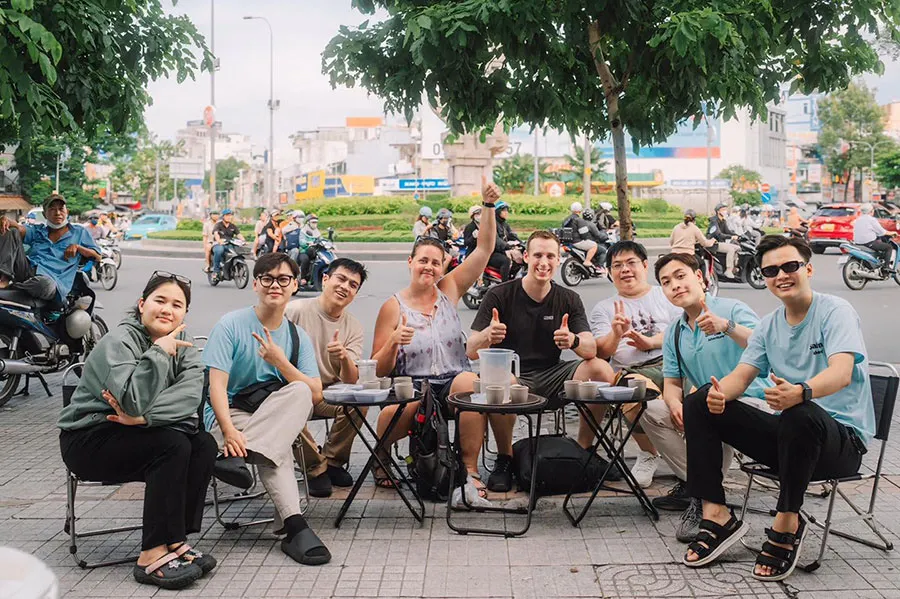
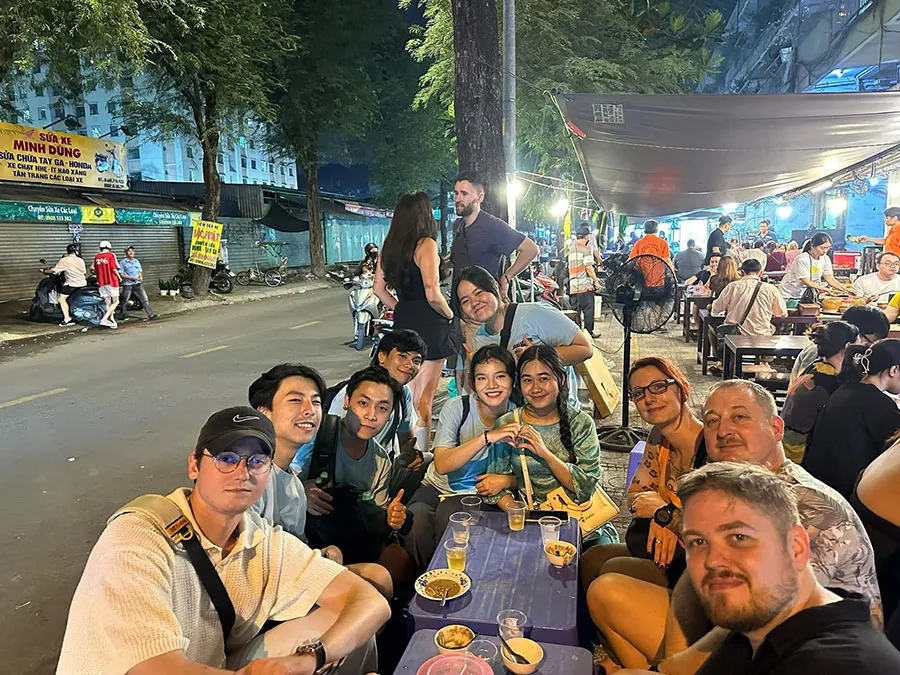
The experience is social and often noisy. Groups order several plates, add vegetables or noodles and eat slowly with cold drinks while grills operate beside the street.
Prices depend on the species, portion size and cooking method. As a practical estimate, allow roughly VND 150,000–350,000 per person for a varied meal, although premium seafood and alcoholic drinks can raise the total considerably.
Ask for a menu with prices and confirm the cost of seafood sold by weight before ordering. The official Vietnam Tourism guide to Ho Chi Minh City street food also highlights District 4 and Vĩnh Khánh Street’s distinctive food culture.
Look beyond the famous food street
Tôn Đản and the surrounding streets contain casual restaurants, food carts and small neighborhood businesses. Options change throughout the day, so a street that appears quiet at noon may become busy after sunset.
Try familiar dishes such as cơm tấm if you want an easy starting point. More adventurous diners can share snails, shellfish or grilled items, but there is no need to order unfamiliar ingredients simply because they are considered local specialties.
For a broader introduction to the city’s food culture, explore Saigon through a guided motorbike food tour, which can connect District 4 with contrasting neighborhoods.
Best time to visit District 4
Late afternoon through evening is the most rewarding period for most travelers. Arriving around 4:30–5:30 p.m. provides daylight for walking and leads naturally into dinner as grills and restaurants become busier.
Morning is better for markets, coffee and quieter residential scenes. Midday can feel hot, while many evening-oriented eateries may not yet have their full atmosphere.
During the rainy season, a short shower can flood uneven sections of the road or make tiled entrances slippery. Carry a compact poncho and avoid taking shelter where you would obstruct a home or business.
Local Tip: Weeknights generally provide a more manageable first visit. Friday and weekend evenings create greater energy but also bring heavier traffic, more noise and longer waits at popular restaurants.
How to explore District 4 safely
District 4 is a busy urban neighborhood, and ordinary city precautions are appropriate. Keep your phone away from the roadside, wear a cross-body bag and check traffic from both directions before crossing.
The biggest practical difficulty for many international visitors is navigation rather than personal safety. Alleys may branch unexpectedly, pavements can be obstructed and motorbikes sometimes use spaces that appear pedestrian-only.
Use these simple precautions:
- Save your accommodation address offline.
- Order ride-hailing vehicles from a visible main road.
- Avoid displaying large amounts of cash.
- Wear secure footwear with a good grip.
- Ask before photographing residents or food preparation.
- Do not follow an alley if it feels private or poorly lit.
Independent exploration offers flexibility but limited context. A locally guided Ho Chi Minh City walking tour can be more comfortable if you want help understanding local customs, crossing traffic and distinguishing public passages from residential spaces.
A practical three-hour District 4 itinerary
Begin near Mống Bridge in the late afternoon and pause for views across the Bến Nghé Channel. Continue toward a suitable section of Bến Vân Đồn, observing the contrast between the water, apartment towers and older neighborhood streets.
Next, move inland through active public lanes toward the Xóm Chiếu or Khánh Hội area. Keep this portion flexible rather than forcing a strict route through unfamiliar alleys.
Finish on or near Vĩnh Khánh Street after 6:00 p.m. Order two or three shared dishes first, then add more only if necessary; seafood meals become expensive and wasteful when diners order everything at once.
A guided evening ride is the easier choice for visitors who dislike navigating traffic. Saigon Adventure’s street food experiences provide a broader way to discover local dining beyond the downtown tourist zone.
Should you stay in District 4?
District 4 can suit returning visitors, long-stay travelers and people who prefer apartments to conventional tourist hotels. Its proximity to District 1 is useful, and some properties offer attractive skyline or canal views.
However, first-time visitors may find District 1 or District 3 more convenient for walking to major attractions. District 4’s traffic, limited pavements and residential alley network can make orientation harder, especially after dark.
Choose accommodation near a main road if you stay here. Check recent reviews for construction noise, street access and the ease of arranging transport rather than booking solely for a high-floor view.
Experience District 4 beyond the food stalls
District 4 rewards curiosity more than hurried sightseeing. Its waterways, compact alleys, community rhythms and animated evening tables create a neighborhood experience that feels remarkably different from downtown, despite being just across the channel.
Come before sunset, walk respectfully and leave enough time for an unhurried meal. Whether you explore independently or with a local guide, District 4 can show you how Saigon eats, moves and socializes beyond its famous landmarks.
Frequently asked questions
Is District 4 safe for tourists?
District 4 is generally manageable for visitors using normal city precautions. Protect your phone near traffic, keep valuables secure, remain on active streets after dark and arrange your ride from a visible pickup point.
What is District 4 famous for?
District 4 is best known for Vĩnh Khánh Street, snails, seafood, residential alleys and its location between central waterways. It also includes historically important Nhà Rồng Wharf and provides views toward downtown Saigon.
How do I get from District 1 to District 4?
You can reach the area by taxi, ride-hailing motorbike or on foot across selected bridges. Depending on your starting point and traffic, the journey from central District 1 commonly takes around 10–20 minutes by vehicle.
When should I visit Vĩnh Khánh Food Street?
Evening is the best time because restaurants are active and the street develops its characteristic dining atmosphere. Arrive around 6:00 p.m. on a weekday for a balance between energy and manageable crowds.
How much does a meal in District 4 cost?
A simple local meal can cost much less than a shared seafood dinner. Budget approximately VND 150,000–350,000 per person for several shared dishes, but confirm prices because premium seafood, items sold by weight and drinks increase the bill.
Can I walk around District 4 independently?
Yes, particularly during daylight or early evening. Use offline navigation, stay aware of motorbikes and respect residential privacy; a guide is helpful if you want cultural context or plan to explore several food stops.
How long should I spend in District 4?
Allow two to four hours for a short riverside walk, alley exploration and dinner. History enthusiasts can extend the visit by adding Nhà Rồng Wharf during its current public opening hours.