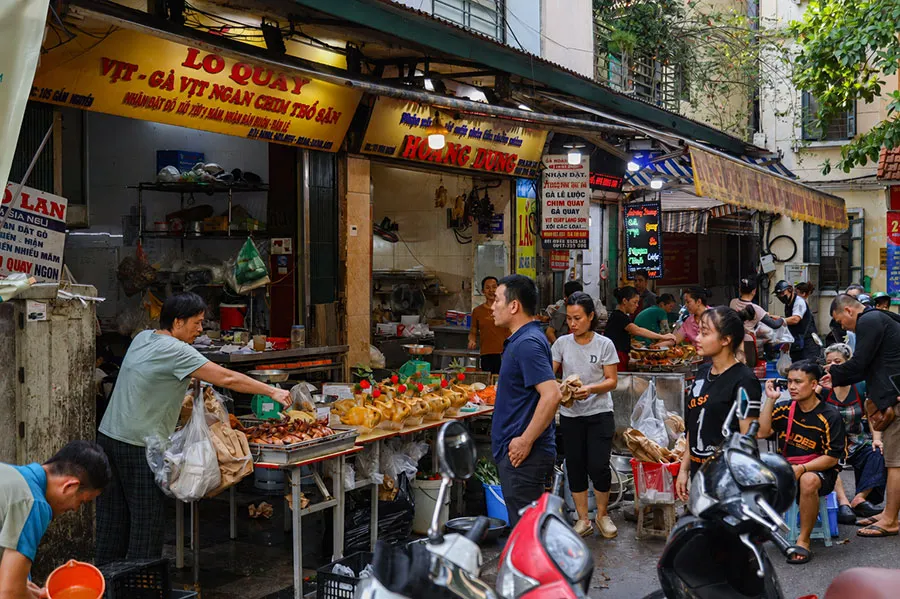
Visit a neighborhood market in Vietnam just after sunrise and you may feel as though you have arrived in the middle of the day.
Motorbikes glide past baskets of herbs. Vendors arrange dragon fruit, leafy greens and fresh noodles. Someone is ladling steaming broth into breakfast bowls while another shopper is already deciding what the family will eat for lunch.
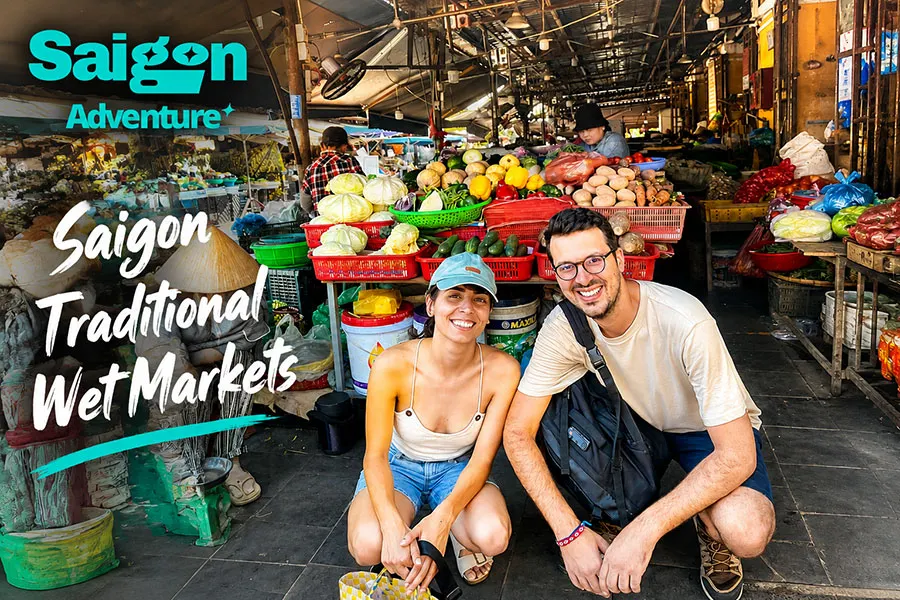
For first-time visitors, Vietnamese morning markets can look wonderfully chaotic. Yet very little of what happens there is random.
The morning rush reflects the way fresh food, daily cooking, work schedules, climate and neighborhood life have developed together over generations. Understanding that rhythm makes a market visit far more interesting than simply walking through rows of colorful produce.
Why Vietnamese Morning Markets Come Alive So Early
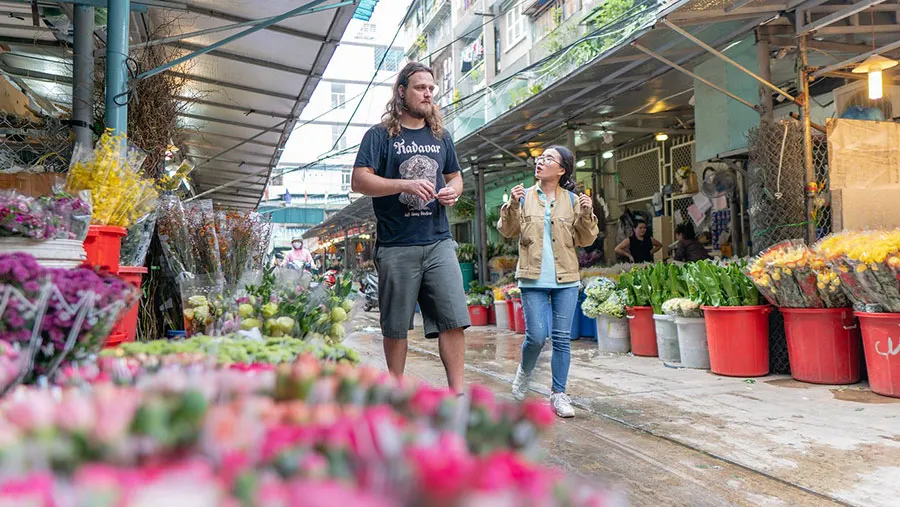
Vietnamese morning markets become busy early because many local shoppers prefer buying fresh ingredients for meals prepared the same day. Vendors bring in vegetables, herbs, meat, seafood, noodles and fruit early, while residents shop before work and before the hottest part of the day.
Markets are also connected to breakfast culture. Food stalls, coffee sellers, delivery riders and regular shoppers often share the same streets, creating an intense burst of activity during the first hours of the morning.
For travelers, this is one of the best times to observe everyday Vietnamese life rather than a version of the city designed around tourism.
Fresh Food Is at the Heart of the Morning Rush
Vietnamese cooking relies heavily on fresh ingredients.
A typical home meal may combine rice with vegetables, soup, herbs, fish, pork, tofu or another savory dish. Because freshness matters, many shoppers prefer ingredients that will be cooked soon rather than stored for a long time.
That is one reason traditional markets remain important even in cities filled with supermarkets and convenience stores.
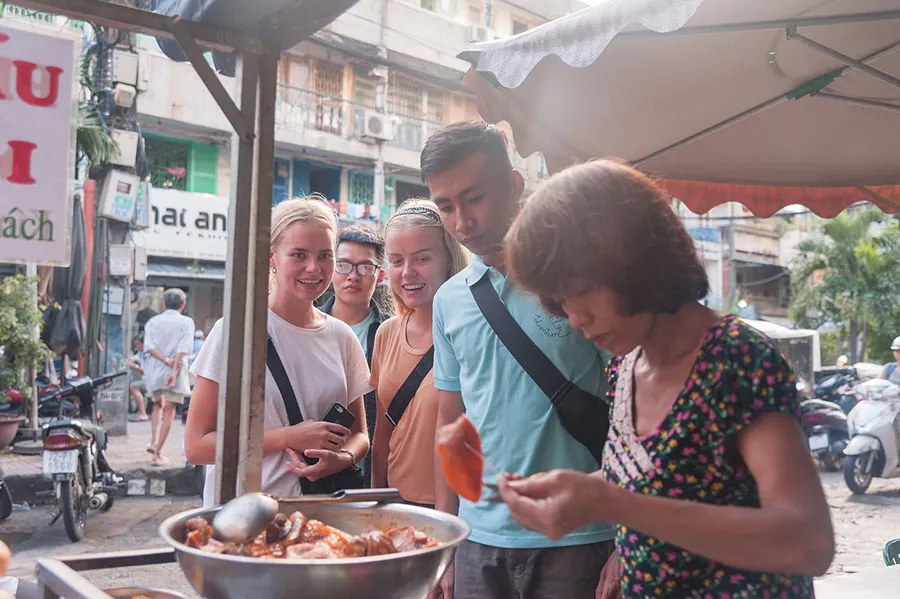
At a morning market, shoppers can compare herbs, choose vegetables individually, ask for a specific cut of meat or buy exactly the amount they need for the next meal.
The system is flexible, personal and closely connected to cooking.

Many People Shop for Today, Not the Whole Week
Visitors from countries where one large weekly grocery trip is common often notice this difference immediately.
In Vietnam, some households still buy food more frequently and in smaller quantities. The question is often not “What do we need for the week?” but “What are we cooking today?”
That shopping habit gives local markets a natural morning peak.
Someone may stop for pork, vegetables and herbs on the way home from breakfast. Another shopper may buy ingredients for a family lunch. A small food vendor might be collecting supplies for dishes that will be sold only a few hours later.
Modern lifestyles are changing these patterns, especially among younger urban residents. Supermarkets, online grocery services and food-delivery apps are now part of daily life too.
But the traditional morning market still reveals a side of Vietnamese food culture that cannot be understood from a supermarket aisle alone.
Why Early Morning Feels Completely Different From Late Morning
Timing can change the entire market experience.
Earlier in the morning, stalls are often well stocked and shoppers are actively selecting ingredients. Fresh deliveries may still be arriving, breakfast sellers are busy and the surrounding streets can feel intensely alive.
Later in the morning, the atmosphere may become calmer. Some vendors have already sold a large portion of their morning stock, while residents who needed ingredients before work have moved on.
This is why photographers and curious travelers often enjoy visiting relatively early.
You do not need to arrive at 4:00 a.m. to appreciate the experience. For most visitors, an ordinary early-morning walk is enough to see a market operating as part of real neighborhood life.
Local Tip: Do Not Chase an Exact “Perfect” Time
There is no single opening hour that applies to every Vietnamese market.
Wholesale markets, neighborhood wet markets and tourist-oriented markets operate differently. If you plan to visit a particular one, check its current hours locally rather than assuming every market follows the same schedule.

What Time Should Tourists Visit a Vietnamese Morning Market?
There is no single perfect time because traditional markets, neighborhood wet markets and wholesale markets follow different schedules. However, visiting during the early morning usually gives travelers the best chance to see fresh produce arriving, breakfast stalls operating and local residents doing their daily shopping.
You do not necessarily need to wake up before sunrise. For most visitors, arriving early enough to catch the normal morning rhythm is more useful than chasing an exact opening time.
Wholesale markets can start significantly earlier, while smaller neighborhood markets may stay active well into the morning. Always check the current schedule of the specific market you plan to visit.
The key is simple: go early if you want to see a Vietnamese market as a working part of local life rather than only as a place to browse.
The Weather Also Explains the Early Start
In tropical southern Vietnam, morning is often a more comfortable time for outdoor shopping.
Ho Chi Minh City can become hot and humid later in the day, especially when shoppers are moving through crowded lanes while carrying bags of groceries.
Buying food earlier makes practical sense.
Perishable ingredients also benefit from being handled and sold promptly. Meat, seafood, herbs and vegetables are central to many market stalls, so the entire ecosystem naturally starts early.
What looks like a cultural curiosity is also simply an efficient response to climate and daily routines.
Breakfast Makes the Market Even More Alive
A Vietnamese market is rarely just a place to buy raw ingredients.
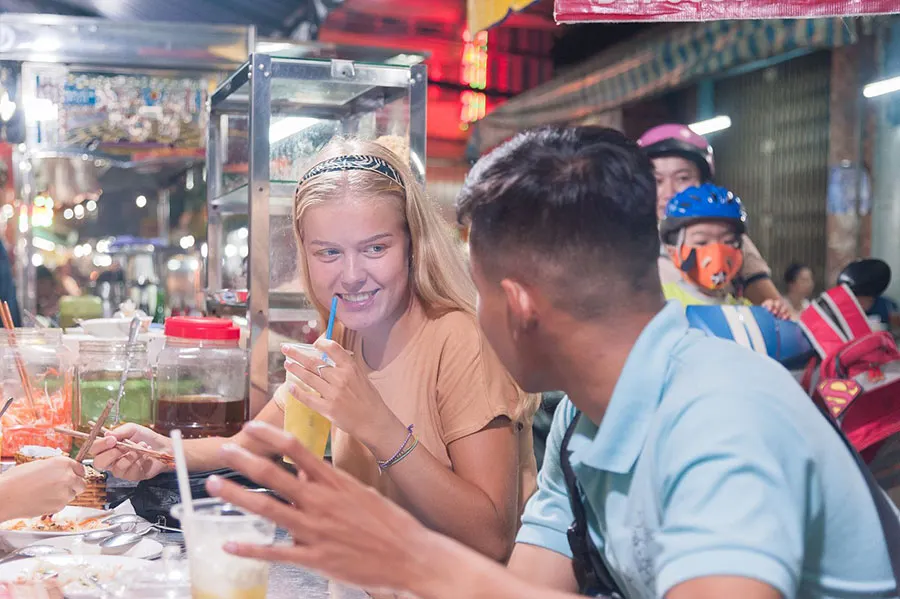
Around many traditional markets, you will also find people eating breakfast, drinking coffee, picking up takeaway food or stopping for something quick before work.
Depending on the neighborhood, breakfast might include phở, hủ tiếu, bánh mì, sticky rice, bánh cuốn or other local dishes.
This creates one of the most interesting overlaps in Vietnamese food culture: ingredients are being bought for future meals at the same time that finished dishes are being served for breakfast.
If you enjoy discovering how food moves from market stall to dining table, a food tour in Ho Chi Minh City can take that experience further by introducing local dishes, neighborhood eateries and the stories behind what people actually eat.

Vietnamese Markets Are Social Spaces Too
Regular customers often return to the same sellers.
They may have a preferred vegetable stall, butcher, fruit vendor or breakfast shop. Over time, these small transactions can become familiar social exchanges rather than purely anonymous purchases.
That helps explain why traditional markets can feel so personal.
You may hear bargaining, jokes, quick conversations and vendors calling to customers they already recognize. For residents, the market may be part grocery store, part workplace and part neighborhood meeting point.
This social element is easy for tourists to miss if they focus only on taking photographs.
What Tourists Often Misunderstand About Vietnamese Markets
The word many first-time visitors use is “chaotic.”
Motorbikes appear from unexpected directions. Stalls spill toward the street. Shoppers stop suddenly. Vendors work only a few feet from moving traffic.
But local people are navigating a system they understand.
A shopper knows which vendor sells the herbs she likes. A motorbike rider knows where it is normal to slow down. A stall owner knows when the regular customers are likely to arrive.
What looks disorderly from the outside often follows a familiar neighborhood rhythm.
That is part of what makes Vietnamese morning markets so fascinating: you are seeing daily life without much separation between food, transport, work and social interaction.
Why Are There So Many Motorbikes?
Motorbikes make short shopping trips convenient.
A local shopper can stop near a stall, buy a few ingredients and continue home without carrying heavy bags for several blocks.
In smaller markets, this creates a fluid relationship between road and marketplace that may feel unfamiliar to international visitors.
When exploring, walk predictably and avoid stepping backward into the road while taking photos. Keep an eye on moving scooters even in lanes that look more like pedestrian spaces.
What Should Travelers Look for?
Do not try to see everything at once.
Start with the ingredients.
Notice the different varieties of herbs, baskets of tropical fruit, fresh noodles, tofu, fish, vegetables and sauces. Many of these ingredients will later appear in the dishes you eat throughout Vietnam.
Then watch how people shop.
Do they inspect vegetables? Buy small quantities? Stop for breakfast? Arrive by motorbike? Speak with vendors they seem to know?
Those small observations often tell you more about Vietnamese daily life than a checklist of famous attractions.
Easy Things for Visitors to Buy
Fresh fruit is one of the simplest choices.
Depending on the season, markets may have mango, rambutan, longan, dragon fruit, pomelo, mangosteen and other tropical produce.
Breakfast dishes, snacks and fresh drinks can also be approachable for travelers.
Small-denomination Vietnamese dong is useful at traditional stalls. If language becomes difficult, polite pointing and a translation app usually make simple purchases manageable.
Market Etiquette: How to Visit Respectfully
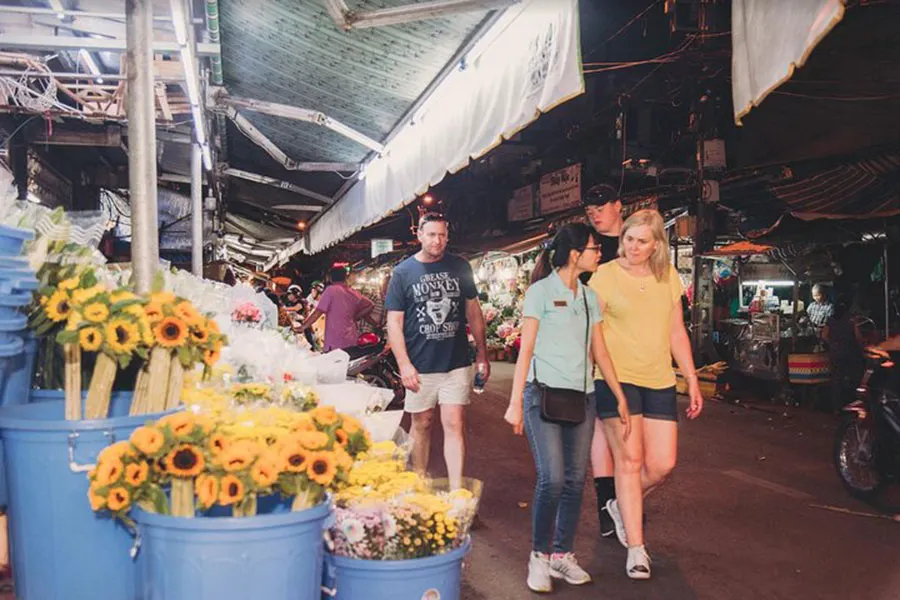
Remember that the market is a workplace first.
Avoid standing directly in front of a busy stall for long periods, especially when customers are trying to buy food. Keep bags close to your body in crowded areas and wear footwear suitable for wet or uneven floors.
Photography is generally easiest when you focus on wide scenes, ingredients and atmosphere.
For close portraits, asking permission is a better approach. A smile and simple gesture toward your camera can often communicate the question even without shared language.
The goal should be to observe local life without turning people into scenery.
Morning Markets vs. Night Markets
Morning markets and night markets offer completely different windows into Vietnamese culture.
A morning market is often more closely connected to household shopping, fresh ingredients, breakfast and everyday neighborhood routines.
A night market may focus more heavily on prepared food, snacks, clothing, souvenirs or socializing.
Neither is automatically better.
If you want to understand how Vietnamese meals begin, go in the morning. If you want an easy evening of eating and browsing, a night market may suit you better.
Where to Experience Market Life in Ho Chi Minh City
Many travelers immediately think of Ben Thanh Market, but Ho Chi Minh City has a much broader market culture.
Smaller neighborhood markets can feel particularly interesting because their primary customers are local residents rather than visitors.
They may not have famous architecture or souvenir sections. That is exactly the point.
Walking through residential streets and local commercial areas can reveal a much more intimate side of the city. Travelers who enjoy exploring slowly can also consider walking tours in Ho Chi Minh City to discover markets, alleys and everyday neighborhoods that are easy to miss when traveling only between major landmarks.
Why Morning Markets Help You Understand Vietnamese Food
Seeing a finished bowl of noodles tells you only part of the story.
A market shows what came before it.
You see the herbs that will become garnishes, vegetables destined for soup, noodles delivered fresh, fruit chosen for dessert and sauces that give Vietnamese cooking its balance of salty, sweet, sour, spicy and aromatic flavors.
That connection changes the way you eat afterward.
Suddenly, the plate of herbs beside your meal is not decoration. It is part of a food culture built around freshness, texture and contrast.
For travelers who want to continue that journey after visiting a market, a Saigon street food experience can connect those ingredients with the dishes, neighborhoods and eating habits that define local life.
The Best Part of a Vietnamese Morning Market Is Not the Shopping
You do not need to buy much to enjoy the experience.
The real value is watching a city feed itself.
Before office towers fill up and tourist attractions become busy, vendors are already weighing vegetables, cooks are serving breakfast and families are deciding what will appear on the table later that day.
That is why Vietnamese morning markets feel so alive.
They are not simply shopping destinations. They are places where food, work, transportation, family routines and neighborhood relationships meet every morning.
If you want to understand Vietnam beyond landmarks and guidebook highlights, wake up a little earlier one day and follow the smell of breakfast toward a local market.
You may discover that one ordinary morning tells you more about Vietnamese life than an entire afternoon of sightseeing.
Frequently Asked Questions
What time are Vietnamese morning markets busiest?
The busiest period varies by market, but traditional markets generally become active early because residents shop before work and vendors sell fresh ingredients during the cooler part of the day. Check the current schedule of the specific market you want to visit.
Why do Vietnamese people go to markets so early?
Freshness, work schedules and climate all play a role. Many shoppers prefer buying food for meals prepared the same day, and morning temperatures are often more comfortable for outdoor shopping.
Are Vietnamese morning markets worth visiting?
Yes, especially for travelers interested in local food, culture and everyday life. A morning market offers a different experience from tourist attractions because it is primarily designed for the local community.
Are Vietnamese markets safe for tourists?
Traditional markets are generally manageable for visitors using normal travel awareness. Watch for motorbikes, keep valuables secure and take extra care on wet or crowded floors.
Can tourists take photos at Vietnamese markets?
Usually, but respectful photography is important. Wide market scenes and food displays are generally less intrusive, while close-up portraits are better taken after asking permission.
What should I buy at a Vietnamese morning market?
Fresh fruit, breakfast dishes, local snacks and drinks are easy choices for most travelers. Visitors staying in accommodation with a kitchen can also explore Vietnamese herbs, noodles, vegetables and sauces.
Are morning markets better than night markets in Vietnam?
It depends on what you want to experience. Morning markets are better for seeing fresh ingredients, grocery shopping and everyday routines, while night markets often focus more on cooked food, entertainment and evening social life.
Explore our best-selling tours
 Bestseller
Cu Chi Tunnels & Mekong Delta 1-Day Tour from Ho Chi Minh City
EXCURSION HIGHLIGHTS: AT CU CHI TUNNELS Watch Documentary Video (Only Showed In This Place) Experience The Thrill Of Crawling Into...
 Bestseller
Mekong Delta Tour
The Mekong Delta is celebrated as one of the world's most vital biological wonders and a premier cultural destination in...
 Bestseller
A Less-Touristy Mekong Delta Day Trip to Ben Tre
Delta Tour 1 Day from Ho Chi Minh City, exploring the peaceful waterways and coconut villages of Ben Tre. This...
 Bestseller
Mekong Delta Tour by Luxury Speed Boat
OVERVIEW Hotel pickup: From 8:00 AM in District 1 Tour duration: Approximately 8 hours Group size: Maximum 12 guests Price:...
 Bestseller
Mekong Delta 2 Days Tour – Floating Market Group Tour
Cai Rang floating market – one of the largest floating market in the Mekong Delta is a rare sight in...
 Bestseller
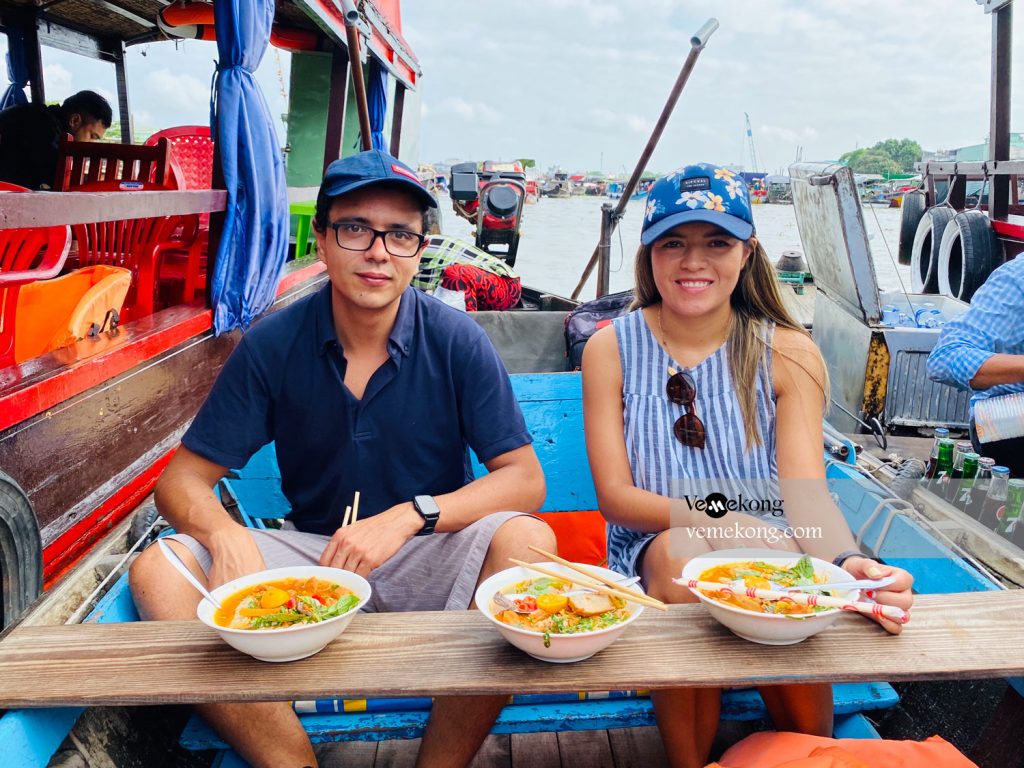
12-Hour Cai Rang Floating Market & My Tho Tour From Saigon
ABOUT THIS TOUR Discover the Cai Rang floating market, a colorful, buzzing market with hundreds of boat vendors selling fruits,...
 Bestseller
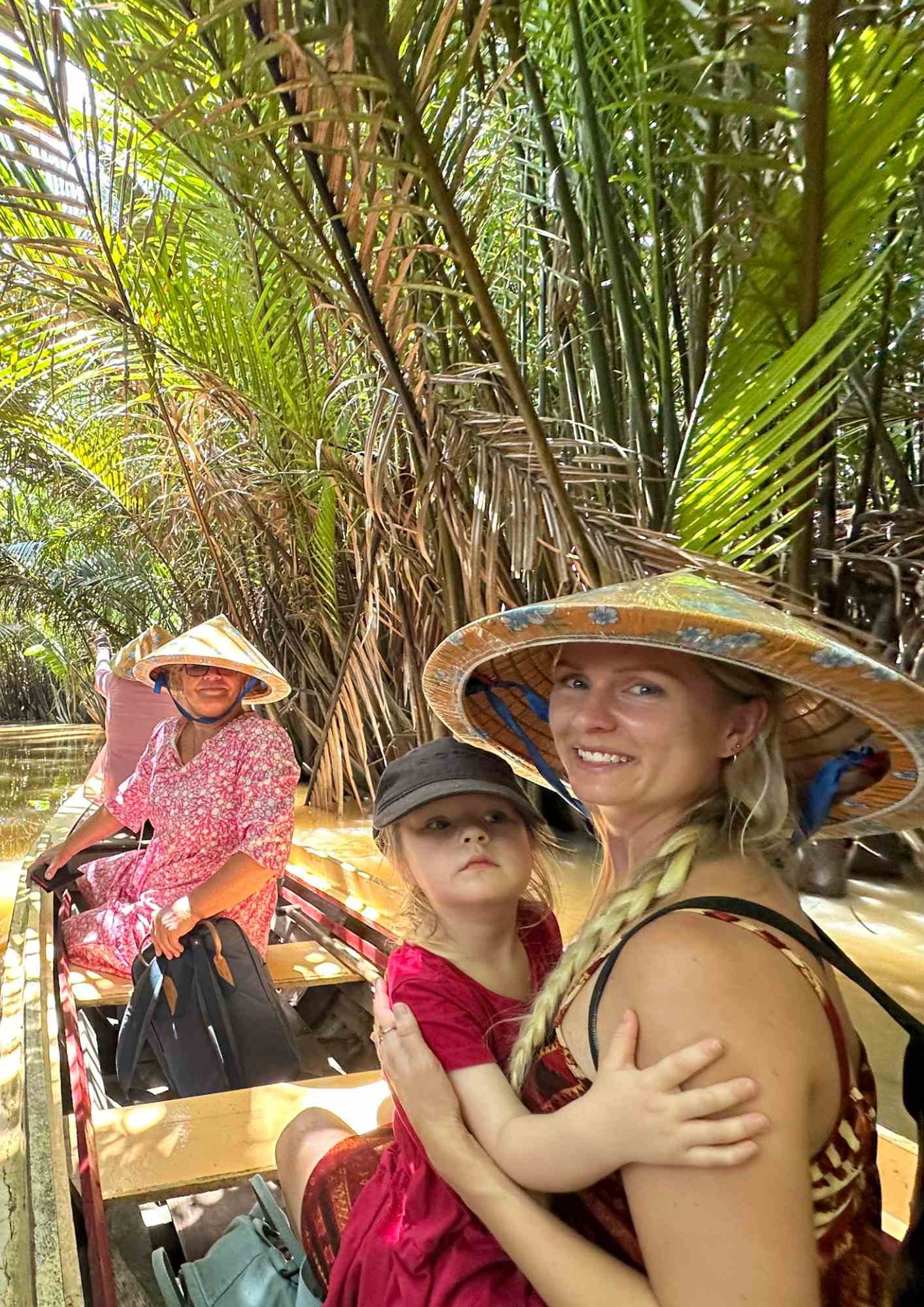
Mekong Delta One Day Group Tour
ABOUT THIS MEKONG DELTA TOUR Departure: 8:00 AM Drop off time: 5:30 PM to 6:30 PM Small group travel experience...
 Bestseller
3-Day Mekong Delta Private Tour – 3 Days 2 Nights
Tourists often choose to explore and experience this unique floating market by boat when participating in tours exploring the Mekong...
 Bestseller
Can Tho: Floating Market & Garden Life in the Delta
FLOARING MARKET TOUR Note: This tour pick up and drop off in Can Tho only The Ultimate Can Tho Floating...

2 DAYS MEKONG DELTA FLOATING MARKET – CAN THO – RACH GIA
Join Saigon Adventure for our exclusive 2-Day tour, highly recommended among the best Mekong Delta tours for travelers who want...

2 Days Mekong Delta Homestay
Looking for an authentic Mekong Delta Homestay experience? Keep your travel plan flexible - book your spot now and pay...
Private 2 Days Mekong Delta Floating Market (Mekong Delta Tour 2 Days)
The Ultimate Mekong Delta Discovery: 2-Day Cultural Odyssey Experience the vibrant soul of Southern Vietnam’s wetlands. The Cai Rang Floating...