Ho Chi Minh City hidden alleys reveal a side of Saigon that travelers rarely notice from its busy boulevards. Step through one narrow entrance and the traffic fades into the sounds of sizzling food, clinking coffee glasses and neighbors talking across open doorways.
Hidden inside these lanes are family-run restaurants, atmospheric cafés, local markets, workshops and neighborhood temples. They are not deliberately concealed tourist attractions; they are part of the way Saigon has grown and lived for generations.
Understanding these alleyways explains why some of the most authentic things to do in Ho Chi Minh City are found far beyond the main streets.
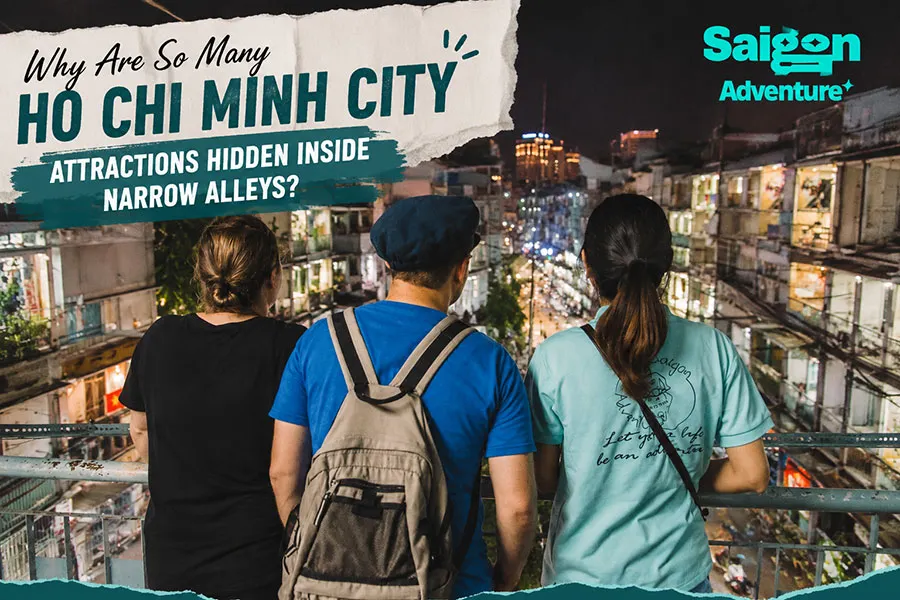
What Is a Hẻm in Ho Chi Minh City?
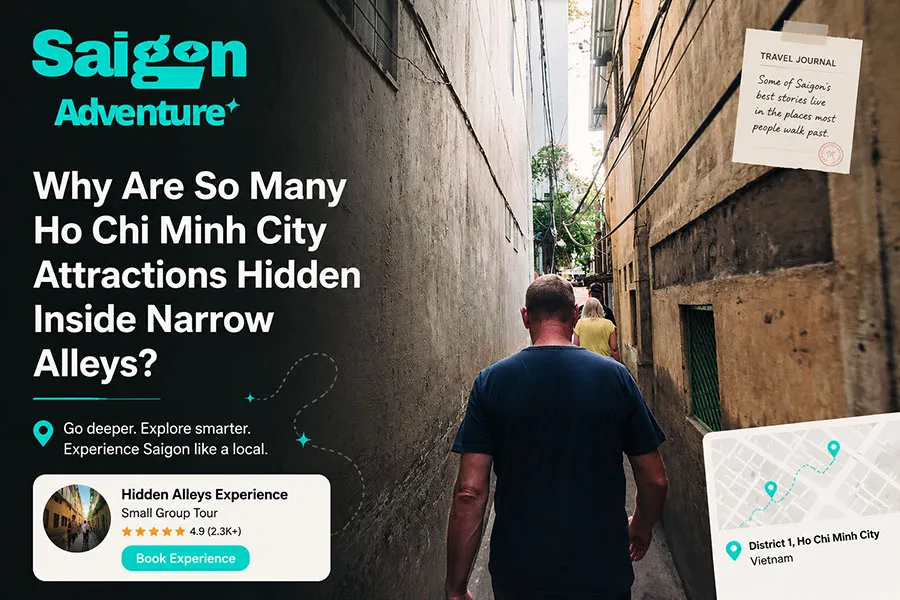
A hẻm is an alley or small lane branching from a larger road. Some are wide enough for cars, but many are designed mainly for pedestrians, bicycles and motorbikes.
A typical alley may divide into several smaller passages. This creates a network of homes, businesses and communal spaces that remains almost invisible from the main street.
The system also explains Saigon’s unusual addresses. When you see several numbers separated by slashes, they often guide you from the main road into progressively smaller alley branches.
However, a Saigon alley is far more than an address. It can act as a residential street, morning market, open-air dining room, playground and meeting place—all within a few metres.
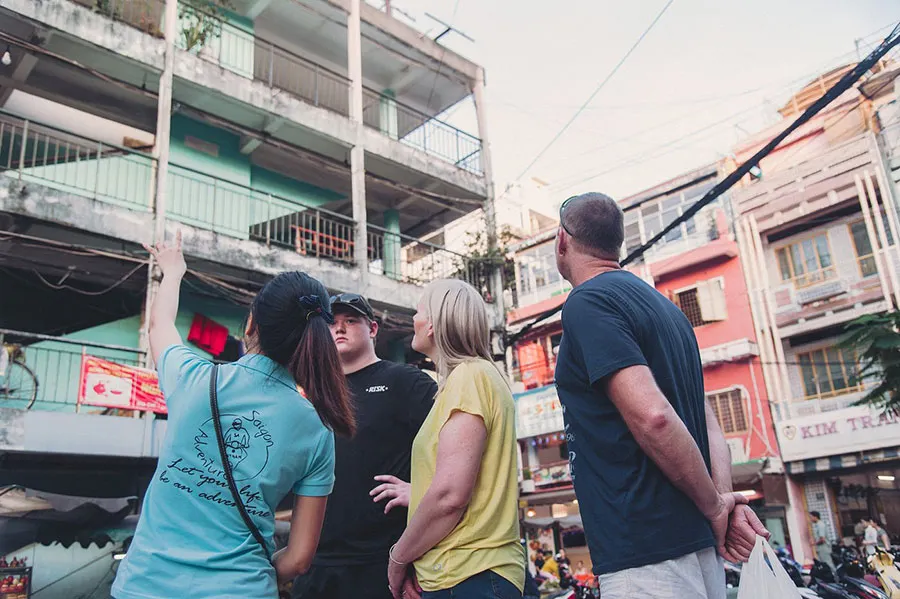
Why Are So Many Ho Chi Minh City Attractions Hidden in Alleys?
Saigon Grew Inward as Well as Outward
Ho Chi Minh City expanded rapidly as people arrived from different parts of Vietnam to work, trade and build new lives. In many established neighborhoods, limited street frontage encouraged homes and businesses to develop behind existing buildings.
Small access lanes gradually extended deeper into residential blocks. Families divided properties, built additional homes and created passages connecting them to the larger streets outside.
Over time, these lanes became communities of their own. What looks like an unremarkable entrance today may lead to dozens of houses, several food stalls, a coffee shop and a small place of worship.
The attractions are not hidden because somebody deliberately concealed them. They are hidden because the city’s most interesting places often developed naturally around the people who already lived there.
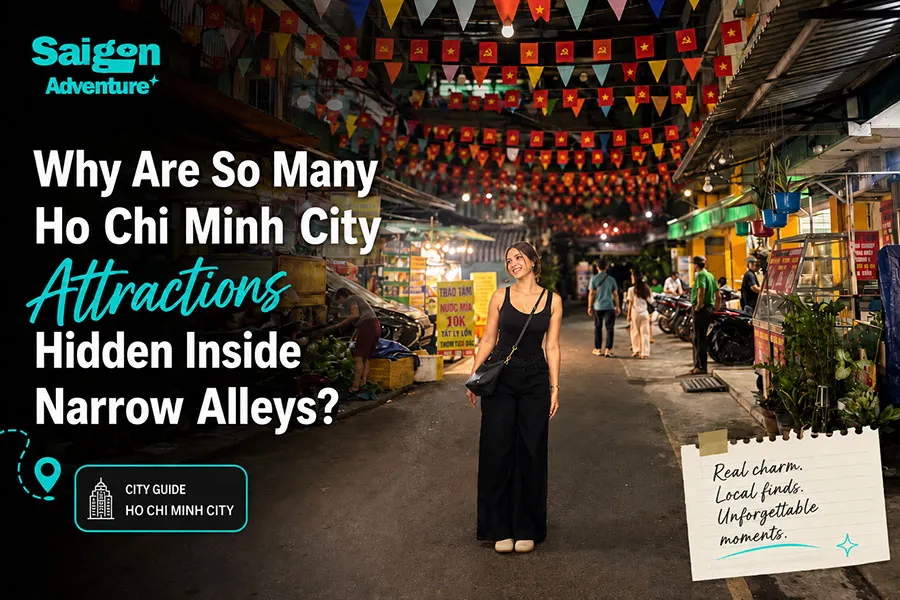
Homes and Businesses Occupy the Same Space
In many parts of Saigon, a home does not have a single purpose. The ground floor may become a noodle shop in the morning, a family living room in the afternoon and a casual gathering place in the evening.
Some cooks prepare only one dish, using a recipe learned from parents or grandparents. Other residents turn a spare room, courtyard or rooftop into an intimate café.
These businesses do not need a polished entrance on a major boulevard. Their customers arrive through local recommendations, regular routines and word of mouth.
For international visitors, walking into what appears to be somebody’s front room can feel uncertain at first. Then a menu arrives, a bowl begins steaming on the table and the space reveals itself as one of Saigon’s most memorable local restaurants.
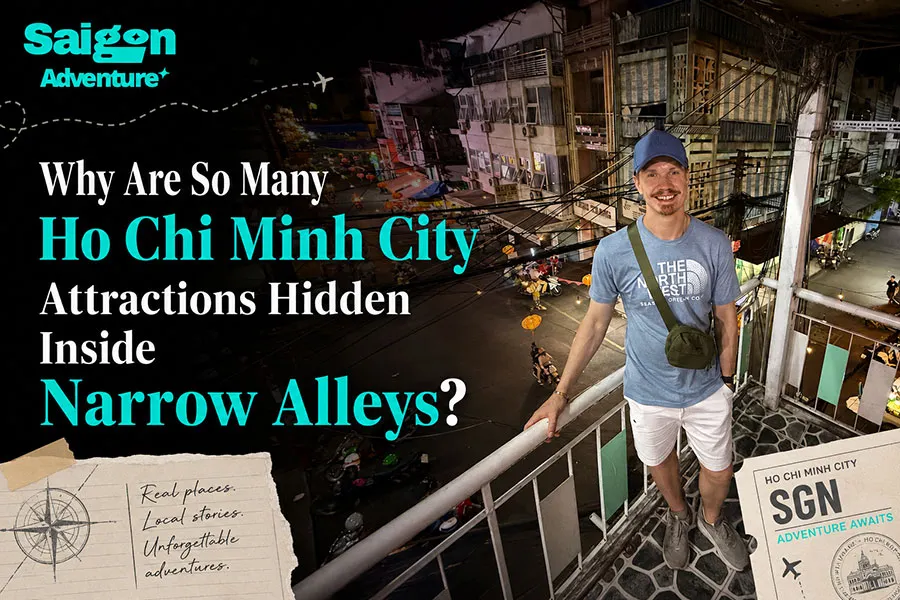
Alley Businesses Are Built for Local Customers
A tourist-facing restaurant usually needs clear signage, an English menu and a visible location. A neighborhood food stall can succeed without any of these things.
Its customers may be nearby residents, office workers, delivery drivers and families who have eaten there for years. The vendor’s reputation is based on consistency rather than advertising.
This is why some of the best local food in Ho Chi Minh City can be surprisingly difficult to find online. A stall may have no website, no official English name and only a small sign hanging above the entrance.
Joining a Ho Chi Minh City walking street food tour can make these places more accessible. A local guide knows which passages to enter, what to order and when a popular dish is most likely to be available.
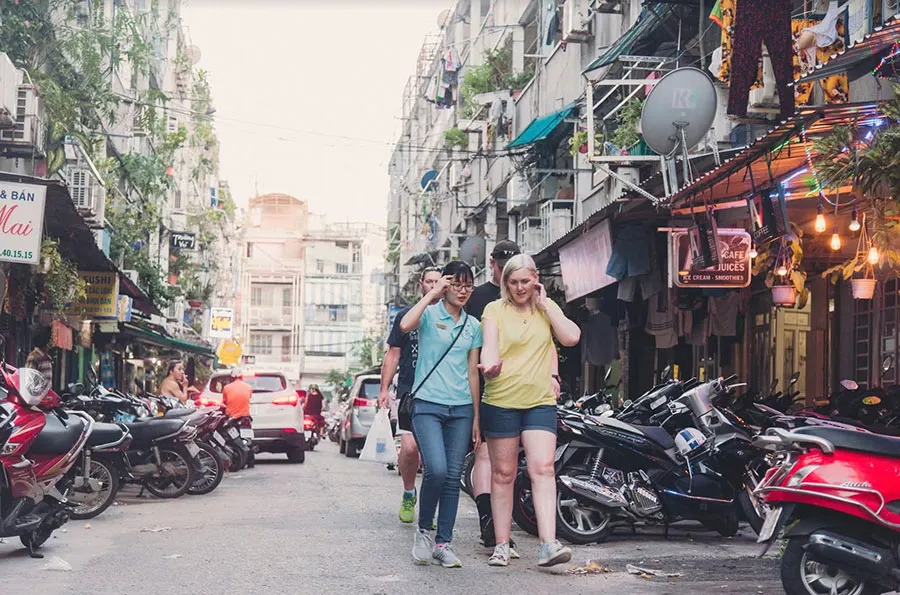
Narrow Alleys Create Space for Independent Ideas
Main roads favor businesses that can afford prominent storefronts. Inside the alleys, smaller spaces allow independent owners to create something more personal.
A former living room may become a specialty coffee bar with six seats. An aging apartment may contain a vintage shop, art studio or family-run restaurant reached by a narrow staircase.
The location becomes part of the experience. Finding the entrance, following a handwritten sign and stepping into an unexpected interior gives hidden cafés in Saigon a sense of discovery that a conventional storefront cannot easily reproduce.
Not every alley business is old or traditional. These neighborhoods also attract young entrepreneurs who appreciate their privacy, character and distance from the commercial pace of the main streets.
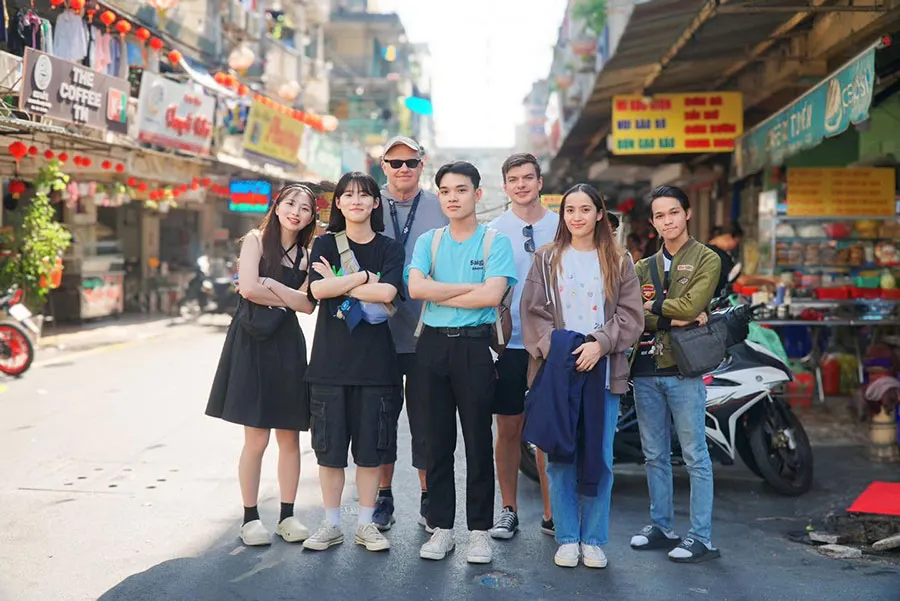
What Can You Find Inside Ho Chi Minh City Hidden Alleys?
Not every alley business is old or traditional. These neighborhoods also attract young entrepreneurs who appreciate their privacy, character and distance from the commercial pace of the main streets.
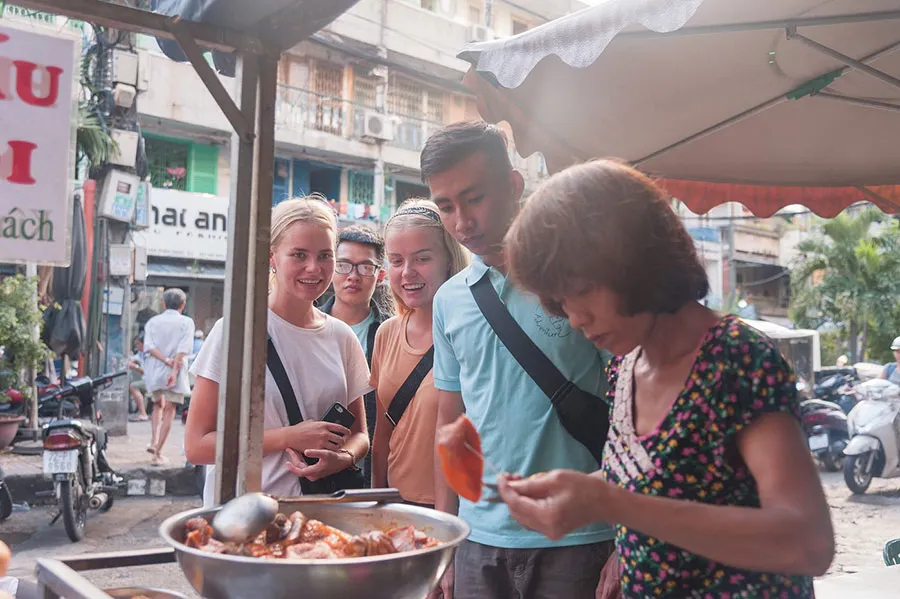
Family-Run Street Food Stalls
Food is one of the strongest reasons to explore Ho Chi Minh City’s hidden alleys. Small vendors may specialize in cơm tấm, bún thịt nướng, bánh cuốn, noodle soup or a dish associated with the owner’s home province.
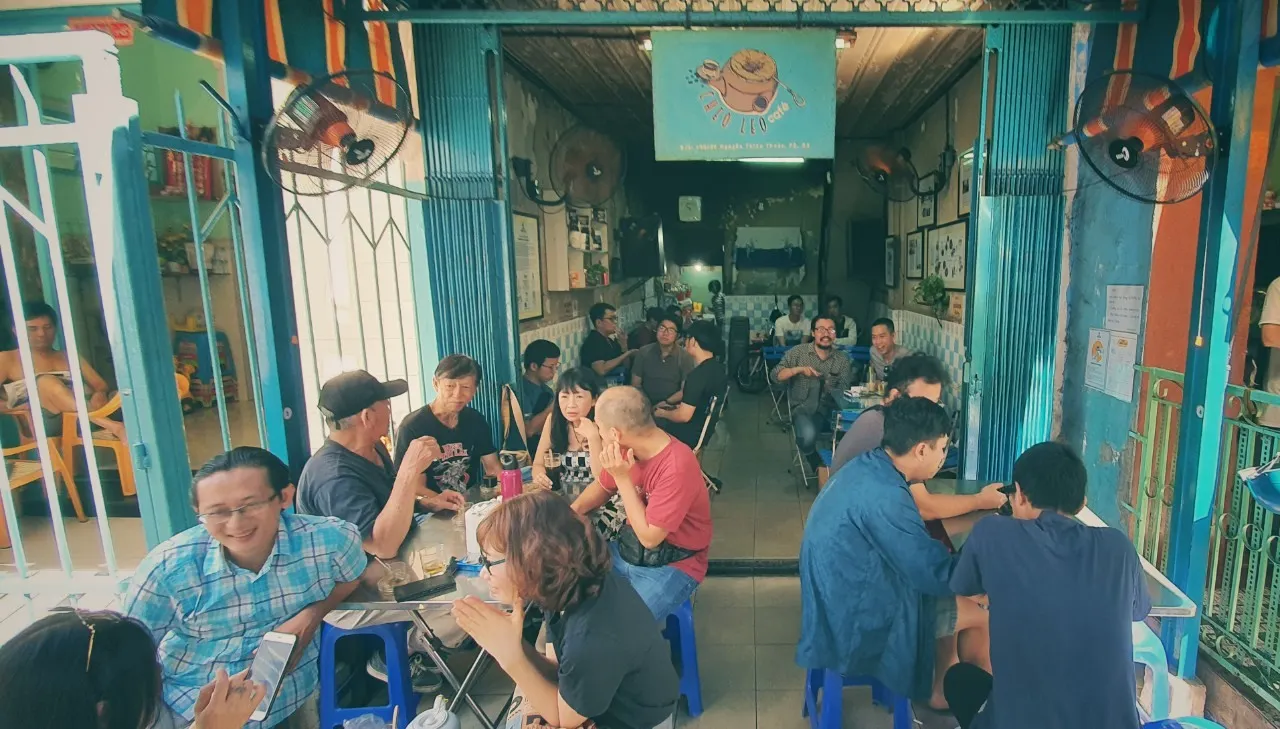
The setting is often modest. Expect metal tables, low plastic stools, condiment jars and a cooking station placed only a few steps from the family kitchen.
A short menu is usually a positive sign. It suggests the cook has focused on preparing the same dishes repeatedly rather than trying to serve everything.
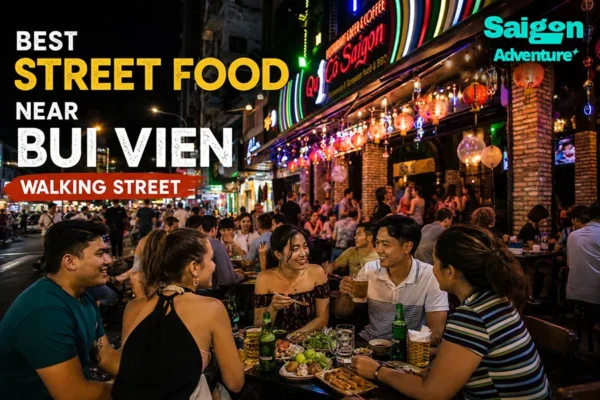
Breakfast stalls can begin before the city is fully awake and close once their ingredients sell out. Lunch vendors may be busy for only a few hours, while grilled food and seafood alleys tend to become livelier after sunset.
Travelers who want to explore several neighborhoods in one evening may prefer a Saigon street food tour by motorbike. Motorbikes can move between districts and enter lanes that tour buses cannot reach.
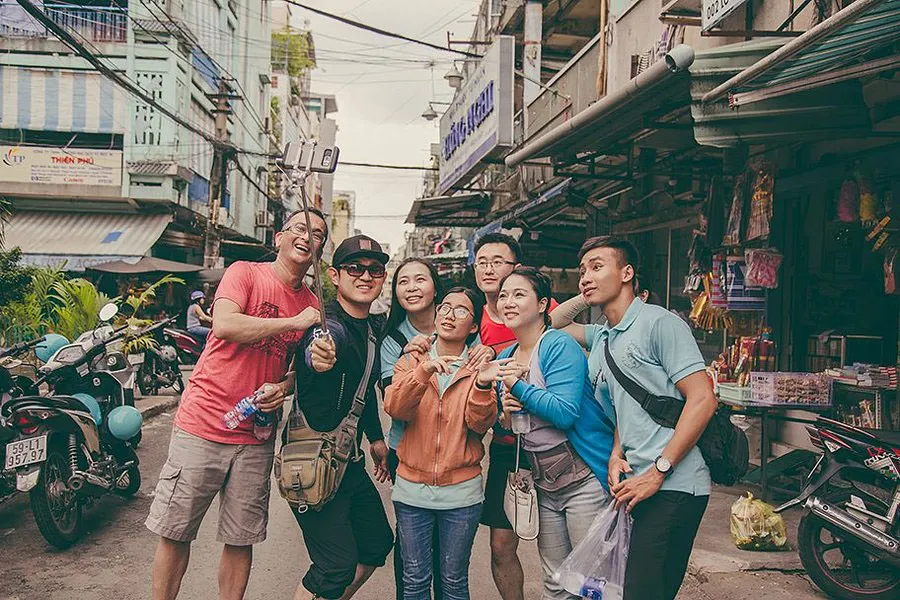
Hidden Coffee Shops and Creative Spaces
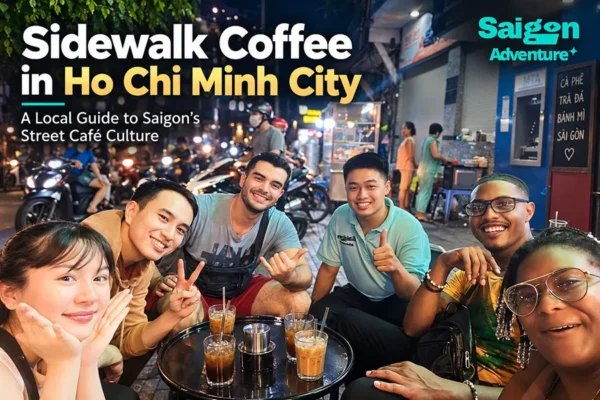
Saigon is famous for coffee, but its café culture extends well beyond street-facing chains. Some of the city’s most atmospheric cafés sit inside residential alleys or above old apartment buildings.
You may pass parked motorbikes, climb a dim staircase and wonder whether you have entered the wrong building. Then a door opens onto a plant-filled courtyard, a quiet balcony or a room decorated with old records and vintage furniture.
These places attract students, artists, freelancers and couples seeking relief from the noise outside. They offer an intimate view of modern Saigon culture rather than a staged version of the past.
The hidden entrance is part of their appeal, but visitors should still respect residential areas. Speak quietly, follow signs carefully and avoid opening doors that are not clearly marked as part of the business.
Neighborhood Markets
Not every market in Ho Chi Minh City occupies a famous building. Some markets flow through a collection of lanes, changing shape according to the time of day.
In the Bàn Cờ area of District 3, vendors, homes and small eateries share an interconnected network of narrow streets. Morning shoppers stop for produce and prepared food while motorbikes carefully weave through the crowd.
Around Hồ Thị Kỷ Market in District 10, the atmosphere changes after dark. Flowers, food stalls, bright lights and the smell of sizzling grills turn the surrounding lanes into one of the city’s most energetic local food areas.
These markets are working parts of the neighborhood rather than exhibitions. Watch where you stand, avoid blocking vendors and remain aware of baskets, carts and motorbikes moving through tight spaces.
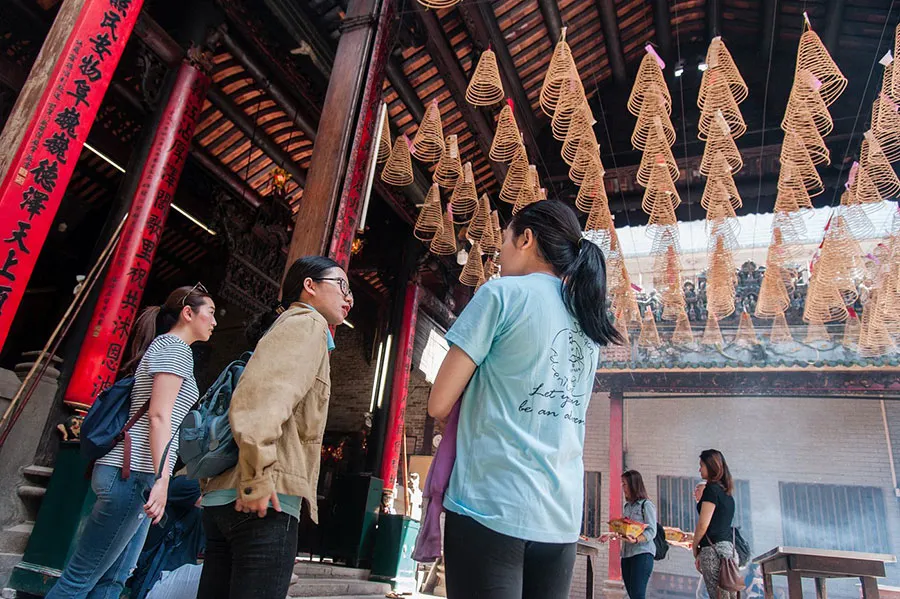
Temples, Shrines and Places of Worship
A plain doorway may hide a richly decorated shrine or small religious hall. In older neighborhoods, spiritual spaces are often integrated into residential life rather than separated from it.
You may smell incense before you notice the entrance. Inside, candles, offerings and religious images create a quiet contrast to the busy alley outside.
Visitors are generally expected to dress respectfully and speak softly. Always ask before photographing worshippers, ceremonies or private altars.
These places should not be treated as decorative backdrops. Their value comes from the fact that they remain meaningful to the communities surrounding them.
Workshops and Traditional Trades
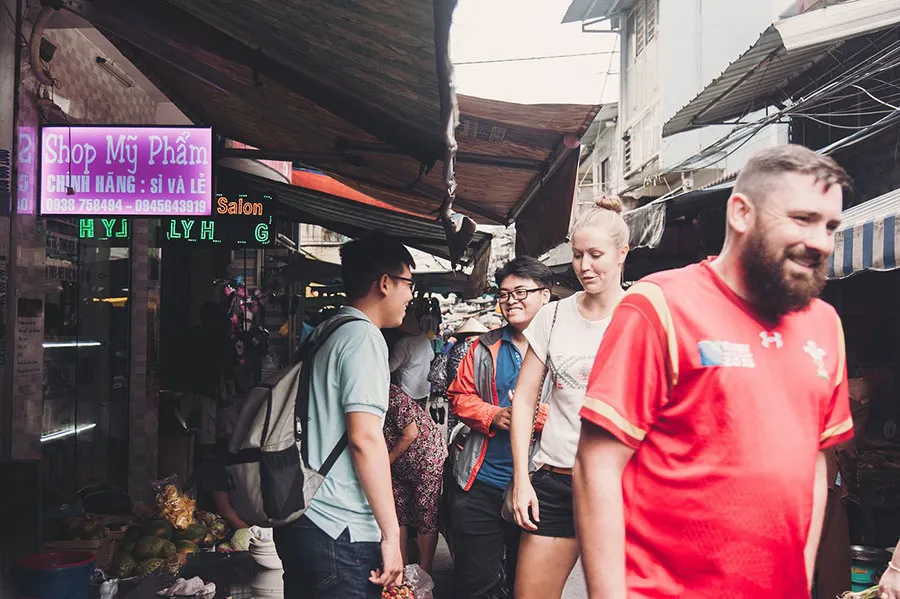
Ho Chi Minh City’s hidden neighborhoods also contain tailors, mechanics, sign painters, repair shops and small workshops. Their open fronts allow you to glimpse a practical side of Saigon that rarely appears in conventional travel guides.
Some craftspeople work with skills developed over decades. Others repair objects that might be quickly replaced in wealthier cities, reflecting a culture of resourcefulness and reuse.
Observe without touching tools or blocking the entrance. If somebody is working intensely, a quiet glance is more respectful than interrupting for a photograph.
Where Can Travelers Experience Saigon Alley Life?
District 3 is an excellent starting point for first-time visitors. It remains close to central landmarks but contains residential lanes, local markets, old houses and long-established food businesses.
District 4 feels denser and more energetic, especially in the evening. Its narrow streets are associated with casual seafood restaurants, grilled dishes and lively neighborhood dining.
District 5 offers a different atmosphere shaped by the history and traditions of Chợ Lớn, Saigon’s Chinatown. Behind its busy commercial roads, visitors may find temples, medicine shops, family businesses and Chinese-Vietnamese food.
District 10 is particularly appealing around Hồ Thị Kỷ. The combination of flower trading, street food and residential activity creates an experience that can feel far removed from the polished attractions of District 1.
For a broader introduction before leaving the central districts, read this Ho Chi Minh City travel guide. It helps place Saigon’s local neighborhoods within the wider city.

Best Hidden Alleys and Areas in Ho Chi Minh City
Looking for the best hidden alleys in Ho Chi Minh City? Start with Bàn Cờ in District 3 for local food and everyday neighborhood life, Hào Sỹ Phường in District 5 for its old Chinese-Vietnamese architecture, and Alley 200 Xóm Chiếu in District 4 for local street food.
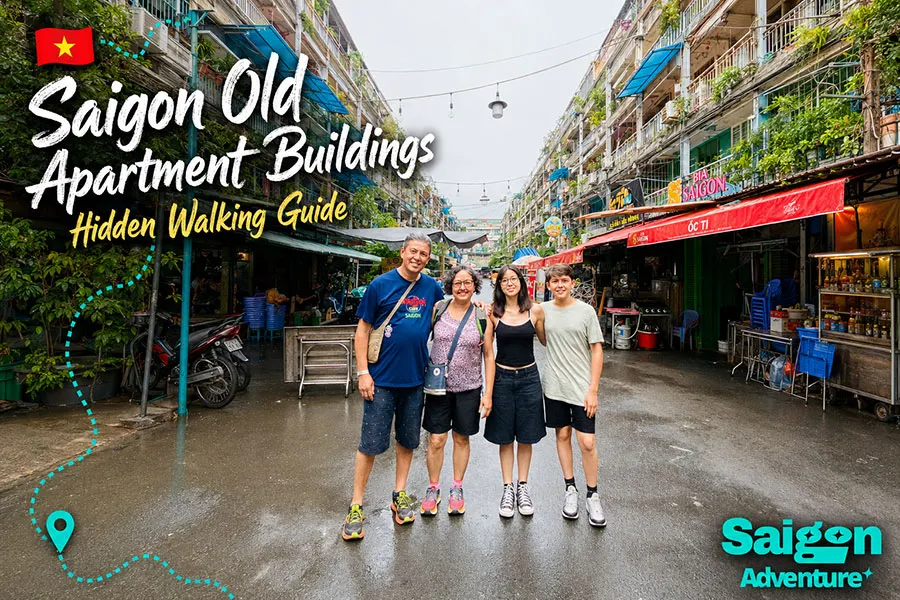
For a livelier experience, explore Hồ Thị Kỷ in District 10, known for its flower market and food stalls. Nguyễn Thiện Thuật in District 3 is another good choice for old apartment buildings, small cafés and quiet residential lanes.
Each area offers a different glimpse of local Saigon, away from the city’s main tourist streets.
How to Explore Ho Chi Minh City’s Hidden Alleys Safely
Walking allows you to notice details that disappear from a vehicle. You can hear vendors calling to customers, observe how homes are arranged and stop when something catches your attention.
However, even very narrow alleys may carry motorbike traffic. Walk close to the side, avoid sudden movements and listen for horns behind you.
Digital maps are helpful but not perfect. A route that appears to connect two streets may end at a private courtyard, locked gate or passage too narrow to recognize.
Keep your phone secure near alley entrances and busy markets. Avoid displaying valuables, and do not follow unfamiliar passages late at night simply because they appear interesting on a map.
Travelers wondering whether Ho Chi Minh City is walkable should remember that conditions vary by neighborhood. Central areas can be explored on foot, but heat, traffic and inconsistent sidewalks make a flexible route essential.

Local Tips for Exploring Saigon Alleys Respectfully
Visit early in the morning to see breakfast stalls, wet markets and daily routines. Late afternoon and early evening are better for coffee shops, grilled food and neighborhoods that become active after work.
Carry small Vietnamese banknotes because family-run vendors may not accept cards. If there is no English menu, pointing politely at a dish or using a translation app usually works.
Ask before photographing people, particularly older residents, religious activities and children. An open front door does not mean a private home is open to visitors.
Avoid describing every residential lane as a “secret attraction.” These are real communities first and travel experiences second.
Most importantly, slow down. The charm of Saigon alley life is rarely found by rushing from one pinned location to another.
Should You Explore Alone or With a Local Guide?
Independent exploration suits experienced travelers who enjoy wandering without a fixed itinerary. It allows you to stop for coffee, follow an interesting smell or remain longer in a neighborhood that captures your attention.
The challenge is that finding a place does not necessarily help you understand it. Without local knowledge, you may miss the meaning of a shrine, the origin of a dish or the reason a small business matters to its community.
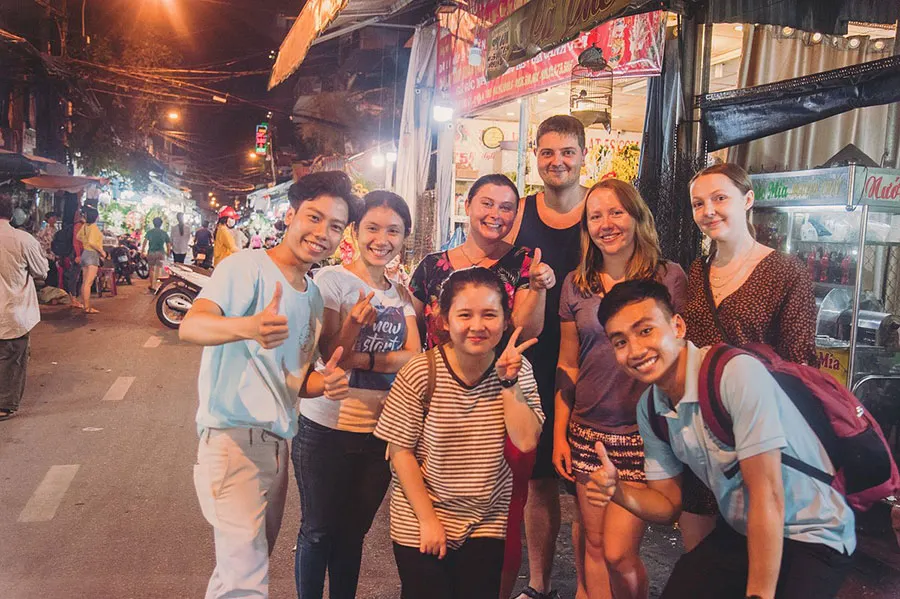
A knowledgeable guide can translate menus, explain etiquette and connect ordinary scenes with the city’s history. A guided walking tour in Ho Chi Minh City is especially useful for travelers who want to explore at street level without becoming distracted by navigation.
When choosing an experience, look for small groups, knowledgeable local guides and tours that treat residential communities respectfully. This guide on how to choose the best food tour in Ho Chi Minh City can help you compare options.
Why Saigon’s Hidden Alleys Are Worth Exploring
Landmarks can tell you what happened in Ho Chi Minh City. Alleys show you how the city lives today.
They reveal how a family home becomes a restaurant, how limited space encourages creativity and how traditional routines survive beside rapid urban development. Each lane holds small details that cannot be appreciated from a tour bus.
The most memorable discovery may not be a famous temple or viral café. It may be a bowl of noodles prepared beside someone’s doorway, a conversation conducted through gestures or the sudden quiet that arrives only metres from a crowded boulevard.
That is the real appeal of Ho Chi Minh City’s hidden alleys. They do not feel separate from local life—they place you gently inside it.
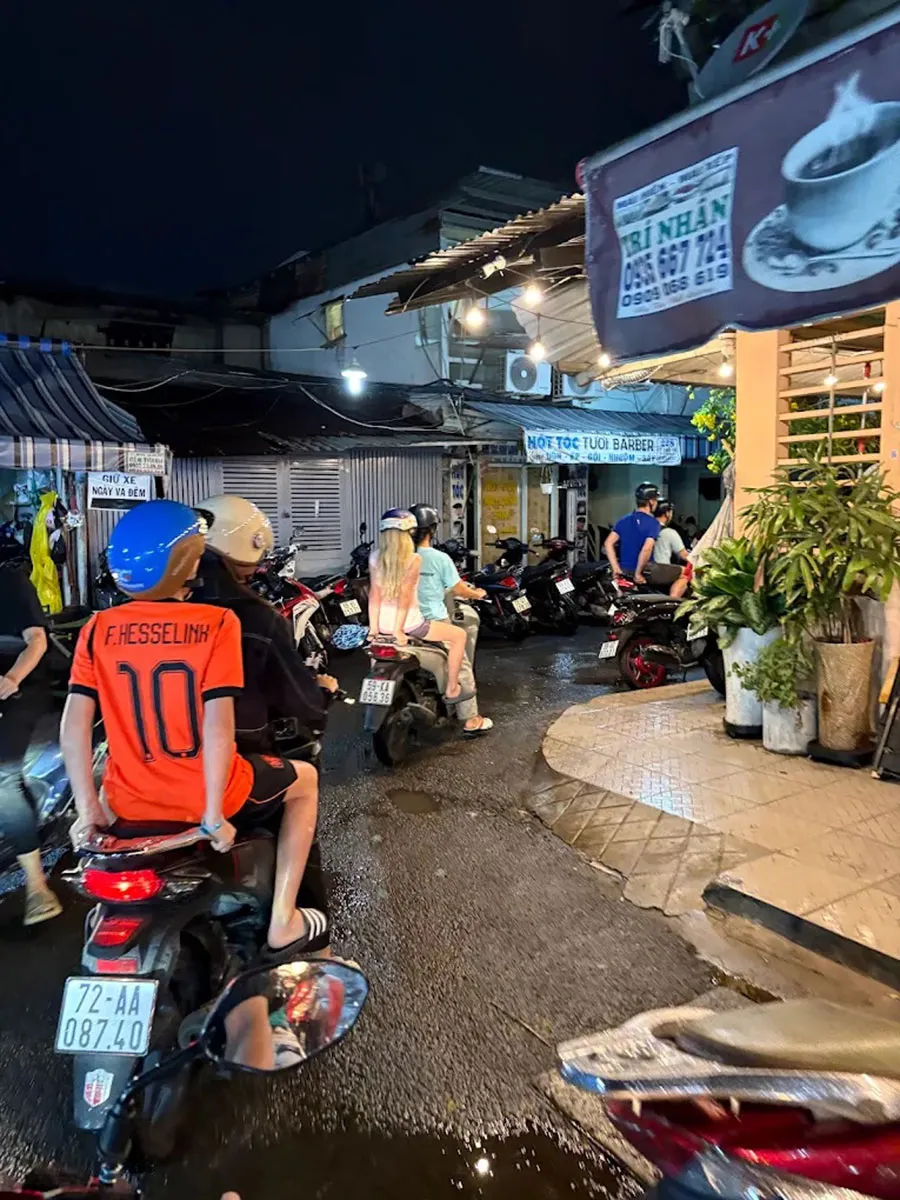
Step Beyond the Main Streets With Saigon Adventure
If you want to see more than the familiar landmarks, let a local show you where everyday Saigon unfolds. Explore neighborhood markets, discover family-run eateries and hear the stories behind places most visitors pass without noticing.
Choose a walking or motorbike experience with Saigon Adventure and discover the flavors, people and hidden corners that make Ho Chi Minh City unforgettable.
Frequently Asked Questions
Why does Ho Chi Minh City have so many narrow alleys?
Many neighborhoods developed inward as families built homes and businesses behind properties facing the main roads. The access lanes gradually became residential streets and close-knit commercial communities.
What are alleys called in Vietnamese?
In southern Vietnam, an alley is commonly called a hẻm. Saigon addresses containing several numbers separated by slashes often indicate a property located deeper inside an alley network.
Are Ho Chi Minh City alleys safe for tourists?
Busy residential and food alleys are generally comfortable to explore during normal hours. Keep valuables secure, watch for motorbikes and avoid entering isolated or poorly lit passages late at night.
Where are the best hidden alleys in Ho Chi Minh City?
Some of the best areas to explore hidden alleys in Ho Chi Minh City include Bàn Cờ in District 3, Hào Sỹ Phường in District 5, Alley 200 Xóm Chiếu in District 4, Hồ Thị Kỷ in District 10, and Nguyễn Thiện Thuật in District 3. Each offers a different glimpse of local Saigon, from residential life and street food to older architecture and neighborhood markets.
Can tourists eat at restaurants inside Saigon alleys?
Yes. Many family-run restaurants welcome international visitors, although they may not have English menus or accept credit cards. Carry small banknotes and use a translation app if necessary.
What is the best time to explore Saigon alleyways?
Early morning is best for markets and breakfast stalls. Late afternoon and early evening are ideal for hidden cafés, street food and lively neighborhood scenes.
Is a guided Saigon alley tour worth it?
A guide can help you navigate complex lanes, order unfamiliar dishes and understand the history behind local places. It is especially valuable for first-time visitors who want a deeper experience without intruding on residential life.
Explore our best-selling tours
 Bestseller
Street Food Tour In Ho Chi Minh City By Motorbike
Saigon Street Food Tours: An Authentic Culinary Odyssey To experience Ho Chi Minh City, you need to do two things:...
 Bestseller
Cu Chi Tunnels Tour from Ho Chi Minh City by Car
Overview of the Cu Chi Tunnels Tour by Car Travel from Ho Chi Minh City to the Cu Chi Tunnels...
 Bestseller
Cu Chi Tunnels & Mekong Delta 1-Day Tour from Ho Chi Minh City
EXCURSION HIGHLIGHTS: AT CU CHI TUNNELS Watch Documentary Video (Only Showed In This Place) Experience The Thrill Of Crawling Into...
 Bestseller
Saigon: Premium Award-Winning Food Tour with Ao Dai Female Riders
A Michelin food tour by scooter in Vietnam elevates the standard street food experience by combining world-class culinary recognition with...
 Bestseller
Mekong Delta Tour
The Mekong Delta is celebrated as one of the world's most vital biological wonders and a premier cultural destination in...
 Bestseller
A Less-Touristy Mekong Delta Day Trip to Ben Tre
Delta Tour 1 Day from Ho Chi Minh City, exploring the peaceful waterways and coconut villages of Ben Tre. This...
 Bestseller
Cu Chi Tunnels Tour By Luxury Speedboat
Cu Chi Tunnels Speedboat Tour from Ho Chi Minh City Experience the Cu Chi Tunnels by luxury speedboat with a...
 Bestseller
Saigon Foodie Tour By Scooter With Female Rider (With Beer & Seafood)
Beautiful female tour guides at Saigon Adventure ABOUT THIS TOUR Let us be your guide to experiencing Saigon By Night...
 Bestseller
Ho Chi Minh City Motorbike Tour With Student
Keep your travel plan flexible - book your spot now and pay nothing today! We are Saigon Adventure - Top...
 Bestseller
Vegan Food Tour
Keep your travel plan flexible - book your spot now and pay nothing today! You only need to pay 4...
 Bestseller
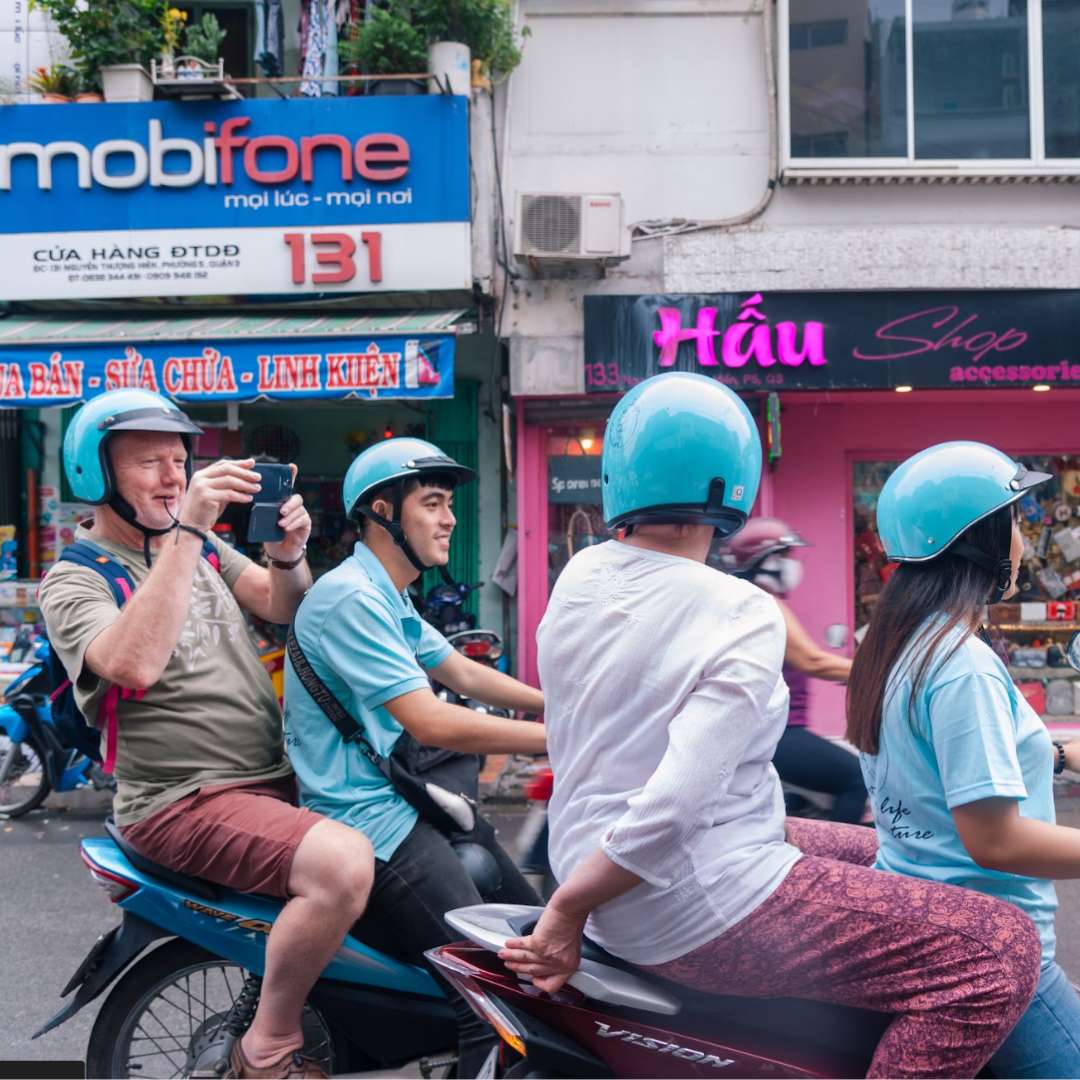
Saigon Unseen By Scooter
ABOUT THIS SAIGON UNSEEN TOUR It cannot be considered a great trip if you only get to see famous tourist...
 Bestseller
Can Gio Monkey Island Tour from Ho Chi Minh City – Full Day Group Tour
Keep your travel plan flexible - book your spot now and pay nothing today! You only need to pay 14...