Why the Best Food in Saigon Rarely Faces the Main Street
Ho Chi Minh City wasn’t designed around grand avenues alone. Behind nearly every busy boulevard lies a network of hẻm—small alleys that function like miniature neighborhoods. Each alley has its own rhythm. Some wake before sunrise with noodle vendors serving breakfast to market workers. Others stay quiet until dusk, when grills begin smoking and plastic tables gradually fill with office workers, families, and students. These alleys aren’t hidden because locals are trying to keep them secret. They’re hidden because they were never built for tourism in the first place. Many family-run vendors have spent twenty or thirty years serving the same community. They don’t need polished branding or social media campaigns because their reputation travels through neighbors, relatives, and loyal customers. That’s one reason you’ll often find extraordinary food in places that appear surprisingly ordinary.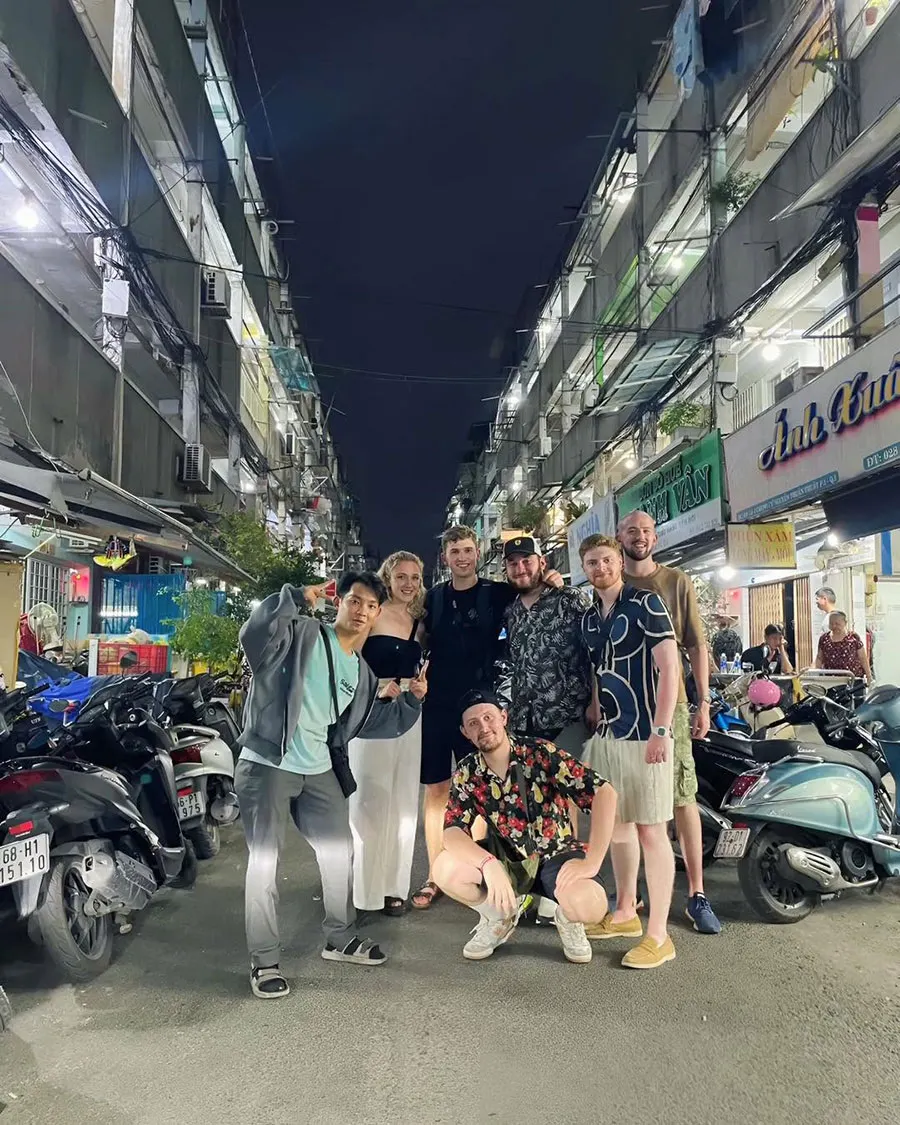
The Difference Between Finding Food and Discovering a Neighborhood
There’s nothing wrong with searching “best street food in Ho Chi Minh City” before your trip. It’s a helpful starting point. The challenge is that online recommendations naturally become concentrated around places that are easiest to photograph, easiest to review, and easiest to find. Neighborhood favorites don’t always work that way. A small family stall might close whenever the owner’s grandchildren visit. Another may prepare only enough broth for one evening before selling out. Some vendors never bother updating their opening hours because nearly everyone who eats there already knows when they’ll be open. This is where local knowledge becomes far more valuable than GPS. Experienced guides rarely follow a fixed checklist of food stops. Instead, they adapt to the city itself. If a trusted vendor finishes early, they know another family only a few streets away preparing an equally memorable dish. If one alley becomes unusually crowded during a neighborhood celebration, they adjust the route without sacrificing the quality of the experience. The evening flows naturally instead of feeling scripted.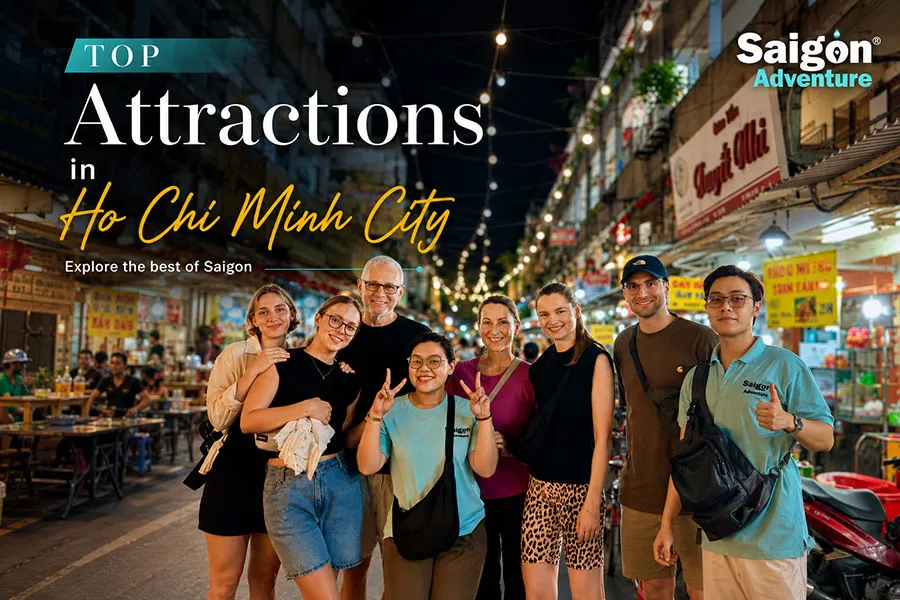
The Clues Local Guides Notice Before Ordering
One misconception about Vietnamese street food is that choosing a good place depends purely on instinct. In reality, experienced locals quietly observe dozens of small details before deciding where to eat.Fresh Herbs Tell Their Own Story
Before a bowl even reaches the table, guides often glance at the basket of herbs. Bright green leaves, crisp stems, and freshly washed vegetables suggest the stall has recently restocked ingredients. Wilted herbs, on the other hand, may indicate slower customer turnover. It’s a subtle detail, but one locals notice almost automatically.Listen Before You Look
One of the easiest ways to judge a food stall isn’t visual at all. Stand outside for a minute. Can you hear the steady rhythm of bowls being stacked? The quick conversations between regular customers and the owner? The sound of fresh ingredients hitting a hot pan every few seconds? Busy neighborhood vendors have a distinctive energy that’s difficult to fake. Even before seeing the food, experienced guides can often tell whether a stall is actively cooking or simply waiting for customers.Observe the Tables
Visitors often focus on how many people are eating. Locals notice who is eating. A table shared by construction workers, university students, grandparents, and office employees usually signals something more meaningful than a queue filled entirely with tourists. When multiple generations willingly return to the same stall, consistency is rarely an accident.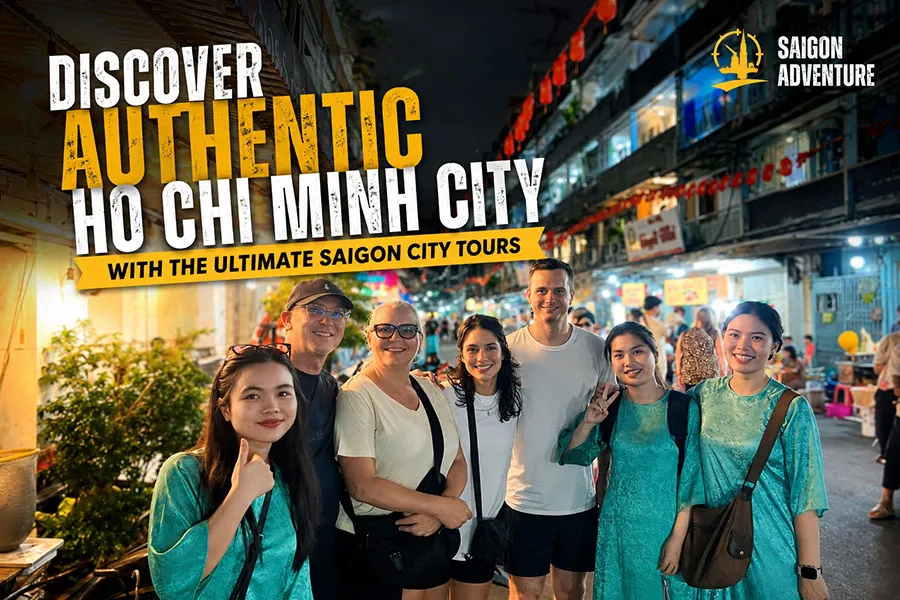
One Evening Doesn’t Taste the Same From Start to Finish
One fascinating aspect of Saigon’s street food culture is that timing subtly changes the meal itself. A pot of beef stew simmering since early afternoon develops deeper flavors as the evening progresses. Charcoal grills become hotter after an hour of continuous cooking. Certain desserts reach the perfect texture only after they’ve cooled naturally. On the other hand, fresh seafood is often at its absolute best shortly after vendors begin serving. Local guides don’t simply know where to stop. They know when each stop is likely to shine. That’s why food tours often follow carefully considered routes rather than the shortest driving distance. The schedule revolves around the kitchens—not the map.A Guide’s Note: Why We Sometimes Skip a Famous Stall
One question guests occasionally ask is surprisingly simple: “Why aren’t we stopping at the place everyone talks about online?” The answer isn’t that those restaurants are bad. Many are genuinely excellent. But popularity changes neighborhoods. Some famous locations now prepare hundreds more portions every night than they did just a few years ago. Others have expanded so quickly that the experience feels very different from what first made them special. Local guides constantly revisit vendors—not because they’re searching for trendy places, but because consistency matters. Sometimes the best decision is choosing the family quietly serving fifty loyal customers instead of the restaurant serving five hundred visitors. Quality isn’t always measured by the length of the queue. Sometimes it’s measured by how many people return tomorrow.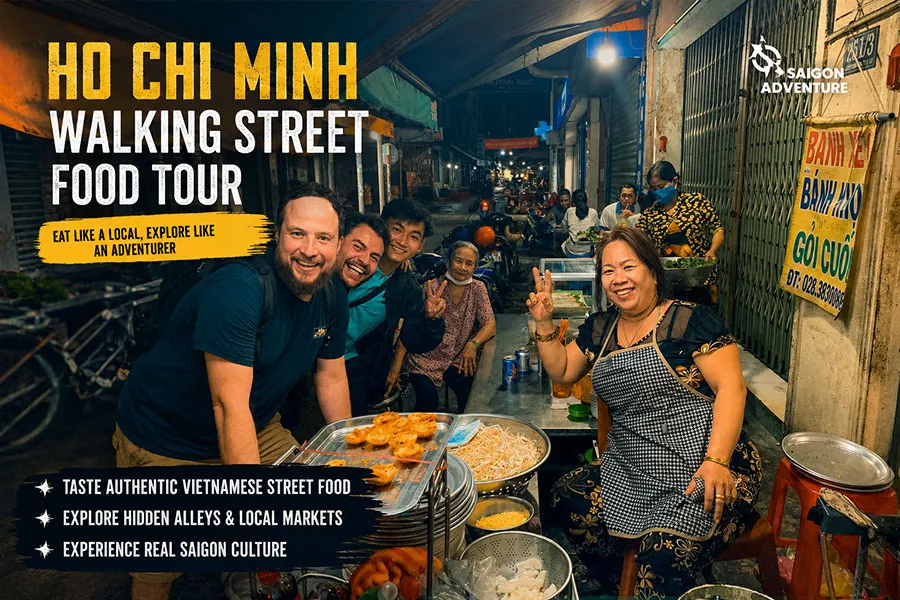
Stories Hidden Between the Tables
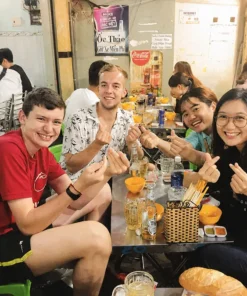
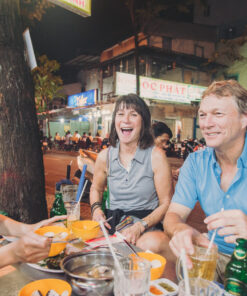
One of the greatest rewards of exploring Saigon’s alleyways isn’t found on the plate. It’s found in the conversations happening around it. An elderly couple might argue playfully over how much chili belongs in a bowl of noodles. A teenager arrives carrying empty containers because his grandparents have ordered the same dinner every Tuesday for years. The owner remembers who likes extra herbs without asking. These moments reveal something that menus never can. Street food in Vietnam isn’t simply a way to eat cheaply. It’s a daily ritual that connects neighbors, generations, and routines built over decades. Visitors who only move between famous attractions rarely have the chance to witness these quiet pieces of everyday life. On a thoughtfully guided food tour, however, they become part of the evening rather than something observed from a distance.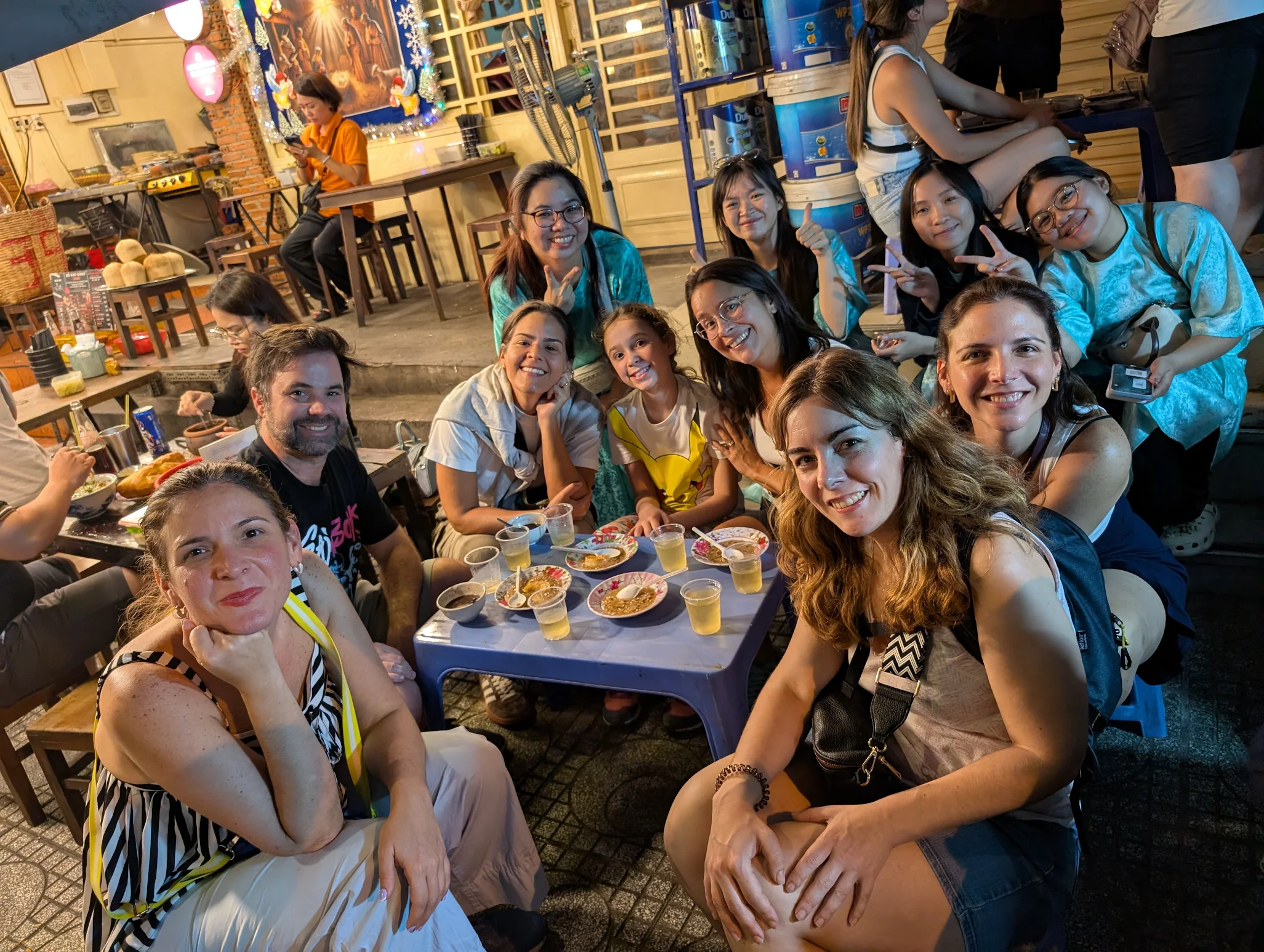
The Hidden Dishes Most Visitors Never Think to Order
Ask first-time visitors what they want to eat in Ho Chi Minh City, and you’ll usually hear the same answers: pho, bánh mì, spring rolls, and Vietnamese coffee. They’re iconic for a reason, but they represent only a small slice of what locals actually eat throughout the week.
Some of the most memorable dishes on a food tour are the ones travelers have never heard of before arriving.
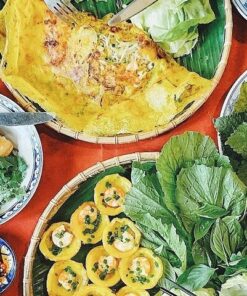
One alley might specialize in bột chiên, a simple-looking dish of crispy rice flour cubes stir-fried with egg, pickled papaya, and a tangy soy sauce. Another family has spent decades perfecting bò lá lốt, beef wrapped in fragrant betel leaves and grilled over charcoal until the edges caramelize.
A few streets away, a dessert vendor carefully layers coconut cream, palm sugar syrup, beans, and crushed ice into colorful bowls that disappear almost as quickly as they’re prepared.
These aren’t “hidden gems” because someone invented clever marketing. They’re simply neighborhood favorites that have never needed international attention.
One thing local guides often say is this:
Don’t ask which dish is the most famous. Ask which dish the neighborhood keeps coming back for.
The answer is usually far more interesting.
Small Customs That Help You Feel Less Like a Tourist
Vietnamese street food culture is wonderfully relaxed, but understanding a few local habits makes the experience smoother—and often leads to warmer interactions with vendors.
Taste Before Reaching for the Sauces
Fish sauce, chili paste, lime, and pepper are always nearby, but locals usually taste the dish exactly as it’s arrives before adjusting the seasoning.
Many broths have been simmering for hours. Taking the first spoonful as intended is considered a small sign of appreciation for the cook’s work.
Don’t Worry About the Plastic Stools
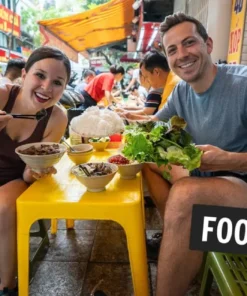
Visitors sometimes laugh when they see tiny plastic chairs sitting only inches above the ground.
For locals, they’re simply practical.
They’re easy to clean, inexpensive to replace, and allow vendors to serve customers in narrow spaces where larger furniture wouldn’t fit.
By the end of the evening, most travelers forget they were ever sitting on them.
Sharing Is Part of the Experience
Food tours aren’t designed around one large meal.
Instead, they’re built around tasting.
One plate of grilled seafood, a few skewers to share, half a bánh xèo each, then perhaps dessert somewhere else.
It allows everyone to experience a much wider variety of flavors without feeling overly full after the first stop.
Mistakes That Can Make You Miss the Best Food
After leading countless evening tours, local guides tend to notice the same patterns among first-time visitors.
Fortunately, they’re easy to avoid.
Arriving Too Hungry
It sounds strange, but showing up starving often leads people to eat too quickly at the first stop.
The beauty of a Saigon food tour lies in its progression. Every stop introduces a different texture, cooking style, or regional influence.
Pacing yourself means you’ll enjoy the final dish just as much as the first.
Judging a Restaurant by Its Appearance
Some visitors instinctively trust restaurants with polished interiors and large signs.
Meanwhile, a humble alley kitchen with faded paint and a handful of plastic tables may be serving recipes that local families have loved for decades.
In Saigon, appearances rarely tell the whole story.
Assuming Every Busy Stall Is the Best
Crowds matter—but context matters more.
A long line outside a famous restaurant may consist almost entirely of tourists following social media recommendations.
A quieter alley stall filled with office workers stopping by after work often tells a different story.
Experienced guides don’t simply count customers.
They notice who those customers are.
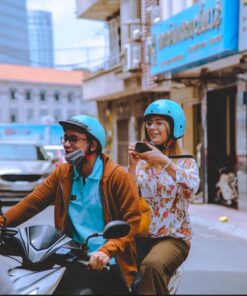
Why Exploring by Motorbike Changes Everything
Walking is one of the best ways to discover a neighborhood.
But Saigon is a city of neighborhoods, not just one.
The distance between an excellent seafood alley in District 3 and a family-run dessert stall tucked inside Bình Thạnh or District 10 may only be a few kilometers, yet they each offer a completely different atmosphere.
A motorbike connects these experiences naturally.
Instead of spending most of the evening commuting, you’re constantly discovering.
One moment you’re weaving through narrow residential lanes where grandparents water plants outside their homes.
Ten minutes later you’re surrounded by the sounds of sizzling woks near a busy local market.
The journey itself becomes part of the story.
Many travelers later realize they remember the rides between food stops almost as vividly as the meals themselves.
Local Relationships Open Doors That Maps Never Can
Something unexpected often happens during a guided food tour.
The guide greets the vendor by name.
The vendor smiles back without hesitation.
They ask about each other’s families, joke about the weather, or mention how busy the previous evening was before cooking even begins.
To a visitor, it feels like a friendly conversation.
To locals, it’s simply everyday life.
These long-standing relationships matter because trust works both ways.
Guides know which vendors consistently maintain high standards, and vendors know the guests arriving with those guides are genuinely interested in learning about Vietnamese food and culture—not simply taking a photo before leaving.
Occasionally, a vendor might prepare a small tasting portion that’s not listed anywhere.
Another may explain why a recipe changes slightly during the rainy season when certain herbs become more fragrant.
These moments can’t be planned.
They’re built over years of mutual respect.
The Hidden Alley Food Stops That Make Saigon Worth Exploring
One detail many visitors never notice is that experienced food guides regularly revisit the same family-run stalls, even when they aren’t leading tours.
They return because relationships matter, but also because quality changes over time.
A recommendation that was excellent two years ago isn’t automatically excellent today.
The best guides keep tasting, asking questions, and listening to local feedback so every stop continues to reflect what Saigon residents genuinely enjoy—not just what appears on travel websites.
That ongoing connection is one reason guided food tours often feel surprisingly personal.
The Best Food Memories Rarely Begin with a Famous Address
Some travelers return home talking about the tallest building they visited or the busiest market they explored.
Others remember an unnamed alley where an elderly woman insisted they try one more grilled skewer because “this batch just came off the charcoal.”
Years later, they may not remember the address.
They probably won’t remember which district it was.
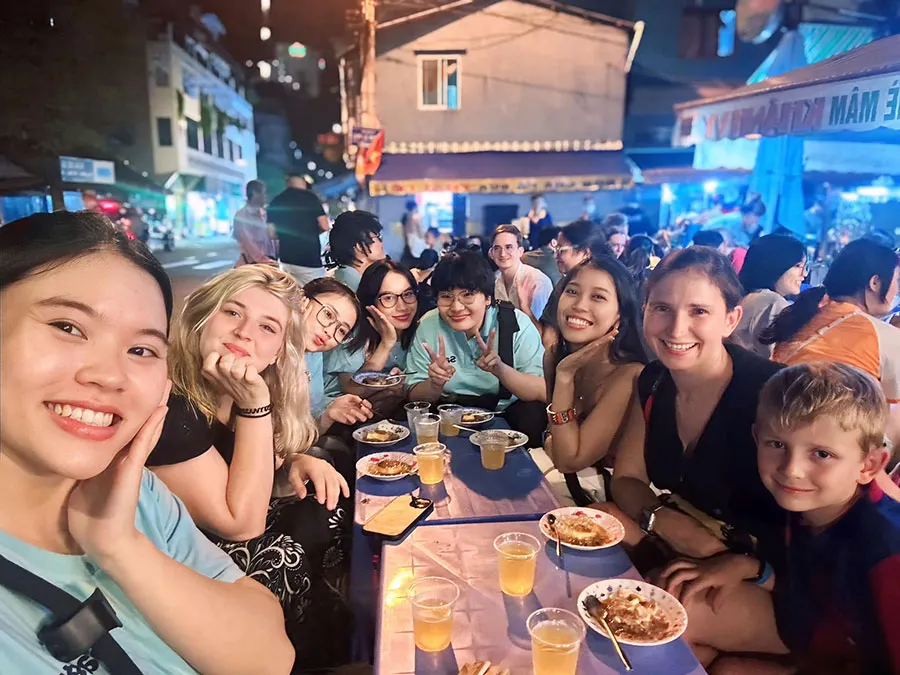
But they’ll remember the smoky aroma hanging in the evening air, the laughter shared around tiny plastic tables, and the feeling of being welcomed into a neighborhood that wasn’t performing for tourists—it was simply living its everyday life.
Those are the experiences that stay with people long after a holiday ends.
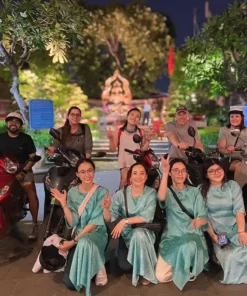
If you’re looking to discover the side of Ho Chi Minh City that guidebooks often overlook, a Motorbike Food Tour with Saigon Adventure offers far more than a tasting itinerary. You’ll explore authentic neighborhoods, meet passionate local vendors, hear the stories behind family recipes, and experience the city the way many residents do—one hidden alley at a time.
Frequently Asked Questions
Are hidden alley food stalls safe to eat at?
Yes, many of the busiest alley vendors serve local families every day. Joining an experienced local guide also helps you choose stalls with strong reputations for freshness, cleanliness, and consistent quality.
Can I find these places on Google Maps?
Some can be found online, but many operate with limited digital presence, change opening hours, or sell out before the evening ends. Local knowledge is often more reliable than search results.
Is a motorbike food tour suitable for first-time visitors?
Absolutely. It’s one of the easiest and most enjoyable ways to experience several different neighborhoods in a single evening while learning about local food culture from someone who knows the city well.
Will dietary restrictions be accommodated?
Most professional food tours can adjust certain stops for vegetarian diets or food allergies when informed in advance. It’s always best to mention your requirements during booking.
Explore our best-selling tours
Food Tour
Food Tour

Motorbike City Tour
Saigon By Night (Motorbike Tour) With Rooftop Bar – Live Music And Seafood

Food Tour
Motorbike City Tour