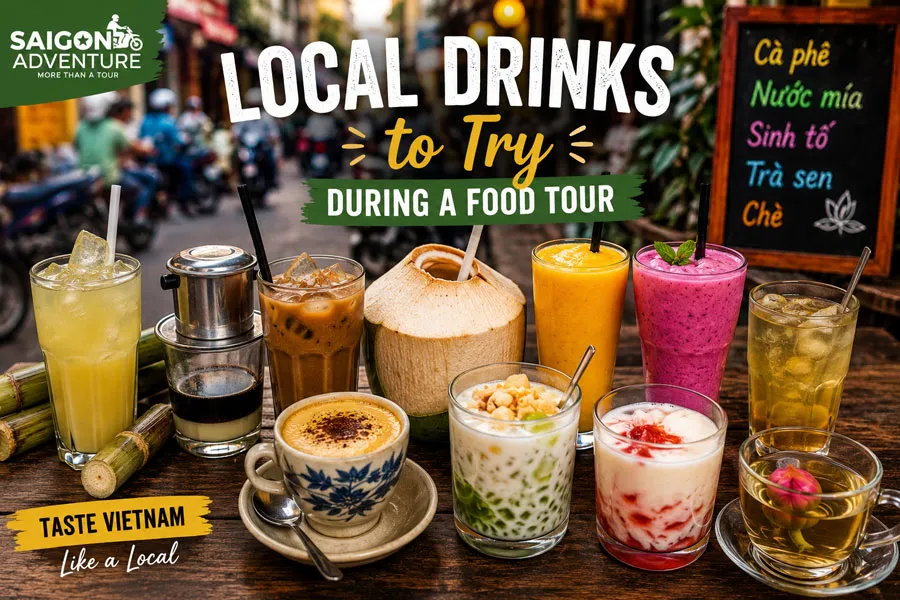
Looking for the best local drinks to try during a food tour in Vietnam? Vietnam’s food culture is about more than famous dishes like phở or bánh mì. From rich Vietnamese coffee and fresh sugarcane juice to creamy coconut coffee, local drinks are an essential part of every food experience.
As you explore Ho Chi Minh City, you’ll see locals enjoying coffee before work, fresh fruit smoothies on hot afternoons, and cold beer after sunset. Every drink offers a small glimpse into Vietnam’s daily life and food culture.
Whether you’re exploring busy street food areas, browsing local markets, or joining a guided food tour with local experts, don’t miss these authentic Vietnamese drinks. They add even more flavor to your culinary journey.
Why Local Drinks Are an Essential Part of Vietnamese Food Culture
Drinks are an important part of daily life in Vietnam. They’re not simply served alongside a meal—they help balance flavors, cool you down in the tropical weather, and bring people together throughout the day.
Spend a few hours exploring the city and you’ll quickly spot locals enjoying iced coffee at a sidewalk café, stopping for fresh sugarcane juice after work, or sharing herbal tea and local beer over dinner. Following these simple habits is one of the easiest ways to experience Vietnam like a local, while discovering flavors that many visitors would otherwise miss.
These local drinks to try during a food tour offer a simple way to experience Vietnam’s culture beyond its famous dishes.
Local Drinks to Try During a Food Tour: Vietnamese Coffee
Coffee is more than just a drink in Vietnam—it’s part of the country’s daily rhythm. From early morning until late afternoon, sidewalk cafés are filled with locals chatting, reading the news, or simply watching the city go by with a cup of coffee in hand.
One thing many first-time visitors notice is that nobody seems to rush. Instead of grabbing a takeaway coffee, people often sit down and enjoy the moment. That’s one of the reasons Vietnamese coffee culture feels so different from what you’ll find in many other countries.
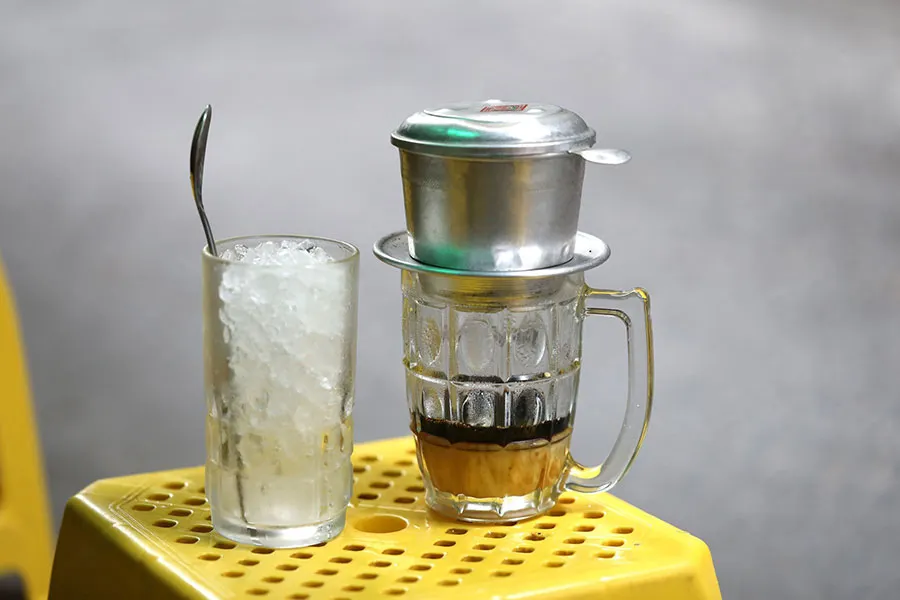
Traditional coffee is brewed using a small metal phin filter. The slow dripping process creates a rich, full-bodied cup that’s worth waiting for. If it’s your first visit to Vietnam, taking a coffee break at a neighborhood café is one of the simplest ways to experience everyday local life.
Cà Phê Sữa Đá – Vietnam’s Most Famous Coffee
Ask almost any traveler about their favorite drink in Vietnam, and Cà Phê Sữa Đá is likely to be near the top of the list.
Made with strong Robusta coffee, sweetened condensed milk, and plenty of ice, it delivers a bold flavor that’s balanced by a smooth, creamy sweetness. It’s refreshing enough for the tropical weather while still giving you the rich taste Vietnamese coffee is known for.
Many guests on our food tours are surprised by how different it tastes from the Vietnamese coffee they’ve tried overseas. Freshly brewed coffee from a neighborhood café has a deeper aroma and a much richer flavor than bottled or instant versions.
If you have the chance, skip the busiest tourist cafés and stop at a small local coffee shop instead. Sitting on a low plastic stool with a freshly brewed coffee is an experience that’s just as memorable as visiting the city’s famous attractions.
Best Food Pairings
Cà Phê Sữa Đá goes especially well with:
- Bánh mì
- Sticky rice
- Butter pastries
- Coconut cake
- Grilled pork bánh mì
Cà Phê Đen – Bold, Strong, and Unmistakably Vietnamese
For coffee lovers who prefer a stronger taste, Cà Phê Đen is a must-try.
Served hot or over ice, it highlights the naturally bold character of Vietnamese Robusta beans. The flavor is rich, slightly earthy, and much more intense than the Arabica coffee many international visitors are familiar with.
A simple recommendation from local guides is to try both Cà Phê Đen and Cà Phê Sữa Đá during your trip. Although they’re made from the same beans, the two drinks offer completely different experiences and give you a better appreciation of Vietnam’s unique coffee culture.
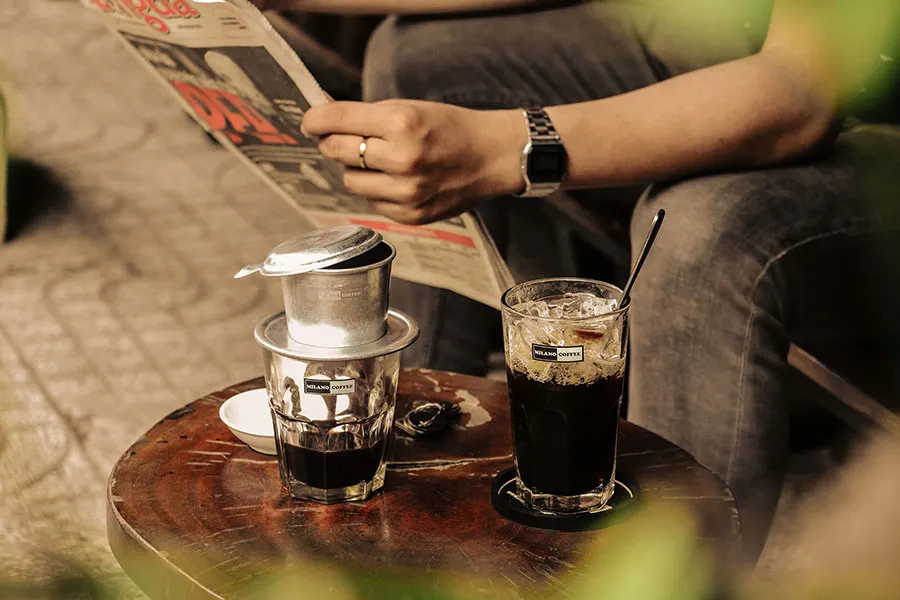
Classic Vietnamese black coffee, a must-try drink in Vietnam
Coconut Coffee: A Refreshing Twist on a Local Favorite
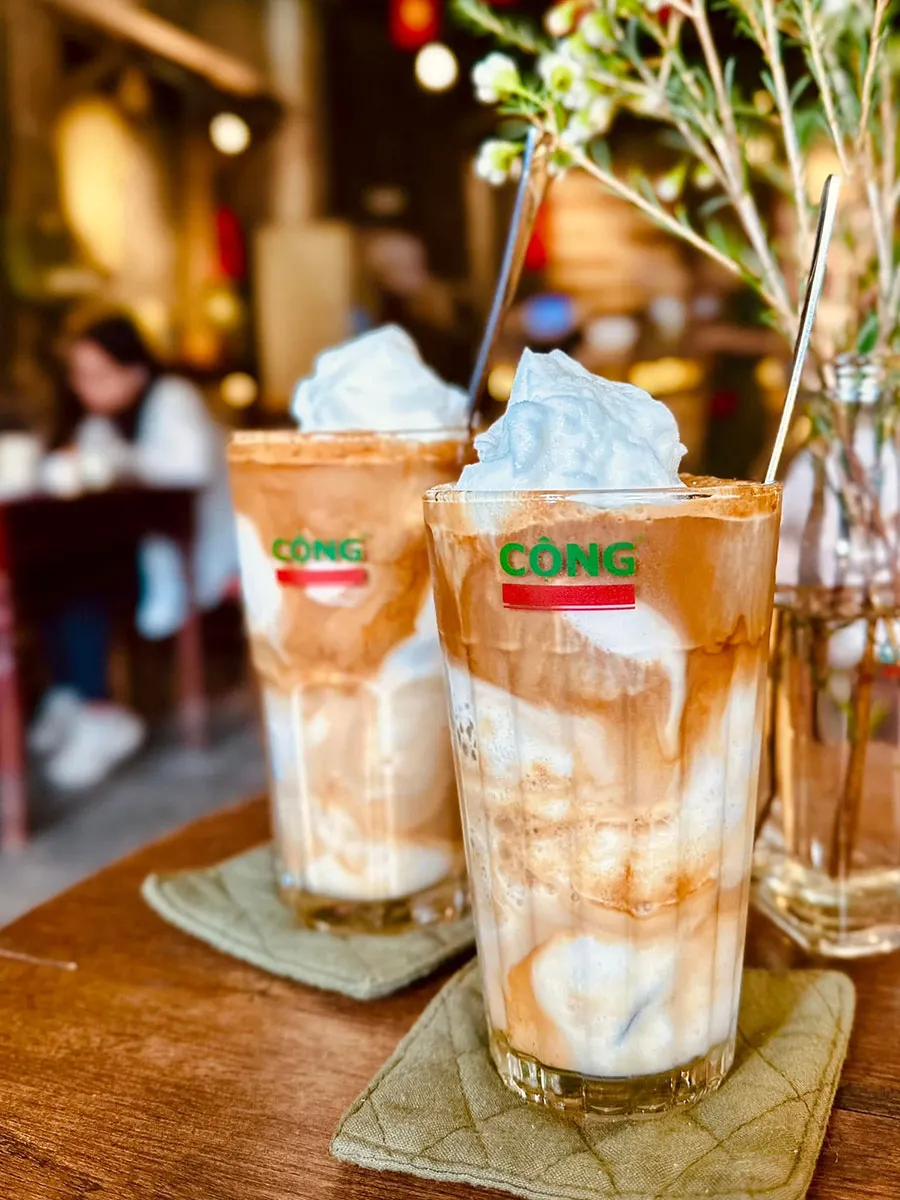
While Vietnamese iced coffee is the classic choice, coconut coffee has become a favorite for many international visitors.
Fresh coconut cream, espresso, and crushed ice are blended into a smooth, creamy drink that’s perfect for hot afternoons in southern Vietnam. It feels somewhere between a coffee and a dessert, with the coconut adding natural sweetness without overpowering the coffee.
Many travelers discover coconut coffee through social media, but some of the best versions are still found in small neighborhood cafés hidden away from the city’s busiest streets. These local spots often use homemade recipes that have been passed down for years.
If you’re joining a Saigon Motorbike Food Tour, don’t hesitate to ask your guide for their favorite coffee stop. It’s often these hidden cafés—not the famous chains—that leave the strongest impression.
Fresh Sugarcane Juice (Nước Mía): The Perfect Drink for a Hot Day
On a warm afternoon, few drinks are as refreshing as a glass of freshly pressed sugarcane juice. Street vendors squeeze the juice right in front of you, often adding a splash of kumquat for a light citrus flavor. It’s naturally sweet, served over ice, and perfect after exploring busy markets or walking through the city.
One easy tip is to choose stalls with plenty of local customers. Fresh ingredients and high turnover usually mean better quality and a more authentic experience.
Tropical Fruit Smoothies (Sinh Tố): Fresh, Colorful, and Full of Flavor
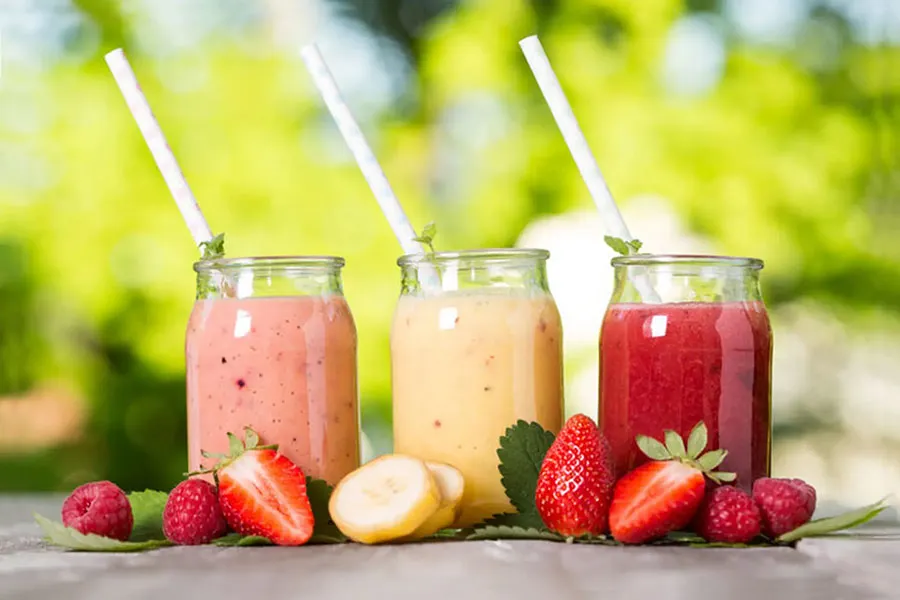
Vietnam is home to an incredible variety of tropical fruits, making smoothies a popular choice throughout the day. Instead of flavored syrups, most vendors blend fresh fruit with ice, yogurt, or a little condensed milk for a naturally rich taste.
Popular choices include mango, avocado, passion fruit, and dragon fruit. If you’re visiting during fruit season, don’t miss local favorites like soursop, jackfruit, or sapodilla, which are much harder to find outside Southeast Asia.
Local Tip
Order whatever fruit is in season. Local vendors often recommend the freshest options, and seasonal fruit usually offers the best flavor.
Egg Coffee: A Drink That Surprises First-Time Visitors
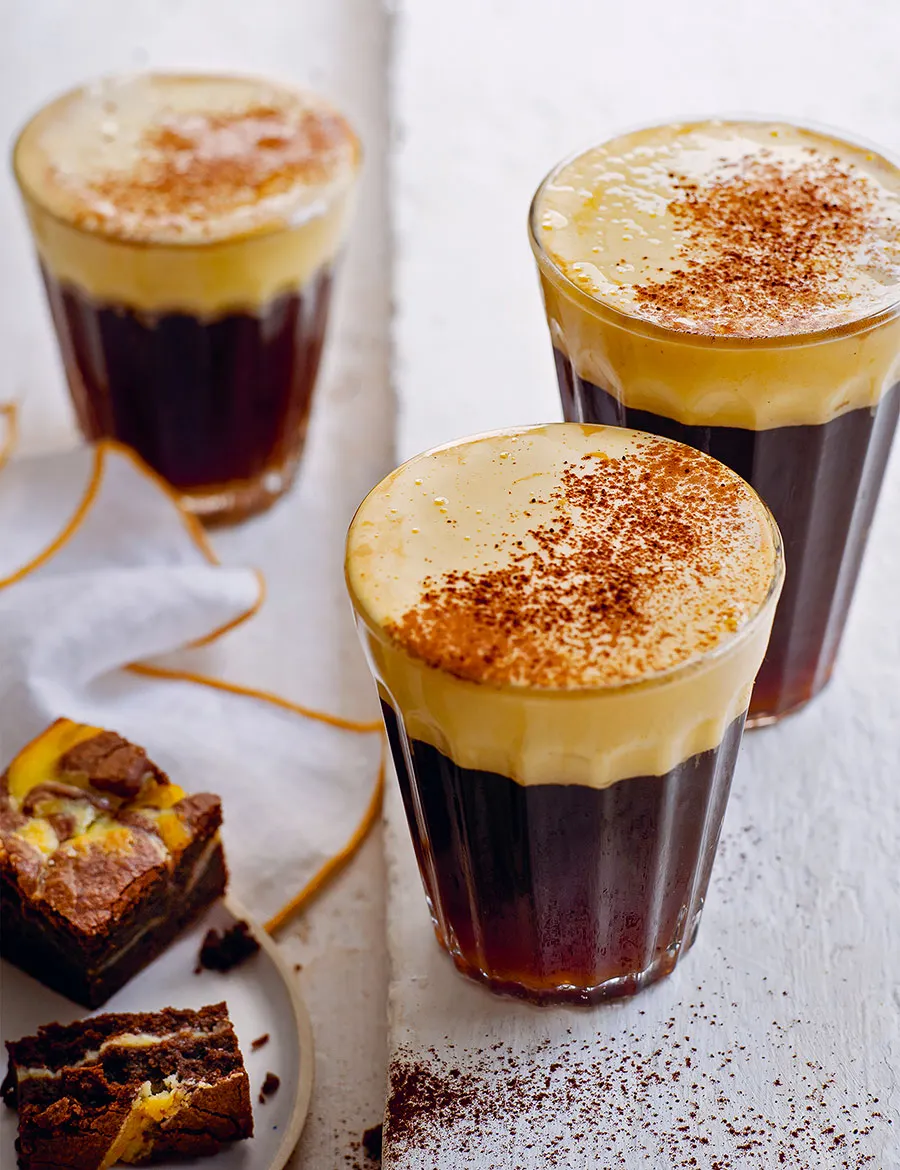
Egg coffee may sound unusual, but it’s one of Vietnam’s most famous coffee specialties. A creamy mixture of whipped egg yolk and condensed milk sits on top of strong Vietnamese coffee, creating a smooth, dessert-like drink.
Originally from Hanoi, egg coffee is now available in many cafés across Ho Chi Minh City. Take your time with each sip—the rich foam gradually blends into the coffee, creating a slightly different flavor from beginning to end.
Traditional Vietnamese Tea
While coffee gets most of the attention, tea remains an important part of everyday life in Vietnam. It’s commonly served before meals, after dinner, or whenever friends and family gather together.
Lotus tea is known for its delicate floral aroma, while herbal teas made with lemongrass, chrysanthemum, or pandan are especially refreshing on warm days. They’re a great choice if you’re looking for something light between food stops.
Yogurt Drinks: A Local Favorite You’ll Want Again
Vietnamese yogurt drinks are simple, refreshing, and incredibly popular with locals.
Unlike many commercial yogurt beverages, they are often made fresh using creamy yogurt blended with fruit, crushed ice, or just a touch of condensed milk.
Popular combinations include:
- Passion fruit yogurt
- Mango yogurt
- Strawberry yogurt
- Plain drinking yogurt
- Yogurt with coffee
The gentle tanginess makes yogurt drinks an excellent companion to grilled meats, fried snacks, or spicy dishes, adding a refreshing contrast without overpowering the meal.
Local Beer: A Great Way to End the Day
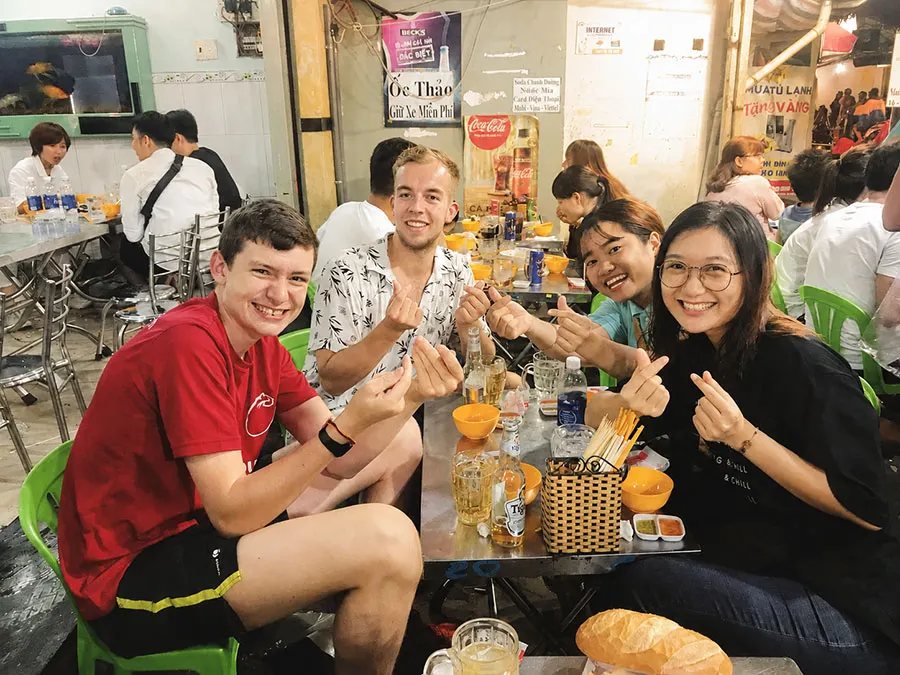
As the sun goes down, Vietnam’s street food scene becomes even more lively. Sidewalk restaurants fill with groups of friends enjoying grilled seafood, barbecue, and cold local beer after work.
Popular beers like Bia Saigon, Bia 333, and Bia Hà Nội are light, crisp, and easy to pair with Vietnamese street food. They’re affordable, refreshing, and widely available across the country.
If you’re exploring the city’s nightlife on a Saigon Night Food Tour, you’ll likely discover that the most memorable drinks aren’t found in luxury bars but in lively neighborhood venues where locals gather after work.
If you enjoy craft beer, Ho Chi Minh City also has a growing number of independent breweries. Many create unique beers using local ingredients such as tropical fruit, coffee, cacao, and native herbs.
Chè: Vietnam’s Colorful Sweet Dessert Drink
No Vietnamese food adventure is complete without trying chè. Although it’s often called a dessert, many versions are served in a glass and enjoyed like a sweet drink.
Depending on where you go, chè may include coconut milk, beans, jelly, lotus seeds, taro, fresh fruit, or tapioca pearls. Every region has its own recipes, so you’ll find plenty of new flavors to discover during your trip.
It’s the perfect way to finish a meal, especially on a warm evening.
Fresh Coconut Water: Simple but Refreshing
Sometimes the simplest drink is also the most satisfying.
Fresh coconuts are sold almost everywhere in southern Vietnam. Vendors cut them open in seconds, giving you naturally sweet coconut water that’s perfect for cooling down after a day of sightseeing.
Before throwing the shell away, ask for a spoon. The soft coconut meat inside is just as delicious as the drink itself.
Tips for Choosing Street Drinks Safely
Trying local drinks is part of the fun, and it’s generally safe if you follow a few simple tips.
- Choose busy stalls with plenty of local customers.
- Watch your drink being prepared.
- Order freshly cut fruit whenever possible.
- Ask about filtered ice if you have a sensitive stomach.
- Carry small cash, as many street vendors don’t accept cards.
These simple habits will help you enjoy Vietnam’s street drinks with confidence.
More Than a Drink, It’s Part of Everyday Life
Every drink tells a small story about Vietnam. A morning coffee before work, a glass of sugarcane juice after shopping, or a cold beer shared with friends are all part of everyday life that visitors rarely experience from guidebooks alone.
The best way to discover these local favorites is by exploring with someone who knows the neighborhoods. You’ll not only taste authentic Vietnamese drinks but also learn where locals actually eat and drink every day.
If you’re looking for a more authentic experience, join our Ho Chi Minh City Food Tour or Saigon Motorbike Food Tour. Along the way, you’ll visit family-run cafés, hidden street vendors, and long-time local favorites while enjoying some of Vietnam’s best food and drinks.
Frequently Asked Questions
1. What are the best local drinks to try during a food tour in Vietnam?
Some of the best local drinks to try during a food tour in Vietnam include Vietnamese coffee, fresh sugarcane juice, coconut coffee, tropical fruit smoothies, traditional tea, yogurt drinks, fresh coconut water, and local beer. Each one offers a unique taste of Vietnam’s food culture.
2. Which Vietnamese drink is best on a hot day?
Fresh sugarcane juice, coconut water, tropical fruit smoothies, and yogurt drinks are all excellent choices for Vietnam’s tropical weather.
3. Is egg coffee really made with eggs?
Yes. Egg coffee uses whipped egg yolk, condensed milk, and coffee to create a rich, creamy drink with a dessert-like flavor.
4. Are street drinks in Vietnam safe?
Yes, as long as you choose busy vendors, watch your drink being prepared, and use common travel precautions.
5. Are drinks included in a Vietnamese food tour?
Most food tours include several local drinks alongside traditional dishes, giving you a more complete introduction to Vietnamese food culture.
Explore our best-selling tours
 Bestseller
Street Food Tour In Ho Chi Minh City By Motorbike
Saigon Street Food Tours: An Authentic Culinary Odyssey To experience Ho Chi Minh City, you need to do two things:...
 Bestseller
Saigon: Premium Award-Winning Food Tour with Ao Dai Female Riders
A Michelin food tour by scooter in Vietnam elevates the standard street food experience by combining world-class culinary recognition with...
 Bestseller
Saigon Foodie Tour By Scooter With Female Rider (With Beer & Seafood)
Beautiful female tour guides at Saigon Adventure ABOUT THIS TOUR Let us be your guide to experiencing Saigon By Night...
 Bestseller
Vegan Food Tour
Keep your travel plan flexible - book your spot now and pay nothing today! You only need to pay 4...
 Bestseller
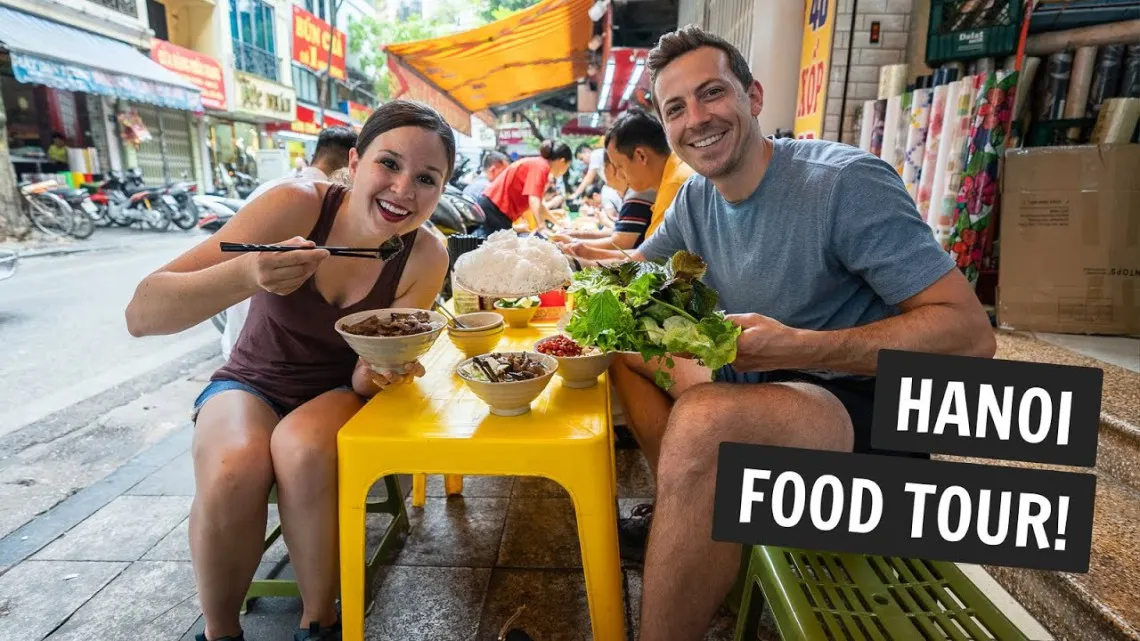
Hanoi Local Food Tour with Train Street and Old Quarter
Discover the flavors and everyday life of Vietnam’s capital on a 3-hour Hanoi local food tour through the historic Old...
 Bestseller
Ho Chi Minh City Michelin Food and Live Music Scooter Tour
Welcome to our premier michelin food tour in Ho Chi Minh City! Secure your experience today with Total Flexibility Reserve...
 Bestseller
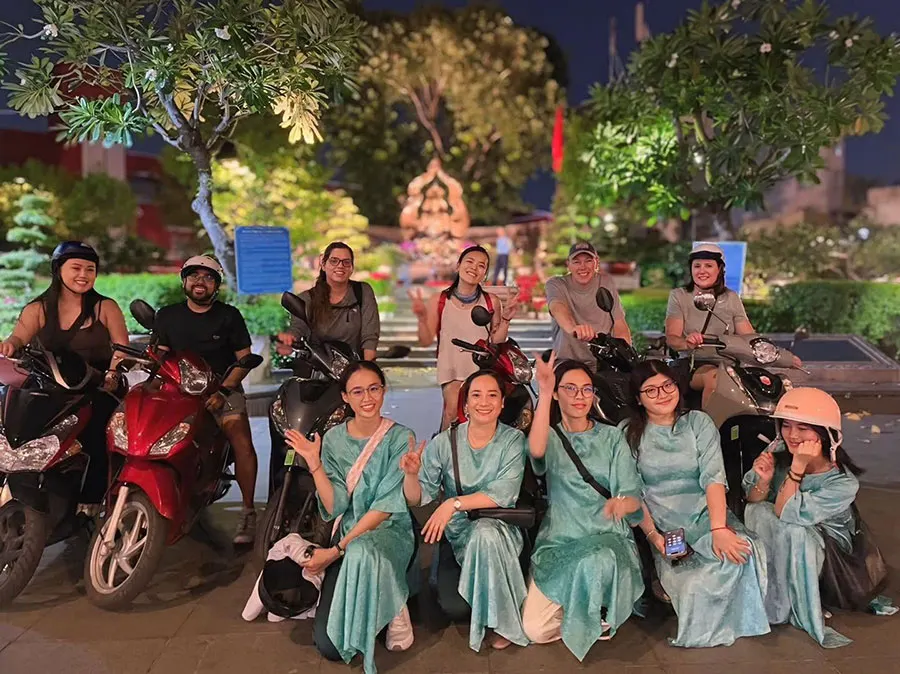
Premium Saigon Hidden Alleys & History: Private Motorbike Tour
Ho Chi Minh Hidden Alleys & History: Private Motorbike Tour Ready to step off the beaten path and discover the...
 Bestseller
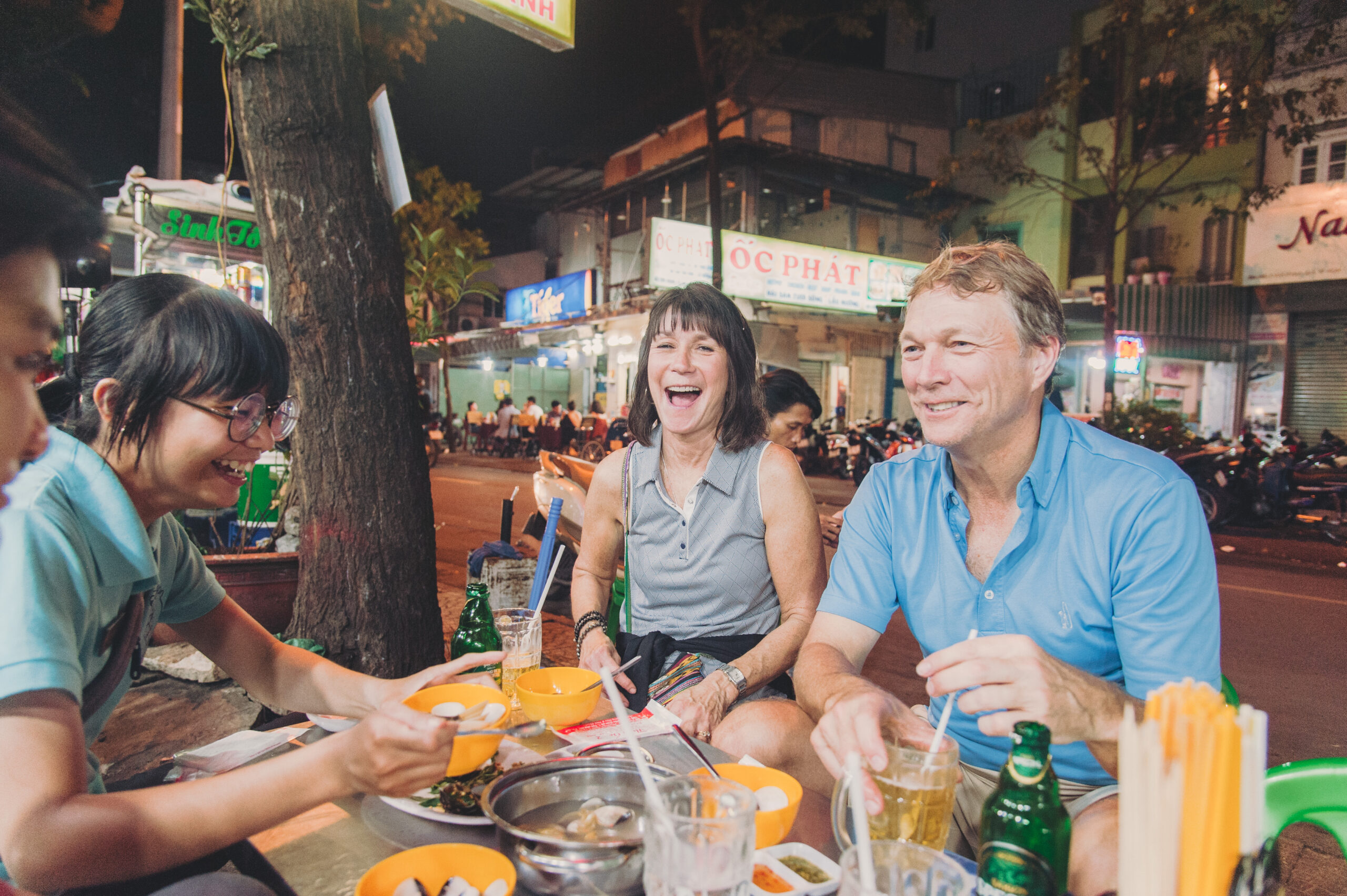
Ho Chi Minh Food Safari With 20 Tastings
Explore Ho Chi Minh City through its food on our Ho Chi Minh Food Safari, featuring 20 authentic street food...
 Bestseller
Saigon | Combo Street Food And Sightseeing Tour By Scooter
Food and Sight Motorbike (Special Combo) Experience the ultimate Saigon adventure! Over 4 thrilling hours, hop on the back of...
 Bestseller
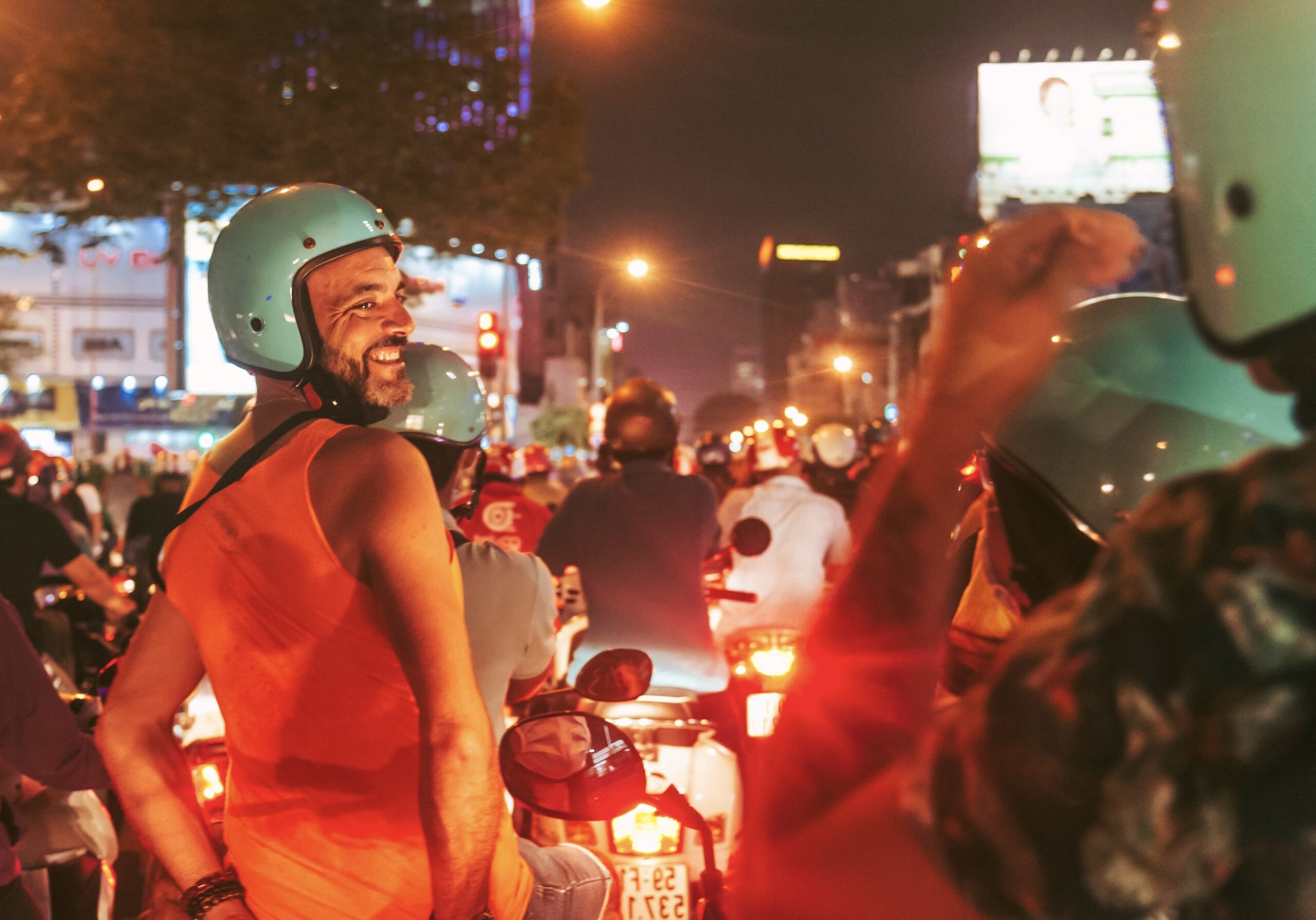
Saigon By Night (Motorbike Tour) With Rooftop Bar – Live Music And Seafood
Keep your travel plan flexible - book your spot now and pay nothing today! You only need to pay...
 Bestseller
Hanoi Michelin Street Food Tour With a Local Guide
Explore the Old Quarter through its most memorable flavors on our Hanoi Michelin Street Food Tour. Led by a knowledgeable...
 Bestseller
Beers, Music & Foods
TOUR DETAILS Saigon After Dark: The Ultimate Scooter, Food & Live Music Odyssey Experience the electric energy of Ho Chi...
 Bestseller
Saigon After Dark Night Tour With Rooftop Bar And Live Music
Enjoy the best Saigon After Dark experience while keeping your travel plan flexible - book your spot now and pay...

Saigon Relax (Private Vip Tour By Car or Scooter)
PRIVATE VIP TOUR Our Saigon Relax Tour is available by private VIP car or scooter. This tour lasts for 4,5...