
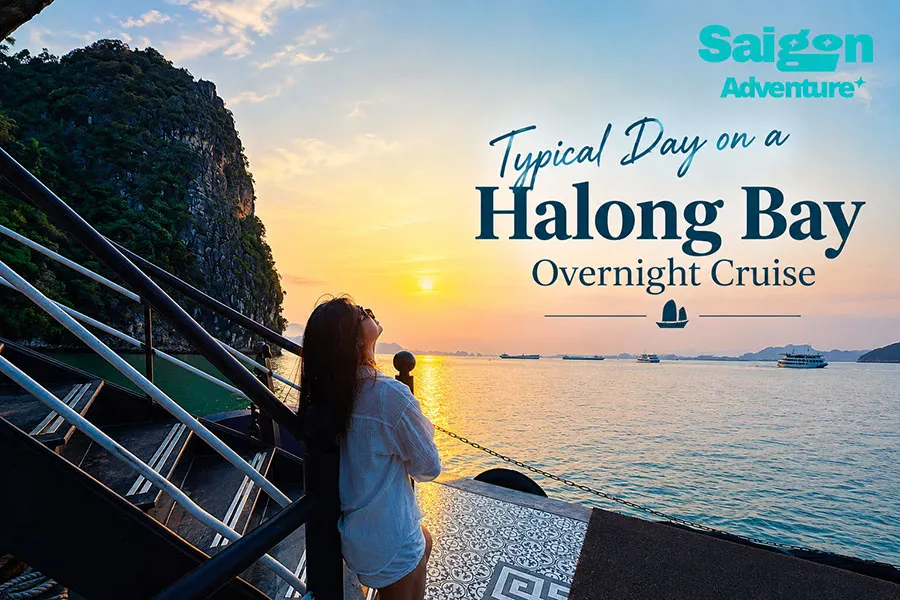
Waking to limestone peaks outside your cabin window is the moment many travelers remember most about Halong Bay. Yet an overnight trip involves much more than sleeping on a boat. A typical day on a Halong Bay overnight cruise combines scenic sailing, Vietnamese meals, cave or island visits, kayaking, sunset activities and a quiet night surrounded by the bay.
Most two-day, one-night cruises follow a similar rhythm, but no two schedules are identical. Your exact experience depends on the sailing route, vessel, weather, tide and local operating conditions. Understanding that rhythm before booking helps you choose the right cruise and enjoy the journey without expecting every advertised activity to happen at a fixed time.
What Happens on a Halong Bay Overnight Cruise?
A Halong Bay overnight cruise is a short voyage aboard a licensed vessel with private cabins, dining facilities and shared recreation areas. The popular two-day, one-night format normally begins around midday and returns to port before noon the following day.
During those roughly 24 hours, passengers sail among limestone formations, visit one or two attractions and spend the night on the water. Meals and scheduled activities are generally included, although drinks, Hanoi transfers, spa treatments and selected services may cost extra.
Halong Bay and the neighboring Cat Ba Archipelago form a UNESCO World Heritage property celebrated for marine-invaded limestone towers, caves and distinctive ecosystems. Travelers can learn more through the UNESCO overview of Halong Bay–Cat Ba Archipelago.
If Halong Bay forms part of a wider journey, these best things to do in Vietnam can help you connect the cruise with other meaningful destinations.

A Typical Halong Bay Cruise Itinerary: Day One
Late morning: Travel to the cruise port
Guests coming from Hanoi commonly leave in the morning by shared limousine, coach or private vehicle. The drive and boarding point vary according to the cruise route, so check whether transportation is included and confirm the pickup location one day before departure.
Some vessels leave from Tuan Chau, while cruises exploring Lan Ha Bay may use another harbor or transfer arrangement. Arriving independently requires careful timing because the ship normally cannot wait long for late passengers.
Local Tip: Keep your passport, booking confirmation, medication and valuables in a small day bag. Your main luggage may be handled separately while you complete check-in or transfer to the ship by tender boat.
Around midday: Check-in and welcome briefing
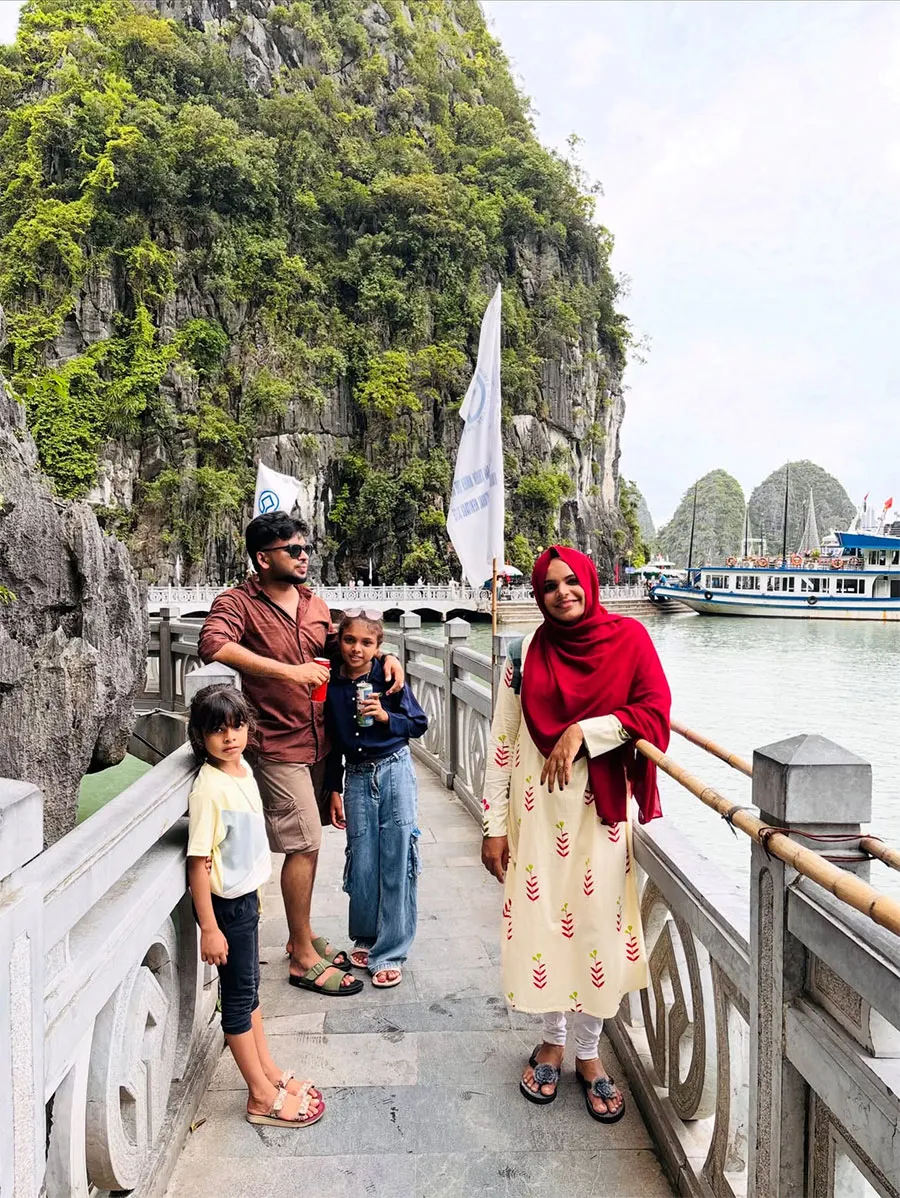
After reaching the harbor, passengers check in and may wait briefly in a lounge. Depending on the vessel and water depth, you will either board the main ship directly or take a smaller tender to it.
The crew usually introduces the ship, cabin facilities, emergency procedures and daily schedule. Listen carefully even if you are eager to begin taking photographs; this briefing explains where life jackets are stored and what to do if conditions change.
Cabins are generally compact but comfortable, with an en-suite bathroom, air conditioning and windows or a private balcony. Check the room immediately and report any problem before the vessel moves farther into the bay.
Early afternoon: Lunch while sailing through the bay
Lunch is often the first moment when the cruise begins to feel special. As the ship leaves the harbor, buildings gradually disappear and green-topped limestone formations begin rising from the water.
Meals may be served as a buffet, set menu or family-style selection. Seafood is common, but established operators can usually prepare vegetarian meals or accommodate certain allergies when informed in advance.
Use lunch to review the updated schedule because the cruise manager may change the order of activities. A cave visit advertised for the afternoon, for example, could be moved or replaced when tides, congestion or weather affect access.
Travelers who cannot stay overnight can compare the experience with a Ha Long Bay full-day tour, which offers scenic cruising without an overnight cabin.
Mid-afternoon: Explore a cave, island or lagoon
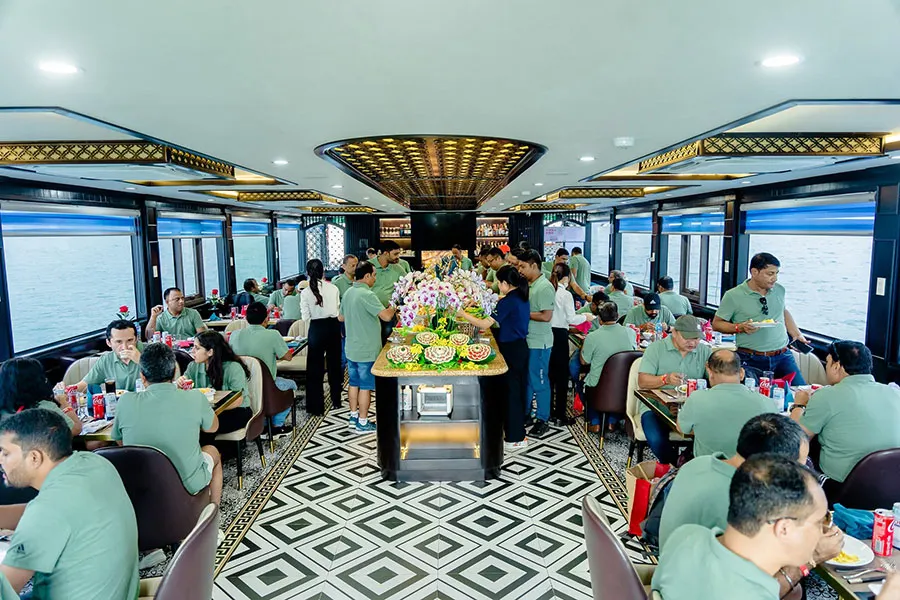
Most overnight itineraries include an off-boat excursion. Depending on the approved route, this may involve walking through a limestone cave, climbing to a viewpoint, visiting a beach or exploring a sheltered lagoon.
Some Halong Bay programs visit well-known locations such as Sung Sot Cave, Luon Cave or Ti Top Island. Other vessels sail toward Lan Ha Bay or Bai Tu Long Bay and use different stops. Travelers should therefore compare routes rather than choosing a ship based only on its star rating.
Cave paths may include wet surfaces, uneven steps and low sections. Wear shoes with grip, carry water and avoid rushing simply to stay at the front of the group.

Late afternoon: Kayaking or taking a bamboo boat
Kayaking provides a closer view of the cliffs and calm water than watching from the upper deck. Life jackets should remain fastened throughout the activity, even when the surface appears completely still.
Travelers who do not want to paddle may be offered a bamboo-boat ride at suitable locations. This can be a more comfortable choice for older guests, families with young children or anyone concerned about balance and physical effort.
Kayaking and swimming depend on weather, tide and local permissions. Their cancellation may be disappointing, but a responsible crew should prioritize current conditions rather than follow a promotional itinerary at any cost.

What Is the Evening Like on an Overnight Cruise?
Sunset on the sundeck
After the afternoon excursion, guests return to their cabins to shower or relax. The sundeck usually becomes the main gathering place as the light softens behind the karst formations.
Many cruises arrange a small sunset gathering, drink promotion or Vietnamese cooking demonstration. These sessions are social rather than deeply instructional, but learning to prepare a simple spring roll can be an enjoyable way to meet other passengers.
Sunset is never guaranteed, particularly during misty or rainy periods. Even without a clear horizon, the changing light and quieter atmosphere can be among the most photogenic parts of the journey.
Dinner and nighttime activities
Dinner is generally more leisurely than lunch and may include several Vietnamese and international dishes. Premium vessels sometimes serve a plated menu, while casual boats may provide a buffet or shared dining experience.
Afterward, passengers can usually relax at the bar, talk on the deck or return to their cabins. Some ships offer squid fishing, board games, karaoke or a film, although participation is optional.
Nighttime on the bay is not always completely silent. Generators, air-conditioning systems, neighboring vessels and early morning preparations can create noise, so light sleepers should pack earplugs.
The evening is relatively short because sunrise activities often begin early. Avoid treating the cruise like a late-night party if you want to experience the most peaceful part of the following morning.
A Typical Halong Bay Cruise Itinerary: Day Two
Early morning: Sunrise or Tai Chi
Many cruises begin the second day with Tai Chi on the sundeck. The class is normally gentle and suitable for beginners, although guests are welcome to watch instead.
The real attraction is the early light across the water. Step outside a few minutes before the scheduled session, bring a light layer and move quietly because other passengers may still be sleeping.
In winter or cloudy weather, the sunrise may be hidden by mist. That does not necessarily spoil the view; layers of limestone fading into the haze reveal a more atmospheric side of Halong Bay.
Breakfast and the final excursion
A light breakfast or coffee is normally served before the morning activity. Some ships then visit another cave, lagoon or island, while others provide only one main excursion during the entire voyage.
The second outing may feel early, but skipping it means missing a substantial part of a short itinerary. Prepare your clothes and day bag the night before so you can join without rushing.
Returning passengers may receive brunch rather than a separate full breakfast and lunch. Meal timing differs between operators, so check the written itinerary if you have dietary needs or are traveling with children.
Late morning: Check-out and return to port
Cabin check-out often takes place earlier than first-time passengers expect. You may need to settle your account and leave the room while the ship is still sailing toward the harbor.
Check charges for beverages, corkage, spa services and other extras before paying. Keep your receipt and verify that passports or identification documents have been returned if they were collected during check-in.
Most two-day cruises reach port around late morning or midday. Travelers using arranged transportation then continue to Hanoi or another destination, although arrival times can shift with harbor traffic and weather.
How Much Does a Halong Bay Overnight Cruise Cost?
Prices vary considerably by season, cabin category, route, vessel age and service level. As a broad planning range, a two-day, one-night cruise may cost approximately US$120–US$350 per person based on two people sharing, while high-end suites and premium ships can cost considerably more.
Never compare headline prices alone. A cheaper rate may exclude Hanoi transfers, entrance fees, drinks, kayaking, taxes or a single-room supplement, while a more expensive package may include most of them.
Before paying, request a written list covering:
- Cabin category and bed configuration
- Meals and included drinks
- Sightseeing and kayaking fees
- Round-trip transportation
- Taxes and service charges
- Single supplement and child policy
- Cancellation and weather policy
Rates change frequently, especially around weekends, public holidays and peak travel periods. Treat online prices as guidance and request a current quotation for your exact travel date.
If an overnight package exceeds your budget, compare it with the Halong Bay Luxury Alova Cruise with transfer and lunch or the Halong Sonata Cruise with transfer and lunch.
Is a Halong Bay Overnight Cruise Worth It?
For most first-time visitors, an overnight cruise is worthwhile when scenery and a relaxed atmosphere matter more than seeing many attractions quickly. Remaining on the water after many day boats depart allows you to experience sunset, dinner and early morning among the limestone islands.
The main disadvantage is the structured schedule. Meals, excursions and check-out take place at set times, and a two-day itinerary can feel shorter than its name suggests because boarding occurs around midday and departure is the following morning.
A day cruise may suit travelers with limited time, a smaller budget or concerns about sleeping aboard. A three-day, two-night program is better for visitors who want additional sailing time, a slower rhythm and opportunities to explore farther from the main harbor.
Who Will Enjoy This Experience Most?
Couples often appreciate the scenery and slower evening atmosphere, while solo travelers can meet people naturally during meals and excursions. Families may enjoy the changing activities but should verify railing safety, connecting cabins, children’s meals and minimum ages for kayaking.
Older travelers can also have a comfortable experience if they select a suitable vessel and avoid itineraries with demanding stairways. Ask about tender transfers, cave steps and elevator access rather than relying only on descriptions such as “luxury.”
Travelers planning the trip with children can also read this practical Vietnam family travel guide before deciding whether an overnight cabin and early schedule will suit everyone.
People who dislike group schedules, experience severe motion sensitivity or expect complete solitude may prefer a hotel-based stay or private charter. Even premium cruises follow harbor regulations and may share popular attractions with other vessels.
Best Time for a Halong Bay Overnight Cruise
Spring and autumn often provide comfortable conditions, although clear skies are never guaranteed. Summer can be hot and humid, with a greater possibility of heavy rain or storms, while winter may bring cooler temperatures, wind and mist.
Weather can affect departures throughout the year. Leave some flexibility around important flights and follow instructions from the operator and local authorities if a cruise is delayed, altered or canceled.
Pack swimwear, sun protection, insect repellent, comfortable shoes and a light jacket. A waterproof phone pouch and a smaller day bag are also useful for tender transfers, cave visits and kayaking.
Practical Tips for a Better Overnight Cruise
Choose the route and cabin location before comparing decorative features. A beautiful bathtub matters less if your room is beside a noisy engine area or the itinerary does not include the activities you value.
Confirm dietary restrictions in writing at least a few days ahead. Do the same for mobility needs, pregnancy, medical requirements, birthdays or young children.
Bring only essential belongings onto kayaks and tender boats. Keep your phone in a waterproof pouch, leave both hands available when boarding and follow the crew’s instructions.
Expect a guided experience rather than a private escape. A realistic attitude makes shared excursions, schedule changes and variable weather much easier to accept.
Experience a Full Day and Night on Halong Bay
A typical overnight cruise moves quickly, yet it reveals Halong Bay at times day visitors rarely see: late-afternoon light, dinner beneath dark limestone silhouettes and a quiet morning before the main sightseeing traffic returns.
Choose a licensed operator, compare inclusions carefully and select a route that matches your preferred activity level. With sensible expectations and a little preparation, one night on the bay can become a meaningful highlight of a longer Vietnam journey.
Explore more Vietnam package tours or visit Saigon Adventure when you are ready to connect Halong Bay with Hanoi and other destinations across Vietnam.
Frequently Asked Questions
What time does a Halong Bay overnight cruise start and finish?
Most two-day, one-night cruises board around late morning or midday and return before noon the following day. Exact times depend on the harbor, route and operator, so confirm both the departure time and required check-in time.
Do you actually sleep on the boat in Halong Bay?
Yes. Overnight vessels have private cabins with beds and en-suite bathrooms. Facilities range from practical standard rooms to premium balcony suites, so check the cabin size, location and photographs before booking.
Are meals included on a Halong Bay overnight cruise?
Most packages include lunch and dinner on the first day, followed by breakfast or brunch on the second. Drinks, special menus and room service may cost extra, so request a complete inclusion list before paying.
Will I get seasick on a Halong Bay cruise?
Halong Bay is generally more sheltered than the open sea, but movement is still possible. Choose a cabin near the middle of the ship, eat lightly and discuss suitable medication with a healthcare professional before traveling if you are sensitive to motion.
What happens if bad weather cancels the cruise?
Local authorities may restrict or cancel departures when conditions are unsafe. Refund, rescheduling and accommodation policies vary, so read the operator’s written weather policy and avoid booking a tight onward flight immediately after the cruise.
Is one night enough in Halong Bay?
One night is enough for travelers who want the signature sailing, excursion, sunset and early morning experience. Two nights are more suitable for visitors seeking a slower schedule and additional time farther from the main harbor.
Can children and older travelers join an overnight cruise?
Usually, yes, but suitability depends on mobility, health and the vessel. Families and older guests should ask about life jackets, railings, stairs, tender transfers, medical support and activity restrictions before booking.