What actually happens after you climb onto the back of a scooter for a food tour in Ho Chi Minh City? A well-planned Saigon motorbike food tour itinerary should offer more than several dishes served in different places. The route should reveal how food connects with neighborhoods, migration, religion and everyday local life.
This guide brings together food and cultural stops to consider when planning a Saigon motorbike food tour itinerary, from noodle shops and bánh mì stalls to neighborhood markets and historic landmarks. Treat these eight locations as inspiration for your visit, rather than a confirmed list of stops included in every booking.
What This Saigon Motorbike Food Tour Itinerary Includes
The eight stops described below combine food, markets and cultural sightseeing. Eight locations do not mean eight tastings: the number of dishes and the places visited depend on the tour you book.
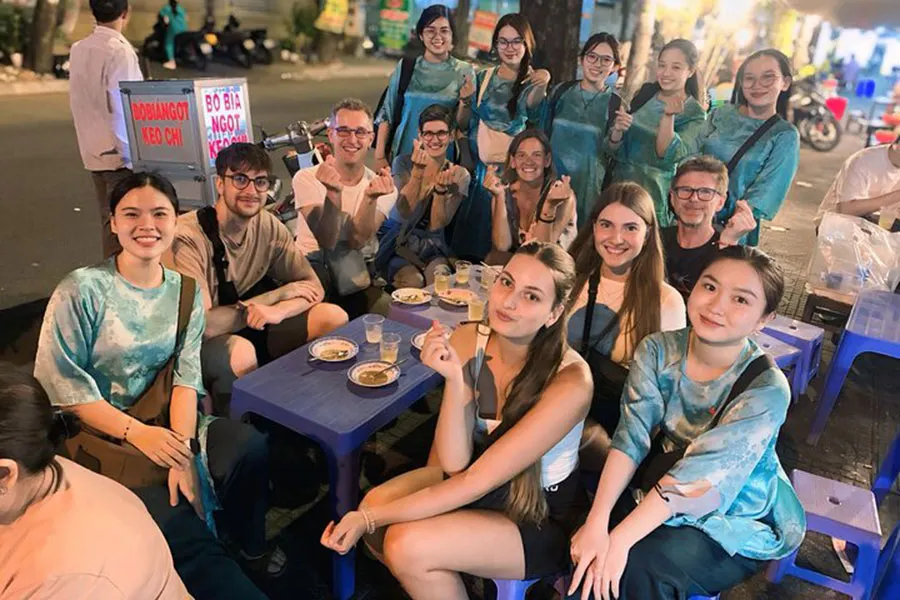
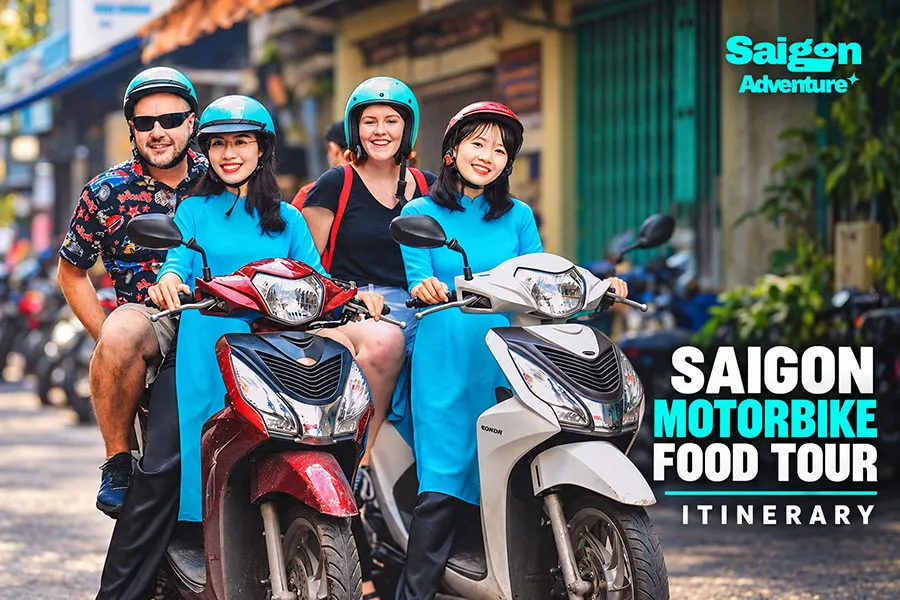
Saigon Adventure’s Street Food Tour by Motorbike lasts approximately 3–4 hours, with scheduled departures at 8:00 AM, 1:00 PM and 6:00 PM. Booking options include 7 or 12 tastings, and guests ride as passengers with local drivers.
For that tour, follow the itinerary and menu listed on the booking page. If you would also like to visit the pagoda, monument or other cultural locations featured here, discuss a customized route with the team before booking; these visits should not be assumed to be included.
Why This Route Offers More Than Food
Many visitors spend their first day around Ben Thanh Market, Nguyen Hue Walking Street and the famous landmarks of District 1. These places are convenient, but they reveal only one part of Ho Chi Minh City.
This itinerary uses food as a gateway into lesser-seen communities. The cultural stops create natural breaks between tastings while giving every dish a stronger sense of place.
Visitors do not simply move from one restaurant to another. They see where local people live, worship, shop and spend their evenings, making the experience closer to a neighborhood journey than a standard food crawl.
Travelers who want to discover this side of the city with a local guide can join a Saigon street food tour by motorbike that combines local dishes with neighborhood exploration.
Start: Meet Your Saigon Adventure Guide
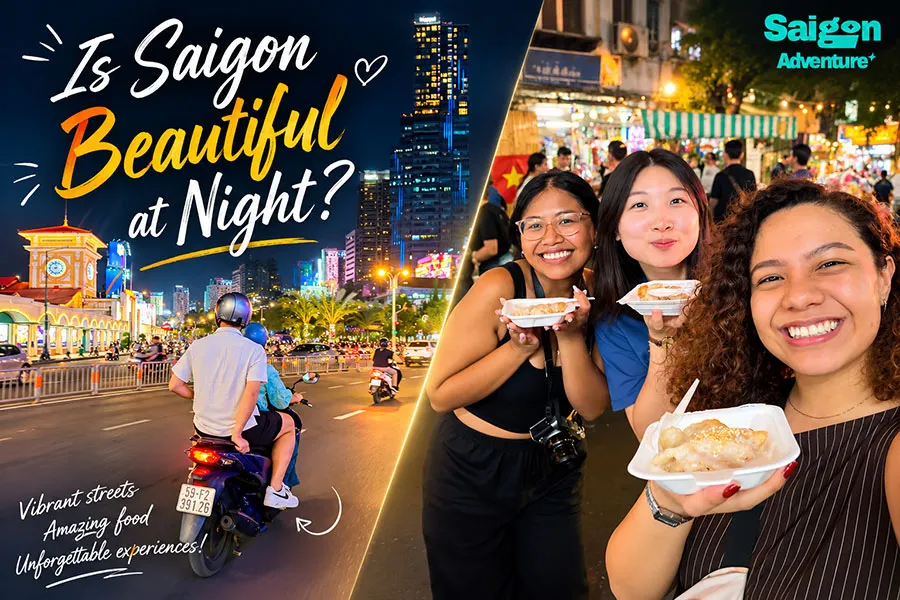
The experience begins with pickup and an introduction to the guide and driver. This is the right time to mention allergies, religious dietary requirements, spice tolerance or ingredients you prefer not to eat.
Clear information helps the team prepare suitable alternatives where possible. Guests with serious allergies should also ask about cross-contact limitations before the first tasting.
First-time passengers can check that their helmet fits comfortably and ask how to sit safely. Let your driver know if you feel nervous so they can explain the experience and maintain a comfortable pace.
Stop 1: Begin With Bún Bò at Bún Bò Xưa
The first food stop introduces guests to bún bò, an aromatic Vietnamese noodle soup. A typical bowl combines round rice noodles, sliced meat, fresh herbs and a broth fragrant with lemongrass.
Depending on the recipe and selected serving, additional toppings may add richness, texture and gentle heat. Fresh herbs brighten the broth, lime contributes acidity, and chili can be added gradually.
Travelers who do not usually eat spicy food should taste the original broth before adding chili. This allows them to appreciate the balance of flavors without overwhelming the dish.
The guide can also explain how bún bò differs from phở, which many international travelers already recognize. The comparison demonstrates that Vietnam’s noodle culture extends far beyond its most internationally famous soup.
Stop 2: Discover Spiritual Life at Vạn Phật Pagoda
Food tells one story of the city, while places of worship reveal another. Vạn Phật Pagoda offers a quieter contrast to the surrounding streets and introduces the spiritual traditions woven into neighborhood life.
Inside, visitors may notice devotional figures, incense and intricate religious details. A guide can explain what guests are seeing, turning a short visit into a meaningful cultural experience.
Visitors should dress respectfully, speak softly and follow instructions regarding photography. Shoulders and knees are best covered when entering a religious space.
The pagoda remains an active place of worship rather than a decorative tourist attraction. Respectful behavior allows visitors to experience its atmosphere without disturbing local worshippers.
Stop 3: Pause at the Thích Quảng Đức Monument
The Thích Quảng Đức Monument marks a serious chapter in the history of Vietnam and Buddhism. Visiting with a local guide provides important context that a quick photograph cannot communicate.
This should be a place of respectful observation rather than casual posing. Travelers interested in Vietnamese history may find the stop particularly meaningful because it connects a globally recognized event with its physical location in Saigon.
The surrounding streets remain busy with modern city life. This contrast shows how historical memory continues to exist alongside the daily movement of contemporary Ho Chi Minh City.
Stop 4: Enter Local Life at Nguyễn Thiện Thuật Apartments
The Nguyễn Thiện Thuật apartment area reveals a more intimate side of Saigon. Built around shared corridors, compact homes and narrow passages, the buildings represent a form of community living rarely visible from the city’s main roads.
Daily activities unfold close together. Balconies, small businesses, aged walls and shared spaces show how generations of residents have adapted the buildings to meet their needs.
Guests should remember that this is a living neighborhood, not an outdoor museum. Keep voices low, avoid photographing residents without permission and do not block entrances.
A considerate guide can explain the area’s history and character while protecting residents’ privacy. Respectful observation creates a more genuine experience for visitors and the local community.

Stop 5: Walk Through Hồ Thị Kỷ Flower Market
Hồ Thị Kỷ is one of the most atmospheric locations on the route. Bundles of flowers add color and fragrance to narrow streets that remain active beyond conventional shopping hours.
The market reveals the logistical side of city life as vendors sort, wrap and prepare flowers for homes, businesses, ceremonies and celebrations. Watching these everyday activities helps visitors understand the market as a working community rather than a staged attraction.
The surrounding lanes are also known for food, making the area a natural transition between cultural sightseeing and further tastings. Conditions can be crowded, so visitors should remain close to the guide and watch for carts, motorbikes and working vendors.
For photographers, the best scenes often come from ordinary details. Flower bundles, market workers and narrow lanes naturally capture the energy of this distinctive Saigon neighborhood.

Stop 6: Explore the Cambodian Market
The Cambodian Market adds another cultural layer to the itinerary. Its food traditions reflect connections between southern Vietnam and Cambodia, showing how migration and regional exchange have influenced what Saigon residents eat.
Depending on the day and tour format, travelers may encounter unfamiliar snacks, ingredients or traditional desserts. Because this is a working market, the available selection can change.
Ask the guide what an unfamiliar ingredient is, how local people eat it and whether it is sweet, savory or spicy. These explanations often make the experience more memorable than simply receiving a tasting without context.
Specific vendors and foods may be adjusted according to opening hours and availability. Flexibility allows the tour to select items that are fresh and suitable on the day of the experience.
Stop 7: Try a Classic Vietnamese Bánh Mì
After visiting the markets and cultural sites, bánh mì delivers one of Vietnam’s most recognizable street-food experiences. A crisp baguette holds savory fillings, pickled vegetables, herbs and sauce, creating contrasting textures in a compact meal.
Guests can watch how quickly the sandwich is prepared and learn why fillings vary between vendors. Although bánh mì is now available worldwide, eating one in Saigon provides a closer look at its local preparation and balance of ingredients.
Travelers with dietary restrictions should ask about pâté, mayonnaise, meat products and sauces. Some ingredients may contain meat or fish-based components even when they are not immediately visible.
This stop complements the bún bò served earlier. One dish represents Vietnam’s diverse noodle-soup culture, while the other illustrates how imported culinary influences developed into something distinctly Vietnamese.

Stop 8: Finish Around Hòa Bình
The Hòa Bình area provides a final glimpse of life beyond the central tourist streets. By this point, guests have traveled through religious, residential and market spaces while seeing how quickly the city’s atmosphere changes between neighborhoods.
Finishing here reinforces the tour’s main strength. The experience is about understanding where people shop, worship, live and meet, not only sampling famous Vietnamese foods.
The return ride offers another opportunity to observe Saigon after dark. Streets that seemed overwhelming at the beginning may feel easier to understand after several hours with a local guide and driver.
Practical Tips Before Joining the Tour
Wear lightweight clothing and closed shoes or secure sandals. Loose accessories, very short skirts and slippery footwear can be uncomfortable when getting on and off a motorbike.
During the rainy season, bring a compact waterproof layer, although established tour operators may provide rain ponchos. Keep phones, cameras and personal belongings secure whenever the motorbike is moving.
Do not avoid food for the entire day in preparation for the tour. Eating a light meal beforehand is usually more comfortable than arriving extremely hungry, particularly when the itinerary combines riding with multiple tastings.
Tell the operator about dietary requirements before booking rather than waiting until departure. Vegetarian alternatives may be possible, but traditional broths, pâté and sauces can contain ingredients that are not immediately obvious.
The route, vendors and tastings may occasionally change because of weather, traffic, opening hours or ingredient availability. A small adjustment should not reduce the experience when the replacement provides similar culinary or cultural value.
Who Will Enjoy This Itinerary Most?
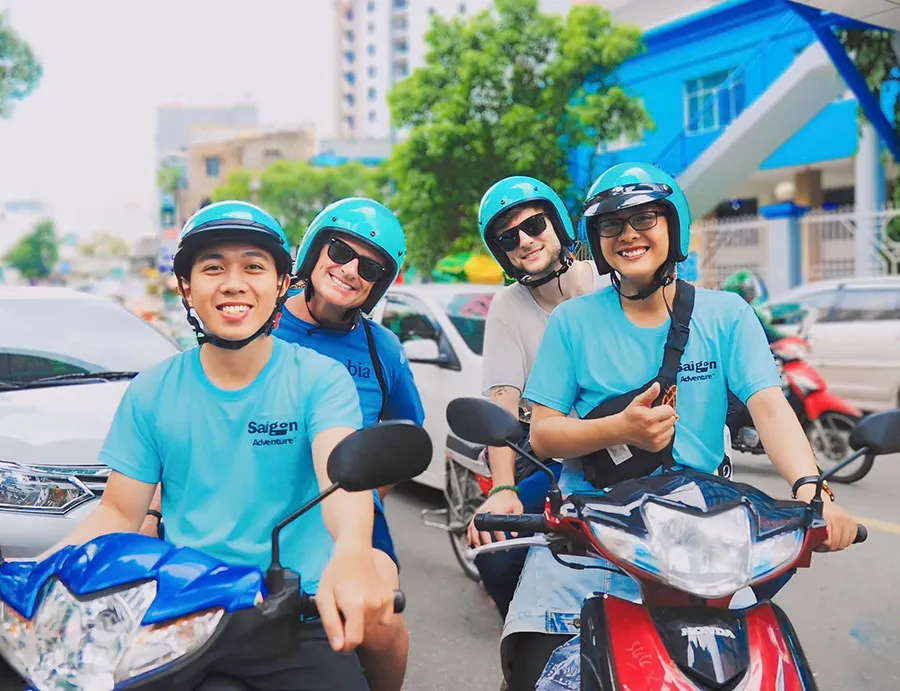
This itinerary works particularly well for first-time visitors who want more than a meal in District 1. It also suits solo travelers, couples and small groups who enjoy active sightseeing, local food and meaningful conversations with a guide.
Food lovers benefit from learning about the ingredients and customs behind each dish. Travelers interested in photography can explore markets, apartments and neighborhood streets that provide more natural scenes than polished tourist attractions.
Visitors with mobility concerns should discuss their needs with the operator before booking. Families should confirm minimum ages and whether suitable child helmets are available.
Travelers who strongly dislike motorbikes may prefer a walking or private car experience. However, those comfortable riding as passengers often find that traveling by scooter creates a closer connection with the rhythm of Saigon.

Is This Saigon Motorbike Food Tour Itinerary Worth Experiencing?
Yes, particularly for travelers who want to combine food, culture and neighborhood life in one journey. The itinerary does not depend entirely on famous restaurants or heavily promoted tourist attractions.
Bún bò and bánh mì introduce two distinctive sides of Vietnamese food. Vạn Phật Pagoda and the Thích Quảng Đức Monument add spiritual and historical context, while Nguyễn Thiện Thuật, Hồ Thị Kỷ, the Cambodian Market and Hòa Bình reveal everyday community life.
A knowledgeable guide makes these connections easier to understand. Without local explanations, a traveler might pass the same apartment entrance, ingredient stall or historical monument without recognizing its importance.
Ready to experience Saigon beyond the usual landmarks? Join a Ho Chi Minh City motorbike food tour with Saigon Adventure and discover local dishes, neighborhood markets and cultural stories from the back of a scooter.
Travelers who prefer seeing the city after sunset can also explore the Saigon After Dark scooter experience.

Frequently Asked Questions
Is This Saigon Motorbike Food Tour Itinerary Suitable for Beginners?
Yes. Guests ride as passengers with local drivers, so no driving experience is required. Tell the team if you feel nervous so your driver can provide additional guidance and maintain a comfortable pace.
What Foods Appear on This Itinerary?
The displayed route includes stops for bún bò and bánh mì alongside visits to markets and cultural sites. Exact servings, additional tastings and Michelin-related options should be confirmed when booking because inclusions can vary between packages.
Does the Tour Only Visit District 1?
No. The route travels beyond the central tourist area into neighborhoods associated with Bàn Cờ, Nguyễn Thiện Thuật, Hồ Thị Kỷ, the Cambodian Market and Hòa Bình.
Can Vegetarians Join the Tour?
Vegetarian adaptations may be available, but guests should contact the operator before booking. Some broths, condiments and bánh mì fillings may contain meat or fish-based ingredients even when they are not obvious.
What Should Visitors Wear on the Tour?
Choose breathable clothing and secure shoes or sandals. Avoid loose garments or accessories that may become uncomfortable on a motorbike, and dress respectfully because the itinerary includes a religious site.
What Happens if It Rains?
Motorbike tours may continue during light rain with ponchos, while the route can be adjusted if conditions become unsafe. Travelers should check the operator’s current weather and cancellation policy before departure.
Is the Michelin Option Automatically Included?
No. Michelin stops are included only in booking options that explicitly list them. Select the relevant option and check its menu before payment; choosing a 7- or 12-tasting package alone does not automatically include a Michelin stop.
Explore our best-selling tours
 Bestseller
Street Food Tour In Ho Chi Minh City By Motorbike
Saigon Street Food Tours: An Authentic Culinary Odyssey To experience Ho Chi Minh City, you need to do two things:...
 Bestseller
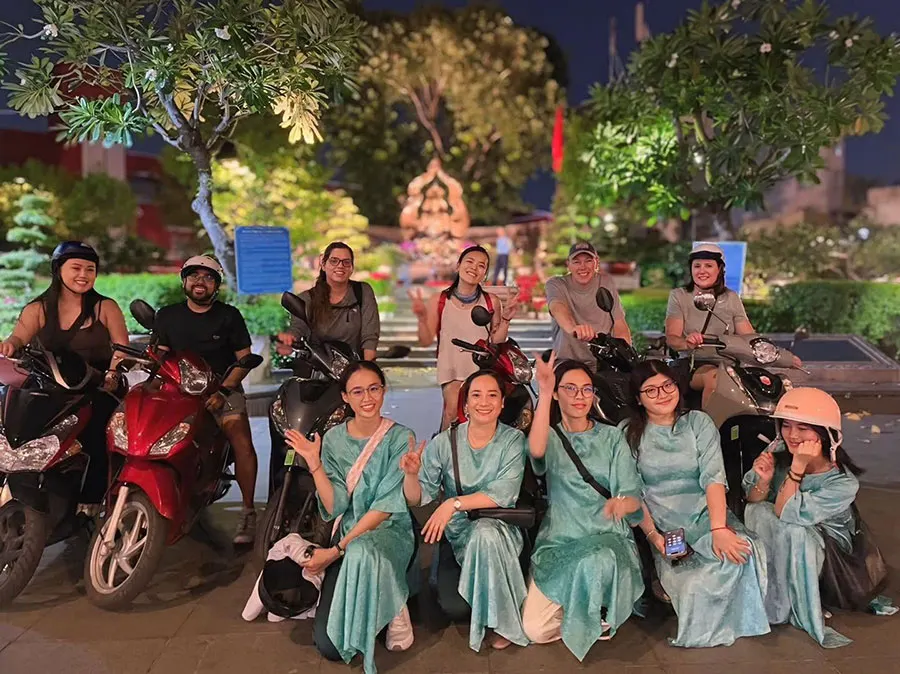
Saigon: Premium Award-Winning Food Tour with Ao Dai Female Riders
A Michelin food tour by scooter in Vietnam elevates the standard street food experience by combining world-class culinary recognition with...
 Bestseller
Saigon Foodie Tour By Scooter With Female Rider (With Beer & Seafood)
Beautiful female tour guides at Saigon Adventure ABOUT THIS TOUR Let us be your guide to experiencing Saigon By Night...
 Bestseller
Vegan Food Tour
Keep your travel plan flexible - book your spot now and pay nothing today! You only need to pay 4...
 Bestseller
Hanoi Local Food Tour with Train Street and Old Quarter
Discover the flavors and everyday life of Vietnam’s capital on a 3-hour Hanoi local food tour through the historic Old...
 Bestseller
Ho Chi Minh City Michelin Food and Live Music Scooter Tour
Welcome to our premier michelin food tour in Ho Chi Minh City! Secure your experience today with Total Flexibility Reserve...
 Bestseller
Premium Saigon Hidden Alleys & History: Private Motorbike Tour
Ho Chi Minh Hidden Alleys & History: Private Motorbike Tour Ready to step off the beaten path and discover the...
 Bestseller
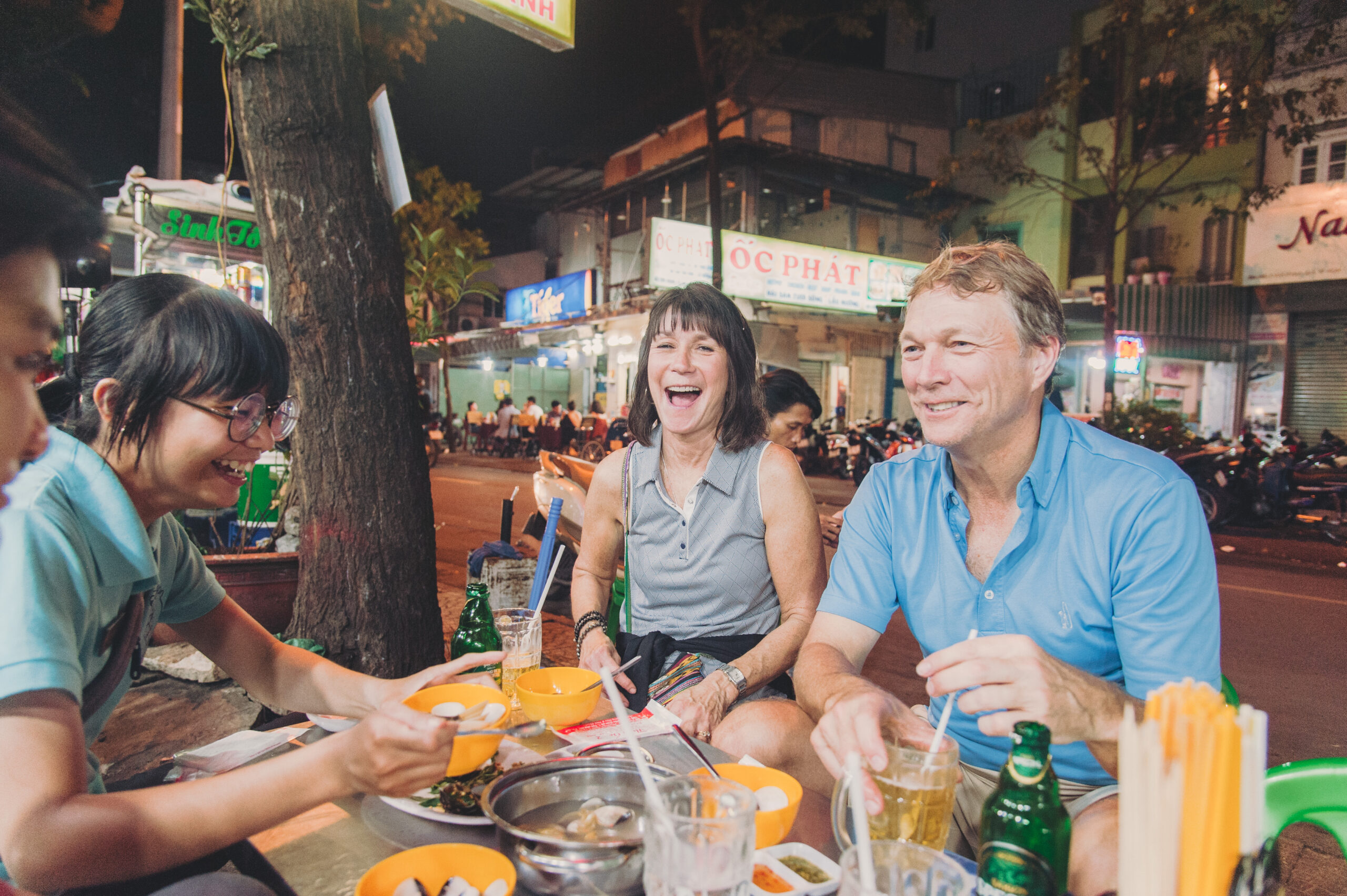
Ho Chi Minh Food Safari With 20 Tastings
Explore Ho Chi Minh City through its food on our Ho Chi Minh Food Safari, featuring 20 authentic street food...
 Bestseller
Saigon | Combo Street Food And Sightseeing Tour By Scooter
Food and Sight Motorbike (Special Combo) Experience the ultimate Saigon adventure! Over 4 thrilling hours, hop on the back of...