Vietnam has a way of surprising first-time visitors. One morning, you may be drinking strong coffee beside a centuries-old temple; that evening, you could be eating grilled seafood in a lantern-lit alley or watching fishing boats return beneath a tropical sunset.
The country stretches more than 1,600 kilometres from north to south, bringing together mountain landscapes, historic cities, tropical islands and river communities. With so much variety, deciding what to include in your first Vietnam itinerary can feel overwhelming.
The best approach is not to collect as many landmarks as possible. Instead, choose experiences that reveal the country’s food, history, scenery and everyday life. These ten unforgettable things to do in Vietnam offer an excellent starting point.
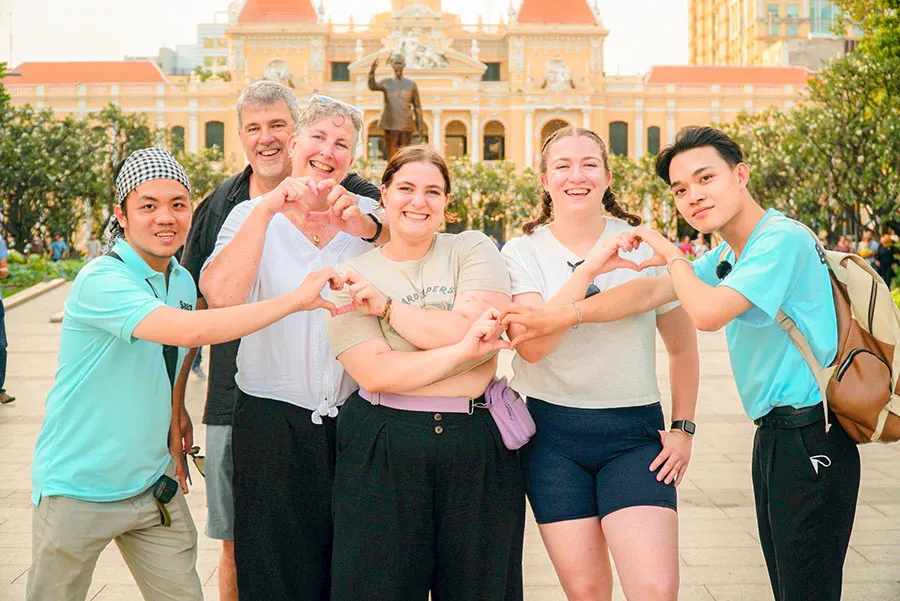
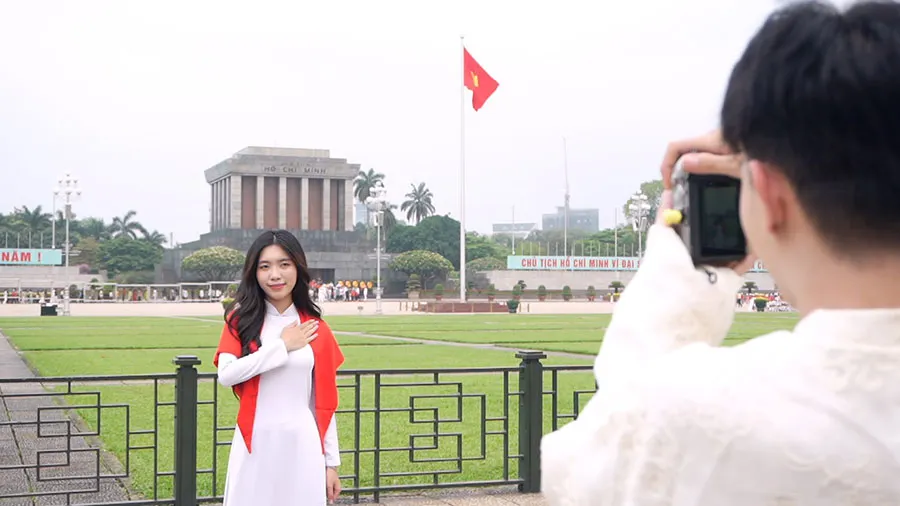
1. Explore the Old Quarter of Hanoi
Hanoi’s Old Quarter is one of the best places to begin a first trip to Vietnam. Its narrow streets are filled with family-run shops, street kitchens, colonial buildings, temples and cafés hidden behind weathered façades.
Walk around Hoan Kiem Lake early in the morning, when local residents practise tai chi and vendors prepare breakfast. From there, explore streets traditionally associated with different crafts, such as silver, bamboo, silk and traditional medicine.
The Old Quarter is also an ideal introduction to northern Vietnamese food. Try bun cha, pho bo, banh cuon or egg coffee rather than limiting yourself to restaurants around the main tourist streets.
Local Tip
Explore on foot, but keep a close eye on traffic when crossing the road. Move at a steady, predictable pace so approaching motorbike riders can pass around you safely.
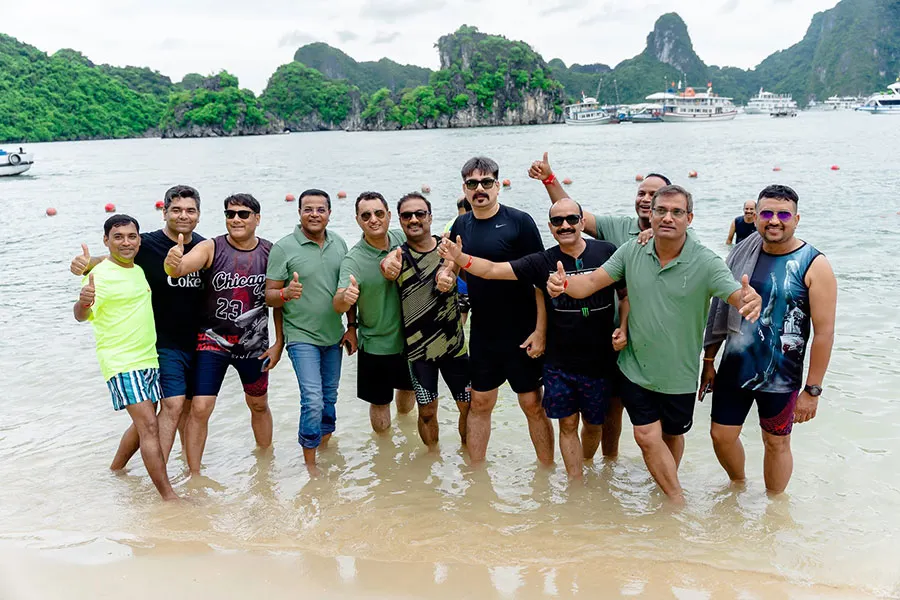
2. Cruise Between the Limestone Islands of Ha Long Bay
Ha Long Bay is one of Vietnam’s most recognisable natural landscapes. Thousands of limestone formations rise from the water, creating a dramatic seascape of caves, sheltered lagoons and forest-covered islands.
An overnight cruise gives you more time to appreciate the scenery after the day-trip boats have started returning to shore. Depending on the route, activities may include kayaking, cave visits, swimming or watching the sunrise from the upper deck.
Travellers seeking a quieter atmosphere can also consider Lan Ha Bay or Bai Tu Long Bay. These neighbouring areas share similar scenery and may feel less congested during busy travel periods.
Local Tip
Compare cruise routes, cabin types and included activities before booking. The cheapest option is not always the best value, particularly when accommodation, meals and transfers are involved.
3. Walk Through Hoi An Ancient Town
Hoi An combines graceful architecture with an easygoing riverside atmosphere. Its historic centre contains old merchant houses, Chinese assembly halls, temples and yellow-painted buildings shaped by centuries of international trade.
Visit in the morning for quieter streets and softer light. After sunset, lanterns illuminate the riverside, small boats move along the Thu Bon River and the town takes on a completely different personality.
Hoi An is more than a beautiful background for photographs. Cooking classes, countryside bicycle rides and traditional craft workshops create opportunities to learn about local life beyond the ancient streets.
Read this complete guide to Hoi An Ancient Town before planning your visit. Travellers interested in rural traditions can also combine a Hoi An basket boat and cooking class with their time in town.

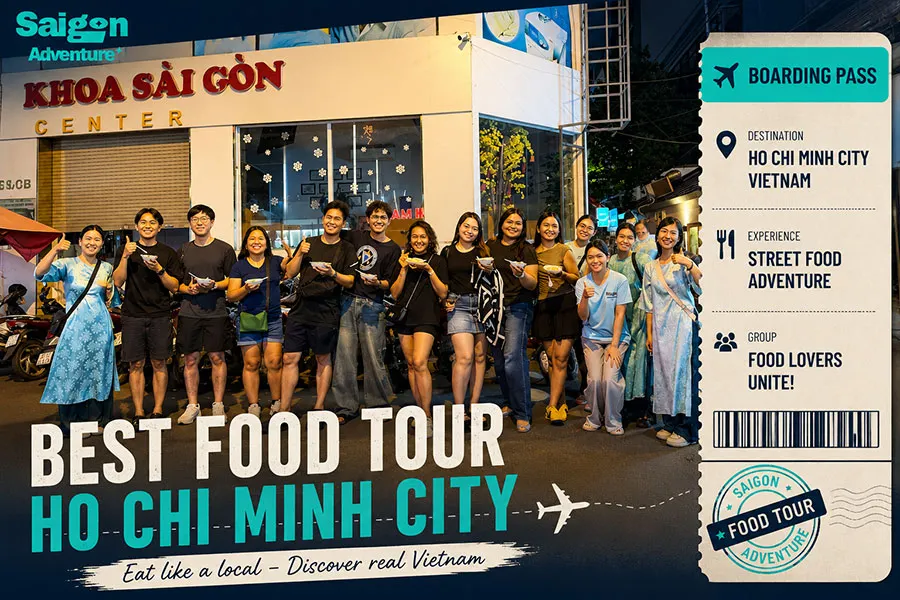
4. Taste Vietnam on a Street Food Tour
Food is one of the most rewarding ways to understand Vietnam. Recipes change between regions, and even familiar dishes can taste different depending on the herbs, sauces and cooking methods used by each local vendor.
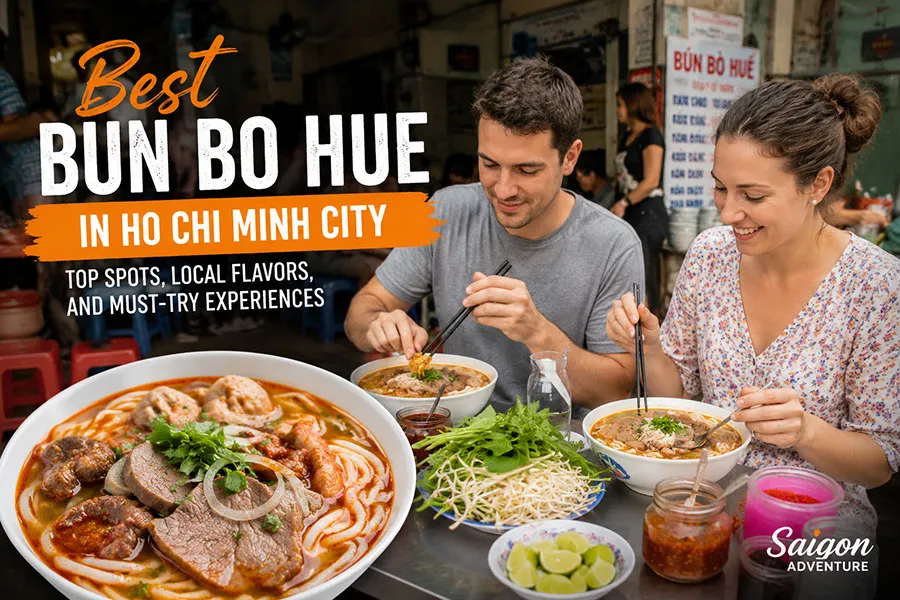
A good street food experience introduces more than pho and banh mi. In Hanoi, you may find bun cha and cha ca; Hoi An is known for cao lau and white rose dumplings; Ho Chi Minh City offers everything from broken rice to sizzling banh xeo and grilled seafood.
Joining a local guide is especially useful during the first few days of your trip. Guides can explain unfamiliar ingredients, show you how each dish is eaten and lead you to small businesses that international visitors might otherwise miss.
In southern Vietnam, the Saigon motorbike food tour combines local cuisine with the energy of the city after dark. For an itinerary focused almost entirely on authentic dishes, consider the Street Food Lover tour.

Local Tip
Choose stalls with a steady flow of local customers and food cooked fresh in front of you. If you have allergies or dietary restrictions, carry a translated note because ingredients such as fish sauce and shrimp paste are common.
5. Discover Ho Chi Minh City by Motorbike
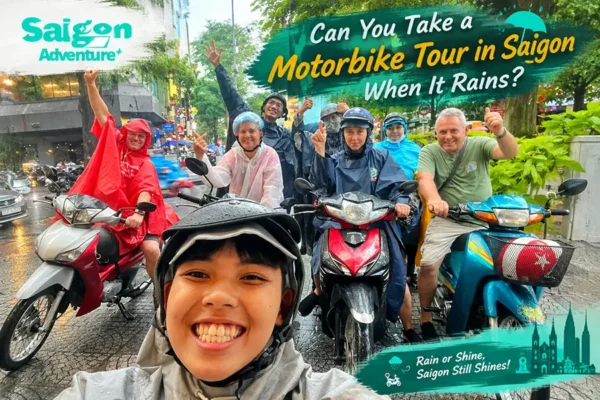
Ho Chi Minh City is fast, energetic and spread across many distinctive districts. Travelling by motorbike allows visitors to experience the city’s rhythm while reaching neighbourhoods that are difficult to explore on a large sightseeing bus.
Beyond famous landmarks such as the Central Post Office and Independence Palace, local routes may pass old apartment blocks, wet markets, hidden cafés, narrow alleys and residential communities. These everyday scenes often become the most memorable part of a Saigon visit.
First-time riders do not need to drive themselves. On a guided experience, each guest travels behind an experienced local rider, leaving them free to observe the streets and enjoy the journey.
The guide to motorbike tours in Ho Chi Minh City explains the main tour styles and what to expect. Visitors who prefer a shorter introduction can explore Saigon’s highlights through these ten things to see and do in Ho Chi Minh City.

6. Step Into History at the Cu Chi Tunnels
Approximately northwest of central Ho Chi Minh City, the Cu Chi Tunnels offer a powerful look at Vietnam’s wartime history. The underground network included shelters, meeting areas, kitchens, storage spaces and narrow passageways.
A visit helps travellers understand how people lived and operated in extremely difficult conditions. Historical demonstrations and preserved sections explain the tunnel system, while crawling through an enlarged visitor tunnel is usually optional.
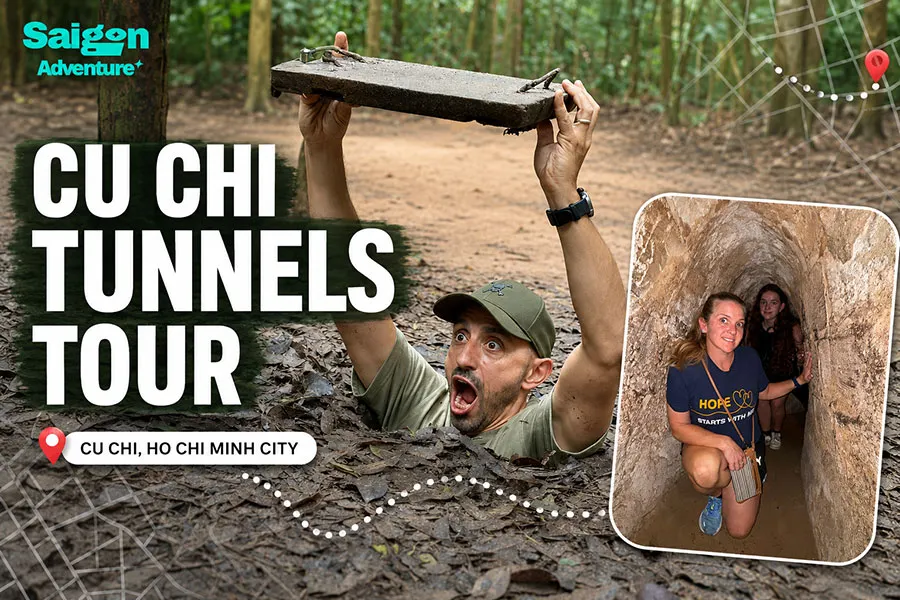
Allow at least half a day for the journey and visit. A knowledgeable guide makes the experience more meaningful by adding historical context rather than simply moving between exhibits.
If you are unsure which experience suits your schedule, this guide explains how to choose the best Cu Chi tour. Travellers with limited time can combine the tunnels and southern river life on a Cu Chi Tunnels and Mekong Delta tour.

7. Experience River Life in the Mekong Delta
The Mekong Delta provides a striking contrast to Vietnam’s large cities. Rivers and canals shape daily life here, connecting orchards, farms, family workshops, markets and small communities across the southern countryside.
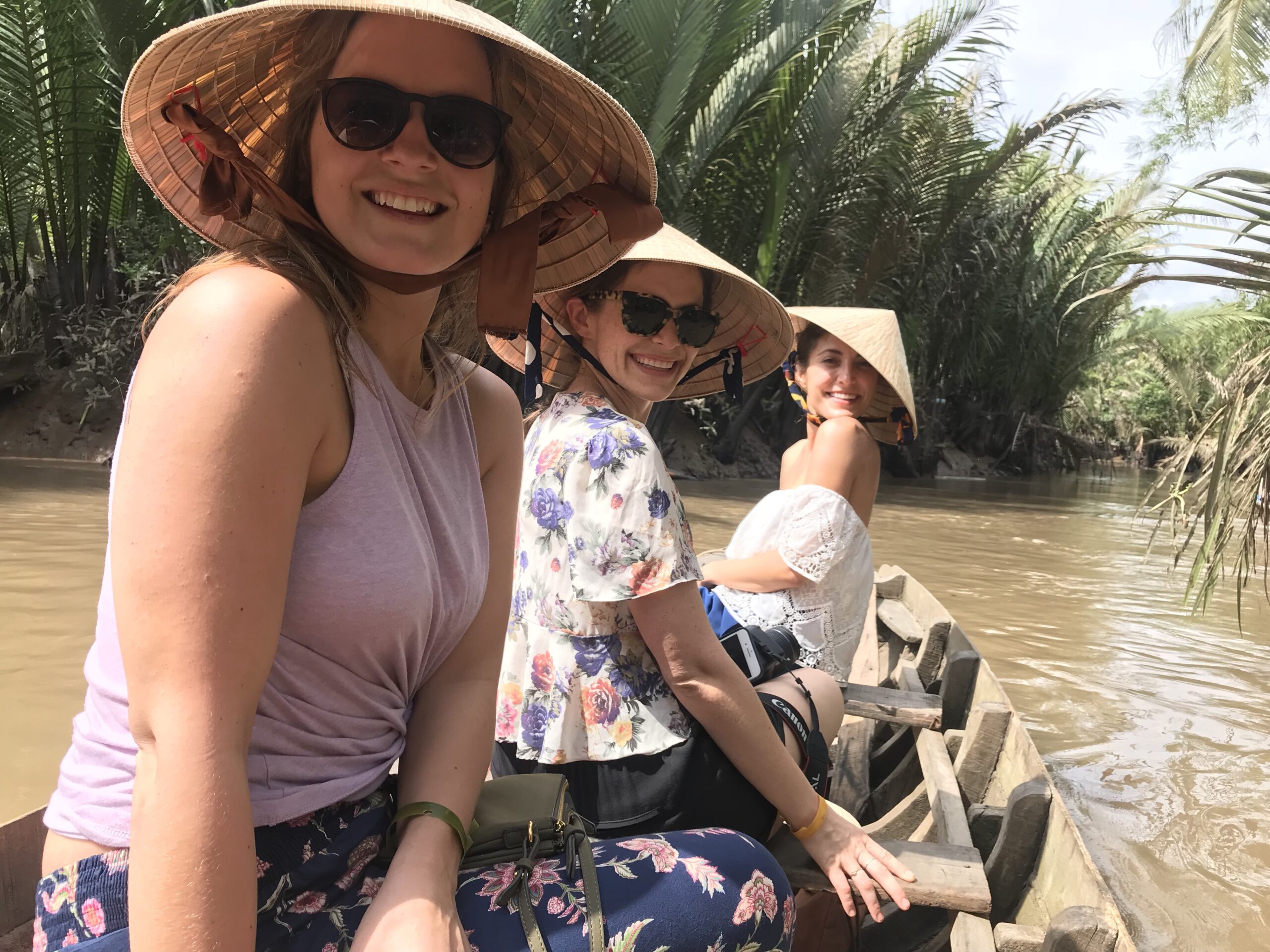
A day trip from Ho Chi Minh City can include a boat journey, a sampan ride through narrow canals, tropical fruit and visits to local producers. Longer itineraries may continue to Can Tho, where travellers can experience the region early in the morning and explore beyond the busiest day-trip routes.
Look for tours that spend meaningful time with local communities and keep group sizes manageable. A slower itinerary often provides a more authentic Mekong experience than one built around a long list of rushed stops.
The Mekong Delta guide for first-time visitors is a useful starting point. You can also browse different Mekong Delta tours before choosing between a day trip and a longer journey.

8. Relax on a Beautiful Vietnamese Beach
Vietnam’s coastline offers far more variety than many first-time visitors expect. Beach destinations range from lively coastal cities to quiet bays, surf-friendly shores and tropical islands surrounded by clear water.
Central Vietnam has popular beaches around Da Nang, Hoi An, Quy Nhon and Nha Trang. In the south, Phu Quoc is known for island excursions, snorkelling and sunset views, while Con Dao combines remote scenery with important historical sites.
Weather varies significantly by region, so there is no single perfect beach season for the entire country. Check local conditions before booking rather than relying on a general Vietnam weather forecast.
Explore this guide to Vietnam’s best beaches, or plan a tropical day on the water with a Phu Quoc four-island tour.

9. Travel Through Vietnam by Train
Train travel reveals landscapes that domestic flights pass over in minutes. Routes run through rice fields, towns, mountain passes and long stretches of coastline, offering a slower perspective on the country.
You do not need to complete the entire north-to-south journey. The section between Hue and Da Nang is particularly scenic, passing through the Hai Van Pass with views of forested hills and the sea.
Overnight sleeper trains can also save a hotel night, although comfort levels vary by carriage and service. Book a lower berth if climbing is difficult and keep valuables close, as you would on any long-distance journey.
Local Tip
Reserve popular routes early during Tet, national holidays and summer travel periods. Bring water, snacks, tissues and a light layer for air-conditioned carriages.
10. Slow Down and Connect With Local Life
Vietnam’s famous sights deserve attention, but meaningful moments often happen between them. Drinking iced coffee on a small pavement stool, visiting a neighbourhood market or talking with a local guide can reveal more than another hurried photo stop.
Leave some free time in your itinerary. A schedule with space for unexpected discoveries will usually feel richer than one that changes cities every day.
Be respectful when photographing people, dress appropriately at temples and learn a few Vietnamese phrases. A simple “xin chào” for hello or “cảm ơn” for thank you is often warmly received.
For travellers who want to see several regions without arranging every transfer separately, a Vietnam multi-day tour can connect major destinations with local experiences.

How Many Days Do First-Time Visitors Need in Vietnam?
Seven days is enough to explore one region or combine two nearby destinations. For example, you could visit Hanoi and Ha Long Bay in the north or combine Ho Chi Minh City with Cu Chi and the Mekong Delta in the south.
Ten to fourteen days provides a better first-time Vietnam itinerary. This allows you to experience the north, central region and south without spending every day in transit.
If you have less than a week, resist the temptation to cover the entire country. Choosing fewer destinations creates more time for food, neighbourhoods and local encounters—the experiences that often make visitors want to return.
Plan Your First Vietnam Adventure
The best things to do in Vietnam are not limited to a checklist of famous attractions. The country becomes most memorable when historic sites, regional food, natural landscapes and conversations with local people are part of the same journey.
Choose experiences that match your pace and interests, then leave enough room to enjoy them properly. If your journey includes Ho Chi Minh City and southern Vietnam, explore Saigon Adventure’s tours to discover the city, Cu Chi Tunnels and Mekong Delta with experienced local guides.

Frequently Asked Questions
What should a first-time visitor do in Vietnam?
A first-time visitor should combine cultural landmarks, regional food, local neighbourhoods and at least one natural destination. Hanoi, Hoi An, Ho Chi Minh City, Ha Long Bay and the Mekong Delta offer a balanced introduction.
Is seven days enough for Vietnam?
Seven days is enough if you focus on one region or a small number of connected destinations. Trying to visit Hanoi, central Vietnam and Ho Chi Minh City within one week may feel rushed.
What is the best month to visit Vietnam?
Vietnam’s weather varies from north to south, so there is no perfect month for every destination. March and April often provide favourable conditions across several regions, but travellers should check the seasonal weather for each stop.
Is Vietnam easy to travel around for English-speaking visitors?
Vietnam is generally accessible for English-speaking travellers, especially in major cities and tourist destinations. Translation apps and guided experiences are helpful in rural areas or when discussing dietary needs.
Should I visit northern or southern Vietnam first?
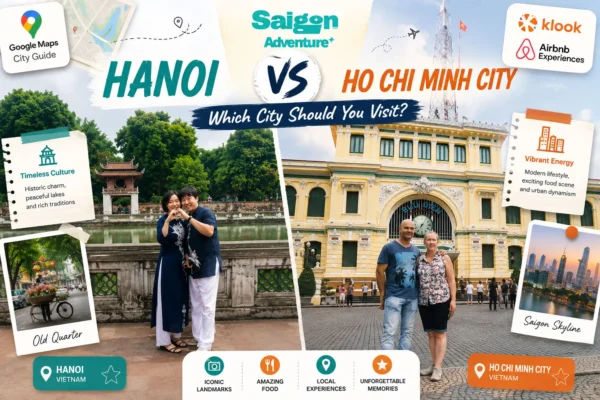
Choose northern Vietnam for mountain scenery, Hanoi’s historic character and Ha Long Bay. Choose southern Vietnam for Ho Chi Minh City, tropical weather, street food, Cu Chi Tunnels and the Mekong Delta.
How much cash should I carry in Vietnam?
Cards are accepted by many hotels and larger businesses, but cash remains useful at markets, small restaurants and local shops. Carry smaller Vietnamese dong notes and keep most of your money securely stored.
Are guided tours worth it in Vietnam?
Guided tours are worthwhile when historical context, local access or complicated transportation is involved. They are particularly useful for street food experiences, the Cu Chi Tunnels, the Mekong Delta and short visits with limited time.