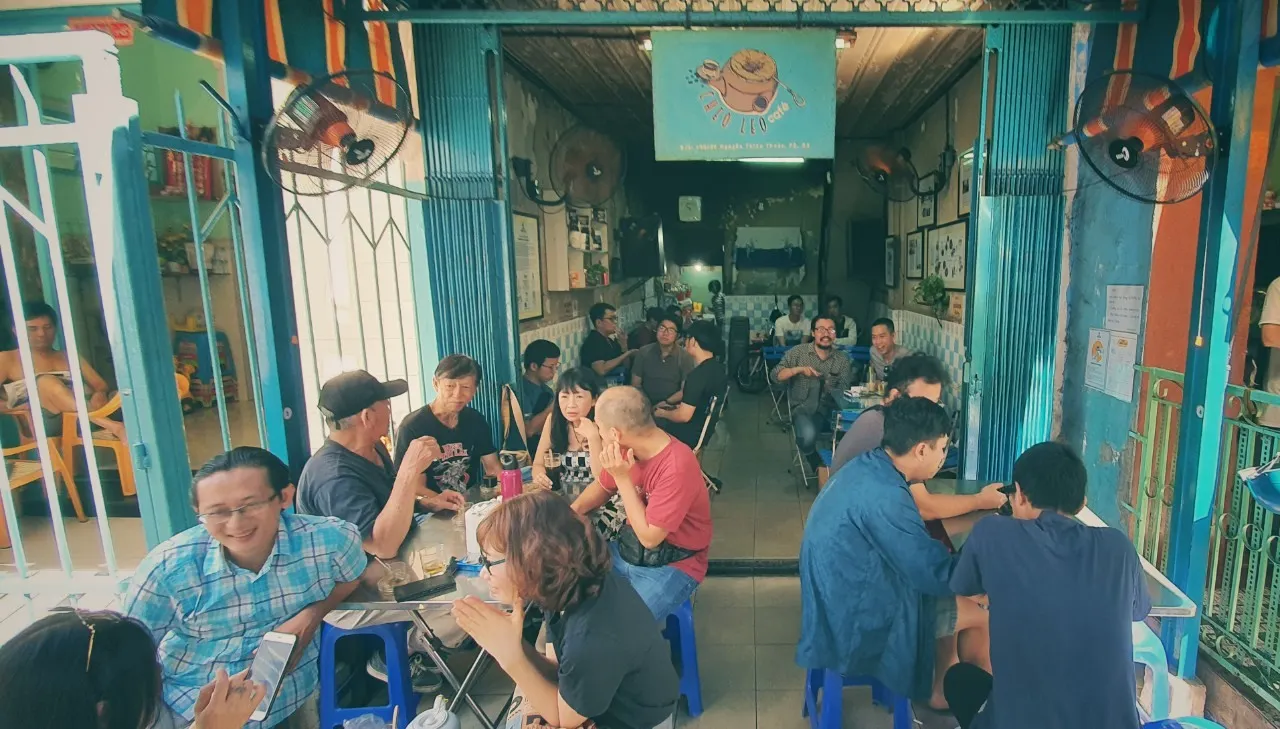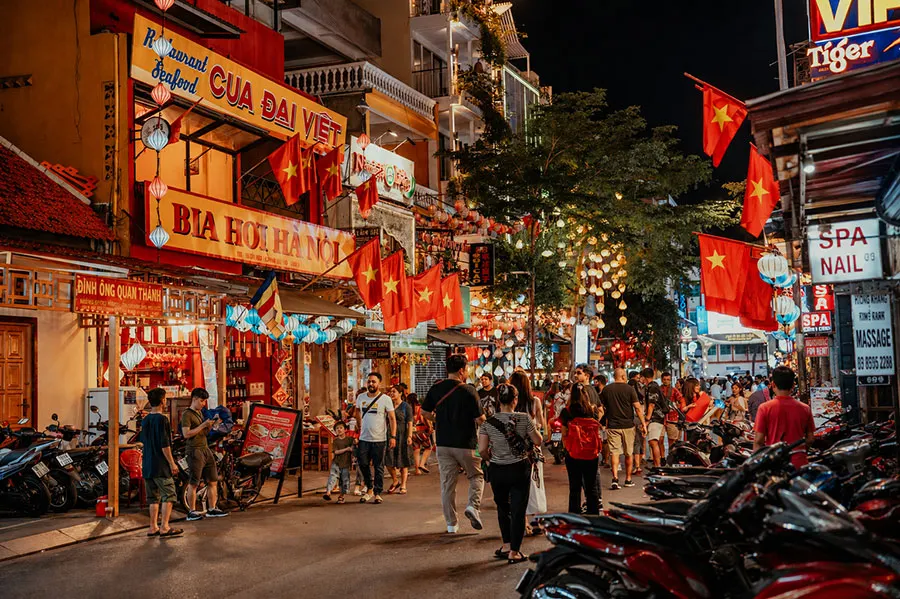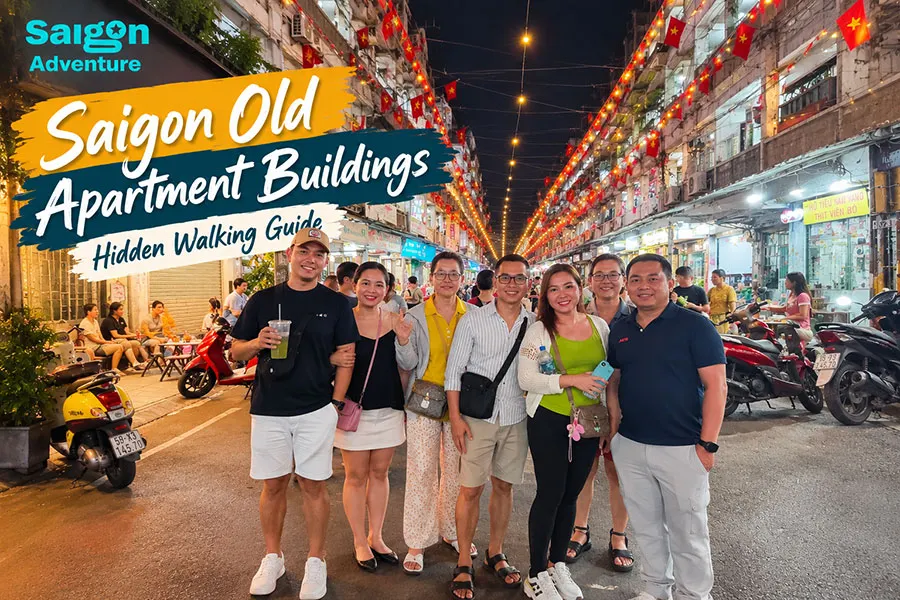
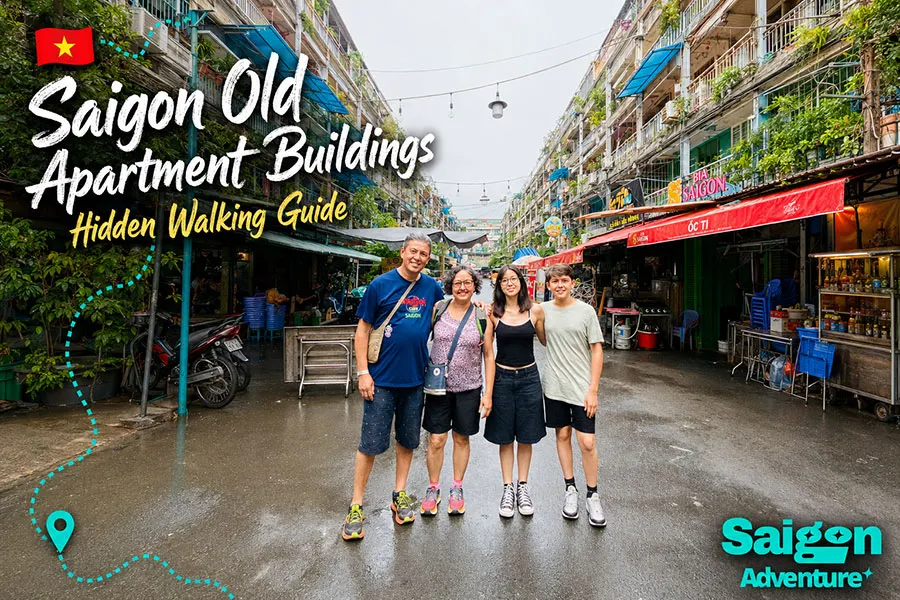
Modern Ho Chi Minh City rises quickly, but some of its most memorable stories are still hidden behind faded staircases, narrow corridors and weathered balconies. Exploring Saigon old apartment buildings gives travelers a closer look at family homes, tiny businesses, independent cafés, local fashion shops and traces of several generations sharing the same urban space.
This self-guided route focuses on central District 1, where several well-known old apartment blocks can be combined on foot. Allow roughly three hours if you want time to climb stairs, stop for a drink and observe the architecture without rushing.
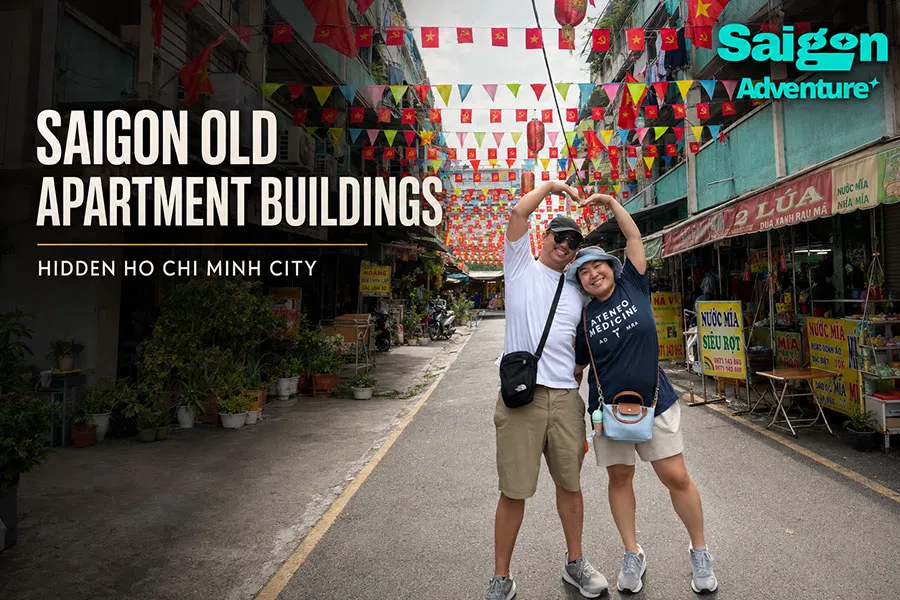
Why Are Saigon’s Old Apartment Buildings Worth Visiting?
Old apartment buildings are not museums. Their corridors often mix private homes with cafés, studios, boutiques and everyday domestic life, creating an atmosphere very different from a shopping mall or restored heritage attraction.
Local reporting has documented this mix at addresses including 14 Ton That Dam, 42 Ton That Thiep and 42 Nguyen Hue, where commercial spaces developed alongside long-term residents.
For travelers, the appeal is in the details: hand-painted numbers, tiled floors, old railings, potted plants, laundry, scooters tucked into courtyards and signs pointing to businesses upstairs.
A Self-Guided Walking Route Through Old Saigon Apartments
Stop 1: 42 Nguyen Hue – The Most Famous Apartment Building
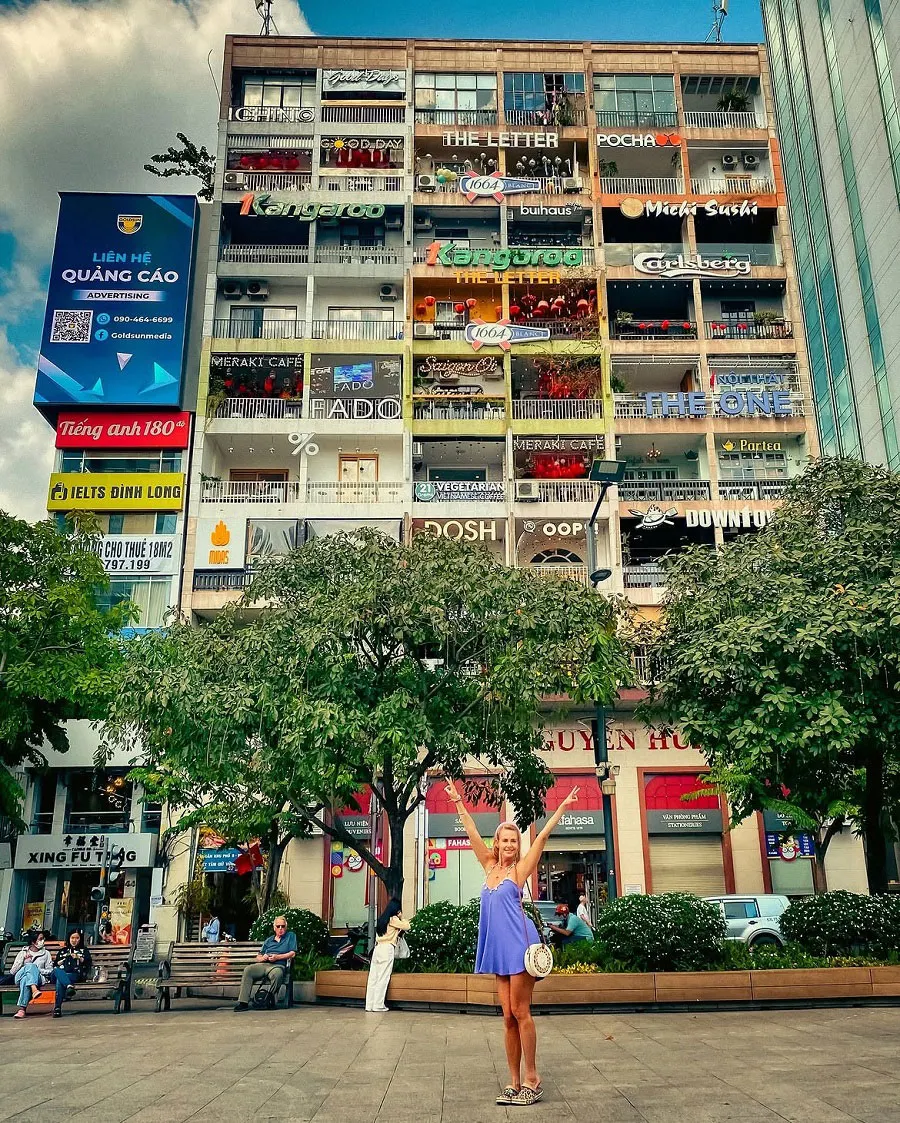
Start at 42 Nguyen Hue, facing Nguyen Hue Walking Street. The building is easy to recognize because its balconies are filled with signs, lights and independent businesses stacked above the pedestrian boulevard.
Today, it is widely associated with cafés, small shops and creative spaces. Its strongest visual feature is the contrast between an aging residential block and the modern towers around it. A 2026 local travel guide continues to describe the building as a multi-level collection of small businesses rather than one single café.
Walk slowly through accessible common areas and look back toward Nguyen Hue from the upper levels. Not every doorway is a business, so treat closed or private-looking spaces as residential.
Local Tip: Visit on a weekday morning or mid-afternoon for a calmer atmosphere. Evenings are livelier, but corridors can feel busier.
Stop 2: 14 Ton That Dam – Rougher, Quieter and More Atmospheric
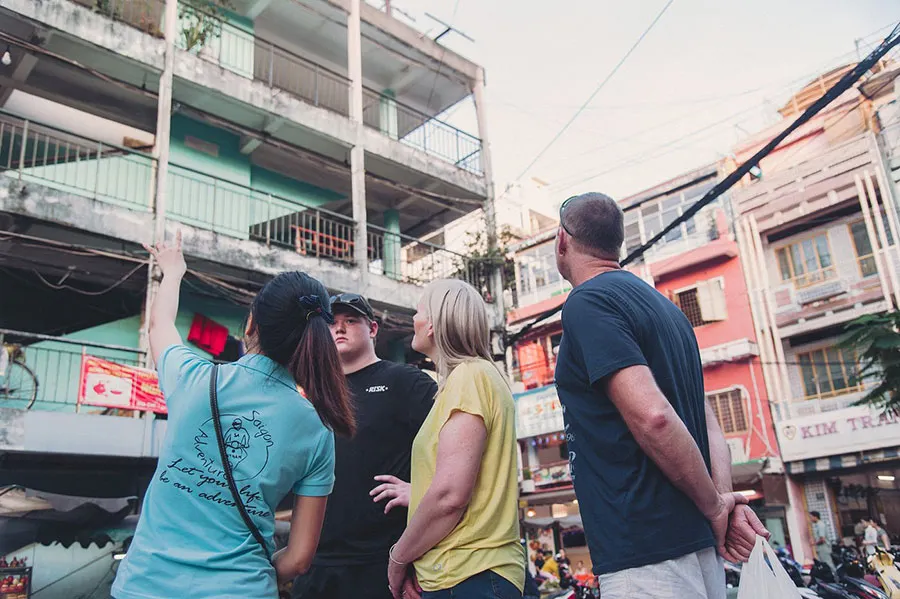
Continue toward Ton That Dam Street. Number 14 has long been known for a more weathered, maze-like character, with old staircases, narrow passages, courtyards and a mixture of businesses and homes.
Compared with 42 Nguyen Hue, this block feels less polished and less obvious from the street. That is part of its charm for travelers who enjoy texture and detail rather than one postcard view.
Businesses inside old apartment buildings change frequently, so do not plan the whole visit around one café unless you have checked it recently. The apartment itself remains a recognized hidden-space stop in recent 2026 guides, but individual tenants should always be treated as changeable.
Stop 3: 42 Ton That Thiep – A More Local Shopping Mood
Another worthwhile stop is 42 Ton That Thiep. This old apartment building has been associated with small fashion shops, local brands and youthful retail spaces rather than the café-heavy identity of Nguyen Hue.
From outside, it can look like an ordinary older block; inside, staircases and corridors lead to independent shops that are easy to miss at street level. Recent 2026 coverage still describes it as a hub for local clothing and niche retail brands.
It is a good example of younger Saigon businesses reusing older urban spaces instead of operating only inside conventional malls.
Stop 4: 26 Ly Tu Trong – Old Architecture Meets Contemporary Style
Finish at 26 Ly Tu Trong, another central building where upper floors have hosted boutiques, vintage stores, cafés and other small businesses. Current 2026 travel information still describes it as an old apartment-style shopping address, although individual tenants can change.
Notice the transition from the busy street entrance to quieter upper levels. The contrast between worn architectural details and carefully designed modern shops is a recurring theme throughout this walk.
If you still have energy afterward, continue toward Dong Khoi or the Opera House area. For a broader introduction to the city on foot, Saigon Adventure’s walking tours can add historical and local context beyond the apartment blocks.
Best Time to Explore Old Apartment Buildings in Ho Chi Minh City
Morning and late afternoon are generally the most comfortable periods. Around 9:00–11:00 a.m. works well for photography and coffee stops, while 3:30–5:30 p.m. gives you softer light and a livelier street atmosphere.
Avoid very early morning because many upstairs businesses may not yet be open. Rainy afternoons can be atmospheric, but old stairs and tiled surfaces may become slippery.
Allow two hours for a quick walk and around three to four hours if you want café breaks, shopping and photography.
How Much Does This Saigon Apartment Walk Cost?
Walking between the buildings is free, and there is usually no general admission charge simply to approach public-facing commercial areas. Your main expenses are optional drinks, snacks, shopping and occasional building-specific services such as elevator use.
A budget traveler can simply walk, photograph appropriate public areas and buy one drink. Carry some Vietnamese dong because small businesses may not always accept international cards.
Is It Better to Explore Independently or With a Guide?
Exploring independently is best for travelers who enjoy photography, cafés and wandering at their own pace. The drawback is that entrances can be confusing, businesses change, and it is easy to see the buildings without understanding much about the neighborhoods around them.
A guided walk is more useful if you want local stories and help distinguishing public commercial areas from private residential space. Travelers who want to cover a wider area may prefer a Ho Chi Minh City motorbike tour, which can connect central sights with residential neighborhoods, markets and smaller streets.

Practical Etiquette and Safety Tips
These buildings may look like attractions online, but many are still mixed-use spaces. Respect matters more here than at a conventional tourist site.
- Enter only areas that appear open to visitors or customers.
- Do not photograph residents at close range without permission.
- Keep voices low in residential corridors.
- Never block staircases, doors or household entrances for photos.
- Watch your footing on steep or worn stairs.
- Avoid leaning over old railings for a better camera angle.
- If a sign says private, restricted or closed, turn back.
The buildings are best approached with curiosity rather than as photo sets. A few minutes observing daily routines can reveal more about hidden Saigon than staging pictures in front of someone’s home.
Who Will Enjoy This Experience Most?
This route suits repeat visitors, architecture lovers, photographers, café explorers, solo travelers and anyone interested in everyday urban culture. It is also a good alternative for travelers who have already seen the city’s major landmarks.
It may be less suitable for travelers with limited mobility because older buildings can involve stairs, uneven surfaces and narrow passages. Families with young children should take extra care around stairwells and balconies.
For more unconventional ideas beyond the classic sightseeing circuit, see Saigon Adventure’s guide to unusual experiences in Ho Chi Minh City.
See Saigon Beyond the Main Streets
Saigon’s old apartments reveal a city that is constantly adapting without completely erasing its past. One floor may hold a family home, the next a fashion studio, and another a café looking over a modern skyline.
Walk slowly, support a small local business if it genuinely interests you, and treat residential spaces with respect. If you want to continue discovering the city at street level, explore Saigon Adventure’s walking tours or compare Ho Chi Minh City tours for different travel styles.
Frequently Asked Questions
What are the best old apartment buildings to visit in Saigon?
For a central walking route, 42 Nguyen Hue, 14 Ton That Dam, 42 Ton That Thiep and 26 Ly Tu Trong are useful starting points. Their atmosphere differs, ranging from café-focused spaces to fashion boutiques and more weathered residential architecture.
Is 42 Nguyen Hue Apartment free to visit?
There is generally no standard entrance ticket simply to enter public-facing commercial areas, although individual businesses charge for food, drinks or services. Access arrangements can change, so follow signs and instructions on site.
How long should I spend exploring Saigon’s old apartments?
Plan around three hours for a relaxed central walk with one or two stops. Two hours is enough for a quick look, while four hours works better if you enjoy cafés, photography and independent shopping.
Are Saigon’s old apartment buildings safe for tourists?
They can be explored safely with normal urban precautions, but older stairs, railings and floors may be uneven or slippery. Stay in clearly accessible areas, watch your footing and do not enter private residential spaces.
What is the best time for photography?
Morning and late afternoon usually provide more comfortable temperatures and softer natural light. Weekdays are preferable if you want fewer people in narrow stairways and corridors.
Can I visit these apartment buildings without a guide?
Yes. The central buildings in this guide can be explored independently if you are comfortable navigating on foot. A guide is more valuable if you want local history, neighborhood context and a deeper understanding of how these spaces evolved.