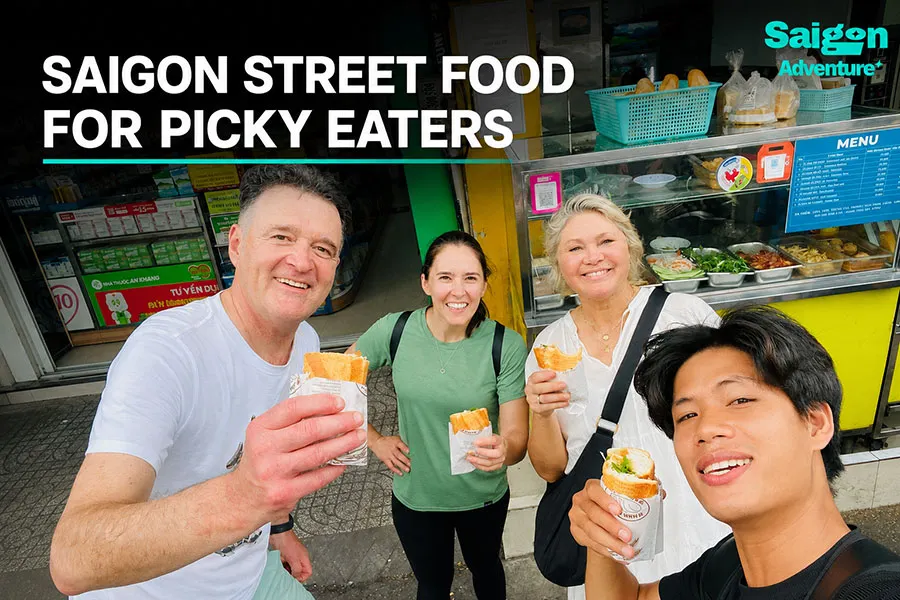
The sizzling pans, unfamiliar ingredients and tiny street-side tables of Ho Chi Minh City can feel exciting—and slightly intimidating—when you are careful about what you eat. Fortunately, Saigon street food for picky eaters is far more varied and approachable than many first-time visitors expect.
You do not need to begin with snails, organ meat or intensely fermented flavours. Familiar ingredients such as grilled chicken, pork, rice, noodles, eggs and fresh bread make it easy to explore Vietnamese cuisine gradually while still enjoying an authentic local experience.
Is Saigon Street Food Suitable for Picky Eaters?
Yes, Saigon street food is suitable for picky eaters because many dishes use simple ingredients and allow some degree of customization. Rice with grilled meat, chicken noodle soup, fresh spring rolls and Vietnamese sandwiches are particularly accessible choices for travellers who prefer mild or recognizable food.
The key is to begin with dishes you understand rather than ordering the most adventurous item immediately. Once you become comfortable with Vietnamese herbs, sauces and textures, you can try something less familiar without turning every meal into a challenge.
Visitors who want a broader introduction can first browse this guide to the best street food in Ho Chi Minh City and identify dishes that match their preferences.
10 Easy Vietnamese Dishes for First-Time Visitors
1. Banh Mi: The Most Familiar Starting Point
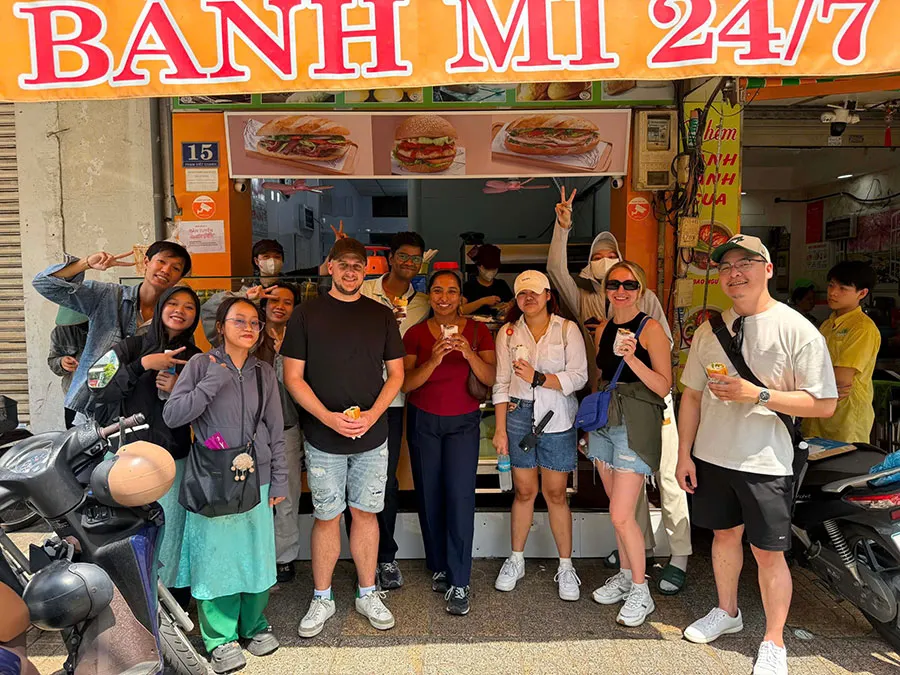
Banh mi is often the easiest introduction to Saigon street food. The crisp baguette and familiar fillings resemble a sandwich, while pickled vegetables, coriander and Vietnamese seasoning give it a distinctive local character.
Picky eaters can choose grilled pork, chicken, fried egg or a simple combination of egg and cheese where available. Ask the vendor to leave out pâté, chilli, coriander or pickled vegetables if you do not enjoy them.
A basic banh mi commonly costs about 25,000–60,000 VND, depending on the filling and location. Pointing at the ingredients you want is perfectly acceptable at a small street stall.
2. Com Tam Suon Nuong: Grilled Pork with Broken Rice
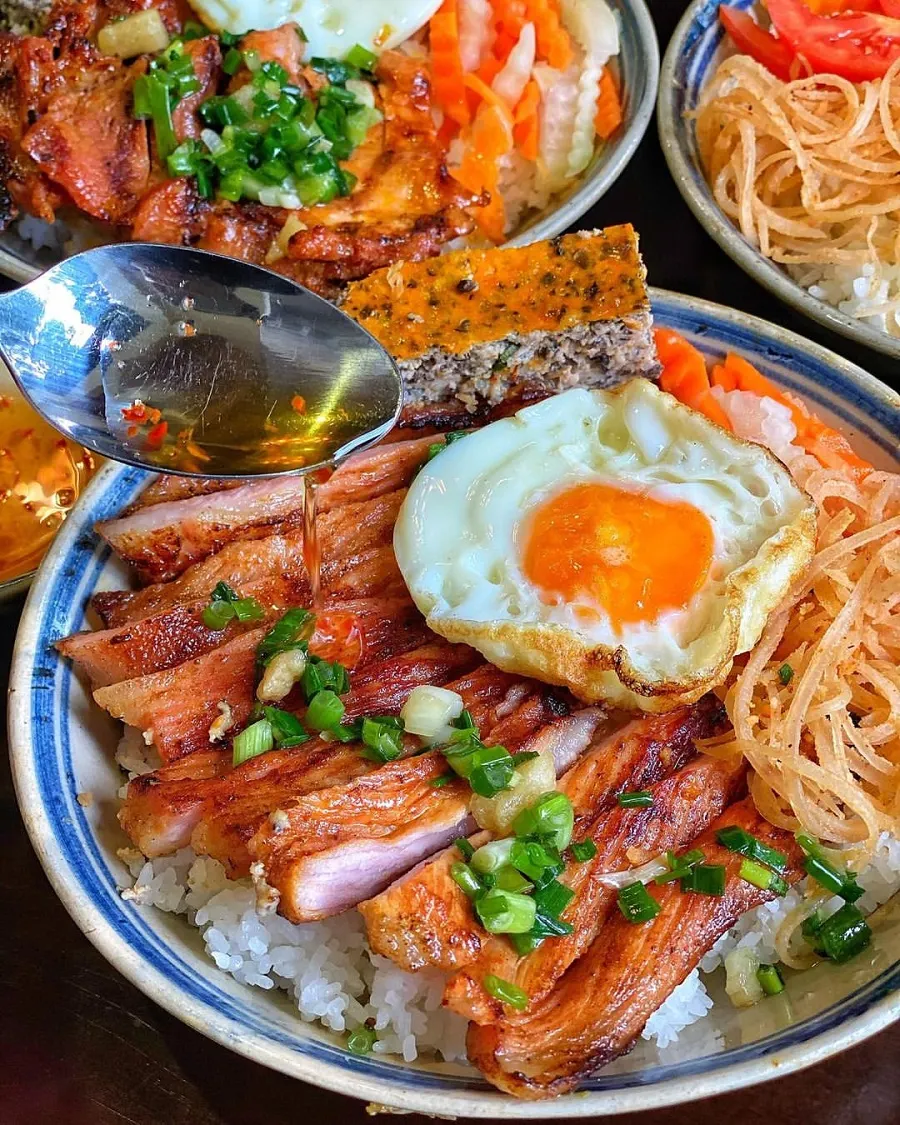
Com tam combines broken rice with a sweet-savoury grilled pork chop and is one of the safest choices for travellers who enjoy barbecue. The meat is usually served with cucumber, tomato, pickled vegetables and fish sauce on the side.
The flavour is recognizable but still unmistakably Vietnamese. If you want a simpler plate, order “cơm tấm sườn” and skip the shredded pork skin, steamed egg cake or fried egg.
Local Tip: Pour a small amount of fish sauce onto the rice instead of emptying the entire bowl. You can always add more after tasting it.
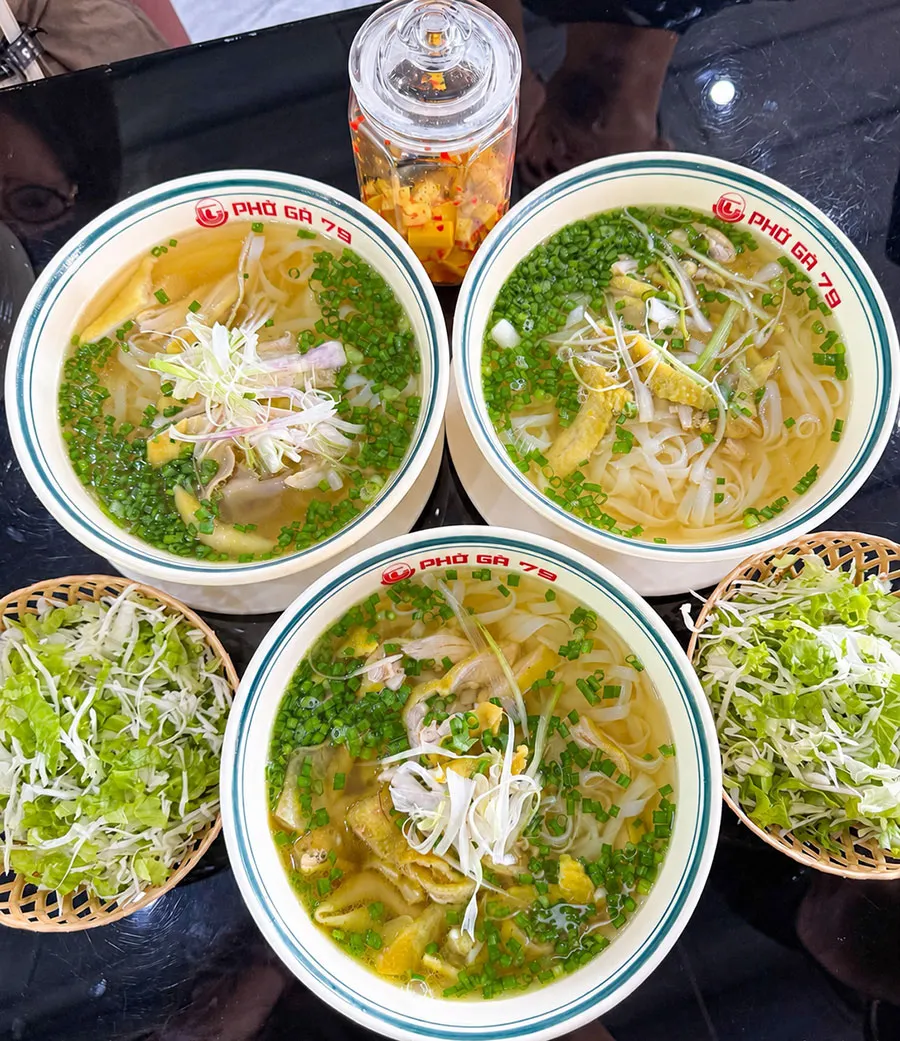
3. Pho Ga: A Gentler Alternative to Beef Pho
Pho ga is made with flat rice noodles, sliced chicken and an aromatic broth. It is generally lighter than beef pho and can be a comfortable option for visitors who dislike heavy meat flavours.
Fresh herbs, lime, chilli and sauces are normally served separately, allowing you to control the taste. Try the broth first, then add only the garnishes you genuinely enjoy.
Pho and other noodle dishes often cost approximately 40,000–100,000 VND, with central tourist areas generally charging more. Choose a busy stall where bowls are prepared continuously and served steaming hot.
4. Goi Cuon: Fresh Spring Rolls with Visible Ingredients
Fresh spring rolls are useful for cautious eaters because the translucent rice paper lets you see what is inside. Common versions contain rice vermicelli, lettuce, herbs, pork and shrimp, although fillings vary between vendors.
The texture is soft and fresh rather than crispy. If shrimp is not appealing, look for chicken, grilled pork, tofu or vegetable versions.
The peanut or hoisin-based dipping sauce may contain ingredients relevant to people with allergies. Do not assume that a dish is safe simply because its components appear easy to identify.

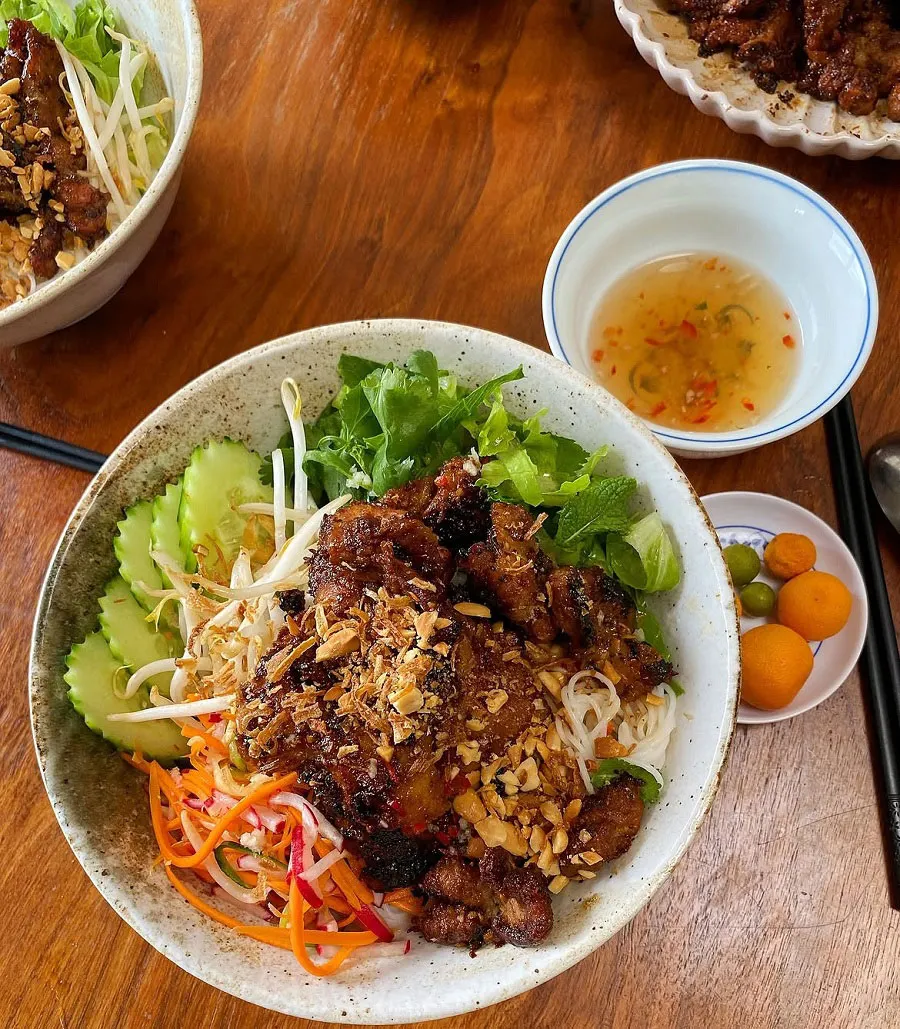
5. Bun Thit Nuong: Noodles with Grilled Pork
Bun thit nuong is a bowl of rice vermicelli topped with grilled pork, lettuce, cucumber, herbs and often crushed peanuts. It works well for picky eaters because the ingredients are layered rather than mixed into a soup.
You can taste each component separately before adding the dressing. Ask for the sauce and chilli on the side if you want greater control over sweetness, acidity and heat.
This dish offers more freshness and texture than com tam, while com tam feels closer to a conventional plate of meat and rice. Travellers who dislike raw herbs may prefer com tam.
6. Ga Nuong: Vietnamese Grilled Chicken
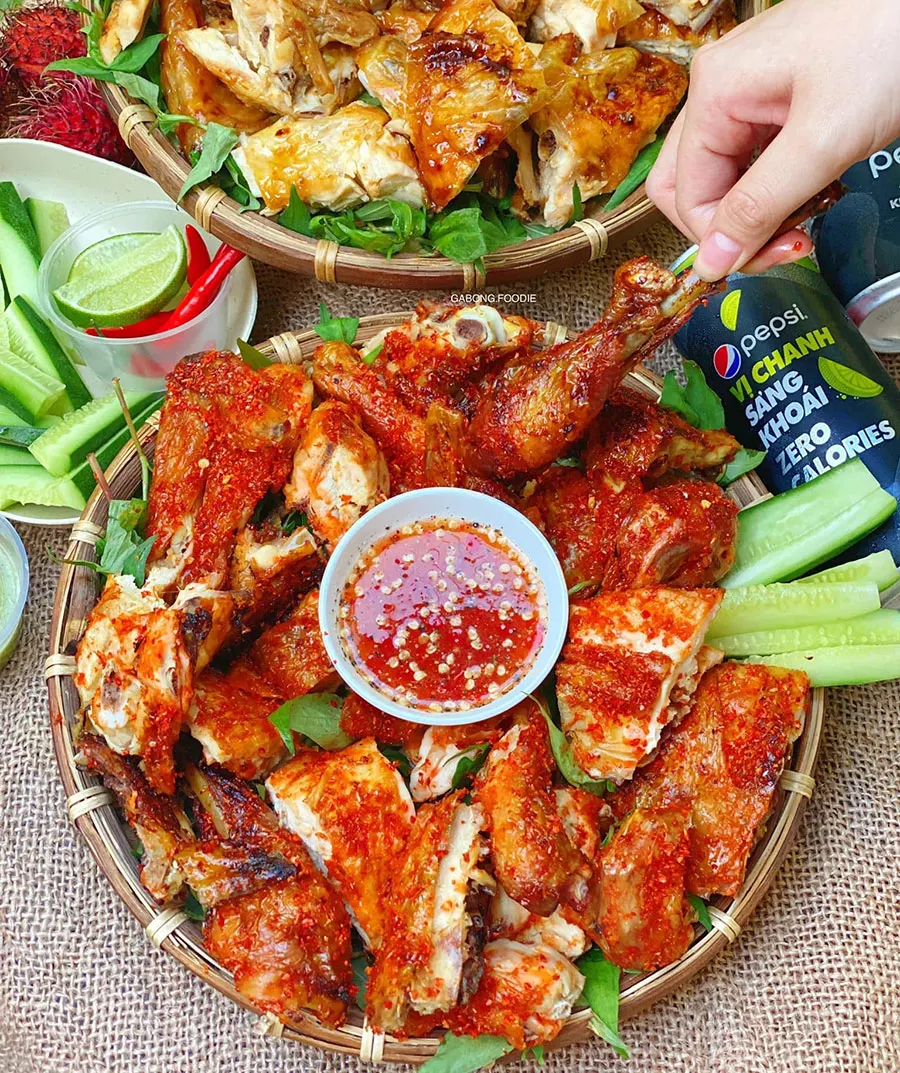
Grilled chicken is a reassuring choice when menus feel overwhelming. Vietnamese marinades may include garlic, lemongrass, honey, fish sauce or soy-based seasoning, but the central flavour remains familiar.
Check whether the portion is bone-in before ordering, as many local preparations chop chicken through the bone. Visitors who strongly prefer boneless meat should ask the guide or vendor before choosing.
Grilled chicken pairs well with rice, bread or sticky rice. It is also easy to share, making it a low-risk order when travelling with friends.
7. Banh Xeo: A Crisp Vietnamese Pancake
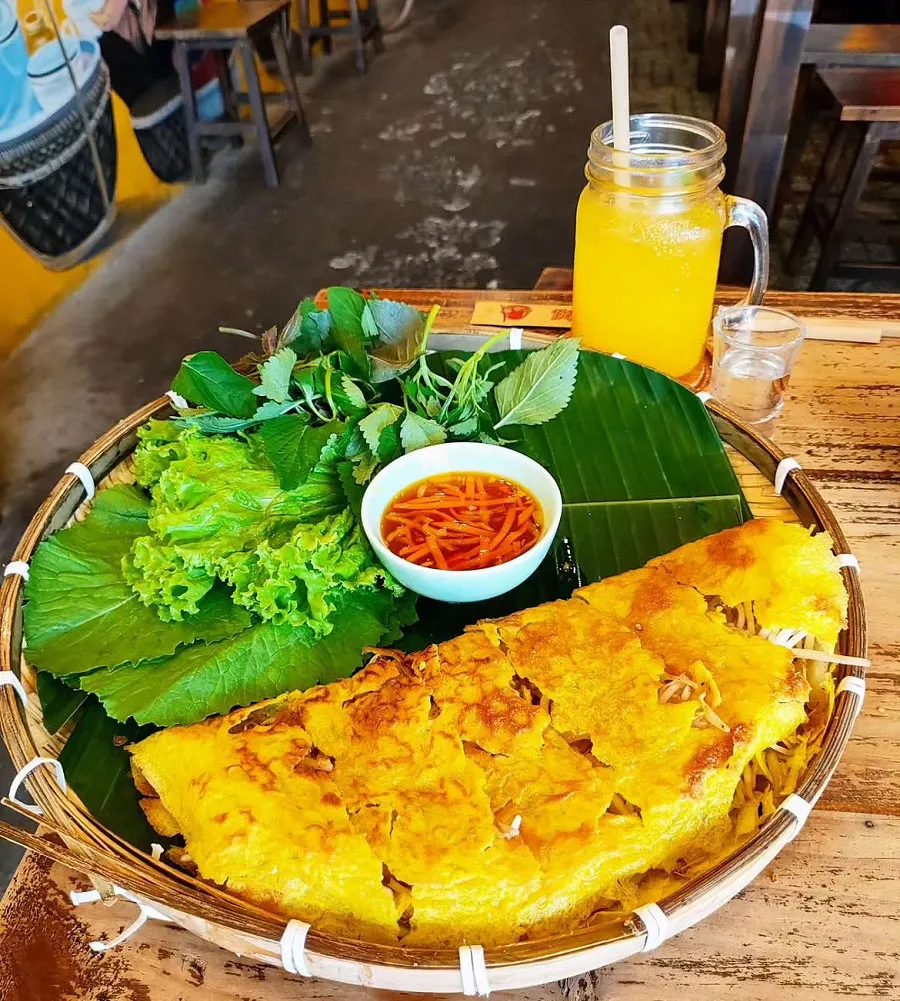
Banh xeo is a thin, crispy pancake traditionally filled with bean sprouts, pork and shrimp. Its golden colour comes from turmeric rather than egg, despite its omelette-like appearance.
Locals usually tear off pieces, wrap them in lettuce and herbs, then dip them in fish sauce. Picky eaters can begin with the crisp pancake and filling before experimenting with the full bundle.
The main disadvantage is that shrimp and pork may already be cooked inside, so customization can be harder during busy periods. Confirm the filling before the pancake reaches the pan.
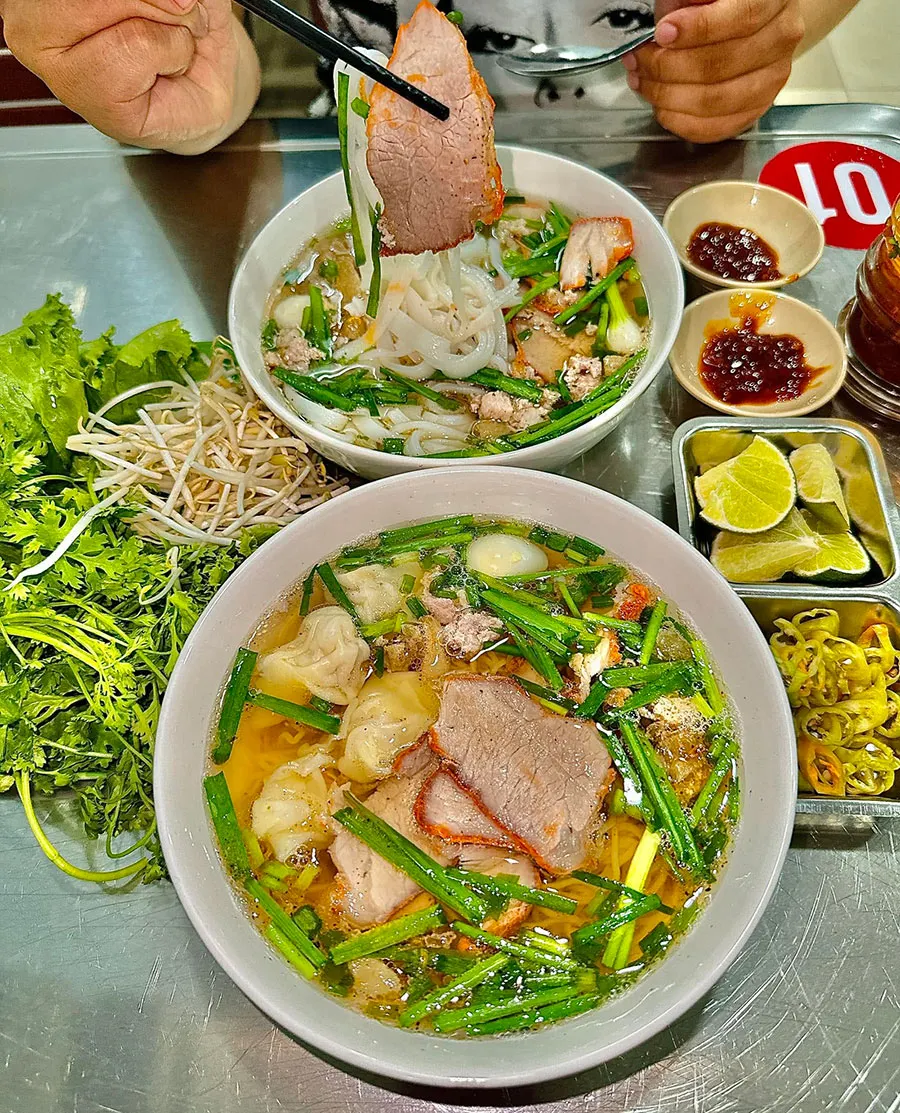
8. Hoanh Thanh: Familiar Dumplings in a Light Broth
Hoanh thanh consists of wontons served in broth or with noodles. The dumplings commonly contain seasoned pork or shrimp and may feel familiar to visitors who have eaten Cantonese-style wonton soup.
This is an especially approachable choice in Cho Lon, Saigon’s historic Chinese-Vietnamese quarter. Order the soup version for a gentle meal or the dry version if you prefer sauce and firmer noodles.
Ask what is inside the dumplings if you avoid shellfish. The wrapper makes the filling less visible, so this dish requires more confirmation than fresh spring rolls.
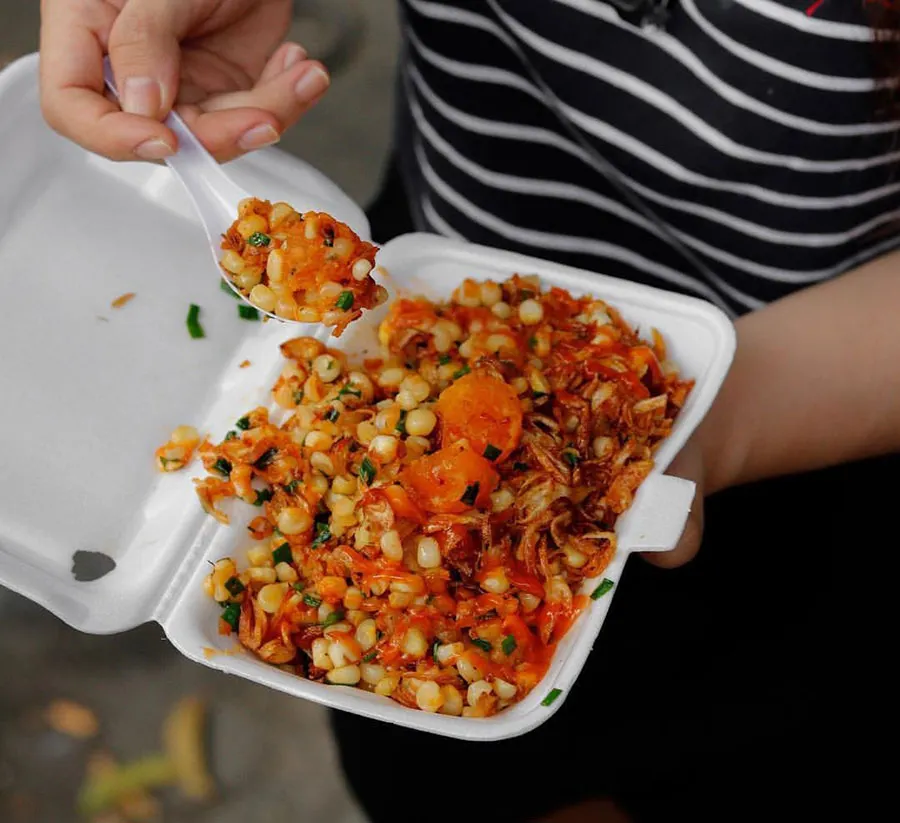
9. Bap Xao: Stir-Fried Corn for a Small Snack
Bap xao is sweet corn stir-fried with butter or margarine, spring onion and seasonings. Some versions include dried shrimp, chilli sauce or tiny shrimp, so request a plain preparation if necessary.
It is inexpensive, comforting and easy to share. The combination of sweet corn and savoury seasoning also makes it a manageable bridge between familiar snacks and local street-food flavours.
Look for a vendor cooking each portion in a hot pan rather than buying a container that has been sitting out. Fresh preparation improves both taste and texture.
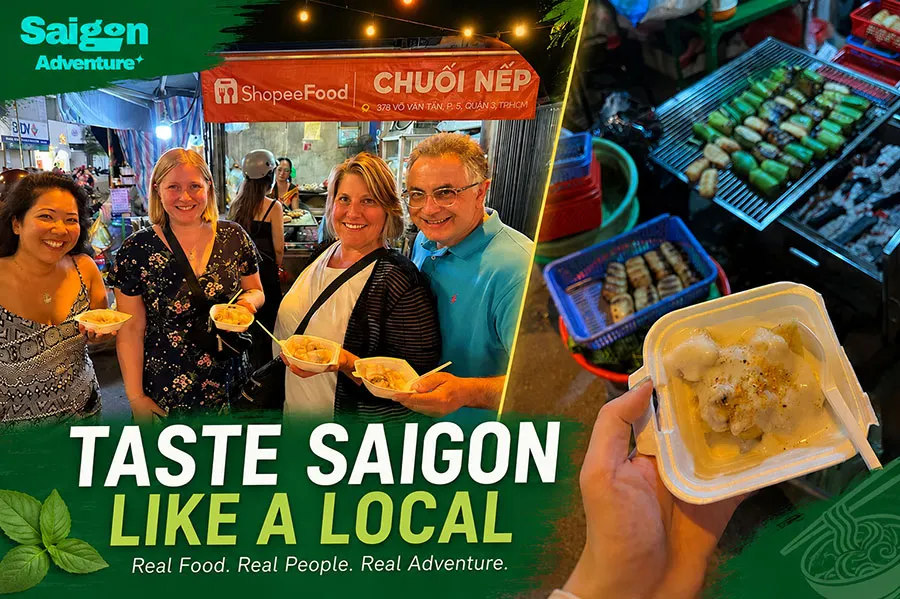
10. Chuoi Nep Nuong: Grilled Banana with Sticky Rice
For dessert, chuoi nep nuong offers a gentle introduction to Vietnamese sweets. A banana is wrapped in sticky rice, grilled, sliced and usually served with coconut sauce.
The dessert is warm, softly sweet and more substantial than it first appears. Peanuts or sesame may be added on top, so anyone with an allergy should confirm the garnish before ordering.
Unlike strongly flavoured tropical desserts, grilled banana relies on ingredients most international visitors already recognize. It is a pleasant way to finish an evening of tasting without taking another major culinary risk.
How to Order Vietnamese Food When You Are Picky
Keep requests short and specific. Asking for one or two changes is more effective than trying to redesign an entire dish while a vendor is serving a busy line.
Useful Vietnamese phrases include:
- “Không cay” – Not spicy
- “Không rau thơm” – No fresh herbs
- “Không hành” – No spring onion
- “Không đậu phộng” – No peanuts
- “Nước chấm để riêng” – Dipping sauce on the side
- “Tôi không ăn nội tạng” – I do not eat organ meat
Use translation apps or show a written allergy card when the restriction is medically important. The phrase “I do not like” does not communicate the same urgency as “I am allergic.”
Where Should Picky Eaters Try Street Food in Saigon?
Small family-run restaurants can be easier than fast-moving pavement stalls because menus, tables and ordering procedures are often clearer. Food courts and established local eateries also give you more time to inspect dishes before deciding.
Walking around central neighbourhoods provides flexibility, especially when you want to compare menus. A guided Saigon walking tour can also help first-time visitors understand local streets and food culture at a manageable pace.
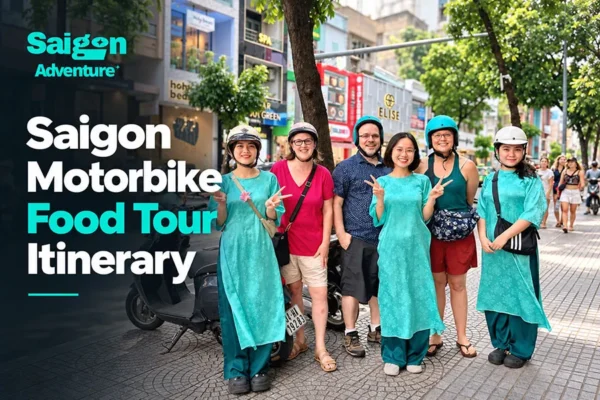
Districts beyond the central tourist zone offer wider regional variety, but language barriers may be more noticeable. A guided motorbike food tour in Ho Chi Minh City is useful when you want access to local areas without having to identify every ingredient alone.
How Much Should Picky Eaters Budget for Street Food?
Most everyday street-food dishes in Ho Chi Minh City cost roughly 25,000–100,000 VND. Simple snacks and sandwiches are usually at the lower end, while larger noodle bowls, generous meat portions and food in tourist-heavy areas may cost more.
Picky eaters should avoid ordering too many full dishes at once. Sharing portions or stopping at several vendors lets you taste more food while wasting less if a texture or seasoning does not suit you.
Carry small Vietnamese banknotes and check displayed prices when possible. Seafood, snails and items sold by weight require extra care because their prices vary more than rice, noodles and bread.
Street-Food Safety and Dietary Restrictions
Choose busy vendors with steady turnover, clean preparation surfaces and ingredients protected from traffic and insects. Food cooked thoroughly and served hot is generally a more sensible choice than an item that has been waiting at room temperature.
Fish sauce, shrimp paste, dried shrimp, peanuts and pork may appear in sauces or garnishes even when they are not obvious. Vegetarian labels can also be interpreted differently, so visitors with serious allergies or religious restrictions need clear confirmation.
A preference can sometimes be managed by removing a garnish. A severe allergy requires more caution because small kitchens may use shared pans, grills, utensils and frying oil.
Should Picky Eaters Join a Saigon Food Tour?
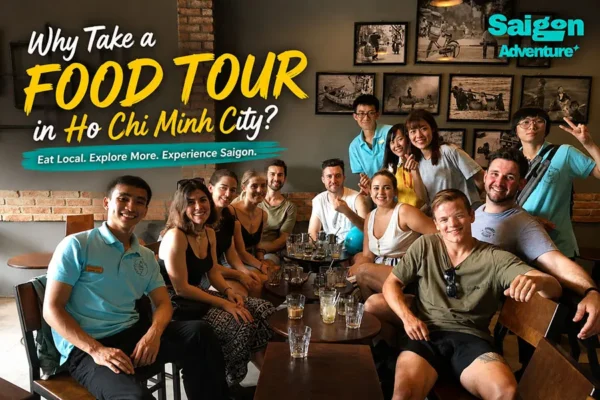
A food tour can be worthwhile for cautious eaters because a local guide can explain ingredients, communicate preferences and recommend gradual alternatives. It also removes much of the uncertainty around finding reputable vendors in unfamiliar neighbourhoods.
However, tell the operator about dietary needs before booking—not after the tour begins. A good guide can often adjust dishes for mild preferences, but allergies, vegan diets and strict religious requirements may require advance planning.
The Saigon Street Food Lover tour is a practical option for travellers who would feel more comfortable exploring with local assistance. Be specific about what you cannot eat and what you simply prefer to avoid.
Foods Picky Eaters May Want to Approach Gradually
There is nothing wrong with postponing a dish until you feel ready. Balut, organ meat, fermented shrimp paste, blood-based preparations, strong fish flavours and chewy shellfish can be challenging for travellers who are sensitive to aroma or texture.
Do not judge a dish negatively simply because it falls outside your comfort zone. Start with a small shared portion, ask what it contains and treat tasting as an invitation rather than an obligation.
A Comfortable First Street-Food Plan
Begin with banh mi or fresh spring rolls in the late afternoon. Continue with com tam, pho ga or bun thit nuong as your main dish, then finish with grilled banana or another simple dessert.
This progression moves from familiar flavours toward a more complete local meal without overwhelming the palate. It also leaves room to add one adventurous bite if something catches your attention.
Saigon’s food culture is not a test of bravery. Whether you taste ten dishes or discover one meal you love, the best experience is one that leaves you curious enough to continue exploring. If ordering still feels difficult, join a trusted local guide and let your first comfortable bites open the door to the city’s deeper flavours.
Frequently Asked Questions
What Vietnamese food is best for picky eaters?
Banh mi, com tam with grilled pork, pho ga, fresh spring rolls and bun thit nuong are among the easiest choices. They use recognizable ingredients and can often be served with chilli, herbs or sauces on the side.
Is all Saigon street food spicy?
No. Many Saigon dishes are naturally mild, with fresh chilli or chilli sauce provided separately. Ask for “không cay” and taste sauces before adding them to your meal.
Can I order Vietnamese food without fish sauce?
Sometimes, especially when fish sauce is served as a separate dip. However, it may already be present in marinades, broths or fillings, so strict avoidance requires confirmation before ordering.
What should I avoid if I do not eat organ meat?
Avoid assuming that every mixed meat dish contains only familiar cuts. Ask about pâté, offal, mixed pork fillings and sausages, and use the phrase “Tôi không ăn nội tạng.”
Can street-food vendors accommodate food allergies?
Some vendors can omit visible ingredients, but cross-contact is possible in compact kitchens with shared equipment. Travellers with severe allergies should carry a translated allergy card and choose establishments capable of confirming ingredients clearly.
How much does Saigon street food cost?
Common dishes generally cost about 25,000–100,000 VND, although location, portion size and ingredients affect the final price. Seafood, specialty dishes and sit-down restaurants can cost considerably more.
Are Saigon food tours suitable for picky eaters?
They can be, provided you explain your preferences before booking. Guides can recommend milder dishes, translate requests and explain unfamiliar ingredients, but not every stop can accommodate severe allergies or highly restrictive diets.