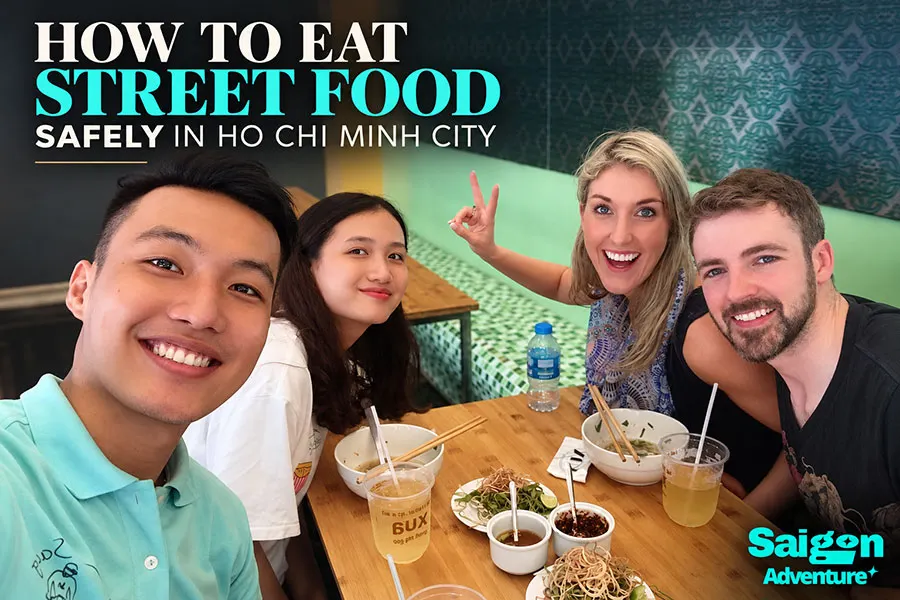
Few experiences reveal Ho Chi Minh City faster than eating beside a busy alley while a cook works over a sizzling pan. The practical question for many visitors is how to eat street food safely in Ho Chi Minh City without avoiding the experience altogether.
Choose busy stalls with high turnover, favor food cooked thoroughly and served hot, watch basic hygiene, be cautious with raw items and drinks, and clean your hands before eating. No street-food choice is risk-free, but these habits can reduce unnecessary exposure.
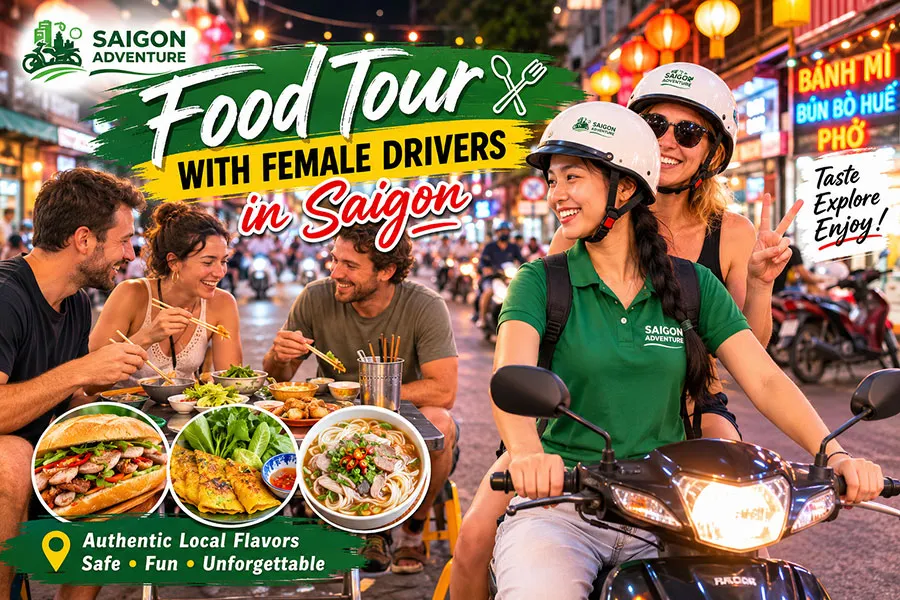
If you prefer local guidance on your first night, a Saigon street food tour can help you learn what to order.
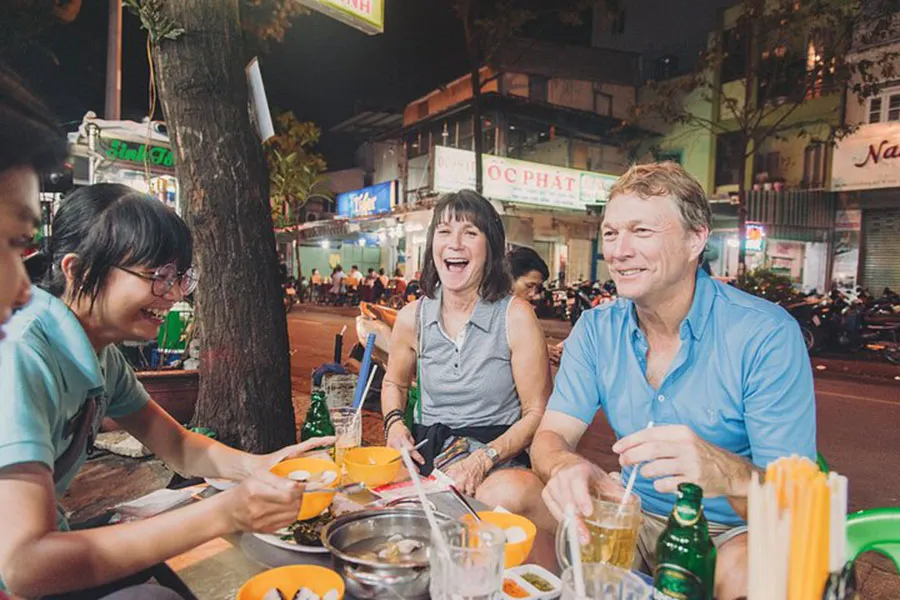
Is street food safe in Ho Chi Minh City?
Street food is part of daily life in Saigon, from morning noodle soups to evening grills, bánh xèo, cơm tấm and seafood. Many vendors specialize in one or two dishes and prepare them continuously.
Standards still vary from stall to stall. CDC travel guidance says contaminated food and water can cause illness and that fully cooked food served hot is generally among the safer choices for travelers.
Do not search for a mythical “100% safe” stall. Look instead for sensible signs of good handling and skip places where food storage, cleanliness or preparation makes you uncomfortable.
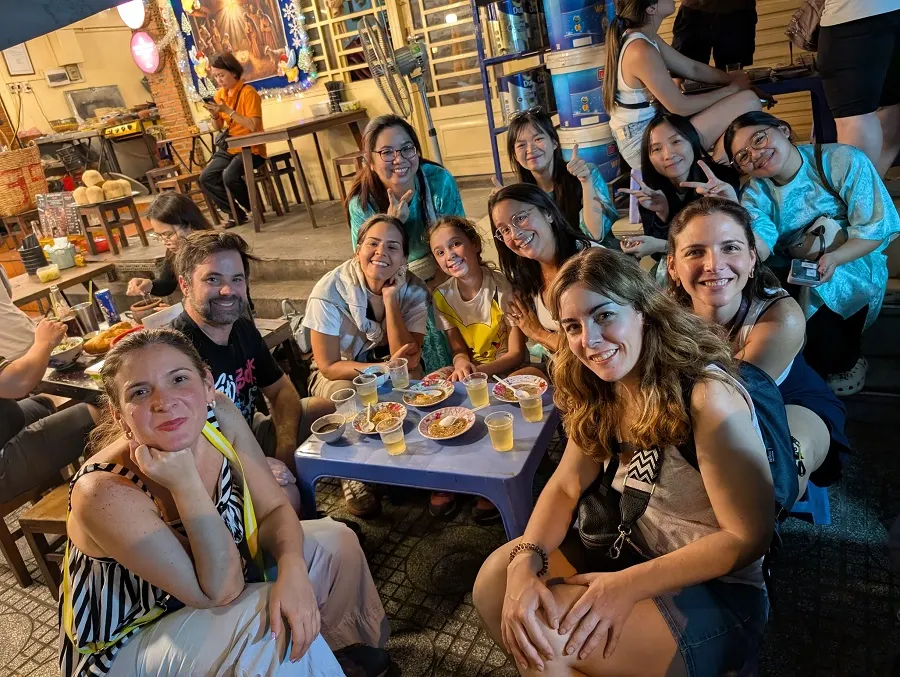
How to choose a safer street food stall
Look for high turnover
A busy stall can be a good sign because ingredients are moving quickly instead of sitting for long periods. Watch for a minute: are portions being cooked repeatedly and served straight away?
A queue alone proves nothing. What matters is whether food moves steadily from preparation to cooking to the customer.
Local Tip: Visit during the main meal period. An active vendor is easier to assess than one with trays of prepared food sitting through a quiet afternoon.
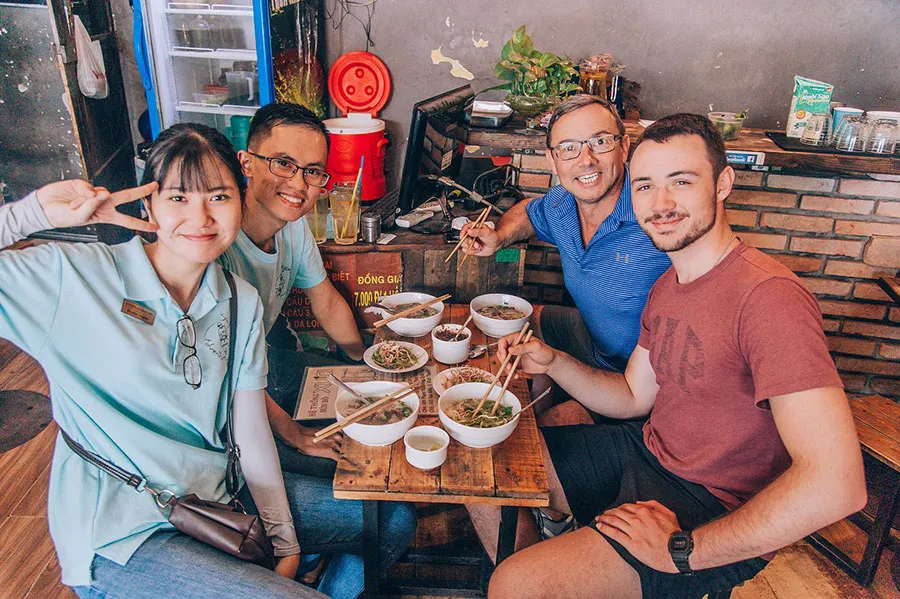
Watch raw and cooked food
Raw meat or seafood should not be touching cooked food, garnishes or serving utensils. WHO’s Five Keys to Safer Food include separating raw and cooked food, cooking thoroughly, keeping food at safe temperatures and using safe water and ingredients.
Walk away if you see obvious cross-contamination, dirty serving tools or cooked food placed back onto surfaces used for raw ingredients.
Choose food cooked thoroughly and served hot
Freshly cooked food is one of the easiest things for travelers to judge. Noodle soup should arrive hot, grilled meat should come directly from the heat, and fried dishes are better when cooked to order rather than taken from a lukewarm pile.
Be more cautious with raw or undercooked meat, eggs, fish and shellfish. CDC guidance specifically advises travelers to avoid these foods when hygiene conditions are uncertain.
Temperature and freshness are useful decision-making tools when you cannot see every stage of preparation.

Avoid food that has been sitting out too long
Holding time matters, especially in a warm tropical city. A tray of cooked meat, seafood or rice that appears to have been sitting at room temperature for hours is a weaker choice than something cooked fresh.
WHO advises keeping cooked food at safe temperatures because microorganisms can multiply quickly when food remains in the temperature “danger zone.”
If something looks dried out, uncovered for a long time or only barely warm, choose another vendor.
What about ice, drinks, herbs and raw vegetables?
Choose sealed drinks when unsure
Factory-sealed bottled water and packaged drinks give travelers more control. Check that the seal is intact.
CDC recommends avoiding ice unless you are reasonably confident it was made with safe water. If you are unsure, ordering a drink without ice is an easy precaution.
Be more cautious with raw produce
Vietnamese meals often include lettuce, bean sprouts and aromatic herbs. They add freshness, but raw produce receives no final heat treatment.
WHO advice for travelers recommends avoiding raw vegetables when hygienic conditions are doubtful. Travelers with sensitive stomachs can start with cooked garnishes and add more raw herbs once they feel comfortable.
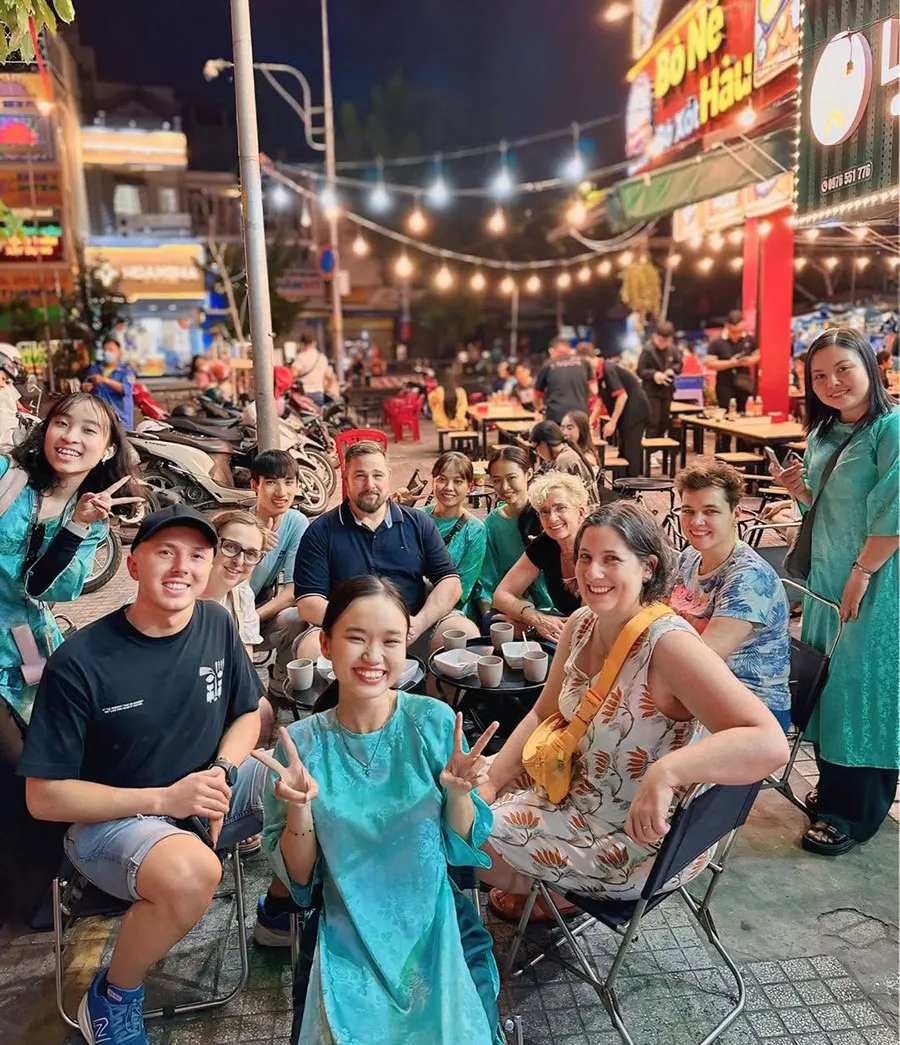
How to eat seafood and snails more safely
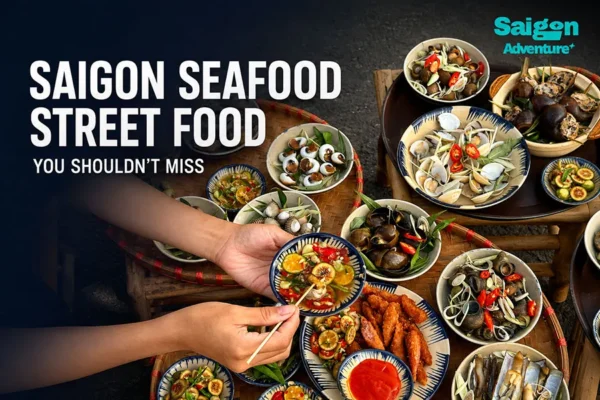
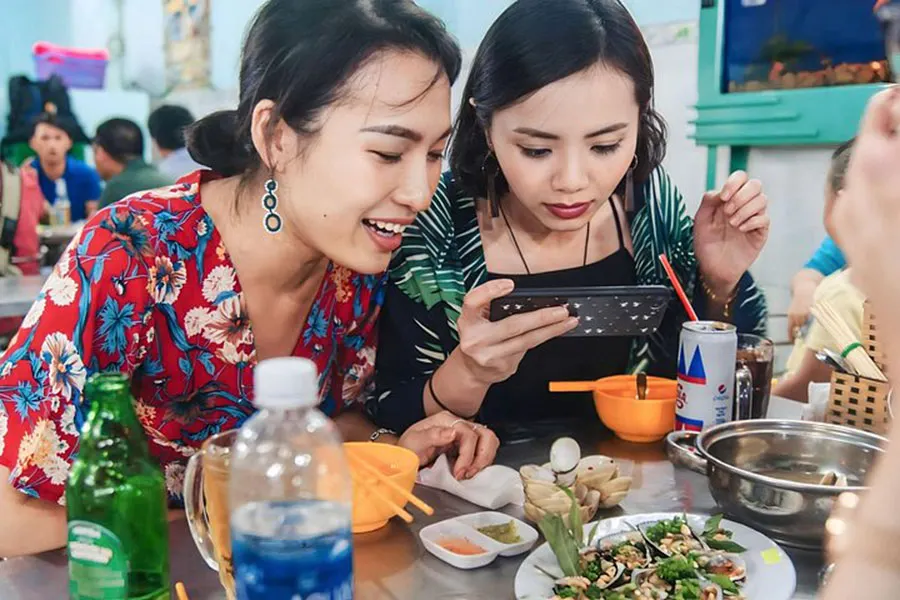
Ốc, grilled scallops, squid and shellfish are some of Saigon’s most enjoyable evening foods, but they deserve extra attention. Look for active cooking stations, visible turnover and proper chilling of raw seafood where needed.
Avoid seafood that smells strongly unpleasant, looks dried out or arrives barely warm. Ask for seafood to be cooked thoroughly if you are unsure.
Pregnant travelers, immunocompromised visitors and others at higher risk from foodborne illness should be more conservative with raw or undercooked seafood.
Street food safety for allergies and sensitive stomachs
Food allergies require planning because dishes may contain fish sauce, shellfish, peanuts, sesame or soy without obvious labeling. CDC’s Vietnam guidance specifically warns that common allergens may not always be clearly marked.
Carry a translated allergy card stating what you must avoid and how serious the reaction is. If cross-contact could be dangerous, do not rely only on a quick verbal request.
For a sensitive stomach, begin with simple cooked dishes and smaller portions. Avoid trying many rich or unfamiliar foods at once.
Wash your hands before eating
A clean-looking stall cannot protect you from germs already on your hands. Wash with soap and water before eating whenever possible.
When soap and water are unavailable, CDC recommends hand sanitizer containing at least 60% alcohol, although sanitizer is less effective when hands are visibly dirty and does not remove every pathogen equally well.
When and where should first-time visitors eat street food?
Early evening is a good time because many stalls are starting their main service and ingredients are moving quickly.
If choosing stalls feels overwhelming, try a Saigon motorbike food tour or a slower Ho Chi Minh City walking tour. Travelers comparing times of day can also read about the best time for a Saigon motorbike food tour.
Do not assume District 1 is automatically safer than a residential district. Judge the individual stall, not the neighborhood name.

Does safer street food cost more?
Not necessarily. Price is a poor indicator of hygiene, and a polished venue is not automatically safer than a modest family-run stall.
Street-food dishes in Ho Chi Minh City often cost around 25,000–100,000 VND depending on the dish and area. For more examples, see this guide to Ho Chi Minh City street food prices.
What should you do if street food makes you sick?
Digestive upset can happen during travel even when you make careful choices. Hydration is important if diarrhea occurs, and oral rehydration solution can be useful when fluid loss is significant.
Seek medical care for severe dehydration, persistent vomiting, blood in the stool, high fever or symptoms that are worsening rather than improving. People with chronic illness, pregnancy or immune suppression should seek professional advice sooner.
Enjoy Saigon Street Food with Confidence
Street food is worth experiencing because it brings you directly into Ho Chi Minh City’s rhythm: breakfast crowds, family stalls, smoky grills and neighborhood markets.
Choose busy vendors with good turnover, favor freshly cooked hot food, be sensible with water and raw ingredients, clean your hands and skip stalls you distrust.
A guided food experience can be a useful starting point. After learning how locals order and how stalls operate, you will be better prepared to explore confidently on your own.
Frequently asked questions
Is street food safe for tourists in Ho Chi Minh City?
It can be, but no stall can guarantee zero risk. Choose busy vendors, prioritize thoroughly cooked food served hot, wash your hands and be cautious with raw ingredients, water and ice.
What is the safest street food to eat in Saigon?
Freshly cooked dishes served directly from the heat are easier to assess. Steaming noodle soups, made-to-order grilled foods and freshly fried dishes are preferable to cooked foods that have been sitting at room temperature.
Should tourists avoid ice in Ho Chi Minh City?
If you cannot reasonably confirm that the ice was made with safe water, ordering a drink without ice is a simple precaution.
Can I eat raw vegetables and herbs in Vietnam?
Many travelers do, but raw produce has more uncertainty than cooked vegetables. If hygiene conditions are unclear or you have a sensitive stomach, choose cooked ingredients or fruit you can peel yourself.
How can I avoid food poisoning in Ho Chi Minh City?
Prioritize freshly cooked hot food, avoid obvious cross-contamination, wash your hands, use safe drinking water and skip food that appears to have been sitting out for a long time.
Is street seafood safe to eat in Saigon?
Seafood can be enjoyable when it is fresh, handled properly and cooked thoroughly. Choose busy stalls with visible turnover and avoid seafood that looks poorly stored or only lukewarm when served.