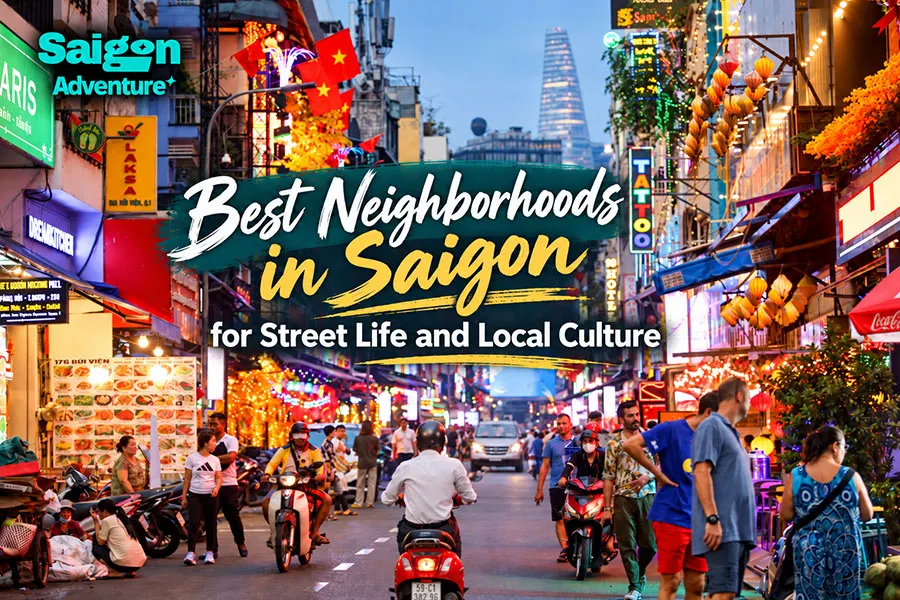
Saigon is easier to understand when you stop treating it as a checklist of landmarks and start noticing how each neighborhood lives. The best neighborhoods in Saigon for street life and local culture range from downtown streets and old apartment blocks to dense residential lanes, food districts, markets and Chinese-Vietnamese heritage areas.
This guide focuses on places where visitors can observe everyday routines, eat locally and see how the city changes from one area to another. Start with Saigon Adventure’s Saigon destination guide if you want a wider city overview.
A navigation note: this article uses familiar names such as District 1, District 3 and District 5 as travel shorthand. Vietnam moved to a two-tier local administration system in July 2025, and district-level administrations were dissolved, so current official ward names may differ from older maps and travel guides. Familiar district names are still widely used in travel contexts.

Which Saigon Neighborhood Should You Explore?
No single neighborhood shows the whole city. District 1 is the easiest introduction, District 3 mixes central convenience with residential life, District 4 is strong for evening food, Cholon adds Chinese-Vietnamese heritage, while Bàn Cờ and Phú Nhuận feel more residential.
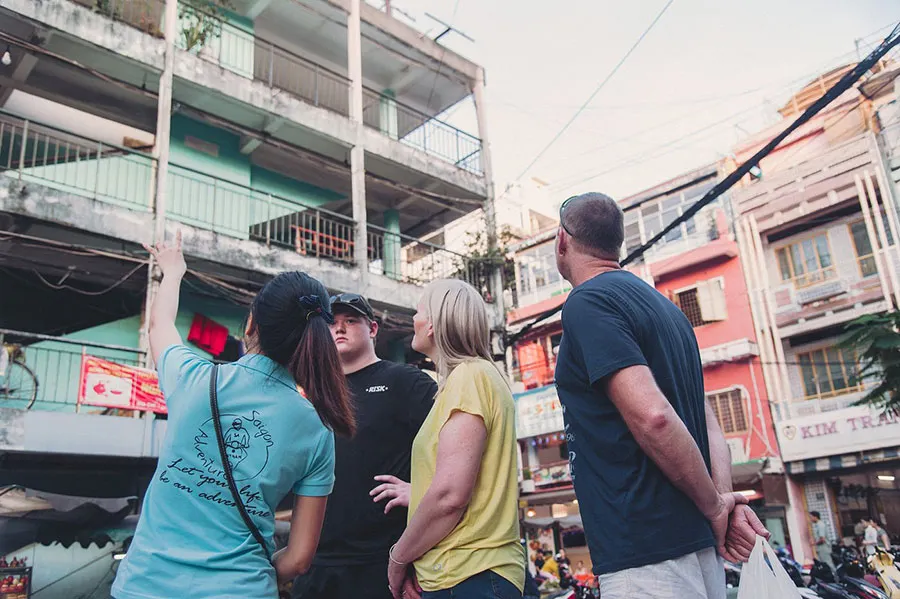
If time is limited, choose two contrasting areas rather than trying to cover everything. A central neighborhood in the morning and a food-focused or residential area later in the day usually gives a more balanced view.
| Area | Best For | Good Time |
|---|---|---|
| District 1 | First-time visitors, cafés, urban contrasts | Morning to evening |
| District 3 and Tân Định | Markets, cafés, residential streets | Morning or late afternoon |
| District 4 | Street food and dense local lanes | Late afternoon to evening |
| Cholon | Temples, markets, heritage | Morning to late afternoon |
| Bàn Cờ and Nguyễn Thiện Thuật | Alleys, apartments, everyday life | Morning or early evening |
| Phú Nhuận | Local food, cafés, residential Saigon | Morning or evening |
District 1: The Best Starting Point for First-Time Visitors
District 1 is often described through major sights, but its street life becomes more interesting away from the widest boulevards. Old apartment buildings, alley cafés, small food stalls, office workers, market streets and modern towers all sit within the central area.
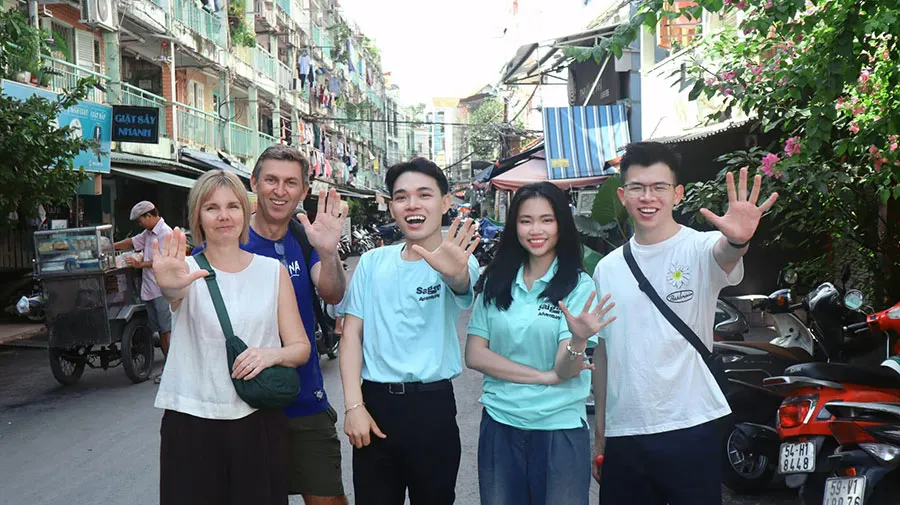
It works well for travelers who want sightseeing with spontaneous stops. Visit a landmark, turn into a side street for coffee, then continue toward a market or older residential block.
Food is another reason to explore slowly. Saigon Adventure’s guide to what to eat in District 1 can help you match the walk with dishes such as cơm tấm, noodle soups, grilled foods, desserts and Vietnamese coffee.
Local Tip: Walk one or two blocks away from major attractions and look for older buildings, courtyards and narrow lanes where the atmosphere changes quickly.
District 3 and Tân Định: Central Saigon at a Slower Pace
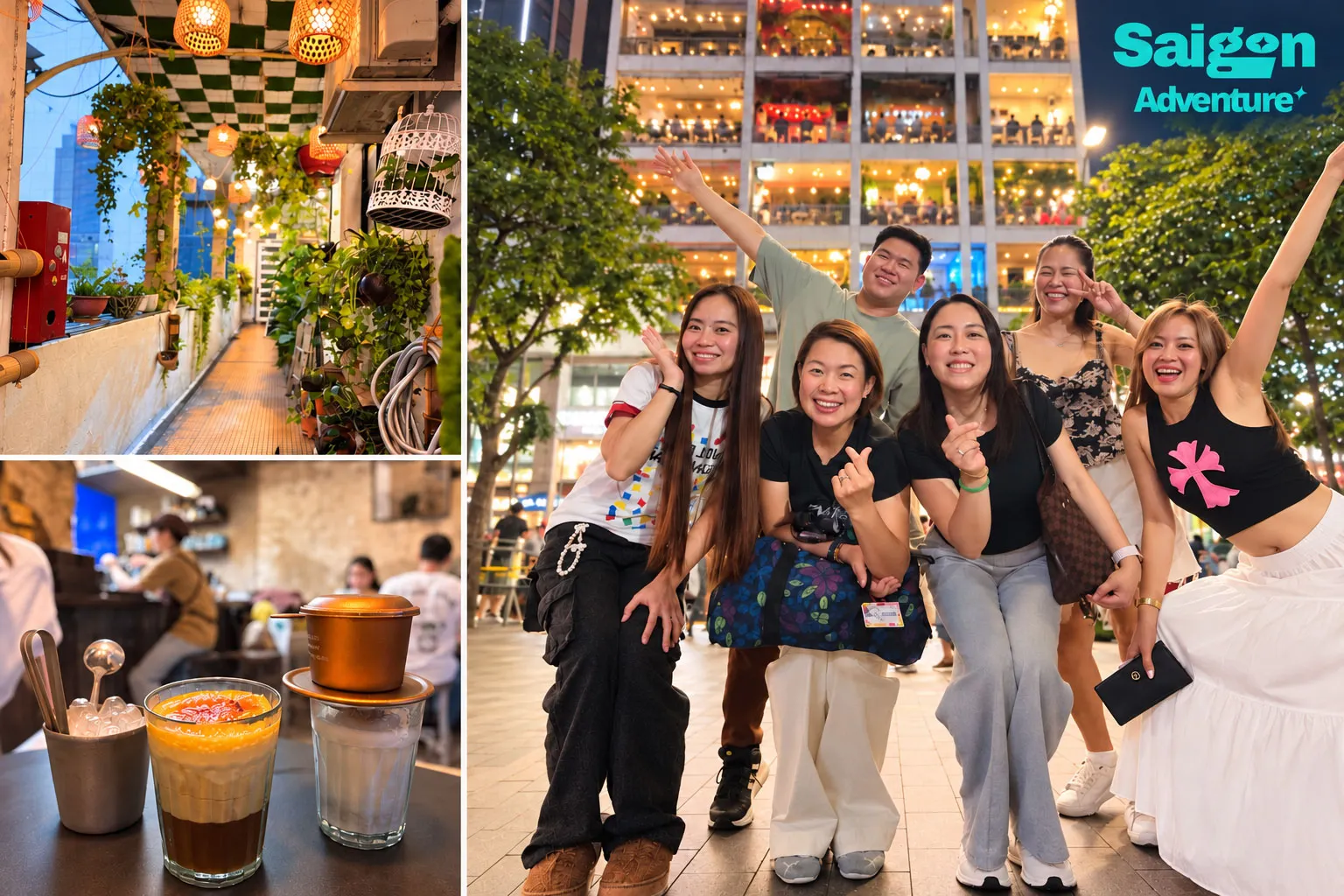
District 3 is a strong choice if you want to stay near downtown while seeing a more residential side of the city. Streets shift between tree-lined roads, older houses, local cafés, food stalls, temples and narrow lanes.
The Tân Định area adds markets, neighborhood eateries and morning activity. It is a good place to explore early, when food preparation, shopping and coffee routines are easier to observe.
This area suits travelers who enjoy walking without a long list of attractions. Look for coffee shops behind gates, breakfast stalls, market activity and older houses beside newer businesses.
If you prefer seeing several neighborhoods with local context instead of planning every turn yourself, a guided Saigon motorbike city tour can connect central sights with smaller streets and residential areas.

District 4: Compact Streets and Evening Food Energy
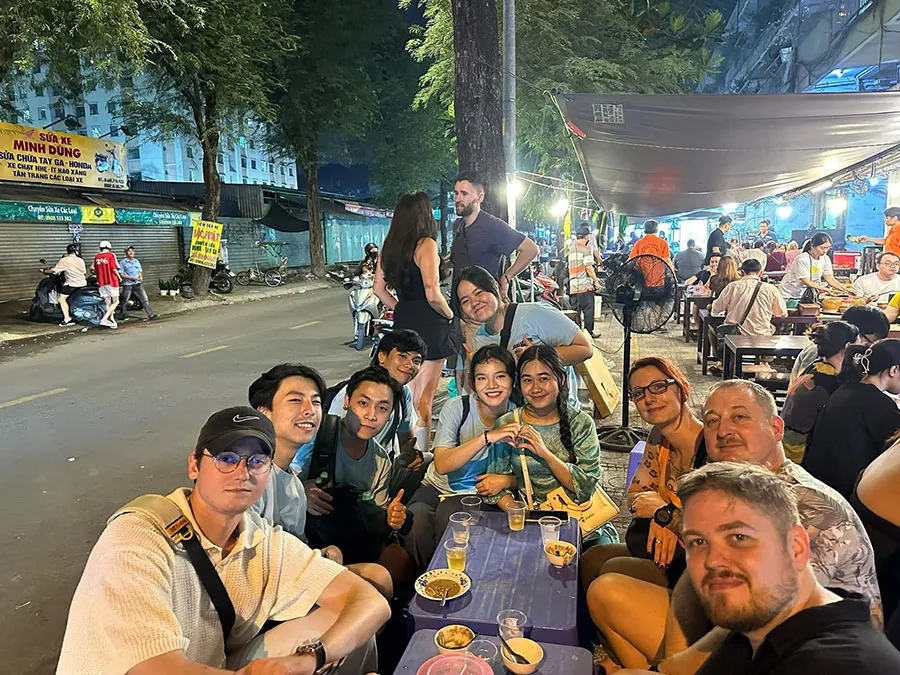
District 4 sits close to the center but feels different once you enter its smaller streets. Dense housing, local restaurants, seafood places and evening food activity create a more concentrated street atmosphere than the broad roads of central District 1.
Later in the day, food businesses become busier, tables appear near storefronts and the neighborhood becomes more social. District 4 remains particularly associated with compact local streets and its evening seafood scene.
Visitors should remember that residential lanes are working streets where people live, cook, park motorbikes and run family businesses. Move carefully, avoid blocking entrances and ask before taking close-up photos of people.
If this area interests you, continue with Saigon Adventure’s dedicated District 4 Ho Chi Minh City guide for a deeper look at food, alleys and neighborhood life.
Cholon: Markets, Temples and Chinese-Vietnamese Heritage
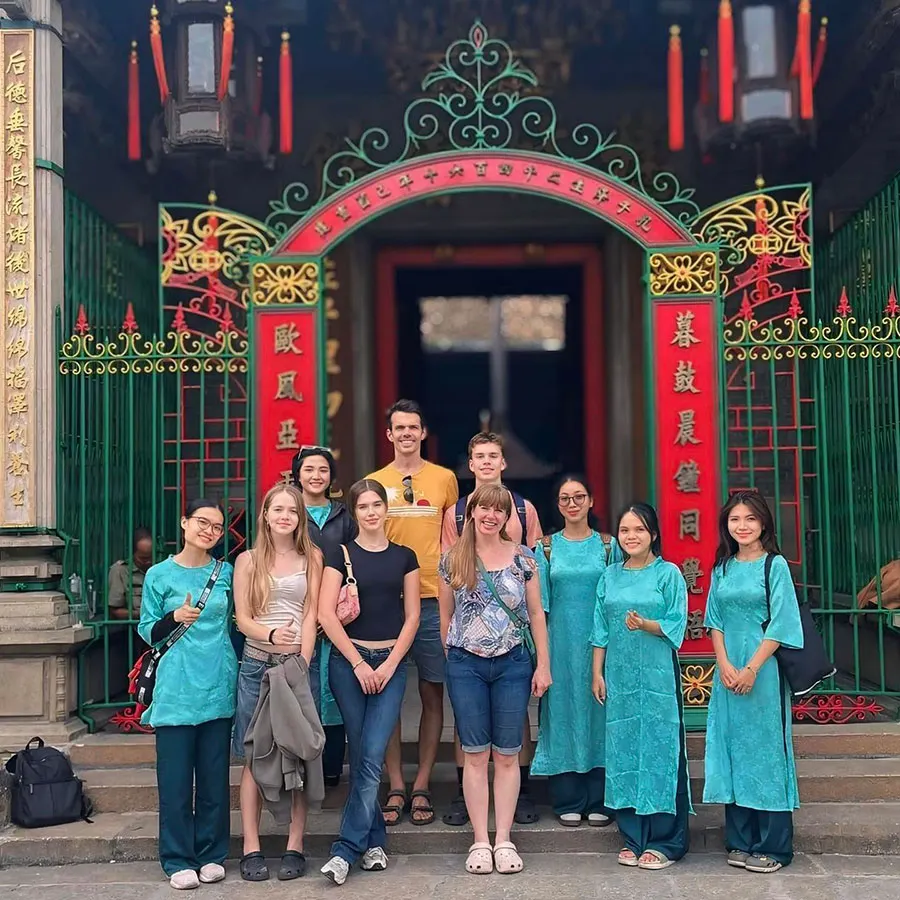
Cholon, historically associated with Saigon’s Chinatown, is one of the most distinctive areas for travelers interested in trade, religion, food and Chinese-Vietnamese heritage. The experience is less about one famous landmark and more about the relationship between markets, temples, commercial streets and long-established communities.
Morning works well because markets and local businesses are active before the stronger afternoon heat. It also makes the relationship between religious spaces and everyday commerce easier to notice.
Temple visits require extra awareness. Dress respectfully, keep your voice low, avoid interrupting worship and follow any posted photography rules.
Cholon also helps visitors understand how culturally varied Saigon is. If you are planning a broader first-time itinerary, the guide to things to see and do in Ho Chi Minh City can place the area alongside better-known central sights.
Bàn Cờ and Nguyễn Thiện Thuật: Everyday Life in Urban Alleys
For travelers who enjoy observing ordinary city life, the Bàn Cờ and Nguyễn Thiện Thuật area offers a different experience. Instead of grand architecture, you find narrow lanes, older apartment blocks, local food businesses, small markets and a street pattern that rewards slow exploration.
Keep your route flexible. Stop for a drink and notice how homes, shops, food stalls and motorbike parking share the same narrow spaces.
It is particularly interesting for repeat visitors who have already seen the major sights, or as part of a guided hidden-neighborhood route.

Phú Nhuận: Cafés, Food and Residential Saigon
Phú Nhuận suits travelers who want an area shaped more by everyday routines than major sightseeing. Local cafés, casual restaurants, residential streets and busy commuting routes create a recognizably Saigon atmosphere without a long checklist of attractions.
Come for a slower morning or an informal evening meal. Contemporary coffee habits, family-run eateries and neighborhood businesses are part of local culture too.

How to Explore Saigon Neighborhoods Respectfully
Street life is most rewarding when you observe without turning local routines into a performance. Ask before photographing people at close range, avoid standing in doorways, keep noise low in residential alleys and be considerate around temples or family businesses.
Traffic deserves attention. Cross predictably, follow pedestrian signals where available and do not assume motorbikes will stop suddenly. If needed, explore one compact area at a time or use a local guide.
Morning is ideal for markets, breakfast and coffee routines, while late afternoon and evening reveal a different side of food streets and residential neighborhoods. Choose the time that matches the street life you actually want to see.
Build Your Saigon Experience Around Neighborhoods, Not Just Landmarks
A rewarding Saigon itinerary usually includes contrast. Spend time in central District 1, then add District 3, Cholon, District 4, Bàn Cờ or Phú Nhuận to see how food, architecture, traffic and daily routines shift across the city.
If you enjoy exploring on foot, Saigon Adventure’s walking tours in Ho Chi Minh City can provide a more structured way to notice street-level details. The goal is not to cover the greatest number of places, but to give yourself enough time to understand how different parts of Saigon actually feel.
FAQ: Saigon Neighborhoods and Local Street Life
Which Saigon Neighborhood Feels the Most Local?
There is no single answer because “local” can mean different things. Bàn Cờ, Nguyễn Thiện Thuật and parts of Phú Nhuận feel strongly residential, while Cholon offers a distinct cultural and commercial identity shaped by Chinese-Vietnamese heritage.
Is District 1 Worth Exploring for Local Street Life?
Yes, but move beyond the most famous boulevards. Smaller streets, markets, old apartment buildings, cafés and food stalls show a more layered side of central Saigon.
Which Area Is Best for Street Food in Saigon?
District 4 is known for strong evening food activity, while District 1, District 3, Cholon and Bàn Cờ also offer local eating experiences. Choose according to whether you want convenience, seafood, market food or residential street dining.
Can I Explore Saigon Neighborhoods on Foot?
Yes, especially within compact areas, but the city is large and traffic can make longer connections tiring. Explore one neighborhood at a time, then use transport between distant areas.
What Is the Best Time to See Local Life in Saigon?
Early morning is excellent for markets, breakfast and coffee, while late afternoon and evening are better for street food and social activity. Midday can be hotter and some smaller food stalls may be less active.
How Many Neighborhoods Should I Visit in One Day?
Two or three is usually enough if you want time to walk, eat and observe rather than simply pass through. Pairing one central area with one residential or heritage neighborhood creates a more varied experience.