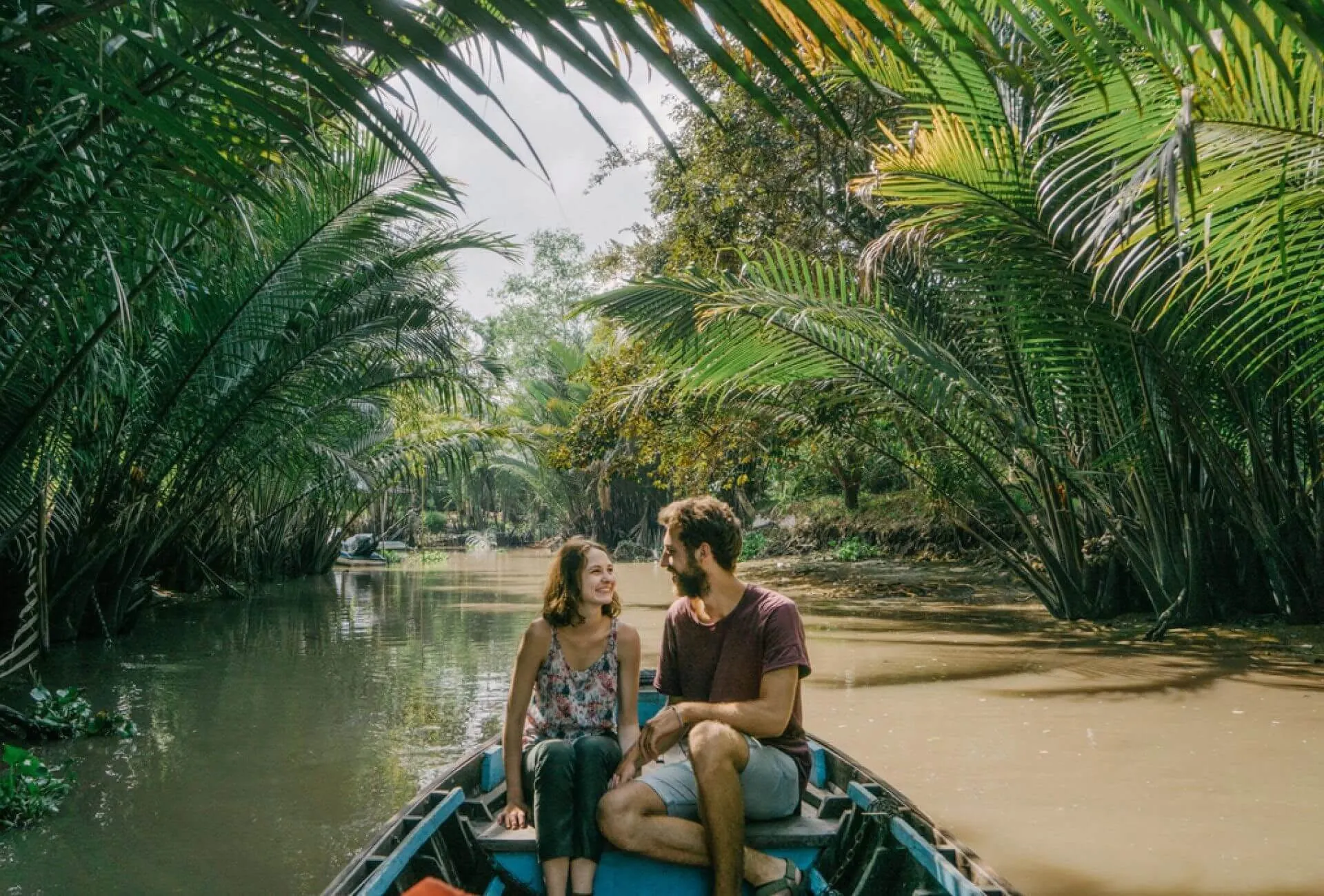
A narrow wooden boat glides beneath coconut palms while families work in orchards and traditional workshops beyond the riverbank.
These are the authentic Mekong Delta experiences many travelers hope to find—but rushed itineraries often miss.
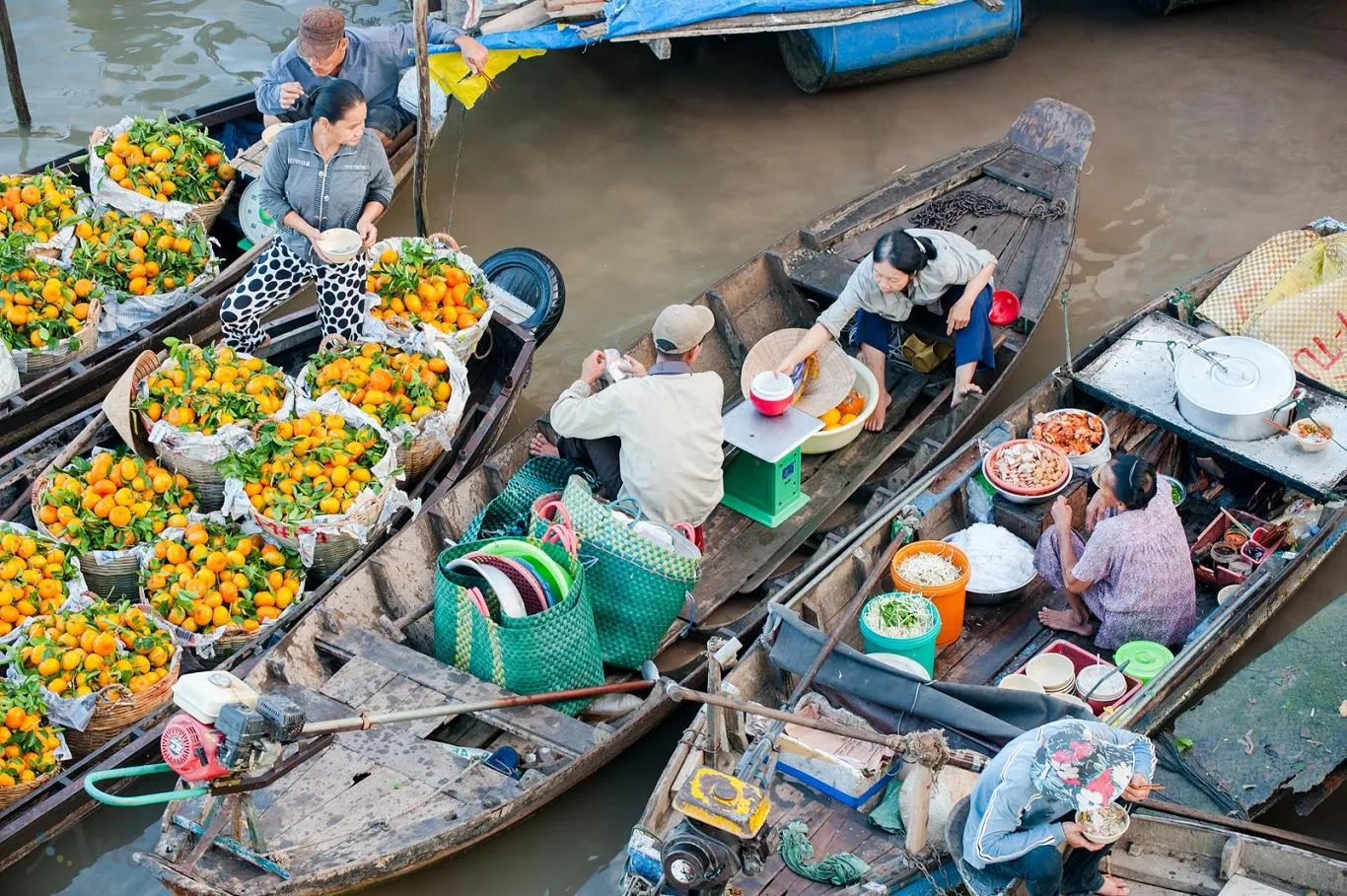
Floating markets remain an important part of southern Vietnam’s identity, especially in Can Tho. However, they reveal only one side of a region shaped by hidden canals, farming communities, local crafts and Khmer culture.
This guide introduces seven meaningful ways to explore the Mekong Delta beyond floating markets, with practical advice for choosing experiences that feel genuinely local rather than staged.

Is there more to the Mekong Delta than floating markets?
Quick answer: Yes. Floating markets are only one part of the Mekong Delta. Travelers can also paddle through coconut canals, cycle between villages, visit family-run workshops, explore tropical orchards and experience Khmer culture.
Cai Rang Floating Market remains worth visiting, particularly in the early morning. However, changing transport and shopping habits mean that commercial life on the river is no longer the same as it once was.
To understand the region more deeply, spend time observing how local people farm, cook, travel and work around its waterways. These everyday experiences often become more memorable than visiting a single famous attraction.

1. Paddle through a hidden coconut canal
The Mekong’s broad rivers are impressive, but its narrow canals feel far more intimate. In rural Ben Tre, small sampans slip beneath nipa palms and water coconut trees, passing wooden landing steps, riverside homes and gardens almost concealed by tropical vegetation.
Without a loud engine, the landscape becomes wonderfully detailed. You hear paddles dipping into the brown water, insects humming in the leaves and conversations traveling between houses.
This peaceful journey is one of the best non-touristy Mekong Delta activities, especially when the route avoids crowded demonstration areas. It provides a close view of waterways that local communities have used for transportation, farming and daily trade.
The most rewarding rides are not necessarily the longest. Twenty quiet minutes on a genuine village canal can feel more memorable than an hour on a busy tourist boat.
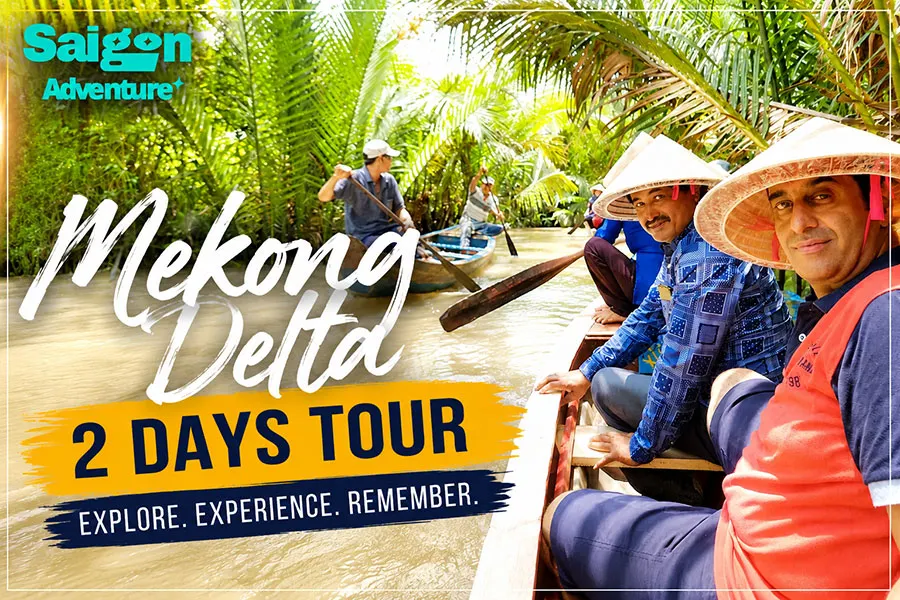
Local tip for a safer sampan ride
Remain seated, distribute your weight evenly and avoid leaning suddenly over the side for photographs. Smaller boats may rock when passengers change position.
Morning is generally more comfortable than midday, when heat and humidity build beneath the palms. Bring insect repellent, but avoid spraying it near other passengers or directly over the water.

2. Cycle through villages that tour buses cannot reach
Some of the most beautiful places in the Mekong Delta lie at the end of lanes too narrow for cars. Cycling allows travelers to leave the main road and enter a landscape of fruit gardens, small bridges, family shrines and shaded houses.
Rural routes around Ben Tre, Cai Be, Vinh Long and Can Tho often pass coconut groves, rice fields and fish ponds. Depending on the season, you may see jackfruit growing from thick trunks, bunches of longan above a fence or rambutans turning red among glossy leaves.
The purpose is not to cover a great distance. A slow ride with several spontaneous stops offers a more authentic look at Mekong Delta village life than rushing between attractions in an air-conditioned vehicle.
You may pass farmers carrying tools, vendors delivering food or children returning from school. Smile and greet people politely, but remember that the villages are residential communities rather than open-air exhibits.
What to check before cycling
Ask whether the route includes busy roads, gravel tracks or steep bridge ramps. Most countryside rides are manageable for casual cyclists, although paths can become slippery after tropical rain.
Wear comfortable closed shoes and carry drinking water, sunscreen and a hat. Travelers who cannot cycle can usually explore similar routes on foot or by a small local vehicle.
3. See how Ben Tre’s coconut economy works
Ben Tre is widely known as Vietnam’s coconut land, but drinking fresh coconut water reveals only a fraction of the fruit’s importance.
Local producers use coconut flesh and milk in food, while shells and husks can become fuel, handicrafts, household products or agricultural material. Visiting a working coconut workshop shows how this familiar tropical fruit supports multiple layers of the local economy.
At a family-run facility, you might watch workers remove husks, prepare coconut flesh or make traditional sweets. Production changes according to daily orders, so an authentic workshop may not offer the same demonstration at every visit.
That unpredictability is part of the value. You are entering a real workplace rather than watching a performance repeated for each arriving group.
If products are available, purchase only what you genuinely want. Responsible community-based tourism in the Mekong Delta should support local livelihoods without making visitors feel trapped in a compulsory shopping stop.
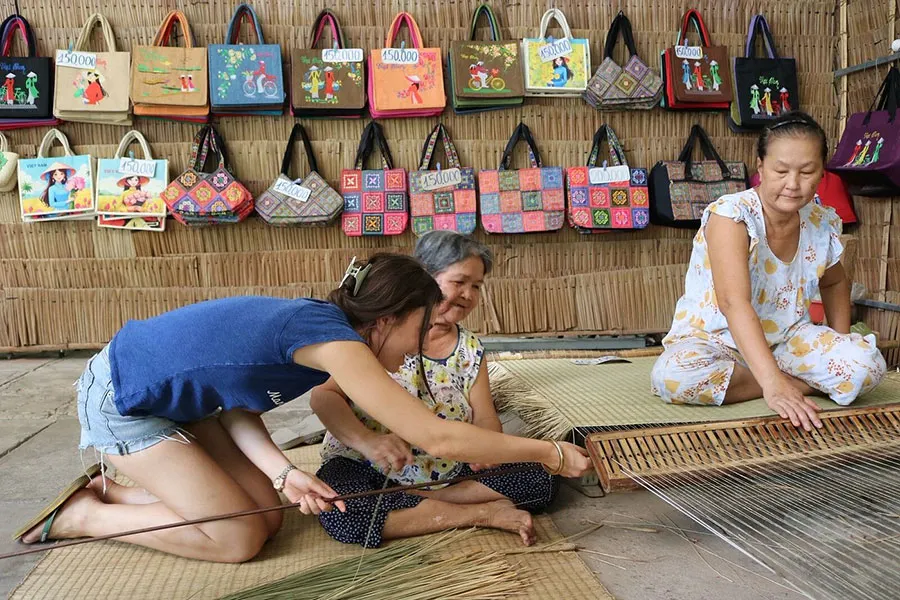
4. Visit a traditional rice paper, noodle or brick workshop
Across the delta, generations of families have transformed regional ingredients and natural resources into everyday products. Rice becomes paper-thin wrappers, noodles and snacks, while clay from river landscapes has long been used for brickmaking.
At a traditional rice paper workshop, batter is spread evenly over a steaming cloth. The delicate sheet is then lifted with a slender tool and placed on a woven tray to dry.
The movement looks simple until you try to imagine repeating it accurately throughout a hot working day. Temperature, timing and the consistency of the batter can all affect the finished product.
Other Mekong Delta craft villages specialize in hủ tiếu noodles, coconut-leaf weaving or handmade bricks. Because these are active businesses, what you see depends on production schedules, weather and current demand.
How to visit a working village respectfully
Ask before photographing workers, especially at close range. Avoid touching food, tools or drying products unless someone invites you to participate.
Do not block work areas while arranging photographs. A good guide will explain the process quietly, translate when appropriate and ensure the visit does not interrupt production.
5. Taste tropical fruit inside a working orchard
A fruit plate tastes different when you have just walked beneath the trees that produced it. Throughout the delta, orchards grow rambutan, pomelo, mango, longan, jackfruit, mangosteen, star apple and durian.
What is available depends on the province, weather and harvest period. That seasonal variation is precisely what makes a genuine Mekong Delta orchard experience more interesting than a standardized tasting.
An orchard owner may explain how water levels are controlled, when particular trees flower or why one harvest has been more difficult than another. These conversations reveal the skill and uncertainty behind the tropical fruit travelers often take for granted.
Do not assume that every orchard offers unlimited picking. Farmers may protect immature crops or serve fruit harvested earlier at the correct stage of ripeness.
For the most natural experience, look for a small working garden rather than a venue built mainly for large groups. Even a simple tasting under the trees can become a highlight when the host has time to talk.
6. Explore Khmer culture in Tra Vinh or Soc Trang
The Mekong Delta is not culturally uniform. Tra Vinh and Soc Trang are home to significant Khmer communities whose language, cuisine, festivals and Theravada Buddhist traditions form an essential part of the region’s identity.
Khmer pagodas can feature elaborate roofs, vivid murals, spacious courtyards and peaceful monastic grounds. They are visually striking, but their importance extends far beyond architecture.
A knowledgeable local guide can explain how the pagoda functions within community life and how Khmer traditions differ from those found elsewhere in Vietnam. This context turns a beautiful temple visit into a meaningful Mekong Delta cultural experience.
Avoid treating monks or worshippers as subjects for staged photographs. The atmosphere should remain respectful, particularly when ceremonies or religious study are taking place.
Khmer pagoda etiquette
Wear clothing that covers your shoulders and knees, speak quietly and remove your shoes where indicated. Never touch religious objects or point your feet directly toward an altar.
Festival dates may follow lunar calendars and activities differ among communities. Confirm local arrangements instead of assuming that every pagoda will hold the same public celebration.
7. Stay overnight and experience the delta after sunset
Many visitors leave the Mekong Delta in the afternoon, just as the atmosphere begins to change. Boat traffic becomes quieter, families return home and the evening light softens across canals and rice fields.
Staying overnight allows you to experience this slower rhythm. A locally managed homestay may include a family-style dinner, a simple cooking activity or conversations about food, farming and village life.
The most memorable moments are often unscheduled. You might help wash herbs, watch a storm move across the river or wake to roosters, kitchen sounds and boats starting their morning journeys.
Not every property marketed as a homestay places guests inside a family home. Some are small guesthouses or garden bungalows run by local residents, which may offer greater privacy while still supporting the community.
Check whether rooms include air conditioning, mosquito nets, hot water and private bathrooms. Travelers who prefer hotel comfort can still arrange a home-cooked meal or local cooking experience without staying overnight.
How to plan an authentic Mekong Delta itinerary
Choose one part of the delta and explore it properly. Trying to visit several distant provinces in one day usually creates more driving, less interaction and a rushed experience.
Ben Tre is a strong choice for coconut landscapes, small canals and countryside cycling. Can Tho works well for travelers who want to combine Cai Rang Floating Market with other Mekong Delta experiences, including orchards, local food and riverside life.
Vinh Long and Cai Be offer islands, craft workshops and fertile gardens. Tra Vinh and Soc Trang are better suited to travelers interested in Khmer culture, while Chau Doc can be combined with wetland landscapes such as Tra Su Cajuput Forest.
A one-day trip from Ho Chi Minh City should focus on two or three quality experiences. A canal ride, village walk and family workshop will usually feel more rewarding than ten brief photo stops.
Two days provide time for an overnight stay, early-morning exploration and a less hurried itinerary. If you want to travel deeper into multiple provinces, consider three days or longer.
How to choose a responsible Mekong Delta tour
Ask how much time is spent in transit, how large the group is and whether the itinerary visits working communities or purpose-built tourist venues. The answers can reveal whether a tour prioritizes genuine interaction or simply moves visitors through shopping stops.
Look for experiences that compensate local hosts, respect residential areas and avoid exploitative wildlife activities. Travelers should never be pressured to buy products or participate in uncomfortable performances.
A responsible guide will also acknowledge that rural life is complex. The Mekong Delta is beautiful, but local communities face changing water conditions, agricultural pressures and economic challenges that should not be romanticized or used as entertainment.
Weather, harvests and family production schedules may alter what is available. Flexibility is not a sign of poor organization; in many cases, it is evidence that the experience has not been artificially staged.
Discover the Mekong Delta beyond the obvious
Floating markets may introduce you to the Mekong Delta, but canals, orchards, craft villages and local families reveal its character.
The best journeys leave room for conversation, seasonal surprises and ordinary scenes that never appear on a fixed sightseeing checklist. Travel slowly, ask thoughtful questions and choose experiences that benefit the people welcoming you.
If you want local guidance without rushing between crowded stops, explore Saigon Adventure’s Mekong Delta tours from Ho Chi Minh City and discover a side of southern Vietnam that many travelers pass without ever truly seeing.
Frequently asked questions
What are the most authentic Mekong Delta experiences?
Is the Mekong Delta worth visiting without a floating market?
Which Mekong Delta destination is best for first-time visitors?
Can I experience the Mekong Delta in one day?
How many days should I spend in the Mekong Delta?
What is the best time to explore the Mekong Delta?
How can travelers support local Mekong Delta communities?
Explore our best-selling tours
 Bestseller
Cu Chi Tunnels & Mekong Delta 1-Day Tour from Ho Chi Minh City
EXCURSION HIGHLIGHTS: AT CU CHI TUNNELS Watch Documentary Video (Only Showed In This Place) Experience The Thrill Of Crawling Into...
 Bestseller
Mekong Delta Tour
The Mekong Delta is celebrated as one of the world's most vital biological wonders and a premier cultural destination in...
 Bestseller
A Less-Touristy Mekong Delta Day Trip to Ben Tre
Delta Tour 1 Day from Ho Chi Minh City, exploring the peaceful waterways and coconut villages of Ben Tre. This...
 Bestseller
Mekong Delta Tour by Luxury Speed Boat
OVERVIEW Hotel pickup: From 8:00 AM in District 1 Tour duration: Approximately 8 hours Group size: Maximum 12 guests Price:...
 Bestseller
Mekong Delta 2 Days Tour – Floating Market Group Tour
Cai Rang floating market – one of the largest floating market in the Mekong Delta is a rare sight in...
 Bestseller
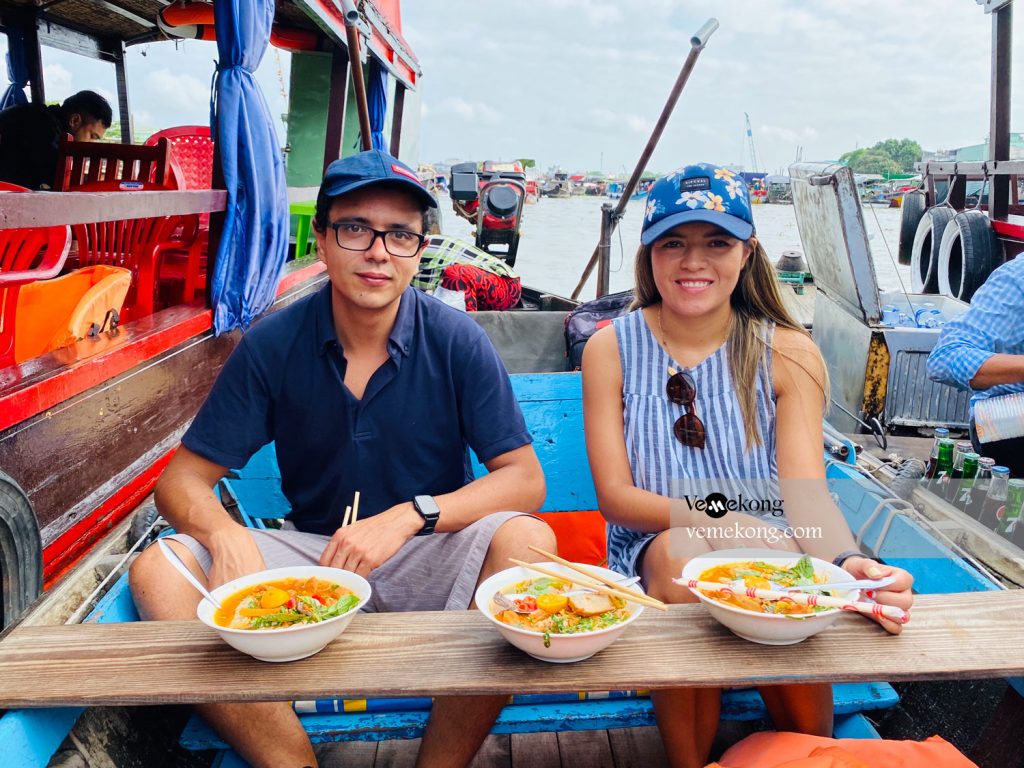
12-Hour Cai Rang Floating Market & My Tho Tour From Saigon
ABOUT THIS TOUR Discover the Cai Rang floating market, a colorful, buzzing market with hundreds of boat vendors selling fruits,...
 Bestseller
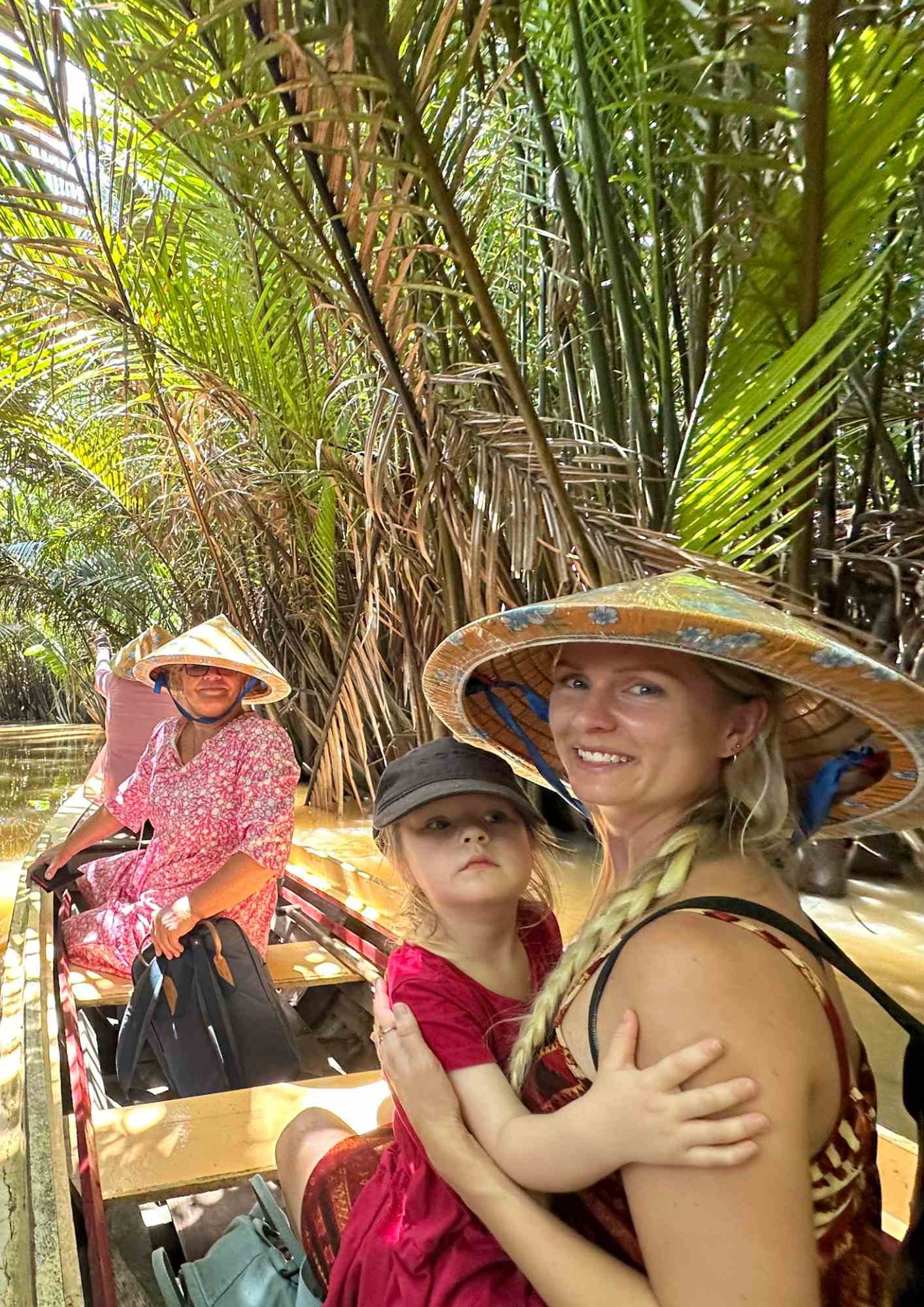
Mekong Delta One Day Group Tour
ABOUT THIS MEKONG DELTA TOUR Departure: 8:00 AM Drop off time: 5:30 PM to 6:30 PM Small group travel experience...
 Bestseller
3-Day Mekong Delta Private Tour – 3 Days 2 Nights
Tourists often choose to explore and experience this unique floating market by boat when participating in tours exploring the Mekong...
 Bestseller
Can Tho: Floating Market & Garden Life in the Delta
FLOARING MARKET TOUR Note: This tour pick up and drop off in Can Tho only The Ultimate Can Tho Floating...

2 Days Mekong Delta Homestay
Looking for an authentic Mekong Delta Homestay experience? Keep your travel plan flexible - book your spot now and pay...
Private 2 Days Mekong Delta Floating Market (Mekong Delta Tour 2 Days)
The Ultimate Mekong Delta Discovery: 2-Day Cultural Odyssey Experience the vibrant soul of Southern Vietnam’s wetlands. The Cai Rang Floating...
Mekong Floating Market 1 Day Tour
Cai Be Floating Market & Mekong Delta: An Authentic 1-Day Escape If you are looking to see the Mekong Delta...