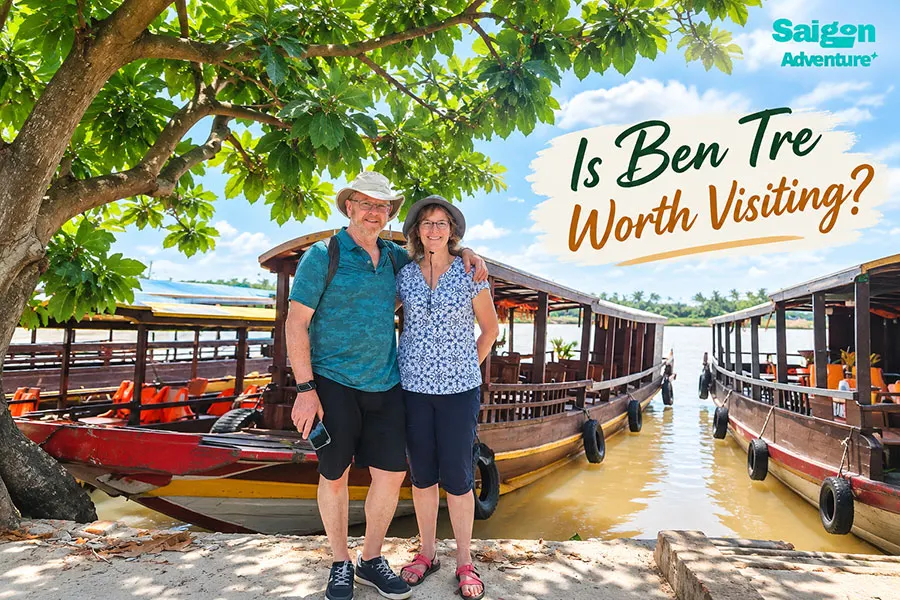
Ben Tre rarely makes the list of Vietnam’s must-see destinations. There are no dramatic mountains, ancient temples dominating the skyline, or famous beaches. Instead, you’ll find narrow waterways, coconut-shaded villages, quiet cycling paths, and families whose livelihoods depend on the Mekong River.
Is Ben Tre worth visiting? Absolutely, especially if you want to experience rural Vietnam beyond busy tourist attractions. Just a few hours from Ho Chi Minh City, this peaceful corner of the Mekong Delta offers something increasingly valuable: an opportunity to slow down and discover how people actually live.
But Ben Tre isn’t for everyone. Here’s what makes it special, what might disappoint you, and how to decide whether it deserves a place on your Vietnam itinerary.
Is Ben Tre Worth Visiting? The Short Answer
Ben Tre is worth visiting for travelers who enjoy peaceful countryside, authentic village experiences, riverboat rides, and traditional Vietnamese food. It’s particularly rewarding for couples, families, photographers, and independent travelers seeking a quieter side of the Mekong Delta.
A day trip provides an introduction, but staying overnight offers a better opportunity to explore local markets, cycle through coconut villages, and experience riverside life without rushing.
However, travelers expecting major landmarks, exciting nightlife, or luxury shopping may find Ben Tre less appealing.

What Makes Ben Tre Different From Other Mekong Delta Destinations?
Located approximately 85 kilometers southwest of Ho Chi Minh City, Ben Tre is known for its coconut plantations, waterways, and traditional agricultural communities.
Although the former Ben Tre province became part of the expanded Vinh Long province in 2025, travelers still commonly use the name Ben Tre when discussing the destination.
Unlike places built around famous attractions, Ben Tre rewards visitors who appreciate ordinary moments: watching boats transport goods, discovering small family businesses, or sharing lunch beside a quiet canal.
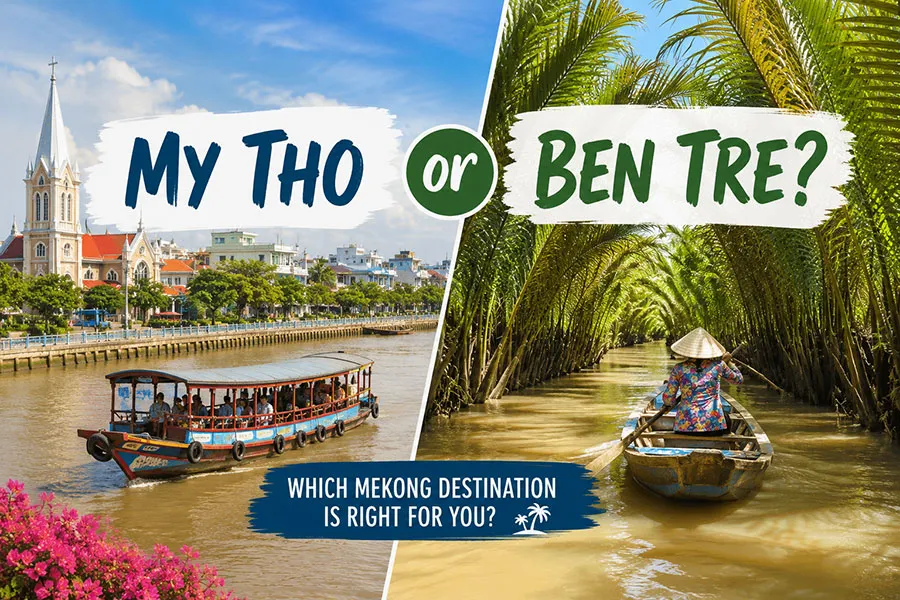
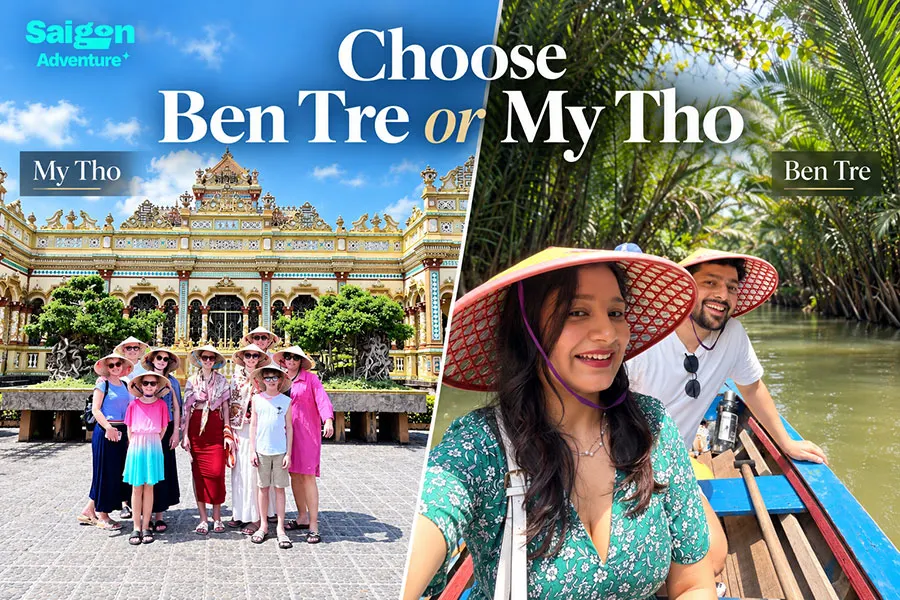
Ben Tre vs My Tho: Which Is Better for Travelers?
My Tho is popular for short Mekong Delta excursions, especially visits involving river islands, boats, and organized sightseeing activities.
Ben Tre offers similar river landscapes but has excellent opportunities to explore rural villages and coconut-growing communities beyond the busiest tourist circuits.
| Travel preference | Ben Tre | My Tho |
|---|---|---|
| Countryside cycling | Excellent choice | Available |
| Coconut workshops | Major attraction | Available on some tours |
| Organized day trips | Available | Very popular |
| Rural homestays | Good selection | More limited options |
| Short travel itinerary | Suitable | Particularly convenient |
| Quiet village experiences | Strong appeal | Depends on route |
Neither destination is automatically more authentic. The actual itinerary, group size, and time spent away from commercial attractions make the biggest difference.
For a broader introduction, explore our Mekong Delta travel experiences before choosing your route.
What Can You Actually Experience in Ben Tre?
The best things to do in Ben Tre don’t require an exhausting itinerary. A handful of thoughtfully chosen activities can reveal far more than visiting every attraction in one afternoon.
1. Explore Small Canals by Traditional Sampan
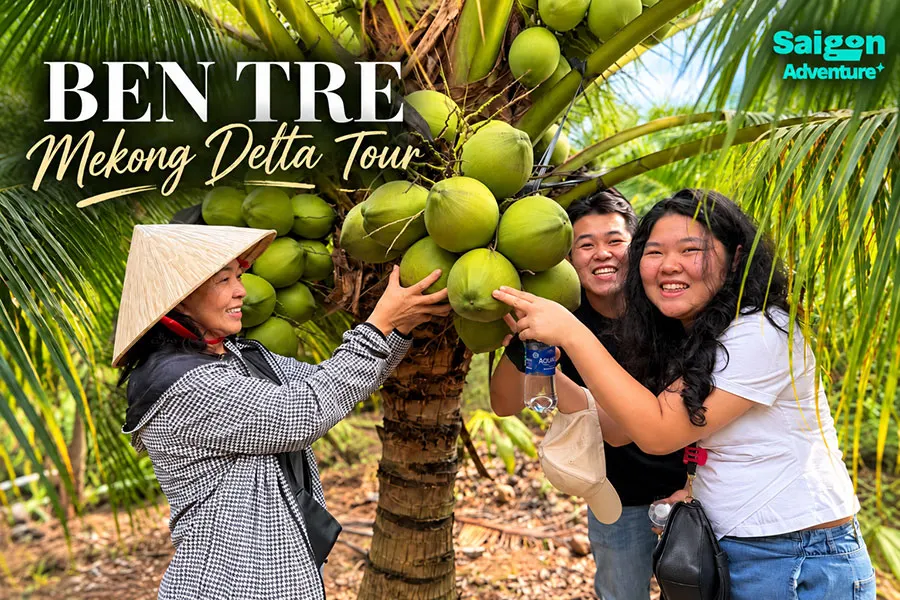
One of Ben Tre’s most memorable experiences is traveling through narrow canals surrounded by nipa palms and riverside vegetation.
Unlike larger motorboats, traditional hand-rowed sampans move slowly through waterways where you can observe the landscape at close range.
The experience depends on the route, water conditions, and time of day. Some canals feel wonderfully peaceful, while popular tour sections may become busy when several groups arrive together.
Local Tip: Ask whether your boat trip includes quieter canals rather than only the main sightseeing route. Always wear a suitable life jacket, particularly when traveling with children.
For more insight, read our guide to traditional sampan boat experiences in the Mekong Delta.

2. Cycle Through Coconut Villages and Rural Backroads
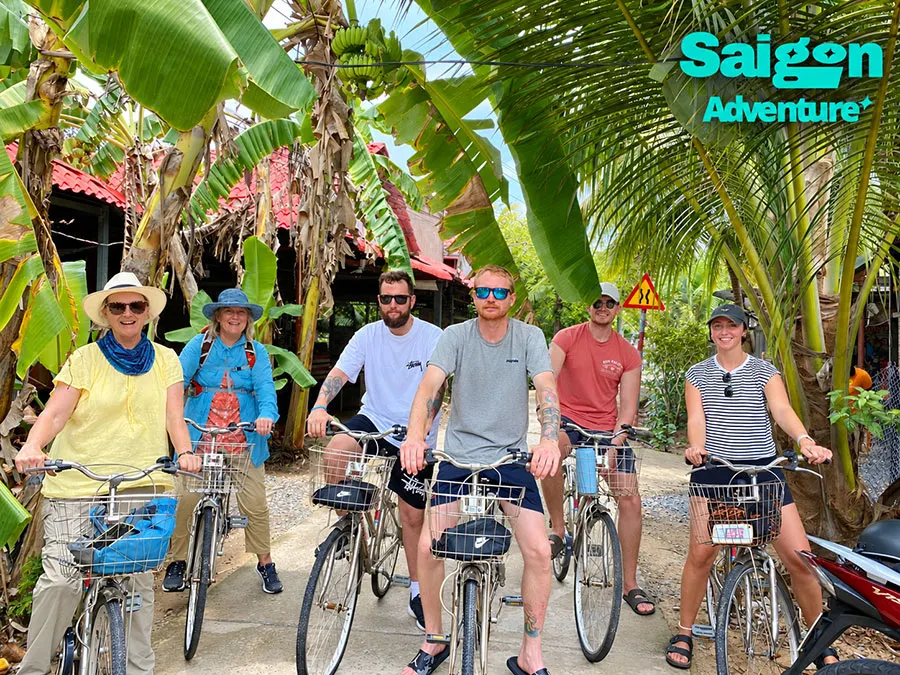
Cycling is one of the most rewarding ways to experience Ben Tre because much of its countryside is relatively flat.
Small roads pass coconut plantations, fruit gardens, family homes, and neighborhood shops. You’ll occasionally encounter locals transporting coconuts, children cycling home, or small bridges crossing irrigation canals.
Start early to avoid the strongest afternoon heat. Some village paths are narrow or uneven, so choose a comfortable bicycle and avoid unfamiliar routes after dark.
Local Tip: Ask your accommodation to recommend a suitable cycling loop. A short, relaxed ride with a few spontaneous stops is often more enjoyable than covering a long distance.
3. Discover How Coconut Candy Is Made
Ben Tre’s coconut industry extends far beyond fresh coconuts and tourist souvenirs.
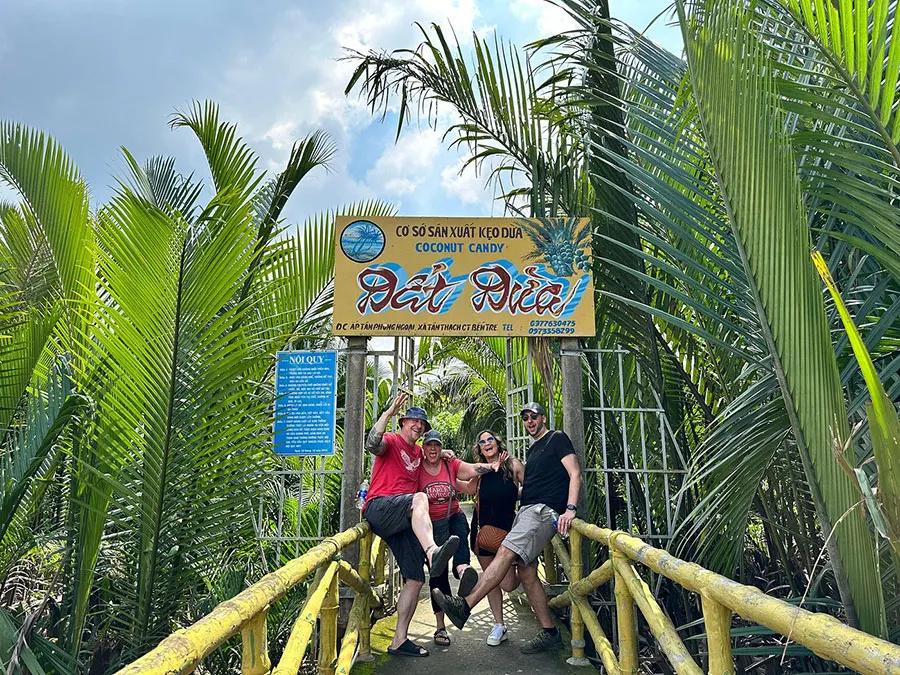
Traditional coconut candy workshops demonstrate how coconut milk, sugar, and other ingredients are cooked into a thick mixture, cooled, cut, and wrapped.
Watching the process helps explain how local agricultural products become everyday goods and gifts.
Some workshops are designed mainly for tourist groups, while smaller family businesses provide a more personal introduction to production.
Local Tip: Ask about ingredients before tasting, particularly if you have food allergies. Purchasing candy is optional, and a workshop visit shouldn’t require uncomfortable sales pressure.

4. Experience a Riverside Homestay
A homestay offers a different perspective on Ben Tre compared with arriving and leaving on the same day.
Depending on the property, you might share a home-cooked dinner, explore nearby gardens, or spend the evening listening to sounds from the surrounding countryside.
Not every accommodation advertised as a homestay provides direct interaction with its hosts. Read recent reviews and check what meals, activities, and facilities are included.
For travelers who enjoy meaningful local experiences, staying overnight can become the highlight of the journey.
What Is Ben Tre Like Beyond the Tourist Attractions?
Away from organized sightseeing stops, Ben Tre is primarily a working agricultural region.
Coconut gardens connect with small waterways, houses, orchards, workshops, and local roads. Everyday routines continue whether tourists are present or not.
Visit a Local Market in the Morning
Morning markets offer a glimpse of daily life through fresh vegetables, fish, tropical fruit, breakfast stalls, and conversations between vendors.
Rather than treating a market as a photography exhibition, approach it as a functioning community space.
Buy a drink or local snack, make room for shoppers, and request permission before photographing people closely.
Try Local Food Beyond Coconut Candy
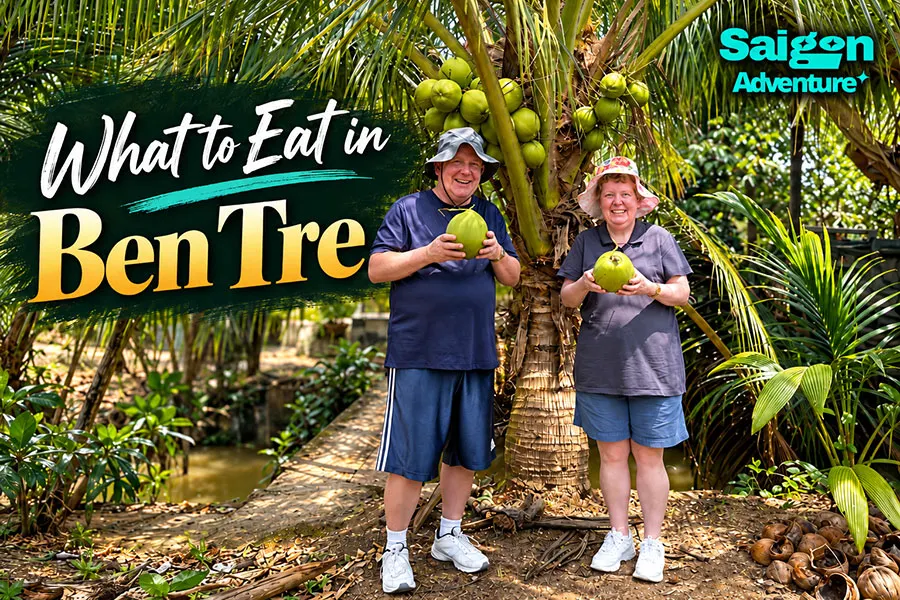
Ben Tre’s food reflects the freshwater ingredients, gardens, and agricultural traditions of the Mekong Delta.
Look for dishes such as gỏi củ hủ dừa (coconut heart salad), freshwater fish preparations, coconut rice, and comforting bowls of hủ tiếu noodle soup.
Dishes vary between restaurants and households, so not every specialty will be available everywhere.
Local Tip: If you have dietary restrictions, ask whether dishes contain fish sauce, shrimp, pork, or other animal ingredients. Vegetable-based dishes aren’t necessarily vegetarian.
Is Ben Tre Better as a Day Trip or Overnight Stay?
Both options work, but they produce noticeably different experiences.
| Trip length | What to expect | Best for |
|---|---|---|
| One day | Boat ride, coconut workshop, village visit | Travelers with limited time |
| Two days, one night | Cycling, markets, local meals, relaxed countryside | First-time visitors |
| Three days, two nights | Flexible exploration and quieter rural experiences | Families and slow travelers |
Can You Visit Ben Tre From Ho Chi Minh City in One Day?
Yes. Road journeys commonly take approximately two to three hours each way, depending on traffic, departure point, and stops.
For a comfortable day trip, prioritize two or three experiences rather than attempting to see everything.
Travelers comparing destinations and pacing can also read our guide to exploring the Mekong Delta without feeling rushed.
If you’re still deciding how to explore the region, browse our Mekong Delta tours to compare different travel experiences and find an itinerary that suits your schedule and interests.
Why Staying One Night Can Make a Difference
When most day-trip visitors have departed, the countryside often becomes noticeably quieter.
An overnight stay also allows you to visit a local market early, enjoy cooler cycling conditions, and avoid spending most of your day traveling from Ho Chi Minh City.
For travelers who want a deeper connection with the region, one night is a sensible investment.
When Is the Best Time to Visit Ben Tre?
Ben Tre is a year-round destination, although weather affects outdoor activities.
The generally drier months, approximately December through April, are convenient for cycling and boat excursions. The wetter months, usually May through November, bring greener scenery but also occasional heavy rain.
Rainfall varies, and a wet-season visit doesn’t necessarily mean continuous rain.
Morning is usually the most comfortable time for walking, cycling, and visiting markets. Boat activities should always account for local weather and water conditions.
How Much Does a Trip to Ben Tre Cost?
Ben Tre can be relatively affordable, particularly for travelers using local transport and simple accommodation.
The figures below are broad planning estimates rather than confirmed operator prices.
| Expense | Indicative budget |
|---|---|
| Simple local meal | 40,000–100,000 VND |
| Local bus from HCMC, one way | 100,000–200,000 VND |
| Budget accommodation, per night | 250,000–600,000 VND |
| Guided boat experience | Varies by duration and group size |
| Private day tour | Request a current quotation |
Actual costs depend on travel dates, inclusions, transport arrangements, and accommodation standards.
Before booking, check whether transfers, entrance fees, boat rides, lunch, and guide services are included. A cheaper tour isn’t necessarily better value if important experiences require additional payments.
Who Will Enjoy Ben Tre—and Who Might Want to Skip It?
Ben Tre is especially suitable for travelers who enjoy:
- Nature, photography, and peaceful countryside.
- Cycling, small waterways, and traditional village life.
- Regional food, agricultural culture, and family-run experiences.
- Slower itineraries away from major urban destinations.
It may be less rewarding if your priorities are beaches, luxury resorts, lively nightlife, or famous historical landmarks.
Travelers seeking large floating markets should also consider Can Tho instead. Ben Tre is better known for its coconut countryside and smaller waterways than for a major floating-market attraction.
How to Visit Ben Tre Without Common Tourist Disappointments
The biggest mistake is expecting every stop to offer an extraordinary attraction.
Ben Tre’s appeal lies in observing how river communities live, so rushing between workshops and souvenir shops can make the experience feel repetitive.
Avoid overpacked itineraries, unclear boat arrangements, and tours that focus more on shopping than exploration.
Local Tip: Choose a route that combines one water activity, one countryside experience, and time for a local meal. Ask your guide or host what makes each stop meaningful rather than simply collecting photographs.
Frequently Asked Questions About Visiting Ben Tre
1. Is Ben Tre worth visiting for first-time visitors to Vietnam?
Yes, particularly if your itinerary includes Ho Chi Minh City and you want to experience the Mekong Delta. Ben Tre provides a peaceful contrast to Vietnam’s large cities through boat rides, village cycling, and traditional food.
2. How many days should you spend in Ben Tre?
Two days and one night is a good balance for most travelers. A day trip covers the main experiences, while an overnight stay allows more relaxed exploration.
3. Is Ben Tre too touristy?
Some popular river routes and workshops attract organized groups, especially during busy periods. However, quieter village roads, local markets, and rural homestays provide opportunities to explore beyond these stops.
4. Can you explore Ben Tre without a tour?
Yes. Independent travelers can arrange local transport, accommodation, bicycles, and individual activities. A local guide can still be useful for navigating rural waterways and understanding village traditions.
5. Is Ben Tre suitable for families with children?
Yes, especially families interested in gentle boat trips, local food, and nature. Choose appropriate cycling routes, supervise children near waterways, and confirm safety arrangements before departure.
6. Does Ben Tre have a floating market?
Ben Tre has local markets and river-based trading activities, but it isn’t the destination for the famous Cai Rang Floating Market. Travelers specifically interested in Cai Rang should plan a visit to Can Tho.
7. Is Ben Tre better than Can Tho?
Ben Tre is ideal for coconut villages, narrow canals, and quiet countryside experiences. Can Tho is better suited to travelers seeking a larger city base and access to Cai Rang Floating Market.
Final Verdict: Should You Add Ben Tre to Your Vietnam Itinerary?
Ben Tre is worth visiting when you’re willing to appreciate Vietnam beyond its best-known attractions. Its memorable experiences are often simple: a slow boat ride, a quiet village road, a local meal, or a conversation with someone whose family has worked with coconuts for generations.
If that sounds like your kind of travel, Ben Tre deserves a place on your itinerary.
For an easy introduction from Ho Chi Minh City, explore our Mekong Delta tour options and choose an experience that gives you enough time to enjoy the countryside rather than rush through it.