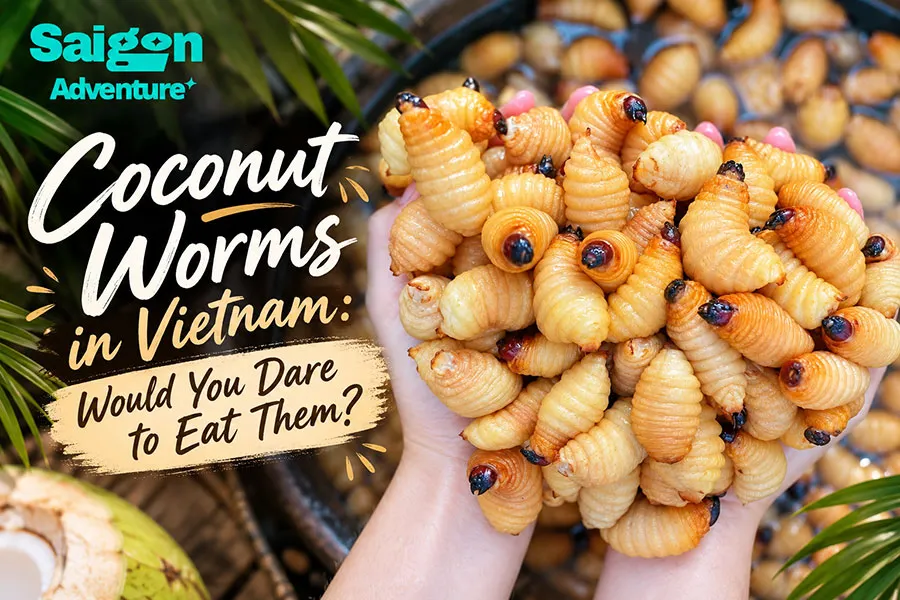
Imagine sitting beside a quiet river in southern Vietnam when someone places a small bowl on the table. Inside are plump, cream-colored larvae, some still moving. Your host smiles and introduces them as đuông dừa, one of the country’s most unusual traditional delicacies.
Coconut worms in Vietnam are edible palm weevil larvae, traditionally associated with the Mekong Delta, especially Ben Tre. They are known for their soft, rich texture and unusual appearance. Although famously served alive with fish sauce, eating them raw carries health risks, and restrictions on breeding these agricultural pests make responsible sourcing important.
Would you take a bite, or would you rather admire this extraordinary Vietnamese food from a safe distance?
What Are Coconut Worms in Vietnam?
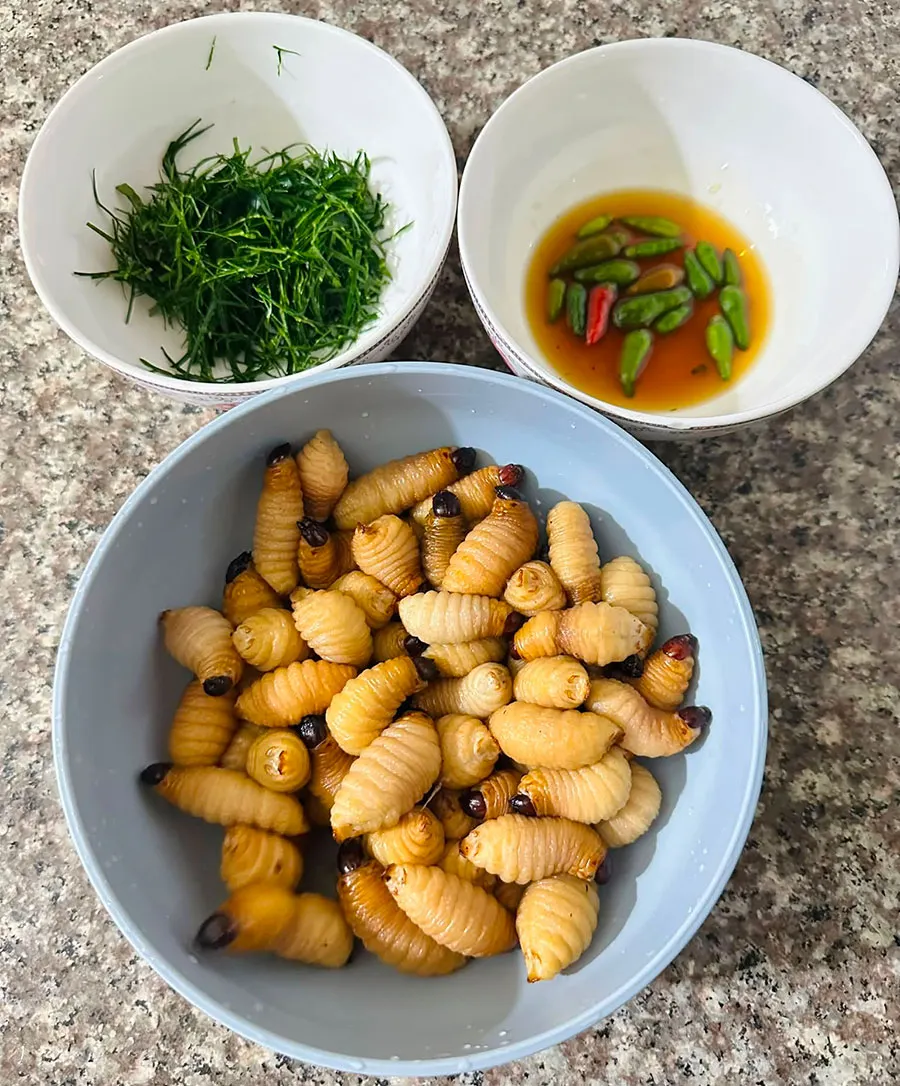
Coconut worms, called đuông dừa in Vietnamese, are the larvae of palm weevils. These beetles lay eggs in palm tissue, where the developing larvae feed and grow.
Unlike earthworms, coconut worms have thick, pale bodies and darker heads. Their creamy appearance makes them instantly recognizable, even to travelers unfamiliar with edible insects.
The same feeding behavior that makes them part of traditional food culture also makes them serious agricultural pests. Larvae can damage growing tissues inside coconut palms, threatening valuable crops.
Why Are Coconut Worms Famous in Ben Tre?
Ben Tre, in the Mekong Delta, has long been associated with coconut cultivation. Its coconut landscapes, traditional sweets, and rural food culture help explain why the region is closely connected with đuông dừa.
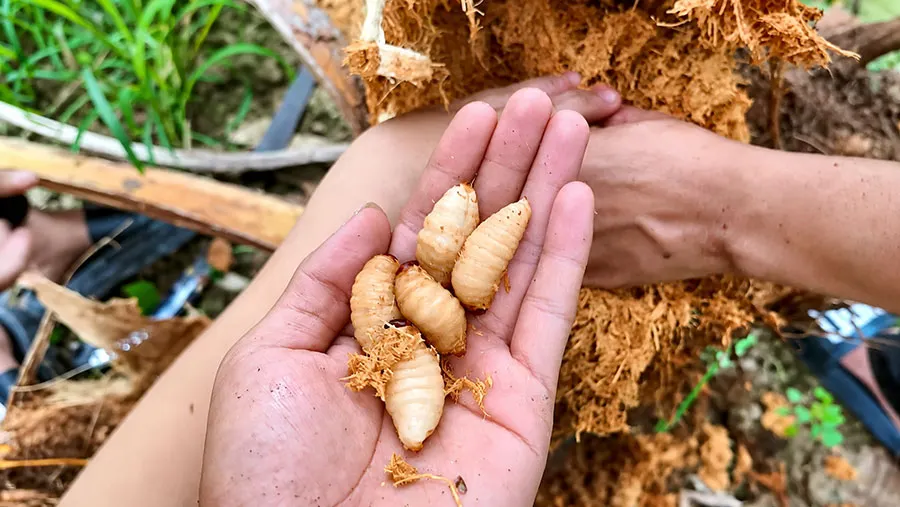
Historically, larvae found inside affected palms were sometimes collected for food. Their reputation eventually spread beyond farming communities, attracting attention from adventurous eaters and travel media.
However, Ben Tre has prohibited breeding and deliberately spreading coconut worms to protect coconut plantations. Travelers should never assume that a traditional delicacy is automatically legal to farm or commercially source.
What Do Coconut Worms Taste Like?
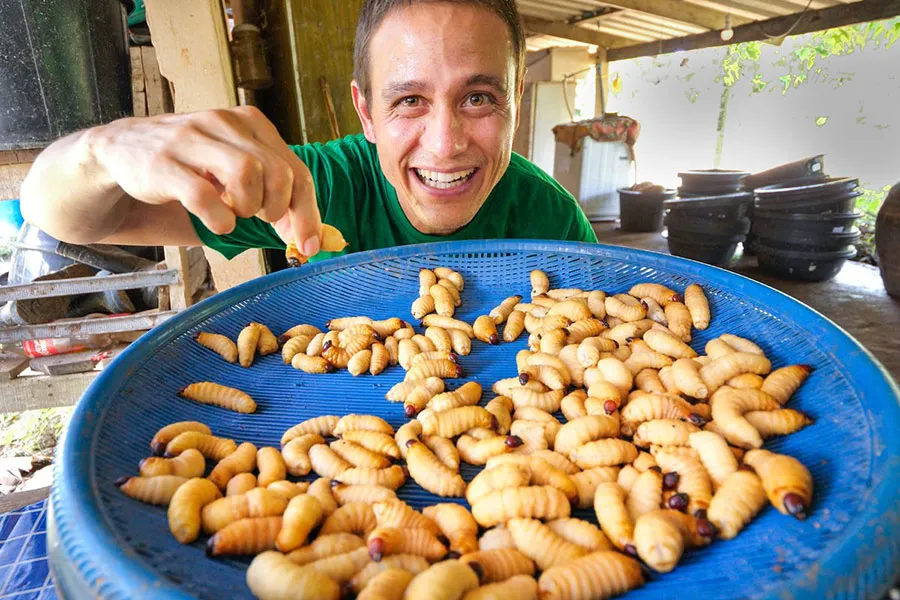
Despite their intimidating appearance, coconut worms are often described as rich, buttery, and mildly sweet.
Their flavor is influenced by preparation. Some people compare the fatty sensation to a very soft egg yolk, while others notice subtle coconut-like notes.
The texture is usually the biggest surprise. Cooked larvae may have a delicate interior surrounded by a slightly firmer exterior, depending on the cooking method.
Do Coconut Worms Really Taste Like Coconut?
Not exactly. Although the larvae feed inside palm tissue, they do not taste like coconut candy or fresh coconut milk.
The flavor is generally more savory and fatty than fruity. Seasonings such as garlic, chili, and fish sauce can also dominate the natural taste.
Local Tip: If you are curious about unusual Vietnamese foods, focus on the ingredients, preparation, and cultural background rather than expecting every traditional dish to have a familiar Western equivalent.
How Are Coconut Worms Traditionally Eaten in Vietnam?
The most famous images of Vietnamese coconut worms show living larvae in a bowl of fish sauce. However, this is not the only preparation associated with the delicacy.
Different cooking methods produce noticeably different textures and flavors. Availability depends on sourcing, local restrictions, and the establishment.
1. Live Coconut Worms With Fish Sauce
Known as đuông dừa tắm nước mắm, this presentation places live larvae in a mixture of fish sauce and often chili.
The movement of the larvae makes it a particularly striking dish. It is frequently featured in videos about unusual foods in Vietnam.
Nevertheless, raw or live larvae should not be considered safe simply because they are traditional. Fish sauce and chili do not reliably eliminate pathogens or parasites.
2. Grilled Coconut Worms
Grilling is another preparation associated with palm weevil larvae. Cooking changes the exterior while the fatty interior can remain relatively soft.
Garlic, salt, and chili are possible accompaniments, depending on the recipe. Thorough cooking is essential, and a browned surface alone does not guarantee that the center is adequately cooked.
3. Fried Coconut Worms
Frying can create a firmer texture and reduce the immediate visual challenge of eating a soft larva.
However, oil temperature, cooking time, and proper handling all matter. Travelers should only consider thoroughly cooked insects from lawful, traceable food sources.
For a broader introduction to southern Vietnamese flavors, explore a Mekong Delta food experience and countryside tour, where regional dishes and coconut products can be part of the journey.
Where Can You Find Coconut Worms in Vietnam?
Coconut worms are culturally associated with southern Vietnam, particularly coconut-growing communities in the Mekong Delta.
They should not be treated as an everyday restaurant specialty available at every local market. Their availability can be limited or uncertain, and commercial sourcing raises important legal and agricultural concerns.
Ben Tre: The Traditional Coconut Region
Ben Tre is the place most closely connected with the dish’s cultural identity. Its coconut-growing heritage provides valuable context for understanding why the larvae became known as a regional curiosity.
However, visitors should explore that history responsibly rather than seek out unauthorized breeders or suppliers.
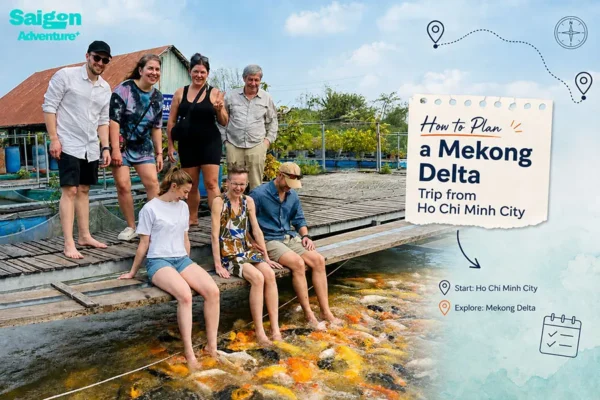
A trip through coconut villages, workshops, and waterways provides a more accessible introduction to regional traditions. Travelers planning their route can compare the best Mekong Delta tours from Ho Chi Minh City.
Ho Chi Minh City: Can Tourists Try Them?
Travelers sometimes encounter coconut worms in online videos or specialty-food discussions associated with Ho Chi Minh City.
Still, a viral video does not establish that a restaurant currently serves them, that the supplier is lawful, or that the preparation meets food-safety standards.
If you see them advertised, ask about identification, origin, cooking, and local compliance before considering a purchase. Avoid anonymous online sellers and vendors unable to explain their supply chain.
How Much Do Coconut Worms Cost in Vietnam?
There is no reliable fixed tourist price for coconut worms in Vietnam. Prices can vary with sourcing, quantity, preparation, and the establishment.
Because legal and responsible availability cannot be assumed, online price lists may be outdated or misleading. A high price does not demonstrate that the product is authentic, legal, or safe.
If an establishment offers them, request the full price before ordering, including whether it is calculated per larva, portion, or dish.
Local Tip: Do not plan a food budget or arrange a special journey around an unverified coconut worm listing. The Mekong Delta offers many other regional foods worth experiencing.
Are Coconut Worms Safe to Eat?
Eating coconut worms involves risks that travelers should understand, particularly when the larvae are served raw.
Live insects can carry biological hazards or become contaminated during collection, transport, and preparation. Their movement and apparent freshness do not establish food safety.
Who Should Avoid Eating Coconut Worms?
Raw larvae are especially unsuitable for pregnant travelers, young children, older adults, and people with weakened immune systems.
Anyone with a history of severe food allergies, particularly to shellfish, should also be cautious because some edible insects contain proteins that may trigger cross-reactivity.
There is no reason to feel pressured into eating an unfamiliar animal product, especially when its identity or handling cannot be verified.
Food Safety Tips for Curious Travelers
- Avoid raw or live larvae.
- Do not purchase from unidentified or unlawful suppliers.
- Check that insects are correctly identified and sourced appropriately.
- Choose properly handled, thoroughly cooked food.
- Avoid tasting anything when hygiene or allergen information is unclear.
These precautions reduce some risks but cannot guarantee that an unfamiliar insect dish is safe.
When Is the Best Time to Learn About Coconut Worms?
There is no dependable tourist season for eating coconut worms. Their occurrence relates to palm biology and agricultural conditions, not a scheduled food festival.
More importantly, pest-control restrictions mean that travelers should not seek breeding operations or assume a particular month guarantees availability.
For a rewarding regional food journey, the Mekong Delta can be explored throughout much of the year, although weather and travel conditions vary.
A traditional sampan boat ride through the Mekong Delta offers another memorable way to experience the waterways and coconut landscapes connected with this food story.
Are Coconut Worms Worth Trying for Tourists?
For adventurous eaters, coconut worms represent an intriguing intersection of farming, food traditions, and the appeal of unusual culinary experiences.
Yet eating them is not essential to understanding Vietnamese cuisine. Their agricultural impact, sourcing restrictions, and raw-food risks are compelling reasons to appreciate the tradition without tasting it.
| Traveler type | Recommendation |
|---|---|
| Adventurous food lover | Learn about the dish; consider only lawful, traceable, thoroughly cooked food |
| First-time visitor | Explore familiar regional specialties first |
| Family with children | Choose safer, conventional Vietnamese dishes |
| Vegetarian or vegan | Explore coconut-based sweets and plant-based dishes |
| Sensitive stomach or allergies | Avoid unfamiliar insect dishes |
Vietnamese cuisine offers countless memorable experiences without requiring visitors to eat something that makes them uncomfortable.
What to Eat Instead of Coconut Worms in the Mekong Delta
If coconut worms feel too extreme, southern Vietnam offers delicious alternatives with strong regional identities.
Try elephant ear fish, often served with rice paper and fresh herbs, or bánh xèo, a crispy Vietnamese pancake filled with savory ingredients.
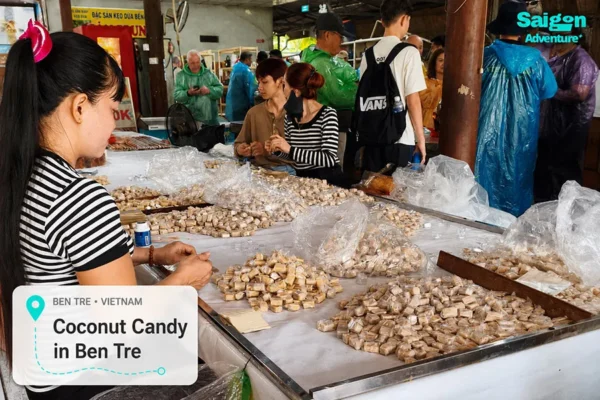
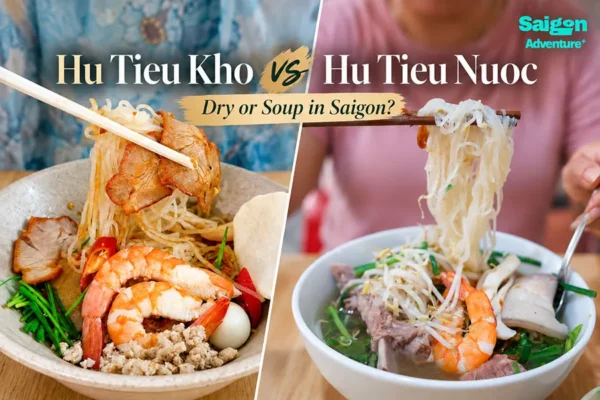
Other options include My Tho-style hủ tiếu, grilled snakehead fish, tropical fruits, and Ben Tre coconut candy.
Many travelers discover these dishes while exploring rural villages or joining a guided Mekong Delta boat tour.
These foods offer an approachable introduction to local traditions without the same challenges associated with coconut worm consumption.
Frequently Asked Questions About Coconut Worms in Vietnam
1. What are coconut worms called in Vietnamese?
Coconut worms are called đuông dừa. The term commonly refers to palm weevil larvae associated with coconut trees and traditional southern Vietnamese food culture.
2. Can you eat coconut worms alive in Vietnam?
Live coconut worms have traditionally been served with fish sauce, but raw consumption carries food-safety risks. Travelers are advised not to eat them alive.
3. Are coconut worms illegal in Vietnam?
Vietnam restricts breeding harmful agricultural pests without the required authorization. Ben Tre specifically prohibited breeding and deliberately spreading coconut worms. These restrictions should not be confused with a blanket nationwide prohibition on discussing or eating the dish.
4. Where are coconut worms most famous?
Coconut worms are especially associated with Ben Tre and the wider Mekong Delta, where coconut farming has influenced local food traditions.
5. Do coconut worms taste good?
Taste is subjective. They are commonly described as buttery, fatty, and mildly sweet, although seasoning and preparation can significantly change the experience.
6. Can you try coconut worms on a Mekong Delta tour?
Coconut worms are not a standard inclusion on most Mekong Delta tours. Travelers should not assume they will be available; regular itineraries more commonly feature local lunches, tropical fruits, and coconut products.
7. What other unusual Vietnamese foods can tourists try?
Travelers interested in adventurous Vietnamese cuisine may explore balut (hột vịt lộn), fertilized duck eggs, fermented foods, or regional seafood. Choose reputable food establishments and appropriate cooking methods.
Final Thoughts: Would You Dare to Eat Coconut Worms?
Coconut worms are undoubtedly one of Vietnam’s most conversation-starting traditional foods. Behind their unusual appearance lies a story about coconut farming, regional identity, and the complicated relationship between food and agriculture.
Whether you would try them or not, there is much more to discover in southern Vietnam. Explore peaceful coconut canals, traditional workshops, and delicious regional dishes with Saigon Adventure’s Mekong Delta tours, and experience local food culture at your own pace.