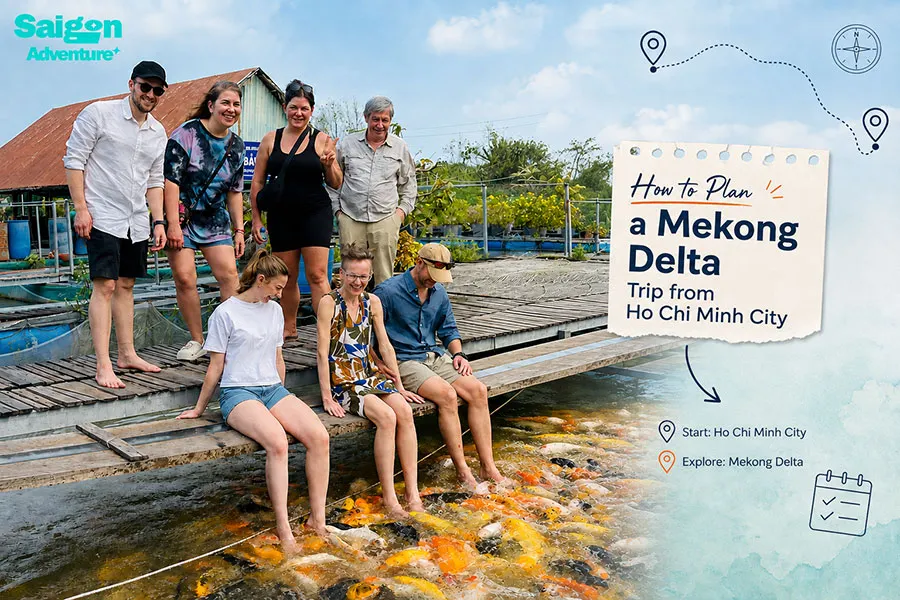
The Mekong Delta often appears simple on a map: leave Ho Chi Minh City, take a boat ride, visit an orchard, and return before dinner. In reality, the region covers a vast network of rivers, islands, farms, provincial towns, and quiet villages, so a rewarding trip requires more thought than choosing the first tour available.
The best plan depends on what you want to experience. A one-day trip can introduce you to canals and rural life, while an overnight journey allows you to visit local markets early in the morning and see the Delta after the day-trip crowds have left.
This guide explains how to plan a Mekong Delta trip from Ho Chi Minh City, from selecting the right destination to arranging transport, accommodation, activities, and a realistic itinerary.
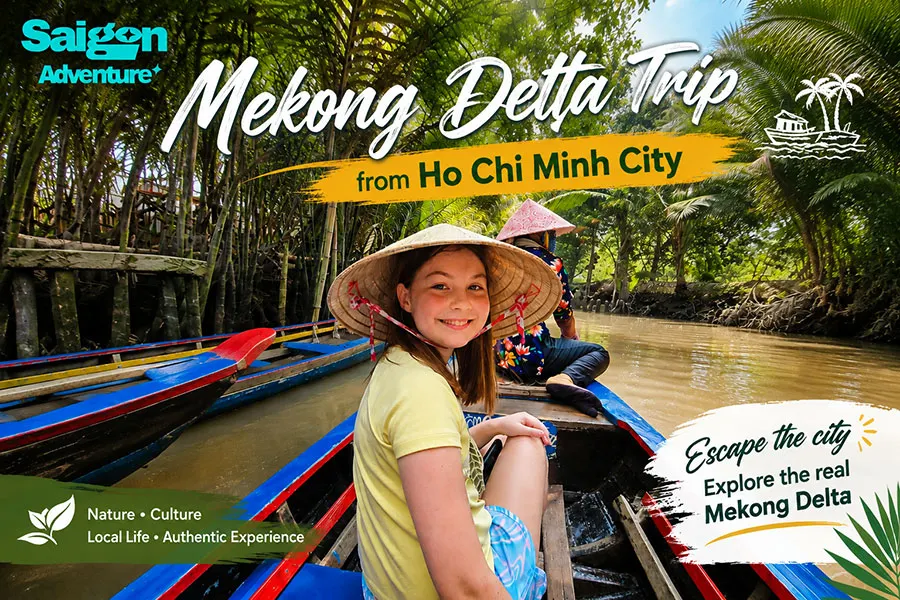
First, Understand the Mekong Delta’s Geography
The Mekong Delta is not a single attraction. It is a large region in southern Vietnam where the Mekong River divides into multiple branches before reaching the sea.
My Tho and Ben Tre are among the easiest areas to reach from Ho Chi Minh City. Farther south, Can Tho serves as a major regional hub, while places such as Chau Doc, Sa Dec, Tra Vinh, and An Giang offer more specialized cultural and natural experiences.
Trying to cover too many provinces in one short visit usually means spending most of your time on the road. A better strategy is to choose one main area that matches your schedule and interests.
mekong
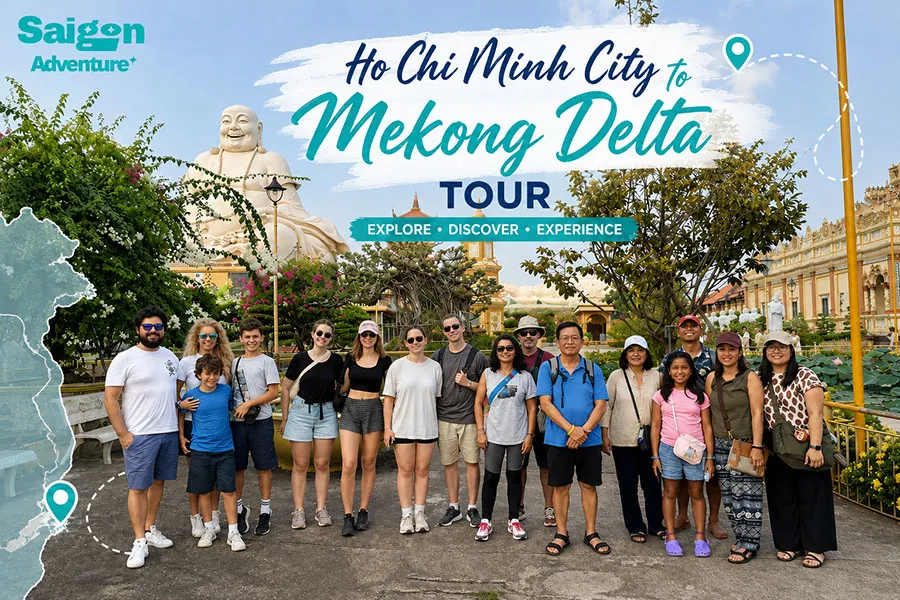
Choose the Right Destination for Your Trip
My Tho for a Convenient First Visit
My Tho is a practical choice for travelers with limited time. It provides easy access to the Tien River, small islands, fruit gardens, local workshops, and short boat journeys.
Its accessibility also makes it one of the busiest Mekong Delta destinations. Travelers who value convenience may enjoy it, but those searching for quieter surroundings should consider combining it with nearby Ben Tre.
Ben Tre for Canals and Coconut Country
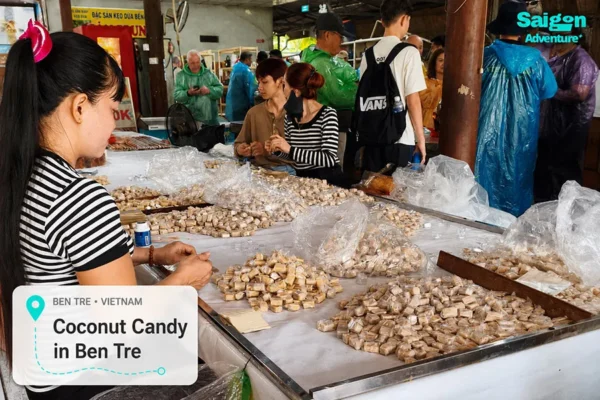
Ben Tre is known for its coconut groves, narrow waterways, small villages, and cottage industries. The landscape often feels greener and more intimate than the larger river channels around My Tho.
Activities may include cycling along village lanes, visiting a coconut workshop, tasting tropical fruit, and traveling through shaded canals by sampan. Read more about the experience in this guide to a traditional sampan boat ride in the Mekong Delta.

Can Tho for an Overnight Journey
Can Tho is the best-known urban center in the Delta and a strong choice for a two-day trip. It is approximately 165–170 kilometers from Ho Chi Minh City, and the road journey commonly takes around three to four hours depending on traffic and stops.
Staying overnight allows you to begin the following morning early, when river activity is more interesting. A private Mekong Delta tour to Can Tho is particularly useful for families, couples, or travelers who prefer a flexible pace.

Chau Doc for Culture and Border Landscapes
Chau Doc suits travelers with at least three days. Located near the Cambodian border, it is associated with floating communities, fish farms, religious sites, and the wetland landscapes of An Giang Province.
Because of the distance from Ho Chi Minh City, Chau Doc should not be squeezed into a standard day trip. It works better as part of a slower southern Vietnam itinerary or an onward journey toward Phnom Penh.
Decide How Many Days You Need
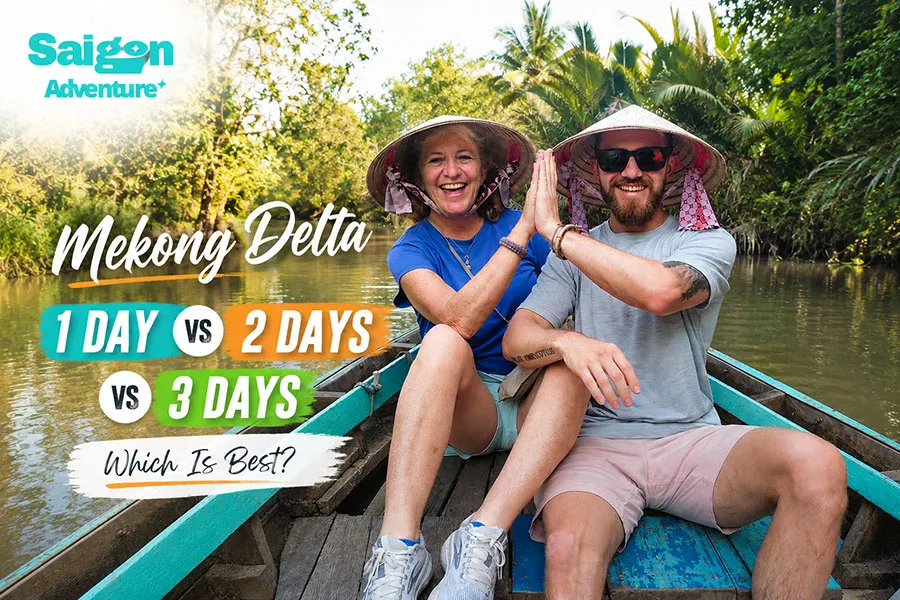
One Day for a Short Introduction
A Mekong Delta day trip works well if you have a tight schedule and simply want a first look at the region. My Tho and Ben Tre are the most realistic choices because they are close enough to leave time for river and village activities.
Expect an early departure and an evening return to Ho Chi Minh City. A balanced day normally includes road transport, a larger motorboat, a sampan ride, lunch, and one or two village stops.

Two Days for a More Complete Experience
For most first-time visitors, two days and one night offer the best balance. You can travel beyond the closest tourist zone, stay in Can Tho or a rural homestay, and experience the region at different times of day.
The slower schedule also creates space for cycling, relaxed meals, local markets, and spontaneous stops. It feels more like a journey through the Delta than a checklist of packaged activities.

Three Days for Slow Travel
Three days are suitable for travelers interested in local culture, photography, countryside life, or less-visited provinces. You might combine Can Tho with Ben Tre, Sa Dec, Tra Vinh, or Chau Doc, depending on your route.
Avoid adding destinations simply to make the itinerary appear more impressive. In the Mekong Delta, unhurried moments—a ferry crossing, a quiet canal, or coffee beside the river—are often more memorable than covering another province.

Choose Between an Organized Tour and Independent Travel
An organized Mekong Delta tour from Ho Chi Minh City is the simplest option for first-time visitors. Transport, boat arrangements, meals, and local access are coordinated in advance, reducing language and logistical difficulties.
Group tours are generally more affordable, although schedules can feel fixed. Private tours cost more but allow greater flexibility for families, older travelers, photographers, and guests with specific dietary or mobility needs.
Independent travel gives you more freedom, especially in Can Tho, where buses, hotels, restaurants, and local transport are widely available. However, arranging village boats and rural experiences after arrival may require additional planning and clear communication.

Plan Your Transport from Ho Chi Minh City
Tour vehicles and private cars usually provide the easiest door-to-door journey. They are convenient when carrying luggage, traveling with children, or following an itinerary that includes several rural stops.
Intercity buses are economical for independent travelers heading to Can Tho, Ben Tre, My Tho, or Chau Doc. Confirm the arrival station because some terminals are outside the city center, requiring a taxi or ride-hailing transfer.
Motorbikes offer flexibility but are better suited to experienced riders. Dense traffic leaving Ho Chi Minh City, heat, rain, bridge crossings, and unfamiliar rural roads can make the journey tiring for beginners.

Build a Realistic Mekong Delta Itinerary
Suggested One-Day Itinerary
Leave Ho Chi Minh City early and travel toward My Tho or Ben Tre. After arriving, take a motorboat across the main river, visit a local workshop or orchard, and continue by smaller boat through a narrow canal.
Have lunch in the countryside before enjoying a short walk or bicycle ride. Return to Ho Chi Minh City in the afternoon, allowing extra time for traffic near the city.
Suggested Two-Day Itinerary
On day one, travel to Ben Tre or Can Tho and explore riverside communities, workshops, orchards, and village roads. Stay overnight in a central hotel for convenience or choose a homestay for a quieter setting.
Begin day two early with a local market or boat excursion, followed by breakfast and another cultural stop. Return to Ho Chi Minh City after lunch rather than filling the afternoon with rushed activities.
Travelers who want to visit two major southern destinations within limited time can consider a Cu Chi Tunnels and Mekong Delta one-day tour, but the pace will be considerably faster.
Select Experiences That Feel Meaningful
Boat travel is central to most Mekong Delta itineraries, but not every boat ride is the same. Larger motorboats cross open rivers, while wooden sampans enter smaller canals where the scenery becomes quieter and more enclosed.
Cycling is another rewarding way to experience the countryside. Flat village paths pass coconut gardens, family homes, small bridges, rice fields, and neighborhood temples that are difficult to appreciate from a vehicle.
Food should also be part of your plan. Depending on the area and season, meals may feature river fish, fresh vegetables, tropical fruit, coconut-based dishes, soups, and regional specialties.
For more cultural background before choosing activities, explore these Mekong Delta travel insights.
Consider the Weather and Seasonal Conditions
The dry season, generally from December to April, brings lower rainfall and is convenient for outdoor activities. It is also a popular travel period, so well-reviewed tours and accommodation can sell out earlier.
The rainy season usually extends from May to November. Rain often arrives in heavy bursts rather than lasting all day, and the countryside becomes especially green, but flexible timing and rain protection are important.
Water levels, fruit availability, river conditions, and agricultural activities change throughout the year. Instead of expecting every image seen online, treat seasonal variation as part of the Mekong Delta experience.
Set a Sensible Budget
Your total cost depends on the destination, group size, transport, accommodation, and level of privacy. A shared day tour is usually the most economical option because transport, guides, boats, and meals are bundled together.
Independent travel may appear cheaper, but remember to include transfers to bus stations, local taxis, boat hire, entrance fees, food, and accommodation. A private tour costs more upfront but can provide better value for a small group seeking flexibility.
Carry some Vietnamese cash for drinks, snacks, small purchases, and rural vendors. Cards are widely accepted at larger hotels and restaurants, but they should not be your only payment method outside major cities.
Pack Light but Prepare for the Climate
Wear lightweight, breathable clothing and comfortable shoes with a secure grip. Boat steps, muddy paths, and uneven riverbanks can be slippery, especially after rain.
Bring sunscreen, insect repellent, a hat, drinking water, tissues, and a compact rain jacket. A waterproof pouch is helpful for protecting your phone, passport, and camera during boat journeys.
When visiting pagodas or religious sites, choose clothing that covers the shoulders and knees. Avoid carrying large suitcases on a short rural trip unless you are continuing to another destination afterward.
Local Tips for a Better Mekong Delta Trip
Start early. Morning temperatures are cooler, roads are less congested, and river communities are generally more active before midday.
Do not judge authenticity only by the absence of other tourists. Many families genuinely earn income from tourism, fruit farming, food production, boat services, and handicrafts at the same time.
Ask before photographing people at close range, especially inside homes or workshops. A friendly greeting and a simple gesture toward your camera usually make the interaction more respectful.
Finally, leave room for quiet observation. The Mekong Delta becomes most memorable when you slow down enough to notice how ferries, canals, gardens, markets, and family businesses connect everyday life.
Plan Your Mekong Delta Journey with Confidence
A successful Mekong Delta trip is not about visiting the greatest number of places. It is about matching your destination and pace to the time you genuinely have.
Choose My Tho or Ben Tre for a convenient day trip, Can Tho for a rewarding overnight stay, or Chau Doc for a deeper multi-day journey. With realistic travel times, light packing, and carefully selected activities, the Delta can become one of the most distinctive parts of your Vietnam itinerary.
If you want local guidance without managing every transfer and boat connection yourself, explore Saigon Adventure’s Mekong Delta experiences and choose an itinerary suited to your interests, schedule, and travel style.
Frequently Asked Questions
Is one day enough for the Mekong Delta?
One day is enough for an introduction to My Tho or Ben Tre. Choose two days if you want a slower pace, an overnight stay, or time in Can Tho.
How far is the Mekong Delta from Ho Chi Minh City?
The distance depends on your destination. My Tho is considerably closer, while Can Tho is approximately 165–170 kilometers away and commonly requires three to four hours by road.
Can I visit the Mekong Delta without a tour?
Yes. Independent travel is easiest in larger centers such as Can Tho, but arranging rural transport and boat experiences may require more time and local coordination.
Should I stay in Can Tho or Ben Tre?
Choose Can Tho for urban convenience, early river activities, and a broader range of hotels. Choose Ben Tre for coconut landscapes, village cycling, and a quieter countryside atmosphere.
What should I wear in the Mekong Delta?
Wear breathable clothing, sun protection, and comfortable shoes with good grip. Bring modest clothing if your itinerary includes pagodas or religious sites.
Is the Mekong Delta worth visiting during the rainy season?
Yes. The landscape is lush and rain rarely ruins every hour of the day, but you should carry waterproof protection and maintain a flexible schedule.
Are Mekong Delta floating markets still worth visiting?
They can be worthwhile when approached as working local markets rather than staged tourist attractions. Activity varies by location, season, weekday, and arrival time, so early departures are important.