A wooden sampan slips into a narrow canal where cajuput branches lean over the water and floating plants form a brilliant green carpet. The rower moves almost silently, birds call from somewhere above the canopy, and the busy roads of southern Vietnam suddenly feel very far away.
So, is Tra Su Cajuput Forest worth visiting? Yes—particularly for travelers who enjoy nature, photography, birdwatching and peaceful boat journeys. This flooded forest in An Giang offers a quieter, greener experience than the fruit orchards, floating markets and riverside workshops usually associated with the Mekong Delta.
Tra Su is not the most convenient attraction for a short one-day trip from Ho Chi Minh City. However, when included in a two- or three-day journey through Chau Doc and the western Mekong Delta, it can become one of the most memorable natural experiences in southern Vietnam.

What makes Tra Su Cajuput Forest special?
Tra Su Cajuput Forest is a seasonally flooded wetland near Tinh Bien in An Giang Province, approximately 20–30 kilometres from Chau Doc. The protected landscape covers roughly 850 hectares and is dominated by cajuput trees, known locally as tràm.
Its network of waterways, floating vegetation and forest canopy supports birds, fish, reptiles, insects and native plants. Egrets, herons, cormorants and kingfishers are among the birds visitors may encounter, although wildlife sightings always depend on the season and time of day.
Unlike a conventional Mekong River cruise, the experience takes place inside narrow forest channels. Visitors explore the area using motorboats, hand-rowed sampans, walking paths and elevated observation points.
The scenery also changes considerably throughout the year. Water levels, rainfall and vegetation determine whether the canals appear deep and intensely green or more open and subdued.

Why is Tra Su Cajuput Forest worth visiting?
The rowing boat journey is genuinely peaceful
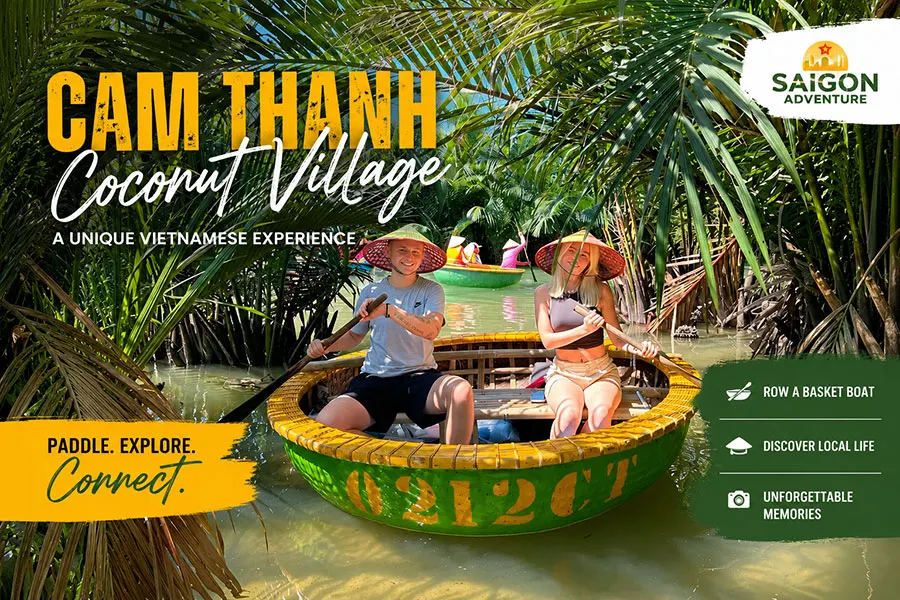
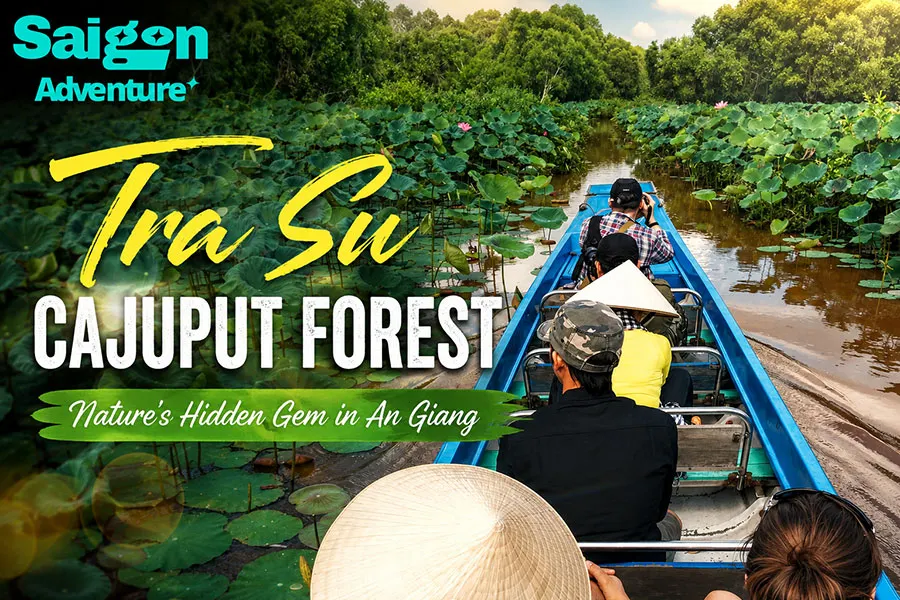
The signature experience at Tra Su is the slow sampan ride through shaded canals. As the boat moves between the cajuput trees, the forest becomes quieter and the waterway narrows around you.
A motorboat may be used to cover the wider channels before visitors transfer to a smaller rowing boat. The motorboat reveals the scale of the wetland, while the sampan creates the intimate atmosphere seen in most photographs of Tra Su Forest.
This is not a high-energy adventure. Its appeal comes from moving slowly enough to notice reflections, birds, insects and the sound of the oar touching the water.
It shows a different side of the Mekong Delta
Many first-time visitors picture the Mekong Delta as a landscape of floating markets, coconut gardens and tropical fruit farms. Tra Su reveals the region’s wetland ecosystem and its close relationship with seasonal water.
Cajuput trees are well adapted to waterlogged ground. Their flooded habitat provides shelter and feeding areas for many aquatic species and waterbirds, making the forest an important stop for travelers interested in Mekong Delta biodiversity.
A knowledgeable local guide can add valuable context by explaining the vegetation and identifying birds. Without guidance, the trip remains beautiful, but some of the forest’s ecological significance may be easy to miss.
The scenery is highly photogenic
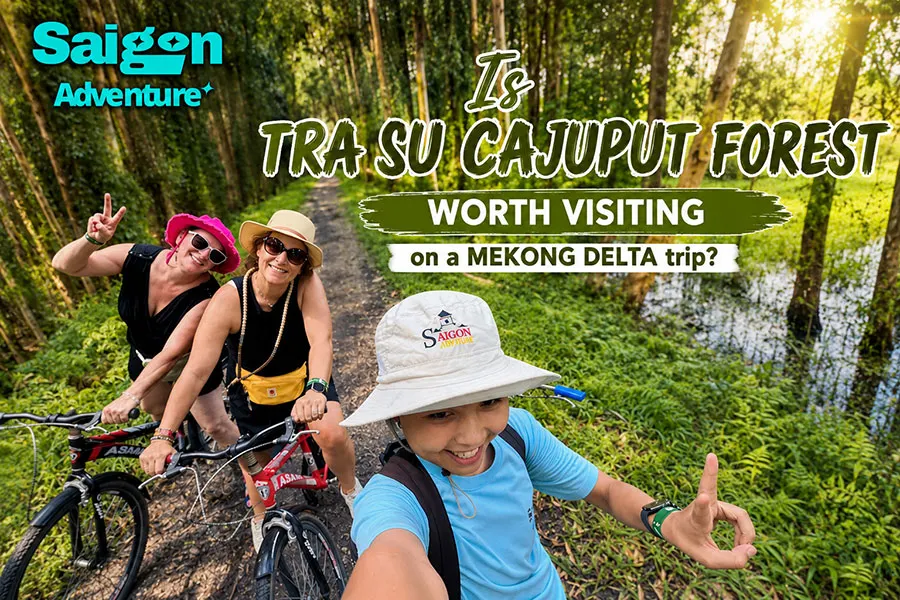
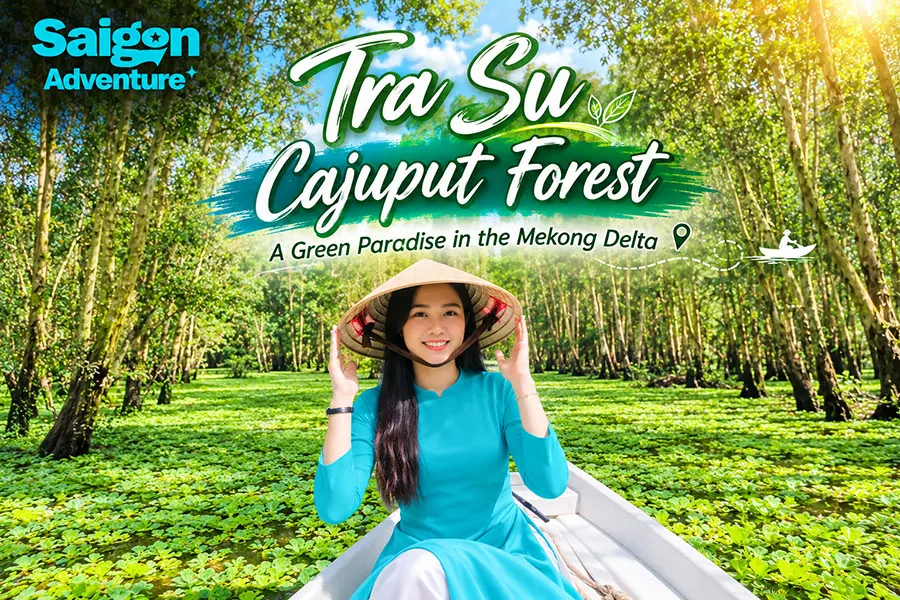
Tra Su is among the most distinctive photography locations in southern Vietnam. Wooden boats, green waterways, pale cajuput trunks and birds moving above the canopy create naturally layered compositions.
Early morning usually provides softer light and fewer visitors. Late afternoon can also be beautiful, although travelers should allow enough time to complete the boat route before services begin closing.
The famous green covering on the water will not look identical every day. Rainfall, water movement, boat traffic and seasonal conditions all influence the density of floating plants.
It offers a break from crowded attractions
Tra Su is an organized ecotourism site with ticket counters, boats, walkways, dining areas and designated photography spots. It should not be presented as untouched wilderness.
Nevertheless, the experience can feel remarkably calm once a small boat enters the forest. Visiting on a weekday and avoiding Vietnamese public holidays can make the journey even more peaceful.
Travelers who expect constant close-up wildlife encounters may be disappointed. Those who value landscape, stillness and slow travel are much more likely to consider Tra Su one of the best places to visit in An Giang.
What can you do at Tra Su Forest?
Experience the motorboat and sampan routes
Boat travel is the highlight of any Tra Su Forest visit. The motorboat normally moves through larger waterways, while the hand-rowed sampan enters quieter sections enclosed by trees.
Ask the ticket staff which boat journeys are included before paying. Entrance, motorboat and rowing services may be sold separately, and ticket arrangements can change.
Remain seated, keep your hands inside the boat and wear a life jacket when one is provided. The canals appear calm, but small boats can become unstable when passengers stand suddenly or lean too far for photographs.
Watch birds in their natural habitat
Tra Su is often called the Tra Su bird sanctuary because its wetlands support numerous bird species. Herons, egrets, cormorants and kingfishers may be seen feeding, flying or resting among the trees.
Compact binoculars are useful, especially when birds remain high in the canopy. A camera with a zoom lens allows you to photograph wildlife without approaching or disturbing it.
Early morning and late afternoon tend to offer better bird activity than the hottest part of the day. Speak quietly and avoid playing music from phones or portable speakers.
Walk through the cajuput forest
Walking paths and bamboo structures provide a second perspective on the wetland. They allow visitors to examine the vegetation more closely and enjoy sections of the forest away from the boats.
Surfaces can become wet after rain, so shoes with reasonable grip are preferable to smooth sandals. Walk slowly where the path is damp and supervise children near open water.
Some promotional descriptions focus heavily on the size or length of the bamboo bridge. The real value of the walk is not a record—it is the opportunity to pause inside the forest and observe the environment at your own pace.
View the wetland from above
An observation point reveals how extensive the cajuput canopy is. From above, the waterways partly disappear beneath the trees, while farmland and the flat An Giang countryside stretch beyond the protected area.
Visibility varies with the weather. Clear mornings generally provide the best views and more comfortable temperatures for climbing.
Taste regional food
Restaurants around the visitor area may serve freshwater fish, local vegetables and familiar southern Vietnamese dishes. Availability and menus can change according to the season.
Confirm prices before ordering and explain dietary requirements clearly. Travelers with serious allergies should remember that small local kitchens may use shared utensils and cooking surfaces.
When is the best time to visit Tra Su Forest?
The best time to visit Tra Su Cajuput Forest is generally during the floating-water season, especially from September to November. Higher water levels and lush vegetation create the deep green waterways for which the forest is famous.
This period overlaps with the rainy season in southern Vietnam. Short, intense showers are possible, but rain does not necessarily continue throughout the day.
Tra Su remains open to visitors outside the peak season, and boat activities usually continue. During drier months, however, the water level, floating vegetation and overall appearance may differ from photographs taken in October.
For pleasant temperatures, fewer crowds and better birdwatching, arrive early in the morning. Late afternoon offers softer light, but arriving too late may leave insufficient time for the complete route.
How long should you spend at Tra Su Cajuput Forest?
Most travelers should allow two to three hours. This provides enough time for the boat rides, a short walk, the observation area and several photography stops without rushing.
Birdwatchers and nature photographers may prefer three to four hours. A visit shorter than 90 minutes can feel hurried, especially when there are queues or transfers between different boats.
Opening hours and ticket prices can change, so confirm them before traveling. Online sources often list different rates because some quote only admission while others include one or both boat services.
Carry Vietnamese cash and ask exactly what each ticket covers. Do not rely entirely on an old blog post when planning the day’s budget.
How do you get to Tra Su Forest?
From Chau Doc
Chau Doc is the most practical base for a Tra Su Forest boat tour. The road journey generally takes around 40–60 minutes, depending on your hotel, traffic and type of vehicle.
A private car or taxi is the easiest choice for international visitors. If the driver will wait during your visit, agree on the total fare and waiting time before departure.
Independent travelers can rent a motorbike, but they should be comfortable with local traffic and rural roads. Download an offline map because mobile reception may be less reliable in some areas.
From Can Tho
A day trip from Can Tho is possible, but it involves several hours of driving in each direction. The experience is better as part of a route connecting Can Tho, Chau Doc and An Giang rather than a rushed return journey.
Travelers interested in both nature and river culture can combine Tra Su with a Mekong Delta floating market tour from Ho Chi Minh City. Staying overnight allows time for an early market visit without sacrificing the forest experience.
From Ho Chi Minh City
Tra Su Cajuput Forest is too far from Ho Chi Minh City for a comfortable conventional day trip. Road conditions and traffic can make the journey take around six hours or more each way.
Plan at least two days, although three days provide a much better pace. A multi-day itinerary can include Can Tho, Chau Doc, local food, riverside communities and the flooded forest without spending the entire trip inside a vehicle.
Who will enjoy Tra Su Forest most?
Tra Su is particularly rewarding for nature lovers, birdwatchers, couples, photographers and travelers seeking quieter Mekong Delta experiences. Families with older children may also enjoy the boats if everyone follows the safety instructions.
The visit may be less suitable for travelers who dislike insects, long road transfers or simple boat seating. Those expecting a theme park, dramatic adventure or guaranteed wildlife encounters should adjust their expectations.
Travelers with limited mobility should ask about boat boarding and walking conditions in advance. Entering a small sampan may require stepping down, balancing briefly and sitting on a low seat.
Local tips for a better visit
Visit on a weekday when possible, especially from September to November. Weekends and national holidays may bring larger groups and longer waits at the boat station.
Bring insect repellent, sunscreen, drinking water and a waterproof pouch for your phone or camera. A light rain jacket is more practical than a large umbrella inside a narrow sampan.
Do not feed birds, pick plants or throw anything into the canals. The attraction remains valuable only when visitors treat it as a living wetland rather than a photography set.
Most importantly, avoid packing Tra Su into an overloaded schedule. Its beauty becomes clearer when you have time to listen, observe and let the boat move at the natural pace of the forest.
Is Tra Su Cajuput Forest worth adding to your itinerary?
Tra Su Cajuput Forest is absolutely worth visiting when your Mekong Delta trip lasts at least two or three days. Its peaceful boat rides, seasonal waterways and wetland birdlife offer a meaningful contrast to the region’s markets, farms and busy river towns.
Skip it only if you have a single day from Ho Chi Minh City or strongly dislike extended road travel. In that situation, My Tho or Ben Tre will provide a more practical introduction to the Delta.
For a deeper journey, combine Tra Su with Chau Doc and Can Tho rather than treating it as an isolated photo stop. Explore Saigon Adventure’s Mekong Delta tours from Ho Chi Minh City and choose an itinerary with enough time to experience both local river culture and the natural landscapes of southern Vietnam.
Frequently asked questions
Is Tra Su Cajuput Forest worth visiting in the dry season?
Yes, although the scenery may differ from peak-season photographs. Boats generally continue operating, but lower water levels and less floating vegetation can make the canals appear more open.
What is the best month to visit Tra Su Forest?
September, October and November are usually the strongest months for high water and lush scenery. Conditions vary from year to year because rainfall and regional water levels influence the floating-water season.
Can you visit Tra Su Forest from Ho Chi Minh City in one day?
It is technically possible with a private vehicle, but the journey would be extremely long. An overnight stay in Chau Doc or a multi-day Mekong Delta itinerary is more comfortable and rewarding.
How long does a Tra Su Forest visit take?
Allow two to three hours for the standard boat rides, walking areas and viewpoints. Photographers and birdwatchers may want three to four hours.
Are bird sightings guaranteed at Tra Su?
No. Tra Su is a natural wetland, and wildlife activity depends on weather, season and time of day. Visiting early and carrying binoculars may improve your experience.
Is Tra Su Forest suitable for children?
Yes, provided children are supervised near the water and wear properly fitted life jackets. They should remain seated and follow the boat operator’s instructions throughout the ride.