Hue may be famous for royal tombs, pagodas and the Imperial City, but its food is just as important as its architecture. This Hue street food guide reveals what to eat, where to find authentic local dishes and how to explore the former imperial capital without turning every meal into a tourist checklist.
Expect fragrant noodle soups, delicate steamed rice cakes, crisp pancakes and surprisingly complex dishes made from inexpensive ingredients. The portions are often small, allowing curious travelers to taste several Hue specialties in one morning or evening.
Why Is Hue Street Food So Special?
Hue was Vietnam’s imperial capital during the Nguyễn Dynasty, and its cuisine developed through several overlapping traditions. Elaborate royal cooking influenced presentation and balance, while Buddhist communities shaped the city’s strong vegetarian culture.
Everyday residents created another culinary language from rice, clams, noodles, shrimp, pork, herbs and fermented sauces. These humble dishes often rely on contrast: soft and crisp, hot and cool, spicy and refreshing.
Compared with food in Ho Chi Minh City, Hue cooking can feel more compact, intense and carefully composed. Chili is common, but heat is only one layer; lemongrass, shrimp paste, fish sauce and fresh herbs give the dishes their recognizable depth.
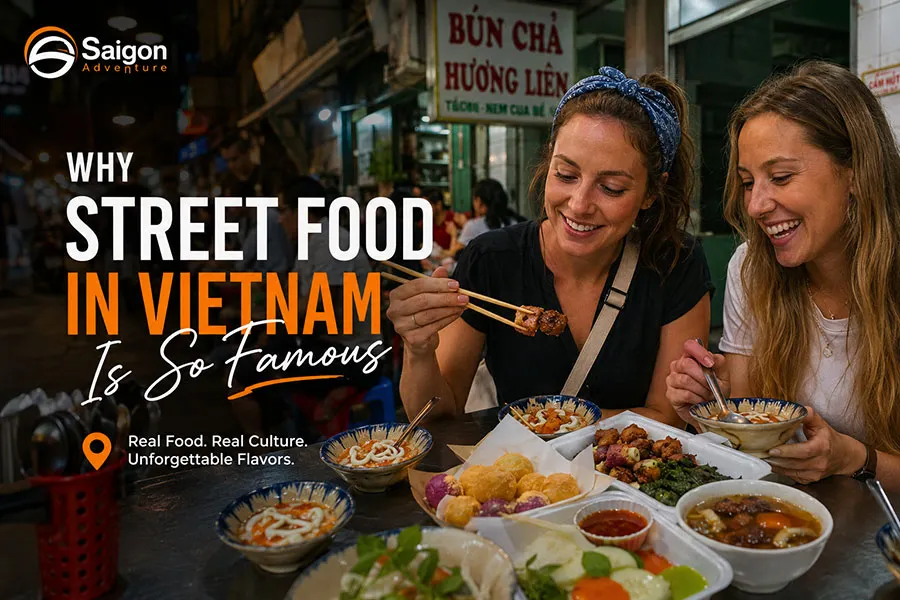
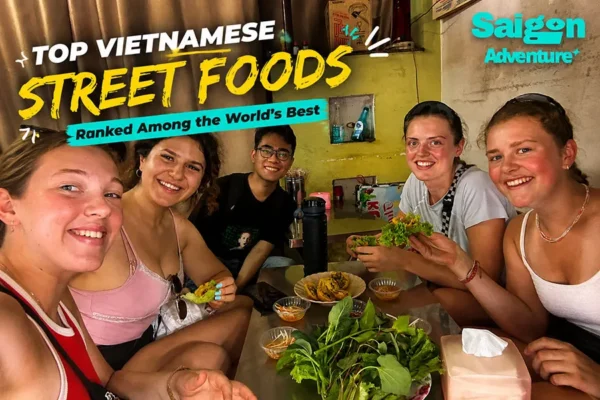
Travelers interested in the wider culture behind roadside dining can also discover why street food in Vietnam is so famous before exploring the Imperial City’s distinctive local flavors.
Is Hue Street Food Worth Trying?
Yes. Hue street food is worth experiencing because it offers one of the most distinctive regional cuisines in Vietnam at an accessible price. Even familiar-looking noodles and rice cakes have flavors, textures and serving styles that are closely connected to Central Vietnam.
It is particularly rewarding for travelers who enjoy sharing dishes and comparing small variations. A single meal might include three types of steamed rice cake, each using similar ingredients but producing a completely different bite.
Hue is also suitable for travelers who dislike oversized tasting menus. Order gradually, share portions and stop when you are satisfied rather than trying to complete a rigid list.
What to Eat in Hue: Essential Local Dishes
Bún bò Huế: Hue’s signature noodle soup
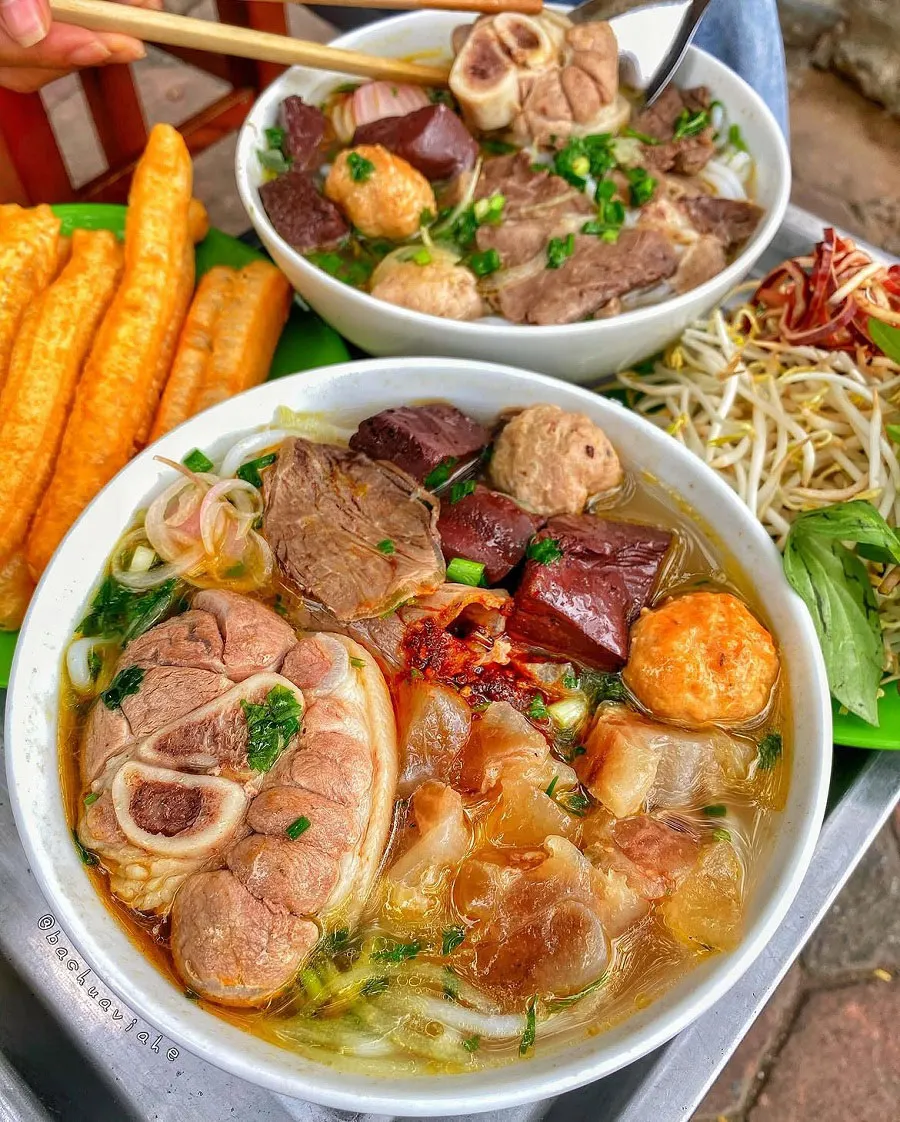
Bún bò Huế is the city’s best-known dish, but a local bowl may be different from versions served elsewhere. It usually combines thick round rice noodles with a lemongrass-scented broth, beef, herbs and a measured amount of chili.
Some bowls include pork knuckle, crab mixture, blood cake or different cuts of beef. These additions vary between vendors, so do not assume every serving will have the same ingredients.
Morning is the classic time to eat bún bò Huế, when dedicated stalls are busy and the broth is fresh. If you are sensitive to spice, say “không cay” for no chili or ask for the chili to be served separately.
Cơm hến and bún hến: Rice or noodles with baby clams
Cơm hến is a layered mixture of rice, tiny clams, herbs, peanuts, crispy pork skin, star fruit and chili. A warm clam broth is generally served alongside or added according to personal preference.
Bún hến replaces the rice with noodles but keeps a similar mixture of contrasting ingredients. Both dishes can be spicy, salty, crunchy and refreshing within the same mouthful.
The area associated with the dish is Cồn Hến, an island community in the Perfume River. Travelers can look for a simple neighborhood shop there or try an established vendor elsewhere in central Hue.
Bánh bèo: Steamed rice cakes in small dishes
Bánh bèo consists of soft steamed rice cakes topped with ingredients such as dried shrimp, crispy pork skin and scallion oil. Fish sauce is added before each cake is lifted from its shallow dish with a spoon.
One serving may include several small dishes, but it remains light enough to share. Bánh bèo is a good introduction to Hue cuisine for travelers who want something savory without an intense level of spice.
Bánh nậm and bánh bột lọc
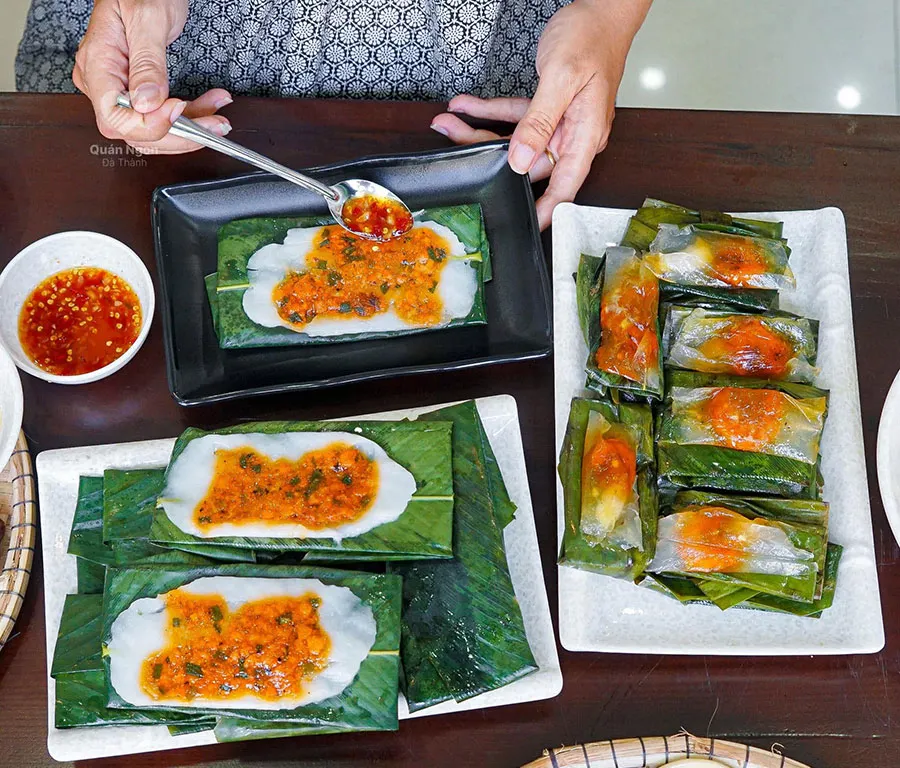
Bánh nậm is a thin, tender rice cake spread over a banana leaf and commonly topped with seasoned shrimp and pork. It is opened flat, eaten with a spoon and finished with a small amount of fish sauce.
Bánh bột lọc has a translucent, pleasantly chewy tapioca wrapper around shrimp, pork or both. Some versions are wrapped in banana leaves, while others are prepared without leaves.
Order a mixed plate if available. Comparing bánh bèo, bánh nậm and bánh bột lọc side by side makes their differences much easier to appreciate.
Bánh khoái: Hue’s crisp savory pancake
Bánh khoái is a thick, crisp pancake typically filled with shrimp, pork and bean sprouts. It may resemble bánh xèo at first glance, but it is generally smaller, sturdier and served with a rich local dipping sauce.
The best way to eat it is to tear off a piece, wrap it with herbs and dip it lightly. Adding too much sauce at once can overwhelm the pancake’s crisp texture.
Nem lụi: Lemongrass skewers with herbs
Nem lụi features seasoned pork formed around lemongrass stalks and grilled over charcoal. Diners wrap the meat in rice paper with herbs, vegetables and other accompaniments before dipping it into sauce.
This interactive dish is especially enjoyable for couples, families and small groups. It also pairs naturally with bánh khoái, making the two dishes an efficient shared dinner.
Chè Huế: A sweet finish
Chè refers to a broad family of Vietnamese sweet soups and puddings. Hue offers varieties made with beans, lotus seeds, corn, taro, fruit, coconut milk and other ingredients.
Not every chè is extremely sweet, and textures range from smooth to chewy. Instead of selecting by appearance alone, ask the vendor which option is lighter, richer or best served warm.
If you enjoy learning about a destination through its signature dishes, browse our collection of Vietnamese cuisine guides for more regional specialties, practical dining advice and local food experiences across Vietnam.
Where to Eat Street Food in Hue
Dong Ba Market for variety and local energy
Dong Ba Market is one of the most convenient places to encounter several Hue specialties in one area. Its food sections can introduce visitors to noodles, rice dishes, snacks, condiments and sweet desserts amid the activity of a working market.
The main advantage is variety. The disadvantage is that noise, narrow passages and numerous choices can feel overwhelming during busy periods.
Walk through once before ordering rather than sitting at the first counter you see. Choose stalls with active food preparation, visible ingredients and steady local turnover.
Cồn Hến for cơm hến and bún hến
Cồn Hến is a meaningful destination for travelers interested specifically in clam-based dishes. The experience is quieter and more residential than eating beside Hue’s major monuments.
Come for breakfast or lunch rather than expecting a late-night food district. Opening times can change, and small family businesses may close when they sell out.
Around the Citadel for traditional snacks
The streets surrounding the Hue Citadel contain local restaurants, market stalls and informal food businesses. This area is convenient for combining sightseeing with bánh bèo, bánh nậm or a comforting bowl of noodles.
Avoid assuming that the closest restaurant to a major entrance will offer the most representative meal. Walking several blocks away from the busiest visitor routes often leads to quieter eateries where local residents regularly dine.
After exploring the Citadel and its surrounding food streets, travelers can discover more tours and experiences in Hue, including the Imperial City, royal tombs and cultural attractions beyond the city’s dining scene.
Central Hue and the south bank for evening food
Central neighborhoods on the south side of the Perfume River offer a convenient mix of restaurants, cafés and evening vendors. This is a practical choice for first-time visitors staying near the main hotel areas.
The atmosphere is easier to navigate than a crowded market, although prices may be slightly higher in tourism-oriented streets. Explore smaller side roads rather than limiting your search to the brightest commercial blocks.
Best Places to Try Local Food in Hue
Wondering where to eat in Hue beyond the usual tourist restaurants? The city’s traditional markets and neighborhood eateries are excellent places to discover authentic local flavors at affordable prices.
| Area | Must-Try Food | Best Time to Visit |
|---|---|---|
| Dong Ba Market | Bun bo Hue, banh beo, banh loc | Morning |
| Con Hen Island | Com hen, bun hen | Breakfast or lunch |
| Citadel Area | Banh khoai, bun bo Hue | Morning or evening |
| An Cuu Market Area | Local noodle soups, traditional rice cakes | Morning |
| Central Hue | Nem lui, banh khoai, Hue sweet soups | Afternoon or evening |
Local Tip: Start at Dong Ba Market for a traditional breakfast, then explore Con Hen for its famous clam rice. If you’re visiting in the evening, look for freshly prepared banh khoai or a small che stall for dessert.
Many local eateries specialize in just one or two dishes, so don’t hesitate to explore beyond the busiest tourist streets. Check prices before ordering and choose stalls where food is prepared fresh.
How Much Does Street Food Cost in Hue?
Prices depend on the portion, ingredients, location and style of restaurant. As a practical estimate, a simple snack or steamed rice-cake serving may cost around VND 15,000–40,000, while noodles, pancakes and larger dishes often fall between VND 30,000 and 80,000.
Seafood, large sharing plates and polished restaurants can cost considerably more. Check the menu or confirm the price before ordering when prices are not displayed.
A flexible food crawl with three or four modest stops might cost roughly VND 150,000–350,000 per person, excluding alcohol and transportation. Treat these figures as planning estimates because menus and prices can change.
Best Hue Street Foods & Typical Prices
Hue street food is generally affordable, making it easy to sample several local specialties without spending much. Here are typical price ranges to help you plan your food experience.
| Hue Street Food | Typical Price (VND) | Best For |
|---|---|---|
| Bun bo Hue | 30,000–60,000 | Breakfast or lunch |
| Com hen / Bun hen | 20,000–40,000 | Light local meal |
| Banh beo | 20,000–40,000 | Sharing and snacking |
| Banh nam | 20,000–40,000 | Traditional rice cakes |
| Banh bot loc | 25,000–40,000 | Savory snack |
| Banh khoai | 30,000–70,000 | Lunch or dinner |
| Nem lui | 50,000–100,000 | Sharing with friends |
| Che Hue | 15,000–30,000 | Dessert |
Prices are approximate per serving or small order and may vary by vendor, portion size, and location.
Local Tip: Budget around 150,000–250,000 VND per person to enjoy three or four different Hue specialties at casual local eateries. Sharing smaller dishes is an excellent way to experience more flavors without overspending.
Best Time for a Hue Street Food Tour
Early morning is ideal for bún bò Huế and busy local breakfast stalls. Arriving between approximately 7:00 and 9:00 also lets you eat before spending the day at the Imperial City or royal tombs.
Late afternoon and early evening are better for bánh khoái, nem lụi, rice cakes and chè. Around two to three hours is usually enough for a relaxed self-guided tasting route.
Hue’s rainy season can bring prolonged showers, particularly later in the year. Carry a compact raincoat and choose a route with several indoor or covered alternatives instead of depending entirely on outdoor carts.
How to Plan Your Own Hue Food Walk
Choose one neighborhood and limit the route to four stops. Traveling across the entire city between individual dishes wastes time and makes the experience feel like a race.
A balanced evening could include:
- Bánh bèo, bánh nậm and bánh bột lọc to share
- Bánh khoái or nem lụi as the main savory course
- Cơm hến or bún hến if you still have room
- Chè Huế as dessert
Order one portion first when sharing with another person. You can always request more, while unfinished food makes it difficult to continue tasting.
Travelers who prefer cultural explanations and help with ordering may benefit from a guided Hue street food tour. Independent exploration provides more freedom, but a knowledgeable local guide can explain ingredients that are not obvious from an English menu.
Practical Tips for Eating Street Food Safely
Choose vendors with steady customer turnover and food that is cooked or reheated thoroughly. Hot dishes should arrive hot, while herbs and raw vegetables should appear fresh rather than wilted.
Carry hand sanitizer, drink sealed or properly filtered water and use personal judgment around raw seafood. Travelers with allergies should save a translated explanation on their phones because broad terms such as “seafood” may not cover shrimp paste, fish sauce or cooking stock.
Vegetarians should ask whether the broth, sauce and toppings contain meat or seafood. The phrase “ăn chay” is helpful, but confirming individual ingredients provides more certainty.
A busy stall can indicate freshness and popularity, but it is not a guarantee of safety. If the preparation area or ingredient storage makes you uncomfortable, move to another vendor.
Local Tips and Mistakes to Avoid
Do not cover every dish with chili before tasting it. Hue food can already contain heat in its broth, filling or sauce, and the vendor’s chili paste may be stronger than expected.
Carry smaller Vietnamese banknotes and avoid expecting every stall to accept cards. Keep bags close in crowded markets and step away from traffic before checking maps or taking photographs.
Most importantly, do not compare every Hue dish with a supposedly “standard” Vietnamese version. Regional differences are the point: the city’s small portions, concentrated seasoning and layered textures express a culinary identity of their own.
Experience Hue One Small Dish at a Time
The best Hue food experience is not necessarily the restaurant with the longest menu. It might be a morning bowl of bún bò, a tray of delicate rice cakes or an evening spent wrapping grilled pork and herbs around a shared table.
Use this Hue street food guide as a flexible starting point, follow the rhythm of each neighborhood and leave room for an unexpected recommendation. If your journey continues south, explore Saigon Adventure food tours to experience Ho Chi Minh City’s hidden neighborhoods and local flavors with a knowledgeable guide.
Frequently Asked Questions About Hue Street Food
What food is Hue famous for?
Hue is famous for bún bò Huế, cơm hến, bún hến, bánh bèo, bánh nậm, bánh bột lọc, bánh khoái, nem lụi and chè. These dishes reflect imperial, Buddhist and everyday Central Vietnamese culinary traditions.
Where is the best place to try street food in Hue?
Dong Ba Market is convenient for variety, while Cồn Hến is closely associated with cơm hến and bún hến. The neighborhoods around the Citadel and central Hue also contain numerous small eateries and evening vendors.
Is Hue street food very spicy?
Some Hue dishes can be noticeably spicy, especially noodle soups and clam dishes, but heat varies by vendor. Ask for “không cay” or request chili separately if you prefer milder food.
How much should I budget for street food in Hue?
A reasonable tasting budget is approximately VND 150,000–350,000 per person for several modest dishes. Your total will depend on the venues, portion sizes, drinks and whether you order expensive shared plates.
What is the best time to visit Dong Ba Market for food?
Morning and lunchtime generally offer an energetic market experience and plenty of food choices. Arrive with enough time to explore before ordering, as individual stalls keep different hours and may sell out.
Can vegetarians find street food in Hue?
Yes. Hue has a notable vegetarian tradition, and travelers can find rice, noodle, vegetable and tofu dishes. Confirm that broth, toppings and dipping sauces are vegetarian because fish sauce or meat stock may be used unexpectedly.
Can I explore Hue street food without a guide?
Yes. Independent travelers can create a rewarding food walk by focusing on one neighborhood and ordering small portions. A guide is more helpful for understanding culinary history, navigating language barriers and identifying less obvious ingredients.