Vietnam’s coastline stretches from the Gulf of Tonkin to the Gulf of Thailand, revealing hundreds of islands shaped by limestone cliffs, volcanic rock, tropical forest and fishing communities. Some offer polished resorts and direct flights, while others reward adventurous travelers with empty beaches and slow mornings beside the sea.
Choosing among the most beautiful islands in Vietnam depends on how you like to travel. Phu Quoc makes a comfortable first island holiday, Cat Ba pairs outdoor adventure with dramatic scenery, and Con Dao feels wonderfully removed from everyday life.
This guide introduces ten outstanding Vietnamese islands, including famous beach destinations and quieter coastal escapes. Each has its own character, so the best choice is not always the island with the whitest sand—it is the one that fits your pace, interests and route.
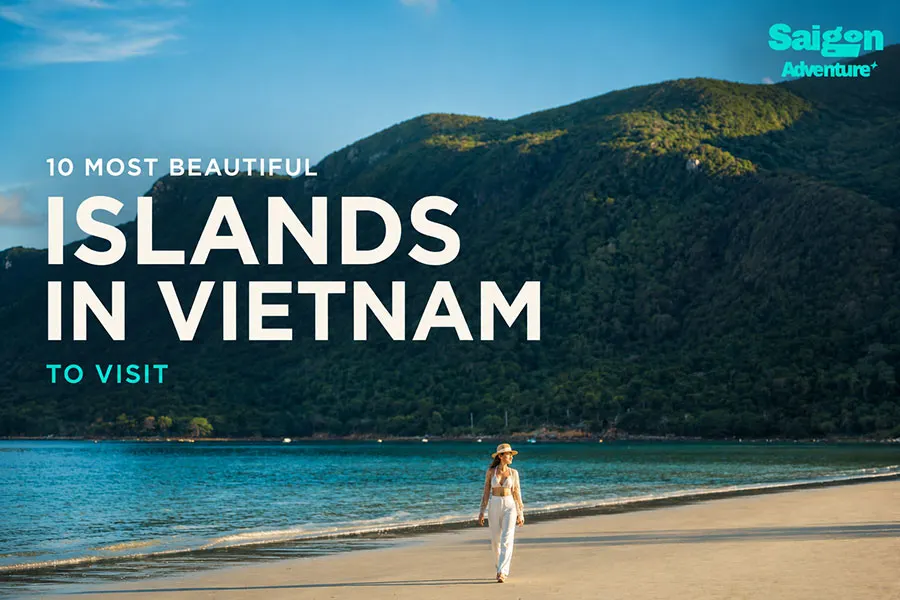
1. Phu Quoc Island – Best for First-Time Visitors
Phu Quoc is Vietnam’s most developed island destination, yet its appeal extends far beyond resort pools. The island combines palm-fringed beaches, forested hills, fishing villages, pepper farms, seafood markets and the small islands of the An Thoi Archipelago.
Sao Beach is known for its pale sand and calm tropical setting, while the western coast offers beautiful sunset views. Travelers can also explore the south on a Phu Quoc sightseeing tour, visiting Ho Quoc Pagoda, local farms and historic sites before relaxing by the sea.
For a more active day, take a Phu Quoc four-island tour for snorkeling, swimming and island hopping around the southern archipelago.
Best for: First-time visitors, couples and families
Local tip: Stay near Duong Dong for restaurants and convenience, or choose the north and east for a quieter atmosphere.
2. Con Dao Islands – Best for Nature and History
Con Dao feels more remote and contemplative than Vietnam’s larger beach destinations. The archipelago has clear water, forested mountains, quiet roads and sheltered bays, creating a sense of space that is increasingly difficult to find elsewhere.
Con Son is the main inhabited island and the base for most travelers. From here, visitors can explore Dam Trau Beach, walk through forested areas, snorkel around smaller islands and learn about the former prison system that shaped Con Dao’s modern history.
The surrounding marine environment is also important for sea turtles, although nesting and release experiences should only be arranged through authorized conservation programs.
Best for: Nature lovers, history enthusiasts and quiet escapes
Local tip: Treat the island’s prisons, cemeteries and memorials respectfully; they are places of remembrance rather than ordinary sightseeing stops.
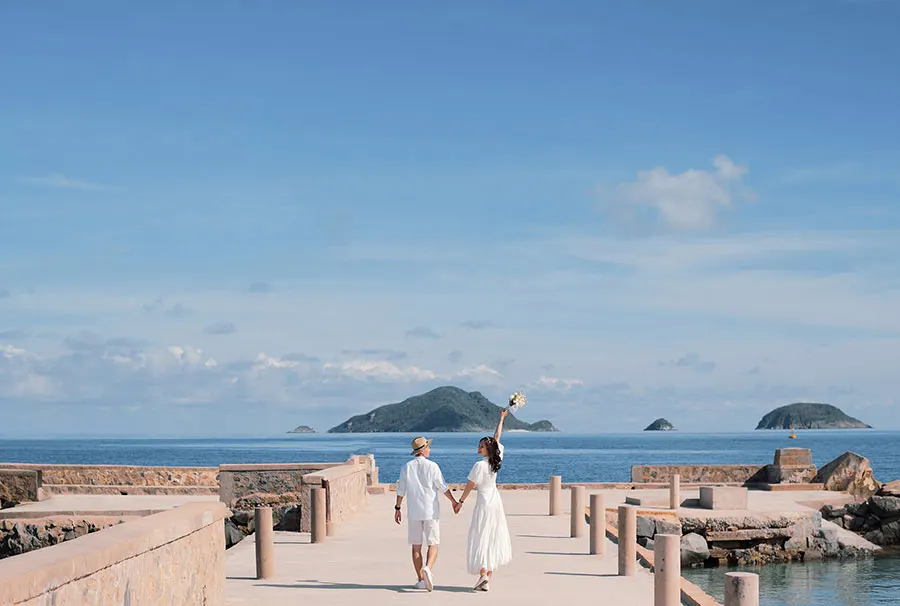
3. Cat Ba Island – Best for Outdoor Adventure
Cat Ba is the largest island in the Cat Ba Archipelago and a natural gateway to Lan Ha Bay. Its landscape of limestone towers, hidden coves and floating communities resembles nearby Ha Long Bay, but many areas feel more intimate and active.
Kayaking is one of the best ways to explore the sheltered water, especially around limestone formations and secluded lagoons. On land, Cat Ba National Park offers hiking routes through subtropical forest, while Cannon Fort and the island’s coastal roads provide elevated views.
Cat Ba Town becomes lively during domestic holiday periods, so travelers seeking peace may prefer accommodation outside the center.
Best for: Hiking, kayaking and scenic boat trips
Local tip: Avoid rushed day trips when possible. Spending at least two nights allows time for both Lan Ha Bay and the national park.
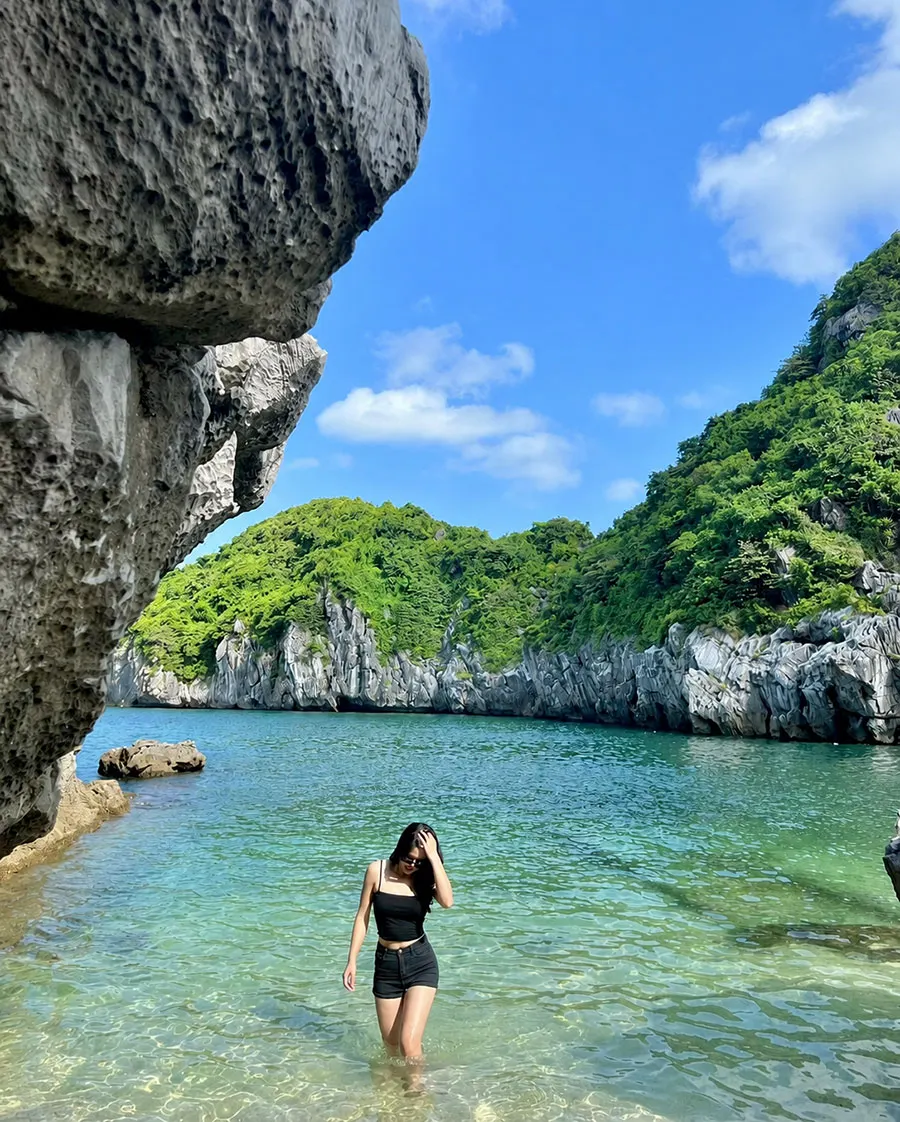
4. Ly Son Island – Best for Volcanic Landscapes
Ly Son rises from the sea off the coast of Quang Ngai and looks unlike a conventional tropical island. Ancient volcanic activity created dramatic cliffs, rock arches, craters and dark formations that contrast beautifully with turquoise water.
The island is also known as Vietnam’s “Kingdom of Garlic.” Fields of garlic and onions grow in sandy volcanic soil, giving the inland landscape a distinctive pattern and connecting tourism with everyday agricultural life.
Highlights include Thoi Loi Mountain, To Vo Gate, Hang Pagoda and the surrounding coastal viewpoints. A short boat trip to nearby Be Island adds clear water and a more relaxed beach experience.
Best for: Photography, geology and local culture
Local tip: Boats normally depart from Sa Ky Port, but crossings can change when the sea is rough. Leave flexibility in your schedule.
5. Cham Islands – Best Island Trip from Hoi An
The Cham Islands, locally called Cu Lao Cham, form a small archipelago off the coast of Hoi An. Their beaches, fishing settlements, coral areas and forested slopes make them an appealing extension to a Central Vietnam itinerary.
Most visitors arrive on a speedboat excursion, swim or snorkel and return to the mainland in the afternoon. Staying overnight on the main island creates a calmer experience after the day-trip groups leave and offers a better glimpse of local island life.
The archipelago forms part of the Cu Lao Cham–Hoi An UNESCO Biosphere Reserve, so responsible travel is especially important. Avoid touching coral, collecting shells or leaving single-use plastic behind. UNESCO describes the reserve as a connected coastal ecosystem encompassing the islands and Hoi An estuary.
Best for: Hoi An visitors, snorkeling and short beach escapes
Local tip: Sea conditions are generally more favorable in the drier months; boat services may be limited during rough weather.
6. Nam Du Islands – Best for a Rustic Archipelago Escape
Nam Du is an archipelago in the Gulf of Thailand, reached by boat from the mainland of Kien Giang. Its forested islets, fishing boats and vivid blue-green water make the journey feel like an escape from Vietnam’s busier tourism trail.
Hon Lon is the main island and the usual base for accommodation, food and boat excursions. Travelers often rent a motorbike to follow the coastal road, stop at viewpoints and visit beaches such as Bai Cay Men.
Facilities remain simpler than in Phu Quoc, which is part of Nam Du’s charm but requires additional planning.
Best for: Independent travelers and laid-back island hopping
Local tip: Carry enough cash and confirm return boats before departure, particularly when bad weather is forecast.
7. Phu Quy Island – Best for Cliffs and Coastal Roads
Phu Quy lies offshore from Phan Thiet and has become a favorite among Vietnamese travelers looking for open scenery and a slower rhythm. Windy coastal roads pass rocky headlands, fishing harbors, small temples and brilliant stretches of sea.
The island’s beauty is less about long resort beaches and more about changing viewpoints. Cao Cat Mountain, Ganh Hang, Trieu Duong Bay and the cliffs around the coast are especially memorable in clear weather.
Motorbikes are the most practical way to explore, but strong sun and wind can make even short journeys tiring.
Best for: Road trips, coastal photography and local seafood
Local tip: Reserve ferry tickets and accommodation early during weekends and public holidays, when domestic demand rises sharply.
8. Co To Island – Best for Northern Beaches
Co To proves that Vietnam’s most attractive islands are not limited to the tropical south. Located in Quang Ninh, it offers broad beaches, clear seasonal water, rocky shores and a more relaxed alternative to the region’s famous bay cruises.
Hong Van and Van Chay are two of the island’s best-known beaches, while Cau My Rock creates a striking landscape of layered stone beside the sea. The lighthouse area also offers expansive views across the island when access is available.
The character of Co To changes dramatically with the season. Summer brings the best beach atmosphere, but it also coincides with higher visitor numbers and occasional tropical storms.
Best for: Summer beach trips from Hanoi
Local tip: Build a spare day into your northern itinerary because high winds can affect boats between the island and the mainland.
9. Quan Lan Island – Best for Long, Quiet Beaches
Quan Lan sits within Bai Tu Long Bay and combines soft sandy beaches with village life and historical character. It feels less urban than Cat Ba and offers more room to slow down than many well-known northern coastal resorts.
Quan Lan Beach, Minh Chau Beach and Son Hao Beach each have a slightly different atmosphere. Cycling or riding between them reveals casuarina trees, sandy roads, small settlements and wide coastal views.
The island is particularly attractive for travelers who want beach time without a full resort environment. Services are available, but evenings remain relatively peaceful outside peak domestic travel periods.
Best for: Couples, slow travel and peaceful northern scenery
Local tip: Check which port your boat uses because services may arrive at different points around the island area.
10. Hon Son Island – Best Underrated Island
Hon Son, also known as Hon Son Rai, lies between the mainland and Nam Du in Kien Giang Province. The island remains closely tied to fishing life, with colorful boats, seafood stalls and houses gathered around its harbors.
Bai Bang is its most recognizable beach, framed by coconut palms and smooth boulders. A loop around the island by motorbike reveals smaller coves, fishing villages and sea views, while experienced hikers can consider the route toward Ma Thien Lanh Peak with local advice.
Hon Son is not a luxury destination. Its appeal comes from uncomplicated accommodation, fresh seafood and a landscape that still feels lived in rather than designed for visitors.
Best for: Budget travelers and less-touristy beach holidays
Local tip: Ask your accommodation about boat conditions, motorbike rental and safe hiking routes before setting out.
Which Vietnamese Island Is Best for You?
Choose Phu Quoc if you want convenient flights, a wide range of hotels and easily booked activities. Its infrastructure makes it the simplest option for families and travelers visiting Vietnam for the first time.
Choose Con Dao, Nam Du or Hon Son when peace and natural scenery matter more than nightlife. Cat Ba suits travelers who prefer kayaking and hiking, while Ly Son and Phu Quy offer the most distinctive volcanic and rocky landscapes.
For a short addition to a Central Vietnam itinerary, the Cham Islands are the easiest fit. From Hanoi, Cat Ba, Co To and Quan Lan provide practical northern options without requiring a flight to southern Vietnam.

Best Time to Visit Vietnam’s Islands
There is no single perfect season for every island because Vietnam’s coastline crosses several climate zones. Phu Quoc, Nam Du and Hon Son are often most comfortable during the southern dry season, while Cat Ba, Co To and Quan Lan are popular during the warmer northern months.
Central islands such as Ly Son and the Cham Islands are generally easier to reach when seas are calmer. Conditions can still change quickly, so check forecasts and confirm ferry or speedboat operations shortly before traveling.
Public holidays and summer weekends can transform a quiet island into a busy destination. If your schedule is flexible, travel midweek and reserve waterfront accommodation in advance.
Practical Tips for Island Travel in Vietnam
Pack reef-safe sun protection, light clothing, mosquito repellent, dry bags and any essential medication. Smaller islands may have limited pharmacies, ATMs and English-language assistance.
Never assume the last ferry will operate in poor weather. Keep important flights or international connections at least one flexible day away from an island crossing whenever possible.
Most importantly, choose authorized boats, wear the provided life jacket and avoid tours that encourage touching coral or disturbing wildlife. Vietnam’s islands are beautiful because their ecosystems and communities remain alive—not because they are empty backdrops for photographs.
Turn Your Island Holiday into a Vietnam Adventure
A beach escape can be only one chapter of a longer journey. Before flying to Phu Quoc or continuing toward the coast, discover southern river life on a Mekong Delta tour, or experience the flavors and hidden neighborhoods of Ho Chi Minh City on a Saigon motorbike food tour.
Saigon Adventure can also help travelers connect city experiences with Phu Quoc island activities, including sightseeing, snorkeling and sunset cruises. Plan enough time to enjoy each destination rather than turning Vietnam’s coastline into a checklist.
Frequently Asked Questions
What is the most beautiful island in Vietnam?
Phu Quoc is the most popular all-round choice because it combines attractive beaches, comfortable accommodation and convenient transport. Con Dao may feel more beautiful to travelers who prefer untouched scenery and a peaceful atmosphere.
Which Vietnam island is best for first-time visitors?
Phu Quoc is the easiest island for most first-time visitors. It has an international airport, varied hotels, organized tours and significantly more services than smaller islands.
What are the best quiet islands in Vietnam?
Hon Son, Nam Du, Quan Lan and parts of Con Dao are good choices for a quieter experience. Visit on weekdays and avoid major Vietnamese holidays for fewer crowds.
Can international tourists visit every island in Vietnam?
No. Some islands and coastal areas are restricted for security, conservation or military reasons. For example, tourism activities involving Binh Ba and Binh Hung were explicitly prohibited under rules reaffirmed by Vietnamese authorities in 2026, so international visitors should select an unrestricted alternative and verify current regulations before departure. Vietnam News
How many days should I spend on a Vietnamese island?
Allow three to five days for Phu Quoc and at least two nights for Cat Ba, Con Dao or the smaller islands. One-day visits work for the Cham Islands, although an overnight stay provides a calmer experience.
Is island hopping in Vietnam expensive?
It can be affordable when using scheduled ferries, local guesthouses and shared boat trips. Private speedboats, beachfront resorts and flights during public holidays increase the cost considerably.