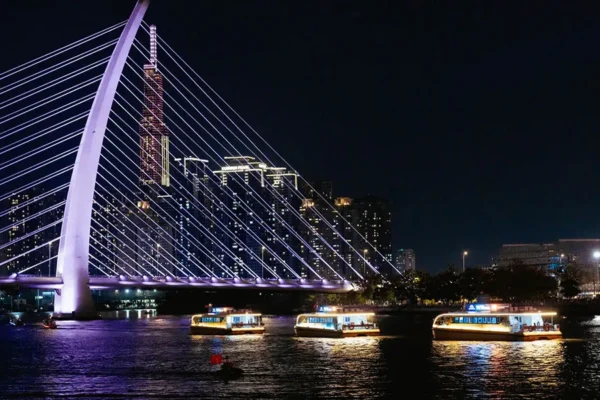
If you are looking for the best neighborhoods in Ho Chi Minh City to explore on foot, you might be surprised by how walkable the city actually is. While Ho Chi Minh City often looks like a place designed for motorbikes with constant traffic flows, Saigon deeply rewards travelers who slow down and walk.
Walking lets you notice the scent of Vietnamese coffee drifting from a family-run café, old apartment balconies filled with plants, neighborhood markets preparing for lunch, and tiny temples concealed between modern buildings.
The secret is choosing the right area. Ho Chi Minh City is enormous, so attempting to cross several districts entirely on foot is neither practical nor enjoyable. A better approach is to select one compact neighborhood and explore it in depth.
The following seven areas offer some of the best walking experiences in Ho Chi Minh City, whether you are interested in history, architecture, food, photography or everyday local life.
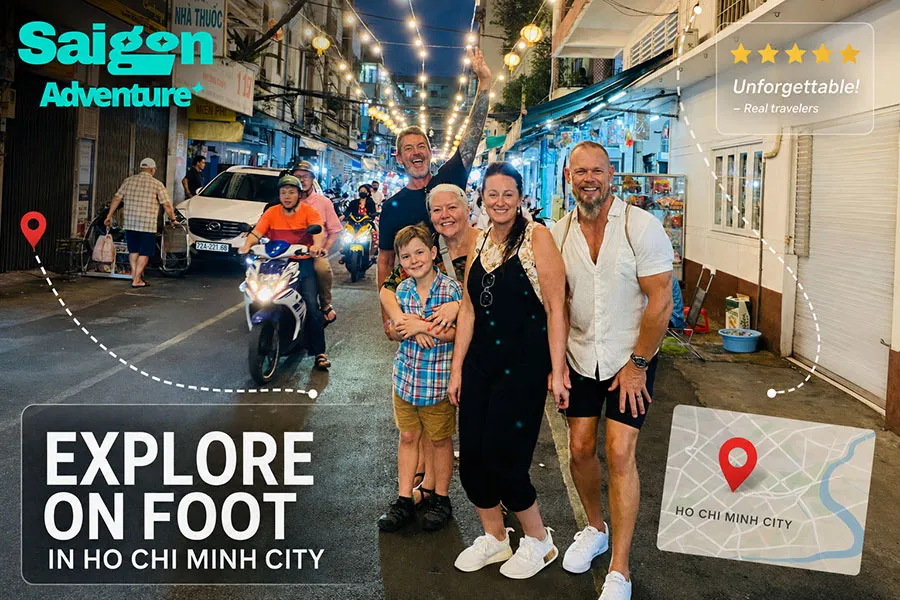
1. District 1: The Best Starting Point for First-Time Visitors
District 1 is the most convenient neighborhood to explore on foot in Ho Chi Minh City. Many famous landmarks sit within a relatively compact area, making it ideal for visitors with limited time.
A classic walking route begins near the Independence Palace before continuing toward Notre-Dame Cathedral, Saigon Central Post Office and Book Street. From there, you can walk along Dong Khoi Street to the Opera House, Nguyen Hue Walking Street and Bach Dang Wharf.
The route reveals several layers of the city. French colonial buildings stand beside contemporary towers, luxury stores face decades-old cafés, and quiet courtyards appear just beyond crowded intersections.
Do not rush between attractions. Look inside historic apartment blocks, pause at small parks and observe how local residents use public spaces throughout the day.

Best for
First-time travelers, architecture enthusiasts, photographers and anyone seeking an accessible introduction to Saigon.
Local tip
Walk before 10:00 AM or after 4:00 PM. The temperature is more comfortable, and the softer light is better for photographing historic buildings.
2. District 3: Colonial Villas and Quiet Local Streets
District 3 sits beside the city center but feels noticeably more residential. Its tree-lined streets, old villas and independent cafés make it one of the best walking areas in Saigon for travelers who prefer a slower atmosphere.
Begin near Tan Dinh Church, known for its distinctive pink exterior. Continue toward Tan Dinh Market, where vendors sell fresh produce, fabrics, household goods and local meals.
The surrounding lanes reveal a different side of the city. You may encounter weathered villas hidden behind gates, small Buddhist pagodas, street vendors preparing lunch and cafés built inside restored family homes.
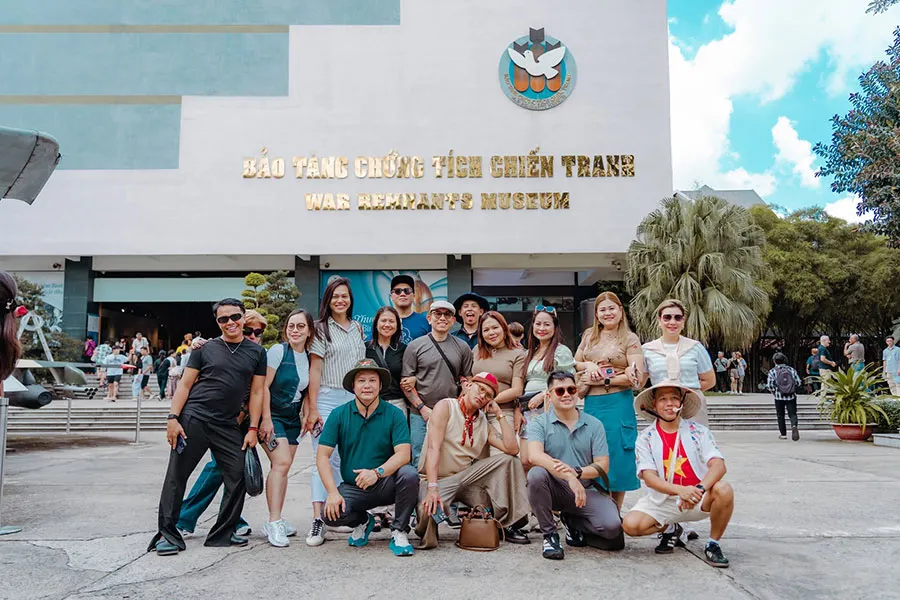
Another meaningful stop is the War Remnants Museum. Visiting the museum can be emotionally challenging, but it provides valuable historical context for understanding modern Vietnam.
District 3 is less polished than central District 1, which is precisely its appeal. It feels lived-in rather than arranged for tourism.
Best for
Slow travelers, café lovers, history enthusiasts and visitors interested in local architecture.
Local tip
Explore the streets surrounding Vo Van Tan, Nguyen Dinh Chieu and Tran Quoc Thao rather than remaining on the main roads.
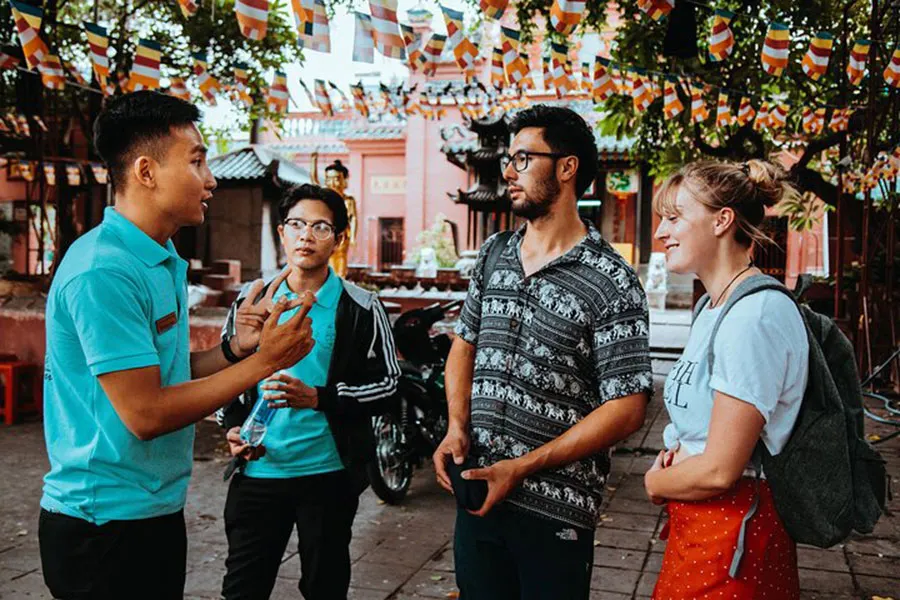
3. Cholon: Temples, Markets and Chinese-Vietnamese Heritage
Cholon stretches across parts of Districts 5 and 6 and contains one of the city’s richest concentrations of cultural landmarks. Its name means “great market,” reflecting its long history as a center of commerce.
A rewarding route can include Binh Tay Market, Thien Hau Temple, Quan Am Pagoda and the traditional medicine streets around Hai Thuong Lan Ong.
The neighborhood is filled with decorative temple roofs, incense-filled courtyards, herbal medicine shops and family businesses that have operated for generations. Chinese signs, Vietnamese conversations and the aromas of roasted duck or fresh dumplings reflect Cholon’s distinctive cultural identity.
Distances between certain attractions can be greater than they appear on a map. Choose one section to explore carefully instead of attempting to cover the entire neighborhood in a single walk.
For a deeper understanding of its temples, cuisine and trading history, consult this Cholon Chinatown walking tour guide before visiting.

Best for
Cultural travelers, temple photography, market exploration and Chinese-Vietnamese cuisine.
Local tip
Dress respectfully when entering temples. Cover your shoulders, avoid loud conversations and never photograph worshippers without permission.
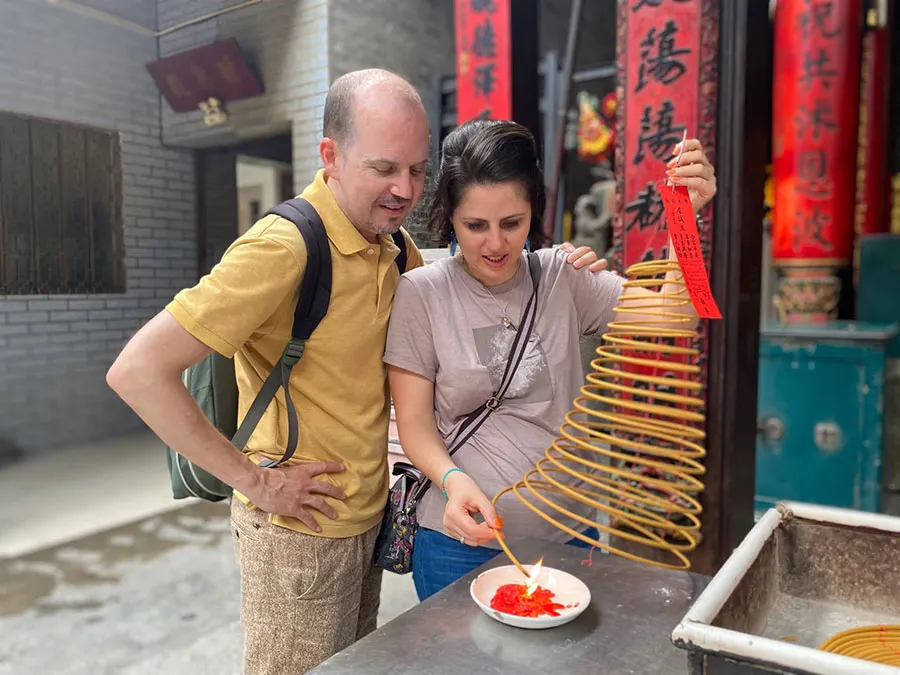
4. Ho Thi Ky: Flowers and Cambodian-Vietnamese Flavors
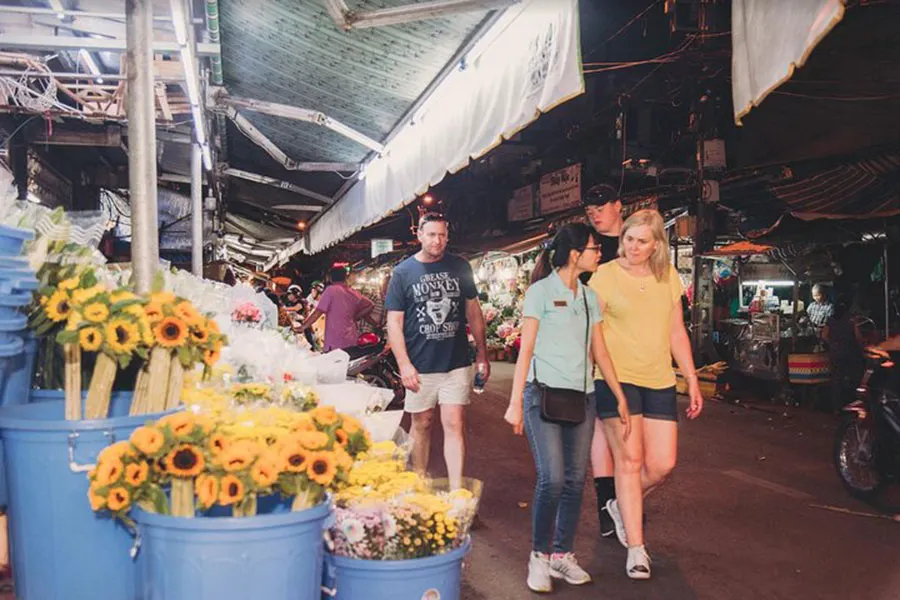
Ho Thi Ky is a compact neighborhood in District 10 best known for its flower market. It offers a colorful, sensory walking experience without requiring an entire day.
The market has supplied flowers to the city for decades. Narrow lanes overflow with roses, orchids, chrysanthemums and tropical foliage delivered from different regions of Vietnam.
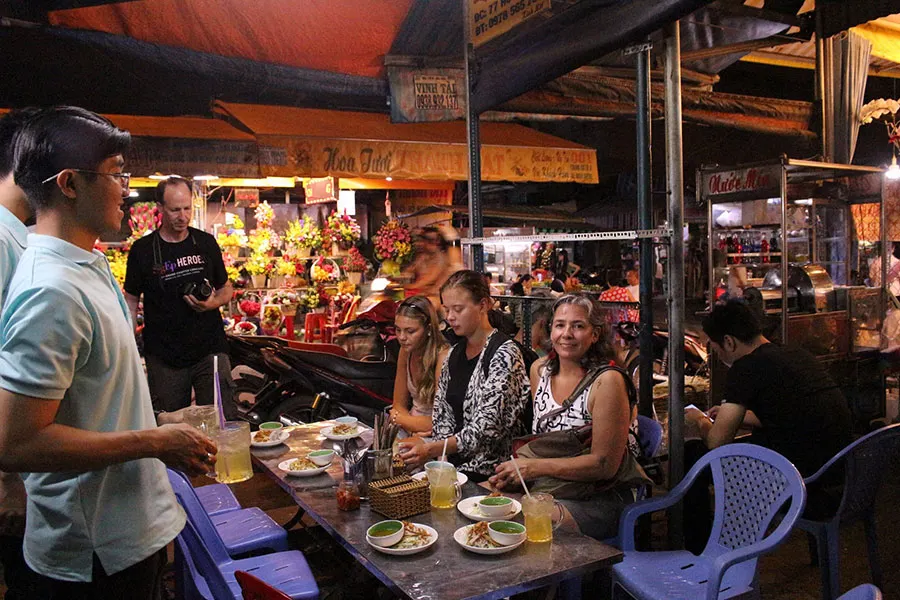
The neighborhood becomes especially atmospheric early in the morning when traders arrange new deliveries. In the evening, its food lanes come alive with grilled skewers, sweet soups, snails and Cambodian-influenced specialties.
Although Ho Thi Ky has become better known among travelers, it remains an active working neighborhood. Keep pathways clear, ask before taking close-up portraits and remember that the market exists primarily for local commerce.
Read this detailed Ho Thi Ky Flower Market guide to choose the right time for flowers, photography or street food.
Best for
Food lovers, market photography, evening walks and travelers looking for a lively local experience.
Local tip
Visit around 6:00 PM if you want to combine the flower market with dinner. Bring small Vietnamese notes because many vendors prefer cash.
5. Nguyen Thai Binh Ward: Old Saigon Behind the Main Roads
Located in District 1, Nguyen Thai Binh Ward is close to major attractions but receives far fewer visitors than nearby Ben Thanh Market.
Its appeal lies in its contrasts. Modern offices and busy roads surround narrow alleys where residents cook, drink coffee, repair motorbikes and chat outside their homes.
Walking here is less about checking famous landmarks off a list. It is about observing everyday rhythms and discovering details that are easy to miss from a vehicle.
You may find small shrines built into walls, decades-old apartment buildings, informal food stalls and local cafés without English menus. The area around Calmette, Nguyen Cong Tru and Pho Duc Chinh is particularly interesting.
Be mindful that these alleys are residential spaces. Keep noise low, avoid blocking entrances and ask permission before photographing people or private homes.
Best for
Street photography, hidden alleys, local coffee and travelers who have already seen the major attractions.
Local tip
Visit during daylight for your first walk. The lanes are easier to navigate, and small businesses are more active.

6. Ba Chieu: An Everyday Market Neighborhood
Ba Chieu in Binh Thanh District provides a more grounded look at daily life beyond central Saigon. The neighborhood is busy, energetic and largely shaped by local residents rather than tourism.
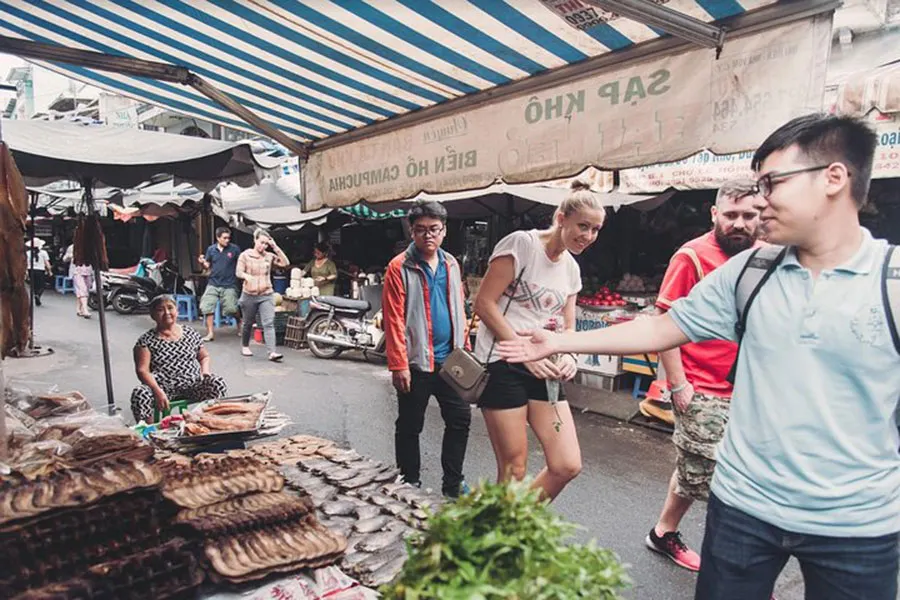
Ba Chieu Market forms its commercial heart. Inside and around the market, vendors sell clothing, fruit, vegetables, household products and prepared dishes.
Walk beyond the market to discover small eateries, neighborhood cafés, religious sites and residential lanes. One notable stop is the Tomb of Le Van Duyet, a peaceful historical complex associated with an influential Vietnamese military commander.
This area does not offer the polished sightseeing route found in District 1. Sidewalks can be crowded, and street crossings require patience. However, travelers who enjoy authentic neighborhood exploration may find it far more memorable.
Best for
Repeat visitors, traditional markets, inexpensive local food and everyday Saigon life.
Local tip
Avoid the busiest roads during rush hour. Early morning offers cooler weather and the most active market scenes.
7. Thao Dien: Riverside Lanes, Art and Modern Saigon
Thao Dien presents a very different version of Ho Chi Minh City. Located in Thu Duc City, this riverside neighborhood combines local residential lanes with international restaurants, art spaces, boutiques and garden cafés.
It is not a single compact attraction zone, so planning a short route is essential. Focus on the quieter streets around Xuan Thuy, Nguyen Van Huong and the riverside sections rather than trying to walk across the entire ward.
Along the way, you may encounter contemporary galleries, converted villas, specialty coffee shops and peaceful pockets of greenery. Thao Dien also offers a useful contrast to the historic districts, showing how rapidly Saigon continues to evolve.
Sidewalk quality varies, and some roads carry considerable traffic. Use a map, remain alert and take a taxi or ride-hailing service between distant sections when necessary.
Best for
Contemporary art, relaxed cafés, international dining and travelers seeking a quieter afternoon.
Local tip
Visit in the late afternoon, then stay for dinner. Riverside venues are particularly pleasant around sunset.
How to Explore Ho Chi Minh City on Foot Safely
Walking in Saigon becomes easier once you understand the city’s rhythm. Use pedestrian crossings where available, but do not assume every vehicle will stop automatically.
Cross at a steady, predictable pace after checking both directions. Avoid sudden movements, keep watching approaching traffic and follow local pedestrians when uncertain.
Carry a zipped cross-body bag and keep your phone away from the roadside. Comfortable shoes with good grip are important because sidewalks may be uneven or occasionally occupied by parked motorbikes.
The tropical heat can also be underestimated. Bring water, apply sunscreen and plan indoor stops during the hottest part of the afternoon. During the rainy season, a compact raincoat is more practical than an umbrella on crowded streets.

Self-Guided Walk or Local Walking Tour?
A self-guided route works well when you want flexibility and already know what you want to see. Central District 1 and Thao Dien are relatively straightforward to explore using an offline map.
However, a map cannot explain the meaning of a neighborhood shrine, introduce you to a family vendor or reveal the history behind an ordinary-looking building.
A local guide adds context while helping visitors navigate traffic, language barriers and hidden entrances. Guided walks are especially valuable in Cholon, Ho Thi Ky and residential alley neighborhoods where much of the story is not immediately visible.
Travelers who want to experience the city beyond its famous landmarks can join one of Saigon Adventure’s Ho Chi Minh City Walking Tours led by knowledgeable local guides.

Discover the Real Saigon One Step at a Time
Ho Chi Minh City is not a place you understand from a single boulevard or observation deck. Its character lives in the transitions between busy markets, quiet temples, historic buildings and ordinary residential lanes.
Choose one neighborhood, allow enough time to wander and remain curious about the details around you. Walk respectfully, support small local businesses and engage with residents without treating their community like a display.
When you are ready to go deeper, explore Saigon with a local guide who can connect the places you see with the people and stories behind them. A carefully planned walking tour can turn an unfamiliar neighborhood into one of the most meaningful memories of your trip.
Frequently Asked Questions About the Best Neighborhoods in Ho Chi Minh City
Is Ho Chi Minh City good for walking?
Yes, selected parts of Ho Chi Minh City are enjoyable to explore on foot. District 1, District 3, Cholon and Ho Thi Ky offer rewarding walking areas, although traveling between distant districts usually requires transportation.
What is the best neighborhood to walk around in Ho Chi Minh City?
District 1 is the best choice for first-time visitors because many major landmarks are located close together. District 3 is better for travelers seeking quieter streets, cafés and local architecture.
What is the best time for a walking tour in Saigon?
Early morning and late afternoon are generally the most comfortable periods. Temperatures are lower, street life is active and the natural light is better for photography.
Is it safe to walk around Ho Chi Minh City at night?
Central tourist areas are generally busy and suitable for evening walks. Remain aware of traffic, secure your belongings and avoid poorly lit lanes when exploring alone.
What should I wear on a Ho Chi Minh City walking tour?
Wear breathable clothing and comfortable closed-toe shoes. Bring sunscreen, drinking water and a lightweight raincoat. Modest clothing is recommended when visiting temples or religious sites.
How long should a walking tour last?
Two to four hours is suitable for most travelers. This provides enough time to explore one neighborhood without becoming exhausted by the heat or traffic.
Should I book a guided walking tour?
A guided tour is worthwhile if you want local stories, cultural explanations and access to places that are difficult to discover independently. It is particularly helpful for first-time visitors.