Table of Contents
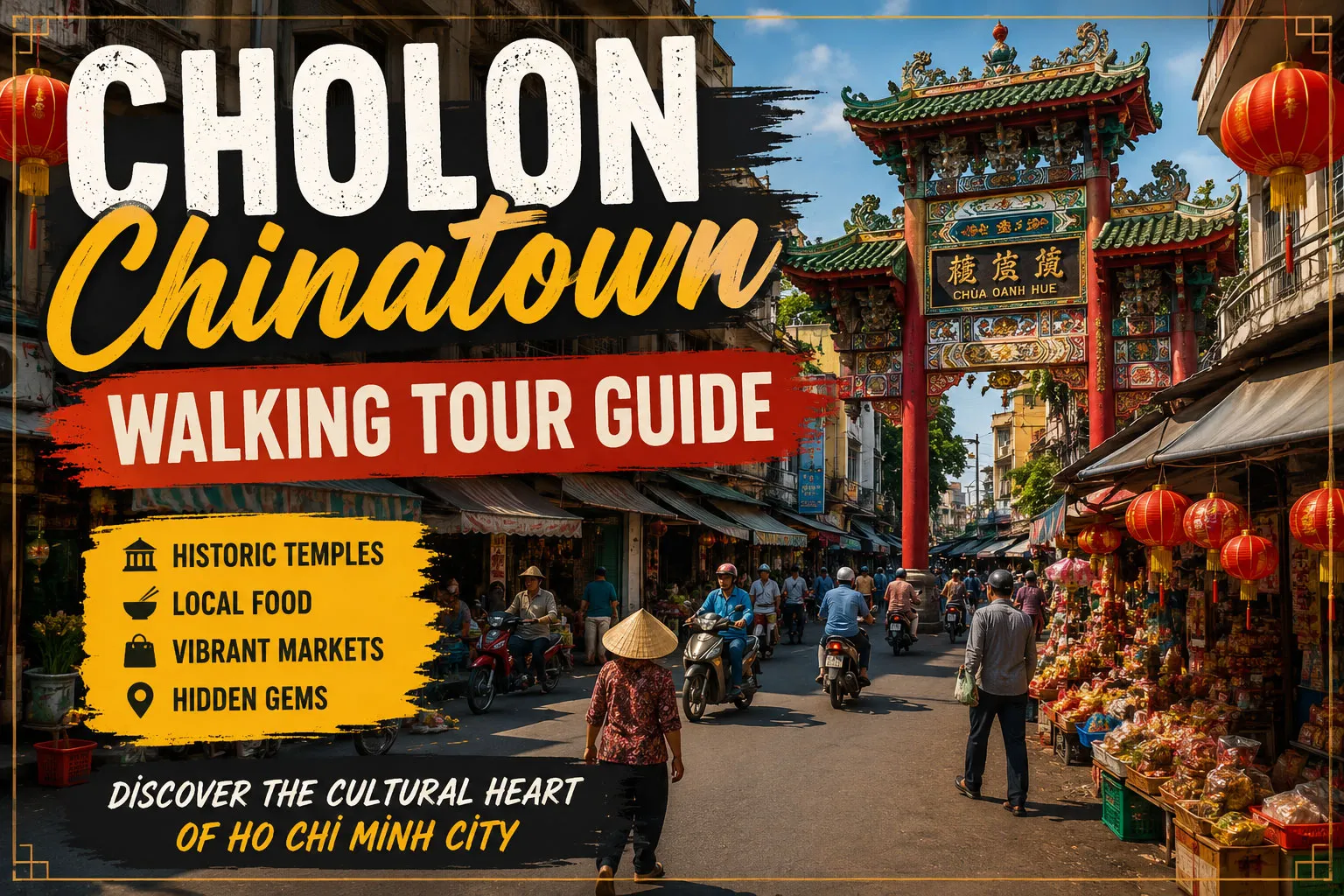
ToggleHo Chi Minh City is famous for its bustling streets, vibrant nightlife, and incredible street food, but beyond the modern skyline lies one of its most captivating districts—Cholon, the city’s historic Chinatown. Rich in Chinese heritage, traditional architecture, colorful temples, lively wholesale markets, and authentic local cuisine, Cholon offers a completely different side of Saigon that many first-time visitors never experience.
A walking tour through Cholon is more than simply visiting attractions. It’s an opportunity to understand centuries of cultural exchange between Vietnamese and Chinese communities while exploring narrow alleyways, incense-filled temples, family-run businesses, and markets that have served locals for generations. Every street reveals stories of migration, commerce, faith, and daily life that continue to shape modern Ho Chi Minh City.
Whether you’re planning a self-guided adventure or joining a local walking tour, this guide will help you discover the best places to visit, what to eat, practical travel tips, and hidden gems that make Cholon one of the most rewarding neighborhoods in Vietnam.

What Makes Cholon So Special?
Many travelers assume Chinatown is simply another tourist district, but Cholon offers something far more authentic. Located mainly in District 5 and extending into parts of Districts 6, 10, and 11, Cholon has been the commercial heart of the Chinese community for more than two centuries.
Unlike many Chinatowns around the world that have become heavily commercialized, Cholon remains a living neighborhood where local families continue traditions passed down through generations. You’ll find herbal medicine shops, handmade lantern stores, dried seafood merchants, traditional bakeries, and bustling wholesale markets operating much as they have for decades.
Walking through Cholon feels like stepping into another world. The architecture changes, the language shifts between Vietnamese and Cantonese, the aroma of incense fills the air, and every corner offers a glimpse into the city’s multicultural identity.
For travelers seeking authentic cultural experiences instead of crowded tourist attractions, Cholon is one of the best places to explore on foot.

Best Time to Take a Cholon Chinatown Walking Tour
Timing can make a significant difference to your experience. Cholon is lively throughout the day, but each period offers a different atmosphere.
Morning (8:00 AM – 11:00 AM)
Morning is widely considered the best time for a walking tour. Markets are at their busiest, shops are fully open, and temperatures are still comfortable. This is also when you’ll see locals shopping for fresh produce, preparing traditional foods, and visiting temples before work.
Photographers will appreciate the soft natural light, making it easier to capture colorful buildings and bustling street scenes.
Afternoon (1:00 PM – 4:00 PM)
Afternoons are generally quieter. It’s a good time to visit temples, museums, and tea houses without large crowds. However, the tropical heat can make walking less comfortable, especially during the dry season.
Evening (5:00 PM – 8:00 PM)
As the sun sets, Cholon transforms once again. Street food stalls become busier, neon signs illuminate historic streets, and local restaurants fill with families enjoying dinner. The cooler temperatures make evening walks particularly enjoyable if your main goal is discovering local food and experiencing the neighborhood’s vibrant nightlife.
Must-Visit Attractions on Your Cholon Walking Route
One of the greatest advantages of exploring Cholon on foot is that many of its most iconic landmarks are located within walking distance of each other. A well-planned route allows you to experience history, religion, architecture, shopping, and local culture all in a single afternoon.
Thien Hau Temple
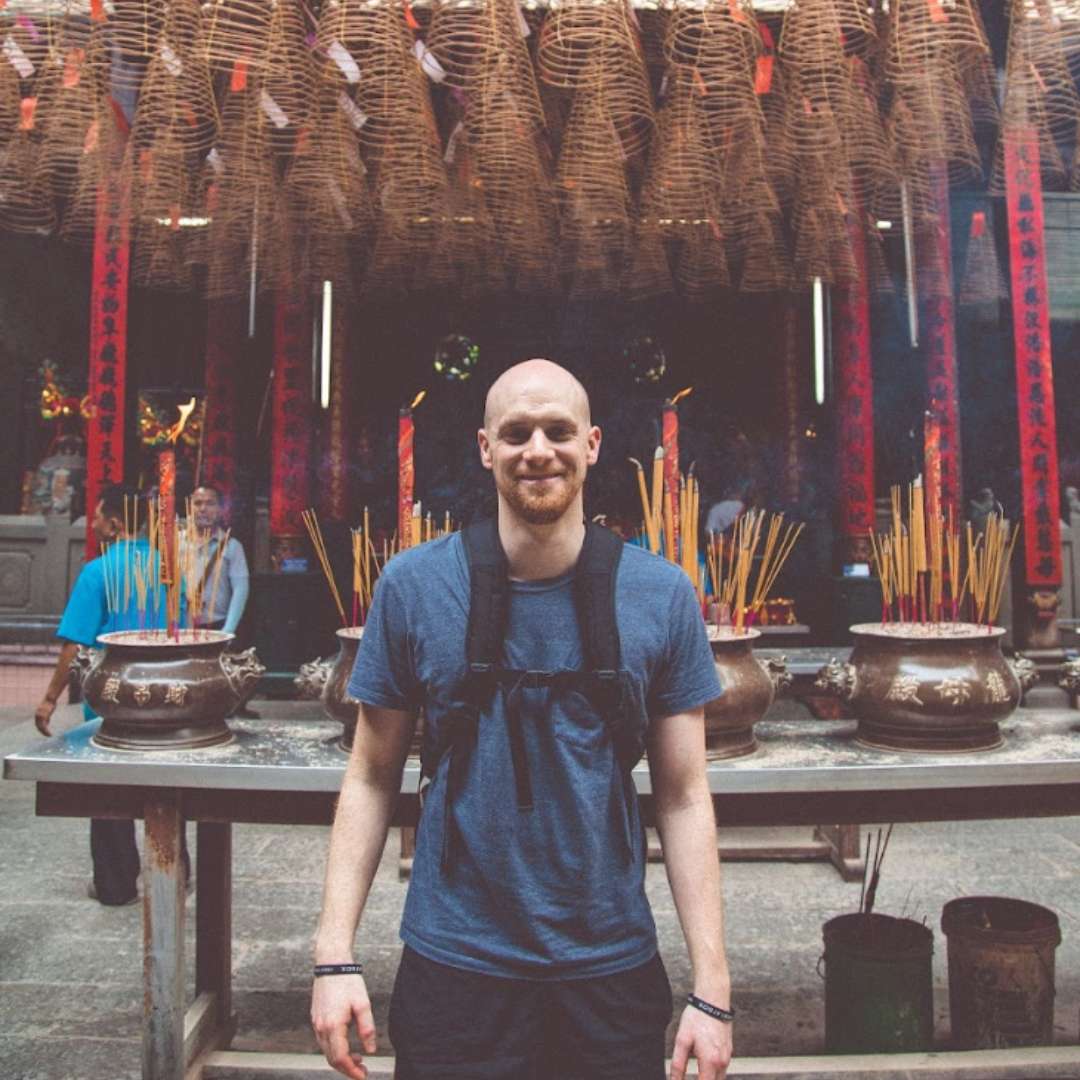
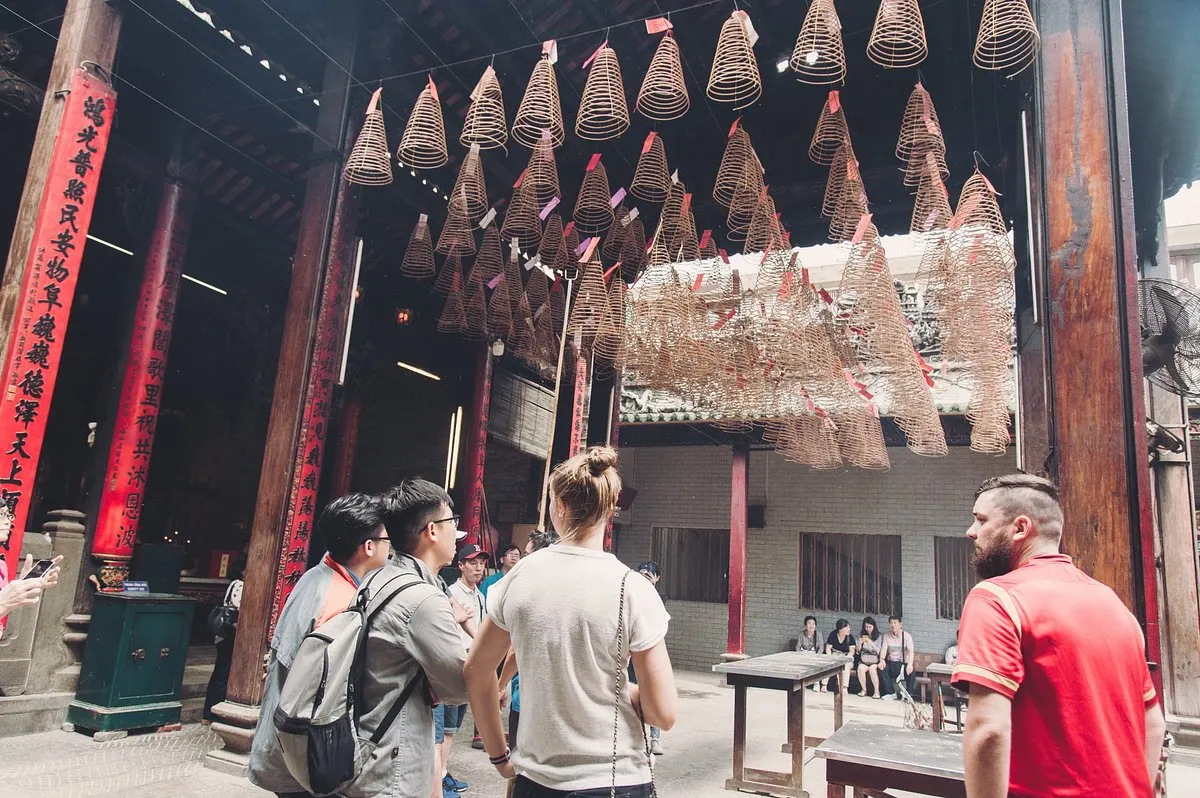
Dedicated to the Chinese sea goddess Mazu, Thien Hau Temple is one of the oldest and most beautiful Chinese temples in Vietnam. Built by Cantonese immigrants in the 18th century, the temple is famous for its intricate ceramic decorations, giant incense coils hanging from the ceiling, and peaceful courtyard.
Visitors are welcome to observe worshippers offering incense while appreciating the detailed craftsmanship that reflects traditional Southern Chinese architecture.
Binh Tay Market
Located in the heart of Cholon, Binh Tay Market is one of Ho Chi Minh City’s largest wholesale markets. Unlike Ben Thanh Market, it primarily serves local businesses, creating a more authentic shopping experience.
Inside, you’ll discover countless stalls selling spices, dried foods, household goods, fabrics, snacks, and traditional Chinese ingredients. Even if you’re not shopping, wandering through the market offers a fascinating glimpse into local commerce.
Hidden Alleys
Some of Cholon’s most memorable experiences are found away from the main streets. Quiet alleyways reveal old apartment buildings, family-owned workshops, neighborhood shrines, and street vendors preparing recipes that have been passed down for generations.
These hidden corners provide the authentic atmosphere that many visitors miss when following only the major tourist routes.
Want to continue exploring after Cholon? Our Ho Chi Minh City Tour combines iconic landmarks, hidden neighborhoods, and local culture into one unforgettable experience.

Discover Authentic Chinese-Vietnamese Food Along the Way
One of the biggest reasons travelers visit Cholon is the food. Unlike the street food found in central District 1, the cuisine here reflects generations of Chinese influence blended with Southern Vietnamese flavors. Many recipes have remained unchanged for decades, making Cholon one of the best neighborhoods in Ho Chi Minh City for authentic local dining.
Rather than searching for famous restaurants online, follow the locals. Small family-run eateries often serve the most memorable meals, with recipes handed down through multiple generations. Don’t be surprised if the menus are only in Vietnamese or Chinese—these hidden gems are often the most rewarding.
Some local specialties worth trying include:
Chinese Roast Duck & Crispy Pork
The aroma of freshly roasted duck hanging in traditional shop windows is impossible to ignore. Served with fragrant rice or egg noodles, these dishes are known for their crispy skin, tender meat, and rich five-spice seasoning.
Handmade Dumplings and Bao
Fresh dumplings, steamed buns, and pan-fried buns are popular throughout Cholon. Whether filled with pork, shrimp, mushrooms, or vegetables, they’re perfect for a quick snack while exploring the neighborhood.
Herbal Tea and Traditional Chinese Desserts
After walking through the busy streets, take a break at a local dessert shop. Cooling herbal drinks, black sesame soup, sweet tofu pudding, lotus seed desserts, and red bean soup have long been favorites among local residents.
Food is more than just a meal in Cholon—it’s part of the neighborhood’s living history.
Hidden Gems Most Visitors Never Discover
Many visitors stop after seeing the famous temples and markets, but Cholon rewards those who slow down and explore beyond the main roads.
Look closely and you’ll discover narrow alleyways lined with century-old shophouses, quiet courtyards hidden behind wooden gates, traditional medicine stores filled with herbs, calligraphy workshops, family-owned tea shops, and colorful murals that celebrate the district’s multicultural heritage.
Early in the morning, elderly residents gather to practice tai chi in small parks, while neighborhood cafés fill with locals enjoying strong Vietnamese coffee before work. During festivals such as Lunar New Year or the Mid-Autumn Festival, streets become even more vibrant with lanterns, lion dances, and community celebrations.
These everyday moments often become the highlights of a Cholon walking tour because they reveal the authentic rhythm of local life rather than staged tourist experiences.
Suggested Half-Day Cholon Walking Tour Itinerary
If you’re visiting Cholon for the first time, a half-day itinerary offers enough time to experience its history, culture, and food without feeling rushed.
Stop 1: Begin at Binh Tay Market to experience the neighborhood’s lively commercial atmosphere.
Stop 2: Walk through nearby wholesale streets and observe local businesses selling spices, herbs, fabrics, and traditional products.
Stop 3: Visit Thien Hau Temple and take time to admire its beautiful architecture and peaceful atmosphere.
Stop 4: Explore several nearby hidden alleys where you’ll find historic buildings, family-run shops, and everyday local life.
Stop 5: Stop for lunch at a traditional Chinese-Vietnamese restaurant and sample roast duck, dumplings, noodles, or local desserts.
Stop 6: Finish your walk with a relaxing cup of Vietnamese coffee or Chinese tea while watching the neighborhood slowly transition into the evening.
The entire route can comfortably be completed in around four to five hours, making it an ideal addition to any Ho Chi Minh City itinerary.
If you have more time, our Ho Chi Minh City Tour is a great way to continue exploring historic landmarks, vibrant neighborhoods, and local attractions beyond Chinatown.

Practical Tips for Visiting Cholon
A little preparation can make your walking tour much more enjoyable.
Wear lightweight clothing and comfortable walking shoes, especially if you’re visiting during the warmer months. Carry a reusable water bottle to stay hydrated, and don’t forget sunscreen or a hat if you’re exploring during the day.
Cash is still widely preferred by small vendors, local cafés, and family-run restaurants, so having some Vietnamese Dong on hand is helpful.
When visiting temples, dress respectfully by covering your shoulders and knees where possible. Speak quietly, avoid blocking worshippers, and always ask permission before taking close-up photographs of people or religious ceremonies.
Finally, don’t rush. Cholon isn’t a neighborhood designed to be checked off a sightseeing list. The most memorable experiences often happen when you wander into a quiet alley, chat with a friendly shop owner, or discover a small café with no English sign.
Common Mistakes First-Time Visitors Should Avoid
Many travelers make the mistake of treating Cholon as just another tourist attraction. In reality, it’s a living community where thousands of people work and live every day.
Avoid trying to visit too many places in a short time. Instead, choose a few landmarks and leave room for spontaneous discoveries.
Another common mistake is relying only on online recommendations. Some of the best local restaurants have little or no online presence, yet they’re where residents eat every day.
Finally, don’t skip the side streets. While the temples and markets are impressive, the hidden alleys, historic buildings, neighborhood cafés, and everyday street scenes often provide the most authentic memories—and the best photographs.
Experience the Real Soul of Ho Chi Minh City
If you’re looking beyond the city’s famous landmarks, Cholon offers one of the richest cultural experiences in Vietnam. Every street reflects centuries of history, every market tells a story of commerce, and every local restaurant preserves traditions that continue to thrive today.
Walking through Chinatown allows you to experience a side of Ho Chi Minh City that many visitors never see. Instead of simply checking off attractions, you’ll gain a deeper understanding of the city’s multicultural identity through its architecture, food, traditions, and daily life.
For travelers who value authentic experiences over crowded tourist spots, a Cholon walking tour is an unforgettable journey into the heart of old Saigon.
Ready to Explore Cholon Like a Local?
Whether you’re visiting Ho Chi Minh City for the first time or returning to discover something new, Cholon deserves a place on your itinerary. Joining a local guide can help you uncover hidden temples, secret alleyways, family-run eateries, and fascinating stories that are easy to miss on your own.
For travelers who enjoy discovering the city on foot, our Ho Chi Minh City Walking Tours offer authentic cultural experiences led by passionate local guides.
At Saigon Adventure, our experienced local guides take you beyond the typical tourist routes, sharing authentic neighborhoods, local traditions, and unforgettable food experiences. If you want to experience the real spirit of Saigon, a walking tour through Cholon is the perfect place to start.
Frequently Asked Questions (FAQ)
Is Cholon Chinatown worth visiting in Ho Chi Minh City?
Absolutely. Cholon offers a unique blend of Chinese heritage, historic temples, bustling wholesale markets, authentic street food, and local culture that you won’t find in other parts of Ho Chi Minh City. It’s one of the best places to experience the city’s multicultural history.
How long does a Cholon Chinatown walking tour take?
A typical walking tour lasts between 3 and 5 hours, depending on how many attractions, markets, and food stops you include. Many travelers combine sightseeing with local food tasting for a more complete experience.
What is the best time to visit Cholon?
Morning (8:00 AM–11:00 AM) is ideal for exploring markets and temples before the weather gets too hot. Late afternoon and early evening are also excellent if you’d like to enjoy local street food and a livelier atmosphere.
Can I explore Cholon without a guide?
Yes. Many attractions are within walking distance, making Cholon suitable for a self-guided tour. However, joining a local guide helps you discover hidden alleys, family-run businesses, cultural stories, and authentic eateries that most visitors would otherwise miss.
Is Cholon safe for tourists?
Yes. Cholon is generally safe for visitors during both the day and evening. As with any busy city, keep an eye on your belongings, avoid displaying expensive valuables, and remain aware of your surroundings in crowded markets.
What should I wear on a Cholon walking tour?
Wear lightweight clothing, comfortable walking shoes, sunscreen, and a hat. If you plan to visit temples, choose modest clothing that covers your shoulders and knees whenever possible.
What local foods should I try in Cholon?
Don’t miss Chinese roast duck, crispy pork, handmade dumplings, wonton noodles, steamed buns, herbal teas, black sesame dessert, tofu pudding, and other traditional Chinese-Vietnamese specialties served by local family-run restaurants.
Explore our best-selling tours
 Bestseller
Saigon Foodie Tour By Scooter With Female Rider (With Beer & Seafood)
Beautiful female tour guides at Saigon Adventure ABOUT THIS TOUR Let us be your guide to experiencing Saigon By Night...
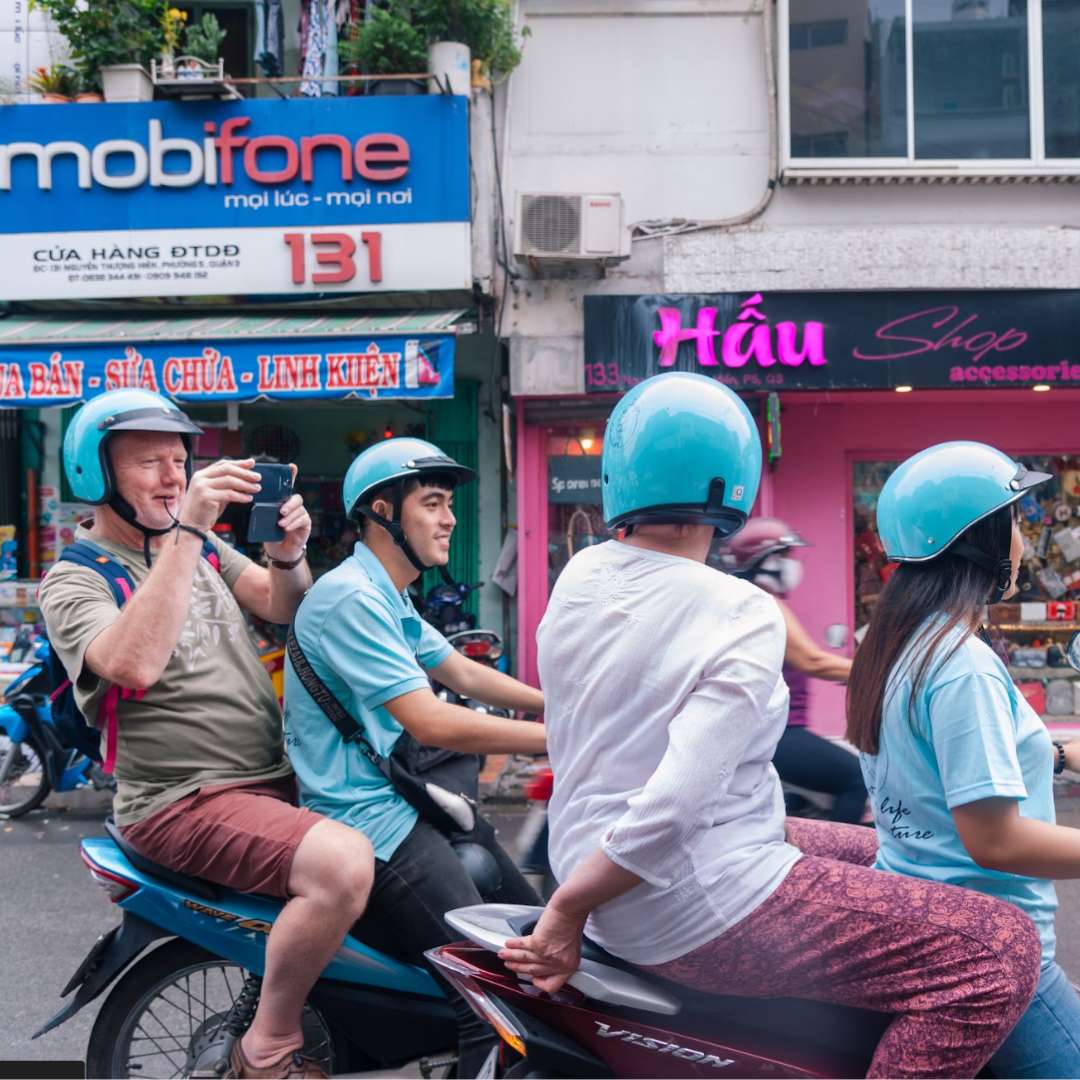 Bestseller
Saigon Unseen By Scooter
ABOUT THIS SAIGON UNSEEN TOUR It cannot be considered a great trip if you only get to see famous tourist...
 Bestseller
Ho Chi Minh City Motorbike Tour – Must-See Sights & War Remnants Museum
Get the perfect introduction to Saigon life with our premier Ho Chi Minh City motorbike tour —without the risks of...
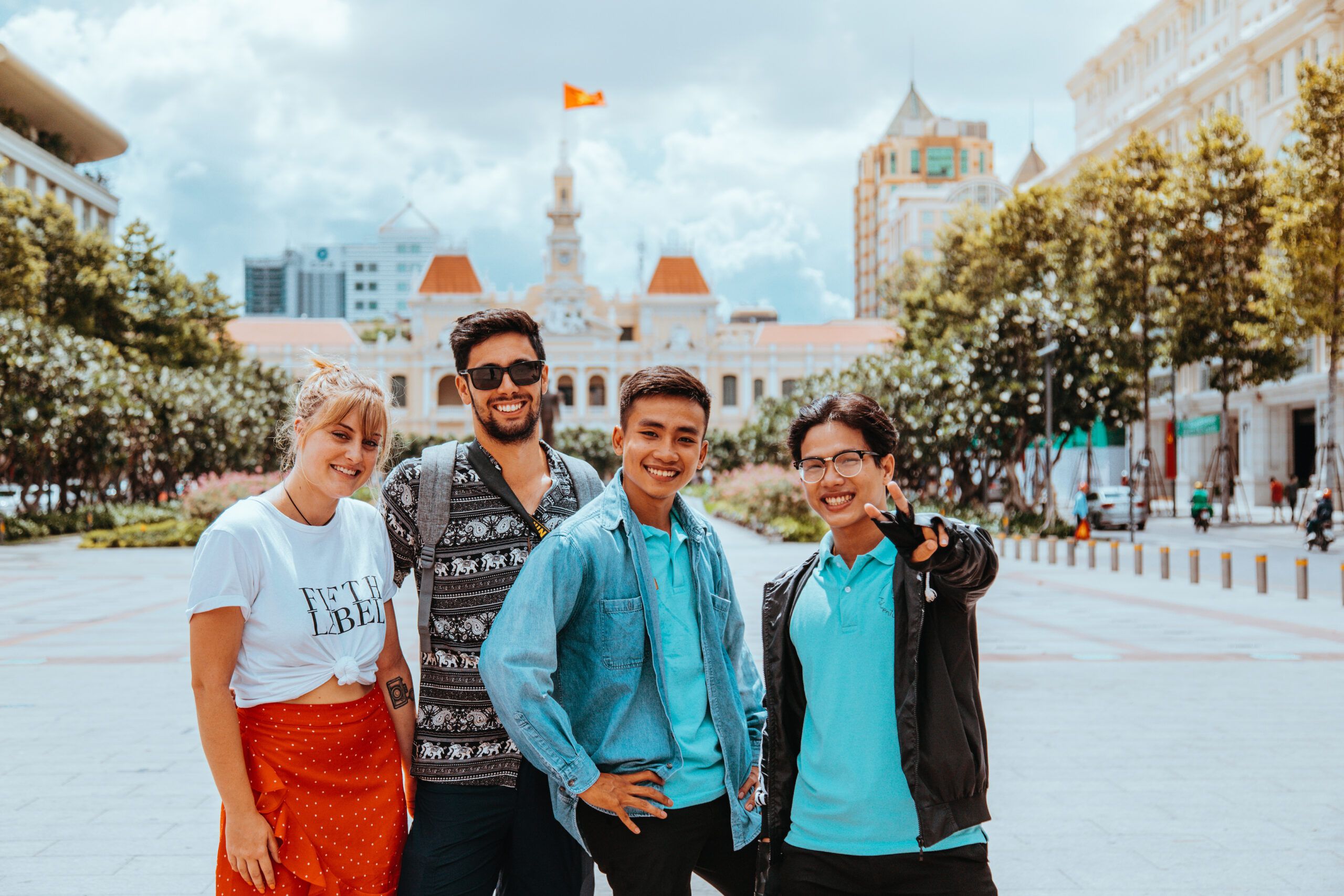 Bestseller
Saigon City Tour Half Day – Private Tour
Discover the Heart of Saigon Want to see the best of Ho Chi Minh City in just a few hours?...
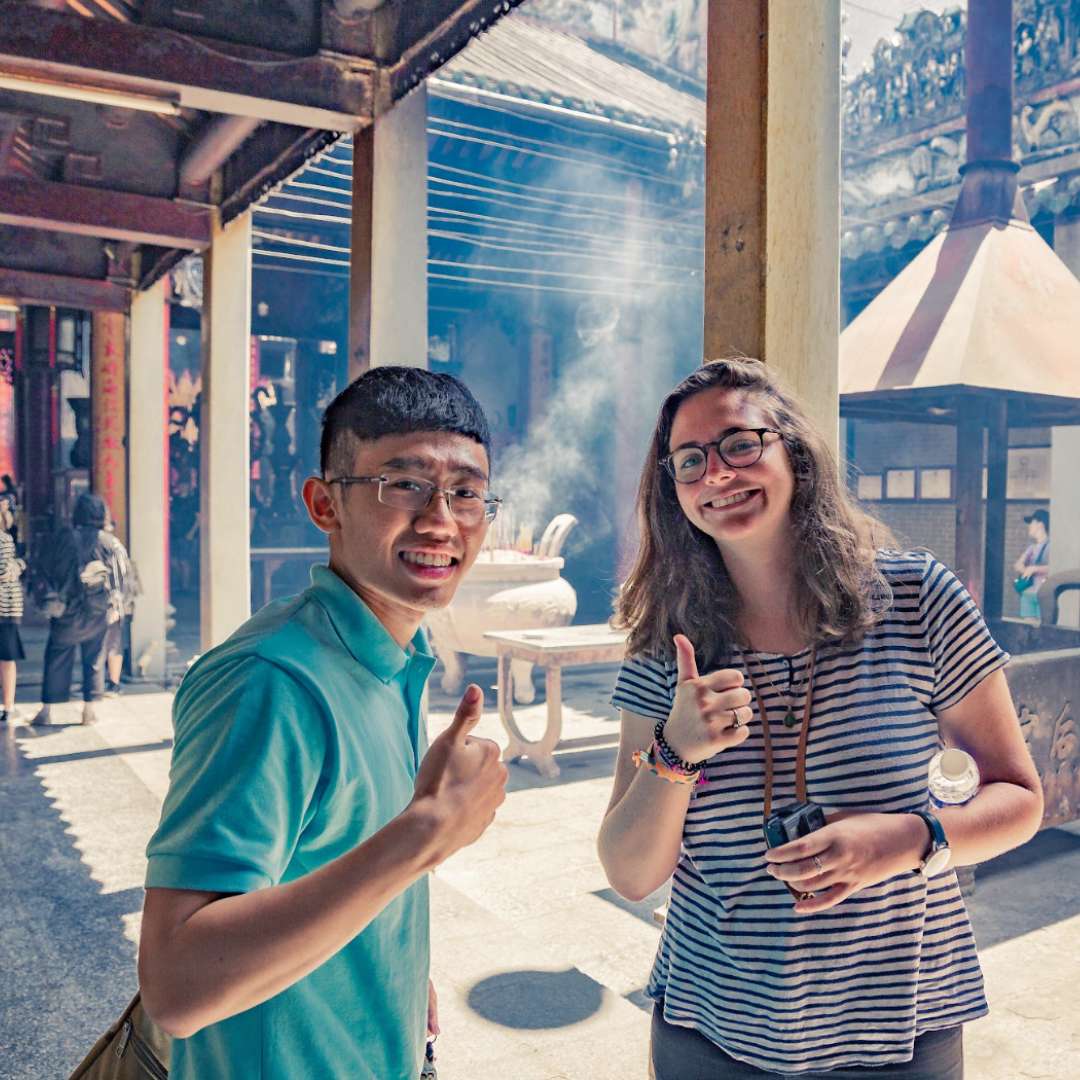 Bestseller
Student City Tour By Scooter
Let's discover the city highlights with our premier Ho Chi Minh City student tour by scooter!! HIGHLIGHTS Feel like a...
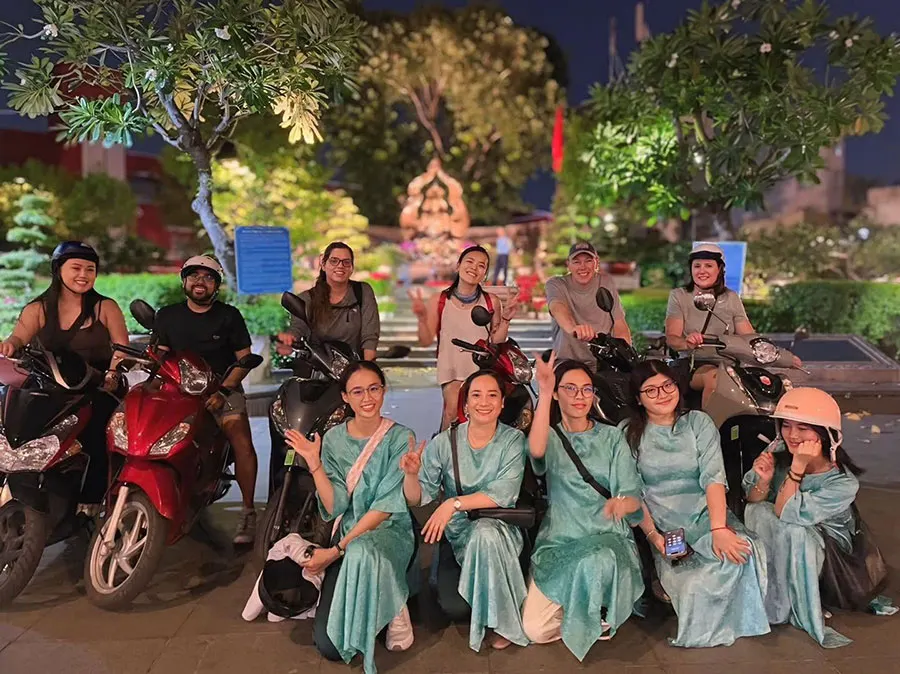 Bestseller
Premium Saigon Hidden Alleys & History: Private Motorbike Tour
Ho Chi Minh Hidden Alleys & History: Private Motorbike Tour Ready to step off the beaten path and discover the...
 Bestseller
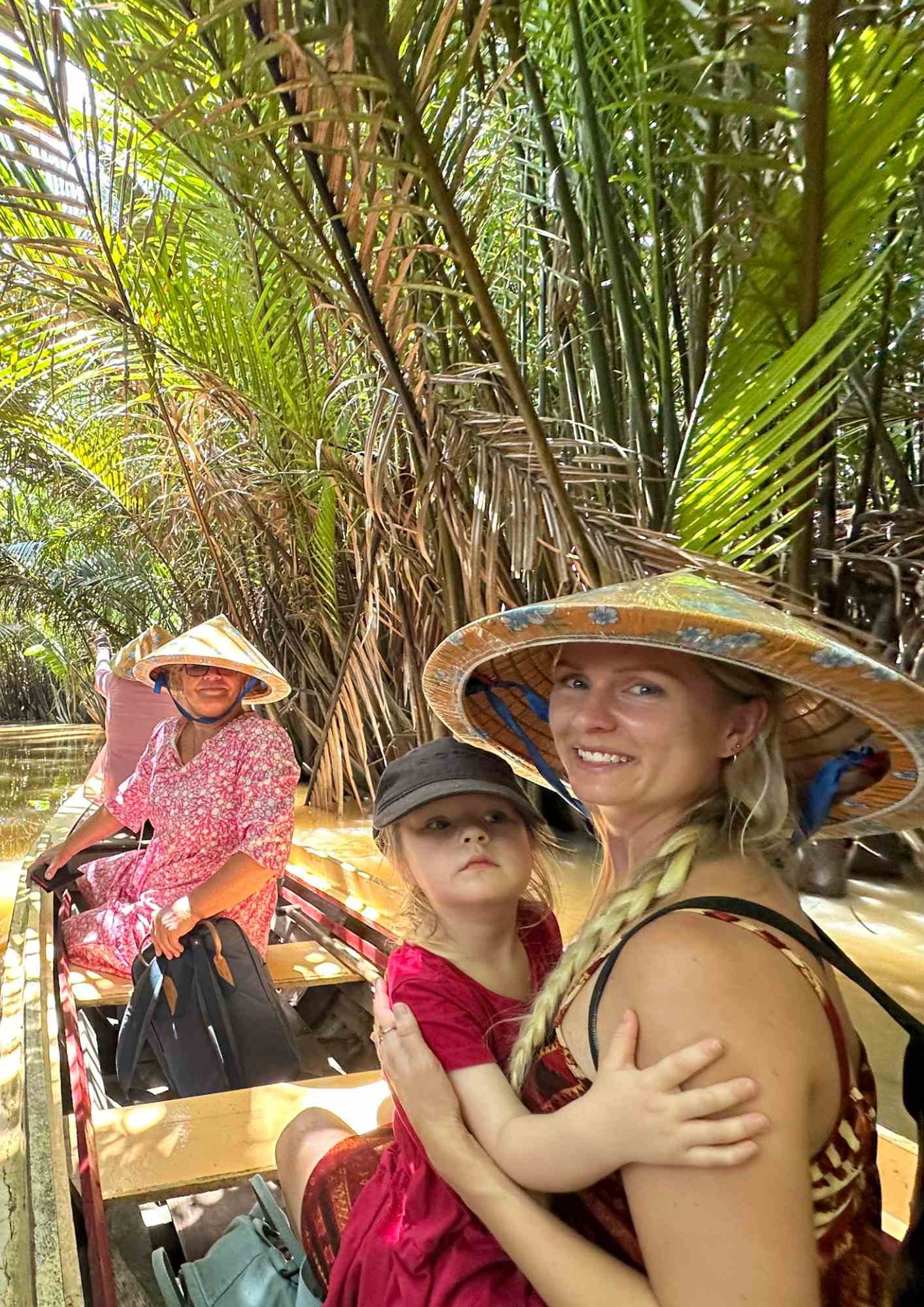
Mekong Delta One Day Group Tour
ABOUT THIS MEKONG DELTA TOUR Departure: 8:00 AM Drop off time: 5:30 PM to 6:30 PM Small group travel experience...
 Bestseller
Saigon By Night (Motorbike Tour) With Rooftop Bar – Live Music And Seafood
Keep your travel plan flexible - book your spot now and pay nothing today! You only need to pay...
 Bestseller
Mekong Delta 1 Day Tour ( Small Group Tour )
TOUR DETAILS Located approximately 90km (about 2 hours) from Saigon, My Tho and Ben Tre lie nestled in the picturesque...
 Bestseller
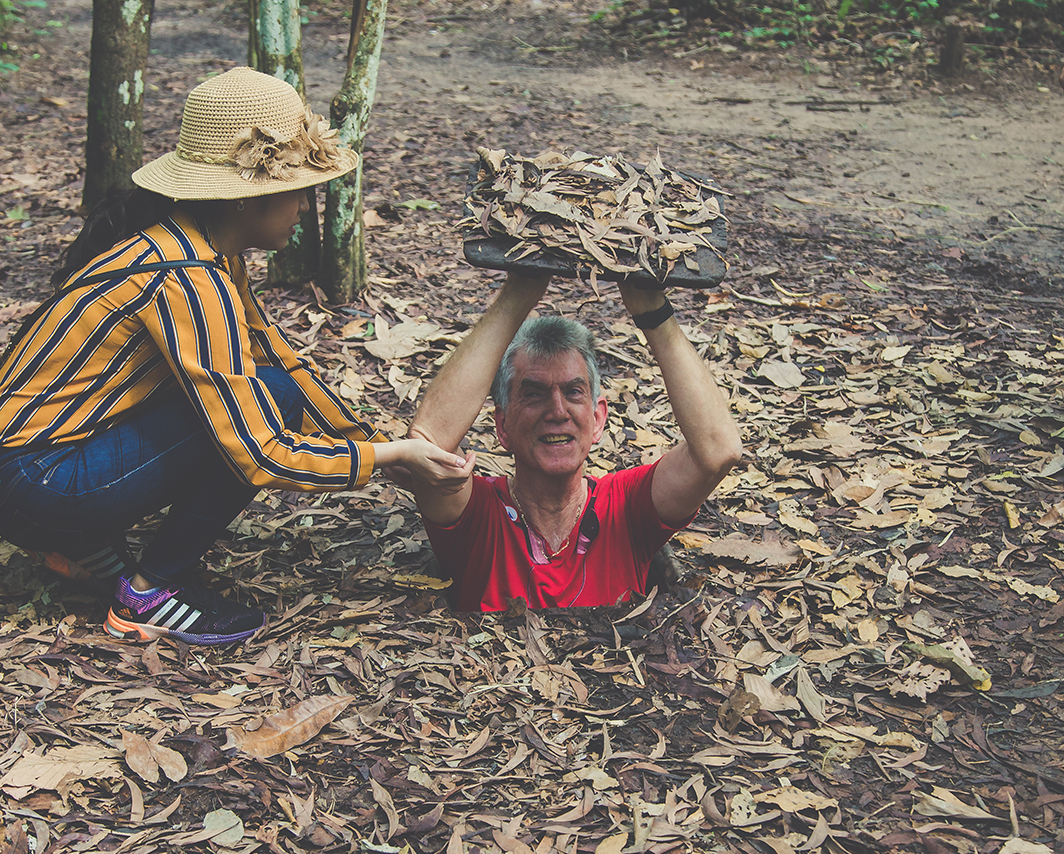
Cu Chi Tunnels Adventure (Small Group)
Pick-up time: 08:00 - 08:30 Drop off time: 14:00 Depart from Saigon, it takes 1,5 hours to get to Cu Chi...
 Bestseller
Cyclo City Tour
Keep your travel plan flexible - book your spot now and pay nothing today! You only need to pay...
 Bestseller
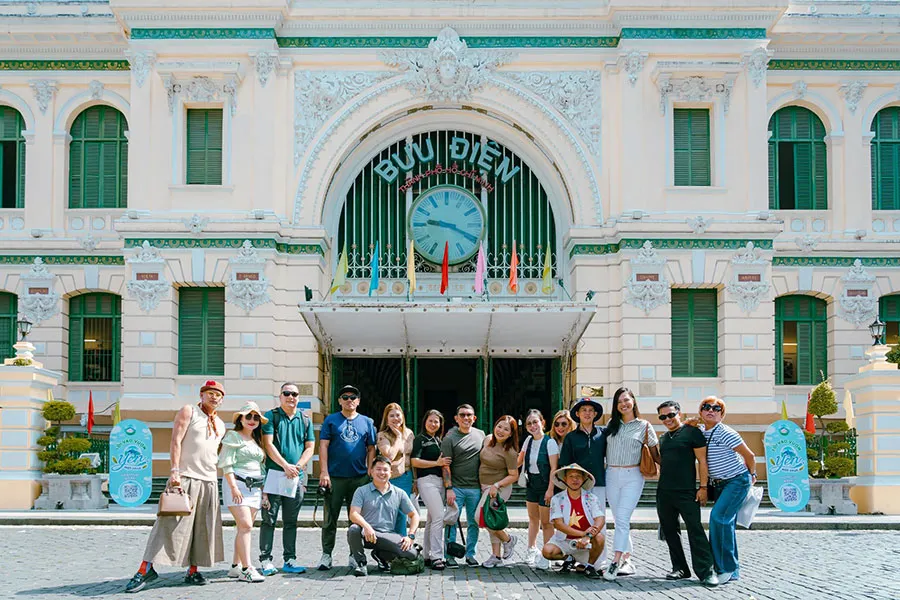
Ho Chi Minh City Tour Full Day
Keep your travel plan flexible - book your spot now and pay nothing today! You only need to pay 12...