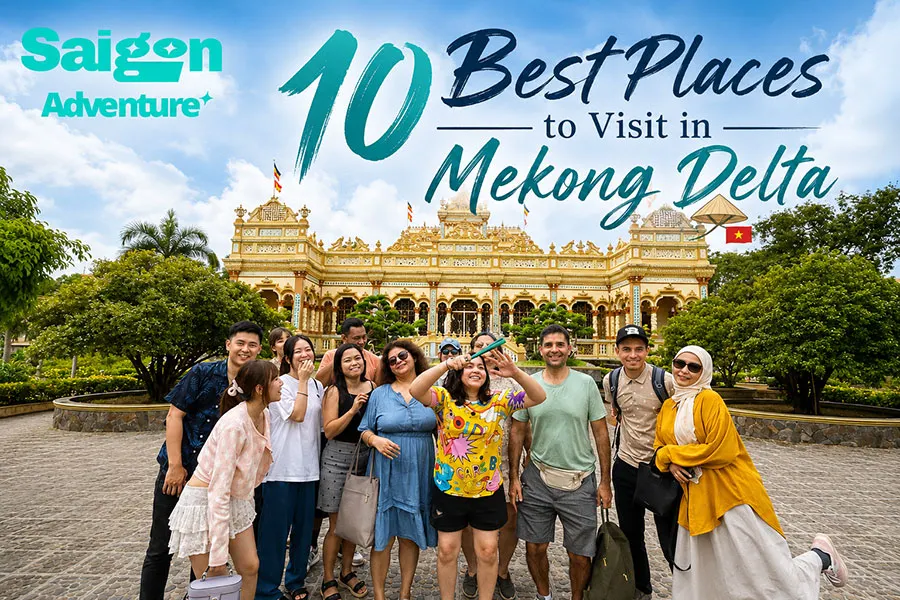
The Mekong Delta is not a single attraction that can be checked off in an afternoon. It is an immense patchwork of rivers, fruit orchards, coconut groves, floating markets, wetlands and towns shaped by life on the water.
Some travelers come for a short sampan ride near Ho Chi Minh City. Others stay several nights, waking before sunrise in Can Tho, cycling through quiet villages in Vinh Long or watching birds settle over the flooded forest near Chau Doc.
Choosing where to go matters because every part of the delta offers a different experience. This guide covers the best places to visit in the Mekong Delta, helping you match each destination with your available time, travel style and interests.

Quick Answer: Where Should You Visit in the Mekong Delta?
For most first-time travelers, Ben Tre, My Tho and Can Tho are the best places to visit in the Mekong Delta.
Choose Ben Tre for coconut-lined canals and peaceful countryside, My Tho for an easy day trip from Ho Chi Minh City, and Can Tho if you want to stay overnight and experience Cai Rang Floating Market early in the morning.
Travelers with more time should consider Chau Doc and Tra Su Cajuput Forest for culture and wetlands, Cai Be or Vinh Long for cycling and homestays, and An Giang for rice fields, temples and mountain scenery.
| Destination | Best For | Recommended Time |
|---|---|---|
| Ben Tre | Coconut canals, countryside | 1 day |
| My Tho | Easy first Mekong trip | 1 day |
| Can Tho | Cai Rang Floating Market | 1–2 nights |
| Cai Be | Orchards, old houses, cycling | 1–2 days |
| Vinh Long | Homestays, island life | 1–2 days |
| Chau Doc | Culture, temples, borderland life | 1–2 days |
| Tra Su Forest | Wetlands, nature, photography | Half day |
| Sa Dec | Flowers, heritage architecture | Half–1 day |
| Tra Vinh | Khmer culture, quiet countryside | 1 day |
| An Giang | Rice fields and mountain scenery | 2+ days |

What Makes the Mekong Delta Worth Visiting?
The real appeal of the delta is not one famous landmark. It is the rhythm of everyday life: boats carrying produce, families making coconut candy, small ferries crossing brown rivers and narrow lanes running beneath banana and water-coconut palms.
A well-planned journey may include both a busy regional city and a quieter countryside destination. For a broader introduction to available routes, start with these Mekong Delta tours from Ho Chi Minh City.
1. Ben Tre – Best for Coconut Canals and Rural Scenery
Ben Tre is one of the most accessible Mekong Delta destinations from Ho Chi Minh City. Known for its coconut-growing countryside, the province is filled with shaded canals, small workshops, orchards and peaceful village roads.
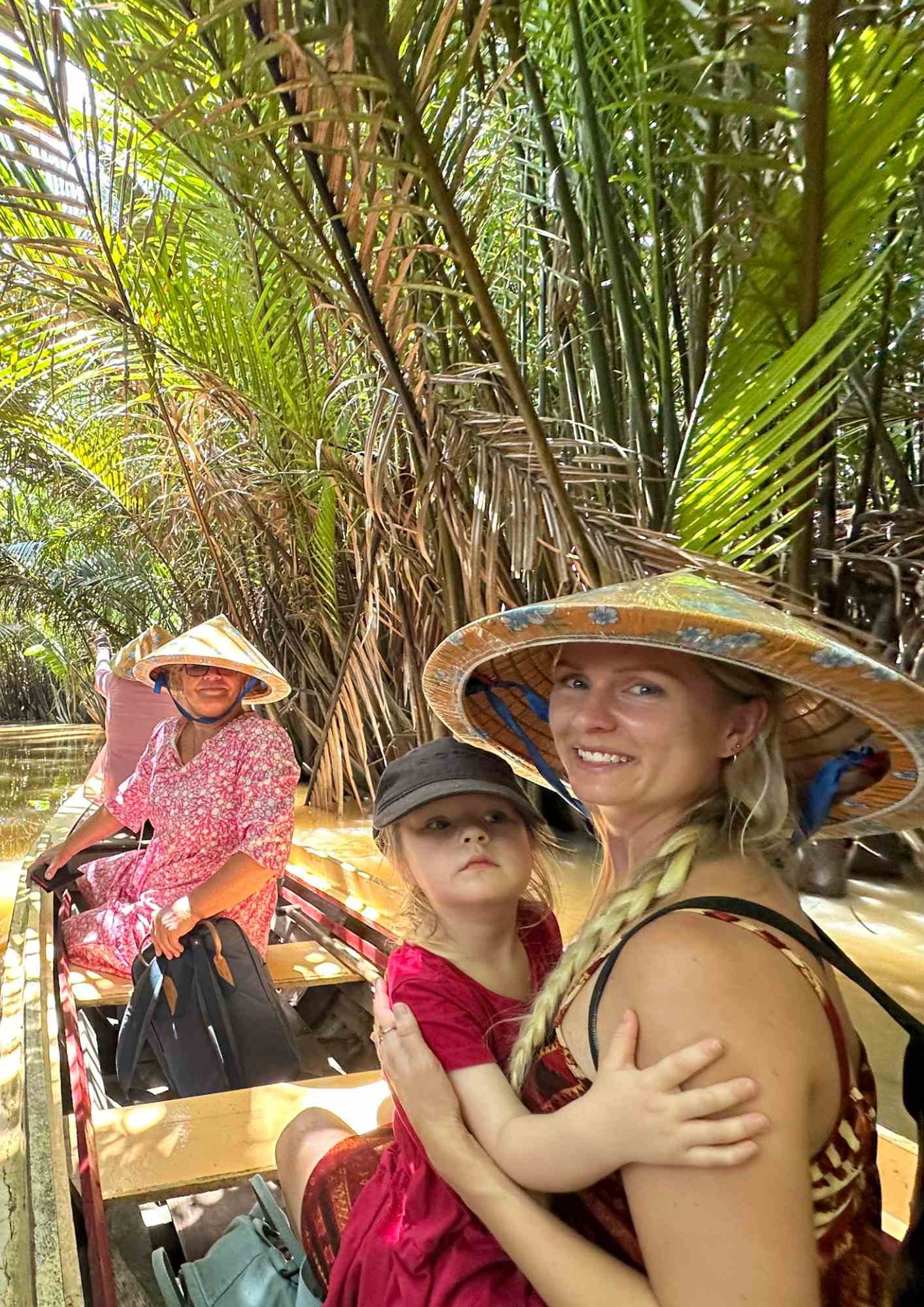
A typical visit combines a motorboat journey on a wider river with a slower hand-rowed sampan ride. You may also see how local families turn coconuts into candy, oil, handicrafts and other everyday products.
Who Should Visit Ben Tre?
Ben Tre suits first-time visitors, photographers and travelers who want attractive rural scenery without going deep into the delta. It is particularly convenient for a one-day excursion from Ho Chi Minh City.
For a balanced itinerary featuring boat rides, village transportation and local workshops, consider the Authentic Mekong Delta Tour.
Local tip: Small canals can become busy around midday. An early departure and a smaller group usually create a calmer experience.
2. My Tho – Best for an Easy First Mekong Delta Trip
My Tho is often the first major stop on a classic Mekong Delta day trip. Its location makes it practical for travelers with limited time, while the nearby Tien River provides easy access to islands, orchards and riverside communities.
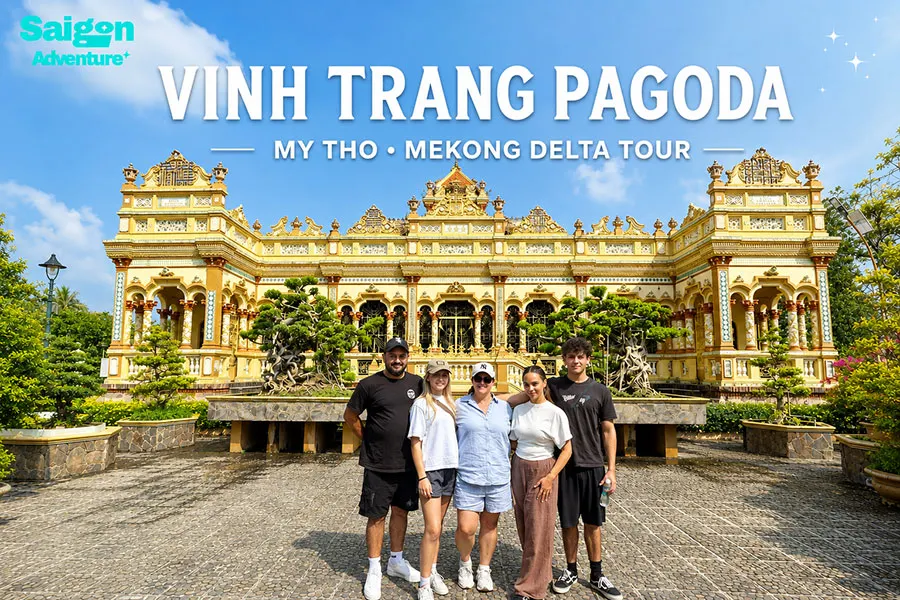
Vinh Trang Pagoda is one of the city’s best-known cultural landmarks. Beyond the city, visitors can travel by boat, taste seasonal fruit and continue toward the coconut landscapes of neighboring Ben Tre.
My Tho is developed for tourism, so it may not feel as remote as other delta destinations. However, it remains a sensible choice when convenience is more important than going far off the beaten path.
Travelers who prefer a straightforward shared experience can explore the Mekong Delta One Day Group Tour.
3. Can Tho – Best for Floating Markets and Overnight Trips
Can Tho is the delta’s largest urban center and the best base for exploring its central waterways. It offers riverside hotels, local restaurants, night markets and convenient boat connections to surrounding villages.
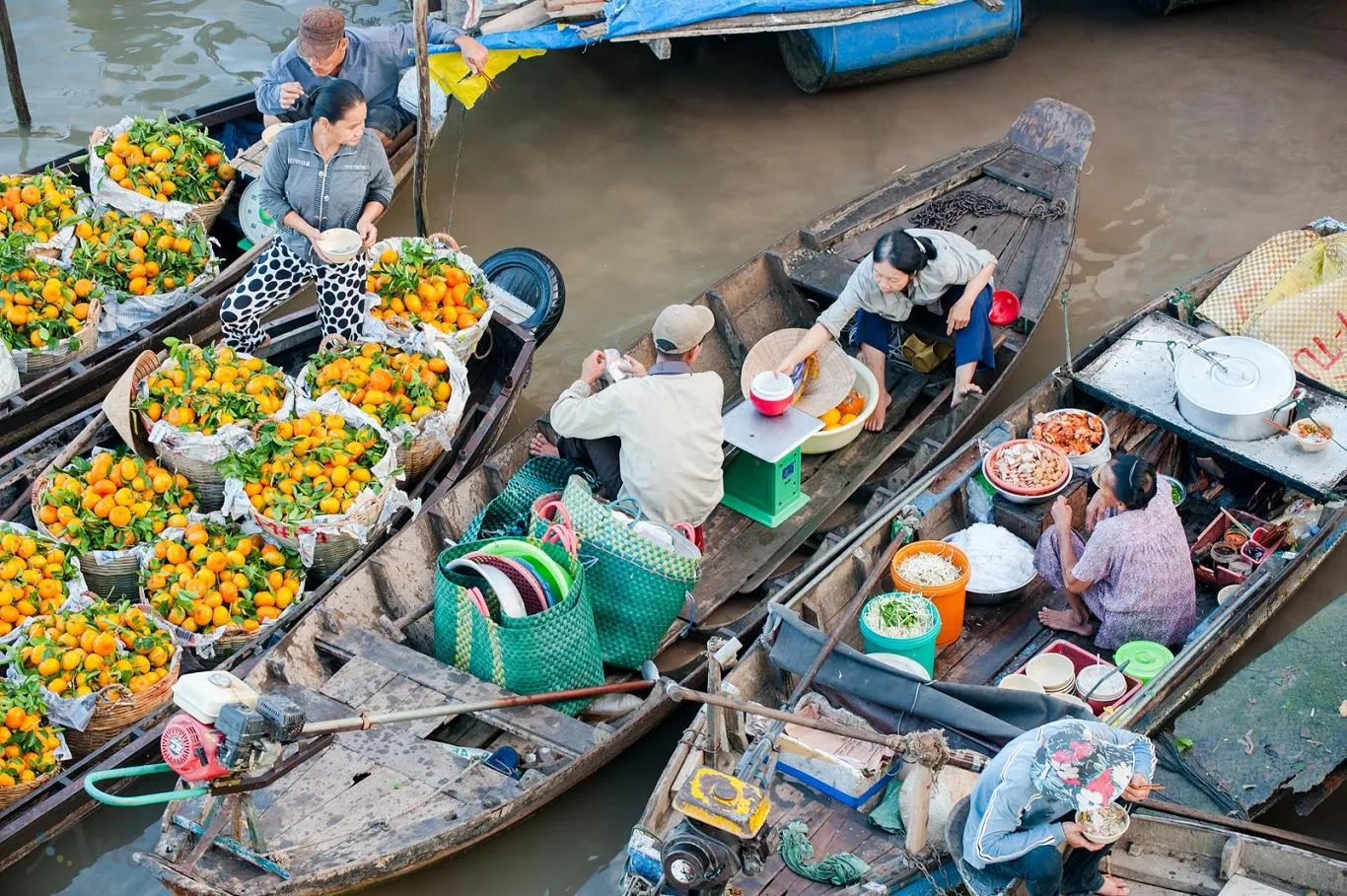
Its headline attraction is Cai Rang Floating Market. The market operates early, when wholesale traders and smaller boats gather on the Can Tho River to sell fruit, vegetables, breakfast and drinks.
Cai Rang is a working market rather than a staged performance, but road development has changed the scale of river commerce. Visit for the atmosphere and human stories, not with the expectation of seeing hundreds of traditional boats.

How Long Should You Stay in Can Tho?
Spend at least one night so you can reach the market early without making an exhausting predawn drive from Ho Chi Minh City. Two nights allow time for smaller canals, fruit gardens, local food and a slower look at riverside life.
A Mekong Delta Private Tour to Can Tho is a strong option for travelers who want flexible stops and a more personal experience beyond the main market route.

4. Cai Be – Best for Heritage Houses and Orchard Islands
Cai Be lies beside the Tien River and is known for orchard-covered islands, old houses and peaceful countryside. Although its floating market is far smaller than it once was, the area remains rewarding for cycling, cooking experiences and homestays.
Tan Phong Island is a highlight for travelers who enjoy quiet lanes and community-based activities. A bicycle ride here reveals fruit gardens, small canals and homes surrounded by tropical greenery.
Cai Be works well as an overnight stop between Ho Chi Minh City and Can Tho. It is less urban than Can Tho but offers more historical character than a quick boat circuit near My Tho.
5. Vinh Long – Best for Homestays and Island Cycling
Vinh Long sits between the Tien and Hau river systems, making it an excellent base for exploring the delta’s islands. Its appeal lies less in monuments and more in its ferries, gardens, family homes and narrow rural paths.
An Binh Island is the usual starting point for cycling and homestay experiences. Staying overnight gives you time to enjoy the countryside after day visitors have left and to share a home-cooked meal with a local family.
Choose accommodation carefully, as “homestay” can describe anything from a family house to a small rural guesthouse. Read recent reviews and check whether meals, bicycles and private bathrooms are included.
6. Chau Doc – Best for Cultural Diversity and Borderland Views
Chau Doc has a distinct atmosphere shaped by Vietnamese, Khmer, Cham and Chinese communities. Located near the Cambodian border, it is also a common stop for travelers continuing by boat toward Phnom Penh.
The town’s markets, temples and riverside neighborhoods provide a different perspective from the coconut-growing areas farther east. Nearby Sam Mountain offers broad views across fields and canals, especially in the softer light of late afternoon.
Chau Doc deserves at least one night and works best within a longer Mekong Delta itinerary. It is too far from Ho Chi Minh City to be treated as a comfortable day trip.
7. Tra Su Cajuput Forest – Best for Wetlands and Birdlife
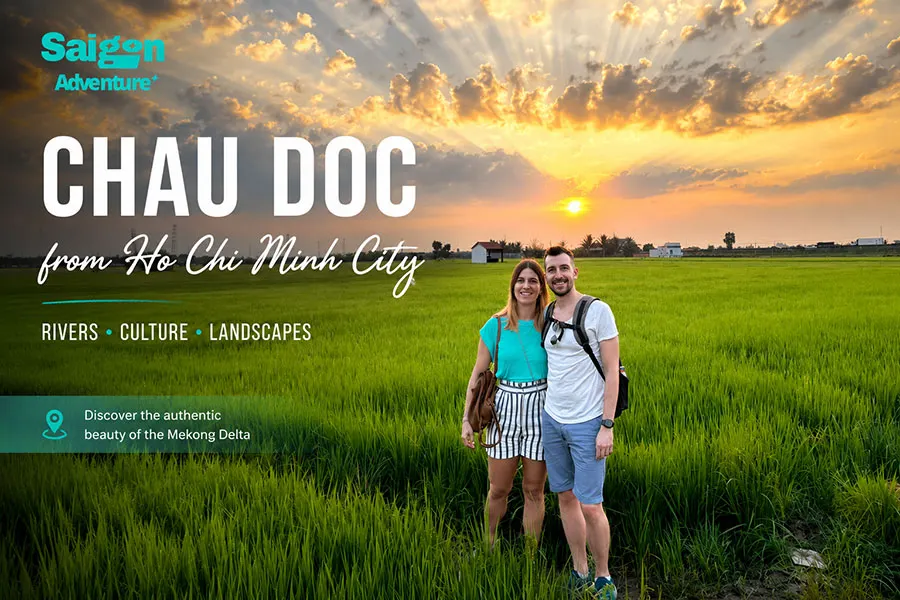
Around 30 kilometers from Chau Doc, Tra Su is one of the most memorable natural attractions in the western Mekong Delta. Small boats move through cajuput trees and seasonal wetlands, creating a striking contrast to the region’s busy commercial rivers.
The forest is especially photogenic when water covers the woodland floor and floating vegetation spreads across the surface. Bird activity varies by season and time of day, so no visit should be sold as a guaranteed wildlife spectacle.
Tra Su is worth combining with Chau Doc rather than visiting as a stand-alone journey from Ho Chi Minh City. This detailed guide explains whether Tra Su Cajuput Forest is worth visiting.
Local tip: Bring insect repellent and keep your voice low during the boat ride. Quiet visitors have a better chance of observing birds without disturbing them.

8. Sa Dec – Best for Flowers and French-Era Character
Sa Dec is a relaxed riverside city associated with ornamental flower cultivation, old architecture and the French writer Marguerite Duras. It feels more intimate than Can Tho and receives fewer international visitors.
The flower village is most colorful in the weeks leading up to Tet, although plants are cultivated throughout the year. In the town center, Huynh Thuy Le Ancient House blends Vietnamese, Chinese and European design influences.
Sa Dec is a rewarding stop for architecture lovers and slow travelers. It can be combined with Cai Be, Vinh Long or Can Tho as part of a multi-day route.
9. Tra Vinh – Best for Khmer Culture and Quiet Roads
Tra Vinh is one of the most culturally distinctive places in the Mekong Delta. The province has a large Khmer community, and its landscape includes numerous Khmer Buddhist temples surrounded by old trees and rice fields.
The city itself is calm and easy to explore, while the surrounding countryside is ideal for cycling or traveling with a knowledgeable local guide. Ang Pagoda and the nearby Khmer cultural museum offer an introduction to the area’s history and religious traditions.
Tra Vinh is not designed around mass tourism, which is part of its charm. Visitors should dress respectfully at temples, avoid interrupting ceremonies and ask before photographing monks or worshippers.
10. An Giang – Best for Rice Fields and Mountain Landscapes
An Giang challenges the idea that the Mekong Delta is completely flat. Around Chau Doc, Tri Ton and Tinh Bien, rice fields stretch toward a chain of low mountains near the Cambodian border.
This region is particularly beautiful during the green and golden stages of the rice-growing cycle. Rural roads pass Khmer villages, palm trees, temples and fields that change dramatically with the weather.
An Giang is most suitable for returning visitors, landscape photographers and travelers with several days available. Private transportation is useful because its attractions are spread across a wide area.
How to Choose the Right Mekong Delta Destination
Your best choice depends largely on time. My Tho and Ben Tre are practical for a day trip, while Can Tho becomes far more rewarding with an overnight stay.
With two or three days, combine Can Tho with Ben Tre, Cai Be or Vinh Long. A longer route can continue west to Chau Doc, Tra Su Forest and the wider An Giang countryside.
For travelers deciding between the two most popular options, this Ben Tre vs Can Tho comparison explains the differences in travel time, atmosphere and activities.
Practical Tips for Visiting the Mekong Delta
Start boat activities early, especially in Can Tho, where floating-market trade is concentrated in the morning. Midday heat can be intense, so lightweight clothing, sun protection and drinking water are essential.
Carry some Vietnamese dong for markets, ferries and small family businesses. Cards are increasingly accepted in cities, but cash remains more reliable in villages and on islands.
Do not expect every floating market, orchard or rice field to look the same year-round. Water levels, harvests, fruit seasons and commercial activity naturally change throughout the year.
Most importantly, leave room for ordinary moments. A ferry crossing, a bowl of noodles beside the river or a conversation at a family workshop may be more memorable than a tightly scheduled list of attractions.
Which Mekong Delta Destination Will You Choose?
The best places to visit in the Mekong Delta reveal different sides of southern Vietnam. Ben Tre offers coconut-lined canals, Can Tho brings early-morning river commerce, Vinh Long encourages slower village travel, while Chau Doc and An Giang add wetlands, temples and borderland landscapes.
If you have only one day, choose a well-organized route through My Tho and Ben Tre. If your schedule allows, an overnight journey will bring you closer to the delta’s morning rhythms and give you a more complete experience.
Explore Saigon Adventure’s Mekong Delta boat tours from Ho Chi Minh City to find an itinerary suited to your time, travel style and preferred level of comfort.
Frequently Asked Questions
What Is the Most Beautiful Place in the Mekong Delta?
Ben Tre is ideal for palm-lined canals, while Tra Su Forest stands out for wetland scenery. Travelers seeking broad rice-field and mountain views may prefer An Giang.
Is Can Tho or Ben Tre Better?
Choose Ben Tre for a convenient countryside trip from Ho Chi Minh City. Choose Can Tho if you can stay overnight and want to visit Cai Rang Floating Market early in the morning.
How Many Days Should I Spend in the Mekong Delta?
One day provides a useful introduction, but two or three days offer a better balance of boat travel, local food and rural life. Four or more days are recommended if you want to include Chau Doc and An Giang.
Can You Visit the Mekong Delta Without a Tour?
Yes. Buses connect the main cities, and homestays can arrange local activities. A guided tour is more convenient for short trips or places where transportation and boat arrangements are fragmented.
What Is the Best Time to Visit the Mekong Delta?
The region can be visited throughout the year. The drier months generally make road travel easier, while the wetter period brings greener scenery and higher water levels in some wetland areas.
Is a Mekong Delta Day Trip Worth It?
Yes, especially for first-time visitors with limited time. Choose a route with a genuine sampan ride, local workshops and enough time outside large commercial stops.
What Should I Wear in the Mekong Delta?
Wear breathable clothing, comfortable walking shoes and sun protection. Carry a light rain jacket in wetter months and cover your shoulders and knees when entering temples.
Explore our best-selling tours
 Bestseller
Cu Chi Tunnels & Mekong Delta 1-Day Tour from Ho Chi Minh City
EXCURSION HIGHLIGHTS: AT CU CHI TUNNELS Watch Documentary Video (Only Showed In This Place) Experience The Thrill Of Crawling Into...
 Bestseller
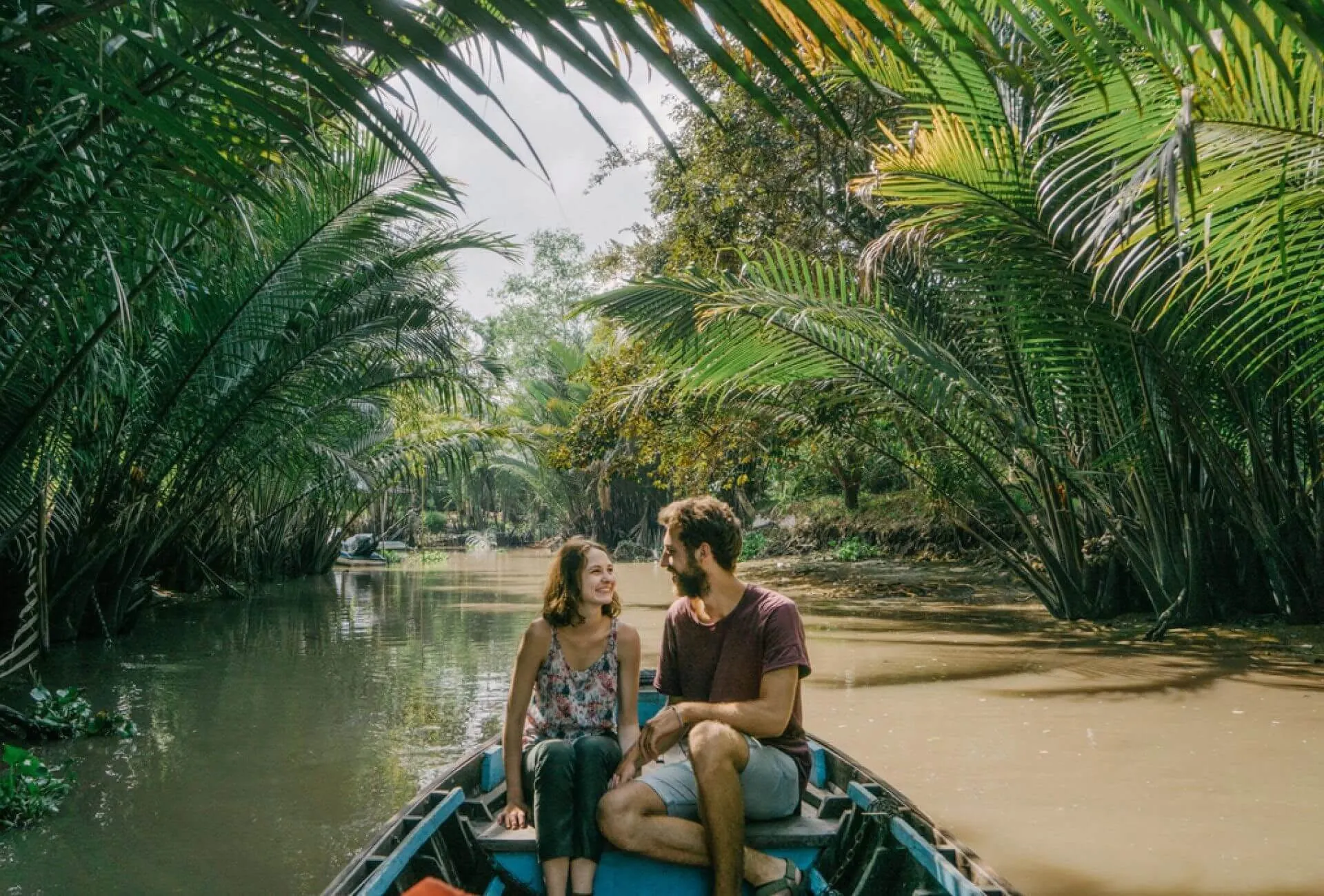
Mekong Delta Tour
The Mekong Delta is celebrated as one of the world's most vital biological wonders and a premier cultural destination in...
 Bestseller
A Less-Touristy Mekong Delta Day Trip to Ben Tre
Delta Tour 1 Day from Ho Chi Minh City, exploring the peaceful waterways and coconut villages of Ben Tre. This...
 Bestseller
Mekong Delta Tour by Luxury Speed Boat
OVERVIEW Hotel pickup: From 8:00 AM in District 1 Tour duration: Approximately 8 hours Group size: Maximum 12 guests Price:...
 Bestseller
Mekong Delta 2 Days Tour – Floating Market Group Tour
Cai Rang floating market – one of the largest floating market in the Mekong Delta is a rare sight in...
 Bestseller
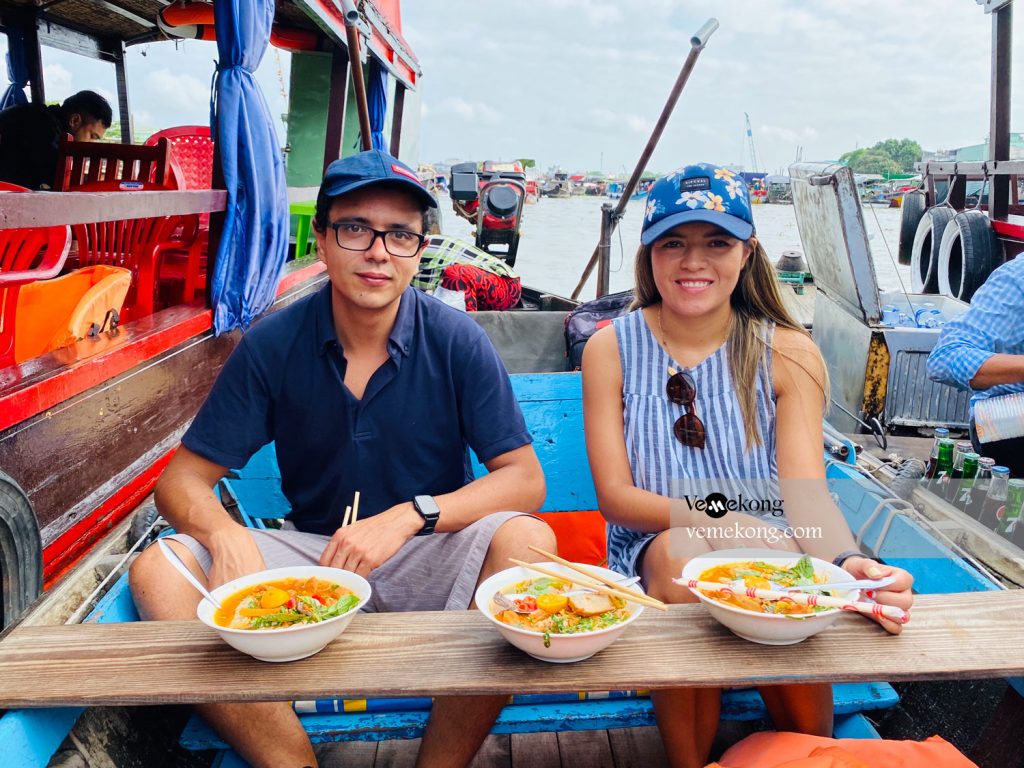
12-Hour Cai Rang Floating Market & My Tho Tour From Saigon
ABOUT THIS TOUR Discover the Cai Rang floating market, a colorful, buzzing market with hundreds of boat vendors selling fruits,...
 Bestseller
Mekong Delta One Day Group Tour
ABOUT THIS MEKONG DELTA TOUR Departure: 8:00 AM Drop off time: 5:30 PM to 6:30 PM Small group travel experience...
 Bestseller
3-Day Mekong Delta Private Tour – 3 Days 2 Nights
Tourists often choose to explore and experience this unique floating market by boat when participating in tours exploring the Mekong...
 Bestseller
Can Tho: Floating Market & Garden Life in the Delta
FLOARING MARKET TOUR Note: This tour pick up and drop off in Can Tho only The Ultimate Can Tho Floating...

2 Days Mekong Delta Homestay
Looking for an authentic Mekong Delta Homestay experience? Keep your travel plan flexible - book your spot now and pay...
Private 2 Days Mekong Delta Floating Market (Mekong Delta Tour 2 Days)
The Ultimate Mekong Delta Discovery: 2-Day Cultural Odyssey Experience the vibrant soul of Southern Vietnam’s wetlands. The Cai Rang Floating...
Mekong Floating Market 1 Day Tour
Cai Be Floating Market & Mekong Delta: An Authentic 1-Day Escape If you are looking to see the Mekong Delta...