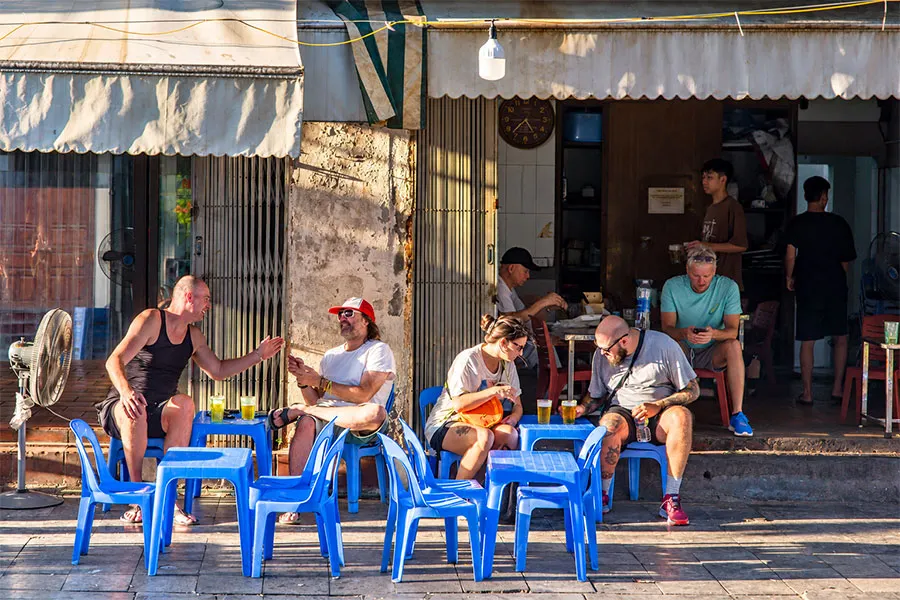
The stools are low, the tables are crowded, and somebody nearby has just raised a glass. Trying bia hoi in Hanoi can be as simple as ordering one fresh draught beer and a plate to share—but knowing which beer to ask for makes a difference.
Choose a venue advertising bia hơi, confirm the glass price, and start with a small order. This guide covers the beer, Vietnamese ordering phrases, food pairings and budgeting, whether you want a lively Old Quarter stop or a quieter neighborhood meal.
What is bia hoi, and is it worth trying?
Bia hơi is Vietnamese fresh draught beer, commonly served from kegs for drinking soon after production. It generally tastes light and refreshing, although flavor, strength and serving size vary between producers and venues.
The name describes a beer category, not one universal brand. A bottle of Hanoi Beer, an imported lager and a glass of bia hơi are different orders, even when the same restaurant sells all three.
It is worth trying if you enjoy informal dining, shared dishes and watching everyday city life. For background on the food surrounding your beer stop, browse our guide to what to eat in Hanoi.
Who will enjoy a bia hoi stop most?
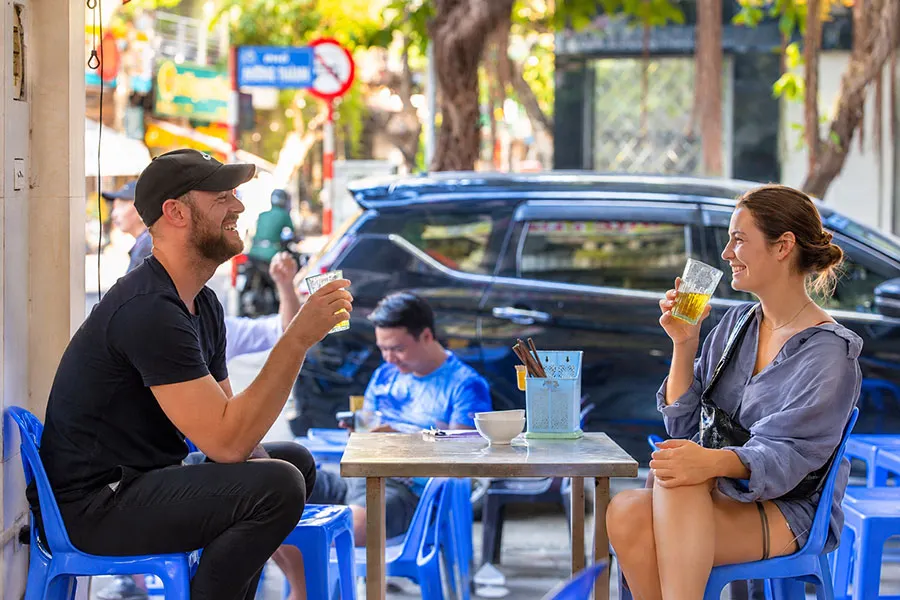
Couples, solo travelers and small groups can all enjoy a short visit without committing to a full evening. The drawbacks are practical: low seating, traffic noise, cigarette smoke and limited protection from heat or rain.
Choose a restaurant with proper chairs if comfort matters. Non-drinkers can join for food and ask about water or soft drinks.

Where to drink bia hoi in Hanoi
The intersection of Tạ Hiện and Lương Ngọc Quyến is the familiar starting point known as Bia Hoi Corner. Vietnam’s official tourism website identifies this Old Quarter junction as a place to sit on small stools and try fresh beer.
However, “Beer Street” does not mean every business serves bia hơi. Some venues focus on bottled beer, cocktails or louder bar entertainment, so check before taking a seat.
| Setting | Best for | Main trade-off |
|---|---|---|
| Tạ Hiện–Lương Ngọc Quyến | A lively, convenient first visit | Crowds and competing music |
| Smaller Old Quarter beer restaurants | Combining beer with dinner | Atmosphere and menus vary |
| Neighborhood venues beyond the tourist center | A more food-focused outing | More planning and potentially less English |
Use our Hanoi food streets guide to connect your stop with nearby eating areas. Choose one neighborhood rather than crossing the city for several drinks.
Local tip: Ask your accommodation for a nearby restaurant serving fresh bia hơi and cooked dishes. A specific request works better than asking for “the best bar.”
How to order bia hoi without confusion
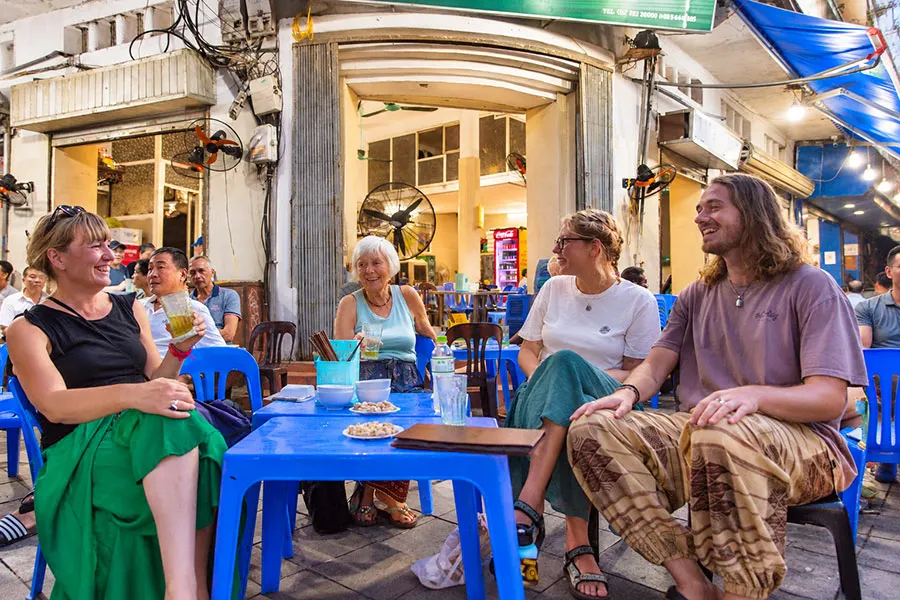
Before ordering, establish what beer is available and whether the displayed price applies to a glass, bottle or larger serving. Pointing at another table’s drink can help, but confirm rather than assuming.

Useful Vietnamese phrases for your first order
| Vietnamese | Meaning |
|---|---|
| Ở đây có bia hơi không? | Do you serve bia hoi here? |
| Cho tôi một cốc bia hơi. | One glass of bia hoi, please. |
| Cho tôi hai cốc bia hơi. | Two glasses of bia hoi, please. |
| Một cốc bao nhiêu tiền? | How much is one glass? |
| Cho tôi xem thực đơn. | May I see the menu? |
| Cho tôi tính tiền. | The bill, please. |
Order one glass per person who wants beer, then decide whether to continue. If pronunciation feels difficult, show the written phrase on your phone and indicate the number with your fingers.

How do you order food and another round?
Start with one or two shared dishes, particularly when portion sizes are unclear. Ask whether a dish is a small plate or a substantial serving before ordering several similar items.
For another beer, point to your glass and say “thêm một cốc”—one more glass. Keep track of your orders, and check whether peanuts, towels or other items placed on the table cost extra before using them.

What to eat with bia hoi
Beer food is often called đồ nhậu: dishes intended for eating while drinking and talking. Availability varies, so treat these as menu terms to recognize rather than a guaranteed selection.
| Dish | What to expect | Ordering advice |
|---|---|---|
| Lạc rang | Roasted peanuts | Easy to share; unsuitable for peanut allergies |
| Đậu phụ rán | Fried tofu | Ask about dipping sauce and cooking ingredients |
| Nem chua rán | Fried pork-based snack | Confirm whether the menu means fried or fermented nem |
| Rau muống xào tỏi | Stir-fried morning glory with garlic | A useful vegetable dish for the table |
| Mực nướng | Grilled squid | Confirm portion size and price |
| Khoai tây chiên | French fries | A familiar option for mixed-preference groups |
For two people wanting a light meal, tofu, a vegetable dish and one cooked protein provide more variety than several fried snacks. If you are hungry, ask about rice or another filling accompaniment.
Local tip: Seafood can change the bill quickly, particularly when priced by weight. Confirm the amount and total price before the kitchen prepares it.
Vegetarians should check sauces, stock and cooking fat rather than relying on a dish’s appearance. Anyone with serious allergies should carry a Vietnamese allergy card; peanuts, seafood and shared preparation equipment deserve particular attention.
How much does bia hoi in Hanoi cost?
Prices depend on the venue, beer and glass size. Vietnam’s official tourism itinerary gives VND 15,000 per glass as an example at Bia Hoi Corner, but this is a published reference—not a guaranteed current menu price.
Use the following arithmetic to understand your bill rather than treating it as a restaurant quotation.
| Example order | Calculation | Subtotal |
|---|---|---|
| Two glasses at VND 15,000 each | 2 × 15,000 | VND 30,000 |
| One shared dish listed at VND 60,000 | 1 × 60,000 | VND 60,000 |
| Combined example | Beer plus one dish | VND 90,000 |
Food usually determines whether your stop stays inexpensive or becomes a full restaurant meal. Confirm prices, serving sizes and any additional charges before ordering, especially at venues without a clear menu.
Carry small Vietnamese banknotes and ask about payment methods before settling in. Do not assume an international bank card will be accepted.
When is the best time to go?
Late afternoon into early evening is a useful window for a first visit: you can combine a drink with dinner and assess the atmosphere before deciding to stay. Exact opening hours and fresh-beer availability depend on the business.
For conversation, choose an earlier visit or a table away from speakers. For a busier social setting, explore Tạ Hiện after dark, allowing for crowds and a slower walk home.
In hot or rainy weather, covered seating and ventilation matter more than a photogenic corner. Check our guide to the best time for a Hanoi street food tour if you are combining several food stops.
Etiquette and practical mistakes to avoid
A friendly toast may include “Một, hai, ba, dô!”—roughly, “One, two, three, cheers!” You can smile, raise your glass and take a small sip without matching anyone else’s pace.
Avoid turning a shared table into a drinking challenge. Ask permission before photographing people closely, keep bags out of walkways and follow staff instructions about seating.
Choose clean glasses, food cooked to order and a venue where you feel comfortable. Alcohol does not make questionable food or poor hygiene safe.
Plan your return before drinking: walk if the route is manageable, or arrange a taxi or car ride. Do not drive a rented scooter afterward, and keep your hotel address saved.
Frequently asked questions
Is bia hoi the same as Hanoi Beer?
No. Bia hơi refers to fresh draught beer, while Hanoi Beer can refer to branded products sold in different formats. Ask specifically for bia hơi rather than simply ordering “Hanoi beer.”
Does every bar on Tạ Hiện serve bia hoi?
No. Menus differ, and some businesses concentrate on bottled drinks or cocktails. Ask whether fresh bia hơi is available and confirm the price before ordering.
Can you visit a bia hoi restaurant alone?
Yes. Start with one drink and a modest food order, choosing somewhere you feel relaxed. Joining other customers is optional; a solo visit can simply be a quiet meal and people-watching stop.
Is bia hoi strong?
Strength varies by product, so avoid assuming every glass has the same alcohol content. Ask staff if you need a precise figure, and remember that serving sizes and repeated rounds affect your total intake.
Can you enjoy the experience without drinking beer?
Yes. Many food-serving venues also offer non-alcoholic drinks, although selection varies. Confirm availability before sitting down, particularly if someone in your group avoids alcohol entirely.
Should you book a food tour to try bia hoi?
Independent ordering is manageable with a menu and a few phrases. If you prefer help understanding local dishes first, explore Saigon Adventure’s Hanoi local food tour, and confirm whether a bia hơi stop can fit your plans.
Make room for one unhurried Hanoi stop
You do not need a pub crawl to enjoy bia hoi in Hanoi. Choose a comfortable table, order something freshly cooked and leave yourself time to watch the neighborhood around you.
If you would like local guidance for the wider food experience, compare Saigon Adventure’s available tours, then choose the outing that suits your appetite and pace.