Finding a memorable meal in Vietnam often means looking beyond polished restaurants and familiar tourist recommendations. Some of the country’s most satisfying dishes come from small family kitchens, neighborhood eateries, and street-side stalls that travelers might otherwise walk past.
Learning how to find good local restaurants in Vietnam is less about chasing famous addresses and more about recognizing fresh cooking, sensible hygiene practices, transparent prices, and places that understand their specialties.
Whether you’re exploring Hanoi’s Old Quarter, wandering through Ho Chi Minh City’s food streets, or visiting a quiet town in central Vietnam, these practical tips will help you eat more confidently and discover a different side of Vietnamese food culture.
Quick Answer: How Can You Spot a Good Local Restaurant in Vietnam?
A good local restaurant in Vietnam typically has steady customer turnover, freshly prepared food, clean cooking areas, clearly communicated prices, and a menu that suits its kitchen. Watching how ingredients are handled and noticing what nearby residents order can also help. No single sign guarantees quality or food safety, so consider several before choosing.
Why Eating at Local Restaurants in Vietnam Is Worth It
Vietnamese food culture extends far beyond phở and bánh mì. Everyday restaurants introduce travelers to regional recipes, traditional cooking methods, and dishes rarely featured on international menus.
A family-run kitchen in Hanoi might specialize in bún chả, while a small restaurant in Hue prepares fragrant bún bò Huế. In Ho Chi Minh City, lunchtime crowds gather around plates of cơm tấm, grilled pork, and freshly cooked noodle soups.
Local dining can also be surprisingly affordable. However, authenticity is not determined by low prices, plastic stools, or whether a restaurant attracts international visitors.
The most rewarding places combine enjoyable food with thoughtful preparation and an atmosphere where you feel comfortable eating.
10 Signs of a Good Local Restaurant in Vietnam
1. Look for Local Customers, Not Just Tourist Crowds
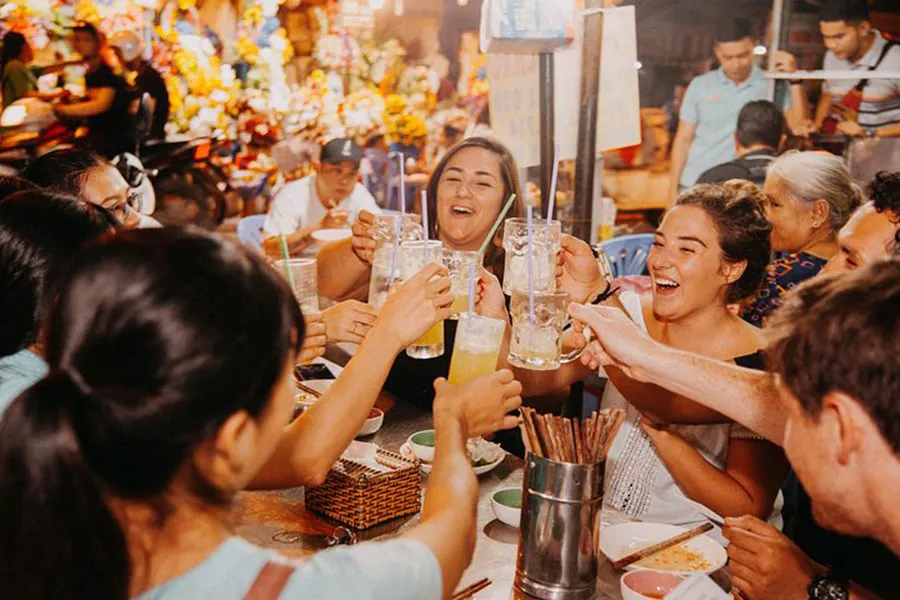
One useful clue is a restaurant attracting neighborhood residents during normal mealtimes.
Office workers stopping for lunch, families sharing dinner, and residents collecting takeaway meals may suggest that a kitchen has established a regular customer base.
However, a crowded restaurant is not automatically better. Some excellent family businesses serve only a handful of tables, while popular tourist restaurants can provide genuinely good food.
Local Tip: Visit between 11:30 AM and 1 PM or around 6–8 PM to observe local dining habits. These are useful general windows rather than fixed opening times.
2. Watch How the Food Is Prepared
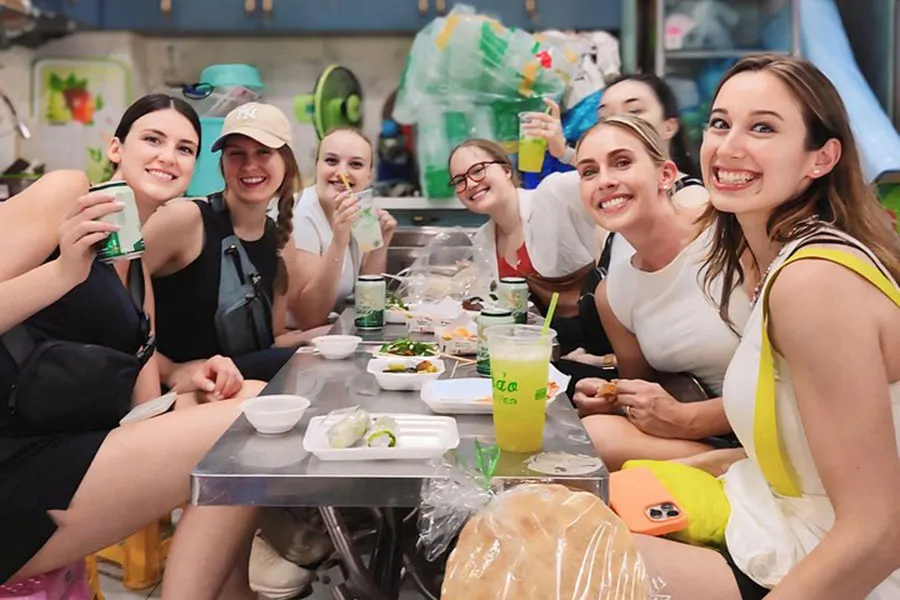
Fresh preparation is particularly appealing at Vietnamese noodle shops and made-to-order street food stalls.
Look for steaming broth, ingredients being cooked thoroughly, and dishes assembled promptly after ordering. These are more reassuring than food sitting uncovered for extended periods.
At a bánh xèo restaurant, for example, watching a pancake cook in a hot pan offers useful clues about preparation and freshness.
Food that looks freshly cooked can still be mishandled, so observe ingredient storage and cleanliness as well.

3. Check Hygiene Before Sitting Down
Good food hygiene matters more than a restaurant’s appearance or reputation.
Check whether raw meat is separated from ready-to-eat foods, perishable ingredients are properly chilled, utensils appear clean, and food is protected from flies.
Pay particular attention to drinking water, ice handling, fresh herbs, and uncooked garnishes. Travelers with sensitive stomachs may prefer thoroughly cooked dishes served hot.
Local Tip: A tidy dining area is encouraging, but safe food handling is more important than expensive furniture or modern decoration.
4. Choose Restaurants That Know Their Specialties
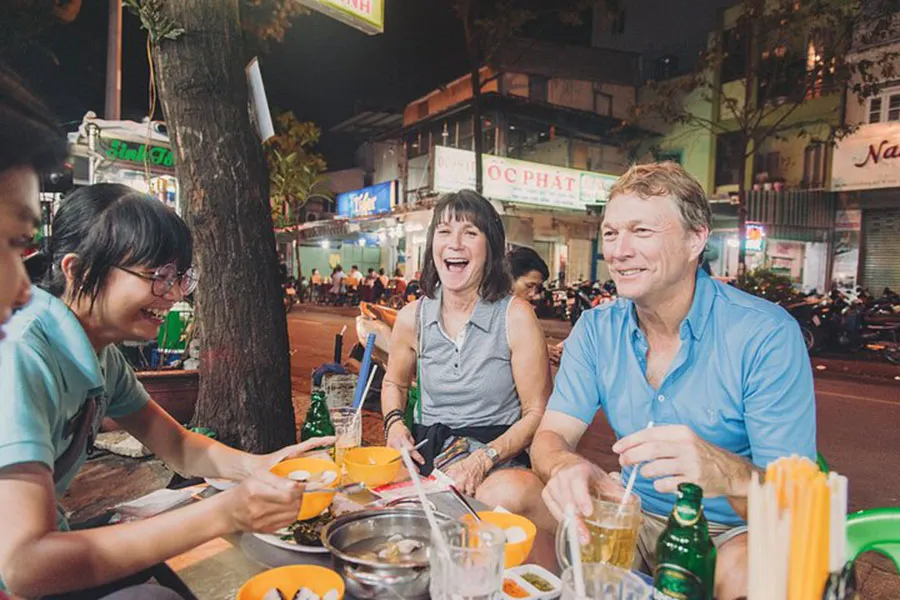
Some of Vietnam’s memorable eateries focus on a small selection of dishes.
A shop concentrating on phở, bún bò, or cơm tấm can organize its kitchen around a particular preparation process and regular demand.
That does not mean a large menu signals poor quality. Restaurants serving families and groups often need greater variety.
Instead, notice whether a kitchen appears organized and whether the dishes arriving at nearby tables look consistently well prepared.
5. Observe Customer Turnover and Food Storage
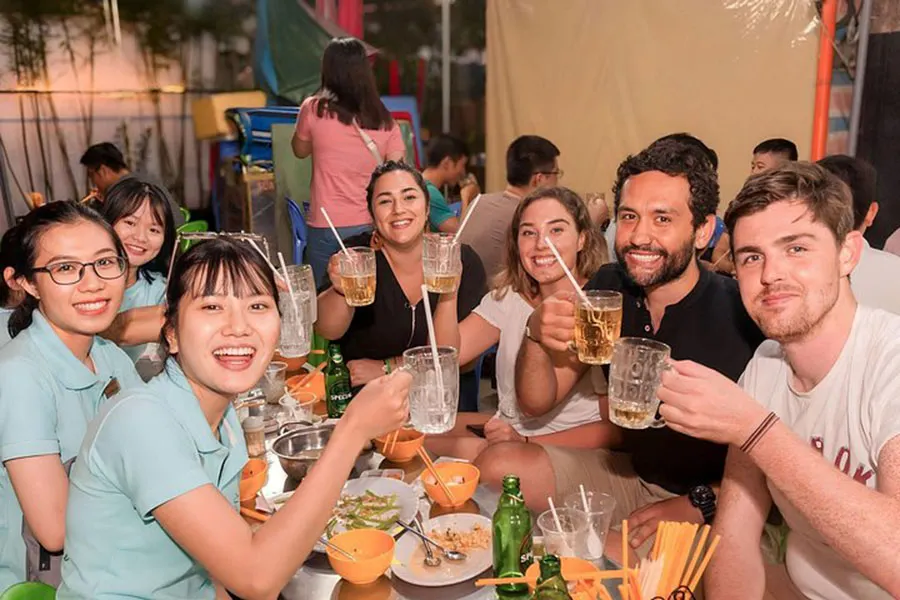
A steady flow of diners can mean ingredients are replenished regularly, especially at breakfast and lunch stalls.
But popularity alone cannot confirm freshness. Watch whether prepared foods are kept at appropriate temperatures and whether ingredients are protected between orders.
Be cautious when cooked dishes remain at room temperature for long periods or raw seafood is displayed without adequate chilling.
A quieter restaurant using proper refrigeration may be a better choice than a busy stall with careless handling.
6. Check Prices Before Ordering
Transparent pricing makes local dining more comfortable, particularly when ordering unfamiliar dishes.
Many Vietnamese eateries display prices on wall menus, laminated cards, or digital menus. Smaller vendors may quote prices verbally.
For seafood sold by weight, ask whether the price covers a portion, 100 grams, or one kilogram. Confirm cooking charges and additions before placing an order.
Avoid assuming an inexpensive restaurant is automatically trustworthy or that higher prices always indicate tourist exploitation.
7. Read Google Reviews Critically
Online reviews can help travelers narrow their choices, but ratings should not replace observation.
Read recent comments about food consistency, service, portion sizes, hygiene, and unexpected charges. Photographs uploaded by customers can also reveal what dishes actually look like.
Consider recurring concerns rather than isolated complaints, especially when reviews describe different experiences.
Local Tip: Search for Vietnamese reviews as well as English-language feedback. Translation tools can help you understand comments from local diners.
8. Look for Regional Vietnamese Specialties
A restaurant becomes more interesting when its cooking reflects the surrounding region.
In Hanoi, explore bún chả, phở, and chả cá. Hue is known for bún bò Huế and delicate rice-based dishes, while central coastal towns offer regional noodles and seafood.
In southern Vietnam, restaurants frequently serve cơm tấm, hủ tiếu, and dishes featuring fresh herbs.
For specific places to explore in the capital, use this guide to the best food streets in Hanoi.
9. Notice How Staff Handle Questions and Orders
You do not need fluent Vietnamese to enjoy neighborhood restaurants.
A vendor who explains prices, clarifies portions, or patiently helps you identify a dish can make the experience considerably easier.
Translation apps and menu photographs are useful when communicating food preferences. Learning a few phrases also helps:
-
Bao nhiêu tiền? — How much does it cost?
-
Không cay — Not spicy.
-
Không đá — No ice.
-
Tính tiền — The bill, please.
For serious allergies, use a clearly translated allergy card. A friendly response does not guarantee that a kitchen can prevent cross-contact.
10. Trust Multiple Clues Rather Than One Perfect Sign
Finding authentic Vietnamese restaurants requires judgment rather than a rigid checklist.
A small roadside stall might prepare an excellent bowl of noodles, while a comfortable, modern restaurant may serve equally traditional recipes.
Consider ingredient handling, cooking methods, pricing, and the overall dining experience together.
If something seems unsafe or unclear, choosing another restaurant is perfectly reasonable. There will usually be other opportunities to explore local food.
Where to Find Authentic Local Restaurants in Vietnam
Hanoi: Old Neighborhoods and Traditional Food Streets
Hanoi’s historic neighborhoods are excellent starting points for discovering northern Vietnamese cooking.
Around the Old Quarter and surrounding residential streets, look for restaurants specializing in noodle soups, grilled pork, sticky rice, and regional snacks.
Avoid choosing exclusively by proximity to major sightseeing attractions. Walking a few streets farther can introduce different menus and dining atmospheres.
Ho Chi Minh City: Markets and Neighborhood Eateries
Saigon offers remarkable variety, from simple breakfast stalls to lively evening seafood restaurants.
Areas such as Ho Thi Ky, Nguyen Thuong Hien, and Vinh Khanh provide different opportunities to explore local dishes.
Our guide to where locals eat in Ho Chi Minh City offers specific neighborhoods and dining ideas for independent travelers.
For a broader introduction, explore the city’s street food districts before deciding where to spend your evening.
Hue, Da Nang, and Smaller Vietnamese Towns
Central Vietnam rewards travelers who explore beyond international restaurant menus.
Hue is particularly interesting for regional rice cakes and noodle specialties, while Da Nang offers mì Quảng, seafood, and everyday family restaurants.
Smaller towns may have fewer English menus, making translation apps and recommendations from accommodation staff especially valuable.
Local Restaurant vs Tourist Restaurant: Which Is Better?
| Factor | Local-focused eatery | Tourist-oriented restaurant |
|---|---|---|
| Menu | Often regional specialties | Often wider international selection |
| Language | Limited English possible | English menus more common |
| Prices | Often modest | Sometimes higher |
| Atmosphere | Everyday neighborhood dining | Familiar, visitor-friendly setting |
| Convenience | May require translation | Usually easier for newcomers |
Neither category automatically guarantees better food, service, or hygiene.
First-time visitors may appreciate tourist-friendly restaurants, while adventurous eaters might enjoy exploring smaller neighborhood kitchens.
Best Time to Eat at Local Restaurants in Vietnam
Mealtimes vary by region and business, but several general patterns can help you plan.
-
Breakfast, approximately 6–9 AM: Noodle soups, sticky rice, and bánh mì.
-
Lunch, approximately 11 AM–1 PM: Rice plates and everyday set meals.
-
Dinner, approximately 6–9 PM: Grilled dishes, seafood, hotpot, and shared meals.
Some popular vendors sell out early, while others operate only during the evening. Check current hours before traveling across a city for one restaurant.
Common Restaurant Mistakes Tourists Should Avoid
One common mistake is judging food quality entirely through online popularity. Another is assuming every small street stall offers a more authentic experience than an established restaurant.
Travelers should also avoid ordering seafood without checking the price, ignoring food allergies, or eating questionable raw and undercooked ingredients.
For a first local meal, start with a dish you recognize and gradually explore unfamiliar specialties.
If deciding what to order feels overwhelming, our guide to Vietnamese dishes beyond phở and bánh mì offers useful inspiration.
Frequently Asked Questions About Local Restaurants in Vietnam
1. How do tourists find good local restaurants in Vietnam?
Look for consistent local customers, hygienic preparation, transparent prices, and freshly cooked food. Read recent reviews and observe food handling before ordering.
2. Is eating at local restaurants in Vietnam safe?
Many local restaurants serve enjoyable meals, but no restaurant is completely risk-free. Choose places with sound food-handling practices, safe drinking water, and properly cooked food.
3. Are local restaurants cheaper than tourist restaurants?
Often, but not always. Prices depend on location, ingredients, portion size, and restaurant style. Seafood and specialty dishes can be expensive even at neighborhood restaurants.
4. Can I order Vietnamese food without speaking Vietnamese?
Yes. Translation apps, menu photographs, and basic Vietnamese phrases make ordering easier. Always explain dietary restrictions clearly before confirming an order.
5. Should I trust Google Maps ratings for Vietnamese restaurants?
Reviews are helpful for comparing options, but ratings alone cannot establish food quality or hygiene. Check recent feedback and assess the restaurant yourself.
6. What Vietnamese dishes are best for first-time visitors?
Phở, cơm tấm, bún chả, hủ tiếu, and bánh mì offer approachable introductions to Vietnamese cuisine. Choose ingredients and preparation methods suitable for your dietary needs.
7. Is joining a local food tour worth it?
A guided food tour can be worthwhile for visitors who want help navigating menus, understanding regional dishes, and discovering different neighborhoods. Independent exploration offers greater flexibility.
Discover Vietnam One Local Meal at a Time
Finding good local restaurants in Vietnam is not about discovering a secret address that nobody else knows. It is about paying attention to how food is prepared, how people dine, and what makes each region’s cooking distinctive.
Start with a familiar dish, observe your surroundings, and gradually become more adventurous as your confidence grows.
For travelers visiting Saigon, a local street food experience with Saigon Adventure can provide an enjoyable introduction to Vietnamese dining traditions, neighborhood eateries, and the stories behind the food.