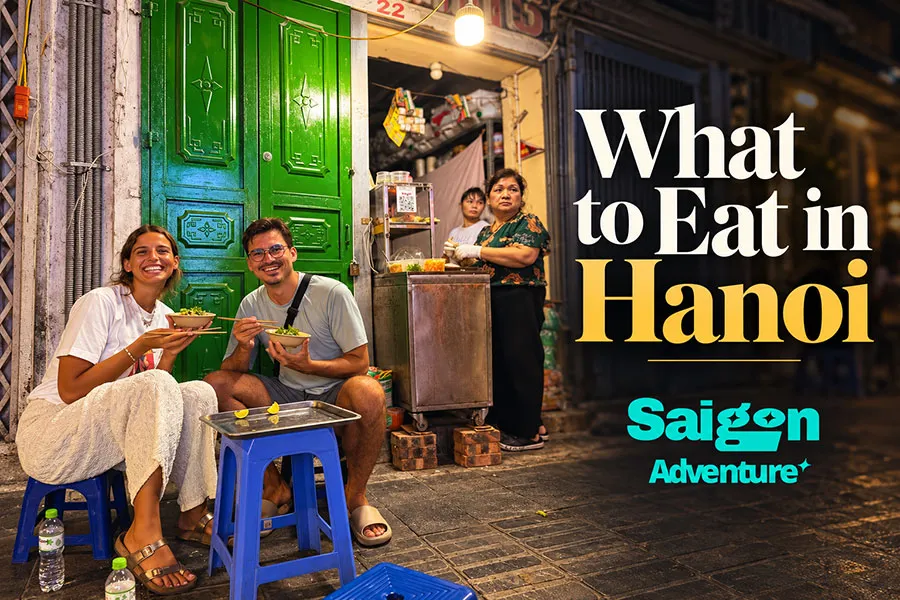
The first spoonful of broth, the smoke rising from a charcoal grill and the sound of chopsticks against ceramic bowls reveal a side of Hanoi that sightseeing alone cannot capture. If you are wondering what to eat in Hanoi, begin with phở, bún chả, bánh cuốn, chả cá and egg coffee before exploring less familiar local favorites.
Hanoi cuisine is generally less sweet and more restrained than food in southern Vietnam. Broths are carefully balanced, herbs are used with purpose, and many family-run eateries become famous by preparing just one dish exceptionally well.
For an easy introduction, the Hanoi Michelin Street Food Walking Tour connects local flavors with the stories behind several Michelin-selected food stops.
What Makes Hanoi Food Special?
Hanoi’s food reflects northern Vietnam’s seasons, ingredients and preference for subtle flavor. Instead of relying on heavy sauces, traditional cooks build depth through slow-simmered stock, grilled meat, fermented seasonings, fresh herbs and contrasting textures.
Meals are also closely connected to time and place. Phở and sticky rice are popular in the morning, bún chả is traditionally associated with lunch, while grilled snacks and bia hơi become livelier later in the day.
Visitors should not judge a food stop by its size or decoration. A small shop with low stools, a short menu and steady local customers may offer a more memorable meal than a restaurant serving dozens of unrelated dishes.
To understand why these simple food stalls play such an important cultural role, read why street food in Vietnam is so famous.

10 Must-Try Foods in Hanoi
1. Phở bò: Hanoi’s classic beef noodle soup
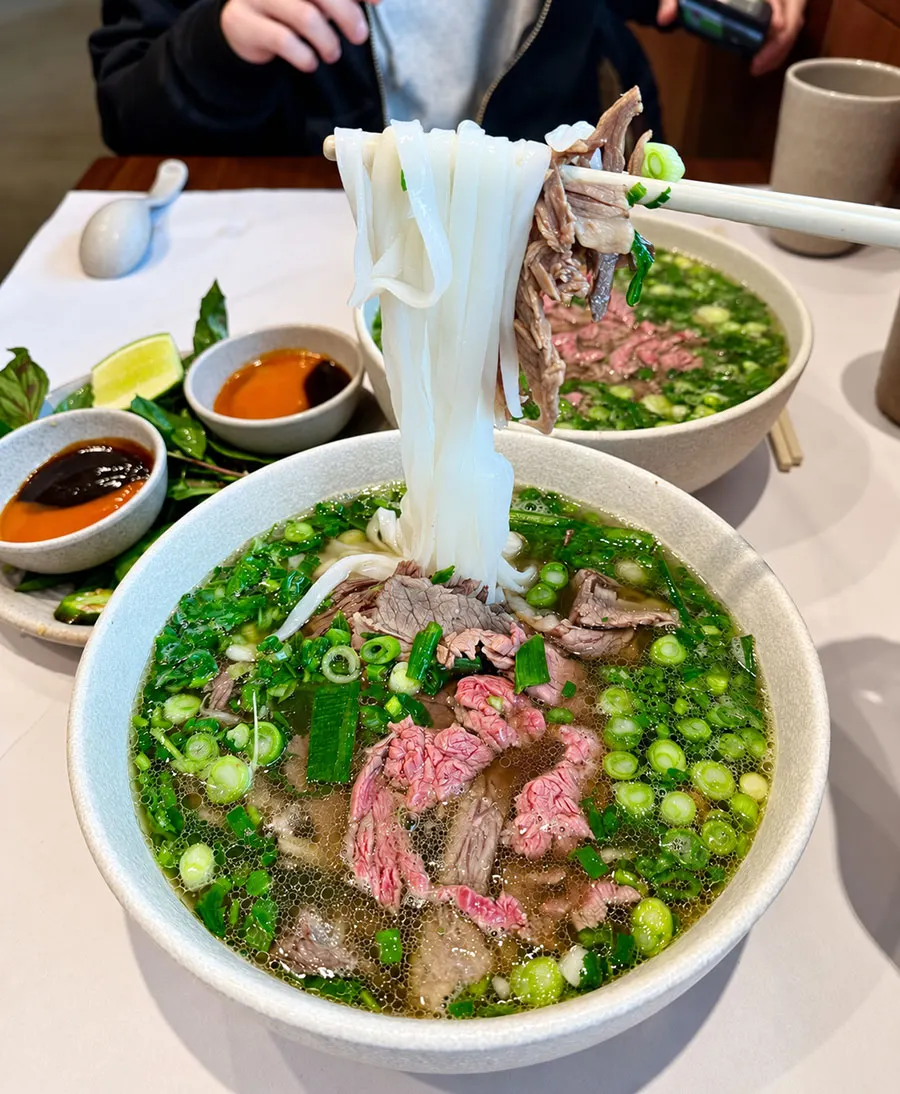
Hanoi-style phở bò combines flat rice noodles, sliced beef and a clear broth fragrant with ginger, onion and warm spices. Compared with many southern versions, it usually arrives with fewer herbs and sweet condiments, allowing the stock to remain the focus.
Taste the broth before adding lime, chili or fish sauce. Order phở bò tái for rare beef or phở bò chín for fully cooked meat.
A local bowl commonly costs around VND 40,000–80,000, depending on the beef cut and location. Although available throughout the day, phở feels particularly natural on a cool Hanoi morning.
2. Bún chả: Charcoal-grilled pork with noodles
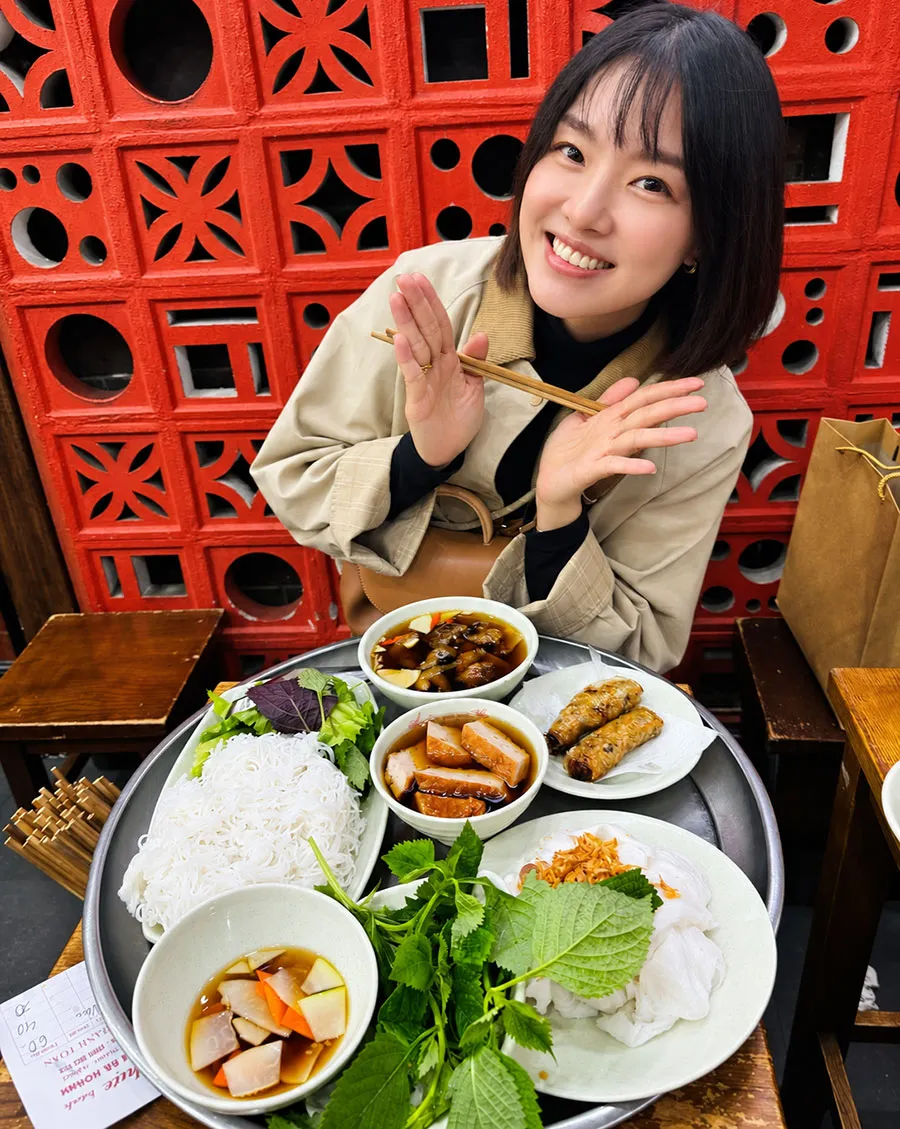
Bún chả is one of the essential Hanoi dishes for first-time visitors. Charred pork patties and slices of pork belly are served in a warm, sweet-savory dipping broth with rice vermicelli, herbs and pickled vegetables.
Place a small amount of noodles and herbs into the dipping bowl, add a piece of pork, then eat everything together. Do not pour all the sauce over the noodles at once.
Lunch is the traditional time to eat bún chả, when grills are busy and food turns over quickly. Expect to spend approximately VND 40,000–80,000, with fried crab spring rolls usually ordered separately.
Travelers who want to combine bún chả and other specialties with sightseeing can join the Hanoi Local Food Tour with Train Street and Old Quarter Highlights.
3. Chả cá: Turmeric fish cooked with dill
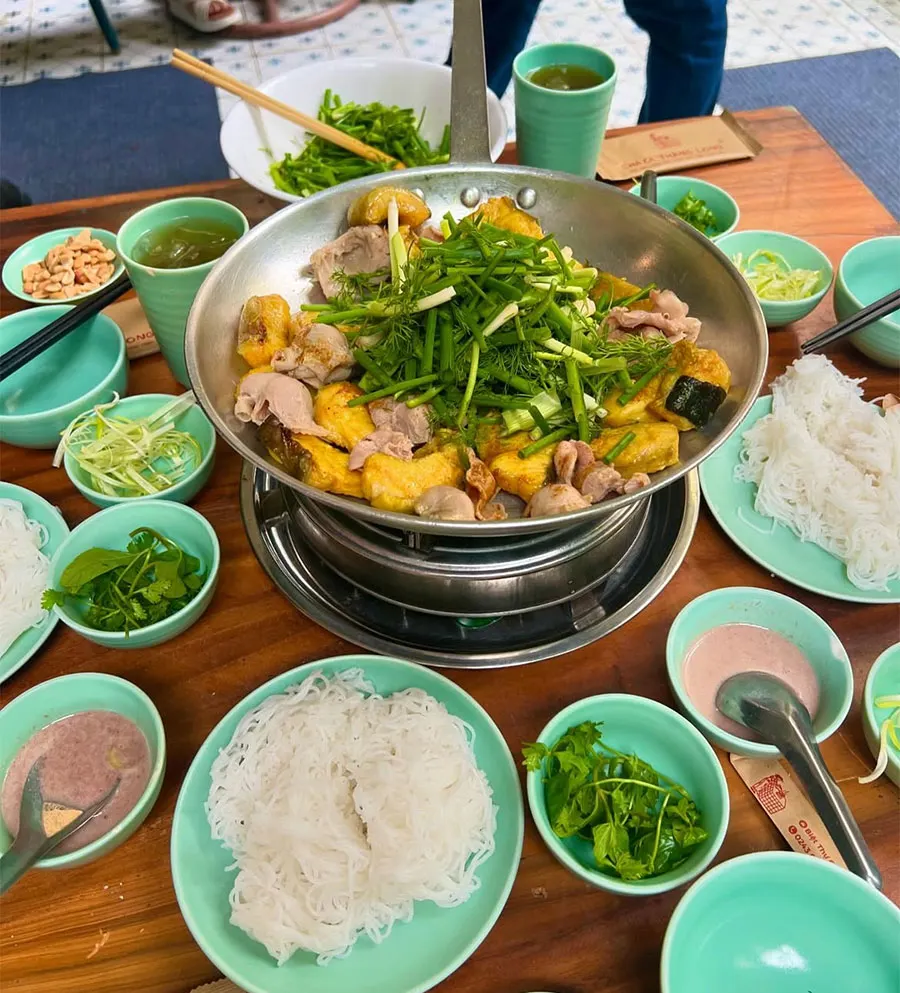
Chả cá is made with pieces of marinated fish cooked with turmeric, spring onion and generous handfuls of fresh dill. The fish is often finished in a sizzling pan at the table, making the preparation part of the experience.
Combine it with rice noodles, peanuts, herbs and a little sauce. Fermented shrimp paste delivers the most traditional flavor, but its strong aroma may surprise first-time visitors; fish sauce is a gentler alternative.
Chả cá is usually a shared, sit-down meal rather than a quick snack. Depending on the restaurant and portion, budget approximately VND 150,000–300,000 per person.
4. Bánh cuốn: Delicate steamed rice rolls
Bánh cuốn consists of thin sheets of steamed rice batter wrapped around minced pork and wood ear mushrooms. Fried shallots, herbs and slices of Vietnamese pork sausage add flavor and texture.
Fresh bánh cuốn should be soft and almost translucent, never dry or rubbery. Dip each piece lightly into the accompanying fish sauce rather than soaking the entire plate.
This is an excellent Hanoi breakfast for travelers who want something lighter than noodle soup. At traditional shops, diners can often watch the cook spread and steam each rice sheet by hand.
5. Bún thang: A refined Hanoi noodle soup
Bún thang brings together fine rice vermicelli, shredded chicken, thinly sliced egg, Vietnamese sausage and herbs in a clear broth. Its neatly arranged ingredients and gentle taste reflect the precision often associated with traditional Hanoi cooking.
The dish is less common than phở because its many components require time to prepare separately. Look for a specialist noodle shop and taste the broth before adding condiments.
Bún thang is especially suitable for travelers who prefer delicate, aromatic soups rather than rich or spicy food.
6. Xôi xéo: Sticky rice with mung bean
Xôi xéo is yellow sticky rice covered with thin slices of mung-bean paste, fried shallots and fragrant shallot oil. Its chewy, creamy and crispy textures make it a filling breakfast despite the dish’s simple appearance.
Additional toppings may include shredded chicken, braised pork, pâté or pork floss. The basic version appears vegetarian, but strict vegetarians should ask whether the rice or toppings contain lard or meat-based seasoning.
Morning vendors sometimes sell out early. Buy a wrapped portion before a day trip or train journey when you need an inexpensive meal that travels well.
7. Phở cuốn: Fresh rice noodle rolls
Phở cuốn uses uncut sheets of fresh rice noodles wrapped around stir-fried beef, lettuce, coriander and other herbs. Served at room temperature with a light dipping sauce, the rolls feel fresh and balanced after a day of heavier meals.
The Ngũ Xã area near Trúc Bạch Lake is closely associated with this specialty. Groups can also order phở chiên phồng—crispy fried noodle squares—to compare two completely different uses of phở noodles.
8. Bún ốc: Tangy snail noodle soup
Bún ốc pairs rice vermicelli and snails with a lightly sour, tomato-based broth. Depending on the vendor, a bowl may also contain fried tofu, herbs, scallions and pieces of tomato.
The snails have a pleasantly firm, chewy texture and should not taste strongly fishy. Choose a busy shop where the broth is steaming and ingredients are being prepared continuously.
Bún ốc is a good next step for visitors who have already tried phở and want to discover a less internationally familiar Hanoi noodle dish.
9. Bánh tôm: Crispy shrimp cakes
Bánh tôm features whole shrimp fried in a crisp batter, frequently with strands of sweet potato. Fresh herbs, pickled vegetables and sweet-sour dipping sauce prevent the fried cake from feeling excessively heavy.
West Lake has long been associated with bánh tôm, although the dish is available in other parts of Hanoi. Order one portion to share as an afternoon snack rather than treating it as a large meal.
The best examples arrive hot, with a crisp exterior and shrimp that remains moist inside.
10. Cà phê trứng: Hanoi egg coffee
Egg coffee combines robust Vietnamese coffee with a thick topping made from whipped egg yolk and sweetened condensed milk. The result is creamy and sweet, while the dark coffee underneath provides welcome bitterness.
Stir the layers gradually as you drink. Many cafés place the cup in a bowl of warm water to maintain its smooth texture.
Famous Old Quarter cafés can become crowded in the afternoon. Visit earlier in the day if you want a quieter atmosphere and enough time to appreciate the drink rather than simply photographing it.
Where to Find the Best Local Food in Hanoi
The Old Quarter is the easiest starting point because it places noodle shops, snack stalls and cafés within walking distance. Its advantages are convenience and variety, but popular streets can be crowded and some businesses cater mainly to visitors.
Ngũ Xã and Trúc Bạch are useful for phở cuốn, while the West Lake area is known for bánh tôm. Residential neighborhoods farther from the historic center may offer a calmer local atmosphere, although reaching specific vendors requires more planning.
Look for eateries specializing in one or two dishes, with ingredients prepared in view and a steady flow of customers. A large crowd does not guarantee quality, but regular turnover is usually more reassuring than trays of cooked food sitting uncovered for long periods.
Visitors can browse additional Vietnam experiences and destination guides through Saigon Adventure.
How Much Does Food Cost in Hanoi?
Most street-food dishes and casual noodle meals cost approximately VND 30,000–80,000. Specialist dishes, larger servings and air-conditioned restaurants may charge VND 100,000–300,000 or more per person.
A practical daily food budget is around VND 300,000–600,000 per traveler when combining local meals, coffee and snacks. Fine dining, cocktails, imported drinks and Michelin-recognized restaurants can raise the total considerably.
Prices change and tourist areas may cost more, so check the menu or ask Bao nhiêu tiền?—“How much?”—before ordering. Carrying smaller Vietnamese đồng notes makes payment easier at street stalls.
Best Time to Explore Hanoi Street Food
Breakfast between approximately 7:00 and 9:00 is ideal for phở, bánh cuốn and xôi xéo. Bún chả shops become busy around lunch, while cafés, grilled snacks and bia hơi bring more atmosphere in the late afternoon and evening.
Some traditional vendors close as soon as they sell out, so do not assume every famous stall remains open all day. Check current opening hours directly rather than relying entirely on an old blog post or social-media video.
Spring and autumn usually provide pleasant conditions for walking between food stops. During hot or rainy periods, plan a shorter route with indoor breaks and carry drinking water.
Practical Food Safety and Ordering Tips
Choose freshly cooked dishes served piping hot, particularly if you have a sensitive stomach. Check whether utensils and preparation surfaces look clean, drink sealed or properly filtered water and clean your hands before eating.
Useful Vietnamese phrases include:
- Một suất — one portion
- Không cay — not spicy
- Không rau mùi — no coriander
- Tôi ăn chay — I am vegetarian
- Bao nhiêu tiền? — how much?
People with serious food allergies should carry a written Vietnamese allergy card. Fish sauce, shrimp paste, peanuts and pork-based broth may be present even when they are not visible.
Vegetarian travelers should look for restaurants marked quán chay. Asking only for “no meat” may not exclude fish sauce, meat stock or lard.
Is Hanoi Food Worth Exploring?
Hanoi is absolutely worth visiting for its food. The city offers far more than famous phở: smoky pork grilled over charcoal, delicate handmade rice rolls, aromatic noodle soups and one of Vietnam’s most distinctive coffee creations.
Rather than attempting ten dishes in one hurried evening, spread your tastings across two or three days. Begin with the classics, then leave space for the small shop or unexpected specialty that catches your attention.
If your Vietnam journey continues south, compare Hanoi’s restrained northern flavors with the sweeter, more varied cuisine featured on a Ho Chi Minh City motorbike food tour. Experiencing both cities is one of the most enjoyable ways to understand Vietnam through its food.

Frequently Asked Questions
What food is Hanoi most famous for?
Hanoi is best known for phở, bún chả, chả cá, bánh cuốn and egg coffee. Travelers should also try bún thang, xôi xéo, phở cuốn, bánh tôm and bún ốc for a broader introduction to traditional northern Vietnamese cuisine.
What should I eat first in Hanoi?
Start with phở bò for breakfast and bún chả for lunch. Try bánh cuốn or phở cuốn as a lighter meal, then finish with egg coffee. This combination introduces Hanoi’s broths, grilled meat, fresh rice noodles and café culture.
Is Hanoi street food safe for tourists?
Many travelers enjoy Hanoi street food without problems, but no vendor is entirely risk-free. Choose busy stalls, order thoroughly cooked food served hot, inspect general cleanliness, wash your hands and avoid ingredients that appear to have remained uncovered for a long time.
Is Hanoi food spicy?
Most traditional Hanoi food is not intensely spicy when served. Fresh chili, chili sauce and pickled garlic are commonly provided separately, allowing diners to control the heat. Say không cay when ordering if you do not want chili.
Can vegetarians find local food in Hanoi?
Yes. Hanoi has dedicated vegetarian restaurants serving meat-free noodle soups, rice dishes, tofu and vegetables. Tell staff that you also avoid fish sauce, shrimp paste, lard and meat-based broth, as these ingredients may not be visible.
How many days are needed to explore Hanoi food?
Two or three days are enough to taste several essential dishes without rushing. A longer stay allows visitors to explore food beyond the Old Quarter, compare different phở shops and visit neighborhood specialties around Trúc Bạch and West Lake.