The coffee in your cup has traveled a surprisingly long way before reaching the table. Around Da Lat, that journey begins on misty hillsides where coffee cherries grow among the green landscapes of Vietnam’s Central Highlands.
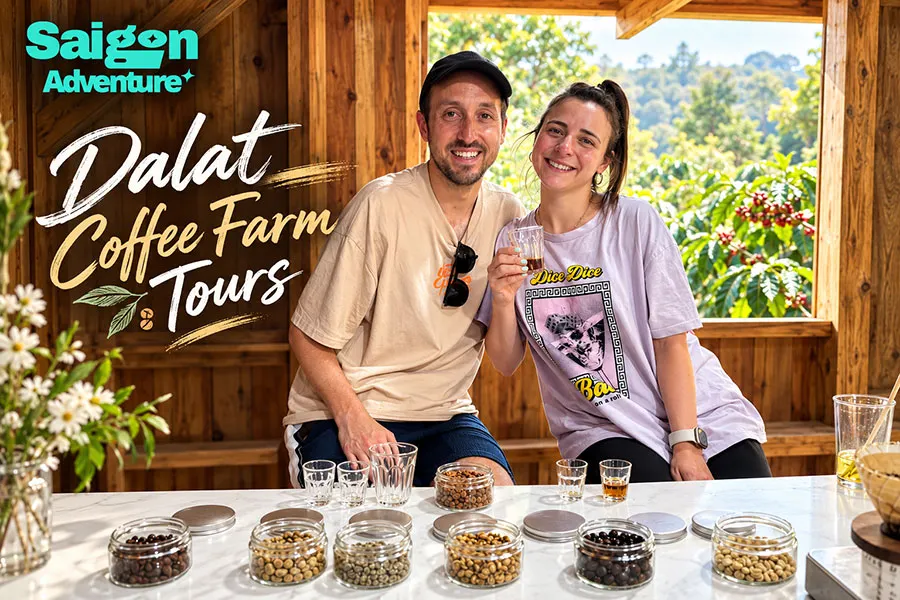
Dalat coffee farm tours offer travelers a chance to explore working plantations, understand how coffee is harvested and processed, watch roasting demonstrations, and taste locally grown beans. Some experiences even let visitors roast or brew their own coffee.
But not every coffee plantation offers the same experience. Before booking, it helps to know what you will actually see, which activities are seasonal, and whether a farm visit is worth leaving the city for.
Quick Answer: Are Dalat Coffee Farm Tours Worth It?
Yes, Dalat coffee farm tours are worth experiencing if you enjoy coffee, countryside scenery, or learning how local products are made. A good tour connects coffee cultivation, harvesting, processing, roasting, and tasting. Choose a working farm with guided activities rather than a scenic café if you want a genuine farm-to-cup experience.
What Is a Dalat Coffee Farm Tour?
A coffee farm tour takes visitors beyond Da Lat’s cafés to explore where coffee grows and how it becomes a finished drink.
Most educational experiences combine a plantation walk with explanations about coffee varieties, agricultural methods, and production techniques. Depending on the farm, visitors may also observe processing equipment, participate in roasting, or join a guided tasting.
Da Lat’s surrounding highlands are particularly suitable for Arabica cultivation because of their elevation and relatively cool conditions. Coffee-growing communities in Lam Dong also produce other varieties, including Robusta.
Unlike a typical sightseeing attraction, a working coffee farm changes throughout the year. The experience during harvesting season can be noticeably different from a visit when the plants are flowering or developing fruit.
Local Tip: Ask whether the attraction is a working plantation or primarily a viewpoint café. Both can be enjoyable, but they offer very different experiences.
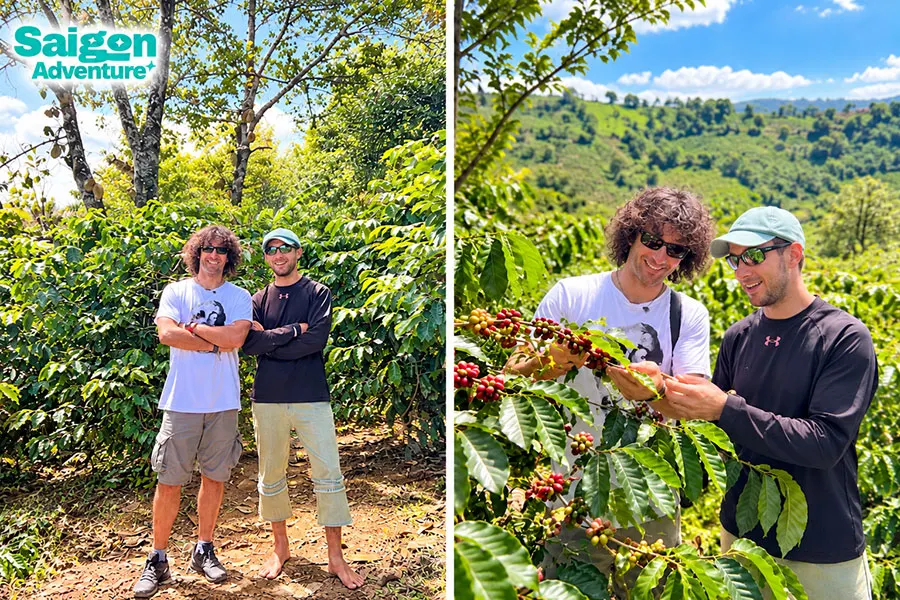
What Do You Actually See on a Dalat Coffee Plantation Tour?
1. Coffee Trees, Flowers and Ripening Cherries
The first surprise for many visitors is that coffee beans begin inside a fruit rather than growing as brown beans.
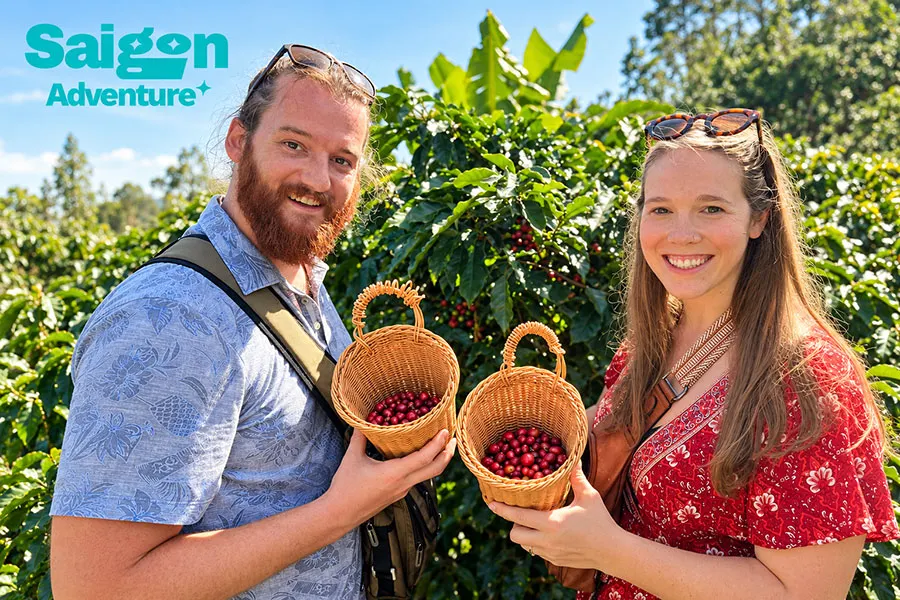
Coffee trees have glossy green leaves and produce small cherries that generally turn red or yellow when ripe, depending on the variety. Inside each cherry are usually two seeds, which eventually become the coffee beans we recognize.
Your guide may explain how altitude, rainfall, soil conditions, and farming practices influence plant development and harvest quality.
Depending on the season, you might encounter white coffee blossoms, immature green cherries, or ripe fruit ready for picking.
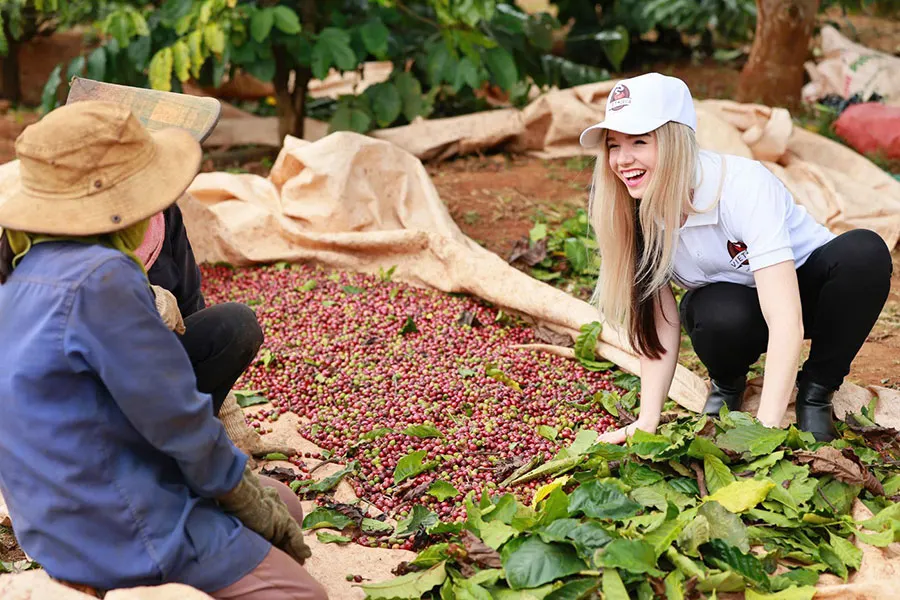
2. Coffee Harvesting and Traditional Farm Work
Harvesting is one of the most interesting parts of a plantation visit, although it is not available throughout the year.
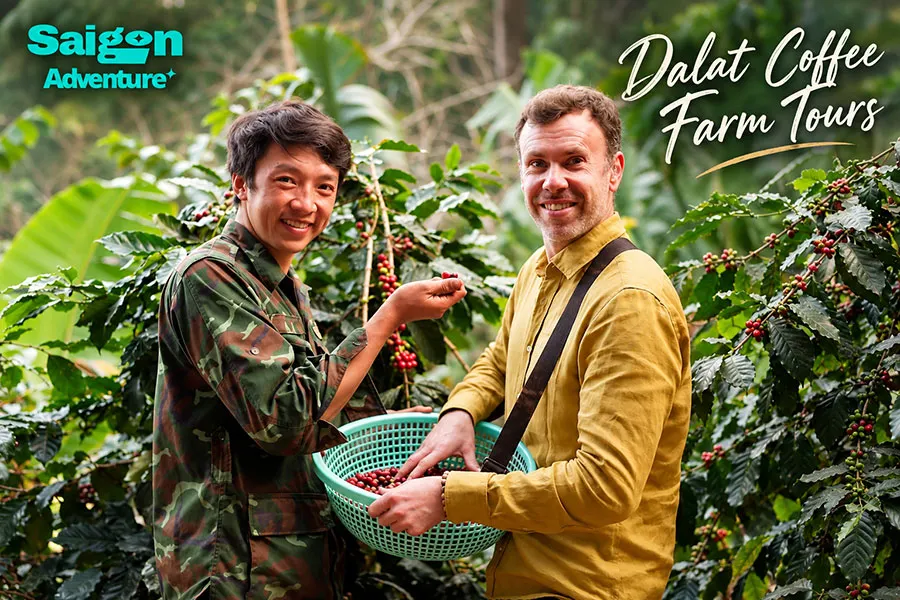
At some farms, visitors can observe workers selecting ripe cherries and learn why careful picking matters. Mixed-quality fruit can affect processing consistency and the flavor of the finished coffee.
Participating farms may allow supervised hand-picking during the harvest period. For example, Twin Beans Farm advertises seasonal harvesting opportunities around November to January.
Local Tip: Never pick cherries without permission. Coffee farms are agricultural workplaces, and unripe fruit should remain on the trees.
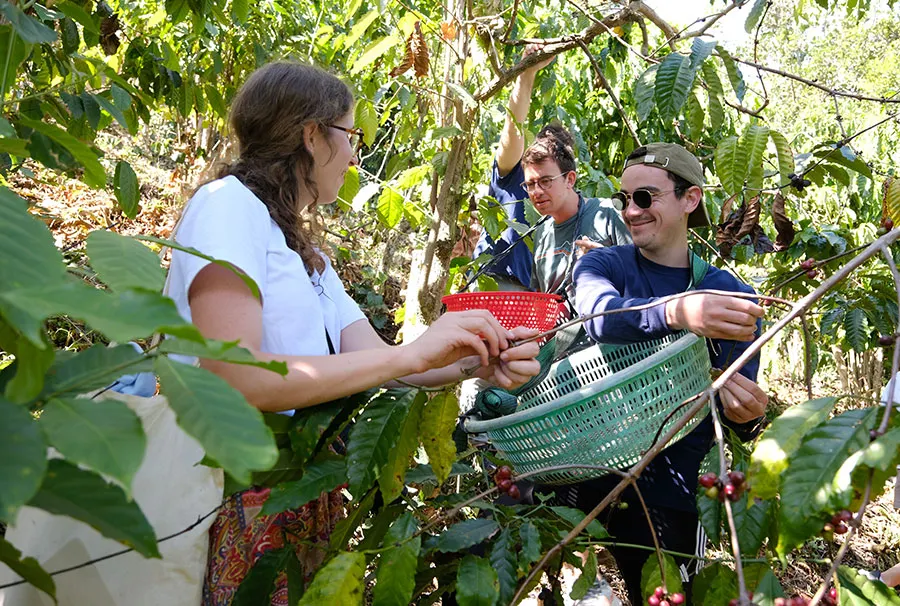
3. Coffee Processing and Drying Areas
After harvesting, coffee cherries must be processed before their seeds can be roasted.
On a guided visit, you may learn about washed, natural, and honey processing methods. These approaches handle the fruit and its surrounding layers differently, which can influence the coffee’s character.
Natural processing typically involves drying the whole cherry, while washed processing removes the fruit and uses fermentation or other techniques to remove remaining mucilage before drying.
The actual machinery or drying areas you see depend on the farm’s facilities and current production schedule.
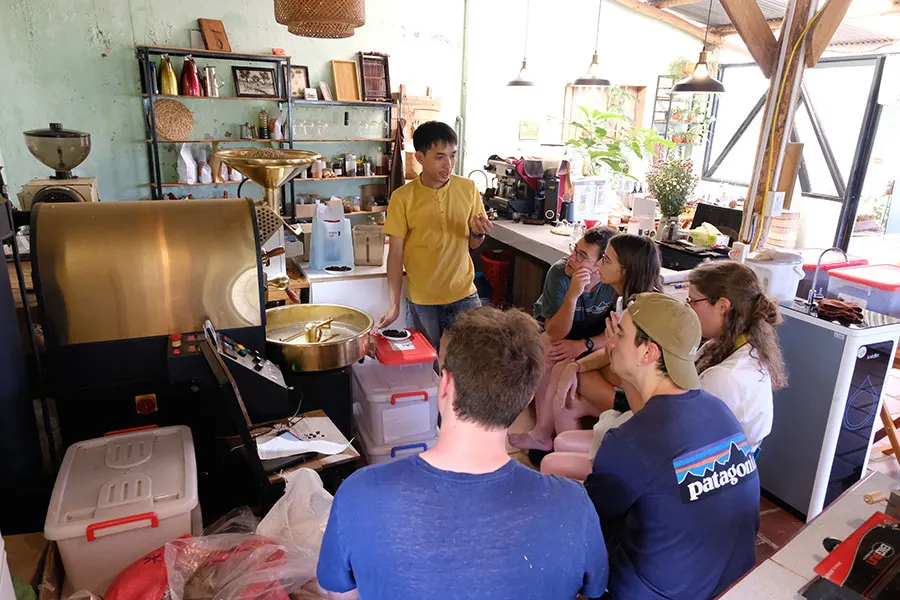
What Will You Learn About Coffee in Da Lat?
Arabica vs Robusta: Why Do They Taste Different?
Vietnam is strongly associated with Robusta coffee, often recognized for its bold taste and fuller body. However, the Da Lat highlands also support Arabica production.
Arabica coffees can offer floral, fruity, citrus-like, or chocolate notes, depending on variety, origin, processing, and roasting. Robusta commonly has a heavier body and stronger bitterness, although carefully processed specialty Robusta can be surprisingly complex.
Neither variety is automatically better. A guided comparison helps visitors recognize differences without relying on labels or assumptions.
How Roasting Changes Coffee Flavor
Green coffee beans look and smell very different from roasted beans.
During roasting, heat produces chemical changes that develop familiar coffee aromas and flavors. The roasting profile affects acidity, perceived sweetness, bitterness, and body.
Some workshops demonstrate the process and let participants roast a small batch under supervision. This hands-on experience can make the transformation much easier to understand.
Local Tip: Ask your guide how roast level affects the flavor notes you tasted. A comparison is more informative than simply being told that one roast is stronger.
What Coffee Can You Taste During a Farm Tour?
Coffee tasting is often the highlight of a farm-to-cup experience, particularly when the beans come directly from the plantation.
Some workshops introduce different brewing techniques or explain how to identify sweetness, acidity, body, aroma, and aftertaste.
Depending on the program, you may encounter:
-
Arabica pour-over: Often used to reveal more delicate flavors and aromas.
-
Vietnamese phin coffee: Brewed slowly through a traditional metal filter.
-
Black specialty coffee: Useful for comparing the character of different beans.
-
Milk-based coffee: Balances coffee intensity with milk or condensed milk.
-
Guided cupping: A structured tasting method used to evaluate coffees.
Not every tour includes all these drinks. Check whether your booking covers one tasting, several samples, or a complete brewing workshop.
For more unusual drinks to explore during your Vietnam trip, read our guide to Dalat Night Market food and local drinks.
Where Can You Visit Coffee Farms Near Da Lat?
Twin Beans Farm: A Hands-On Arabica Experience
Located in Da Sar, Lac Duong, Twin Beans Farm operates an Arabica plantation with processing, roasting, and visitor experiences.
Its advertised coffee workshop includes a plantation visit, explanations of coffee production, hands-on roasting, brewing, and tasting. The farm is approximately 30 minutes from central Da Lat, depending on transport conditions.
The published workshop price is 250,000 VND per person, excluding transport, with an afternoon session advertised from 1:30 PM to 3:00 PM. Confirm the schedule before visiting.
Other Coffee Experiences Around Da Lat
Travelers can also investigate specialist coffee producers and educational experiences around Lam Dong, including HuyEco Coffee & Culture.
HuyEco advertises seasonal farm visits focused on sustainable agriculture, Arabica and Robusta, coffee harvesting, and local production methods. Its format differs from short city-based tasting sessions.
When comparing options, prioritize what is actually included rather than choosing solely from photographs of plantations.
Travelers spending several days in the region can combine countryside experiences with sightseeing through a Da Lat 3-day private itinerary.
How Much Do Dalat Coffee Farm Tours Cost?
Coffee tour prices depend on the program, whether transport is included, and how much hands-on instruction you receive.
| Experience | Published example or pricing guidance |
|---|---|
| Guided farm and roasting workshop | Twin Beans: 250,000 VND/person |
| Short specialty coffee tasting | HuyEco: 311,000 VND/person |
| Extended guided farm experience | HuyEco: 2,000,000 VND advertised for its half-day farm tour |
These are operator-published examples, not fixed prices across Da Lat. HuyEco’s half-day listing does not clearly establish whether its quoted amount applies per person or booking, so confirm before paying.
Transportation, food, private guidance, and additional activities may cost extra.
Local Tip: A cheaper workshop outside the city can become more expensive once return transportation is included. Compare the total cost, not just the entrance price.
When Is the Best Time to Visit a Coffee Farm in Da Lat?
If you hope to see harvesting, November through January is a particularly good period to investigate.
Actual harvest timing varies with altitude, variety, rainfall, and farm conditions. Even during the main season, visitors should confirm whether picking activities will take place on their chosen date.
Outside harvest season, coffee tours can still be worthwhile for understanding cultivation, processing, roasting, and brewing.
Da Lat’s weather can change quickly, especially during wetter months. Comfortable footwear and a light waterproof jacket are useful for outdoor farm activities.
Coffee Farm Tour vs Coffee Shop: Which Should You Choose?
| Coffee farm tour | Regular coffee shop |
|---|---|
| See where coffee grows | Enjoy a prepared drink |
| Learn about farming and processing | Focus on atmosphere and menu |
| May include roasting and tasting | Usually more convenient |
| Requires more travel time | Easier for a short city visit |
| Activities vary by season | Generally less weather-dependent |
Choose a farm tour if you want to understand coffee production. Choose a café if you’re mainly looking for a relaxing drink, attractive surroundings, or a convenient place to spend an hour.
For travelers who want both, a plantation workshop followed by an independent café visit makes a rewarding combination.
How to Plan a Dalat Coffee Farm Visit
Booking ahead is particularly useful when your preferred experience involves a small group, guided tasting, or seasonal harvesting.
Before confirming, ask about the tour language, duration, walking conditions, transportation, tasting inclusions, and cancellation terms.
Wear closed-toe shoes, bring drinking water, and protect yourself from sun exposure even when temperatures feel comfortable.
Follow your guide’s instructions around roasting equipment and processing machinery. Visitors with caffeine sensitivity can request smaller tasting portions or ask whether non-coffee alternatives are available.
If you’re traveling with children, check minimum ages and whether the workshop includes hot equipment. Families may prefer a short plantation walk over a technical roasting session.
Local Tip: Choose experiences that explain their farming practices and respect their workers. Be cautious of attractions promoting civet or weasel coffee without clear, credible animal-welfare information.
Who Should Join a Dalat Coffee Farm Tour?
Coffee enthusiasts, curious first-time visitors, couples, and travelers interested in agriculture will often find these experiences particularly worthwhile.
A farm tour can also be a refreshing alternative to Da Lat’s more familiar attractions, especially if you enjoy learning practical skills while traveling.
However, it may not suit travelers expecting an extensive adventure activity or those uncomfortable walking on uneven ground.
If you prefer a broader nature-focused journey, consider exploring the Central Highlands on a multi-day Vietnam tour.
Frequently Asked Questions About Dalat Coffee Farm Tours
1. Can tourists visit coffee plantations in Da Lat?
Yes. Some working coffee farms around Da Lat welcome visitors through organized tours and workshops. Advance booking is recommended because private plantations are not necessarily open for unrestricted public access.
2. Can you pick coffee beans during a Dalat coffee tour?
Some farms offer supervised harvesting around November to January. Participation depends on the actual harvest schedule and the operator’s program, so picking is not guaranteed year-round.
3. How long does a Dalat coffee farm tour take?
Short workshops may last approximately 90 minutes, while more extensive visits can take half a day. Include additional travel time when the plantation is outside central Da Lat.
4. Are coffee farm tours in Da Lat suitable for beginners?
Yes. Many educational workshops explain cultivation, processing, and roasting without requiring previous coffee knowledge. Visitors can ask questions and develop their understanding through guided demonstrations.
5. Is transportation included in coffee farm tours?
Not always. Some operators offer separate transfers or hotel pickup, while others require visitors to arrange their own transport. Check the complete booking price before confirming.
6. Can you visit a Dalat coffee farm during the rainy season?
Yes, depending on the farm’s operating schedule. Outdoor activities may be affected by heavy rainfall, slippery ground, or poor weather, making flexible arrangements helpful.
7. Is a Dalat coffee farm tour better than visiting a café?
It depends on your interests. A farm tour offers a deeper understanding of coffee production, while a café is more convenient for casual drinking and relaxation. Travelers interested in Vietnamese coffee culture may enjoy both.
Final Thoughts: Discover Da Lat One Coffee Bean at a Time
Da Lat’s coffee farms reveal a side of the Central Highlands that is easy to overlook when visiting only cafés and popular viewpoints.
Watching coffee move from fruit to roasted bean gives greater meaning to the flavors in your cup. Even a short guided workshop can turn an everyday drink into a memorable travel experience.
If you’re planning a longer stay, explore Saigon Adventure’s Vietnam travel destinations and make room for a hands-on coffee experience during your time in Da Lat.