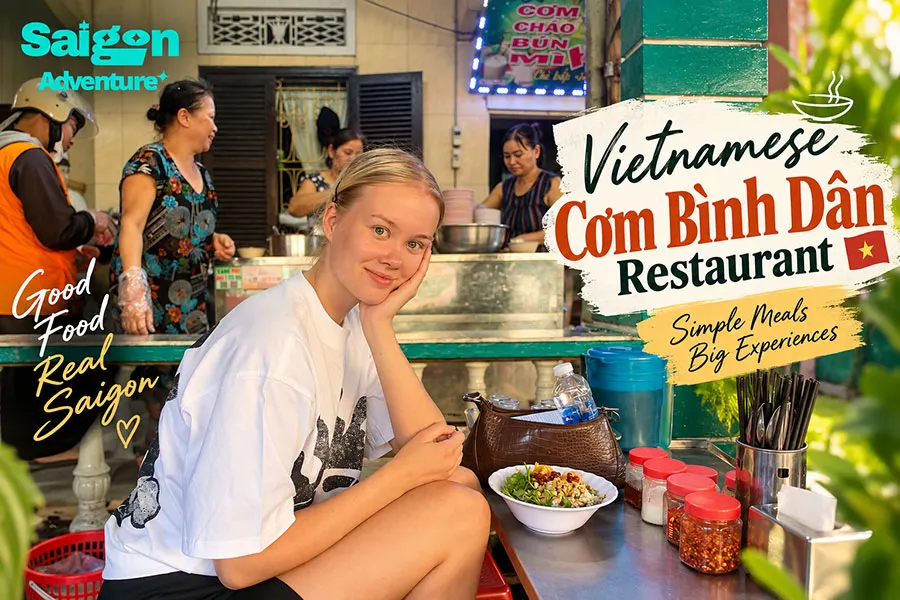
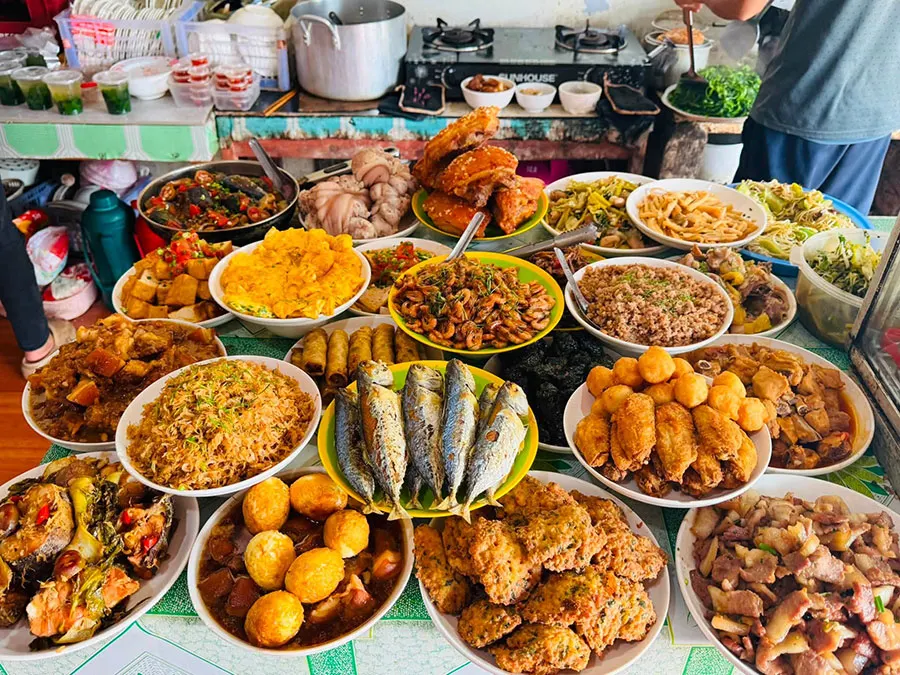
Behind the glass counter, trays of caramelized pork, fried fish, leafy greens and golden omelets compete for attention. For a first-time visitor, eating at a Vietnamese cơm bình dân restaurant can look confusing—but the experience is surprisingly simple: point to the dishes you want, receive them with rice, sit down and pay after eating.
Cơm bình dân is one of the easiest ways to taste the food Vietnamese people eat on an ordinary working day. It is quick, filling, affordable and far more flexible than ordering a single fixed dish, making it especially rewarding for curious travelers in Ho Chi Minh City.
What Is Cơm Bình Dân?
Cơm means cooked rice or a rice-based meal, while bình dân suggests something accessible and intended for everyday people. Together, the term refers to an informal rice restaurant serving a changing selection of prepared home-style dishes.
Unlike a phở shop or a cơm tấm restaurant, which normally specializes in one main dish, a cơm bình dân counter may display fish, pork, chicken, tofu, eggs, vegetables, soup and pickles at the same time. You create your own meal by combining rice with one or more choices.
Is Eating Cơm Bình Dân Worth It for Travelers?
Yes—particularly if you want an everyday Vietnamese meal rather than another famous specialty. A plate can reveal how local diners balance savory meat or fish with rice, vegetables, broth and a small amount of dipping sauce.
The main advantage is choice: two people can build completely different lunches, and seeing each dish reduces the uncertainty of an untranslated menu. The trade-off is basic seating, limited English and a brisk pace, especially during lunch.
Travelers who enjoy discovering food through local neighborhoods may also like a guided Ho Chi Minh City motorbike food tour, where a local host can explain unfamiliar ingredients and dining customs.
How Does a Vietnamese Rice Restaurant Work?
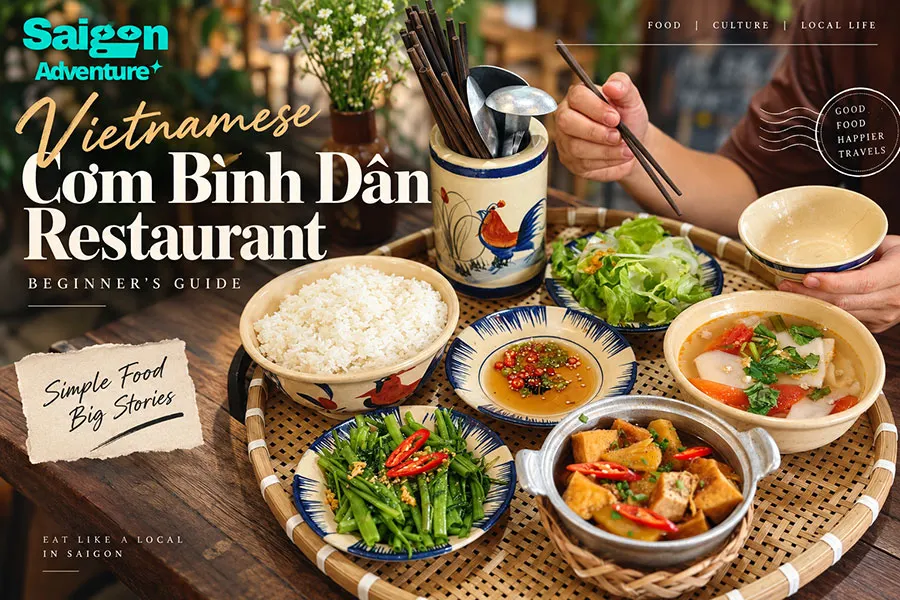
Most shops arrange cooked dishes in metal trays behind a glass case or protected counter. Food may arrive together on one plate or in small dishes when several people share.
Step 1: Look Before You Order
Scan the display, notice which trays are being replenished and check for bones, skin, chilies or ingredients you avoid. Let decisive customers go ahead if the counter is busy.
Step 2: Point to Your Preferred Dishes
Pointing is acceptable. Choose one main item and one vegetable, then say “cho tôi món này” (this dish, please), “không cay” (not spicy), “mang đi” (takeaway) or “ăn tại đây” (eat here).
Step 3: Confirm the Price When Needed
Ask “bao nhiêu tiền?” if prices are not displayed, particularly for whole fish, large chicken pieces or seafood. Do not assume every tray costs the same; use your phone calculator if communication is difficult.
Step 4: Find a Seat and Pay
Staff may carry the plate over or hand it to you. Many small restaurants collect payment afterward, so watch local diners, keep small Vietnamese đồng notes ready and remember that bottled drinks may cost extra.
What Food Can You Find at a Cơm Bình Dân Shop?
The selection changes daily. Typical choices include thịt kho (braised pork), cá kho (braised fish), fried chicken, omelet, stuffed tofu, morning glory, cabbage and a light vegetable soup.
Southern braises can taste gently sweet, while fish sauce, garlic, pepper and chilies are common. Not every dish is spicy, however, and the plain rice helps balance stronger flavors.
A Good First-Timer Combination
Start with rice, omelet, chicken or tofu, one cooked vegetable and soup if offered. On a second visit, try braised fish or pork; for a wider introduction, explore Saigon’s flavors through the Street Food Lover tour.
Cơm Bình Dân vs. Cơm Tấm
Cơm tấm uses broken rice and usually comes as a defined plate with toppings such as grilled pork, egg cake or fried egg. Cơm bình dân generally uses ordinary steamed rice and lets you select from many prepared dishes—a flexible everyday format rather than one specialty.
How Much Does Cơm Bình Dân Cost in Ho Chi Minh City?
As a practical 2026 estimate, allow roughly 35,000–70,000 VND for a simple plate, with larger meat portions, fish, seafood, extra dishes or central tourist locations potentially costing more. Prices vary considerably, so treat this as a planning range rather than a fixed menu.
The broader local street-food market commonly falls around 25,000–100,000 VND per dish, according to this current Ho Chi Minh City street food price guide.
Local Tip: Carry notes in smaller denominations, such as 10,000, 20,000 and 50,000 VND. Small shops may accept bank transfers used by local residents, but international visitors should not rely on foreign cards or mobile payment.
Where and When Should You Eat Cơm Bình Dân?
Look near offices, universities, markets and residential streets. Search Google Maps for “cơm bình dân,” “quán cơm” or “cơm trưa,” and arrive around 11:00–12:00 for better choice and turnover.
Dinner is less predictable because some shops cook only for lunch. Others reopen in the evening with a new selection, but opening hours may depend on when the prepared food sells out.
For travelers who prefer to explore after sunset, Saigon After Dark by Scooter offers a different way to experience the city’s evening streets and food scene.
How to Choose a Good Cơm Bình Dân Restaurant
A busy shop at mealtime can mean faster turnover. Look for hot food, clean utensils and protected trays; if cleanliness, storage or temperature concerns you, move on.
Begin with fully cooked food served hot and use care with raw garnishes, ice and sauces left at room temperature. See our guide to eating street food safely in Ho Chi Minh City for more practical precautions.
Dietary Needs and Common Ordering Challenges
Vegetarian travelers should not assume tofu or vegetables are fully vegetarian. A dish may contain fish sauce, oyster sauce, meat broth or small pieces of pork even when these ingredients are not obvious.
Show a translated statement naming ingredients you cannot eat. With severe allergies, shared utensils, oils and preparation areas make cross-contact difficult to verify, so another restaurant may be safer.
Fish can contain small bones, while braised meat may include skin or fat. Eat unfamiliar dishes slowly and point to the specific piece you want if the staff allow customers to choose.
Simple Etiquette That Makes the Meal Easier
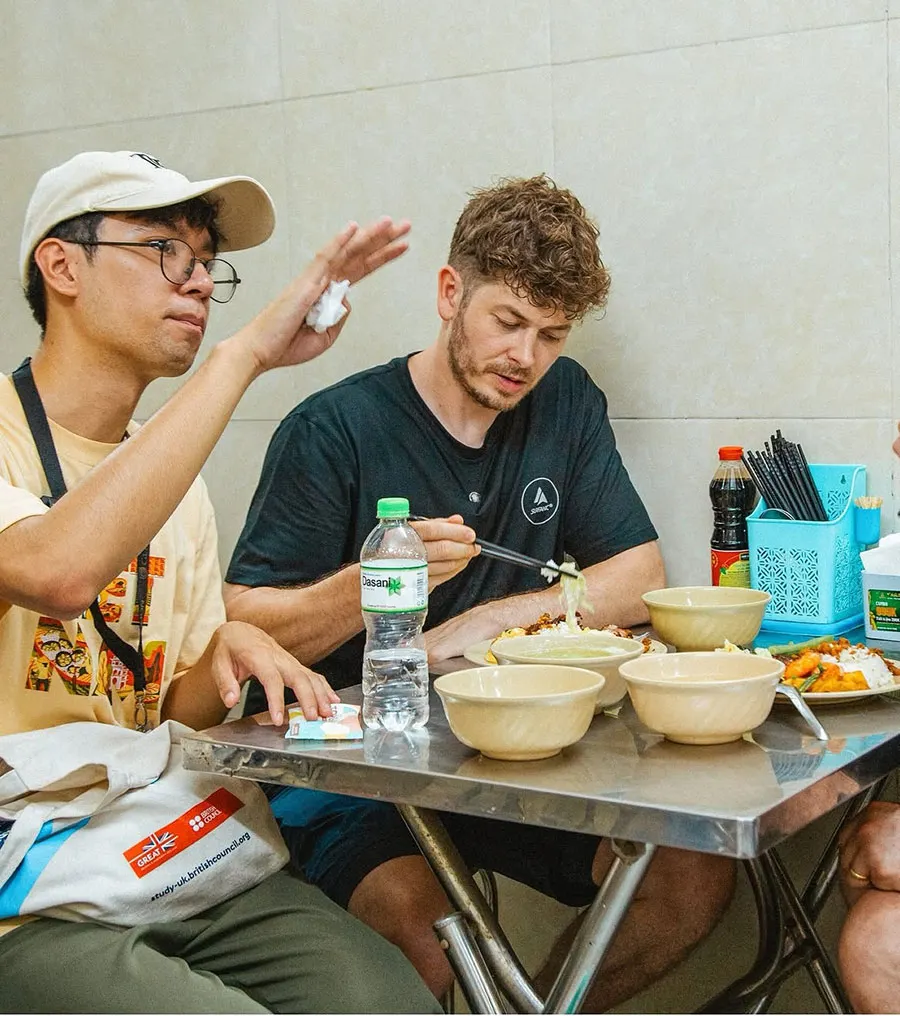
Cơm bình dân is casual. Order efficiently, keep bags out of walkways and share table space when the restaurant is crowded.
Taste your meal before adding fish sauce, soy sauce or chili because the dishes are already seasoned. Ask “chụp hình được không?” before taking close-up photographs of staff or other diners.
Make Cơm Bình Dân Part of Your Saigon Experience
A cơm bình dân lunch shows how rice, savory dishes, vegetables and soup fit together in daily Vietnamese life. Begin with one protein and one vegetable, arrive before the busiest rush and ask the price when it is unclear.
Once you understand the rhythm, ordering becomes easy—and this modest lunch may become one of your most genuine memories of Ho Chi Minh City. To discover places you might otherwise pass by, join Saigon Adventure for a relaxed local food experience.
Frequently Asked Questions About Cơm Bình Dân
What does cơm bình dân mean in English?
Cơm refers to cooked rice or a rice meal, while bình dân means affordable, popular or intended for ordinary people. “Affordable local rice restaurant” communicates the idea better than a rigid word-for-word translation.
How do I order cơm bình dân without speaking Vietnamese?
Look at the trays, point to the dishes you want and indicate one portion. You can say “cho tôi món này,” use a translation app for dietary needs and ask “bao nhiêu tiền?” if the price is not shown.
How much is a cơm bình dân meal in Ho Chi Minh City?
A simple plate commonly costs about 35,000–70,000 VND in 2026, although location and dish choice matter. Whole fish, seafood, multiple proteins and separate sharing plates can raise the total, so check the displayed price or ask before ordering.
Is cơm bình dân safe for tourists?
No restaurant can be guaranteed risk-free. Choose a busy, clean-looking shop, favor thoroughly cooked food served hot, wash or sanitize your hands and skip dishes when their storage or temperature concerns you.
Is cơm bình dân vegetarian-friendly?
It can be, but vegetable and tofu dishes may contain fish sauce, oyster sauce or meat broth. Clearly explain your dietary restrictions; for strict vegetarian needs, a dedicated vegetarian restaurant is usually easier.
What is the difference between cơm bình dân and cơm tấm?
Cơm bình dân is a choose-your-own meal of steamed rice and prepared home-style dishes. Cơm tấm is made with broken rice and is generally ordered as a set combination featuring toppings such as grilled pork, egg or shredded pork skin.
What time do cơm bình dân restaurants open?
Hours vary, but many focus on lunch and begin serving in late morning. Arrive around 11:00–12:00 for a broad selection; some shops close after lunch, while others prepare a separate dinner service.