Vietnam has a way of turning an ordinary coffee break into something unexpected. Imagine sipping coffee topped with whipped egg yolk, tasting a creamy brew with a hint of salt, or cooling down with a frozen coconut coffee on a humid afternoon.
These unusual Vietnamese coffee drinks offer much more than caffeine. They reveal the country’s creativity, regional flavors, and distinctive café culture. From Hanoi’s famous egg coffee to Hue’s salty specialty, here are ten drinks worth exploring, including what they taste like, where to find them, and which ones first-time visitors should try.

Why Is Vietnamese Coffee So Different?
Vietnamese coffee traditionally relies on bold Robusta beans, often brewed through a small metal filter called a phin. The resulting coffee has a strong flavor that pairs particularly well with sweet condensed milk, cream, and other ingredients.
Rather than simply copying Western espresso drinks, Vietnamese cafés have developed their own combinations. Some originated from practical adaptations, while others reflect modern experiments with tropical fruits and contrasting flavors.
If you’re exploring the country’s food culture, a café visit can be just as memorable as a street food tasting. In Ho Chi Minh City, you can also discover neighborhood specialties through a Saigon street food tour by motorbike.

10 Unusual Vietnamese Coffee Drinks Worth Trying
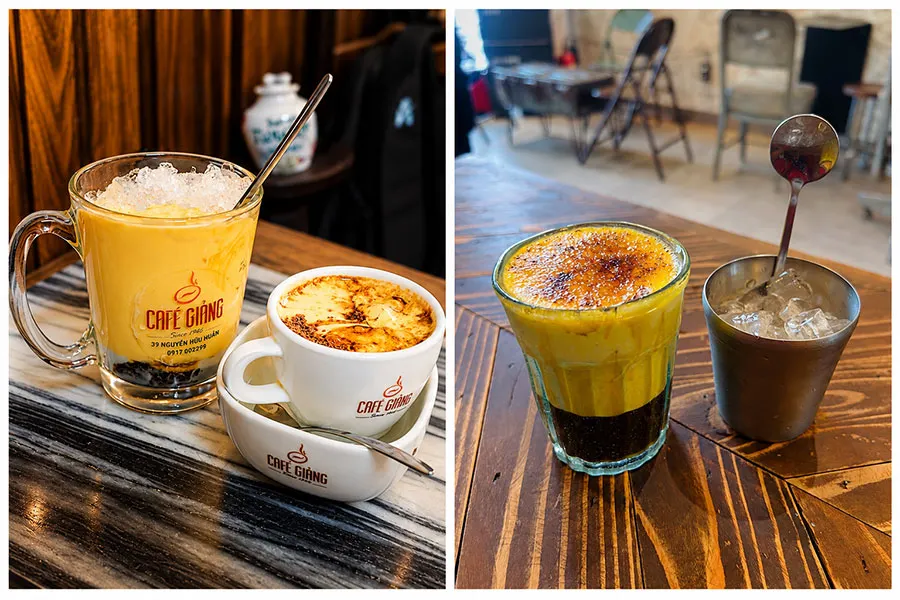
1. Egg Coffee (Cà Phê Trứng) – Hanoi’s Famous Creamy Coffee
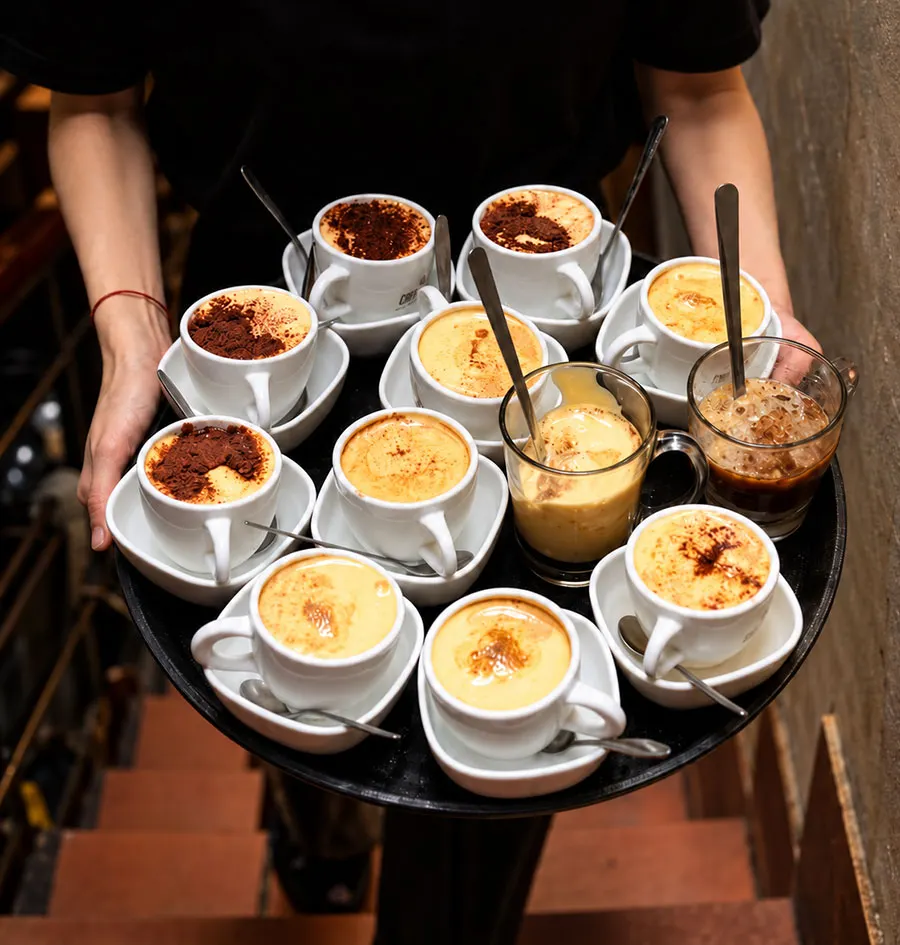
This Hanoi specialty is closely associated with Café Giảng, where Nguyễn Văn Giảng developed the drink in 1946. It has since become one of Vietnam’s most recognizable coffee creations.
-
Best place: Hanoi Old Quarter, especially Café Giảng
-
Best for: Dessert lovers and first-time visitors
-
Expected price: Approximately 35,000–65,000 VND
2. Salt Coffee (Cà Phê Muối) – A Sweet and Salty Surprise
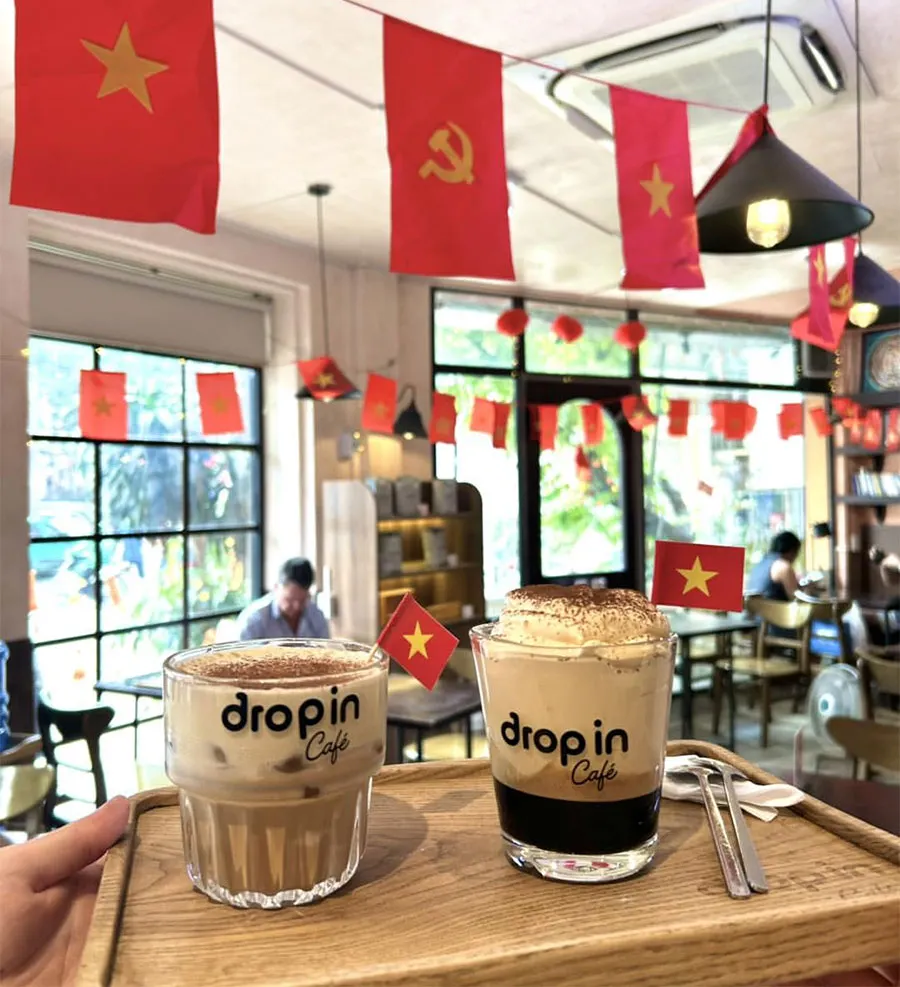
Instead, the salt softens the coffee’s bitterness and creates a sweet-savory flavor reminiscent of salted caramel. It’s an excellent introduction for travelers curious about Vietnamese coffee beyond condensed milk.
Local Tip: Taste the cream and coffee together before stirring everything. The contrast is part of the experience.
-
Best place: Hue; also widely available in Da Nang and Ho Chi Minh City
-
Best for: Travelers who enjoy balanced, creamy coffee
-
Expected price: Approximately 25,000–55,000 VND
3. Coconut Coffee (Cà Phê Cốt Dừa) – A Tropical Coffee Dessert
The coconut’s tropical sweetness balances the bitterness of Robusta beans, making this one of the easiest specialty coffees for visitors to enjoy.
Local Tip: Order it during a hot afternoon, and let the frozen coconut mixture soften slightly before drinking.
-
Best place: Hanoi, Ho Chi Minh City, and Cộng Cà Phê branches
-
Best for: Coconut lovers and travelers who dislike bitter coffee
-
Expected price: Approximately 40,000–75,000 VND
4. Yogurt Coffee (Sữa Chua Cà Phê) – An Unexpected Tangy Combination
Unlike coconut coffee, which tastes rich and sweet, yogurt coffee has a noticeable acidity that can make it feel lighter. The drink is particularly popular as a refreshing afternoon treat.
Local Tip: Stir gradually and taste as you go. Some versions are considerably sweeter than others.
-
Best place: Hanoi and cafés serving traditional Vietnamese specialty drinks
-
Best for: Adventurous drinkers who enjoy tangy desserts
-
Expected price: Approximately 30,000–60,000 VND
5. Weasel Coffee (Cà Phê Chồn) – Vietnam’s Most Controversial Coffee
Weasel coffee is made from coffee beans that have passed through the digestive system of a civet. After collection, the beans are cleaned, processed, roasted, and brewed.
Its unusual production method has made it internationally famous, but it also raises serious animal-welfare concerns. Some commercial production involves captive civets, and products labeled as weasel coffee are not necessarily authentic.
Local Tip: Avoid cafés promoting captive-civet experiences or making unverifiable authenticity claims. A high-quality Vietnamese specialty coffee is a better alternative if ethical sourcing cannot be confirmed.
-
Where encountered: Specialty coffee retailers and some tourist-oriented shops
-
Best for: Travelers interested in coffee production and ethical sourcing
-
Price: Highly variable; authenticity and sourcing require verification
6. Avocado Coffee (Cà Phê Bơ) – Rich, Smooth and Creamy
Avocado is commonly associated with smoothies in Vietnam, but some modern cafés blend it with coffee for a surprisingly rich drink. The fruit contributes a buttery texture rather than a particularly strong flavor.
Blended avocado, milk, ice, and coffee can create something closer to a dessert smoothie than a conventional espresso beverage. Recipes vary considerably between cafés.
Local Tip: Ask whether the drink contains condensed milk or additional syrup, especially if you prefer less sweetness.
-
Best place: Creative cafés in Ho Chi Minh City and Da Lat
-
Best for: Smoothie fans and curious coffee drinkers
-
Expected price: Approximately 40,000–80,000 VND
7. Bac Xiu (Bạc Xỉu) – The Coffee for People Who Dislike Coffee
Bạc xỉu is a beloved southern Vietnamese drink made with plenty of milk and a comparatively small amount of coffee. Its creamy sweetness makes it noticeably gentler than traditional iced black coffee.
Often associated with Saigon’s Chinese-Vietnamese café culture, this drink is an excellent choice when you want the coffee experience without an intense bitter taste.
Local Tip: Order bạc xỉu đá for the iced version, particularly during a warm morning in Ho Chi Minh City.
-
Best place: Traditional cafés throughout southern Vietnam
-
Best for: Beginners and travelers who prefer mild coffee
-
Expected price: Approximately 25,000–50,000 VND
8. Orange Coffee (Cà Phê Cam) – A Bright Citrus Twist
Orange coffee is a modern café creation that mixes coffee with orange juice, orange syrup, or fresh citrus. Some versions use espresso rather than traditional Vietnamese phin coffee.
The combination can taste surprisingly refreshing, with orange acidity balancing the coffee’s roasted notes. However, the result depends heavily on bean selection and how much sweetness the barista adds.
Local Tip: Choose a café that prepares the drink with fresh orange juice if you prefer a brighter, less syrupy flavor.
-
Best place: Modern specialty cafés in Hanoi, Da Nang, and Ho Chi Minh City
-
Best for: Travelers who enjoy fruity coffee
-
Expected price: Approximately 45,000–85,000 VND
9. Banana Coffee (Cà Phê Chuối) – A Sweet Modern Café Experiment
Banana coffee is an inventive combination found at selected contemporary cafés rather than a long-established Vietnamese specialty. Recipes may include blended banana, milk, espresso, and occasionally chocolate.
Its natural sweetness softens the coffee’s bitterness, producing a flavor similar to a banana smoothie with a roasted finish. Availability is limited, so it’s worth checking the café menu before visiting.
Local Tip: If the café uses ripe bananas, consider requesting less added sugar.
-
Best place: Selected experimental coffee shops in larger cities
-
Best for: Sweet-toothed travelers and smoothie enthusiasts
-
Expected price: Approximately 45,000–85,000 VND
10. Cheese Foam Coffee (Cà Phê Kem Phô Mai) – Sweet, Salty and Velvety
Cheese foam coffee takes inspiration from the creamy toppings popular in contemporary Asian beverage culture. A layer of lightly savory cheese-flavored foam sits above iced coffee.
The drink creates an interesting contrast between rich creaminess and roasted coffee. Unlike egg coffee, its topping generally contains dairy rather than whipped egg yolks.
Local Tip: Sip through the foam without stirring initially to experience the contrasting flavors.
-
Best place: Contemporary cafés in major Vietnamese cities
-
Best for: Creamy-dessert lovers
-
Expected price: Approximately 40,000–75,000 VND
Which Vietnamese Coffee Should You Try First?
If you have limited time, choose according to your taste rather than ordering the strangest drink on the menu.
| Coffee drink | Main flavor | Best for |
|---|---|---|
| Egg coffee | Rich, custardy | Dessert lovers |
| Salt coffee | Sweet, lightly savory | Curious beginners |
| Coconut coffee | Sweet, tropical | Hot afternoons |
| Yogurt coffee | Tangy, creamy | Adventurous drinkers |
| Weasel coffee | Varies by preparation | Ethical coffee discussions |
| Avocado coffee | Buttery, mild | Smoothie fans |
| Bạc xỉu | Sweet, milky | Coffee beginners |
| Orange coffee | Citrusy, refreshing | Fruit lovers |
| Banana coffee | Sweet, fruity | Dessert fans |
| Cheese foam coffee | Creamy, savory-sweet | Modern café enthusiasts |
For a first visit, egg coffee, salt coffee, and coconut coffee provide the most distinctive introduction to Vietnam’s inventive coffee culture.
Where to Find Unique Coffee Experiences in Vietnam
Hanoi, Hue, or Ho Chi Minh City: Which Is Best?
Hanoi is the natural starting point for egg coffee and yogurt coffee, particularly around the Old Quarter. Hue is closely associated with salt coffee, while Ho Chi Minh City offers everything from traditional bạc xỉu to experimental specialty drinks.
Da Lat is also worth considering for travelers interested in Vietnamese coffee production, particularly locally grown Arabica and the region’s café culture.
In Saigon, combining a morning café visit with exploring the city’s local food neighborhoods is an easy way to discover everyday Vietnamese food culture.
How Much Does Specialty Coffee Cost in Vietnam?
Most conventional café drinks cost approximately 20,000–50,000 VND, while elaborate specialty coffees often range from 40,000–85,000 VND. Tourist-focused cafés and premium establishments may charge more.
Check the posted menu before ordering, particularly for uncommon drinks. Prices vary by city, ingredients, location, and preparation method.
Practical Tips for Ordering Vietnamese Coffee
-
Ask about sweetness: Say ít đường for less sugar, although premixed condensed milk may limit adjustments.
-
Check ingredients: Egg coffee may contain uncooked or lightly heated yolk; dairy and nuts may also be present.
-
Mind the caffeine: Robusta-based drinks can be strong, even when they taste like desserts.
-
Choose reputable cafés: Look for clean preparation areas, properly stored ingredients, and freshly prepared drinks.
-
Confirm availability: Experimental flavors such as banana and avocado coffee are not standard menu items everywhere.
Frequently Asked Questions About Vietnamese Coffee
1. What Is the Most Unusual Coffee in Vietnam?
Egg coffee is among Vietnam’s most unusual and internationally recognized coffee drinks. Made with whipped egg yolk, condensed milk, and strong coffee, it has a distinctive creamy texture and dessert-like flavor.
2. Is Vietnamese Egg Coffee Safe to Drink?
Egg coffee may contain raw or insufficiently heated egg yolk. Choose reputable cafés with good food-handling practices; pregnant travelers and people at higher risk of foodborne illness should avoid versions containing unpasteurized, undercooked eggs.
3. Does Vietnamese Salt Coffee Actually Taste Salty?
Usually, only slightly. Salt coffee uses a small amount of salt to balance the bitterness of strong coffee and enhance the sweetness of its creamy topping.
4. What Is the Best Vietnamese Coffee for Beginners?
Bạc xỉu and coconut coffee are approachable choices because their milk-forward flavors soften coffee bitterness. Salt coffee is another option for visitors who want something different without an overwhelming coffee taste.
5. Where Can Tourists Try Egg Coffee in Vietnam?
Hanoi is the most famous destination for egg coffee, particularly Café Giảng in the Old Quarter. The drink is also available at selected cafés in other major Vietnamese cities.
6. Is Vietnamese Coffee Stronger Than Regular Coffee?
Vietnamese coffee frequently uses Robusta beans, which generally contain more caffeine than Arabica. However, the strength of an individual drink depends on the coffee dose, brewing method, serving size, and ingredients.
7. Can You Find Unusual Vietnamese Coffee Drinks in Ho Chi Minh City?
Yes. Ho Chi Minh City offers salt coffee, coconut coffee, egg coffee, bạc xỉu, and numerous modern café experiments. The more unusual fruit-based varieties are generally found at selected specialty establishments rather than traditional coffee stalls.
Discover Vietnam One Coffee at a Time
The most memorable Vietnamese coffee experiences aren’t necessarily the most expensive. Sometimes, they’re found in a small neighborhood café, where a simple drink reveals an unexpected combination of flavors.
Start with egg coffee, salt coffee, or coconut coffee, then explore something less familiar. And if you’re visiting Saigon, make time for a local street food adventure to discover more of the flavors and everyday traditions that make the city special.