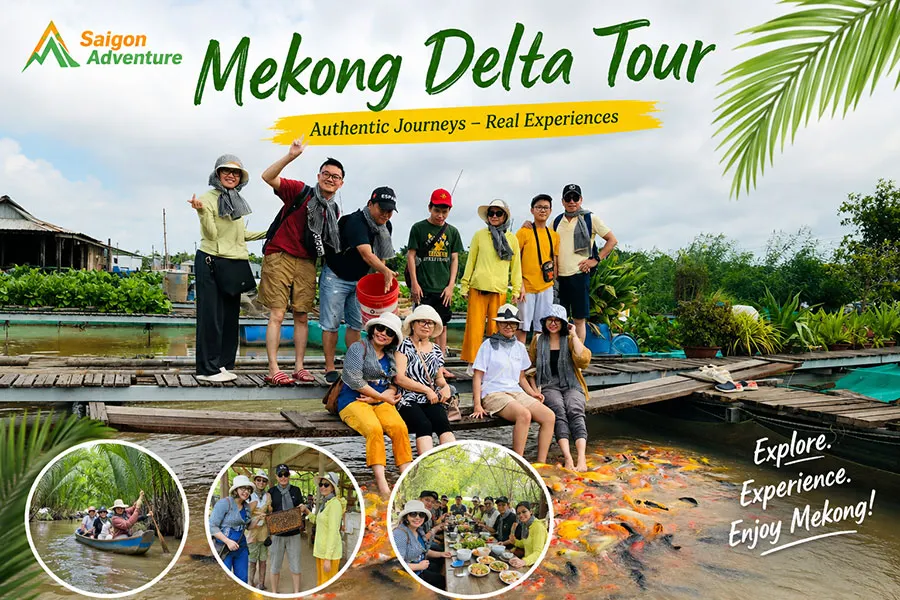
The Mekong Delta is where southern Vietnam slows down. Instead of crowded boulevards and high-rise buildings, you’ll find muddy rivers, coconut groves, tropical orchards and villages connected by narrow canals.
Often called Vietnam’s “rice bowl,” the region is one of the country’s most important agricultural areas. Yet rice fields are only part of its story. Floating commerce, regional food, traditional music and river-based communities give the Delta its distinctive character.
So, what is the Mekong Delta famous for, and which experiences are genuinely worth your time? These ten highlights will help you understand the region beyond its familiar postcard images.
What Is the Mekong Delta Famous For?
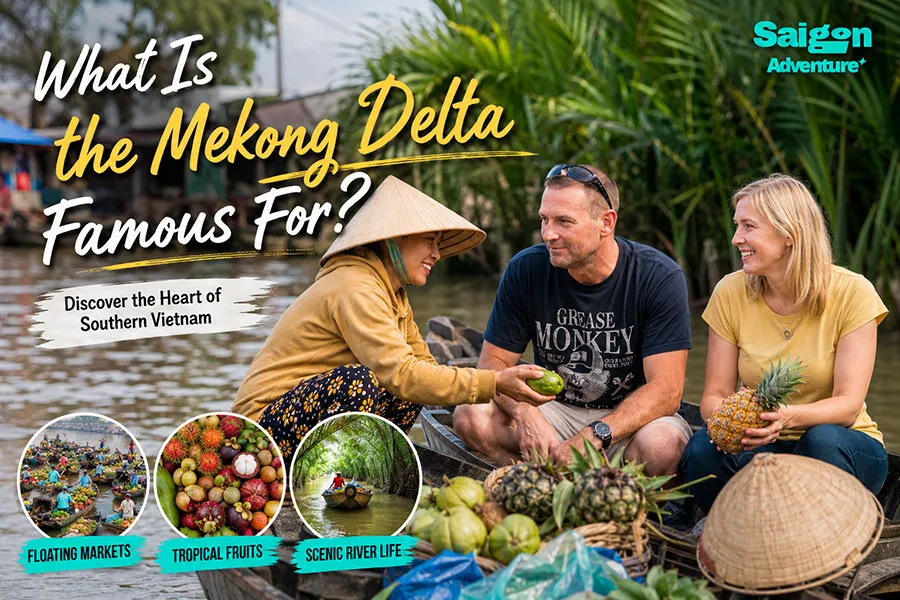
The Mekong Delta is famous for its floating markets, palm-lined waterways, fertile rice fields, tropical fruit orchards and coconut-producing villages. It is also known for southern Vietnamese cuisine, family workshops, traditional Đờn ca tài tử music and a way of life shaped by the river.
Major destinations include My Tho, Ben Tre, Can Tho, Cai Be, Vinh Long, Chau Doc and Sa Dec. Each place offers something different, so the best itinerary depends on whether you prefer food, countryside, local culture or nature.
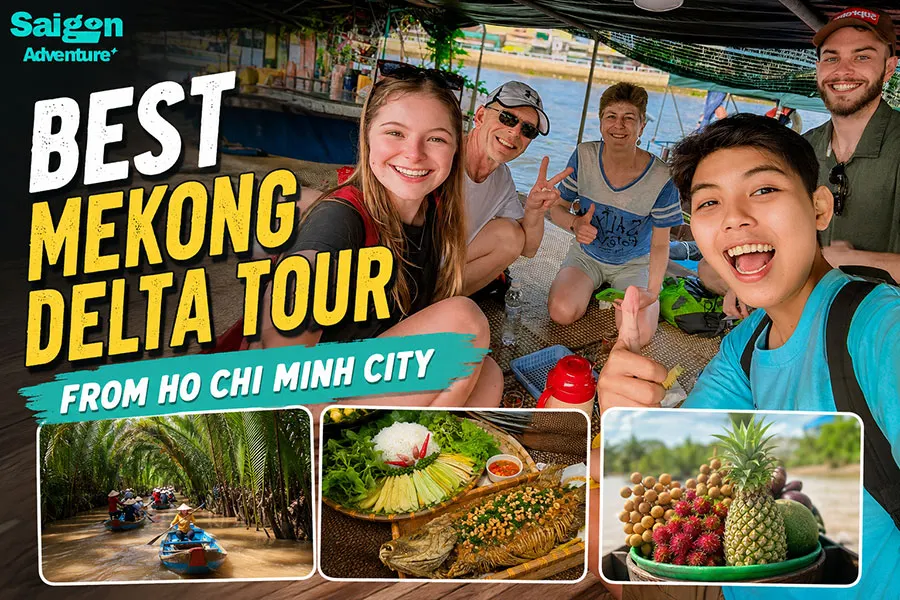
Travelers with limited time can see several highlights on a Mekong Delta tour from Ho Chi Minh City. Staying overnight, however, provides a slower and more authentic experience.
1. Cruise Through Palm-Lined Canals
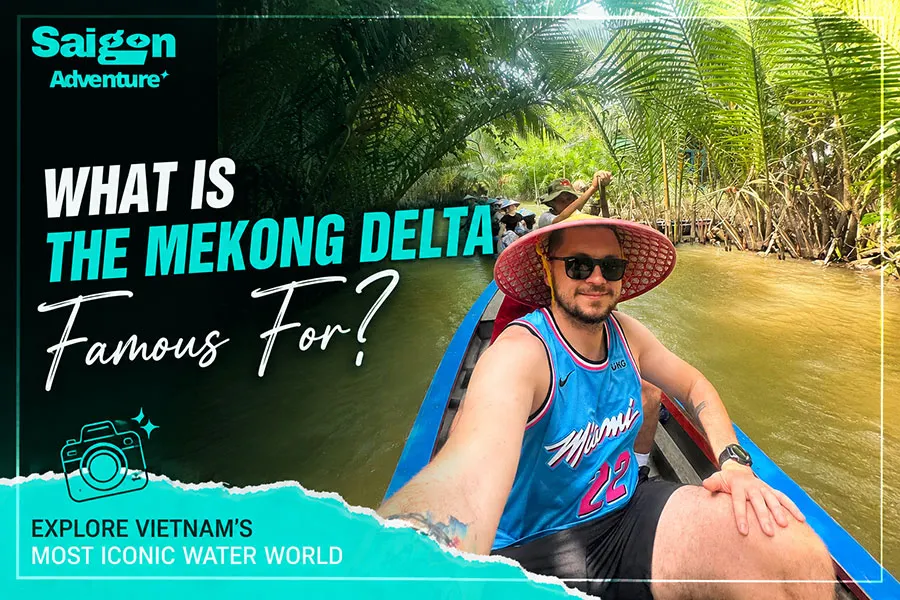
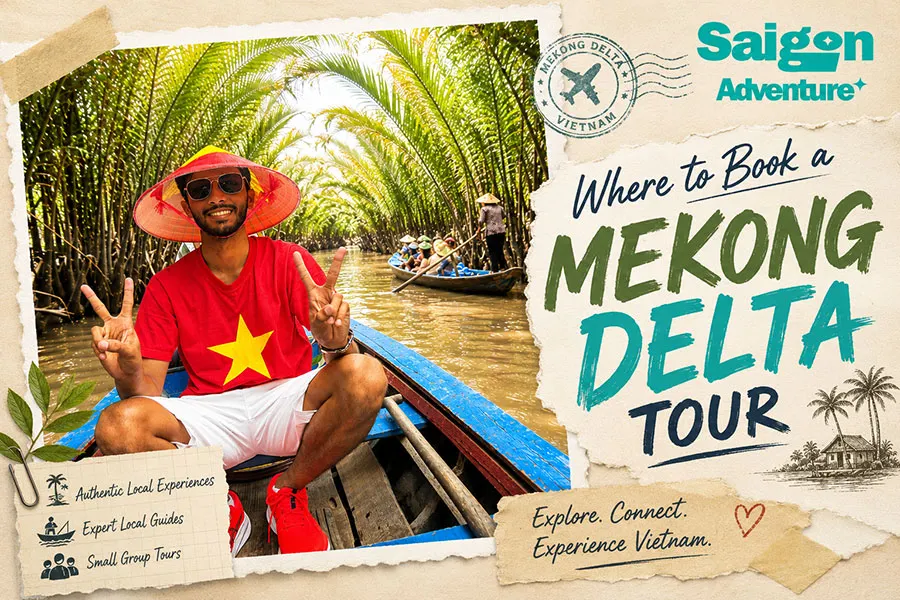
A small sampan journey is one of the most memorable Mekong Delta experiences. These wooden rowing boats travel along narrow canals shaded by water coconut palms and dense tropical vegetation.
Once you leave the wider river, the surroundings become remarkably peaceful. You may pass garden fences, riverside homes, fishing boats and residents transporting fruit between nearby villages.
Ben Tre is particularly famous for its coconut-lined waterways. My Tho and Cai Be also provide easy access to smaller canals for visitors traveling from Ho Chi Minh City.
A sampan ride should feel calm rather than rushed. Choose a responsible operator that provides life jackets, avoids overcrowding and treats local boat rowers respectfully.
Local tip: Keep your hands inside the boat when passing low branches or other sampans. A hat and sunscreen are also essential because some sections offer little shade.
2. See Cai Rang Floating Market in Can Tho
Floating markets developed when rivers were the main commercial routes across the Delta. Farmers and wholesale traders met on the water to exchange fruit, vegetables and other agricultural products.
Cai Rang Floating Market is the most famous floating market in the Mekong Delta. Large boats carry pineapples, watermelons, pumpkins and root vegetables, while smaller vessels weave between them selling coffee, noodles and breakfast.
The market remains active, although improved roads and modern distribution networks have changed its scale. It should be viewed as an evolving wholesale market rather than a performance created for tourists.
Activity begins early, so staying in Can Tho is more practical than leaving Ho Chi Minh City before dawn. A two-day Mekong Delta floating market tour allows you to reach the river during its liveliest morning hours without rushing.
Local tip: Try a bowl of hủ tiếu or a Vietnamese coffee served from a small boat. Eating breakfast on the river is often more memorable than simply photographing the market.

3. Taste Fruit Inside a Tropical Orchard
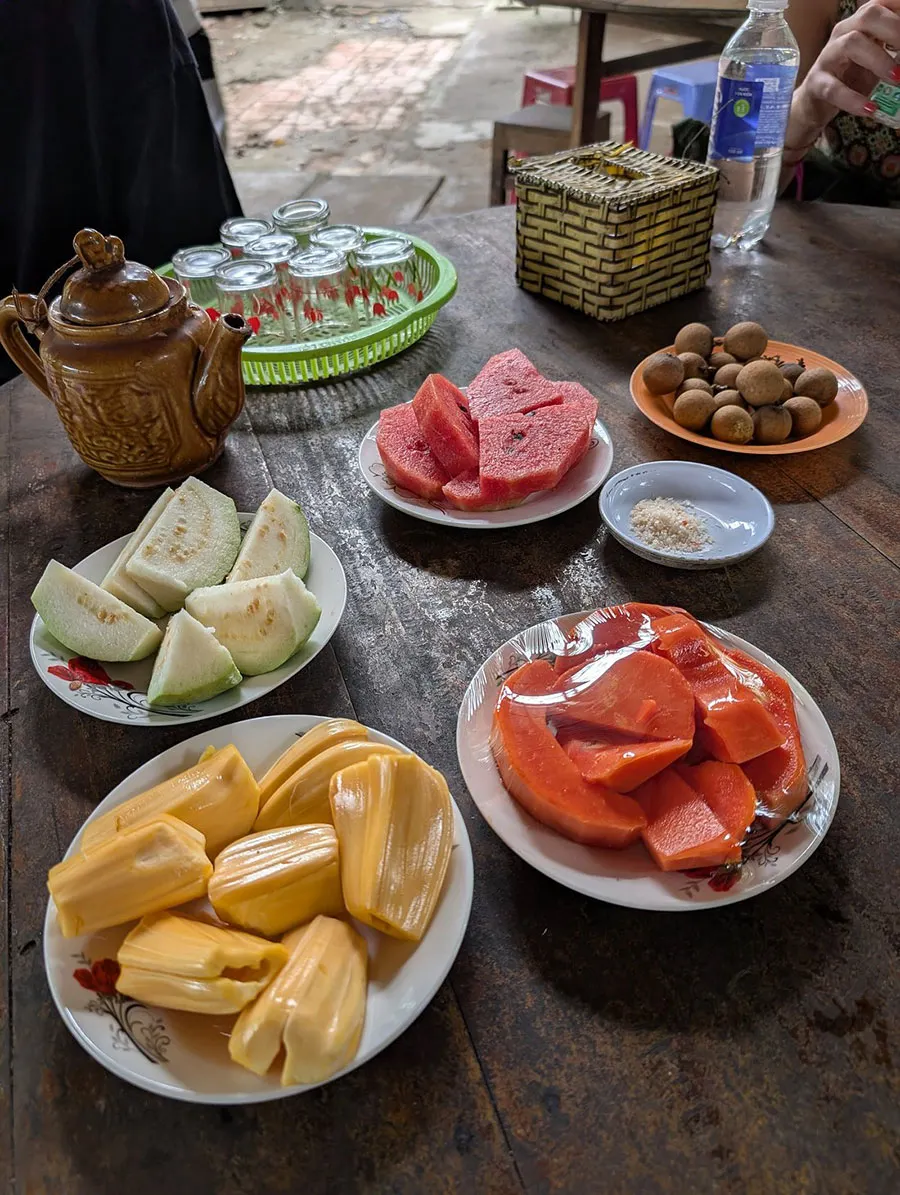
The Delta’s warm climate, fertile soil and extensive waterways support an extraordinary variety of tropical fruit. Rambutan, longan, pomelo, mangosteen, jackfruit, durian and star apple are cultivated throughout the region.
Orchard visits are popular around Cai Be, Ben Tre, Vinh Long and Can Tho. Many family-run gardens allow visitors to walk beneath the trees, sample seasonal produce and learn how different fruits are grown.
Not every fruit is available year-round. A trustworthy guide or farmer should explain what is currently in season instead of promising a fixed selection.
The experience becomes more meaningful when you ask about cultivation, harvesting and the challenges farmers face. The orchard is a working family business, not simply a tourist attraction.
Local tip: Never pick fruit without permission. Purchasing a small plate of seasonal produce is a simple way to support the family maintaining the garden.
4. Discover Ben Tre’s Coconut Culture
Ben Tre is known across Vietnam as the land of coconuts. Endless rows of palms shape the landscape, provide household income and supply ingredients for both food and handicrafts.
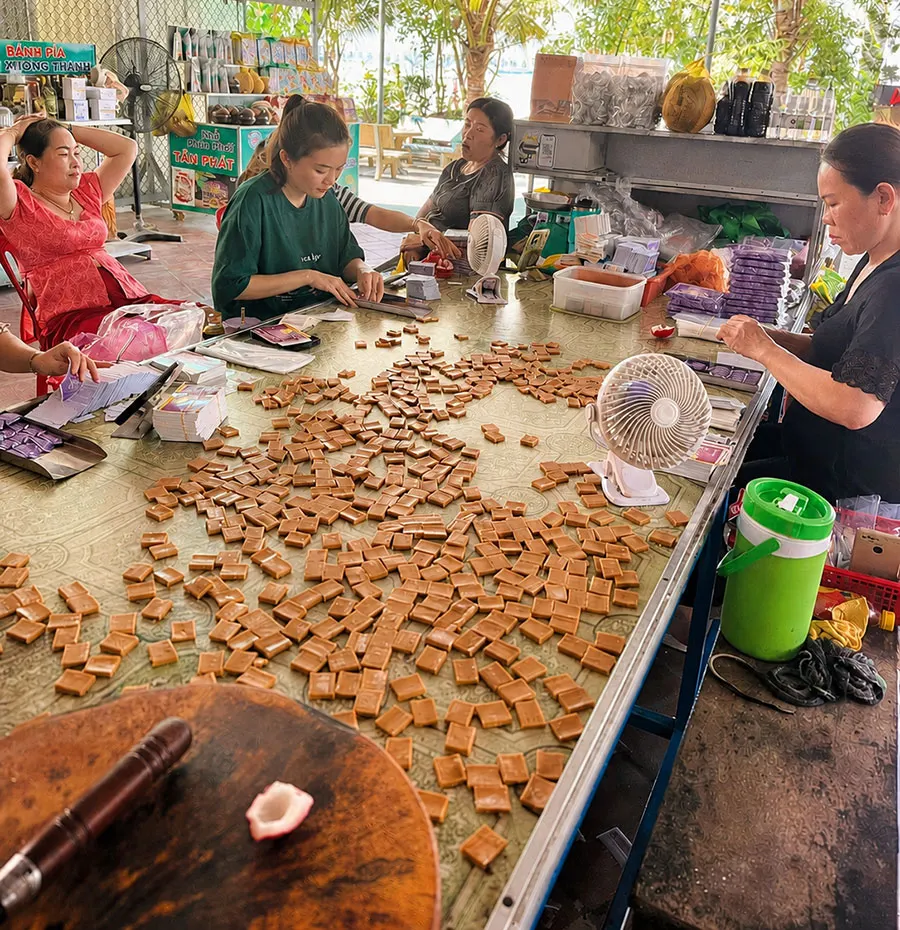
Small workshops transform coconut flesh, water and milk into candy, oil and cooking products. Shells and husks may also be used to create bowls, utensils, charcoal and decorative objects.
Watching coconut candy being prepared is a familiar part of many Ben Tre tours. The mixture is cooked, stretched, cut into small pieces and wrapped before being sold locally or transported elsewhere.
Coconut also influences regional cuisine. Visitors may encounter coconut rice, coconut-braised shrimp or gỏi củ hủ dừa, a fresh salad made from tender coconut heart.
Buying something is optional. If you do purchase food, check the ingredients and confirm whether it can legally be carried into your destination country.
5. Explore the Countryside by Bicycle
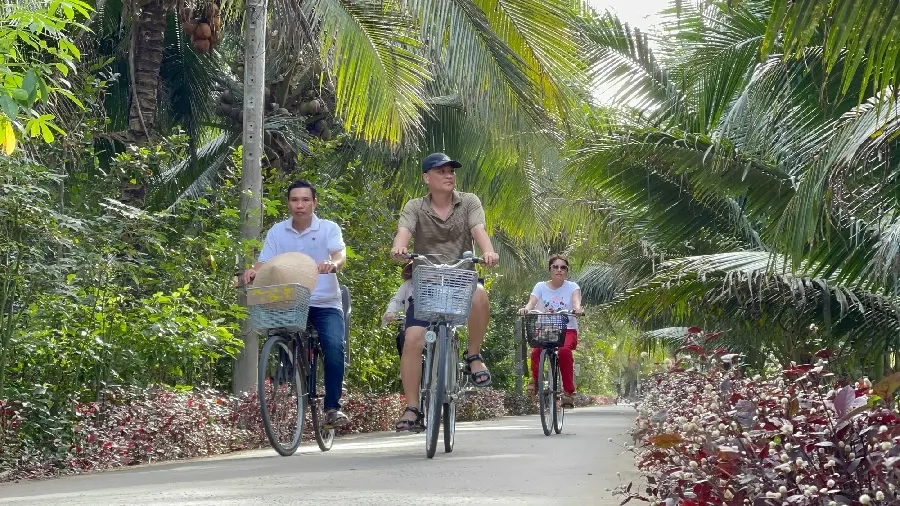
Cycling is one of the best things to do in the Mekong Delta if you want to move beyond the main boat routes. Narrow paths wind past rice paddies, fruit gardens, coconut groves and quiet residential communities.
The flat landscape makes cycling accessible to most reasonably active travelers. However, small bridges, uneven surfaces and passing motorbikes require concentration.
Ben Tre, Vinh Long and the river islets around Can Tho are especially enjoyable for leisurely rides. Traveling slowly gives you time to notice farmers working, children cycling home from school and boats unloading produce beside local houses.
Wear a helmet and carry water, sunscreen and insect repellent. If you are not confident riding near motorbikes, choose a guided cycling experience rather than exploring alone.
Local tip: Early morning and late afternoon are usually more comfortable than midday, when the heat and humidity can become tiring.
6. Eat Southern Vietnamese Specialities
Food is an essential part of any Mekong Delta travel experience. Regional cooking often combines fresh herbs, river fish, vegetables, tropical fruit and slightly sweet flavours associated with southern Vietnam.
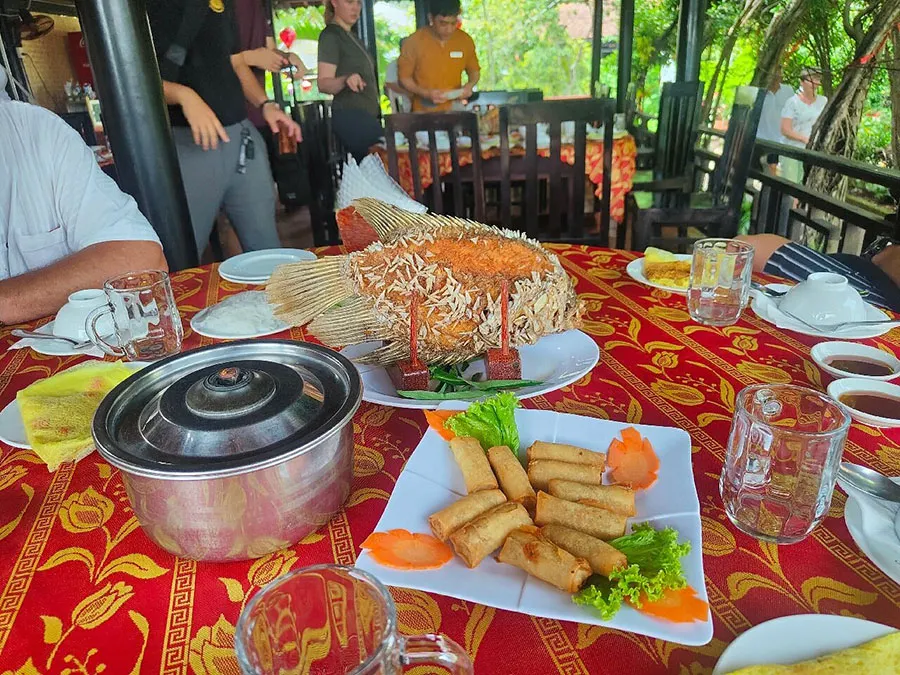
Popular dishes include bánh xèo, hủ tiếu, canh chua and cá tai tượng chiên xù. Depending on the destination, you may also find grilled river prawns, snakehead fish, fermented hot pots and coconut-based dishes.
The best meal is not always served at the most polished restaurant. Family kitchens, local markets and small roadside eateries frequently offer a closer look at everyday Delta cuisine.
Choose busy vendors with steady turnover and freshly cooked food. If you enjoy discovering regional flavours, consider joining a food tour in Ho Chi Minh City before or after your Delta journey to compare urban street food with countryside cooking.
Local tip: Ask what the area is known for instead of ordering only familiar Vietnamese dishes. Regional recommendations often produce the most memorable meals.
7. Stay Overnight at a Riverside Homestay
A day trip provides a useful introduction, but an overnight stay reveals the Delta’s quieter rhythm. After the tour boats leave, you can hear insects, birds and small vessels moving along the river.
Mekong Delta homestays range from simple family houses to comfortable garden lodges. Depending on the property, guests may help prepare dinner, explore the village, fish or walk through nearby orchards.
Not every business using the word “homestay” offers meaningful interaction with a local family. Check recent reviews and read the description carefully if cultural exchange is important to you.
Respect household routines and ask permission before photographing anyone. Local residents are welcoming hosts, but they should never be treated as part of a staged performance.
An overnight trip also reduces the pressure to fit every activity into a few hours. There is more time to enjoy the countryside without moving constantly between scheduled stops.
8. Listen to Đờn Ca Tài Tử Music
Đờn ca tài tử is a traditional form of music closely connected to southern Vietnamese life. Its songs express human emotions and stories inspired by work, family and the landscapes of the Mekong Delta.
The tradition was added to UNESCO’s Representative List of the Intangible Cultural Heritage of Humanity in 2013. Performances can feature instruments such as the moon-shaped lute, two-string fiddle, zither and modified guitar.
Some orchard and village tours include a short musical performance. These introductions are enjoyable, although a community event or dedicated cultural venue usually provides greater context.
Listen respectfully and avoid speaking loudly while musicians are performing. If tipping is appropriate, follow local guidance and offer it after the performance.
9. Visit Temples and Multicultural Communities
The Mekong Delta is home to Vietnamese, Khmer, Chinese and Cham communities. Their traditions have influenced regional architecture, food, festivals and religious life.
Tra Vinh and Soc Trang are known for Khmer Buddhist temples with colourful details and distinctive roofs. Chau Doc offers spiritual sites, busy markets and cultural connections shaped by its location near the Cambodian border.
These are living places of worship rather than photo sets. Cover your shoulders and knees, lower your voice and remove your shoes when requested.
A good local guide can explain the meaning of architectural features and religious practices. This context turns a brief temple stop into a deeper introduction to the Delta’s diverse cultural identity.
Travelers who enjoy culture and rural scenery can find more ideas among the many places to visit beyond Ho Chi Minh City.
10. Explore Wetlands and Flooded Forests
The Mekong Delta is also famous for wetlands, mangroves and seasonally flooded forests. These ecosystems provide habitats for fish, water birds and native plants while supporting nearby communities.
Popular natural attractions include Tram Chim National Park, Tra Su Cajuput Forest and U Minh Thuong National Park. Each landscape changes according to water levels, rainfall and wildlife migration.
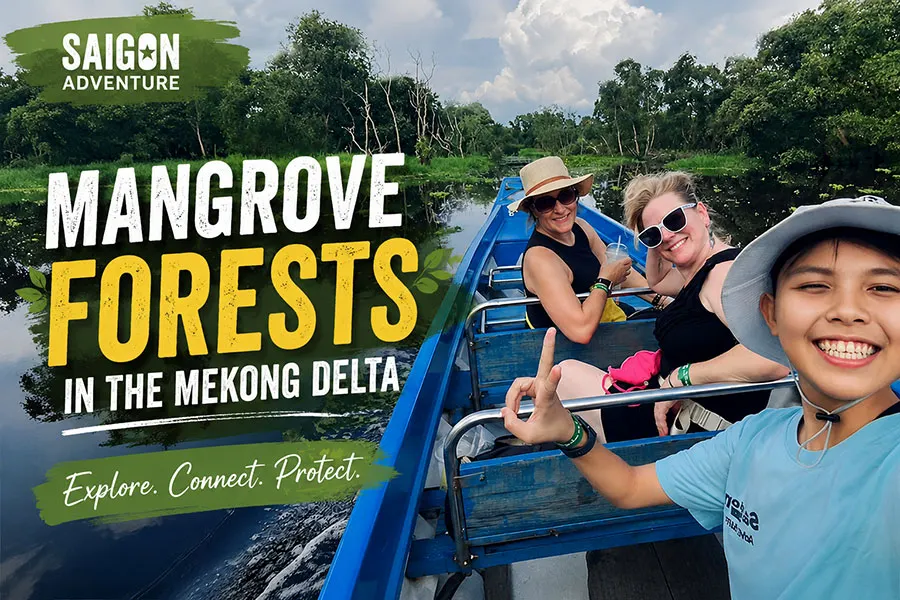
Tra Su, near Chau Doc, is known for small-boat journeys through cajuput forest and green waterways. Tram Chim in Dong Thap protects important wetland habitats and attracts visitors interested in birdwatching.
Wildlife sightings are never guaranteed. Choose operators that maintain a respectful distance, keep noise low and avoid feeding wild animals.
These destinations require more travel time than My Tho or Ben Tre. They are best suited to a longer Mekong Delta itinerary rather than a rushed day tour.
How Long Should You Spend in the Mekong Delta?
One day is suitable for travelers who want an introduction to Ben Tre or My Tho. A typical itinerary combines a river cruise, sampan ride, workshop visit, fruit tasting and local lunch.
Two days are better if you want to visit Cai Rang Floating Market and experience Can Tho in the early morning. An overnight stay also makes the journey feel less hurried.
Three days or more allow you to reach Chau Doc, explore wetlands or visit less crowded communities. This is the best choice for photographers, slow travelers and anyone genuinely interested in local culture.
If your schedule allows only one countryside excursion, compare the Delta with a Cu Chi Tunnels tour. The Mekong focuses on river life and rural culture, while Cu Chi offers a deeper look at Vietnam’s wartime history.
Best Time to Visit the Mekong Delta
The Mekong Delta can be visited throughout the year. Drier months generally make cycling and outdoor exploration easier, while wetter periods often bring greener landscapes and higher water levels.
Tropical rain usually arrives in bursts rather than continuing all day. However, river conditions, local flooding and seasonal weather can affect individual routes.
Fruit harvests and wetland scenery also change throughout the year. Check current local conditions before traveling rather than expecting every orchard or nature reserve to look the same in every season.
Experience the Mekong Delta With Local Insight
What makes the Mekong Delta famous is not a single attraction. Its appeal comes from the connection between waterways, food, agriculture and communities that have adapted to life beside the river.
Travel slowly, support family businesses and look beyond staged photo stops. When approached with curiosity and respect, the Delta becomes more than an excursion—it becomes one of southern Vietnam’s most memorable cultural experiences.
Ready to trade the energy of Saigon for peaceful canals and coconut groves? Explore our Mekong Delta tours and experience the region with a knowledgeable local guide.

Frequently Asked Questions
Is the Mekong Delta worth visiting?
Yes. The Mekong Delta offers river scenery, local cuisine, tropical agriculture and cultural experiences that are very different from Ho Chi Minh City. It is especially worthwhile for food lovers, photographers and travelers interested in rural life.
What is the Mekong Delta most famous for?
The Mekong Delta is most famous for its floating markets, narrow canals, rice fields, tropical fruit orchards and coconut groves. It is also known for southern food, riverside villages and Đờn ca tài tử music.
Can I visit the Mekong Delta in one day?
Yes. My Tho and Ben Tre are convenient choices for a Mekong Delta day trip from Ho Chi Minh City. Two days are preferable if you want to visit Can Tho and Cai Rang Floating Market.
Is Cai Rang Floating Market still worth visiting?
Yes, provided you understand that it is an evolving wholesale market rather than a staged attraction. Visit early in the morning, stay overnight in Can Tho and focus on observing daily trade instead of expecting a crowded tourist spectacle.
Which is better: My Tho, Ben Tre or Can Tho?
Choose My Tho for convenience, Ben Tre for coconut groves and narrow canals, or Can Tho for Cai Rang Floating Market. Combining Ben Tre and Can Tho creates a well-rounded two-day itinerary.
What should I wear in the Mekong Delta?
Wear lightweight clothing, comfortable shoes, sunscreen and a hat. Bring insect repellent, a light rain jacket and clothing that covers your shoulders and knees when visiting temples.
Are Mekong Delta tours suitable for families?
Most tours are suitable for families, but children should be supervised around boats, docks and waterways. Confirm the availability of correctly sized life jackets, appropriate meals and rest breaks before booking.