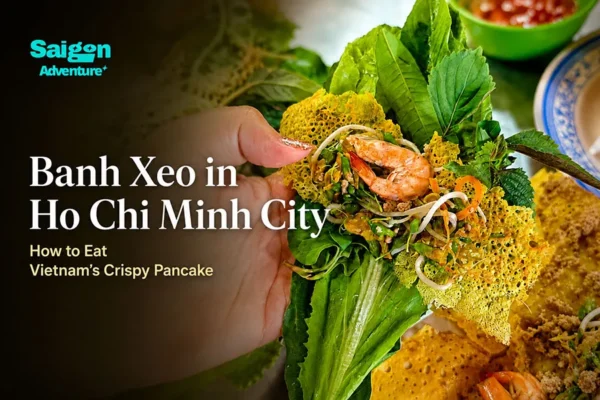
A Hanoi Michelin food tour is not a formal fine-dining crawl or a sequence of expensive tasting menus. It is usually a guided journey through Hanoi’s street-food culture, connecting Michelin-recognized eateries, long-established local shops and dishes that reveal how the capital actually eats.
Expect small stools, busy kitchens, short walks and several tastings rather than one large meal. The best tours add context that independent diners often miss: how each dish developed, when locals eat it, what to add at the table and why an unassuming family-run shop earned international attention.
If you are considering a guided experience, this practical guide explains what happens from meeting your host to finishing the final tasting—and what you should confirm before booking.

What Is a Hanoi Michelin Food Tour?
A Hanoi Michelin food tour is a guided tasting experience built around establishments featured by the Michelin Guide, sometimes combined with respected neighborhood eateries. Depending on the itinerary, stops may represent Michelin Selected restaurants, Bib Gourmand venues or small shops known for a particular local specialty.
Importantly, the term does not mean that Michelin itself operates the tour. It describes the food-focused itinerary, so travelers should read the inclusions carefully and avoid assuming that every stop holds a Michelin star.
For a clear example of how this experience may be organized, see the Hanoi Michelin Street Food Walking Tour. The tour page should be your source for its current schedule, meeting arrangements, menu and inclusions.

What Happens During the Tour?
Most experiences begin with a short introduction at an agreed meeting point in or near central Hanoi. Your guide may ask about allergies, explain the route and introduce the differences between Michelin recognition, local popularity and traditional food culture.
The group then travels between several food stops, usually on foot. Instead of ordering complete meals everywhere, guests share or receive tasting-sized portions so they can experience different flavors without becoming full too early.

Meeting Your Local Food Guide
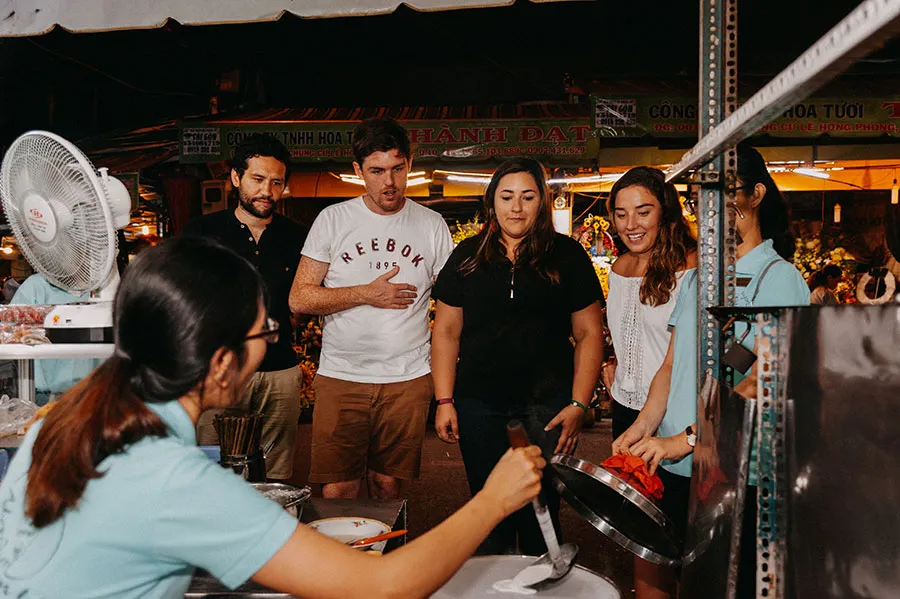
A knowledgeable guide does more than lead the way. They help guests understand unfamiliar menus, communicate with vendors and explain details that are easy to overlook, such as the role of herbs, dipping sauces, broth clarity or charcoal grilling.
This support is especially useful at small eateries with limited English signage. It also removes the pressure of deciding where to sit, what to order and how to customize a dish.
Arrive around 10–15 minutes early and keep the guide’s contact details available. Hanoi’s central streets can look similar to first-time visitors, and traffic may slow down a taxi or ride-hailing journey.
Tasting Several Dishes Across Multiple Stops
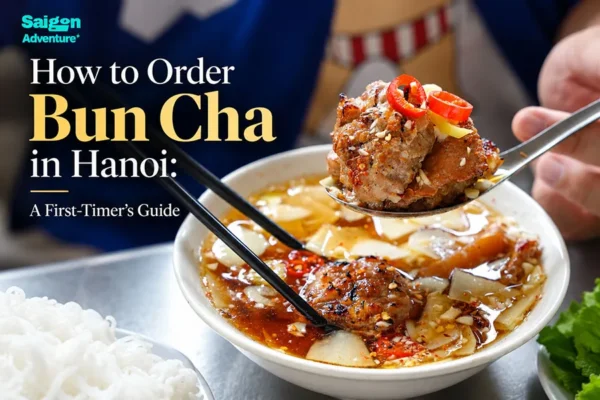
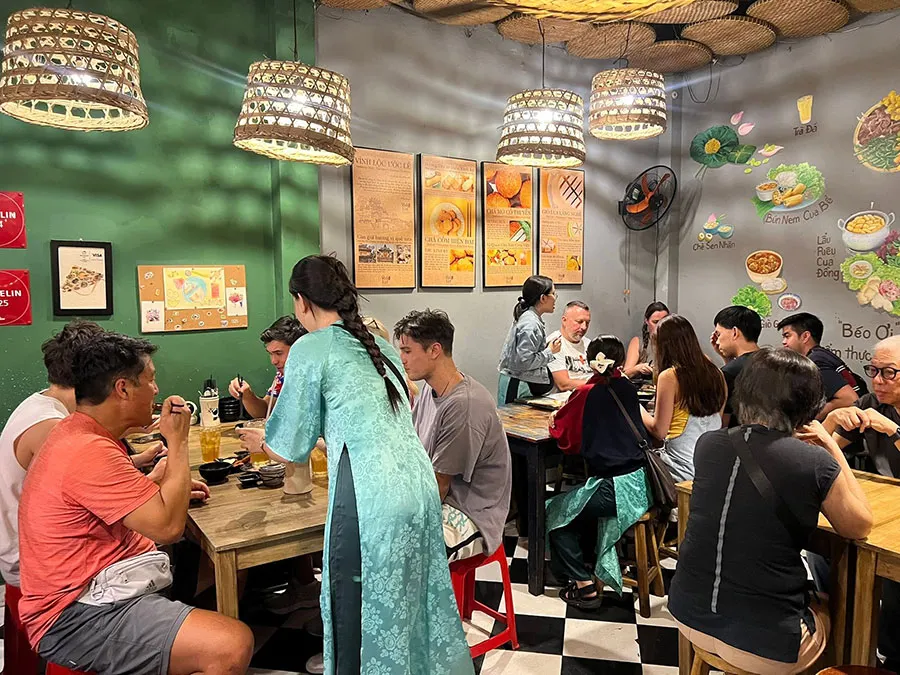
The exact menu varies by operator, season, opening hours and vendor availability. Possible tastings may include dishes such as phở, bún chả, bánh cuốn, fried snacks, local desserts or Vietnamese coffee, but no responsible article should promise a fixed menu unless the operator confirms it.
The progression often moves between savory dishes, lighter bites and a drink or dessert. This creates a more balanced experience than eating several rich meals consecutively.
If you want a broader introduction before choosing a tour, read What to Eat in Hanoi. It helps distinguish Hanoi specialties from dishes commonly associated with other Vietnamese regions.

Hearing the Stories Behind the Food
The most memorable part is often the explanation between bites. A guide may discuss family recipes, regional ingredients, old trading streets and the daily routines surrounding breakfast, lunch or late-afternoon snacks.
These stories turn a bowl of noodles into something more meaningful. You begin to recognize how northern Vietnamese cooking uses aroma, texture, broth and seasoning differently from the stronger sweet or spicy profiles found elsewhere.
Does Every Stop Have a Michelin Star?
Usually not—and that is not a disadvantage. Michelin recognition includes several distinctions, and a street-food tour may also feature independent local favorites that are not currently listed.
A Michelin star, Bib Gourmand and Michelin Selected designation do not mean the same thing. Restaurants can also enter or leave the guide over time, so travelers should check the current edition rather than rely on an old blog post or social-media video.
A strong tour balances outside recognition with local knowledge. International awards may help identify quality, but long queues, family heritage and neighborhood loyalty can be equally valuable parts of Hanoi’s food story.
Local Tip: Ask whether the phrase “Michelin food tour” means every venue is currently included in the guide or whether the route mixes recognized establishments with guide-selected local favorites. The second format can offer more variety, but the description should be transparent.
How Much Food Should You Expect?
Most guests should arrive hungry, although the experience may feel more like a progressive meal than a conventional restaurant dinner. Several small tastings can become surprisingly filling, especially when the route includes noodles, grilled meat, rice-based dishes and dessert.
Avoid eating a large meal immediately before the tour. A light snack is reasonable if you have dietary or medical needs, but leaving some appetite will make the later stops more enjoyable.
Portion sizes vary among group and private tours. Ask whether dishes are shared, whether each guest receives an individual serving and whether extra food can be purchased independently.
How Long Does a Hanoi Michelin Food Tour Take?
Many Hanoi walking food tours take approximately two and a half to four hours, depending on the number of stops, group size, walking pace and waiting times. The operator’s published duration should always take priority because routes differ.
The experience is not continuous walking. Much of the time is spent sitting, tasting and listening, although guests may still navigate uneven pavements, narrow entrances and busy road crossings.
Wear comfortable closed-toe shoes with reliable grip. Hanoi’s sidewalks can be crowded with parked scooters, shop displays and low stools, making fashionable but unstable footwear inconvenient.

Where Do Tours Usually Take Place?
Many routes focus on Hanoi’s Old Quarter because it places numerous traditional eateries within walking distance. Its compact street network also allows travelers to experience markets, family businesses, cafés and daily neighborhood activity between tastings.
However, the Old Quarter is not the only worthwhile food area. Some itineraries extend toward nearby districts or combine food with a cultural attraction.
Travelers interested in that kind of combination can compare a Hanoi local food tour with Train Street and Old Quarter highlights. For more detail about eating near the railway, the Hanoi Train Street food guide covers that area separately.
How Much Does a Hanoi Michelin Food Tour Cost?
Prices depend on group size, tour duration, included tastings, transportation and whether the experience is private. A private tour normally costs more but allows greater flexibility, personal attention and easier adjustment for families or dietary concerns.
Do not choose by the lowest advertised price alone. Compare what is included:
- Number and type of tastings
- Drinks and bottled water
- Private or shared guide
- Walking or vehicle transportation
- Hotel pickup or a fixed meeting point
- Cancellation terms
- Dietary accommodations
- Extra purchases and gratuities
A cheaper tour may remain good value if its scope is clearly explained. Unexpected charges are more likely when travelers assume that every dish, drink or transfer is included without checking.
Is a Hanoi Michelin Food Tour Worth It?
Yes, it can be highly worthwhile for first-time visitors who want to try several Hanoi dishes without researching every restaurant independently. It is particularly useful when language, ordering customs or crowded local eateries feel intimidating.
The value comes from curation and interpretation, not simply from the cost of the food. You are paying for a practical route, local communication, cultural background and the confidence to enter places you might otherwise pass.
Independent travelers may prefer exploring alone if they enjoy spontaneous dining and already understand Vietnamese menus. A tour is less suitable for anyone who expects luxury seating at every stop or wants complete control over every order.
To understand why humble stalls can become destinations in their own right, read why street food in Vietnam is so famous.
Who Is This Experience Best For?
A guided Michelin food walk works especially well for:
- First-time visitors to Hanoi
- Couples and solo travelers seeking local context
- Families with older children interested in food
- Visitors with limited time in the city
- Travelers nervous about ordering independently
- Food lovers interested in Michelin recognition and local tradition
Guests with limited mobility should ask about stairs, stool seating, pavement conditions and walking distance. Small local eateries may not provide standard-height chairs, accessible toilets or step-free entrances.
Private tours can be better for young children, older travelers and guests who need a slower pace. They may also provide more flexibility, although substitutions still depend on what each kitchen can safely prepare.
Can Dietary Requirements Be Accommodated?
Some dietary needs can be managed, but Hanoi street-food kitchens often specialize in one recipe and may use shared cooking surfaces. Broths, sauces and garnishes can contain fish sauce, shellfish, peanuts, meat stock or other ingredients that are not obvious.
Tell the operator about allergies before booking—not when the first dish arrives. Use precise language, distinguish an allergy from a preference and ask whether cross-contact can realistically be avoided.
Vegetarians may receive substitutions, but a traditional broth or dipping sauce can still contain animal products. Strict vegans, guests with severe allergies and people requiring certified gluten-free preparation should request written confirmation before paying.
What Should You Wear and Bring?
Choose light, breathable clothing suited to Hanoi’s weather and carry a compact rain layer during wetter periods. Comfortable shoes matter more than formal clothing because the route may include frequent stops, narrow pavements and busy crossings.
Bring only a small day bag containing:
- Water if it is not provided
- Hand sanitizer and tissues
- Necessary medication
- A rain jacket or compact umbrella
- A small amount of cash
- A charged phone or camera
- The guide’s contact information
Keep valuables secure in crowded areas and watch for scooters before stepping into the road. Follow your guide when crossing rather than making sudden movements or stopping halfway for photographs.
How to Choose the Right Hanoi Michelin Food Tour
Read the complete itinerary and recent guest reviews, then check whether the operator clearly explains its Michelin-related claims. Look for a manageable group size, realistic duration and meaningful information about food inclusions.
Ask these questions before booking:
- Which stops are currently recognized by the Michelin Guide?
- How many tastings are included?
- Is the route entirely on foot?
- Where does the tour start and finish?
- Can my dietary requirements be accommodated safely?
- Are drinks, transportation and hotel pickup included?
- What happens if a listed restaurant is closed?
A flexible replacement policy is important because small eateries may close unexpectedly or change their opening hours. A substitute should match the culinary purpose of the original stop rather than simply filling time.
Make Your First Hanoi Food Experience Count
A Hanoi Michelin food tour can introduce the capital through its most approachable language: dishes cooked, served and discussed at street level. The strongest experiences combine recognized eateries with neighborhood knowledge, allowing visitors to understand both what they are eating and why it matters.
Come hungry, disclose dietary needs early and choose a tour whose inclusions are transparent. If you want local guidance without turning the evening into a formal dining event, explore the Hanoi Michelin Street Food Walking Tour and confirm the current itinerary before reserving your place.
Frequently Asked Questions
What food is included on a Hanoi Michelin food tour?
Menus vary, but tours may feature Hanoi noodle dishes, grilled specialties, rice-based snacks, desserts and Vietnamese coffee. Check the current tour description because vendors, opening hours and seasonal availability can change.
Do I need to book a Hanoi food tour in advance?
Advance booking is recommended, particularly for private tours, weekends and peak travel periods. Booking early also gives the operator time to assess dietary requirements and confirm meeting arrangements.
Should I eat before a Hanoi Michelin food tour?
Avoid a full meal beforehand because several tastings can add up to a substantial amount of food. If necessary, have a light snack while leaving enough appetite to enjoy the complete route.
Are Michelin food tours in Hanoi suitable for children?
They can suit children who enjoy trying unfamiliar food and can walk comfortably for several hours. Parents should ask about spicy ingredients, seating, toilets, portion flexibility and the total walking distance.
Can vegetarians join a Hanoi Michelin food tour?
Some tours can accommodate vegetarians with advance notice, but substitutions vary by venue. Ask whether broths, sauces and cooking oils contain meat, fish sauce or other animal-derived ingredients.
What happens if a Michelin-listed restaurant is closed?
Professional operators generally use a suitable alternative, but policies differ. Ask before booking how replacements are selected and whether changes affect the number of tastings or tour duration.
Is a private Michelin food tour better than a group tour?
A private tour offers more flexibility, personal interaction and easier pacing, while a group tour is usually more affordable and social. The better choice depends on your budget, dietary needs and preferred travel style.