The best Michelin street food in Hanoi Old Quarter is not defined by luxury dining rooms or elaborate tasting menus. It is found in steaming bowls of phở, smoky plates of bún chả, delicate bánh cuốn and other northern Vietnamese dishes prepared with remarkable consistency.
For first-time visitors, Michelin recognition can provide a useful starting point in a neighborhood crowded with food choices. However, the best experience comes from understanding what the distinctions mean, choosing dishes that suit your appetite and leaving room for discoveries beyond the guide.

What Does Michelin Street Food Mean in Hanoi?
“Michelin street food” is an informal travel term rather than an official award category. An inexpensive Hanoi eatery may appear in the MICHELIN Guide as a Bib Gourmand or a MICHELIN Selected restaurant.
A Bib Gourmand recognizes establishments offering good-quality cooking at good value. MICHELIN Selected means the restaurant has been included in the guide based on the inspectors’ assessment, but it does not hold a star or Bib Gourmand distinction.
That difference matters because many travelers mistakenly assume every listed noodle shop has a Michelin star. Hanoi’s most approachable Michelin-recognized eateries are generally celebrated for focused menus, skilled preparation and consistent local flavor—not white-tablecloth service.
The selection can change between editions. Always check the current official MICHELIN Guide before planning a route around one particular restaurant.

Is Michelin Street Food in Hanoi Old Quarter Worth Trying?
Yes, especially if this is your first visit to Hanoi and you want an accessible introduction to northern Vietnamese food. Michelin recognition helps narrow the enormous number of choices, while the Old Quarter makes it possible to sample several dishes on foot.
The main advantages are usually affordability, specialization and convenient locations. Many establishments have spent years refining one signature dish rather than building a long menu for tourists.
There are disadvantages too. Well-publicized restaurants may have queues, limited seating and less personal service during peak periods. A Michelin mention also does not guarantee that one restaurant will suit every palate.
Use the guide as a filter, not an absolute ranking. A busy family-run stall without international recognition may be just as memorable as a listed establishment a few streets away.
Travelers who prefer local guidance, carefully chosen portions and cultural explanations can compare independent dining with a Hanoi Michelin street food walking tour.

Best Michelin-Style Street Foods to Try in the Old Quarter
Bún chả: Hanoi’s essential grilled-pork lunch
Bún chả brings together charcoal-grilled pork, rice vermicelli, herbs, pickled vegetables and a light fish-sauce-based dipping broth. The contrast between smoky meat, cool noodles and fresh greens makes it one of Hanoi’s most complete meals.
Traditional bún chả is strongly associated with lunchtime, although some restaurants now serve it for longer hours. Order nem rán, crispy fried spring rolls, if you want additional texture, but one standard serving is often filling enough.
The dipping broth should balance salty, sweet, sour and savory flavors without allowing one element to dominate. Rather than pouring everything into one bowl immediately, add small bundles of noodles and herbs as you eat.
Local Tip: Visit shortly before the main lunch rush. The grill will already be active, but you may have a better chance of finding a seat.
Phở bò: The classic Hanoi beef noodle soup
Hanoi-style phở bò usually emphasizes a clear, aromatic broth rather than a large quantity of herbs or sweet condiments. Rice noodles, sliced beef, spring onion and carefully prepared stock form the foundation of the bowl.
Common variations include tái for rare beef, chín for cooked beef and tái chín for a combination. If you are uncertain, tái chín provides two textures without requiring a complicated order.
Taste the broth before adding lime, chili or vinegar. A well-balanced bowl already carries layers of beef, toasted spices and slow-cooked sweetness, so heavy seasoning can hide the character that earned the restaurant attention.
For a broader introduction to the capital’s signature dishes, read this guide to what to eat in Hanoi.
Phở gà: A lighter but deeply comforting alternative
Phở gà replaces beef with chicken and usually has a cleaner, more delicate broth. It is an excellent choice for breakfast, a light lunch or an evening meal after several richer tastings.
The best bowls depend on more than tender chicken. Clear stock, properly cooked noodles, fresh herbs and a restrained level of seasoning must work together.
Ask whether the serving includes skin or mixed chicken cuts if you have a strong preference. Some local diners value the texture of dark meat and skin, while international visitors may prefer lean sliced breast.
Bánh cuốn: Steamed rice rolls made to order
Bánh cuốn consists of thin rice sheets wrapped around seasoned minced pork and wood ear mushrooms. The rolls are commonly served with herbs, fried shallots, slices of Vietnamese pork sausage and a light dipping sauce.
The pleasure is in the contrast: soft rice sheets, crisp shallots, earthy mushrooms and savory filling. Watching the cook spread rice batter over a steaming cloth is also part of the experience.
Bánh cuốn works particularly well at the beginning of a food walk because it feels light but introduces several important northern Vietnamese flavors. Eat it soon after serving, while the rolls remain warm and delicate.
Chả cá: Turmeric fish with herbs and noodles
Chả cá is more substantial than a typical street-side snack, but it belongs on a serious Old Quarter food list. Pieces of turmeric-marinated fish are cooked with dill and spring onion, then eaten with rice noodles, peanuts, herbs and seasoned sauce.
The sizzling-pan presentation makes the meal especially enjoyable for couples, families or small groups. It is less practical for solo travelers who want only a few bites before moving to another stop.
Some sauces may contain a powerful fermented flavor. Ask how the dish is served if you are sensitive to strong aromas, but try a small amount before deciding to replace it completely.
Xôi: Hanoi sticky rice for breakfast or a quick snack
Xôi is glutinous rice served with savory or sweet toppings. Savory versions may include mung bean, shredded chicken, pork, sausage, fried shallots or braised ingredients.
It is affordable, portable and satisfying, making it useful for travelers with a full sightseeing schedule. However, sticky rice becomes filling quickly, so share one portion if you plan to continue eating.
Morning is usually the most natural time to try it. Pairing xôi with coffee creates a simple Hanoi breakfast without taking too much time away from sightseeing.
Egg coffee: A signature Hanoi finish
Egg coffee is made by combining strong Vietnamese coffee with a whipped mixture traditionally based on egg yolk, sugar and condensed milk. The result is rich, creamy and closer to a dessert than an ordinary cup of coffee.
Drink through the upper layer to reach the bitter coffee beneath, or gently combine the two for a more even flavor. Hot egg coffee is often served in warm water to maintain its temperature.
Although egg coffee is not automatically Michelin-recognized, it fits naturally at the end of an Old Quarter tasting route. It also gives you a quiet break after navigating busy pavements and compact dining rooms.
How Much Does Michelin Street Food Cost in Hanoi?
Most traditional street-food dishes remain relatively affordable compared with formal dining. A practical estimate is VND 40,000–100,000 for a bowl or individual dish, although famous restaurants, larger portions and specialized ingredients may cost more.
A chả cá meal generally costs more than phở, bánh cuốn or xôi because it is a shared restaurant-style dish. Drinks, fried sides and additional meat can also increase the final bill.
For a self-guided food walk, approximately VND 250,000–500,000 per person is a reasonable planning range for several shared dishes and drinks. Prices change, so check the displayed menu before ordering rather than relying on an old blog post.
Cash remains useful at small establishments. Carry smaller notes and confirm whether the quoted amount is for one portion, one plate or a shared set.
Best Time for an Old Quarter Michelin Food Walk
Breakfast between 7:00 and 9:00 is ideal for phở, bánh cuốn and xôi. The neighborhood feels energetic, ingredients are fresh and many places are serving dishes associated with the morning routine.
Lunch between 11:00 and 13:00 is the best window for bún chả. Arriving 15–20 minutes before peak time can reduce the wait without sacrificing the atmosphere of an active grill.
An evening food walk offers more variety and cooler walking conditions, especially outside the hottest months. Start around 17:30 or 18:00 and avoid planning too many full-size portions.
Operating hours can be irregular, and some specialists close after selling out. Confirm same-day opening information before crossing the city for one restaurant.

How to Plan a Self-Guided Michelin Food Route
Choose three food stops and one drink or dessert stop within a compact area. Four carefully paced tastings are more enjoyable than rushing through six restaurants simply to complete a checklist.
A balanced route could include:
- Bánh cuốn or phở as a light opening dish
- Bún chả as the main savory course
- One shared specialty such as chả cá
- Egg coffee as the final stop
Allow 20–30 minutes at each simple eatery and longer for chả cá. The Old Quarter’s traffic, narrow pavements and distracting storefronts mean that short distances may take longer than expected.
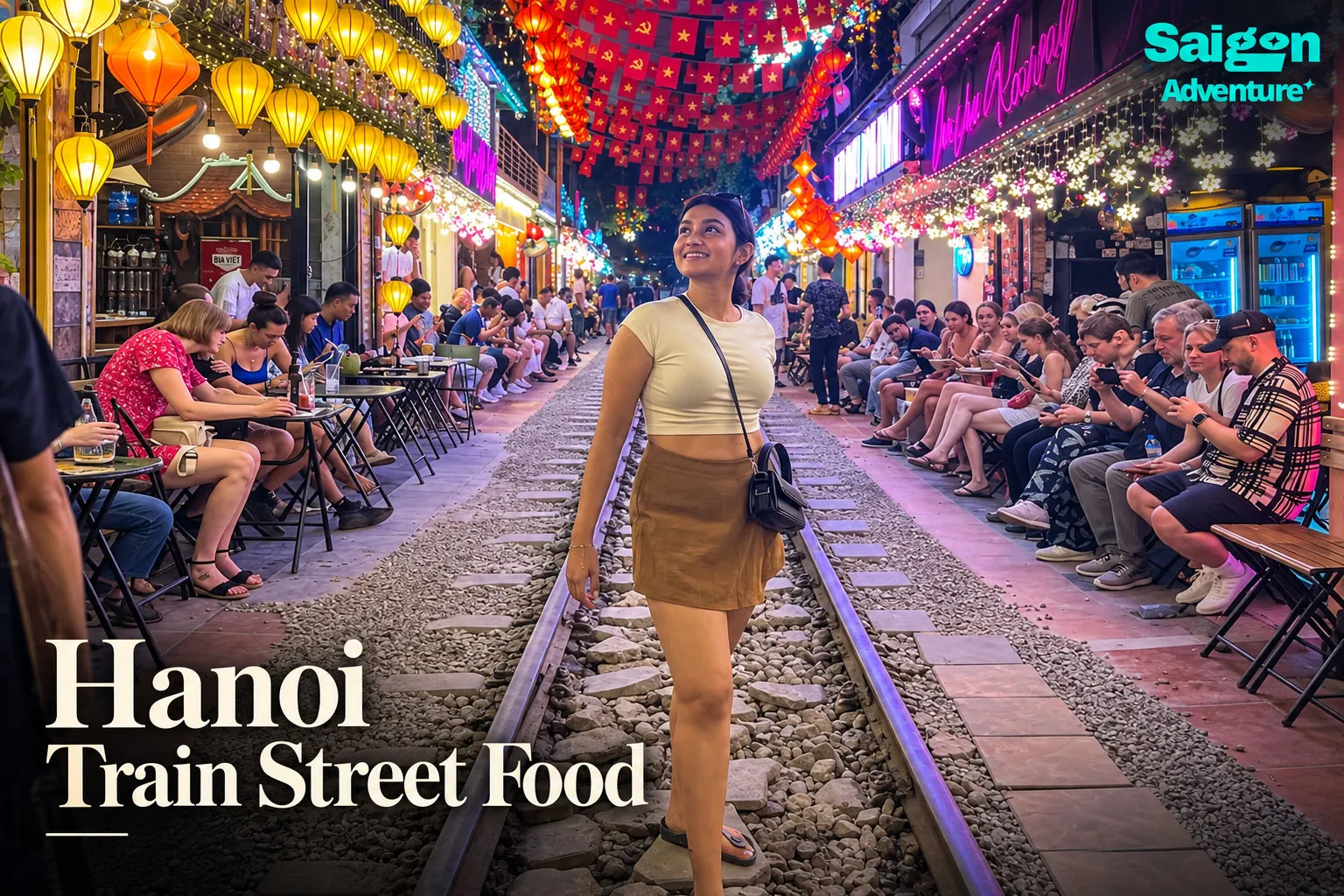
Travelers combining food with sightseeing can also follow this guide to Hanoi Train Street and an Old Quarter food walk. For a more dish-focused extension, explore the Hanoi Train Street food guide.
Self-Guided Food Walk vs Guided Michelin Food Tour
A self-guided walk offers flexibility and costs less. You can revisit a favorite dish, skip a long queue or change the route when you feel full.
The difficulty is choosing reliable stops, understanding unfamiliar menus and learning why the food matters. Language barriers, changing opening hours and several restaurants with similar names can also complicate a short visit.
A guided tour suits first-time travelers, solo visitors and guests with limited time. A knowledgeable local guide can manage ordering, explain ingredients and connect each dish with the history of Hanoi’s streets.
Independent exploration is better for confident travelers who enjoy research and spontaneous decisions. Neither option is automatically superior; the right choice depends on whether you value freedom or interpretation.
Food Safety and Dining Etiquette
Choose places where ingredients move quickly and cooked food is served hot. High turnover is generally more reassuring than an empty restaurant displaying prepared food for long periods.
Use hand sanitizer before eating, drink bottled or properly filtered water and be cautious with uncooked garnishes if you have a sensitive stomach. Travelers with serious allergies should carry a translated allergy card because fish sauce, peanuts, shellfish and pork can appear in sauces or garnishes.
Do not occupy a small table long after finishing when customers are waiting. Keep bags close to your body, avoid blocking the pavement for photographs and ask before taking close-up pictures of cooks.
To understand the wider culture behind these compact kitchens and pavement stalls, explore why Vietnamese street food is so famous.
Who Will Enjoy This Experience Most?
Michelin street food in Hanoi Old Quarter is ideal for curious first-time visitors, couples, solo travelers and small groups who enjoy informal dining. It is also suitable for travelers who want recognized cooking without the price or formality of fine dining.
The experience may be less comfortable for visitors who require spacious seating, complete climate control or guaranteed accessibility. Many traditional eateries have low stools, steps, narrow entrances or upstairs dining areas.
Families can enjoy the route by reducing the number of stops and choosing mild dishes. Older travelers may prefer a guided experience with planned seating and shorter walking distances.

Taste Hanoi Beyond the Michelin Label
The MICHELIN Guide can lead you toward excellent kitchens, but it should not become the entire purpose of eating in Hanoi. The real reward is noticing how one cook controls a charcoal grill, how another balances a clear broth and how local diners build a meal from noodles, herbs and dipping sauce.
Begin with recognized specialties, remain open to busy neighborhood favorites and eat at a pace that lets every dish feel distinct. If you want local context without managing menus and opening hours yourself, join a carefully paced food walk through the Old Quarter and let Hanoi reveal its character one small table at a time.
Frequently Asked Questions
What is the best Michelin street food in Hanoi Old Quarter?
Bún chả, phở bò, phở gà and bánh cuốn are among the best starting points. The right choice depends on the time of day and your preferences, while chả cá is particularly suitable for a shared, more substantial meal.
Does Michelin street food in Hanoi have a Michelin star?
Usually not. Affordable eateries may receive a Bib Gourmand distinction or appear as MICHELIN Selected. These categories are different from one, two or three Michelin stars.
How much should I budget for an Old Quarter food walk?
Budget approximately VND 250,000–500,000 per person for several shared dishes and drinks on a self-guided route. Your total will depend on portion sizes, restaurant choices and whether you order a shared specialty such as chả cá.
Can vegetarians find Michelin street food in Hanoi?
Vegetarian options exist, but many traditional broths and sauces contain meat, fish sauce or shrimp products. Confirm ingredients carefully and use a translated dietary card if you avoid all animal products.
Is Hanoi street food safe for international travelers?
No food experience is completely risk-free. Choose busy eateries, eat freshly cooked food while it is hot, clean your hands before dining and avoid ingredients that appear to have been sitting at room temperature for a long time.
Should I book a Hanoi Michelin food tour?
A tour is worthwhile if you have limited time, want cultural explanations or feel uncertain about ordering. Independent exploration is a good alternative for experienced travelers who prefer flexibility and are comfortable checking locations and opening hours.
How many food stops are ideal in one evening?
Three food stops plus one coffee or dessert stop are usually enough. Share portions whenever possible and allow two to three hours so the experience does not feel rushed.