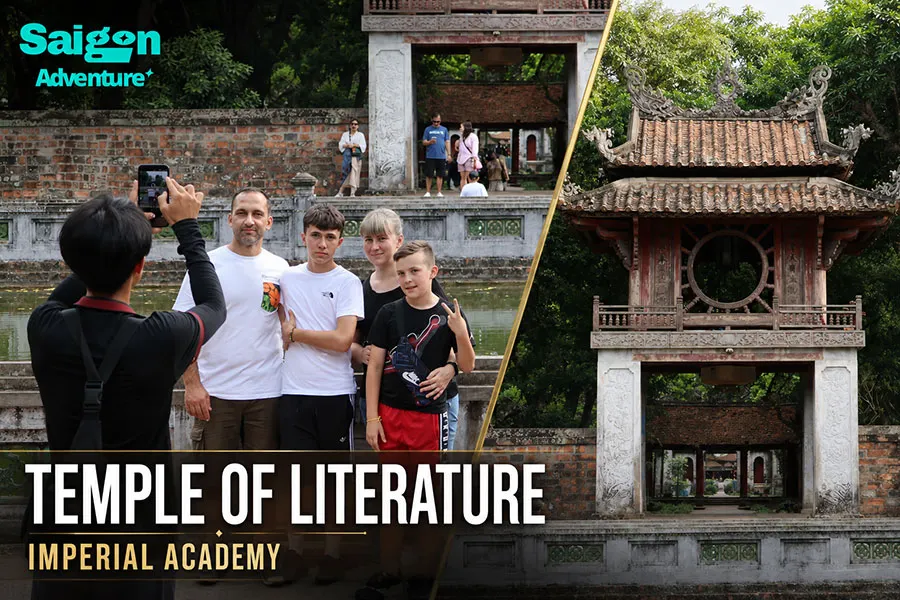
The Temple of Literature Hanoi (Văn Miếu – Quốc Tử Giám) is one of Hanoi’s most important historical and cultural landmarks. Founded in 1070, the complex later became home to Vietnam’s first national university and remains closely associated with the country’s long tradition of education and Confucian scholarship.
Today, visitors come to explore its peaceful courtyards, traditional architecture, stone stelae, and historic pavilions. Before your visit, check the latest Temple of Literature entrance fee, opening hours, dress code, recommended visit time, and practical visitor tips below.
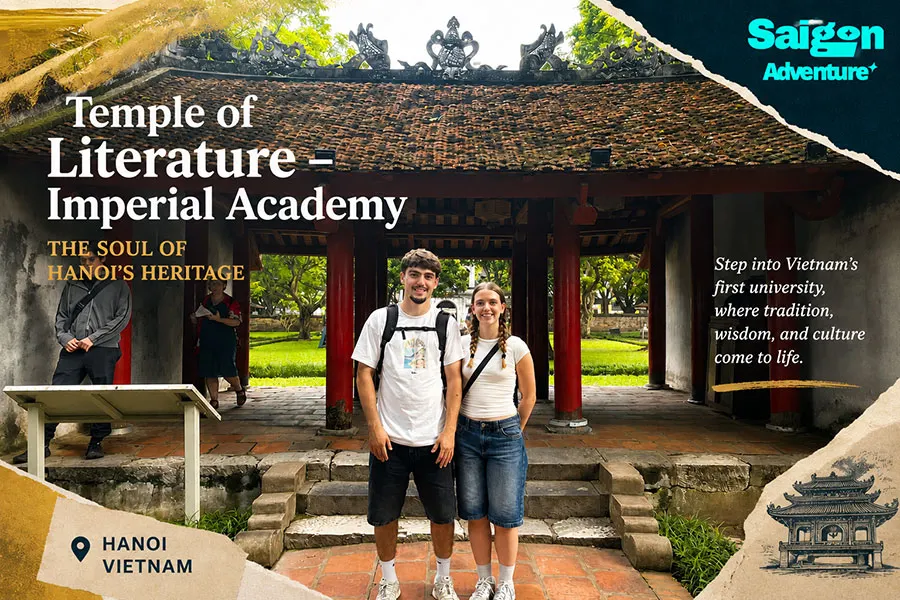
Temple of Literature Hanoi – Quick Visitor Information
| Visitor Information | Details |
|---|---|
| Opening Hours | 8:00 AM – 5:00 PM daily |
| Standard Entrance Fee | 70,000 VND |
| Reduced Ticket | 35,000 VND for eligible visitors |
| Children Under 16 | Free admission |
| Address | 58 Quoc Tu Giam Street, Hanoi |
| Recommended Visit Time | Around 1.5–2 hours |
| Dress Code | Modest and respectful clothing recommended |
| Night Experience | Wednesday, Saturday and Sunday evenings; separate ticket applies |

Temple of Literature Hanoi Entrance Fee & Tickets
The Temple of Literature Hanoi entrance fee is 70,000 VND for a standard adult ticket.
A reduced ticket of 35,000 VND is available to eligible visitor groups. According to the official visitor policy, the reduced rate applies to students from schools in Vietnam with a valid student ID, visitors aged 60 and above with appropriate identification, people with severe disabilities, and other eligible groups with supporting documents.
Children under 16 years old can enter free of charge.
Most international adult travelers should therefore expect to pay the standard 70,000 VND admission fee.
Tickets can be purchased at the site. Admission allows visitors to explore the main courtyards, historic buildings, Doctors’ Stelae Garden, worship areas, and Imperial Academy section.
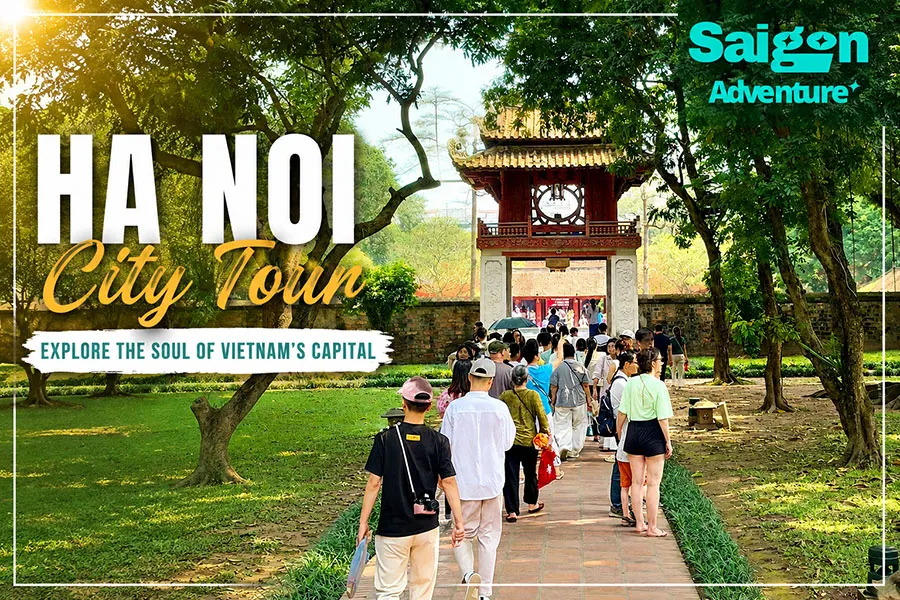
Temple of Literature Hanoi Opening Hours
The Temple of Literature Hanoi opening hours are currently:
8:00 AM – 5:00 PM daily
The Temple is open all days of the week.
There is also a separate Temple of Literature night experience on Wednesday, Saturday and Sunday evenings. The night program uses a separate ticket and schedule from regular daytime admission.
Opening hours and visitor policies can occasionally change during special events or holidays, so checking the latest official information before visiting is recommended.
Why the Temple of Literature Still Matters Today
Many historic landmarks survive because they are preserved.
The Temple of Literature Hanoi remains important because it is still part of everyday Vietnamese life.
On almost any weekday, you may notice university graduates posing in elegant áo dài, proud families celebrating academic achievements, and students visiting before important examinations. These are not simply performances arranged for tourists—they reflect traditions that continue naturally from generation to generation.
That living connection is what makes the Temple so memorable. Instead of feeling like an outdoor museum frozen in time, it remains a place where history continues to influence modern Vietnamese life.
For travelers hoping to discover more than one iconic landmark in a single day, the Hanoi City Tour Full Day combines the Temple of Literature with other must-see attractions such as the Ho Chi Minh Mausoleum, One Pillar Pagoda, and Tran Quoc Pagoda, making it an efficient way to explore Hanoi’s cultural heritage.
A Local Tip Most Visitors Miss
If you visit shortly after the Temple opens, especially during graduation season, you may see students taking graduation portraits in colorful traditional dress.
The atmosphere can be joyful yet respectful, creating some of the most authentic and photogenic moments of a visit to Hanoi.
The Story Behind Vietnam’s First University
Long before modern universities appeared across Southeast Asia, Vietnam was already investing in education.
In 1070, during the Ly Dynasty, Emperor Ly Thanh Tong commissioned the construction of the Temple of Literature to honor Confucius, whose teachings emphasized wisdom, ethics, integrity, and responsible leadership.
At a time when kingdoms often measured strength by military victories, Vietnam also placed great importance on scholarship and education.
Only six years later, in 1076, Emperor Ly Nhan Tong established the Imperial Academy (Quốc Tử Giám) beside the Temple.
Widely recognized as Vietnam’s first national university, it became the country’s most important center of higher learning.
Initially reserved primarily for members of the royal family and elite students, the academy gradually welcomed exceptionally talented scholars.
For young students, earning a place here could represent a life-changing opportunity.
The Imperial Examinations That Changed Lives
Imagine spending years memorizing classical texts and studying philosophy, literature, poetry, and statecraft while knowing that a single examination could determine your future.
That was the reality for generations of Vietnamese scholars.
The imperial examinations were extremely demanding. Those who succeeded could become royal advisors, government officials, diplomats, educators, and influential thinkers.
Unlike many historical sites that focus primarily on kings or military victories, the Temple of Literature also celebrates achievement through education.
That distinction helps explain why the site remains so meaningful in Vietnamese culture today.
The Stone Turtles That Tell a Thousand Stories
One of the Temple’s most famous sights is its collection of ancient stone stelae resting on carved stone turtles.
The surviving tablets record scholars who successfully passed royal examinations held between 1442 and 1779.
These were not simply lists of graduates. They permanently recorded academic achievement and preserved important information about Vietnam’s educational history.
The turtles themselves carry symbolic meaning. In Vietnamese culture, they are associated with wisdom, patience, endurance, and longevity.
Today, the collection of 82 surviving Doctors’ Stelae is recognized by UNESCO’s Memory of the World Programme.
Standing among them, it is easy to understand why this courtyard is considered one of the most important areas of the entire complex.
More Than Beautiful Architecture
Many travelers initially visit because they have seen beautiful photographs of the Temple online.
They often leave remembering something more.
The graceful wooden pavilions, ponds, tiled roofs, ancient trees, and peaceful gardens are undeniably photogenic. But the atmosphere is equally memorable—a rare feeling of calm within the busy Vietnamese capital.
Few places in Hanoi allow visitors to experience nearly one thousand years of history in such a tangible setting.
Every courtyard, gate, pavilion, and carefully preserved stone path reflects values that helped shape Vietnam long before the modern city developed around it.
Explore the Five Courtyards Like a Local
One of the biggest mistakes first-time visitors make is walking through the Temple too quickly.
At first glance, the complex may seem smaller than many famous temples in Asia. In reality, each section contributes to the history and symbolism of the site.
Slowing down allows you to notice architectural details, inscriptions, gardens, and cultural features that are easy to miss.
The Great Gate – Where the Journey Begins
Your visit begins at Văn Miếu Môn, the impressive entrance to the complex.
Crossing the gate creates an immediate contrast with busy Hanoi outside.
Tall trees soften the sunlight, traffic noise begins to fade, and stone pathways lead visitors deeper into the historic complex.
Take a moment before continuing rather than rushing directly toward the major attractions.
The First and Second Courtyards
The first two courtyards provide a peaceful introduction to the Temple.
Wide brick pathways, mature trees, and carefully maintained gardens create a balanced and symmetrical setting.
The layout reflects Confucian ideas of order, harmony, and balance—values that influenced education and public life in imperial Vietnam.
Unlike many highly decorated temples, the beauty here often comes from proportion and simplicity rather than extravagance.
Khue Van Cac – Hanoi’s Most Recognizable Pavilion
Standing between the second and third courtyards is one of Hanoi’s most photographed landmarks: Khue Van Cac, or the Pavilion of the Constellation of Literature.
Built in the early nineteenth century, its distinctive red wooden structure, circular windows, and graceful roof have become an enduring symbol of Hanoi.
For photographers, this is one of the highlights of the complex.
Local Tip
Most visitors take photographs directly in front of the pavilion.
Instead, walk a little farther into the next courtyard and look back. This position can frame Khue Van Cac with the surrounding trees and traditional architecture.
The Courtyard of the Stone Stelae
Beyond Khue Van Cac lies one of the most historically significant parts of the Temple.
Here you will find the famous Doctors’ Stelae, each resting on a carved stone turtle.
Together, the surviving monuments preserve the names and achievements of generations of scholars who succeeded in Vietnam’s imperial examinations.
Unlike monuments celebrating military victories, these structures commemorate education and scholarly achievement.
Take time to examine them, but do not touch or climb on the stelae.
The Courtyard of Great Success
As you continue deeper into the complex, the atmosphere becomes quieter.
This section contains traditional halls associated with Confucius and distinguished scholars.
Wooden beams, lacquered altars, and detailed architectural features create a more solemn atmosphere.
Visitors are welcome to observe respectfully, but this remains an important cultural and worship space rather than simply an exhibition area.
Speaking softly and following posted regulations helps preserve the experience for everyone.
The Imperial Academy
The final major section introduces visitors to the Imperial Academy, Vietnam’s first national university.
Although parts of the academy have been reconstructed over time, exhibitions help explain the imperial examination system, educational traditions, and the lives of scholars.
The displays provide useful context for understanding why education has remained such an important part of Vietnamese culture.
Best Time to Visit the Temple of Literature
The Temple is worth visiting throughout the year, but the experience can vary depending on the time of day and season.
Early Morning
If you enjoy photography or prefer a quieter atmosphere, morning is usually the best choice.
Arriving near the 8:00 AM opening time means cooler temperatures, softer light, and typically fewer large tour groups.
Autumn: September–November
Autumn is often one of the most comfortable seasons for sightseeing in Hanoi.
Lower temperatures and pleasant weather make walking around the courtyards easier.
Spring: February–April
Spring brings greener gardens and a lively atmosphere.
It can also coincide with Vietnamese festivals and cultural events, so some periods may be busier.
How Long Should You Spend at the Temple of Literature?
Most travelers should allow approximately 1.5–2 hours to explore the Temple comfortably.
A faster visit may take around one hour, but spending longer gives you more time to read information panels, examine architectural details, visit the Imperial Academy, and take photographs without rushing.
History enthusiasts may want even more time.
Common Mistakes First-Time Visitors Make
A few simple decisions can make your visit much more enjoyable.
Arriving during the hottest part of the day. Hanoi can become very hot and humid, particularly from May to August. Morning visits are generally more comfortable.
Rushing through the complex. Walking quickly through the Temple means missing many inscriptions, gardens, and architectural details.
Skipping the information panels. Understanding the history behind the Doctors’ Stelae and Imperial Academy transforms the visit from a simple photo stop into a much richer cultural experience.
Treating it only as a photography location. The Temple is beautiful, but it is also an important cultural, educational, and worship site.
How to Get to the Temple of Literature Hanoi
The main visitor entrance is at 58 Quoc Tu Giam Street, Hanoi.
If you are staying in the Hanoi Old Quarter, the journey usually takes around 10–15 minutes by taxi or ride-hailing service, depending on traffic.
Walking is also possible when the weather is comfortable.
Public buses serve the surrounding area, including routes that stop near Quoc Tu Giam Street and Ton Duc Thang Street.
Local Tip
If you are unfamiliar with Hanoi traffic, using a taxi or Grab is generally easier than driving yourself.
Parking is available in designated areas, but ride-hailing services are inexpensive and convenient for most international visitors.
Dress Code and Visitor Etiquette
Although the Temple welcomes visitors from around the world, it remains an important historical, educational, and cultural site.
Visitors should wear modest and respectful clothing, especially when entering worship areas.
Inside the complex, speak quietly and avoid climbing on historical structures or touching the stone stelae.
Do not damage plants, buildings, monuments, or heritage objects.
Following these simple rules helps protect the site while showing respect for local visitors and worshippers.
Photography Tips
The Temple of Literature is one of the most photogenic historic attractions in Hanoi.
Morning light creates softer shadows around the tiled roofs, courtyards, gardens, and traditional wooden architecture.
Fewer visitors earlier in the day also make it easier to create cleaner photographs.
Instead of focusing only on the famous Khue Van Cac pavilion, look for smaller details such as wooden doors, roof decorations, stone pathways, old trees, and traditional corridors.
Best Photo Locations
- Khue Van Cac (Pavilion of the Constellation of Literature)
- Doctors’ Stelae Garden
- Thiên Quang Well
- Garden pathways
- Traditional wooden corridors
- The Great Gate
- Imperial Academy courtyard
Nearby Attractions Worth Combining With Your Visit
One advantage of visiting the Temple of Literature is its central Hanoi location.
Several major attractions are relatively close, making it easy to build a full day of sightseeing.
Popular nearby attractions include:
- Ho Chi Minh Mausoleum
- One Pillar Pagoda
- Vietnam Fine Arts Museum
- Hoa Lo Prison Relic
- Hoan Kiem Lake
- Hanoi Old Quarter
Many travelers visit historical attractions during the day and then spend the evening exploring the Old Quarter, trying Hanoi street food, or enjoying traditional Vietnamese coffee.
This creates a balanced introduction to the city’s history, culture, and everyday life.
Is the Temple of Literature Worth Visiting?
Yes, particularly for travelers interested in Vietnamese history, architecture, education, photography, and local culture.
The Temple of Literature leaves an impression not because it is enormous, but because its history remains closely connected to Vietnamese life today.
You can see this connection in the students taking graduation photographs, families celebrating academic achievements, and the continuing respect local visitors show toward the site.
Unlike an attraction created purely for tourism, the Temple remains culturally meaningful to Hanoi residents.
That authenticity is one of the main reasons it deserves a place on a Hanoi itinerary.
Why the Temple of Literature Deserves a Place on Your Hanoi Itinerary
The Temple of Literature Hanoi is far more than Vietnam’s first national university.
It is a place where centuries of educational history continue to influence modern life, reminding visitors of the importance Vietnamese culture has long placed on learning and scholarship.
Long after leaving Hanoi, you may remember more than the elegant gates and historic courtyards.
You may remember the quiet atmosphere behind the old walls, students celebrating new beginnings, and the feeling of seeing a place where the past remains connected to the present.
If you are planning to explore beyond Hanoi, our Epic Vietnam: 9 Days of Culture, Heritage & Adventure takes travelers from the capital to a variety of historical landmarks, landscapes, and cultural experiences across Vietnam.
Planning Your Hanoi Adventure?
Exploring the Temple of Literature is just one part of discovering Hanoi’s heritage.
Pair your visit with the Old Quarter, Hoan Kiem Lake, Vietnamese cuisine, museums, and other historical attractions to experience the city’s combination of history, culture, and everyday life.
Travelers who prefer a guided experience can also explore the capital with a local guide who can explain historical context and details that are easy to overlook when visiting independently.
Frequently Asked Questions
1. How much is the Temple of Literature Hanoi entrance fee?
The standard adult ticket costs 70,000 VND. A reduced ticket of 35,000 VND applies to eligible visitor groups, while children under 16 receive free admission.
2. What are the Temple of Literature Hanoi opening hours?
The Temple of Literature is currently open from 8:00 AM to 5:00 PM every day of the week.
3. Is there a dress code for the Temple of Literature?
Visitors should wear modest and respectful clothing, particularly in worship areas. Avoid clothing or behavior that may be inappropriate at a culturally significant heritage site.
4. How long should I spend at the Temple of Literature?
Most visitors should allow around 1.5–2 hours. Travelers interested in history, exhibitions, and photography may want to spend longer.
5. What is the Temple of Literature famous for?
The Temple is famous for its connection to Vietnam’s first national university, traditional architecture, Imperial Academy, Khue Van Cac pavilion, and UNESCO-recognized Doctors’ Stelae.
6. What is the best time to visit the Temple of Literature?
Morning, particularly shortly after the 8:00 AM opening time, is usually best for cooler temperatures, fewer crowds, and softer photography light.
7. Is the Temple of Literature suitable for children?
Yes. Families can explore the spacious courtyards, gardens, historical architecture, and educational exhibitions together.
8. Can I take photos at the Temple of Literature?
Photography is generally possible in many visitor areas, but travelers should follow posted restrictions and avoid disrupting worship, ceremonies, or other visitors.
9. Is the Temple of Literature worth visiting?
Yes. It is one of Hanoi’s most significant historical and educational landmarks and can be explored comfortably within a few hours.
Explore our best-selling tours
 Bestseller
Hanoi Local Food Tour with Train Street and Old Quarter
Discover the flavors and everyday life of Vietnam’s capital on a 3-hour Hanoi local food tour through the historic Old...
 Bestseller
Hanoi Michelin Street Food Tour With a Local Guide
Explore the Old Quarter through its most memorable flavors on our Hanoi Michelin Street Food Tour. Led by a knowledgeable...

Wild and Weird Hanoi Street Food Tour: Discover the Old Quarter’s Hidden Flavors
The "Wild & Weird" Street Food Adventure: Hanoi Old Quarter Prepare for a thrilling culinary journey through the vibrant, labyrinthine...

Hanoi Old Quarter Cyclo Tour & Egg Coffee Experience
Hanoi moves fast, but one of the best ways to experience its historic center is at the relaxed pace of...

Ninh Binh: Hoa Lu Ancient Capital, Tam Coc Boating & Mua Cave
OVERVIEW Embark on a captivating journey to Ninh Binh, a region widely celebrated as the "Halong Bay on Land" for...
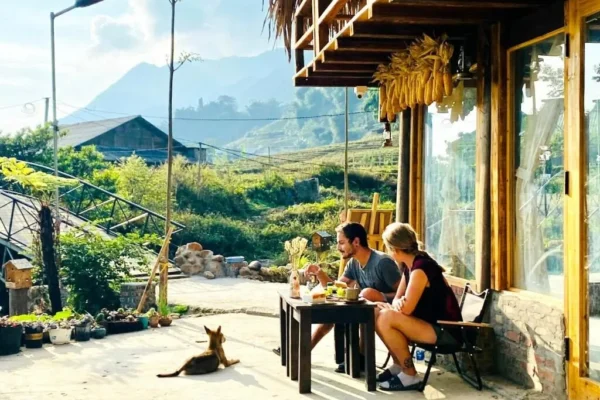
3-Day Sapa Itinerary: Fansipan, Rice Terraces & Mountain Villages
3-Day Sa Pa Mountain Escape from Hanoi Escape the busy streets of Hanoi and head north into the mountains for...

Yen Bai: Mu Cang Chai Tour 2 Days 1 Night
We are SAIGON ADVENTURE - TOP#1 FOOD TOUR & DAY TOUR ON TRIPADVISOR with over 10.700 Excellent Reivews. Please check our review HERE Please contact...
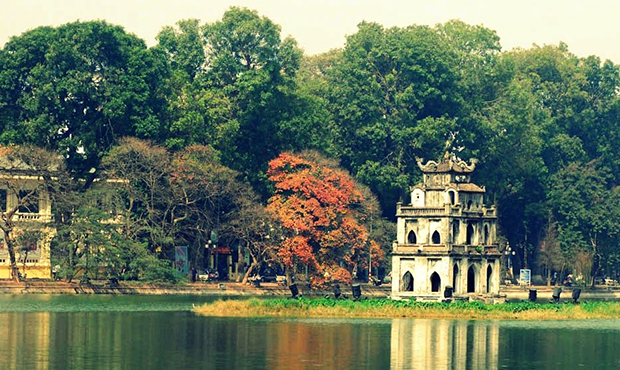
Hanoi City Tour Full Day
Welcome to the best Hanoi City Tour Full Day by Saigon Adventure - Top #1 Food Tour on Trip Advisor...

Ha Noi Full Day City Tour – Group Tour By Bus
Ha Noi Full Day City Tour is the perfect choice to explore the thousand-year-old capital of Vietnam. As the center...