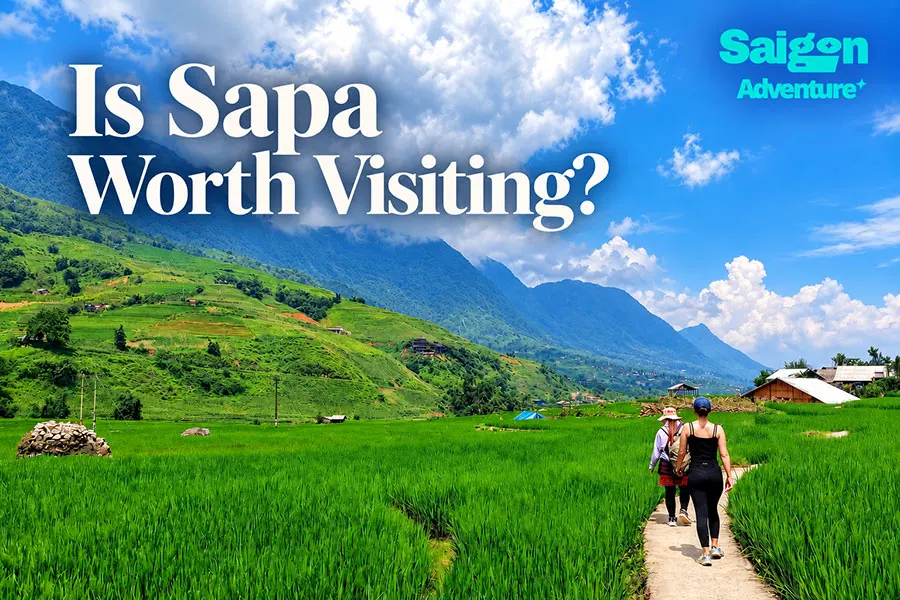
Is Sapa worth visiting? Yes, if you enjoy mountain scenery, countryside walks and a slower pace of travel. However, it deserves more thought than simply adding another famous destination to your Vietnam itinerary. The journey takes time, the weather can obscure the views, and your choice of accommodation can shape the entire experience.
The strongest reasons to visit are the landscapes and the opportunity to spend time exploring beyond the town center. Terraced hillsides, village walks and a quiet morning overlooking the valley can make the journey worthwhile.
But Sapa will not suit every traveler. This guide explains what makes it appealing, what might disappoint you and how to plan a first visit that matches your expectations.

Is Sapa Worth Visiting? The Quick Answer
Sapa is a good choice if you want to dedicate part of your holiday to northern Vietnam’s mountain countryside. Our recommendation is to allow two or three days and prioritize one meaningful countryside experience.
It is less suitable if you dislike long transfers, have very little time or would only enjoy the trip with clear skies and uninterrupted mountain views.
| Your travel style | Is Sapa worth considering? | Best approach |
|---|---|---|
| You enjoy walking and mountain scenery | Yes | Choose a countryside route suited to your fitness |
| You want a relaxed break from Hanoi | Yes | Prioritize a scenic stay and an unhurried schedule |
| You are interested in local culture | Yes | Spend time with a knowledgeable local guide |
| You prefer sightseeing without long hikes | Possibly | Arrange shorter walks and convenient transfers |
| You want guaranteed panoramic views | Consider carefully | Allow flexibility for changing weather |
| You have only a few days in northern Vietnam | Depends on your priorities | Weigh the travel time against other destinations |
A useful question is whether you would still enjoy Sapa if mist interrupted your sightseeing. If a countryside stay, good company and a slower rhythm would still appeal, you are more likely to appreciate the trip.

What Makes Sapa Worth Visiting?
Rice terraces and mountain landscapes
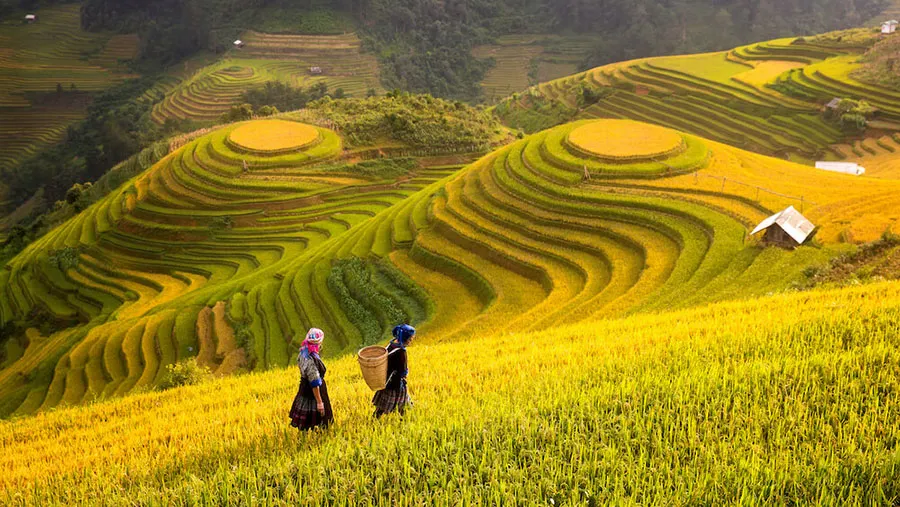
Sapa’s countryside is a major reason to make the journey. Terraces follow the slopes, paths wind through the landscape, and the changing light can transform the same view throughout the day.
Vietnam’s official tourism website highlights trekking, rice terraces and mountain accommodation among Sapa’s main attractions. These offer a useful starting point for planning a visit focused on the countryside.
Try to leave time to experience the landscape on foot. Even a shorter walk can offer more opportunities to stop and observe than a schedule built entirely around vehicle transfers and viewpoints.
Village visits with time to learn
A village visit becomes more rewarding when you have time to ask questions. A knowledgeable guide can help you understand the places you pass and introduce context that a photograph alone cannot provide.
Before booking, ask which villages the route includes and how the visit is arranged. Look for an experience that allows conversation and a comfortable walking pace.
Remember that you are visiting people’s homes and workplaces. Ask permission before photographing someone, respect private spaces and follow your guide’s advice around farmland.
Walks that suit different interests
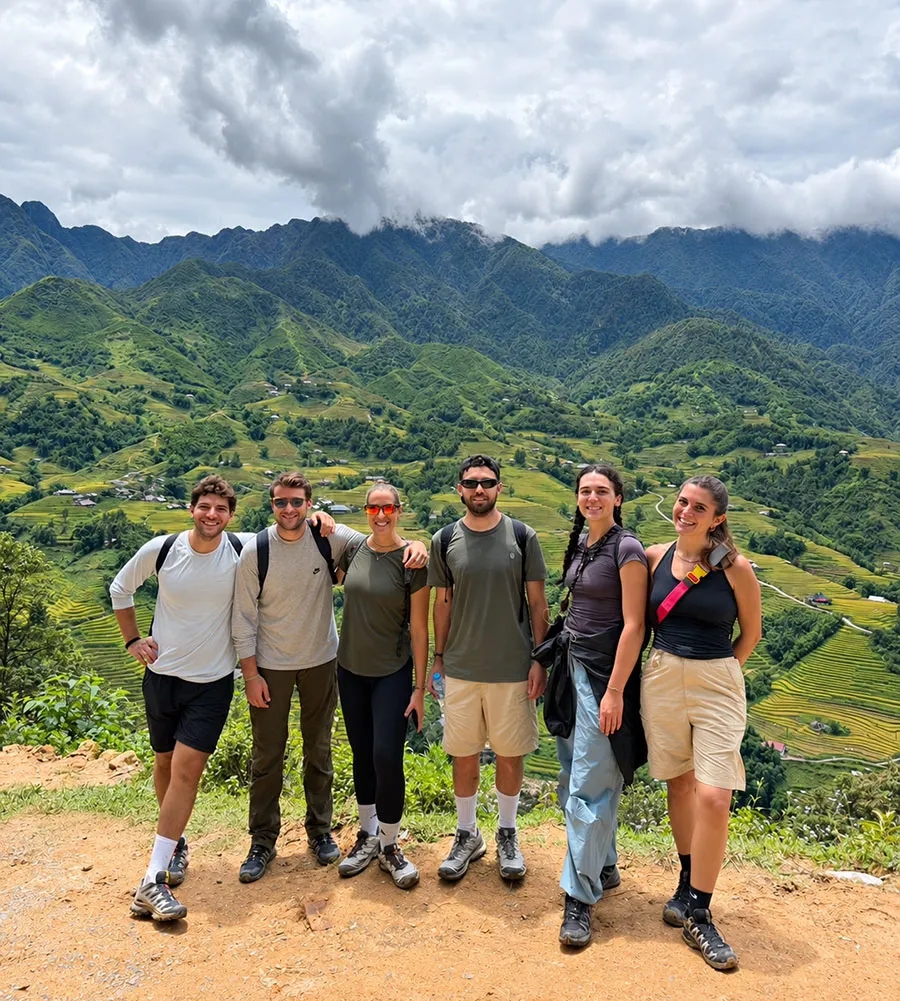
You do not need to complete an ambitious trek to enjoy Sapa. Choosing a manageable route gives you more time to look around, take breaks and appreciate the surroundings.
Ask about walking distance, elevation changes and the surface underfoot. A short route with steep steps may feel harder than a longer walk on gentler terrain.
Be clear about your group’s abilities before booking. The aim should be an enjoyable day outdoors, with enough energy left to appreciate the evening.

A reason to slow down
Sapa can provide a welcome change after a busy city itinerary. Instead of moving between attractions all day, you can organize your stay around a walk, a relaxed meal and time at your accommodation.
Where you stay matters. A central hotel may suit travelers who value convenience, while a countryside property may better match those looking for quiet surroundings.
Check the exact location rather than choosing only by the hotel’s name or photographs. Your imagined mountain escape should match the place you actually book.

What Might Disappoint You About Sapa?
Expecting every part of the trip to feel remote
A destination known for countryside scenery does not mean every hotel or stop will offer a secluded experience. Your route and accommodation determine how much time you spend in quieter surroundings.
If peaceful mornings are a priority, ask about the property’s setting and nearby roads. If you prefer easy access to restaurants and transport, a central location may be more practical.
Neither option is automatically better. Choose according to how you want to spend your days.
Depending entirely on clear views
Mist can create atmosphere, but it can also hide the mountains. Travelers who arrive with one particular photograph in mind may find that frustrating.
Plan a trip with more than one source of enjoyment. A countryside walk, time with a guide and a comfortable stay can still make the visit worthwhile when visibility is limited.
Leave room to adjust your schedule. Avoid making every outdoor activity dependent on one tightly planned morning.
Underestimating the journey from Hanoi
Getting to Sapa takes a substantial part of your itinerary. Vietnam Tourism gives an approximate road journey of five to six hours from Hanoi; travelers arriving by train in Lao Cai need an onward road transfer. Actual travel time varies with the service and conditions.
Compare the full journey, including pickup, stops and arrival time. An early arrival does not necessarily mean you can check into your room immediately.
If you travel overnight, think about how well you usually sleep in transit. Starting a demanding walk after a restless journey may make the first day feel harder than expected.
Trying to do too much
A long village trek, Fansipan and several scenic stops can quickly fill a short visit. Adding more activities may leave less time to enjoy each one.
Choose your main reason for going and plan around it. If countryside walking matters most, protect that time instead of treating it as another stop between excursions.
How Many Days Do You Need in Sapa?
Two days for a focused introduction
Two days can work when you keep the itinerary simple. Choose one main countryside outing and leave some time to rest or explore near your accommodation.
Pay attention to transfer timing. A package described as two days may offer much less than two full days at the destination.
Three days for a more comfortable first visit
We recommend three days for most first-time visitors traveling from Hanoi. This allows more room for the journey, a main walking experience and a shorter activity before departure.
A sensible plan is an easy arrival day, a countryside day and a flexible final morning. The order should depend on your transport arrangements and the conditions during your stay.
For an organized option, explore our 3-day Sapa tour. Review the itinerary and ask about walking requirements, accommodation and transfers to make sure the experience suits your group.
Longer stays for a slower holiday
An extra night can be worthwhile if you enjoy walking or want to spend more time at a countryside property. It also gives you additional flexibility when weather affects your plans.
You do not need to fill every spare hour. A quiet afternoon can be part of the appeal.
When Is the Best Time to Visit Sapa?
The best time depends on whether you prioritize walking conditions, the appearance of the rice terraces or a cool mountain atmosphere.
Vietnam Tourism identifies April–May and September–October as favorable periods to consider. Its climate guide describes summer as wetter and winter as colder and mistier, although individual travel dates can differ from these general patterns.
If rice terraces are your main reason for visiting, ask about conditions in the specific villages you plan to see. Fields change through planting, growth and harvesting, and promotional photographs may show a different season.
For walking, check recent conditions close to departure. Pack suitable footwear and layers rather than relying entirely on a seasonal description.
Is Sapa Worth Visiting Without Trekking?
Yes, if the mountain setting and a relaxed stay appeal to you. Shorter walks and scenic excursions can offer a worthwhile experience without a full trekking itinerary.
However, ask what “no trekking” means in practice. Attractions and accommodation may still involve steps, slopes or walking from the vehicle drop-off point.
For families or travelers with limited mobility, request specific information about access. Clear details are more useful than a general promise that an itinerary is easy.
If you decide that a mountain stay does not match your interests, you can explore our Ha Long Bay tours as another option for your northern Vietnam itinerary. Compare the activities and travel arrangements before choosing where to spend your available time.
Should You Visit Fansipan on Your First Trip?
Fansipan is worth considering if you enjoy cable-car journeys and high mountain scenery. It is an optional part of a Sapa visit rather than something every traveler must include.
Keep the excursion flexible when possible. Sun World advises visitors to check current operating information because arrangements can change with weather and operating conditions.
For a short stay, consider what you would give up to include it. You may prefer another countryside walk, or the cable-car experience may be one of your main reasons to visit.
How to Combine Sapa With Other Northern Vietnam Experiences
Give Sapa its own place in your itinerary, with time to return to Hanoi before starting another excursion. Avoid planning a busy sightseeing day immediately after an overnight transfer if you expect to need rest.
For a different experience after your mountain stay, consider the Halong Sonata Cruise with transfer and lunch. Schedule it on a separate day so you have time to settle back into Hanoi before departing again.
The best combination depends on your available days. If adding another destination forces you to shorten every stay, it may be more enjoyable to choose fewer places and explore them properly.
Practical Tips for Your First Sapa Visit
Start by choosing your main priority: walking, photography, local culture or relaxation. Use that decision to select accommodation and activities.
Before booking, ask about the actual walking distance, terrain, included transfers and arrangements if weather affects the planned route. Confirm where your accommodation is located and how you will reach it.
Bring footwear with a reliable grip, a waterproof layer and clothing you can add or remove as conditions change. Keep your day bag comfortable enough to carry for the duration of your walk.
Leave space between activities and explain your preferred pace to the guide. A well-matched route is more valuable than an itinerary with the most stops.
For any onward cruise, compare pickup arrangements, meals and optional charges before paying. The Halong Bay Luxury Alova Cruise is another option to review when planning the next part of your northern Vietnam trip.
So, Is Sapa Worth Visiting?
Sapa is worth visiting when you have the time and interest to enjoy its mountain countryside. Walking, village visits and a slower stay are strong reasons to include it in your first Vietnam trip.
Choose accommodation carefully, allow enough time for the journey and keep expectations about the weather flexible. Those decisions can make more difference than adding another attraction to your schedule.
If Sapa appeals to you, begin with one countryside experience you would love to have. Build a comfortable itinerary around it and give yourself time to enjoy the destination.
Frequently Asked Questions
Is Sapa worth visiting for first-time travelers to Vietnam?
Yes, particularly if you enjoy mountains and countryside walks. Allow enough time for the journey and choose activities that match your interests and fitness.
Is two days enough in Sapa?
Two days can be enough for a focused introduction. Check transfer times carefully and prioritize one main experience rather than filling the visit with multiple excursions.
Can I enjoy Sapa without hiking?
Yes. Scenic accommodation, shorter walks and suitable sightseeing excursions can make a worthwhile trip, but check for stairs and steep access paths before booking.
Is Sapa worth visiting in winter?
It can suit travelers who enjoy a cold, misty mountain atmosphere. Bring warm clothing, check accommodation heating and keep expectations about panoramic views flexible.
Should I stay in Sapa town or the countryside?
Choose a central location if convenience matters most. Consider a countryside property for quieter surroundings, while checking access and transport arrangements.
Do I need a guide in Sapa?
A guide can help you choose an appropriate route and understand the places you visit. The need depends on your planned walk, navigation confidence and interest in local context.
Is Fansipan essential on a first Sapa trip?
No. Include it if the cable-car journey and mountain setting interest you, but leave enough time for the countryside experiences you most want to enjoy.