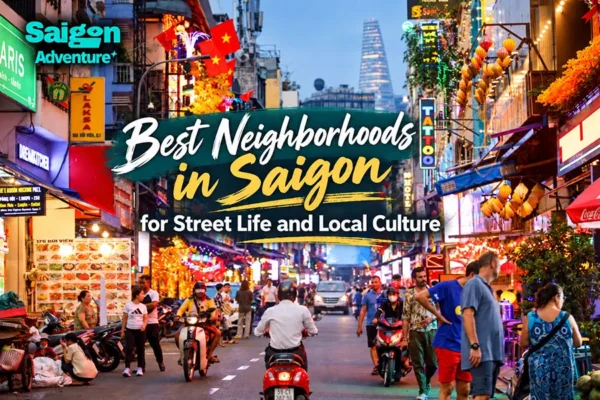
Vietnamese breakfast is one of the easiest ways to understand how differently Hanoi and Ho Chi Minh City approach food. In a Saigon breakfast vs Hanoi breakfast comparison, Hanoi often feels more traditional, restrained and broth-focused, while Saigon tends to be more diverse, generous with toppings and influenced by Southern Vietnamese and multicultural flavors.
Neither city has one single “correct” breakfast. Locals may begin the day with noodles, rice, sticky rice, steamed rice rolls or bánh mì, and many dishes eaten at breakfast are also available later in the day.
For travelers visiting both cities, trying breakfast in each is a simple way to taste the north–south differences without needing an expensive restaurant or a complicated food itinerary.
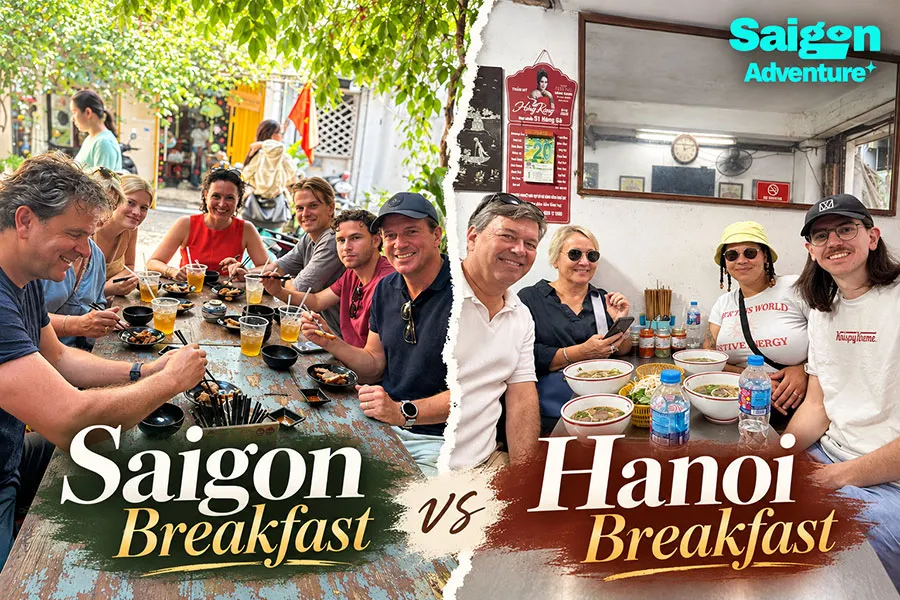
Saigon Breakfast vs Hanoi Breakfast: The Quick Difference
The biggest difference is not that one city eats noodles while the other eats rice. Both cities offer an enormous range of morning dishes.
Instead, the contrast is mainly about flavor, local specialties and eating habits.
| Breakfast feature | Hanoi | Saigon |
|---|---|---|
| General flavor style | Often lighter and more restrained | Often bolder, sweeter and more varied |
| Famous morning dishes | Phở, bánh cuốn, xôi | Cơm tấm, hủ tiếu, bánh mì |
| Common experience | Small specialist shops and street stalls | Street stalls, local eateries and grab-and-go food |
| Toppings and condiments | Often relatively simple | Frequently more herbs, sauces and extras |
| Good for travelers who like | Traditional northern flavors | Variety and stronger contrasts |
Vietnam Tourism describes Hanoi cuisine as tending toward more delicate, traditional flavors, while Ho Chi Minh City reflects recipes and influences brought by people from many parts of Vietnam.
That difference becomes especially noticeable at breakfast.
What Do People Eat for Breakfast in Hanoi?
Hanoi mornings are strongly connected with dishes that have been served in the capital for generations.
Walk through residential streets or the Old Quarter early enough and you may see steam rising from noodle pots, trays of sticky rice being portioned into takeaway boxes and thin sheets of bánh cuốn prepared to order.
Phở Is Still One of Hanoi’s Classic Morning Choices
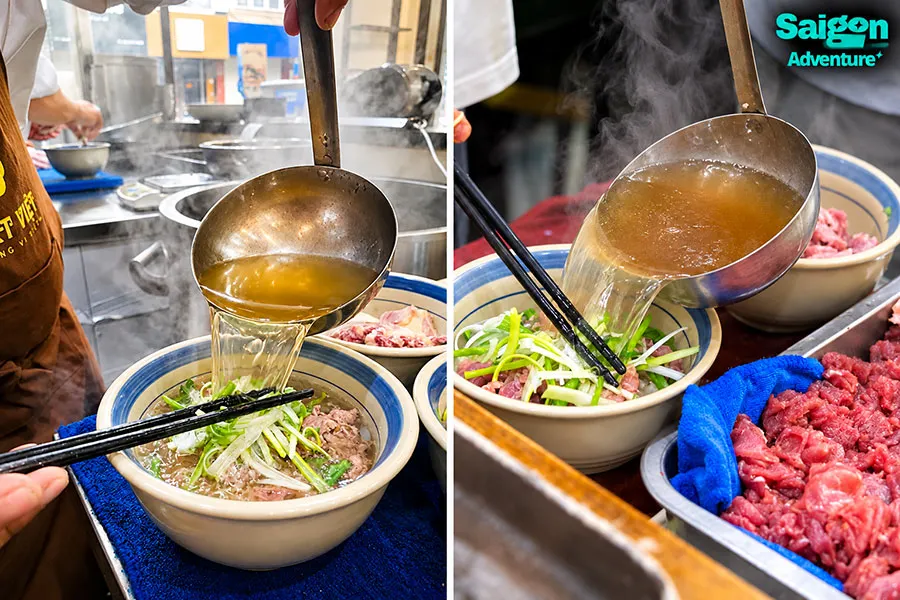
Few breakfasts are more closely associated with Hanoi than a hot bowl of phở.
The northern style is generally appreciated for a clear, aromatic broth and a relatively restrained approach to garnishes. Rather than covering the bowl with many additions, diners can focus on the broth, noodles and meat.
For travelers comparing regional noodle styles, our guide to Hanoi pho vs Saigon pho explains these differences in greater detail.
Local Tip: Taste the broth before adding sauces or chili. A good bowl is designed to have its own balance before you customize it.
Bánh Cuốn Is a Lighter Hanoi Breakfast
Bánh cuốn is another traditional breakfast strongly associated with Hanoi. Vietnam Tourism describes it as thin steamed rice sheets commonly filled with minced pork and mushrooms, then served with herbs, fried shallots and dipping sauce.
It is a useful option when you want something warm and savory without starting the day with a heavy meal.
Watching the sheets being steamed and rolled can also make breakfast feel like part of the travel experience rather than simply a meal.

Xôi Works Well When You Need Something Fast
Sticky rice, or xôi, is one of Vietnam’s most practical breakfasts.
Versions differ from vendor to vendor, but savory xôi may be served with ingredients such as mung bean, shredded meat, sausage, fried shallots or other toppings.
It is particularly convenient when you have an early sightseeing schedule because it is easy to buy and carry.
What Do People Eat for Breakfast in Saigon?
Breakfast in Ho Chi Minh City reflects the city itself: fast-moving, diverse and shaped by people who have arrived from many regions.
That makes the morning food scene unusually flexible. You can find Southern Vietnamese classics beside dishes with Chinese, Cambodian, Central Vietnamese or broader regional influences.
Cơm Tấm Is One of Saigon’s Most Iconic Breakfasts
Rice for breakfast can surprise first-time international visitors, but in Saigon it makes perfect sense.
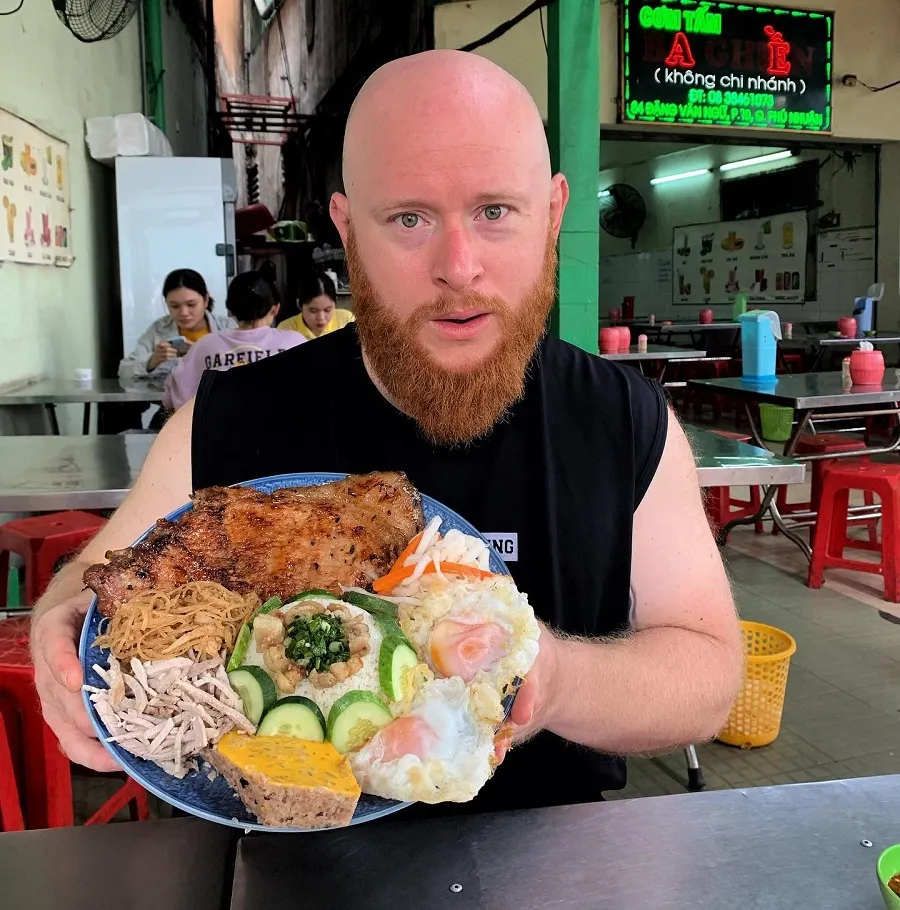
Vietnam Tourism identifies cơm tấm, or broken rice, as a classic local breakfast. A typical plate may include grilled pork, pickles, scallion oil and an egg, usually accompanied by fish sauce.
The result is more substantial than many Western breakfasts.
If your day includes the Cu Chi Tunnels, a Mekong Delta excursion or several hours of walking around the city, cơm tấm can be an excellent start.
You can explore the dish further in our guide to the best cơm tấm in Ho Chi Minh City.
Hủ Tiếu Shows Saigon’s Multicultural Food Identity
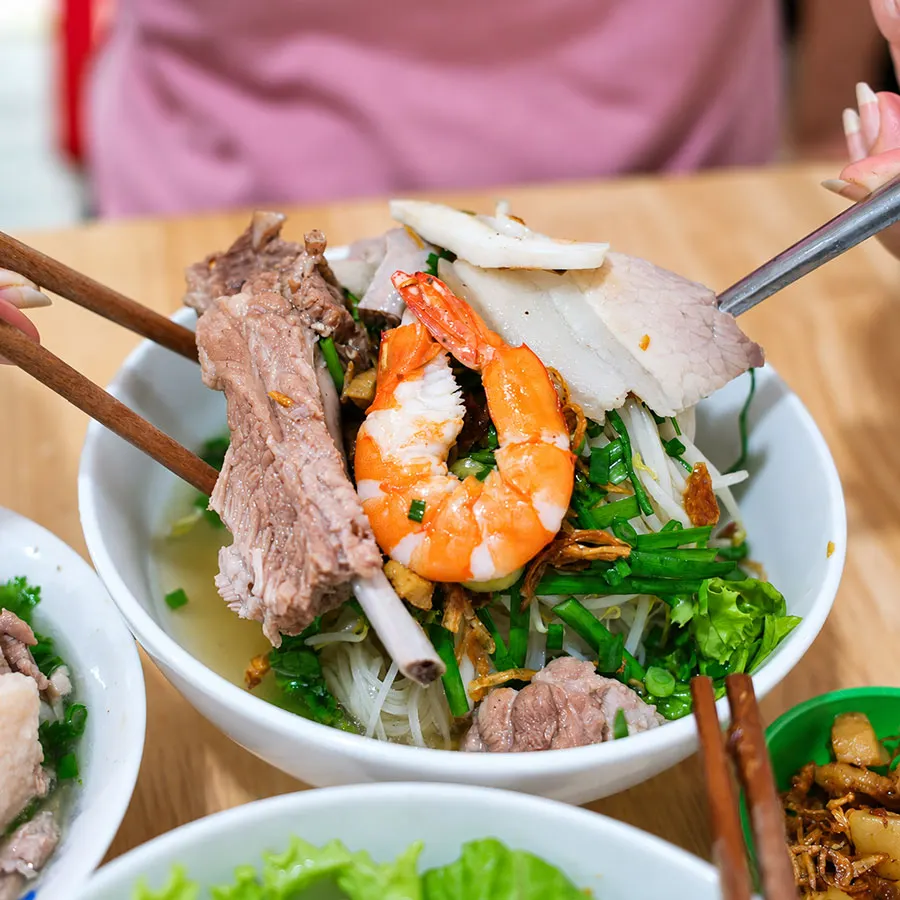
Hủ tiếu is another strong candidate for a classic Saigon morning meal.
The dish has developed through Chinese, Cambodian and Vietnamese influences, with numerous local variations now found around the city. Vietnam Tourism specifically highlights versions such as hủ tiếu Nam Vang and hủ tiếu Sa Đéc.
Depending on the stall, it may be served with broth or prepared dry with sauce.
For travelers who already ate phở several times, hủ tiếu provides a useful reminder that Vietnamese noodle breakfasts extend far beyond one famous dish.
Bánh Mì Fits Saigon’s Fast Morning Rhythm
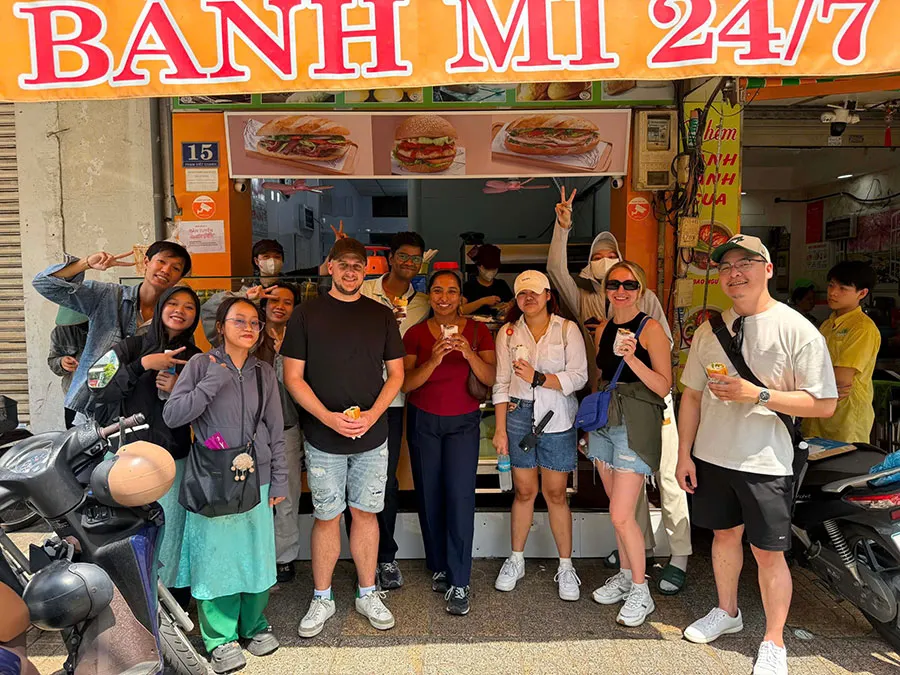
Bánh mì is available across Vietnam, but it fits Saigon mornings particularly well.
It is portable, inexpensive and easy to eat before a tour or while moving between attractions. Common fillings vary enormously, from pork and pâté to meatballs, chicken or roasted meats.
If you want to compare some established local options, see our guide to the best bánh mì in Ho Chi Minh City.
How Do Hanoi and Saigon Breakfast Flavors Differ?
Travelers often describe Hanoi food as subtler and Saigon food as sweeter, but that shorthand only tells part of the story.
The better way to understand the difference is to notice how each city builds flavor.
Hanoi Often Lets Fewer Ingredients Do More
Traditional Hanoi dishes frequently place emphasis on broth quality, fragrance and careful balance.
Fresh herbs and condiments are still important, but many dishes do not require a long list of toppings to feel complete.
That can make a Hanoi breakfast seem deceptively simple.
Saigon Often Offers More Customization
Southern food culture commonly gives diners more ways to adjust a dish.
A table might include herbs, chili, sauces, pickled vegetables or other accompaniments, depending on what you order.
This does not mean every Saigon breakfast is heavily seasoned. It means diners often have greater freedom to build the final flavor themselves.
Which City Has the Better Breakfast?
There is no objective winner.
Choose Hanoi breakfast if you enjoy traditional recipes, warm noodle soups, subtle seasoning and the atmosphere of eating early in an old neighborhood.
Choose Saigon breakfast if you like variety, grilled flavors, rice dishes, flexible toppings and the energy of a large Southern city.
For food-focused travelers, the best answer is to avoid choosing at all.
Eat breakfast in both.
What Time Should Travelers Eat Breakfast in Vietnam?
For the most local experience, aim for roughly 6:30 AM to 8:30 AM.
Many Vietnamese people start their day early, so popular breakfast stalls may already be busy when international travelers are only beginning to leave their hotels.
Some specialty vendors sell mainly in the morning and may reduce their selection once the breakfast rush has passed.
Going early also makes walking more comfortable, particularly in Ho Chi Minh City, where temperatures remain warm for much of the year.
How Much Does Breakfast Cost in Hanoi and Saigon?
Street breakfast is usually one of the more affordable parts of traveling in Vietnam, but prices vary greatly depending on location, portion size, ingredients and whether you eat at a simple stall or a tourist-oriented restaurant.
Instead of judging a place only by price, check what local customers are ordering and whether the food is being prepared continuously.
Busy stalls often have faster ingredient turnover, which can be useful when choosing unfamiliar street food.
Local Tip: Keep small Vietnamese đồng notes available. Smaller breakfast stalls may be easier to pay at with cash than with a large banknote.
Where Should First-Time Visitors Eat Breakfast?
You do not need to travel across an entire city looking for one famous shop.
In Hanoi, start around residential streets near the Old Quarter or the neighborhood where you are staying. The Old Quarter is particularly well known for street food and traditional dishes.
In Saigon, breakfast stalls appear throughout central and residential districts. Some of the most memorable meals are found several streets away from the main tourist attractions rather than directly beside them.
Travelers who want more local context can also explore where locals eat in Ho Chi Minh City or join a Saigon street food experience to understand how dishes fit into everyday life.
How to Order Breakfast Like a Local
You do not need fluent Vietnamese to eat well.
Look at what other diners are eating, point politely if needed and confirm the quantity before the food is prepared.
Useful habits include:
- Check whether a dish contains ingredients you avoid.
- Ask about chili before adding sauce.
- Taste noodle broth before seasoning it.
- Carry small cash.
- Avoid ordering too much at your first stop if you plan to try several dishes.
- Choose busy vendors with steady customer turnover.
Travelers with dietary restrictions should be especially specific because broths, sauces and toppings may contain ingredients that are not visually obvious.
Is a Vietnamese Breakfast Worth Trying for First-Time Visitors?
Absolutely.
Breakfast gives travelers a view of Vietnamese food before restaurants shift into lunch service and before many sightseeing areas become crowded.
It also reveals something important about everyday Vietnamese eating: breakfast does not need to mean cereal, pastries or eggs.
A bowl of noodles, grilled pork with rice or freshly steamed rice rolls can be just as normal at 7 AM.
If food is one of the reasons you came to Vietnam, skipping local breakfast means missing one of the most interesting meals of the day.
Try Hanoi for its classic northern morning flavors, Saigon for its remarkable variety, and allow at least one morning in each city when you have no need to rush.
A simple breakfast stool beside a busy street may end up telling you more about Vietnam than another hotel buffet ever could.
Frequently Asked Questions
What is a typical breakfast in Hanoi?
Popular Hanoi breakfasts include phở, bánh cuốn and xôi. Different neighborhoods have their own specialties, but warm noodle dishes and freshly prepared rice-based foods are particularly common.
What is a typical breakfast in Saigon?
Cơm tấm, hủ tiếu and bánh mì are excellent examples of Saigon breakfast foods. The city also offers dishes from many other Vietnamese regions because its food culture has long absorbed influences from communities across the country.
Is breakfast different in Hanoi and Ho Chi Minh City?
Yes. Hanoi breakfast often emphasizes traditional northern dishes and more restrained flavors, while Saigon breakfast tends to offer greater diversity, stronger Southern influences and more customization.
Is phở usually eaten for breakfast in Vietnam?
Phở is commonly eaten in the morning, especially in Hanoi, but it is not restricted to breakfast. Depending on the restaurant and city, travelers can often find phở throughout the day.
What time do Vietnamese people eat breakfast?
Many breakfast vendors are active from early morning, and roughly 6:30–8:30 AM is a good window for travelers who want to experience the local breakfast rush.
Which is better for food, Hanoi or Saigon?
Both are excellent but different. Hanoi is especially rewarding for travelers interested in traditional northern dishes, while Saigon offers exceptional variety and a food culture shaped by Southern Vietnam and migration from other regions.
Can vegetarians find Vietnamese breakfast options?
Yes, but travelers should confirm ingredients carefully. Broths, sauces and toppings can contain meat or fish-based ingredients even when the visible ingredients appear vegetarian.