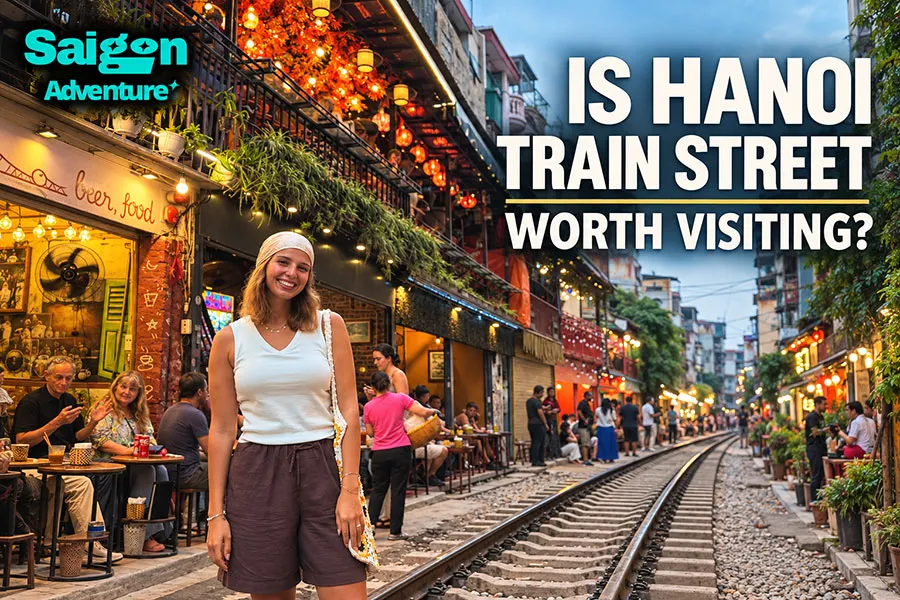
A train horn sounds, café owners pull tiny stools against the wall, and conversations stop as a locomotive rolls through a corridor barely wider than the carriages. It is dramatic, noisy and unlike almost anything else visitors experience in Hanoi.
So, is Hanoi Train Street worth visiting? Yes—if you approach it as a short cultural experience rather than a staged attraction and follow every safety instruction. The railway offers memorable photographs and a fascinating look at urban life, but restricted access, crowds and unpredictable train times mean it will not suit everyone.
What Is Hanoi Train Street?
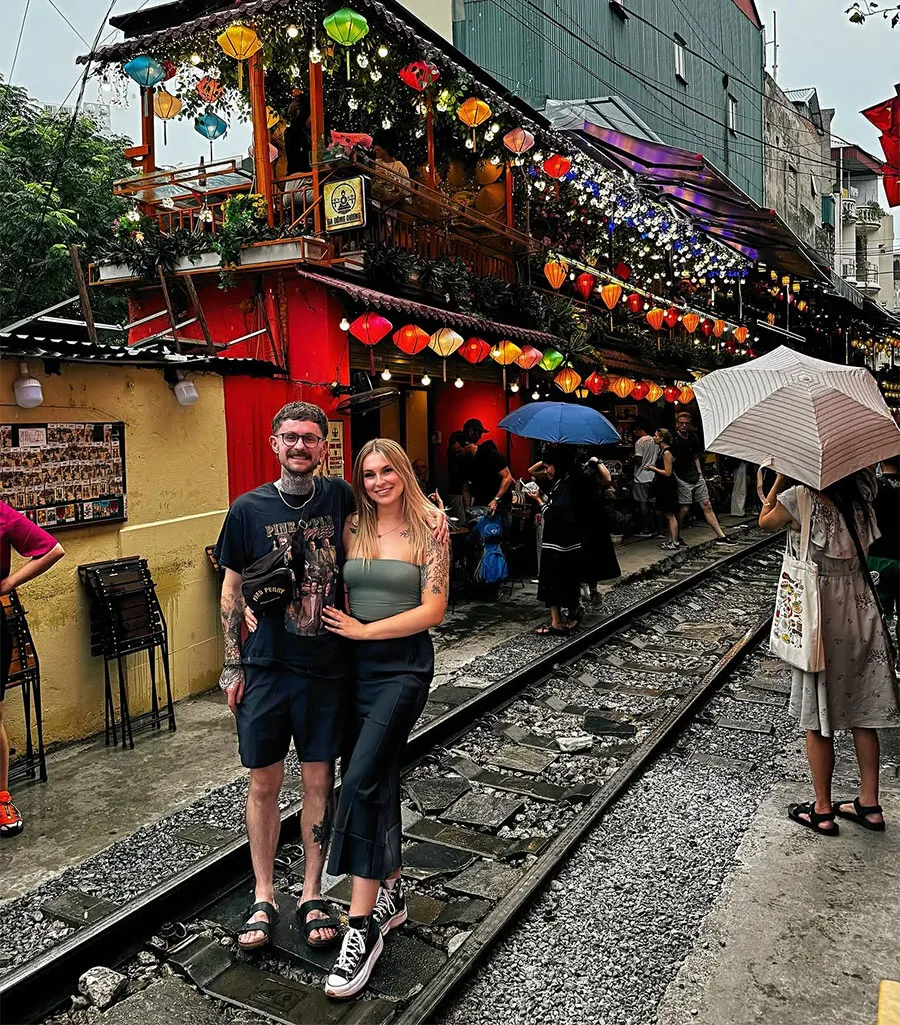
Hanoi Train Street is an active railway running through narrow residential areas where homes and small cafés stand remarkably close to the tracks. When no train is passing, residents move between houses, prepare drinks and continue their daily routines beside the railway.
The line dates from the French colonial period and remains part of Vietnam’s functioning rail network. Its unusual relationship with the surrounding neighborhood gradually attracted photographers, travel bloggers and international visitors.
Train Street is often described as one attraction, but tourists generally encounter two different sections:
- The northern section around Trần Phú, Phùng Hưng and the Hanoi Old Quarter
- The southern section near Lê Duẩn and Hanoi Railway Station
The atmosphere and access conditions can differ between the two. Restrictions may also change without notice, so do not assume that an entrance shown in an old video remains open.
Quick Answer: Is Hanoi Train Street Worth Visiting?
Hanoi Train Street is worth visiting for first-time travelers who enjoy photography, unusual city scenes and observing how everyday life adapts around an active railway. Allow approximately 45–90 minutes, buy a drink from a legitimate café and follow all local instructions. Skip it if access appears unsafe, overcrowded or officially restricted.
Its strongest appeal is the contrast. One moment, visitors are drinking Vietnamese coffee beside potted plants and modest homes; the next, the entire street transforms as a train approaches.
However, this is not an amusement ride or a controlled movie set. It is working railway infrastructure, and that reality should shape how you behave.

What the Experience Is Really Like
Before the train arrives, the street can feel surprisingly relaxed. Travelers sit on low stools, order coffee or beer and photograph the tracks framed by colorful façades, hanging plants and strings of lights.
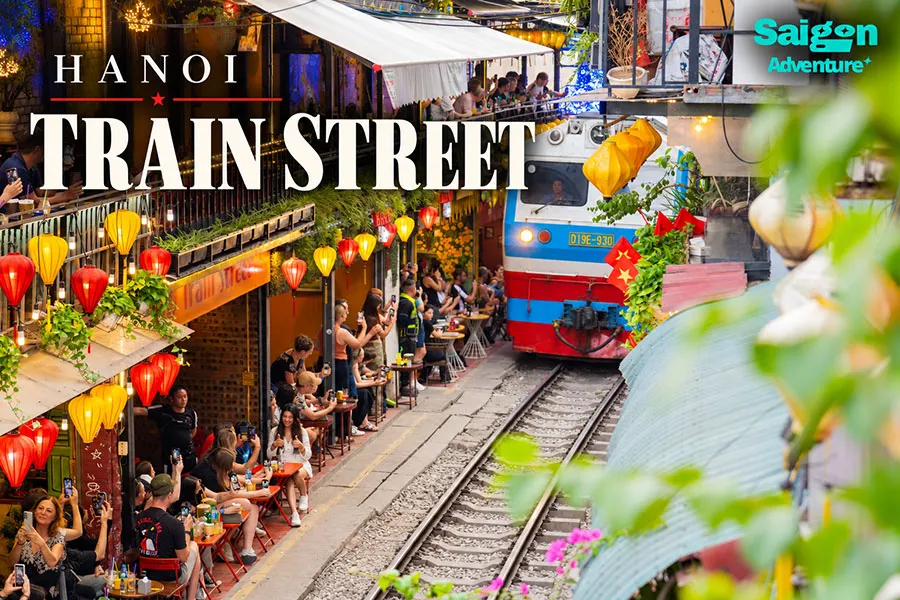
As the expected time approaches, café staff remove tables, check the railway and ask customers to move into designated positions. The distant horn and vibration through the tracks create a sense of anticipation that photographs cannot fully reproduce.
The train then passes extremely close to the buildings. The moment is loud and intense, but it is also brief—often lasting less than a minute.
Afterward, tables return almost immediately, people step outside again and the neighborhood resumes its rhythm. This rapid transition is arguably more interesting than the train itself.
Travelers who want to understand more of the capital beyond its headline attractions may also enjoy this Hanoi local neighborhoods guide.
Reasons to Visit Hanoi Train Street
It offers a genuinely unusual urban scene
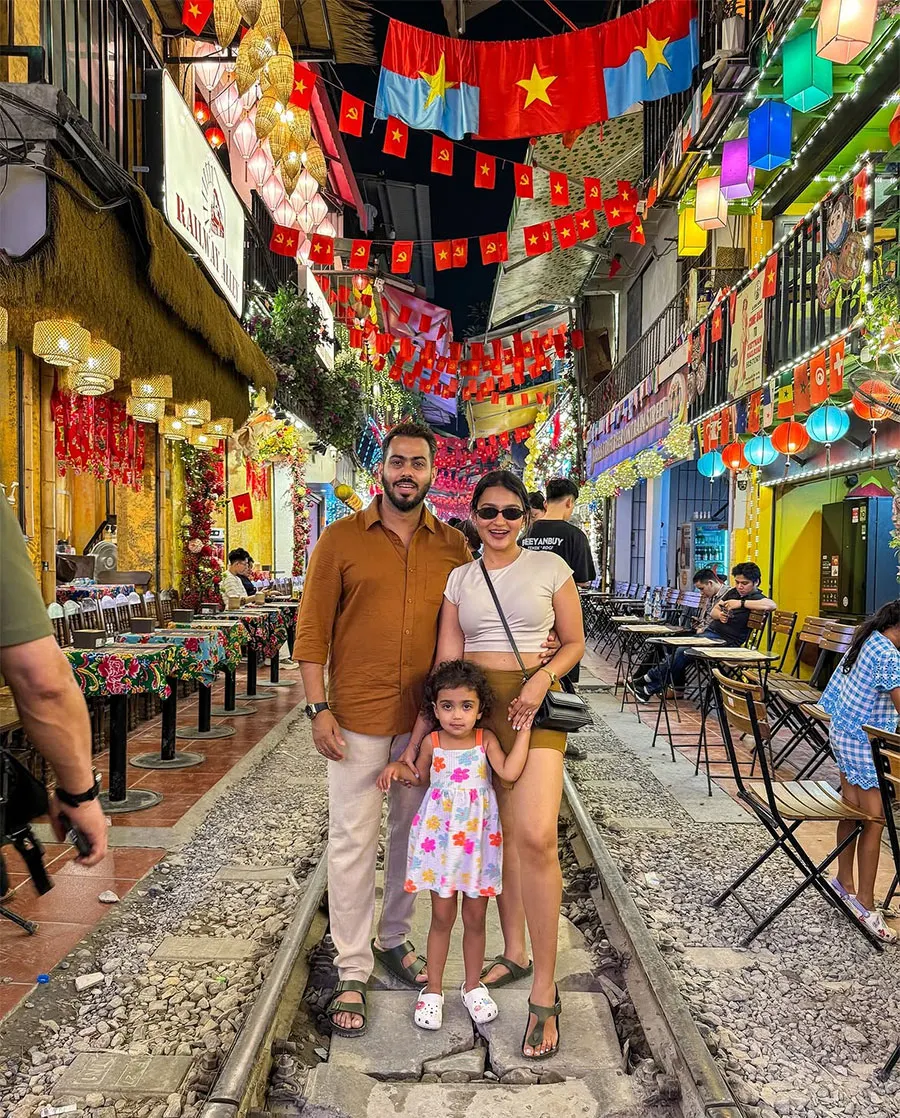
Many cities have historic railways, but few have active trains moving through such a narrow residential corridor. The compressed setting makes the experience visually powerful and easy to remember.
Train Street also reveals how Hanoi has evolved around older infrastructure. Look beyond the camera lenses and you will notice family homes, improvised balconies, household objects and spaces adapted to the passing railway.
It is convenient for a short Hanoi itinerary
The best-known northern section is close to the Old Quarter and several central attractions. It can therefore be combined with a walk through historic streets, a coffee stop or a wider first-time Hanoi itinerary.
You do not need to dedicate half a day to the railway. For most visitors, an hour is enough if a train is expected and access is permitted.
The anticipation is part of the experience
Waiting beside the line creates a shared sense of excitement among visitors. The sound grows gradually, staff begin clearing the area, and the previously relaxed café suddenly becomes highly organized.
That sequence makes the visit more memorable than simply photographing an empty railway.
Reasons You May Want to Skip It
Access is inconsistent
Authorities have repeatedly restricted access because of railway-safety concerns, and police or barriers may prevent visitors from entering certain sections. Organized tours have also faced restrictions, so online descriptions of “secret entrances” should not be treated as official permission.
Do not argue with guards, cross a barrier or follow someone through a prohibited entrance. If an area is closed, accept the decision and continue with another Hanoi experience.
Train times are not guaranteed
Schedules posted by cafés and travel websites can become outdated. Delays, operational changes and enforcement measures may affect whether a train passes during your visit.
Avoid building an entire day around one online timetable. Confirm the expected time locally on the same day and maintain a flexible backup plan.
It can feel commercial and crowded
The most photographed sections no longer feel like undiscovered local corners. At busy times, cafés compete for customers while visitors crowd the same limited viewpoints.
Travelers seeking quiet neighborhood life may find the experience overly focused on social media. A morning market, residential walk or guided Hanoi street food experience may offer more natural interaction.
Who Will Enjoy Hanoi Train Street Most?
Train Street is particularly suitable for:
- First-time visitors with a limited Hanoi itinerary
- Travel and street photographers
- Couples and solo travelers seeking a distinctive experience
- Visitors interested in railways or unusual urban spaces
- Travelers already exploring the Old Quarter
Families should supervise children continuously because there is little room beside the railway. Travelers with limited mobility may also find the uneven surfaces, narrow passageways and small café seating uncomfortable.
Anyone who dislikes crowds, loud noise or confined spaces may prefer to view the railway environment from a safer public location.
Where Is the Best Part of Hanoi Train Street?
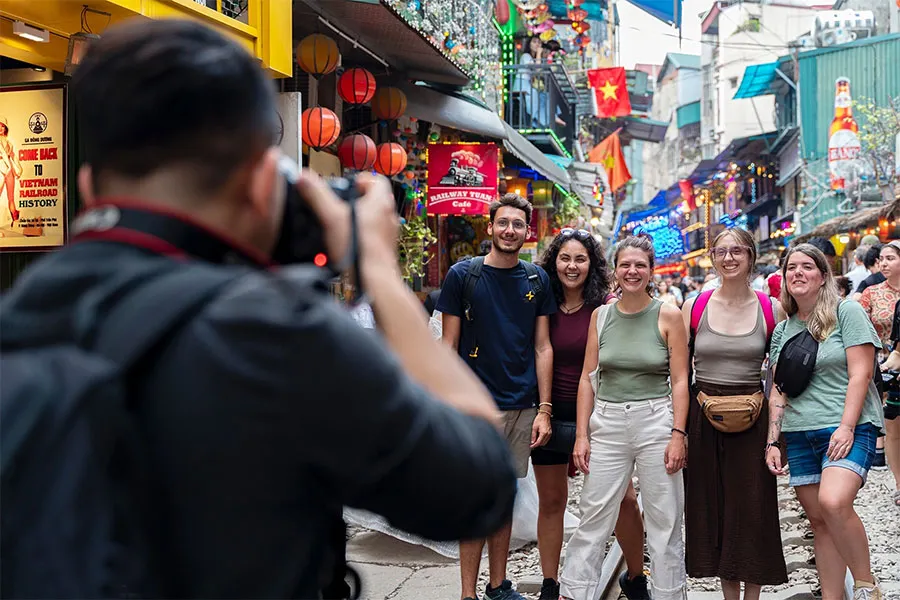
The northern stretch near Trần Phú and Phùng Hưng is commonly included in Old Quarter sightseeing. It offers the classic image of cafés packed closely along the railway, although entrances may be monitored or closed.
The southern area around Lê Duẩn, near Hanoi Railway Station, has its own trackside neighborhood and is sometimes described as less theatrical. Conditions can still change, and an apparently quieter section is not automatically safer or officially accessible.
Use a map to identify the general area, but follow signs, barriers and instructions once you arrive. Avoid accepting unsolicited motorbike rides from strangers claiming that every other entrance is closed.
Local Tip: Ask your hotel or a reputable local host about current conditions before leaving. Same-day local information is more reliable than screenshots of a timetable uploaded months earlier.
Best Time to Visit Hanoi Train Street
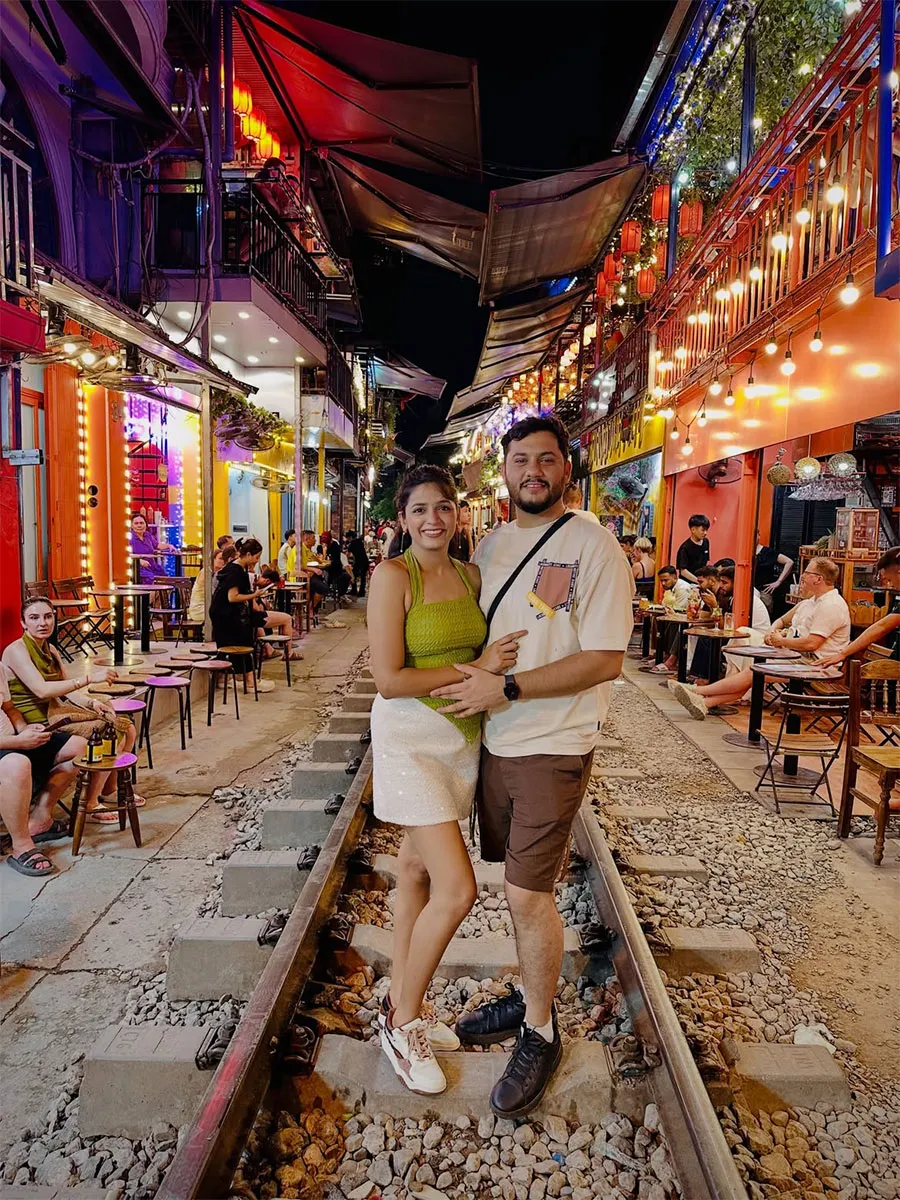
Late afternoon offers comfortable light for photography and can fit naturally between daytime sightseeing and dinner. Evening creates a lively atmosphere when café lights illuminate the narrow corridor, although it may also bring larger crowds.
Weekday visits can feel calmer than weekends, but train frequency and access are never guaranteed. Arrive approximately 30–45 minutes before the locally confirmed passing time so you can find an appropriate seat without rushing.
During Hanoi’s hot season, early morning or late afternoon is more comfortable. In wet weather, surfaces may become slippery, while umbrellas make movement difficult in the confined space.
For seasonal planning, consult this guide to the best time to visit Hanoi.
How Much Does Hanoi Train Street Cost?
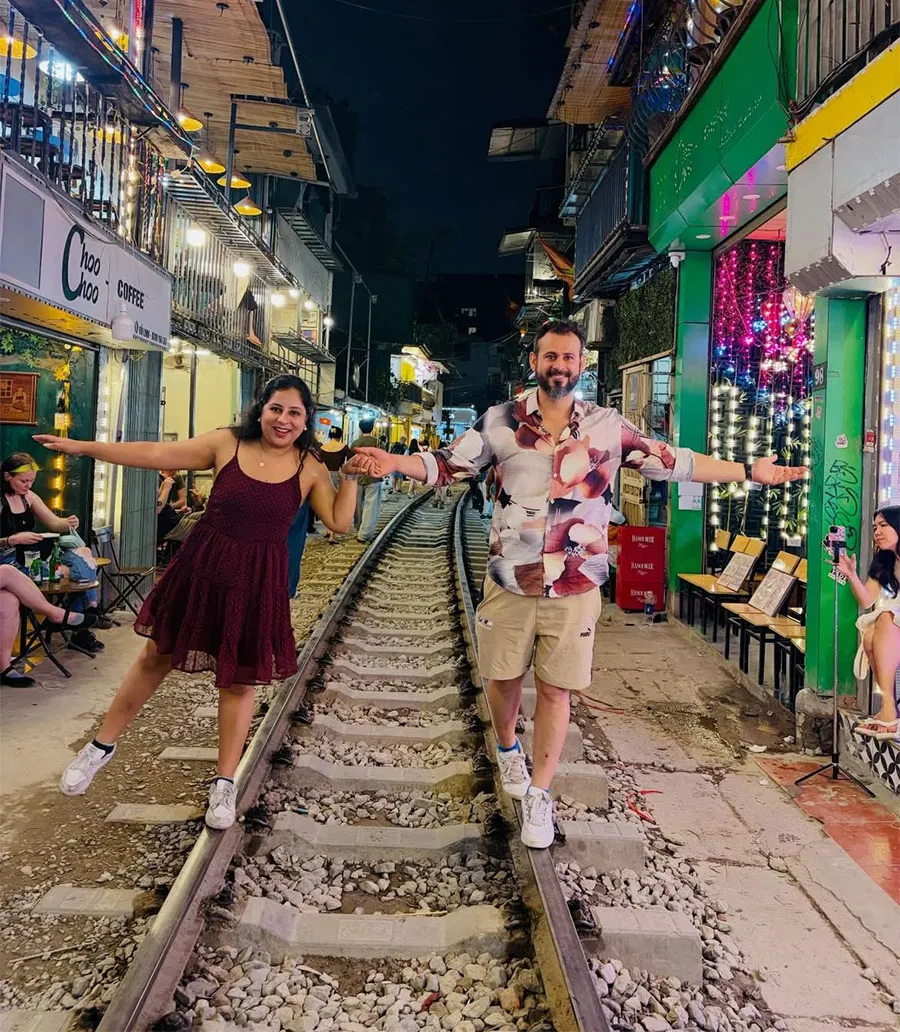
There is generally no standard admission ticket for Train Street. Visitors commonly watch from a trackside café and are expected to order at least one drink.
Coffee, tea, soft drinks and beer are the typical choices. Prices may be higher than at ordinary neighborhood cafés because customers are also paying for the location and the staff’s management of a restricted viewing space.
Check the menu before ordering and carry some Vietnamese đồng. Never pay someone merely to bypass an official barrier, and be cautious if a stranger demands an unexplained entrance fee.
How to Visit Hanoi Train Street Responsibly
Confirm access and train information locally
Ask your accommodation, café or trusted guide whether access is currently allowed. Train schedules can change, so confirm again shortly before your planned visit.
A café’s estimated time should still be treated as guidance rather than a guarantee. Leave enough flexibility to enjoy the neighborhood even if the train is delayed.
Choose a safe viewing position
Sit only where staff direct you and move immediately when requested. Keep bags, camera straps, tripods and loose clothing away from the railway clearance area.
Never stand on the tracks when a train is approaching, lean toward a carriage, reach out for a photograph or attempt to touch the train. Dangerous posing has contributed to the authorities’ repeated safety crackdowns.
Respect the neighborhood
People live beside the railway, so avoid blocking doorways, photographing residents at close range without permission or treating their homes as a theme park.
Purchase a drink if you use a café’s seating and assistance. Supporting a responsible local business is more respectful than entering only for a photograph and leaving immediately.
Have a backup activity nearby
If access is closed or no train is expected, continue exploring rather than trying to force the experience. The Old Quarter offers street food, cafés, architecture and markets within a relatively compact area.
A Hanoi walking guide for first-time visitors can help turn an unsuccessful Train Street visit into a rewarding afternoon.
Hanoi Train Street Pros and Cons
| Pros | Cons |
|---|---|
| Unique active-railway setting | Access may be restricted |
| Dramatic photographs and video | Train times can change |
| Convenient location near central Hanoi | Often crowded and commercial |
| Requires relatively little time | Unsafe when visitors ignore instructions |
| Easy to combine with coffee or sightseeing | Not ideal for small children or limited mobility |
The experience is worthwhile when conditions are controlled and visitors behave responsibly. It becomes disappointing—and potentially dangerous—when seeing the train is treated as more important than following the rules.
Is Hanoi Train Street Worth Visiting? The Honest Answer
Yes, Hanoi Train Street is worth visiting once, especially if it is your first trip to the capital and you want to see one of its most unusual urban landscapes. The combination of railway history, neighborhood life and the sudden arrival of a full-sized train creates a genuinely memorable moment.
Still, keep the experience in perspective. Spend no more than an hour or two, never rely on an unverified schedule and walk away if authorities restrict access or the setting feels unsafe.
Train Street can be an engaging addition to Hanoi—not the reason for visiting the city. Pair it with local food, historic streets and everyday neighborhoods, and you will leave with a much richer impression of the capital than a railway photograph alone can provide.
Frequently Asked Questions
Is Hanoi Train Street open to tourists?
Access varies by section and may change without notice. Barriers, police checks or temporary closures can prevent entry, particularly when authorities identify safety risks. Ask your accommodation or a reputable café for same-day information and always obey official instructions.
Is Hanoi Train Street safe?
It can be experienced more safely only when visitors remain in designated positions and follow staff or railway instructions. It is still an active railway, so standing on the tracks near an approaching train, touching a carriage or crossing barriers is extremely dangerous.
What time does the train pass Hanoi Train Street?
There is no online timetable that tourists should consider permanently reliable. Services, delays and local restrictions can change. Confirm the expected passing time on the day of your visit with a reputable local source and arrive 30–45 minutes early.
Do you need to pay to visit Hanoi Train Street?
There is usually no universal admission ticket. Visitors commonly enter a permitted café area and purchase a drink while waiting. Confirm menu prices first and do not pay anyone offering unauthorized access through a closed entrance.
How long should you spend at Hanoi Train Street?
Allow approximately 45–90 minutes if a train time has been confirmed. This provides enough time to order a drink, observe the neighborhood and find a safe seat without dedicating too much of your Hanoi itinerary to a potentially delayed service.
Can children visit Hanoi Train Street?
Families may visit only where access is permitted and safe seating is available. Children must remain beside an adult at all times, and parents should leave immediately if the area becomes crowded or instructions cannot be followed comfortably.
Is Hanoi Train Street better during the day or at night?
Late afternoon is best for natural light and surrounding sightseeing. Evening offers illuminated cafés and a livelier mood but can be more crowded. Choose the time based on confirmed railway activity rather than atmosphere alone.