Street food is one of the most memorable parts of traveling in Vietnam. A steaming bowl of noodles, pork sizzling over charcoal or a crispy bánh xèo served beside a busy alley can reveal more about local life than many formal restaurants.
The city’s best Vietnamese desserts also include colorful chè, bánh flan, pandan cakes, and coconut ice cream.
However, travelers often wonder how to choose safe street food vendors when hygiene standards are difficult to judge at a glance. A crowded stall may look promising, but popularity alone does not guarantee careful food handling.
Local food guides assess much more than taste. They observe ingredient freshness, cooking temperatures, customer turnover, utensil cleanliness and the way vendors manage food during busy periods.
Here is how experienced guides identify clean, reliable and well-managed street food stalls—and how you can use the same clues while traveling.
Clean Street Food Does Not Require a Modern Kitchen
A small cart with plastic stools can serve excellent, carefully prepared food. A polished restaurant can also make mistakes behind the scenes.
Local guides judge vendors by their working habits rather than their décor. They look for organized ingredients, clean utensils, sensible food storage and a preparation area that remains controlled during busy service.
The aim is not to find a perfectly spotless kitchen. It is to choose a vendor that follows consistent hygiene practices within the realities of street dining.

Guides Visit Vendors Before Bringing Guests
Professional food guides rarely choose a new stop after one quick meal. They first visit as regular customers, order the stall’s signature dishes and observe the complete preparation process.
A second visit may take place during the busiest part of the evening. This reveals whether the vendor maintains the same standards when several customers are waiting and the cooking area becomes crowded.
Guides may also return on another day to check consistency. A vendor suitable for international visitors should provide fresh ingredients, reliable portions and properly cooked food across repeated visits—not only when business is quiet.
Customer Turnover Is an Important Clue
Local guides prefer stalls with steady customer turnover. When dishes sell continuously, ingredients are less likely to remain exposed or sit at warm temperatures for long periods.
Neighborhood regulars are especially encouraging. Nearby residents, office workers and families often know which vendors consistently provide good food and fair value.
Still, a long queue is only one signal. A stall may be popular because it is cheap, convenient or famous online, so guides continue observing its hygiene and cooking practices before recommending it.
Local Tip
Visit a stall when its specialty is normally served. A breakfast bánh mì cart is best assessed early in the morning, while a grilled seafood vendor may have its freshest selection during the evening rush.
Fresh Ingredients Should Look and Smell Fresh
Experienced guides pay close attention to color, texture and smell. Herbs should appear crisp, vegetables should not look tired and seafood should not produce an overpowering unpleasant odor.
Meat and other perishable ingredients should be stored in covered containers, chilled when necessary and prepared in quantities that match customer demand. Large piles of uncovered food sitting beside a hot road are a warning sign.
Guides also watch how frequently ingredients are replenished. Smaller batches brought out throughout service are generally preferable to an entire evening’s supply being displayed at once.
Raw and Cooked Foods Must Be Separated
Cross-contamination is one of the most important risks to observe. Raw meat, poultry and seafood should not touch cooked food, herbs or serving plates.
Pay attention to cutting boards, plates and tongs. If a vendor uses the same utensils for raw chicken and finished skewers without washing them, it is safer to choose another stall.
The World Health Organization includes separating raw and cooked ingredients among its Five Keys to Safer Food. The same principle applies whether food is prepared in a restaurant, local market or roadside cart.
Guides Prefer Food Cooked in Front of Them
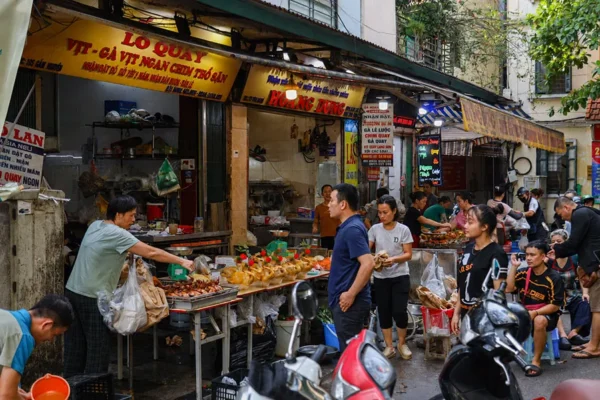
Street food offers one useful advantage: much of the cooking happens in plain sight. Guides can watch ingredients move from the preparation area to the stove and then directly onto the plate.
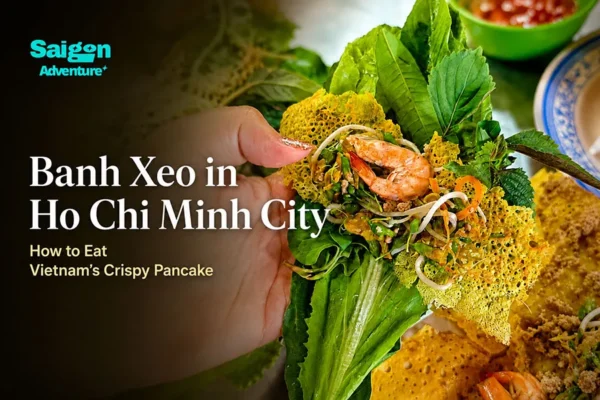
Fresh noodle soup should arrive with hot broth. Grilled meat should come directly from the barbecue, while bánh xèo should be crisp and sizzling rather than taken from a pile prepared long before.
Food that is thoroughly cooked and served hot is generally a more sensible choice for travelers than lukewarm dishes left at room temperature. Heat does not correct every hygiene problem, but cooking each portion to order reduces unnecessary exposure.
Extra caution is appropriate with minced meat, shellfish, partially cooked eggs and dishes containing raw ingredients. These foods depend heavily on correct storage and careful preparation.
The Entire Workstation Tells a Story
Local guides look beyond the pan or grill. They observe the whole area, including ingredient containers, chopping surfaces, waste bins, washing stations and serving utensils.
A small street kitchen can still have a clear system. Raw ingredients should have their own area, cooked food should be protected and dirty dishes should not be mixed with clean bowls.
Guides become cautious when ingredients are placed directly on the pavement, rubbish sits beside uncovered food or dirty water splashes near the serving area. One temporary problem may not define a vendor, but several warning signs usually indicate weak management.
Hand and Money Handling Matters
At family-run stalls, one person may cook, serve customers and collect payments. The important question is whether the vendor prevents these tasks from contaminating ready-to-eat food.
Guides notice whether separate tongs, chopsticks or napkins are used for serving. They also watch for handwashing between handling cash, phones, waste and cooked ingredients.
Disposable gloves are not automatically a sign of cleanliness. Gloves provide little protection when the same pair touches money, raw food and the customer’s plate.
Bowls, spoons and chopsticks matter too. They should be properly washed, visibly clean and stored away from dirty surfaces.
Guides Check Water, Ice and Uncooked Garnishes
A main dish can be cooked thoroughly while drinks or uncooked accompaniments introduce additional risk. That is why guides consider sauces, ice, herbs and washing water as part of the meal.
Factory-sealed drinks are easy to assess. If the source of ice is uncertain, travelers with sensitive stomachs can order a drink without it.
Raw herbs are central to Vietnamese cuisine and are enjoyed daily by local people. However, travelers who are concerned about washing water can request fewer raw garnishes or choose dishes served primarily with cooked vegetables.
The CDC recommends that travelers select food cooked and served hot while using extra care with ice, water and raw produce when their sources cannot be confirmed.
Cooking Oil and Condiments Reveal Hidden Problems
Cooking oil offers another useful clue. Oil that is extremely dark, thick, heavily foaming or producing an unpleasant smell may have been used for too long.
Guides also inspect shared sauces and condiments. Covered containers, clean ladles and frequently refreshed sauces are better signs than open bowls surrounded by used utensils.
Fish sauce, chili, garlic and pickled vegetables complete many Vietnamese dishes. They should be handled with the same care as the meat, noodles or rice they accompany.
Reliability Is More Than Cleanliness
A trusted street food vendor must be consistent. Guides remember whether flavors, ingredients, portion sizes and cooking standards remain dependable across multiple visits.
Communication is also important. Vendors should be able to identify the main ingredients in a dish and respond honestly when asked about seafood, peanuts, eggs, meat or other common allergens.
No street food environment should automatically be described as completely allergen-free. A responsible guide explains possible cross-contact and avoids making guarantees the vendor cannot support.
Good vendors also treat guests respectfully. They prepare food without rushing essential steps, explain when an item has sold out and do not substitute ingredients without informing the customer.
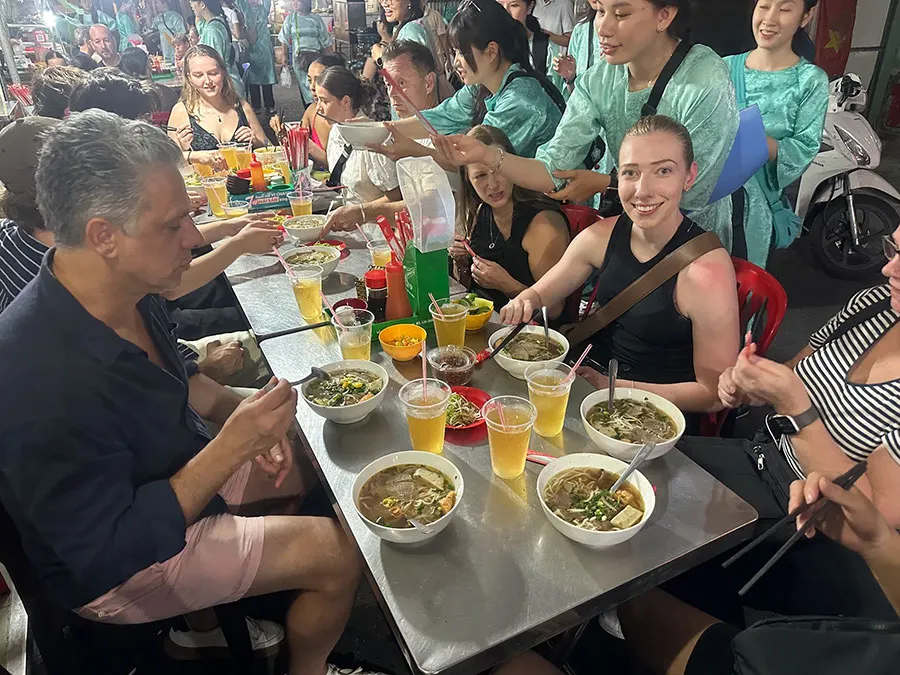
Online Reviews Cannot Replace Current Local Knowledge
Reviews can help travelers create a shortlist, but street food businesses change quickly. A vendor may move location, adjust opening hours, change suppliers or hand cooking duties to another family member.
Local guides return regularly and notice these changes. They know when each dish is normally prepared, which specialty to order and whether a once-reliable stall still meets expectations.
They also understand local dining patterns. An empty stall may simply be opening for the day, while a quiet cart late at night may be selling ingredients prepared many hours earlier.

Warning Signs of Unsafe Street Food Vendors to Avoid (And How to Pick Safe Street Food Vendors)
You do not need to reject a vendor because of one minor imperfection. However, several warning signs appearing together provide a good reason to eat elsewhere.
Be cautious if you notice:
- Raw ingredients touching cooked or ready-to-eat food
- Cooked dishes sitting uncovered and barely warm
- Perishable ingredients exposed to direct sun for long periods
- Strong unpleasant smells unrelated to the recipe
- Dirty plates, utensils or preparation surfaces
- Heavy insect activity around food and sauces
- The same hands or gloves repeatedly handling money and food
- Extremely dark, smoky or foul-smelling frying oil
- Few customers despite large amounts of prepared food
- A vendor unable to explain the main ingredients
Trust your senses. In a city filled with street food, there is always another bowl of noodles or plate of grilled meat nearby.

How Travelers Can Choose Street Food Confidently
Begin with stalls that cook food in front of you. Watch several orders before deciding, then choose a dish served directly from a hot pan, grill or pot.
Vendors specializing in one or two recipes can also be a smart choice. A focused menu often means faster ingredient turnover and a cooking process repeated many times each day.
Eat during normal local dining hours, carry hand sanitizer and choose sealed drinking water when uncertain. If you have an allergy, show the ingredient written in Vietnamese and explain its seriousness rather than relying only on phrases such as “no peanuts.”
Pregnant travelers, immunocompromised visitors and people managing medical conditions may require stricter precautions. They should seek personalized advice from a qualified healthcare professional before traveling.
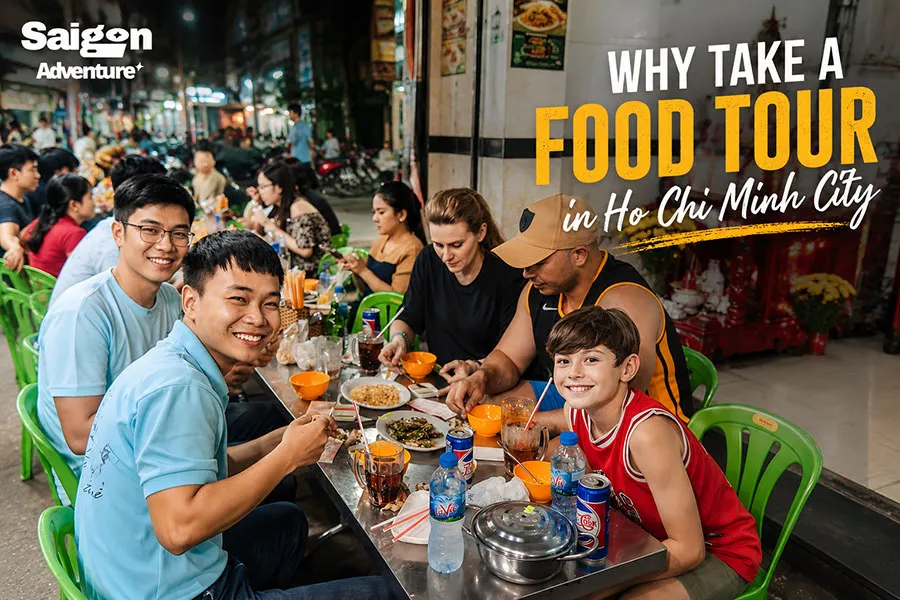
Why Explore Street Food With a Local Guide?
Choosing clean street food is not about being afraid of local cuisine. It is about recognizing careful vendors so you can enjoy new flavors with greater confidence.
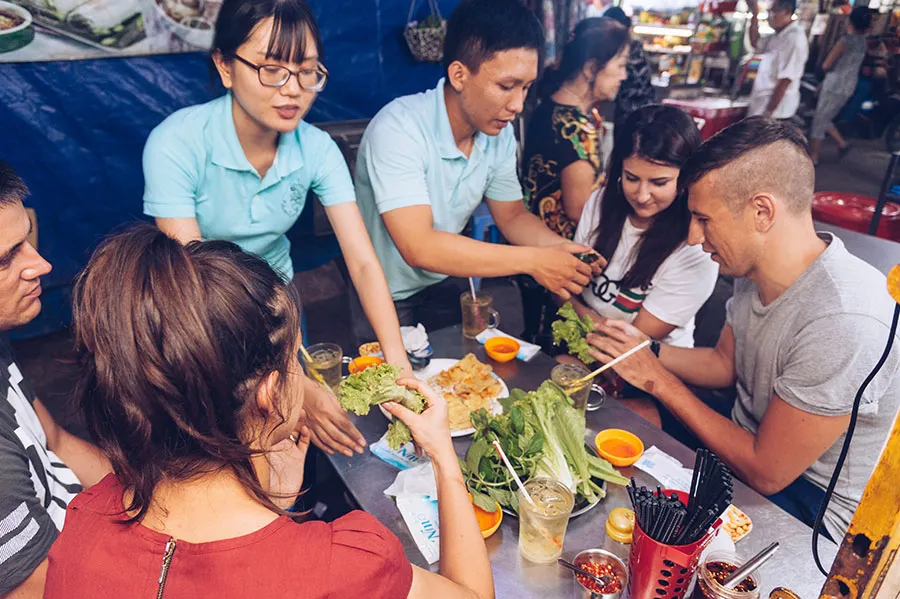
A knowledgeable guide can translate dietary requests, explain unfamiliar ingredients and introduce family-run eateries that visitors may never discover alone. More importantly, established tour stops are normally selected through repeated experience rather than a single online review.
A motorbike food tour also makes it possible to explore eateries across several districts, from lively street stalls to quieter neighborhood favorites.
For a deeper taste of local life, join a Ho Chi Minh City food tour and experience trusted vendors, authentic Vietnamese dishes and the stories behind every stop.

Eat Like a Local With Confidence
The best street food vendors combine fresh ingredients, proper cooking, steady customer turnover and an organized working routine. Their stalls may be simple, but their methods are practiced and consistent.
Take a moment to observe before ordering. Watch how ingredients move from storage to stove to plate, choose food prepared fresh and let curiosity guide you toward the flavors that make Vietnam unforgettable. By following these tips, travelers can easily identify safe street food vendors and enjoy Vietnamese cuisine without worry.
Frequently Asked Questions
How can I identify a clean street food vendor?
Look for fresh ingredients, clean utensils, covered containers and clear separation between raw and cooked food. Food should be cooked thoroughly and served hot.
Does a busy stall mean the food is safe?
Steady customer turnover often means ingredients move quickly, but crowds alone do not guarantee good hygiene. Always observe how the food is stored, cooked and served.
What street food is safest for travelers?
Freshly cooked dishes served steaming hot are generally more sensible choices. Noodle soups, grilled meats and made-to-order pancakes allow you to watch the cooking process.
Should tourists avoid raw vegetables in Vietnam?
Not every traveler needs to avoid them, but uncooked produce deserves additional care when its washing water is uncertain. People with sensitive stomachs may prefer cooked vegetables.
Is street food ice safe in Vietnam?
Many established vendors use commercially produced ice, but travelers cannot always verify its source. When uncertain, choose a sealed drink without ice.
Can travelers with food allergies join a street food tour?
Possibly, depending on the allergy and the tour menu. Contact the operator before booking, explain the severity and remember that cross-contact cannot always be eliminated in small kitchens.