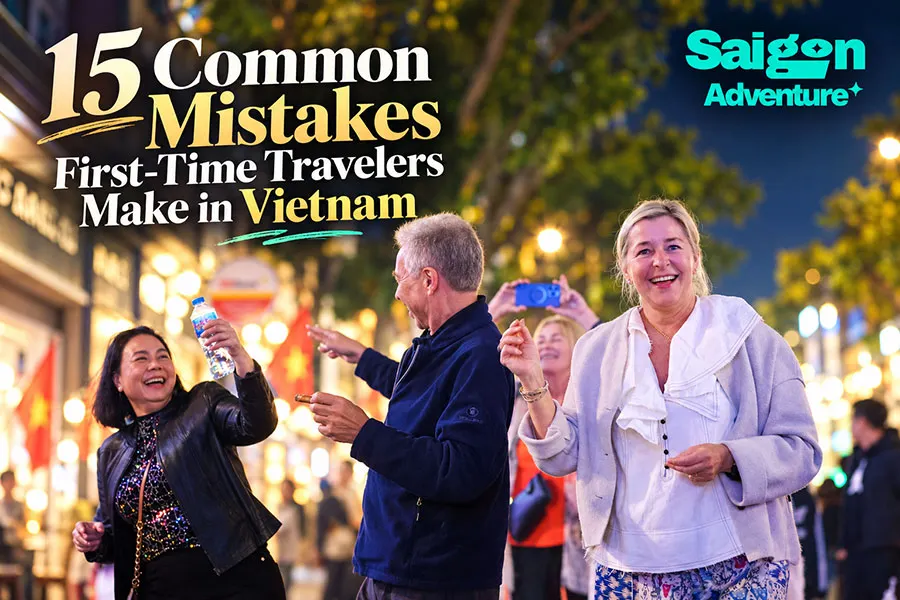
Vietnam is a country where some of the best travel memories happen unexpectedly: a bowl of noodles at a roadside stall, a conversation over iced coffee, or a quiet morning along the Mekong River. Yet small planning mistakes can turn an otherwise wonderful trip into an unnecessarily stressful experience.
The most common mistakes first-time travelers make in Vietnam include overlooking visa requirements, planning too many destinations, underestimating travel times, misunderstanding local transport, and arriving without enough Vietnamese cash.
Fortunately, most are easy to avoid. Whether you’re exploring Hanoi, wandering through Hoi An, or discovering Ho Chi Minh City, these 15 practical tips will help you travel more confidently, spend wisely, and enjoy Vietnam at a comfortable pace.
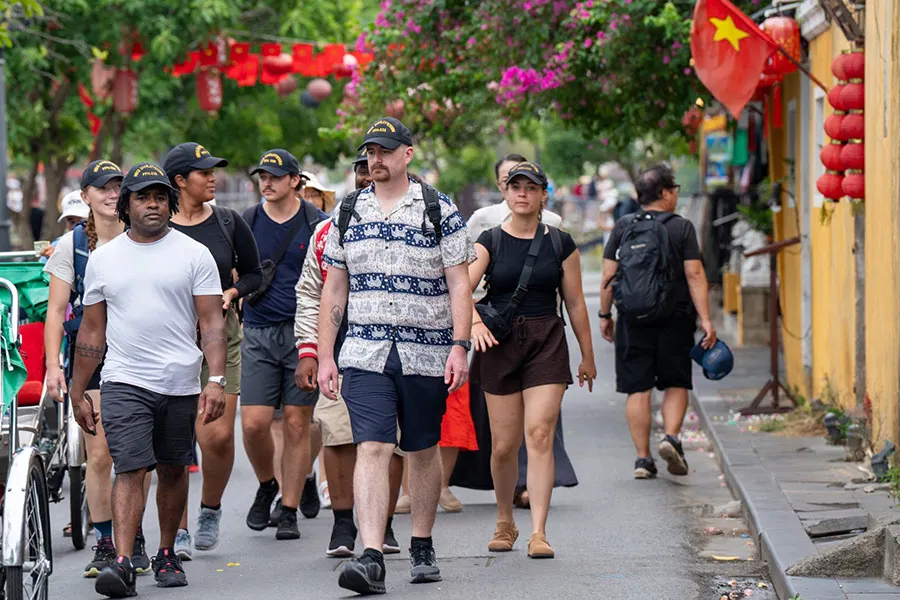
What Are the Most Common Vietnam Travel Mistakes?
First-time visitors often underestimate Vietnam’s size, transportation challenges, regional weather differences, and everyday cultural customs. The biggest mistakes usually happen before arrival, but misunderstanding prices, road safety, local etiquette, and tour arrangements can also affect the experience. Checking essential details in advance makes independent travel considerably easier.
Here is a quick overview of the problems worth avoiding.
| Common mistake | Better approach |
|---|---|
| Booking flights before checking visa rules | Confirm entry requirements first |
| Visiting too many cities | Allow time for transfers and rest |
| Assuming weather is the same everywhere | Research each region separately |
| Carrying only credit cards | Keep small Vietnamese dong notes |
| Crossing streets unpredictably | Use safe crossings and move cautiously |
| Booking tours based only on price | Check inclusions and recent reviews |
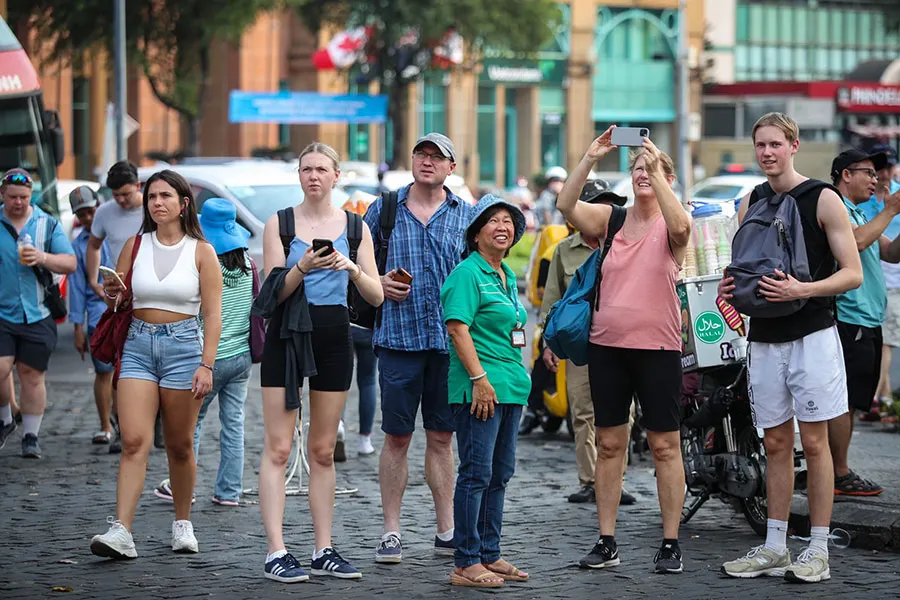
Vietnam Trip Planning Mistakes Before You Arrive
1. Not Checking Visa and Passport Requirements Early
One of the most expensive travel mistakes is assuming everyone can enter Vietnam under the same conditions.
Visa exemptions depend on nationality and other eligibility rules. Vietnam also offers electronic visas valid for up to 90 days, with single-entry and multiple-entry options, but travelers must confirm which arrangements apply to their passports.
Check your passport validity, application details, permitted entry points, and visa approval before departure. A spelling error in your application can create problems at check-in or immigration.
Local Tip: Apply through Vietnam’s official e-visa portal rather than an unfamiliar third-party website, and keep an offline copy of your approval.
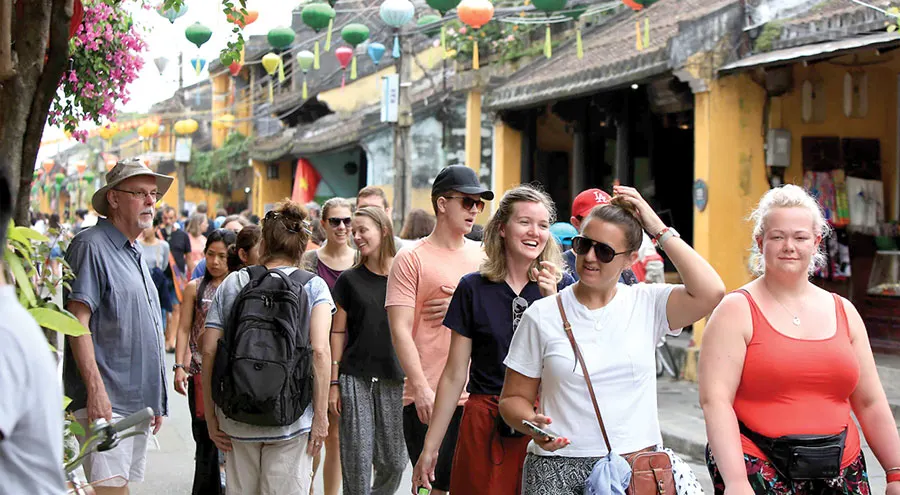
2. Trying to Visit Too Many Destinations in One Trip
Vietnam looks relatively narrow on a map, which makes it tempting to squeeze Hanoi, Sapa, Ha Long Bay, Da Nang, Hoi An, and Ho Chi Minh City into one week.
The problem is distance. Airport transfers, traffic, changing hotels, and waiting for transport can consume more time than expected.
For a seven-day holiday, choose one or two main regions. Travelers with two weeks can explore more of the country without spending every second day in transit.
Local Tip: Plan around experiences rather than collecting destinations. Two relaxed nights in one place can be more rewarding than four rushed sightseeing stops.
3. Assuming Vietnam Has One Weather Season
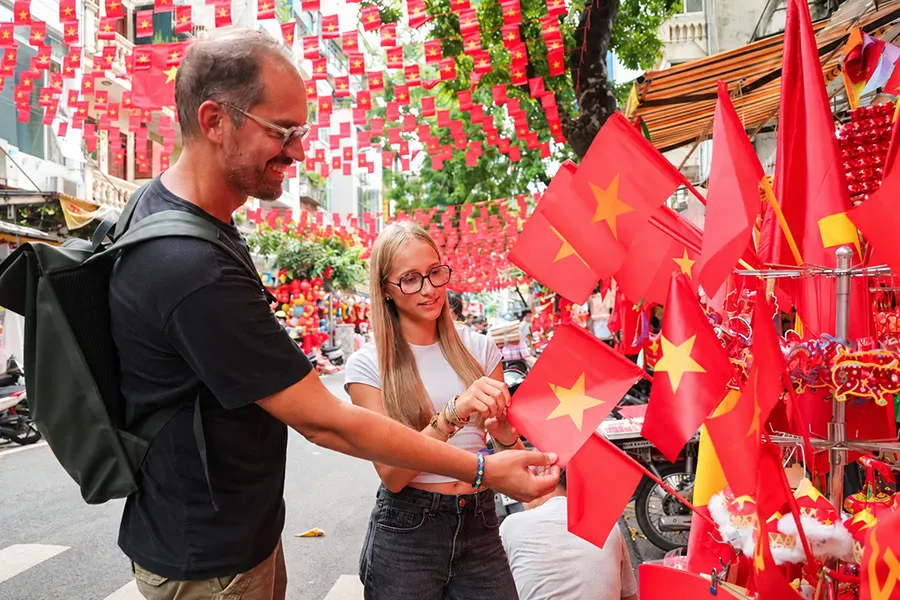
A sunny forecast in Ho Chi Minh City tells you very little about conditions in Sapa or central Vietnam.
Northern Vietnam experiences cooler winters, while the south generally has distinct wet and dry periods. Central destinations such as Hoi An and Hue can experience heavy rainfall and flooding during parts of the year.
Research weather by destination and month, particularly when planning mountain trekking, beaches, or boat excursions.
Local Tip: Build a flexible indoor activity into your itinerary, especially during rainy periods. Museums, cooking classes, and food experiences can save a wet afternoon.
4. Underestimating Travel Times Between Attractions
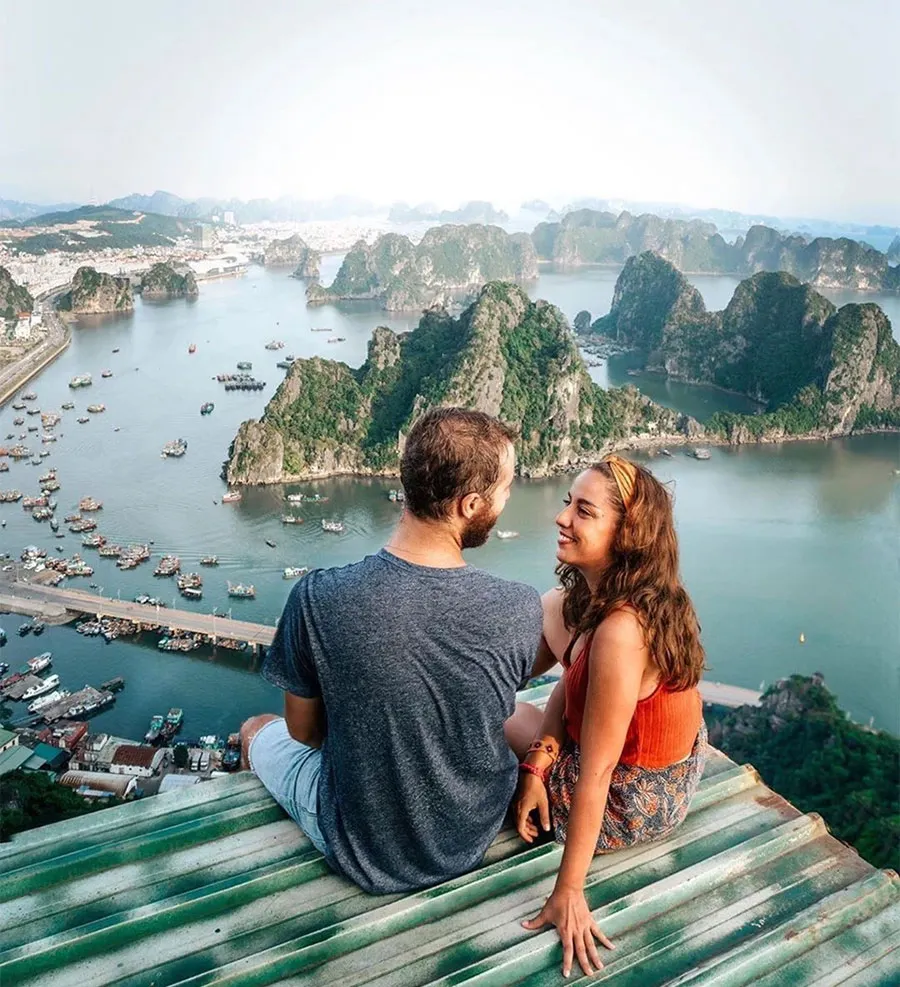
A destination that looks close on Google Maps may take considerably longer to reach because of traffic, road conditions, or pickup arrangements.
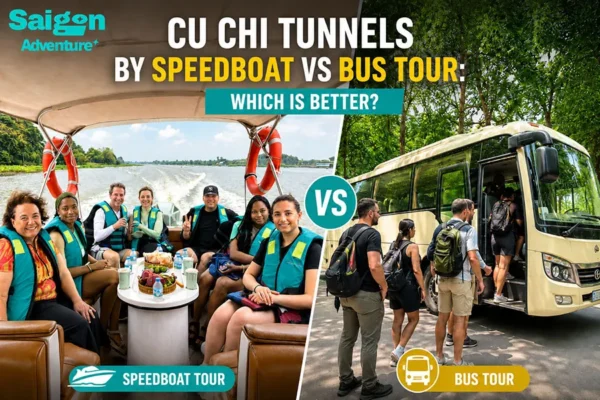
For example, visiting the Cu Chi Tunnels from central Ho Chi Minh City generally requires a substantial part of the day, even though the tunnels are relatively close to the city.
Before booking, compare the available Cu Chi Tunnels tour options and consider transportation, departure time, and total duration.
Local Tip: Avoid scheduling a long countryside excursion immediately before an international flight. Leave enough time for unexpected delays.

Money and Transportation Mistakes in Vietnam
5. Relying Entirely on Credit Cards
Cards are convenient at many hotels, modern restaurants, and larger businesses, but smaller street vendors and market stalls often prefer cash.
Vietnam uses the Vietnamese dong (VND). The large denominations can initially confuse visitors, particularly when paying quickly at busy food stalls.
Keep smaller notes for inexpensive purchases, confirm prices before ordering, and count your change without rushing.
Local Tip: Separate small daily spending money from larger notes. This makes markets, taxis, and quick snack stops much easier.
6. Not Agreeing on Taxi or Transport Prices
Arriving in an unfamiliar city can make airport transportation surprisingly confusing.
Unclear pickup points, unofficial drivers, and misunderstandings about fares sometimes result in unnecessary expenses.
Use reputable taxi operators, reliable ride-hailing applications, or hotel-arranged transfers. Confirm the vehicle details and destination before getting inside.
Local Tip: Save your hotel address in Vietnamese on your phone. It is particularly helpful when drivers are unfamiliar with English street names.
7. Crossing Busy Streets Without Understanding Local Traffic
The first time you encounter motorbike traffic in Ho Chi Minh City or Hanoi, crossing the road can feel intimidating.
The mistake is assuming drivers will always stop immediately or that a pedestrian crossing guarantees an empty road.
Use traffic lights and designated crossings where available. Watch turning vehicles, avoid sudden movements, and never assume approaching riders have seen you.
Local Tip: At especially busy intersections, wait for a safer opportunity or cross alongside local pedestrians. Never follow someone blindly into moving traffic.
8. Renting a Motorbike Without Proper Preparation
Riding through Vietnam’s countryside sounds appealing, but unfamiliar traffic patterns and road conditions require experience.
An ordinary car driving licence may not authorize you to ride a motorbike in Vietnam. Appropriate licensing, insurance coverage, helmets, and familiarity with local rules are essential.
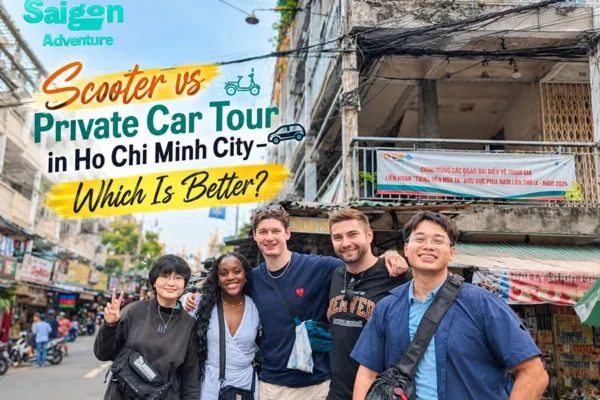
For travelers who prefer not to drive, a guided experience can offer a different perspective. Read about the Saigon motorbike tour experience to understand what exploring the city with a local rider involves.
Local Tip: Check your insurance’s motorcycling exclusions before riding, even as a passenger.
Food, Health, and Cultural Mistakes in Vietnam
9. Avoiding Street Food Because It Looks Unfamiliar
Some visitors eat only in hotel restaurants because they are uncertain about Vietnamese street food.
That means missing specialties such as pho, banh mi, bun cha, com tam, and freshly prepared rice dishes.
Start with busy stalls where ingredients are handled hygienically and food is cooked fresh. Choose establishments with clear menus and ask about unfamiliar ingredients.
Travelers visiting Ho Chi Minh City can discover local specialties through Saigon street food experiences.
Local Tip: A popular stall is encouraging, but crowds alone do not guarantee food safety. Check cleanliness, cooking temperatures, and food storage.
10. Forgetting About Heat, Hydration, and Food Allergies
Vietnam’s humidity can be exhausting, especially when walking around large cities or visiting outdoor attractions.
Carry drinking water, take breaks in shaded areas, and wear breathable clothing. Use sealed or appropriately treated drinking water rather than assuming tap water is safe to drink.
Travelers with allergies should prepare translated ingredient descriptions before visiting local restaurants.
Local Tip: If you have a serious allergy, carry a Vietnamese allergy card and appropriate prescribed emergency medication. Never depend entirely on a translation application during a medical emergency.
11. Dressing Inappropriately at Temples and Religious Sites
Clothing suitable for a beach resort may not be appropriate inside a pagoda or religious complex.
Visitors should generally choose modest clothing, cover shoulders and knees where requested, and follow posted instructions about removing shoes.
Ask permission before photographing worshippers or religious ceremonies, and avoid touching sacred objects.
Local Tip: Keep a lightweight scarf in your day bag. It is useful for sun protection and for covering up when visiting religious sites.
Sightseeing and Booking Mistakes That Waste Time
12. Booking the Cheapest Tour Without Checking What Is Included
A lower advertised price does not always mean better value.
Two tours visiting the same attraction may differ in group size, transport comfort, departure location, guiding, meals, admission fees, and optional activities.
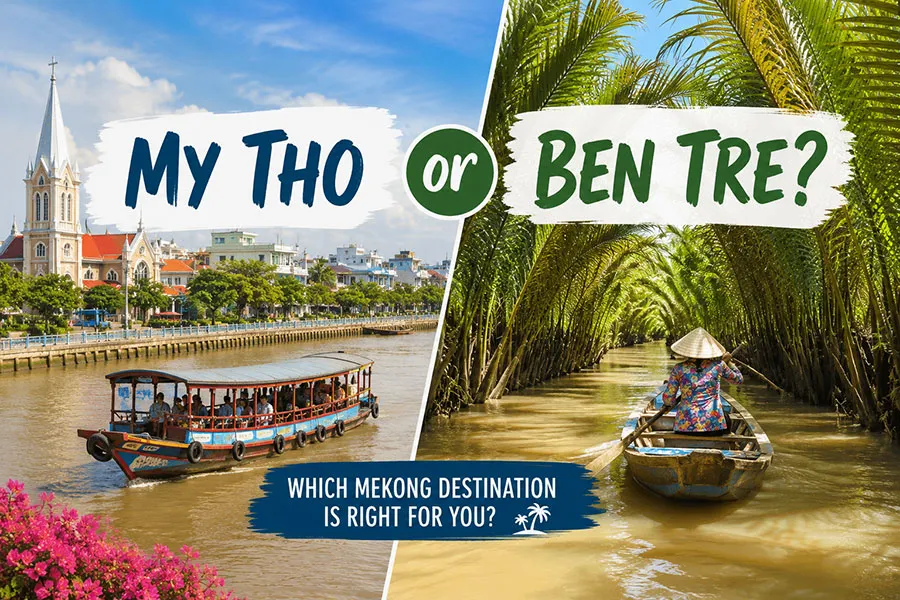
For example, a Mekong Delta tour can involve anything from a short introduction to the region to a more extensive countryside experience.
Before paying, confirm the actual itinerary, cancellation policy, pickup arrangements, and any additional costs.
Local Tip: Read recent reviews that mention the guide, transport, and time spent at attractions—not just the overall rating.
13. Visiting Famous Attractions at the Wrong Time
Popular places can feel very different depending on the hour you arrive.
Midday heat may make outdoor sightseeing uncomfortable, while late arrivals can leave insufficient time for museums, markets, or historical attractions.
Check opening hours and ticket arrangements in advance. For outdoor activities, early departures can sometimes provide cooler conditions and more flexibility.
Local Tip: If photography matters, research the direction of sunlight as well as opening hours. Good light can make a familiar attraction feel entirely different.
14. Spending Every Day in Tourist-Centered Areas
Staying in District 1 in Ho Chi Minh City or Hanoi’s Old Quarter offers convenience, especially for first-time visitors.
However, limiting your trip to these areas can mean missing neighborhood markets, everyday cafés, small restaurants, and quieter local streets.
Explore beyond the most obvious attractions when time permits, using reputable transportation and respecting residential communities.
Local Tip: Visit a neighborhood market in the morning, when vendors are preparing produce and local residents are shopping. Observe respectfully and ask before taking close-up photographs.
15. Leaving No Room for Unexpected Discoveries
An itinerary planned down to the minute may look efficient, but it often leaves little opportunity to enjoy Vietnam naturally.
A sudden rain shower, an interesting café, or a conversation with a local guide might become the highlight of your day.
Leave some afternoons flexible and avoid booking consecutive activities without enough travel time between them.
Local Tip: Choose one essential experience each day and treat everything else as optional. You’ll remember the moments you enjoyed, not the number of attractions you completed.
How to Avoid First-Time Vietnam Travel Mistakes
A successful first trip does not require an expensive itinerary or complicated travel arrangements. It requires a realistic route, sensible preparation, and enough flexibility to handle small changes.
Before departure, double-check these essentials:
-
Passport, visa eligibility, and travel insurance.
-
Weather forecasts for every destination.
-
Airport transfers and accommodation details.
-
Vietnamese dong for everyday spending.
-
Transport, activity inclusions, and cancellation policies.
-
Emergency contacts and offline navigation.
-
Appropriate clothing, medication, and sun protection.
For travelers beginning in southern Vietnam, combining independent exploration with a few well-chosen day trips from Ho Chi Minh City can offer a comfortable balance between freedom and local guidance.
The goal is not to eliminate every surprise. It is to avoid preventable problems while leaving space for the experiences that make Vietnam memorable.
Frequently Asked Questions About First-Time Travel in Vietnam
What should I avoid doing in Vietnam as a tourist?
Avoid ignoring visa rules, using unfamiliar transport without confirming fares, displaying valuables carelessly, and treating traffic like it works at home. Respect religious customs, ask permission before photographing people, and check prices before purchasing services.
Is Vietnam safe for first-time travelers?
Vietnam can be a rewarding destination for first-time visitors, including solo travelers and families. However, road traffic, petty theft, scams, weather, and outdoor activities require normal travel precautions. Use reliable transport, protect valuables, and follow current official travel advice.
How many days do you need for your first Vietnam trip?
Seven to ten days can work well for one or two regions. Around two weeks offers more flexibility for combining northern, central, and southern Vietnam, although longer trips allow a slower pace and fewer rushed transfers.
Do I need cash when traveling in Vietnam?
Yes. Credit cards are useful at many hotels and larger establishments, but cash remains important for street food, markets, and smaller businesses. Carry Vietnamese dong in smaller denominations for convenient everyday purchases.
Can I travel around Vietnam without speaking Vietnamese?
Yes. English is commonly used in many tourism businesses, particularly in major destinations. However, a translation application, offline maps, and a few basic Vietnamese phrases can make interactions smoother in smaller towns and local markets.
What is the biggest mistake tourists make when planning Vietnam?
Trying to visit too many destinations in too little time is one of the most disruptive mistakes. It creates unnecessary transfers, reduces sightseeing time, and makes delays harder to manage. A shorter, more focused itinerary usually provides a better experience.
Should first-time visitors book guided tours in Vietnam?
Guided tours are useful for complex excursions, historical attractions, rural experiences, and travelers with limited time. Independent exploration offers greater flexibility and can cost less. Combining both approaches is often a practical choice.
Final Thoughts: Make Your First Vietnam Trip More Enjoyable
Vietnam rewards curiosity, patience, and travelers who are willing to look beyond the obvious sights.
A little preparation helps you avoid unnecessary expenses, navigate unfamiliar situations, and spend more time enjoying the country’s food, landscapes, and everyday culture.
If Ho Chi Minh City is part of your journey, explore local experiences with Saigon Adventure and choose activities that match your interests, comfort level, and available time. The best trip is not necessarily the busiest one—it’s the one that gives you enough room to experience Vietnam properly.