Imagine your children waking up to mist drifting across green mountains, watching a cable car disappear into the clouds, or discovering how rice grows on the steep hillsides of northern Vietnam. Sapa offers a completely different kind of family holiday, far from busy cities and crowded beaches.
But is Sapa with kids really a good idea, especially if you’re traveling with toddlers or younger children?
Yes, Sapa can be a wonderful family destination when you choose age-appropriate activities, comfortable accommodation and a relaxed itinerary. From scenic train rides and gentle village walks to cultural encounters and mountain viewpoints, there is plenty to enjoy without attempting demanding treks.
This guide covers the best family-friendly experiences, suitable ages, travel costs, weather, safety considerations and practical tips for planning a memorable trip.
Quick Answer: Is Sapa Good for Families With Kids?
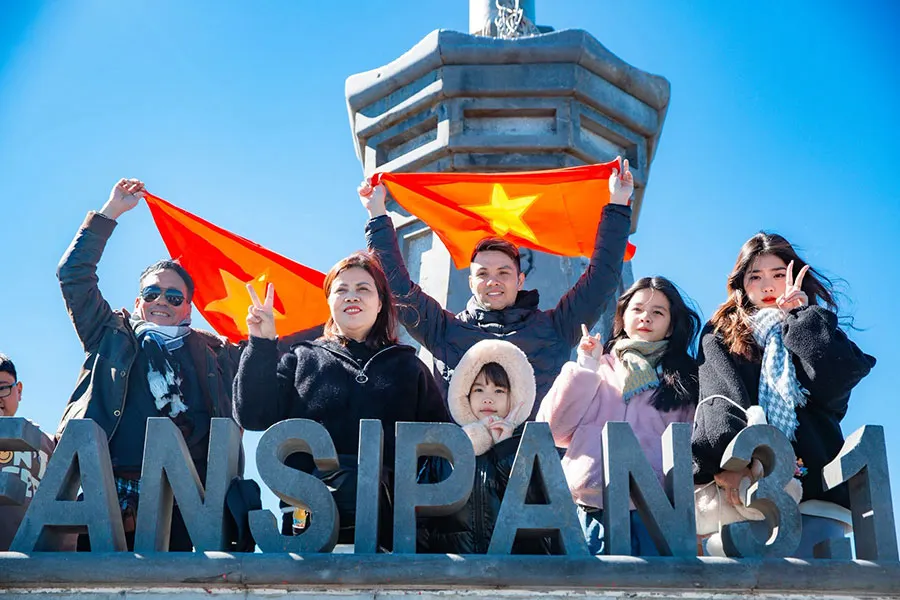
Yes, Sapa is a good family destination, particularly for children who enjoy nature, outdoor activities and discovering different cultures. Families can experience rice terraces, scenic cable car rides, mountain villages and beautiful landscapes without committing to long hikes.
However, steep roads, unpredictable weather and limited stroller accessibility can make traveling with babies or toddlers more challenging. For most families, two or three nights with a flexible itinerary offer a more comfortable experience than a rushed overnight visit.
Why Visit Sapa With Children?
Located in Lao Cai Province in northern Vietnam, Sapa is surrounded by the Hoang Lien Son Mountains and the spectacular Muong Hoa Valley.
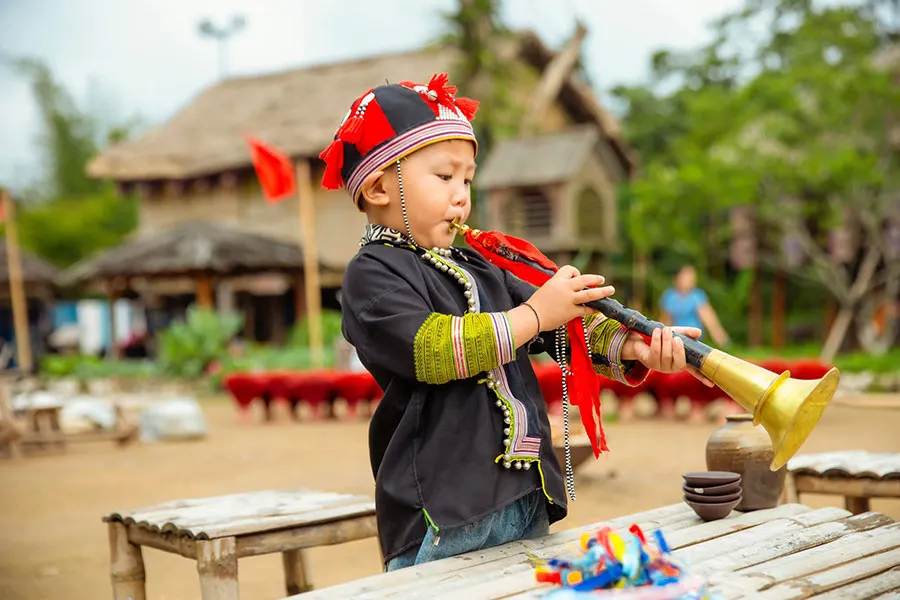
Unlike destinations centered around theme parks or beach activities, Sapa encourages children to explore the natural world and experience everyday life in mountain communities.
A Different Side of Vietnam for Young Travelers
Children can see terraced rice fields, water buffalo, traditional houses and farmers working in the countryside. These everyday scenes offer opportunities to learn about agriculture, rural lifestyles and the relationship between local communities and their environment.
Families interested in exploring more of this beautiful mountain destination can discover why Sapa is worth visiting before deciding which activities and experiences are most suitable for their children.
Who Will Enjoy Sapa the Most?
Sapa generally works best for families who enjoy scenic travel, short outdoor adventures and quieter destinations.
- Babies and toddlers: Possible with careful planning, suitable transport and a child carrier.
- Children aged 4–7: Often enjoy cable cars, short walks and countryside scenery.
- Children aged 8–12: May enjoy guided village visits, gentle trekking and cultural activities.
- Teenagers: Can appreciate photography, more challenging walks and mountain adventures.
These are general guidelines rather than strict age requirements. A child’s walking ability, interests and comfort with unfamiliar environments matter more than age alone.
Best Things to Do in Sapa With Kids
The best family activities combine beautiful scenery with manageable travel distances and opportunities to rest.
1. Ride the Fansipan Cable Car
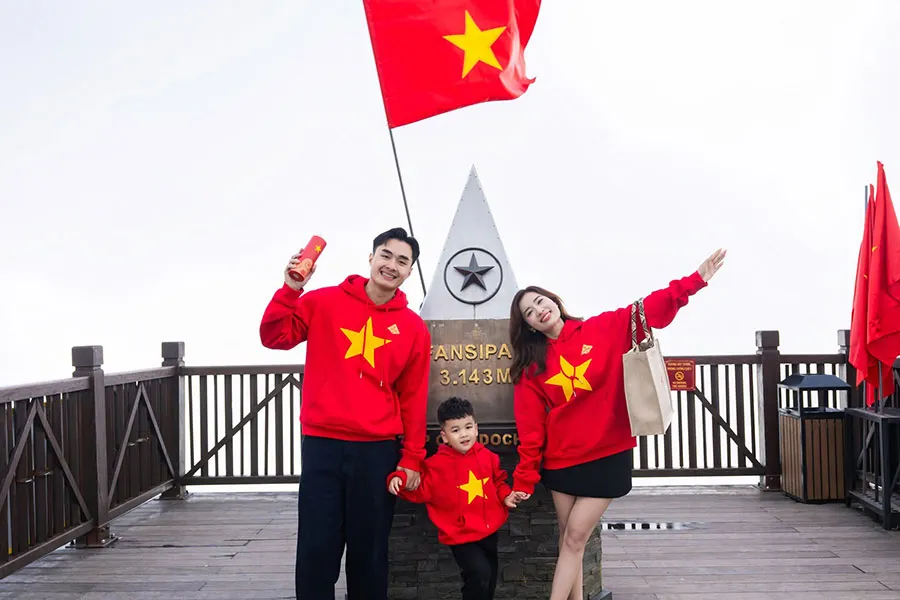
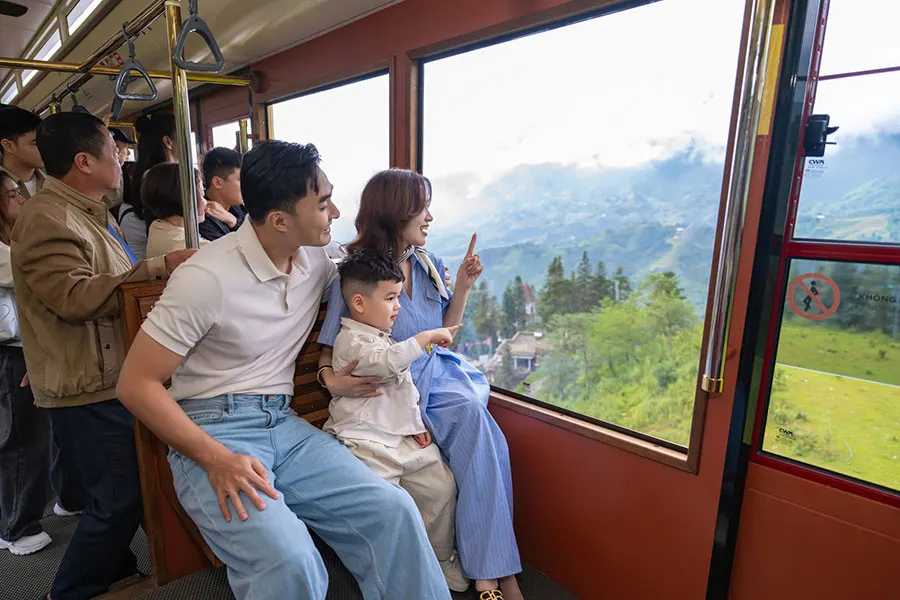
The Fansipan cable car is one of Sapa’s most memorable attractions for families. It carries passengers high above forested slopes and valleys toward Vietnam’s highest mountain, Fansipan, which reaches approximately 3,143 meters.
Children may enjoy watching the landscape change beneath the cabin, although the height can feel intimidating for some.
Family tip: Even after taking the cable car, reaching the summit involves additional travel or steps. Consider the summit funicular to reduce climbing, and remember that high altitude can affect children as well as adults.
2. Discover Cat Cat Village
Cat Cat Village, near Sapa town, offers traditional architecture, craft displays, mountain scenery and picturesque walking routes.
Older children may enjoy exploring the village and observing traditional crafts. However, the route includes steep sections and numerous steps, making it less suitable for strollers.
Family tip: Wear shoes with good grip, allow frequent breaks and avoid trying to complete the entire walking circuit with tired toddlers.
3. Explore Muong Hoa Valley and Rice Terraces
Muong Hoa Valley is an excellent place to introduce children to Sapa’s famous rice terraces without necessarily organizing a long trek.
Families can enjoy scenic viewpoints, visit accessible village areas and take photographs of the surrounding mountains.
For children interested in farming, explain how hillside terraces help communities cultivate rice on steep terrain. A short guided experience can make these landscapes more meaningful than a quick photo stop.
4. Enjoy an Easy Village Walk
For families with active children, a short walk around suitable sections of Ta Van or nearby rural areas can be especially rewarding.
Instead of booking a full-day trek, choose a guided route based on current trail conditions, your children’s abilities and the distance they can comfortably walk.
Respect private homes, cultivated fields and village customs. Ask permission before photographing residents, particularly children.
5. Explore Sapa Town at a Relaxed Pace
Not every family activity needs to involve the mountains. Sapa town offers cafés, restaurants, small shops and pleasant places to take a break between excursions.
Families can explore the area around Sapa Stone Church, enjoy mountain views from a café or sample local dishes together.
This is particularly useful on rainy afternoons when outdoor activities become less appealing.
Is Trekking in Sapa Safe for Children?
Short, carefully selected walks can be suitable for children, but trekking safety depends on the route, weather, terrain and each child’s ability.
Some trails cross muddy slopes, uneven stones or narrow paths without protective barriers. Rain can make previously manageable routes slippery.
How to Choose a Kid-Friendly Trek
Choose walks that offer:
- A realistic distance and limited elevation changes.
- An experienced local guide familiar with family groups.
- Opportunities to stop, rest or shorten the route.
- Reliable transport back to your accommodation.
- Suitable conditions on the day of your visit.
Avoid steep, remote trails during heavy rain or when visibility is poor.
For toddlers, a secure child carrier is often more useful than a stroller, but adults must remain comfortable and stable on uneven terrain.
Best Time to Visit Sapa With Kids
Weather significantly influences how enjoyable a family holiday in Sapa will be.
| Season | Conditions | Family considerations |
|---|---|---|
| March–May | Generally mild, spring scenery | Good for sightseeing and gentle walks |
| June–August | Green landscapes, warmer and wetter | Plan around rain and slippery paths |
| September–October | Rice harvest scenery, cooler weather | Excellent for landscapes and family photography |
| November–February | Cold, misty and occasionally very chilly | Better for families prepared for winter conditions |
April–May and September–October are particularly attractive periods for a family visit, although clear skies are never guaranteed.
Mountain temperatures can change significantly between Sapa town and Fansipan. Always pack warm layers, even when the forecast looks comfortable.
How to Travel From Hanoi to Sapa With Children
Most international visitors travel to Sapa from Hanoi, approximately five to six hours away by road under typical conditions.
Families can choose between road transport and train-based journeys.
| Transport | Main advantage | Main drawback |
|---|---|---|
| Private car | Flexible stops and departure times | Usually more expensive |
| Limousine van | Convenient direct road journey | Less freedom to stop |
| Sleeper bus | Often economical | Sleeping arrangements and restraints vary |
| Train to Lao Cai | More space and overnight travel options | Requires onward road transfer |
For younger children, a private vehicle with an appropriate child restraint may be the most practical option.
If choosing an overnight train, reserve a suitable sleeping compartment and arrange your transfer from Lao Cai station to Sapa in advance.
Where Should Families Stay in Sapa?
Accommodation can make a substantial difference to a family holiday, especially after a long journey from Hanoi.
Sapa Town: Best for Convenience
Staying near the town center provides easier access to restaurants, transport services and everyday essentials.
This is particularly helpful for families with toddlers, picky eaters or children who need predictable meal and sleep schedules.
Muong Hoa Valley: Best for Nature Lovers
Countryside lodges and homestays offer peaceful mountain surroundings and impressive views of terraced fields.
However, some properties involve steep access roads, stairs or limited nearby dining options.
Before booking, check family-room arrangements, heating, bathroom facilities, balcony safety and whether a vehicle can reach the entrance.
How Much Does a Family Trip to Sapa Cost?
Family travel costs depend on accommodation standards, transport, activities and the number and ages of children.
As a rough planning guide rather than guaranteed local prices:
| Expense | Indicative budget |
|---|---|
| Family meals | 200,000–500,000 VND per meal |
| Hotel room | 700,000–2,000,000+ VND per night |
| Private transfers | Request a family-sized vehicle quote |
| Fansipan experience | Check current adult/child ticket categories |
| Village visits | Allow for entrance fees and guiding |
Cable car tickets, additional funicular rides and guided excursions can significantly increase the overall budget.
Families considering an organized journey can compare the inclusions of a 3-day Sapa tour from Hanoi, including transport, accommodation and major attractions.
Always confirm children’s ticket eligibility, room occupancy limits and cancellation conditions before booking.
A Relaxed 3-Day Sapa Family Itinerary
Three days provide a reasonable introduction to Sapa without filling every hour with activities.
Day 1: Arrive and Explore Sapa Town
Travel from Hanoi, check into your accommodation and allow time to recover from the journey.
Spend the afternoon exploring the town, enjoying a family meal and taking in the mountain atmosphere.
Day 2: Fansipan and Scenic Mountain Views
Visit Fansipan in the morning if weather conditions are suitable. Allow time for the cable car, mountain scenery and breaks.
Return to town for a relaxed afternoon rather than scheduling another demanding excursion.
Day 3: Village Scenery and Return Journey
Choose a short village visit or scenic drive through Muong Hoa Valley before returning to Hanoi.
For additional itinerary options, browse the Sapa tours and experiences available through Saigon Adventure.
Practical Tips for Visiting Sapa With Kids
Family travel in mountainous destinations requires a little more preparation than a typical city holiday.
- Pack waterproof jackets, warm clothing and spare socks.
- Carry snacks, drinking water and essential medication.
- Choose footwear with reliable grip.
- Check travel sickness preparations before winding mountain journeys.
- Keep children close near roads, waterfalls and steep viewpoints.
- Confirm child restraints when arranging transport.
- Keep a backup indoor activity for wet weather.
For Fansipan, remember that the summit is a high-altitude environment. Infants, young children and anyone with relevant medical conditions may need medical advice before ascending.
An important local consideration is that weather can change quickly. Stay flexible instead of insisting on completing every scheduled activity.
Is Sapa Worth Visiting With Kids? Final Verdict
Sapa is worth considering for families who value nature, mountain scenery and meaningful cultural experiences over amusement parks or resort-style entertainment.
Its biggest strengths are the extraordinary landscapes, accessible sightseeing options and opportunities to introduce children to rural northern Vietnam. The main challenges are lengthy transfers, steep terrain and unpredictable weather.
A successful trip is not about seeing every attraction. Choose comfortable accommodation, include one major activity each day and leave space for children to explore at their own pace.
For a family adventure that combines Fansipan, rice terraces and mountain villages, Saigon Adventure can help you explore suitable Sapa travel options and plan a journey around your family’s interests.
Frequently Asked Questions About Sapa With Kids
1. Is Sapa suitable for toddlers and babies?
Yes, but it requires careful planning. Choose accommodation with convenient access, avoid long treks and bring a child carrier when appropriate, since many village paths are unsuitable for strollers.
2. Can children ride the Fansipan cable car?
Children can generally use the cable car subject to the operator’s current rules. However, the high-altitude environment near the summit requires extra caution, particularly for infants or children with health concerns.
3. Is Sapa better for families than Hanoi?
The destinations offer different experiences. Hanoi provides easier access to urban attractions, restaurants and services, while Sapa is better suited to families seeking mountain scenery, nature and gentle outdoor exploration.
4. How many days should families spend in Sapa?
Two to three nights are a good starting point for many families. This allows time for Fansipan, a village experience and relaxation without rushing between attractions.
5. Can you explore Sapa with kids without trekking?
Absolutely. Families can enjoy scenic drives, the Fansipan cable car, mountain viewpoints, cafés and accessible village areas without undertaking strenuous hikes.
6. Is Sapa expensive for a family holiday?
Sapa can accommodate different budgets. Hotels and local restaurants offer a range of prices, while private transport, premium accommodation and Fansipan tickets generally increase costs.
7. What should children wear in Sapa?
Pack comfortable layers, a waterproof jacket, warm clothing and shoes suitable for uneven ground. During colder months or visits to Fansipan, additional insulation, hats and gloves may be necessary.