If Vietnam’s tropical heat has you dreaming of misty pine forests, quiet lakes and cool mountain mornings, Măng Đen deserves a place on your itinerary. This Mang Den travel guide covers the best things to do, waterfalls, weather, transport, costs and practical tips for international travelers planning a first visit.
Sitting about 1,200 meters above sea level in Vietnam’s Central Highlands, Măng Đen feels noticeably different from the country’s busy coastal cities. Forested roads, waterfalls, local farms and a slower rhythm make it an appealing nature escape, particularly for travelers who enjoy scenery more than nightlife.
Where Is Mang Den in Vietnam?
Măng Đen is now a commune in Quang Ngai Province following Vietnam’s administrative changes. Travelers may still encounter older maps and travel articles describing Măng Đen as belonging to Kon Tum Province, so check the date when using older transport or destination information.
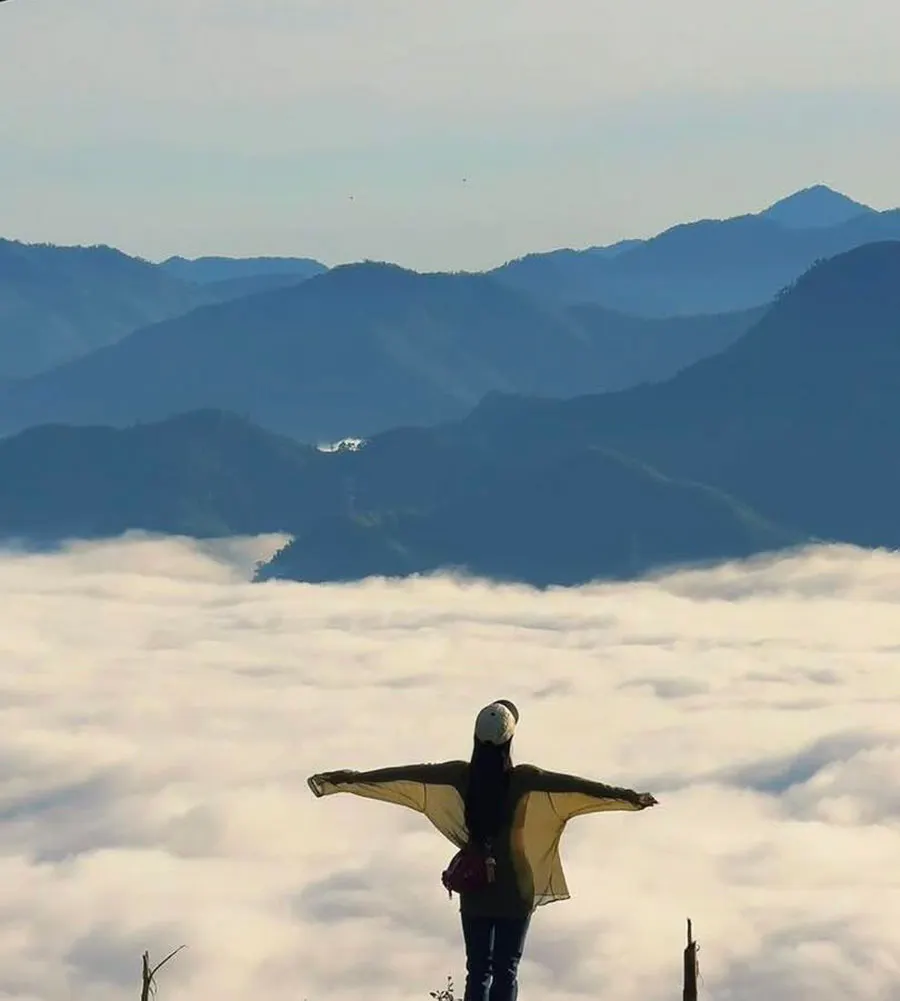
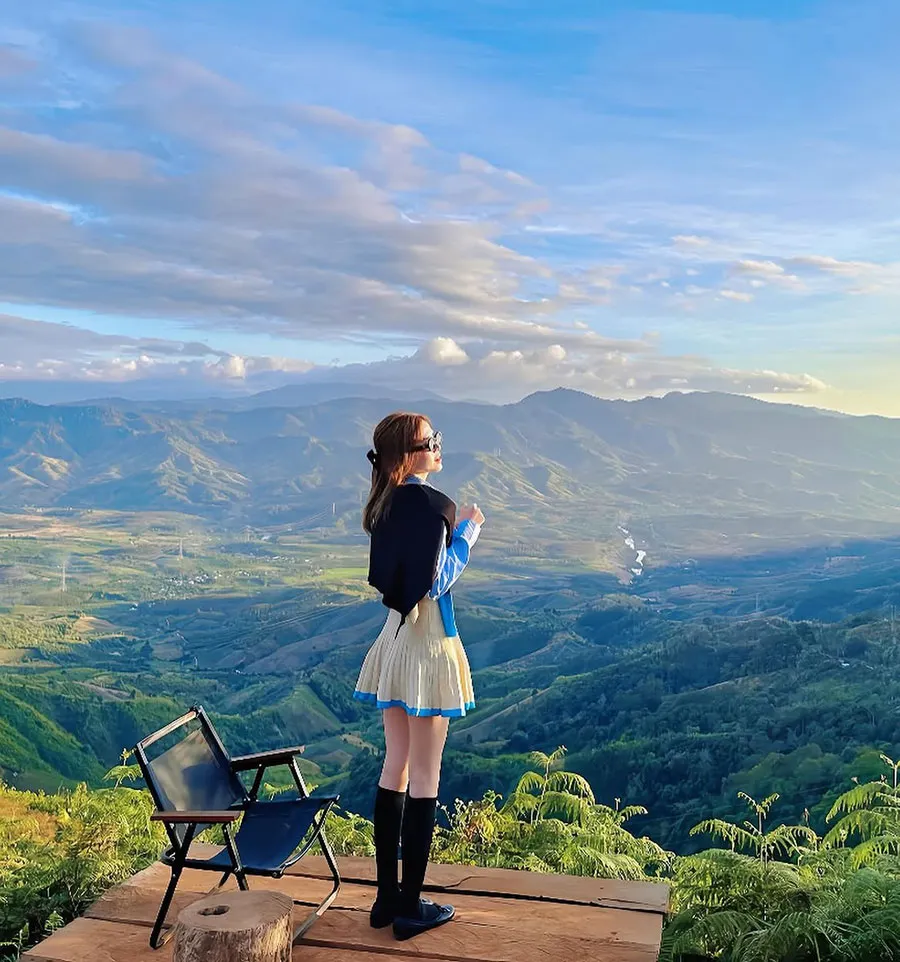
The destination lies on a highland plateau surrounded by pine forests, farms and mountain scenery. Its elevation helps create the cooler conditions that have made Măng Đen increasingly popular with Vietnamese travelers looking for an alternative to hotter lowland destinations.
If Măng Đen is only one stop on a longer Vietnam trip, travelers arriving through southern Vietnam can first explore Ho Chi Minh City tours for every traveler before continuing toward the Central Highlands.
Is Mang Den Worth Visiting?
Yes, especially if you value forests, waterfalls and cool weather more than famous landmarks or nightlife. Măng Đen works particularly well as a two- or three-night nature break where the experience comes from slowing down rather than racing through a checklist.
Compared with Đà Lạt, Măng Đen generally feels quieter and less intensely urbanized. There are cafés, accommodation options and developing tourism services, but the overall atmosphere remains strongly connected to forests, lakes and surrounding agricultural landscapes.
Mang Den is especially suitable for:
- Nature lovers and landscape photographers
- Couples looking for a peaceful mountain escape
- Travelers interested in waterfalls and forest scenery
- Visitors who enjoy coffee, local food and slow travel
- Repeat visitors searching for lesser-known places in Vietnam
It may be less suitable for travelers who want extensive nightlife, luxury shopping or major attractions within easy walking distance.
Best Things to Do in Mang Den
Visit Pa Sy Waterfall
Pa Sy Waterfall is one of the best-known natural attractions in Măng Đen. The waterfall drops through a lush forest setting and is a straightforward choice for first-time visitors who want to understand why the region is associated so strongly with waterfalls and highland nature.
As of 2026, the official entrance fee for the Pa Sy waterfall site is VND 50,000 per adult and VND 25,000 per child. The current fee took effect on May 30, 2026, although exemptions and reductions apply to certain visitor groups.
Local Tip: Visit in the morning when temperatures are comfortable and you have more time to explore without rushing. After rain, paths may become wet or slippery, so footwear with good traction is more useful than sandals.
Slow Down at Dak Ke Lake
Dak Ke Lake offers a different experience from waterfall sightseeing. Instead of arriving for a quick photo, allow time to walk beside the water, enjoy the surrounding greenery or simply stop for a quiet break.
Vietnam Tourism identifies Dak Ke as the best-known of Măng Đen’s seven lakes and notes walking paths along its edge.
This is the kind of place where a slower schedule works better. Try combining the lake with one nearby attraction rather than packing several distant sights into the same afternoon.
Explore Mang Den’s Pine Forest Scenery
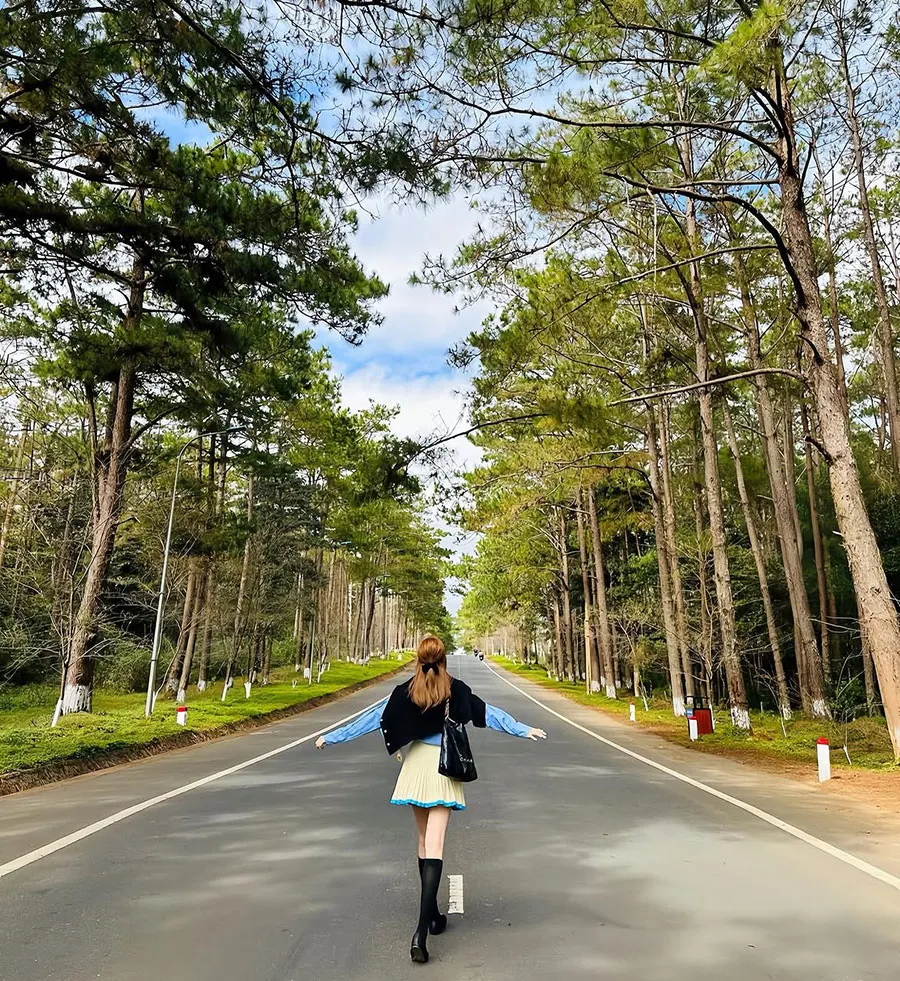
Some of the most memorable views in Măng Đen appear between the official attractions. Pine-lined roads, fog drifting through the trees and small farms create an atmosphere that feels very different from Vietnam’s tropical lowlands.
Official tourism material describes Măng Đen as a region of seven lakes, three waterfalls, forests, plantations and farms, giving travelers plenty of reasons to explore beyond one famous viewpoint.
Motorbikes provide flexibility, but mountain riding requires more caution than urban sightseeing. Travelers who enjoy two-wheel experiences but want an easier introduction to Vietnamese traffic could start with a guided motorbike city tour in Ho Chi Minh City before considering independent riding in the highlands.
Visit Khanh Lam Pagoda
Khanh Lam Pagoda adds a cultural and spiritual stop to an itinerary dominated by nature. The complex sits in a forested mountain setting, and visitors climb around 200 stone steps to reach the main area.
Wear clothing that covers shoulders and knees, keep voices low and remember that this remains an active religious site. Early morning is particularly pleasant if you prefer cooler conditions and fewer distractions.
Discover Local Highland Culture
The wider Măng Đen area is home to several ethnic communities with long histories in the Central Highlands, including the Mơ Nâm, Ca Dong, Xơ Đăng and Hre. Traditional agriculture, communal architecture, music and local customs remain important parts of the region’s cultural identity.
Cultural encounters are most meaningful when approached respectfully. Ask permission before taking close-up photographs of residents, ceremonies or private homes, and choose community-based experiences rather than treating villages as photo sets.
Best Time to Visit Mang Den
November to April for Easier Outdoor Travel
For many first-time travelers, the drier part of the year is the easiest time to experience Măng Đen. Forest walks, road trips and waterfall visits are generally easier to organize when there is less persistent rain.
Cool mornings and evenings are part of the destination’s appeal. Even when the rest of Vietnam feels hot, packing a light jacket or thin warm layer is worthwhile in Măng Đen.
Seasonal flowers may also add color at particular times of year, but flowering periods vary with weather. Avoid planning an entire trip around exact bloom dates unless you have checked local conditions shortly before arrival.
Rainy Months for Greener Landscapes
The wetter season can make forests appear deeper green and increase water flow at waterfalls. The trade-off is less predictable sightseeing, with muddy paths, fog and wet mountain roads possible.
Travelers visiting during rainy periods should keep their itinerary flexible. Schedule outdoor attractions earlier in the day when possible and leave room to change plans if visibility or road conditions deteriorate.
Local Tip: Never force a remote motorbike ride simply because it appears on your itinerary. A café morning followed by sightseeing when the weather improves is often a better use of a rainy day.
How to Get to Mang Den
Flying via Pleiku
Pleiku Airport is one of the most practical gateways for travelers approaching Măng Đen by air. Vietnam Tourism places the airport roughly 100 kilometers from Măng Đen, after which visitors must continue overland.
Depending on your budget and schedule, the onward journey can be made by bus, hired vehicle or other local transport. Confirm departure times shortly before traveling because schedules and services can change.
Traveling to Mang Den by Road
Road travel is an important part of reaching Măng Đen, whether you arrive from Pleiku, neighboring highland areas or central Vietnam. Mountain roads can be scenic, but journey times may feel longer than the distance suggests.
Avoid planning major sightseeing immediately after a long overnight journey. Checking into your accommodation, eating something and taking an easy walk is usually more enjoyable than trying to squeeze a waterfall into the final hour of daylight.
Getting Around Mang Den
Attractions are spread across the area, so having independent transport makes sightseeing easier. A motorbike is flexible for confident riders, while a private car or local driver is better for travelers who are uncomfortable with steep, wet or foggy roads.
Plan unfamiliar rides during daylight whenever possible. Rain, low cloud and darkness can dramatically change road conditions in mountainous areas.
How Much Does a Mang Den Trip Cost?
Măng Đen can work for both budget and mid-range travelers. The biggest differences usually come from accommodation and transportation rather than entrance fees.
| Expense | What to Budget For |
|---|---|
| Pa Sy Waterfall | VND 50,000 per adult in 2026 |
| Accommodation | Homestays, hotels and higher-comfort properties available |
| Food | Local restaurants and cafés can keep daily spending moderate |
| Local transport | Motorbike, taxi, driver or private vehicle |
| Other attractions | Check current admission prices before visiting |
Private transportation can become one of the largest expenses, particularly for solo travelers. Couples and small groups may find private transfers better value when the cost is shared.
Carry some Vietnamese cash as a backup. Digital payments are increasingly common, but small businesses and roadside stops should not be assumed to accept international cards.
A Simple 2-Day Mang Den Itinerary
Day 1: Waterfall, Lake and Forest Roads
Start the morning at Pa Sy Waterfall before continuing toward Dak Ke Lake. Give yourself enough time at both places rather than treating each stop as a ten-minute photo opportunity.
Spend the late afternoon exploring forest roads or enjoying coffee while temperatures begin to drop. Finish with an early dinner and enjoy the quieter evening atmosphere.
Day 2: Pagoda, Local Culture and Coffee
Visit Khanh Lam Pagoda in the morning, then spend the middle of the day exploring local agricultural scenery or a responsibly organized cultural experience.
Keep the final afternoon flexible for coffee, photography or a relaxed walk before departure. Măng Đen rewards travelers who leave room for unplanned stops.
If your Vietnam itinerary later brings you to Saigon, contrasting the quiet highlands with a guided Saigon walking tour is an easy way to experience two very different sides of the country.
What to Eat and Drink in Mang Den
Cooler weather makes warm local dishes especially appealing in the morning and evening. Look for restaurants serving regional ingredients, vegetables grown in the highlands and simple Vietnamese meals rather than expecting the enormous dining variety found in Hanoi or Ho Chi Minh City.
Coffee is also increasingly connected to the local visitor experience. Cold-climate Arabica coffee is among the agricultural products local authorities identify as important to Măng Đen’s economy.
Travelers who are especially interested in Vietnamese food can save their biggest street-food exploration for Ho Chi Minh City, where a guided motorbike food tour offers access to a much denser urban food scene.
Practical Mang Den Travel Tips for First-Time Visitors
Pack layers instead of relying on one heavy jacket. Morning fog, sunshine, rain and cool evenings can all occur within the same trip.
Wear shoes with grip if waterfalls and forest walks are priorities. Download offline maps before heading farther from town and keep a power bank available if you rely on your phone for navigation.
Do not assume every scenic forest track visible online is suitable for independent exploration. Check local access conditions, particularly during wet weather, and avoid entering isolated areas when visibility is poor.
Finally, resist the temptation to over-plan. Măng Đen works best when you have enough time to stop for fog rolling through the pines, an unexpected viewpoint or an extra coffee without worrying about the next attraction.
Final Thoughts: Should You Add Mang Den to Your Vietnam Itinerary?
Măng Đen is worth visiting if your ideal Vietnam trip includes waterfalls, pine forests, cool mornings and a slower pace. Its appeal is not that it offers more famous attractions than Đà Lạt, but that it still provides a quieter, more nature-focused highland experience.
Stay at least two nights if your schedule allows, travel with realistic expectations and let the weather influence your plans. For travelers willing to move beyond Vietnam’s classic tourist route, Măng Đen can become one of the most refreshing contrasts of the entire journey.
Frequently Asked Questions About Mang Den
Where is Mang Den located in Vietnam?
Măng Đen is a highland destination in present-day Quang Ngai Province, Vietnam. Older travel guides may describe it as part of Kon Tum Province, so travelers should check current addresses and transport information when booking.
Is Mang Den worth visiting?
Yes, particularly for travelers who enjoy forests, waterfalls, cool weather and peaceful destinations. It is better suited to nature lovers and slow travelers than visitors searching for nightlife, shopping or a large number of major urban attractions.
How many days do you need in Mang Den?
Two full days are enough for Pa Sy Waterfall, Dak Ke Lake, Khanh Lam Pagoda and some forest scenery. Three days are better if you prefer photography, relaxed café stops or additional countryside exploration.
What is Mang Den famous for?
Măng Đen is known for its cool highland climate, pine forests, waterfalls, lakes, farms and ethnic minority cultures. Pa Sy Waterfall, Dak Ke Lake and Khanh Lam Pagoda are among its better-known attractions.
What is the best time to visit Mang Den?
Drier months are generally easier for outdoor sightseeing and road travel, while the wetter period produces greener scenery and stronger waterfalls. Regardless of season, bring a light warm layer because mornings and evenings can feel cool.
Can you visit Mang Den without a motorbike?
Yes. Motorbikes are convenient but not essential. Travelers who do not feel confident riding mountain roads can use buses for longer journeys and arrange taxis, cars or local drivers for sightseeing.
Is Mang Den similar to Da Lat?
Both destinations have highland scenery, waterfalls and cooler weather. Măng Đen generally appeals more to travelers seeking a quieter, less urbanized nature escape, while Đà Lạt has a much larger tourism industry, dining scene and range of attractions.