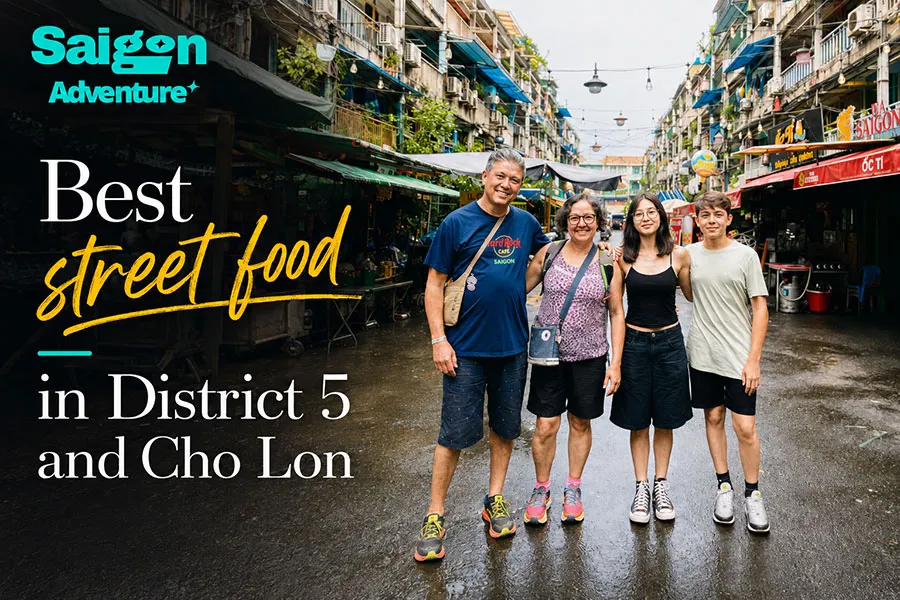
District 5 does not reveal itself as quickly as central Saigon. Its rewards appear gradually: steam rising from bamboo baskets, roast ducks glowing behind glass, handwritten menus on tiled walls, and families gathering around metal tables after work.
At the heart of the district is Cho Lon, Ho Chi Minh City’s historic Chinatown and one of its most distinctive culinary neighborhoods. Generations of Chinese-Vietnamese families have shaped the area’s food, blending Cantonese, Teochew, Hokkien, Hainanese, and southern Vietnamese traditions into flavors found nowhere else in the city.
The best street food in District 5 is not about chasing a single famous stall. It is about moving between markets, alleys, temples, old shop houses, and family-run kitchens while tasting how migration and local life have influenced each bowl.
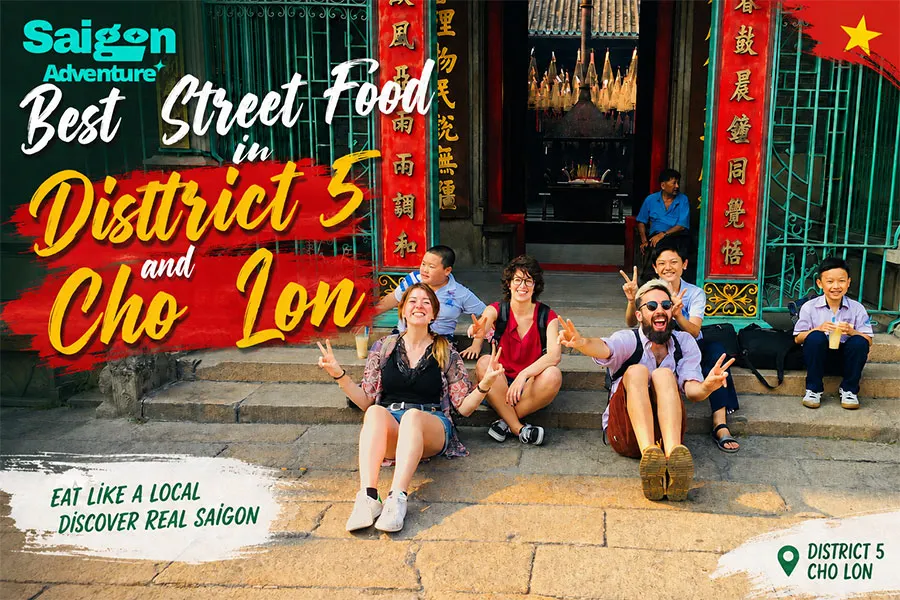
Why District 5 is one of Saigon’s best food neighborhoods
District 5 feels different from the polished restaurants and tourist-oriented streets of District 1. Meals are often served in functional spaces where the emphasis remains firmly on freshness, speed, and recipes refined over decades.
Cho Lon extends beyond the administrative borders of District 5 into parts of Districts 6 and 11. However, District 5 remains an excellent starting point because its temples, medicine streets, markets, and traditional eateries sit relatively close together.
Chinese cooking techniques meet Vietnamese ingredients throughout the neighborhood. You may find noodles served with aromatic herbs, Cantonese-style roasted meat eaten with Vietnamese pickles, or Chinese herbal desserts adjusted to suit Saigon’s tropical climate.
Visitors interested in the neighborhood beyond its food can follow this Cho Lon Chinatown walking tour guide before planning their route.
What to eat in District 5 and Cho Lon
1. Dim sum
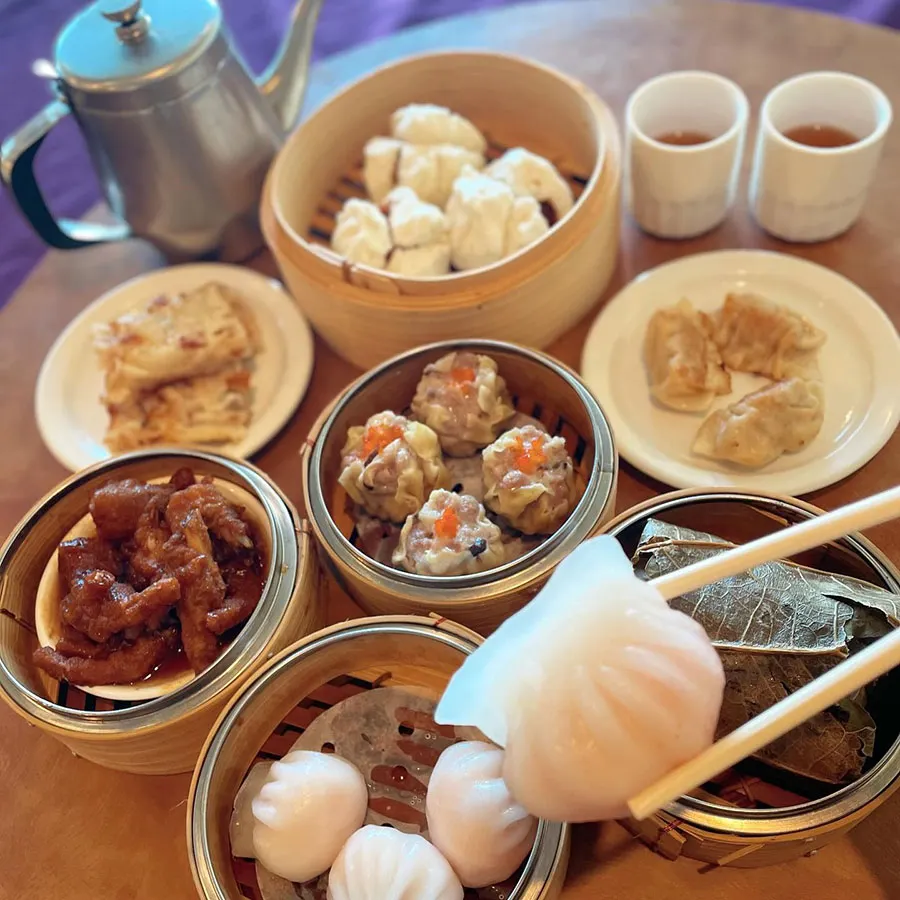
A District 5 morning should begin with dim sum. Bamboo steamers arrive filled with shrimp dumplings, pork siu mai, steamed spare ribs, bean-curd rolls, and soft buns containing barbecue pork or salted egg custard.
Dim sum in Cho Lon can range from informal counter-service eateries to large dining rooms filled with multigenerational families. For a varied breakfast, order two or three steamed dishes, one fried item, and a pot of Chinese tea to share.
Local tip: Go between 7:00 and 9:00 a.m. for the liveliest atmosphere and the widest selection. Some kitchens reduce their offerings as lunchtime approaches.
2. Sủi cảo – Chinese-style dumplings
Sủi cảo are plump dumplings usually filled with seasoned pork and shrimp. They may be served in a clear broth, with egg noodles, or dry with sauce and leafy greens.
A good bowl balances several textures: tender wrappers, springy shrimp, juicy pork, crisp vegetables, and fried shallots. Add chilli carefully, as the house-made sauces at neighborhood stalls can be much hotter than expected.
Dumpling streets become especially atmospheric after sunset, when pots simmer beside the pavement and diners fill rows of low tables. This is one of the easiest Cho Lon street food experiences for first-time visitors because the flavors are comforting and approachable.
3. Mì vịt tiềm – herbal duck noodles
Mì vịt tiềm is among the most memorable Chinese-Vietnamese dishes in Ho Chi Minh City. A duck leg is braised until tender, then served with egg noodles and a dark broth scented with herbs and spices.
The broth may contain star anise, cinnamon, goji berries, dried citrus peel, or other traditional ingredients. Its flavor is rich and aromatic but usually gentler than its dark color suggests.
Pickled papaya or chilli vinegar is often served alongside the bowl to cut through the richness. It is a satisfying dinner after an afternoon spent exploring Cho Lon’s temples and traditional medicine streets.
4. Hủ tiếu sa tế – satay noodle soup
Do not expect hủ tiếu sa tế to taste like the peanut satay sauce found elsewhere in Southeast Asia. In Cho Lon, it is a deeply savory noodle soup with Chinese-Vietnamese roots, often prepared with beef, crushed peanuts, sesame, chilli, and fragrant spices.
Its broth is thick, nutty, mildly sweet, and warming. Lettuce, cucumber, tomato, herbs, and slices of beef create a contrast between the powerful soup and fresh accompaniments.
Recipes vary significantly between families, which makes this dish particularly rewarding to try in District 5. It is less familiar to international visitors than phở, yet it expresses the identity of Cho Lon far more clearly.
5. Roasted duck and char siu
Walk through District 5 in the late afternoon and you will see roasted ducks and strips of char siu hanging behind glass-fronted stalls. Their lacquered surfaces are the result of careful seasoning and roasting rather than decorative presentation.
Roast duck has crisp skin, juicy meat, and a savory aroma of five-spice seasoning. Char siu is sweeter, with caramelized edges that pair naturally with rice, noodles, cucumber, and pickled vegetables.
Order a mixed plate if available so you can compare several roasted meats without committing to a large portion. These dishes are also convenient for travelers who prefer a quick meal with familiar ingredients.
6. Cơm gà Hải Nam – Hainanese chicken rice
Hainanese chicken rice reached Cho Lon through generations of Chinese migration and gradually developed a local Saigon character. The chicken is poached gently, while the rice is cooked with stock and chicken fat for a subtle, savory fragrance.
The meal usually comes with cucumber, herbs, a light soup, and ginger or chilli sauce. Although it looks simple, the quality depends on precise cooking: moist chicken, separate grains of rice, and sauces that brighten rather than overpower the dish.
It is an excellent lunch choice when you want something satisfying without the heaviness of roasted meat or herbal duck noodles.
7. Bột chiên – crispy fried rice cakes
Bột chiên is a classic evening snack made from cubes of rice flour cake fried on a flat metal pan. Eggs are cracked over the crisp-edged cakes, followed by spring onions and sometimes shredded green papaya.
The result is crunchy outside, soft and chewy inside, with a savory richness from the egg. A dark soy-based dipping sauce, often sharpened with vinegar and chilli, ties everything together.
Watch the vendor prepare it if possible. The sound of the spatula striking the pan, the smoky aroma, and the fast movements are all part of the experience.
8. Cháo Tiều – Teochew-style rice porridge
Cháo Tiều is more elaborate than plain rice porridge. Depending on the kitchen, it may include pork offal, minced pork, fish, squid, mushrooms, or preserved vegetables.
The porridge is light enough for breakfast but flavorful enough for a late-night meal. Ginger, pepper, spring onions, and fried garlic provide warmth without hiding the individual ingredients.
Travelers unfamiliar with offal can ask what is included before ordering or request a simpler version. Pointing at the ingredients is perfectly acceptable at a busy local stall.
9. Chè Hoa – Chinese-Vietnamese sweet soups
Dessert in Cho Lon often arrives in a bowl rather than on a plate. Chinese-style chè may feature lotus seeds, longan, seaweed, red beans, black sesame, tofu, gingko nuts, or herbal jelly.
Some varieties are served warm and soothing, while others come chilled with ice. Unlike very sweet modern desserts, traditional versions often emphasize the natural fragrance and texture of seeds, beans, fruit, and herbs.
Black sesame soup is dense and nutty, while tofu pudding with ginger syrup is soft, delicate, and refreshing. Sharing several small bowls is the best way to explore the variety.
10. Herbal tea
Traditional herbal drinks are part of everyday life in Cho Lon rather than a tourist novelty. Dark, lightly bitter tea is sold from small counters and old-fashioned beverage shops throughout the neighborhood.
The flavor can surprise travelers accustomed to sweet bottled tea. It is commonly valued as a cooling drink in Saigon’s hot climate, although visitors should treat it as a beverage rather than expect specific medical benefits.
If the bitterness feels too strong, ask whether a sweeter option is available. Sugarcane juice and fresh citrus drinks are easy alternatives nearby.
Where to explore Cho Lon street food
The streets around traditional markets, old apartment blocks, and major temples are good places to begin. Châu Văn Liêm, Trần Hưng Đạo, Nguyễn Trãi, Hải Thượng Lãn Ông, and the smaller lanes connecting them contain a mixture of restaurants, food carts, bakeries, and dessert shops.
Food businesses change, relocate, or close without much online notice, so rigid lists of addresses can age quickly. Look for busy kitchens with high ingredient turnover, visible preparation areas, and a steady flow of local customers.
Bình Tây Market is frequently associated with Cho Lon but is located in District 6. It can still be included in a wider Chinatown itinerary, especially for travelers interested in wholesale commerce and traditional market life.
For a broader overview before exploring, read this guide to the best street food in Ho Chi Minh City.
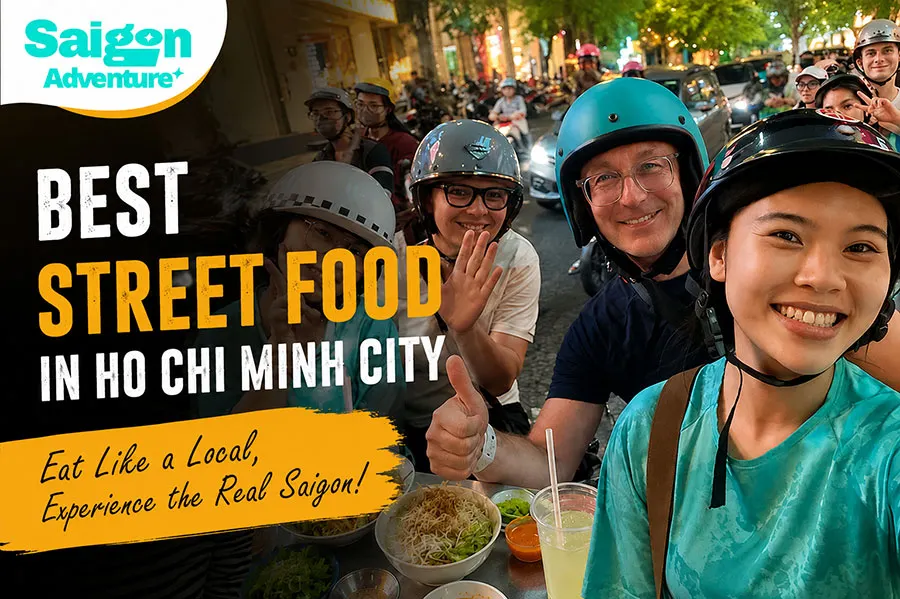
Best time for a District 5 food tour
Morning is ideal for dim sum, rice porridge, fresh markets, and a quieter walk around the temples. Start early, particularly if you want to see Cho Lon as local businesses open for the day.
Late afternoon and evening offer the greatest range of street food. Roasted meats, dumpling noodles, bột chiên, desserts, and drinks become easier to find from approximately 5:00 p.m. onward.
The hottest part of the day can make walking uncomfortable. A morning visit or an evening route generally provides a more enjoyable balance of food, atmosphere, and temperature.
How to eat safely and confidently
Choose stalls where ingredients are protected, cooking surfaces look organized, and dishes are prepared continuously. Food served piping hot is generally a more sensible choice than items that appear to have been sitting uncovered.
Bring small Vietnamese banknotes, as family-run vendors may not accept cards or have change for large bills. Showing the number of portions with your fingers is useful when English is limited.
Ask about peanuts, shellfish, soy, sesame, eggs, and wheat if you have allergies. Cross-contact is common in compact kitchens, so travelers with severe allergies should consider eating with a Vietnamese-speaking guide.
Do not attempt to cover ten dishes in one sitting. Share portions, walk between stops, and leave space for an unexpected bakery, dessert counter, or dumpling stall.
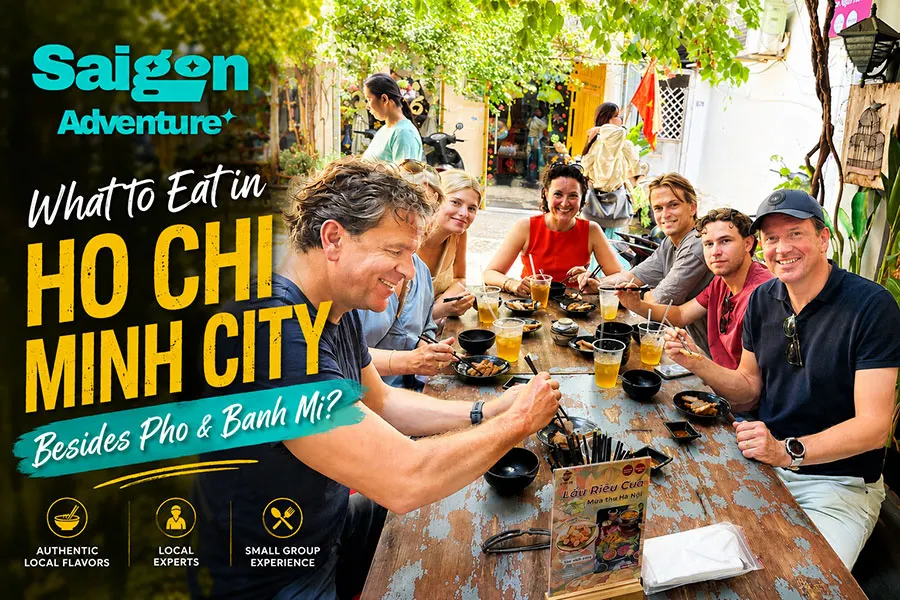
The best ways to experience District 5
Independent exploration works well for confident travelers, but Cho Lon’s most interesting kitchens are spread across busy streets and narrow lanes. Menus may be entirely in Vietnamese or Chinese, and the story behind a dish is rarely written down.
A guided Saigon motorbike food tour makes it easier to reach several neighborhoods and local eateries in one evening. Travelers who want food to be the main focus can also explore the dedicated Street Food Lover experience.
For a broader look at local landmarks, markets, and residential districts, consider a motorbike city tour. Visitors who prefer a slower pace can browse Saigon Adventure’s walking tours in Ho Chi Minh City.
District 5 rewards curiosity more than a checklist. Come hungry, try one unfamiliar dish, notice the details between food stops, and Cho Lon may become the neighborhood you remember most vividly from Saigon.
Frequently asked questions
What is the best street food in District 5?
Local favorites include sủi cảo, mì vịt tiềm, hủ tiếu sa tế, roasted duck, char siu, bột chiên, Teochew rice porridge, dim sum, and Chinese-style sweet soups. The best choice depends on whether you visit in the morning or evening.
Is Cho Lon the same as District 5?
Not exactly. District 5 contains much of historic Cho Lon, but the wider Chinatown area also extends into Districts 6 and 11.
What time should I visit Cho Lon for street food?
Visit between 7:00 and 9:00 a.m. for dim sum and breakfast dishes. For the widest street-food selection and a livelier atmosphere, explore from approximately 5:00 to 9:00 p.m.
Is street food in District 5 safe for tourists?
It can be enjoyed safely by choosing busy stalls with good turnover, clean preparation areas, and food cooked thoroughly to order. Travelers with serious food allergies should use extra caution because small kitchens commonly share utensils and cooking surfaces.
Is District 5 suitable for vegetarians?
Vegetarian dishes are available, especially near temples, but meat-based stocks and sauces are common. Clearly say “tôi ăn chay” and confirm that the broth or sauce does not contain meat, seafood, or fish sauce.
Can I explore Cho Lon without a guide?
Yes, especially during daylight, but a guide can help with ordering, food allergies, transport, and the cultural background of unfamiliar dishes. Guided tours are particularly useful for visitors with limited time who want to sample food beyond the most visible main streets.