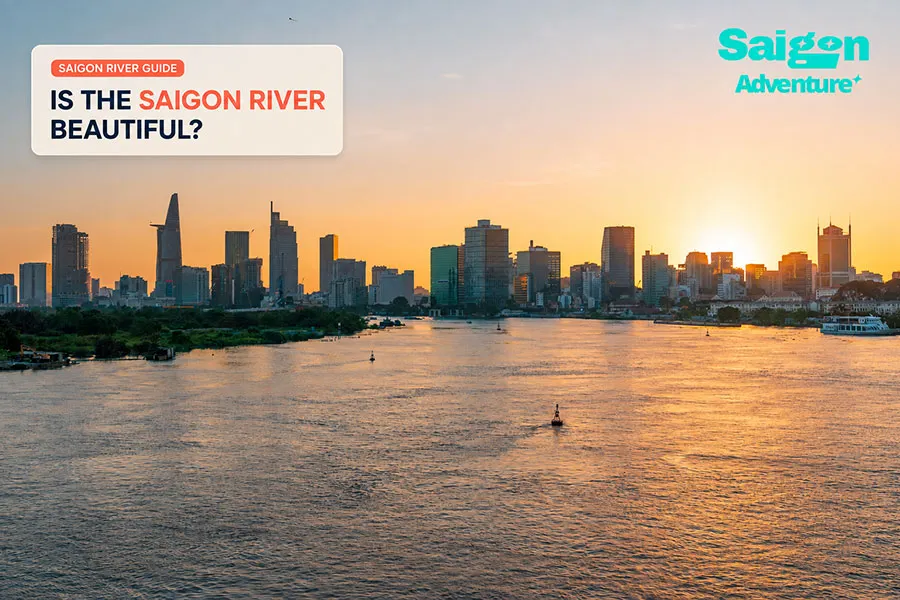
The Saigon River is not beautiful in the conventional tropical sense. Its water is naturally brown rather than turquoise, and its banks combine modern towers, working docks, riverside parks and rapidly changing neighborhoods. Yet that contrast is precisely what makes the river compelling.
From the water, Ho Chi Minh City feels wider, calmer and easier to understand. Glass skyscrapers rise behind old ferry routes, cargo vessels move past waterfront restaurants, and small boats continue journeys that have shaped local life for generations.
So, is the Saigon River beautiful? Yes—but its beauty comes from movement, history and the changing city around it, not from crystal-clear water. A short cruise reveals a side of Saigon that busy streets and rooftop viewpoints cannot provide.
What Makes the Saigon River Beautiful?
The river’s appeal lies in perspective. At street level, buildings, traffic and narrow pavements compete for your attention. Once the boat leaves the pier, that visual noise falls away and the city opens into a broad skyline.
You begin to notice how different parts of Ho Chi Minh City connect. The historic center sits beside modern towers, while the developing Thu Thiem waterfront faces District 1 across the water. Bridges, parks, apartment buildings and old port structures become pieces of one larger urban story.
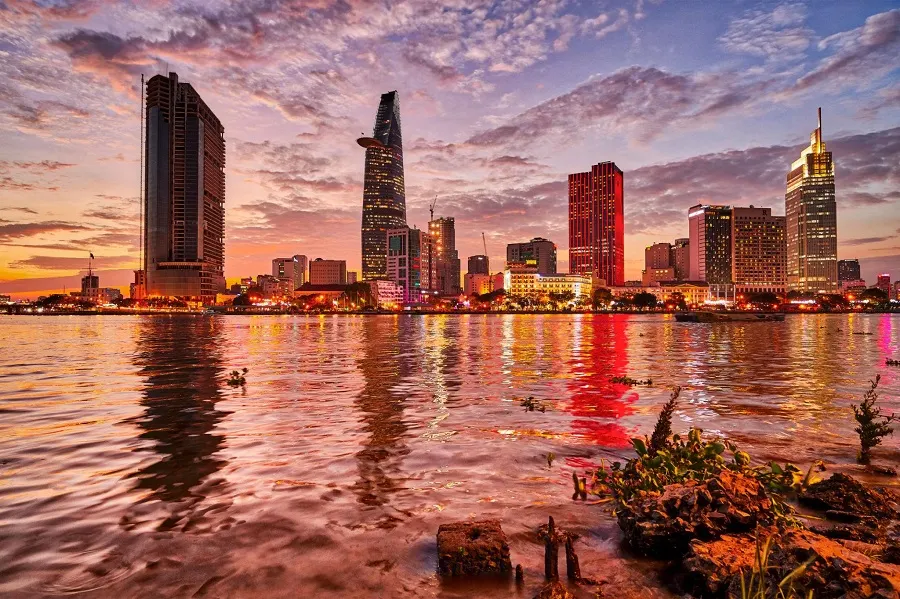
The surface of the river also changes throughout the day. Morning light creates soft reflections, the late afternoon adds warmer color, and evening cruises bring illuminated towers and bridges into view.
What Can You See on a Saigon River Cruise?
The exact scenery depends on the departure pier, route, water conditions and length of the trip. Most central cruises, however, offer a combination of recognizable landmarks and scenes of everyday river life.
The District 1 Skyline
One of the best Saigon River views is the central business district rising behind the waterfront. From the boat, the skyline looks more balanced than it does from the streets below, with older low-rise blocks set against modern glass towers.
The Bitexco Financial Tower is particularly easy to recognize because of its curved shape and projecting helipad. Nearby buildings create a dense urban backdrop that becomes especially photogenic as the light softens before sunset.
This view helps first-time visitors appreciate how quickly Ho Chi Minh City has developed while still retaining pieces of its former riverside character.
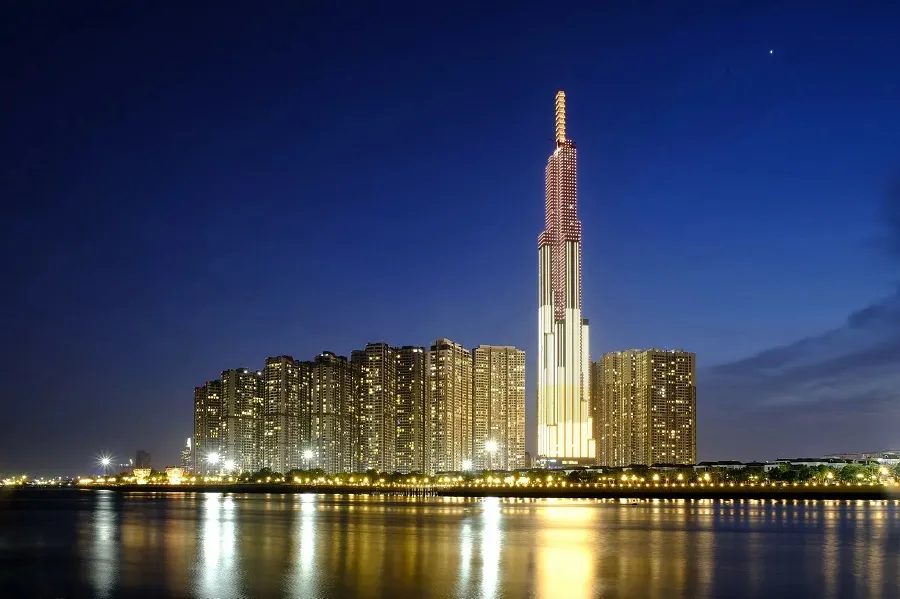
Landmark 81 and Vinhomes Central Park
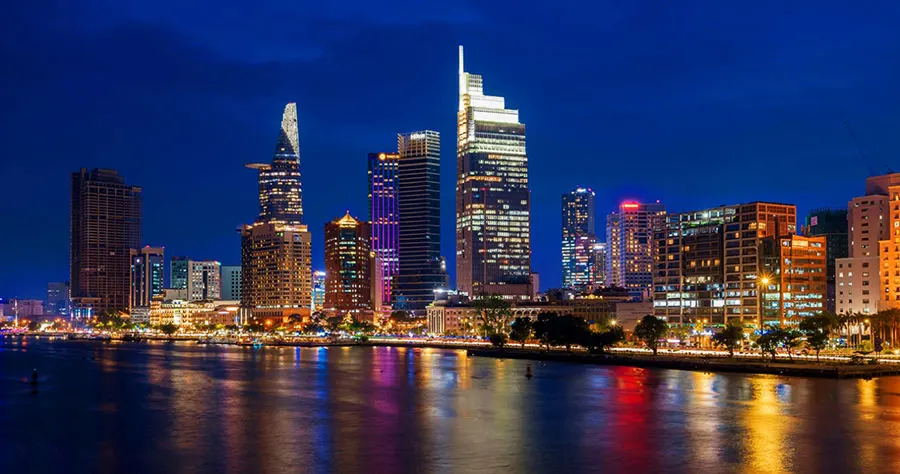
Landmark 81 dominates the skyline northeast of central District 1. Its height makes it visible from many stretches of the river, although the clarity and angle will depend on your boat’s route.
Below the tower, Vinhomes Central Park adds a greener edge to the cityscape. The combination of landscaped riverfront space, apartment towers and open water represents the newer face of Ho Chi Minh City.
For photography, Landmark 81 often works best as part of a wider skyline composition rather than an isolated close-up.
The Ba Son Bridge
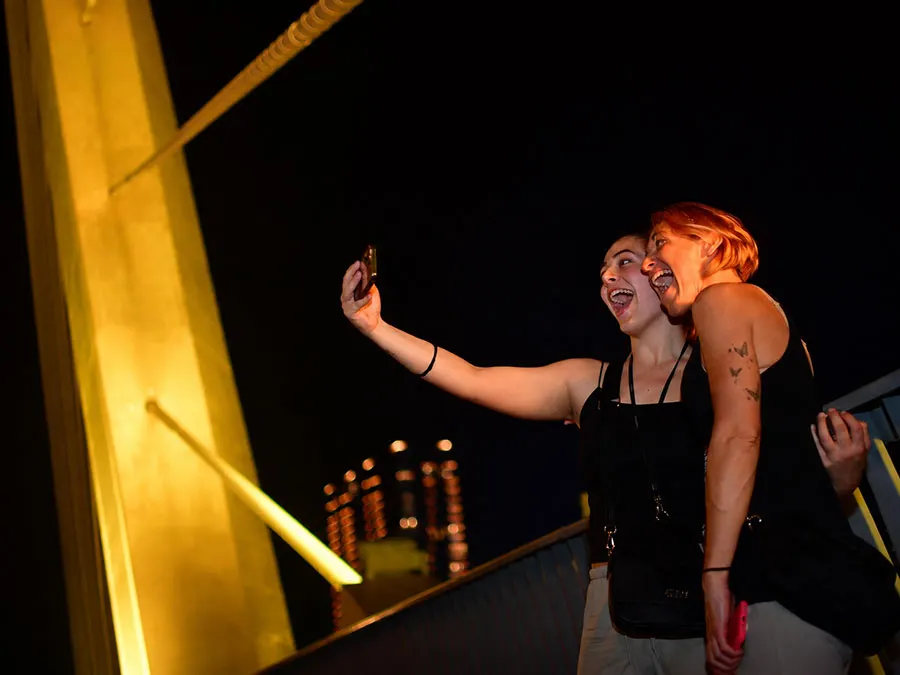
The Ba Son Bridge, widely known during construction as Thu Thiem 2 Bridge, connects central District 1 with Thu Thiem. Its cable-stayed design has become one of the most distinctive modern features along the Saigon River.
Seen from the water, the bridge feels more impressive because you can observe its full span and the traffic moving between both sides of the city. Depending on the route, your boat may approach or pass beneath it, offering a perspective unavailable from the road.
At night, the illuminated structure adds another layer to the river scenery without overwhelming the skyline around it.
Bach Dang Wharf and the Historic Waterfront
Bach Dang Wharf has long been associated with Saigon’s relationship with the river. Today, its promenade is a popular place for residents to walk, relax and watch boats moving across the water.
From a riverboat, you can see the waterfront as a continuous scene rather than a collection of separate buildings. Hotels, commercial towers, trees, piers and riverside activity all appear within the same frame.
This is where the city’s polished modern image and its historic port identity come closest together.
Thu Thiem and the New Riverside Cityscape
Across from District 1, Thu Thiem offers a striking contrast. Sections of the waterfront remain open, while new roads, towers and public spaces continue to reshape the area.
Looking back from this side of the river provides some of the clearest views of the central Saigon skyline. The open foreground makes the buildings appear more dramatic, particularly around sunset and during the first hour after dark.
Thu Thiem also shows that the Saigon River is not simply a scenic boundary. It is becoming the visual center of a city expanding on both banks.
Working Boats and Everyday River Life
The most memorable sights are not always famous landmarks. Passenger ferries, service boats, barges and cargo vessels remind visitors that the Saigon River remains a working waterway.
These scenes create movement and authenticity. A large vessel may pass a small wooden boat, while river buses and tour boats follow their own routes between the banks.
Watching this activity gives a better sense of local geography and trade than viewing the river briefly from a promenade. It also keeps the experience interesting even between major landmarks.
Is the Saigon River Water Clean and Blue?
Travelers should arrive with realistic expectations. The Saigon River usually appears brown because it carries fine sediment, especially after rain and during periods of stronger tidal movement. Brown water does not automatically mean that everything you see is pollution.
However, like many waterways passing through a major urban and industrial region, the river faces environmental challenges. Visitors may occasionally notice floating debris, particularly after heavy rain or near busy riverbanks.
A Saigon River cruise should therefore be chosen for the skyline, atmosphere and urban perspective—not for swimming or a pristine natural-water experience. Honest expectations make the scenery easier to appreciate for what it genuinely offers.
When Is the Saigon River Most Beautiful?
Morning for Clearer, Quieter Views
Morning cruises can feel cooler and less crowded, with softer sunlight on the eastern side of the city. Visibility is often pleasant, and the river’s working activity provides an energetic introduction to the day.
This time suits travelers who prefer gentle light, a quieter atmosphere and a schedule that leaves the afternoon free for sightseeing.
Late Afternoon for Balanced Photography
Late afternoon is one of the easiest times to photograph the Saigon skyline. The sun is less intense, building details remain visible, and the river begins to reflect warmer colors.
Cloud cover can change the appearance of the sunset, so no operator can promise a perfectly orange sky. Even without a dramatic sunset, the transition from daylight to evening makes the journey visually varied.
Evening for City Lights
After dark, illuminated bridges, hotels and towers transform the waterfront. Reflections stretch across the moving water, and the city feels more polished and cinematic.
An evening trip is ideal for atmosphere, although phones and cameras may find moving boats and low light challenging. Keep the device steady, avoid excessive digital zoom and include reflections to give night photographs more depth.
Is a One-Hour Saigon River Tour Long Enough?
One hour is usually enough to enjoy the central skyline, photograph several landmarks and observe daily activity on the river without committing half a day. It works particularly well for travelers with limited time or those seeking a relaxed break between other attractions.
A short cruise does not travel far into the countryside or explore smaller canals. It is best understood as a city sightseeing experience from the water rather than an excursion into the Mekong Delta.
For many visitors, this duration feels comfortable. The scenery changes regularly, yet the trip remains easy to combine with District 1 landmarks, dinner or an evening street food experience.
Saigon River Cruise or Riverside Walk: Which Is Better?
A riverside walk is free, flexible and useful for observing Bach Dang Wharf at your own pace. You can stop for photographs, visit nearby attractions and wait for the skyline lights to appear.
A cruise provides something the promenade cannot: separation from the city. From the center of the river, you gain wider viewing angles, unobstructed skyline photographs and a clearer impression of how both banks relate to each other.
The two experiences complement each other. Walk beside the river before departure, then take a boat to see the same waterfront from an entirely different perspective.
Practical Tips for Better Saigon River Views
Arrive before the stated departure time because piers can be busy and boarding procedures vary. If seating is not assigned, choose an open side with a clear view, but expect the best direction to change as the boat turns.
Bring sun protection for daytime departures and a light outer layer for the evening breeze. Secure loose hats, phone straps and small belongings before moving around the boat.
For photographs, clean your camera lens before departure and avoid shooting through scratched or reflective windows when possible. Wide compositions usually capture the character of the river better than tightly zoomed images of individual buildings.
Local tip: Do not spend the entire cruise looking through your phone. Watch how the skyline, boats and reflections change for a few minutes before deciding which scenes are genuinely worth photographing.
Is the Saigon River Worth Seeing from the Water?
Yes, especially if you want to see Ho Chi Minh City as more than a collection of individual attractions. The river connects the historic waterfront, modern business district, emerging Thu Thiem area and everyday movement of a working port city.
Its beauty is imperfect but distinctive. Muddy water flows beneath elegant bridges; cargo boats pass luxury towers; and the crowded city becomes unexpectedly calm when seen from a boat.
To experience this perspective without using most of your day, join a one-hour Saigon River tour. It is a simple, relaxing way to understand the scale, contrasts and continuing transformation of Saigon.
Frequently Asked Questions
Is the Saigon River beautiful during the day?
Yes. Daytime offers clearer views of buildings, bridges and working boats. Late afternoon is especially attractive because the sunlight is softer and the skyline often gains warmer tones.
Why is the Saigon River brown?
The river carries suspended sediment, which naturally gives the water a brown appearance. Rain, tides and boat movement can make the color look darker or more opaque on different days.
What landmarks can you see from the Saigon River?
Depending on the route, you may see the District 1 skyline, Bitexco Financial Tower, Landmark 81, Ba Son Bridge, Bach Dang Wharf, Vinhomes Central Park and the Thu Thiem waterfront.
Is sunset or nighttime better for a Saigon River cruise?
Sunset offers changing natural light and better building detail, while nighttime creates stronger reflections and illuminated skyline views. Choose sunset for photography and evening for atmosphere.
Is one hour enough for a Saigon River cruise?
One hour is sufficient for a central sightseeing route and suits visitors with limited time. Longer cruises may be preferable if you want dinner, entertainment or travel beyond the main city skyline.
Can children and older travelers join a river tour?
Many city river tours are suitable for families and older travelers, but boarding conditions and boat designs vary. Check accessibility, seating, life-jacket availability and pier instructions with the operator before booking.
Can I take good photos from the boat?
Yes. Use a wide-angle setting, hold your device securely and photograph in natural light when possible. Include the water and reflections rather than focusing only on individual skyscrapers.