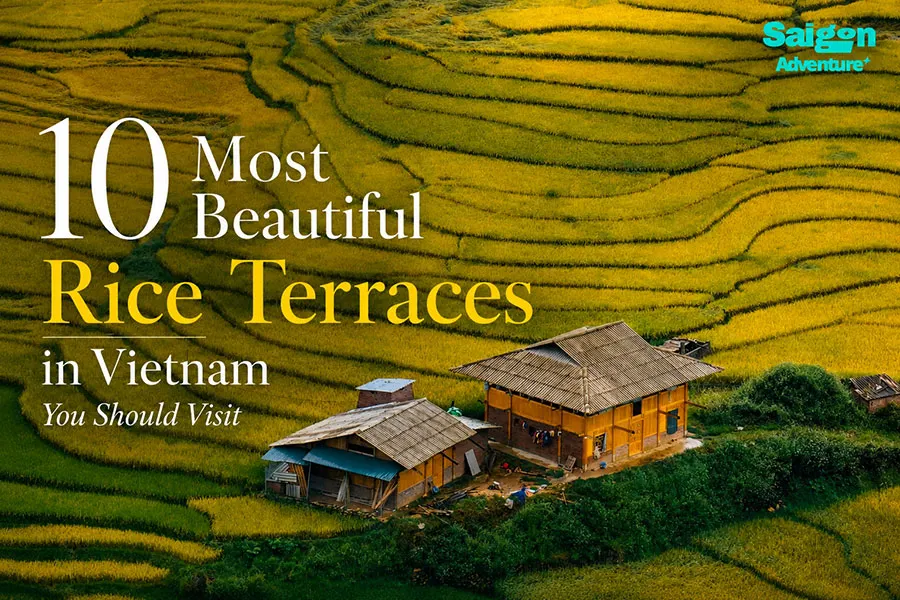
Across Vietnam’s northern mountains, rice fields climb hillsides in sweeping curves, narrow steps and shimmering green layers. These terraces are not simply photogenic landscapes; they are working farms shaped over generations by communities adapting to steep terrain and limited water.
The most beautiful rice terraces in Vietnam change dramatically with the seasons. Water-filled paddies reflect the sky in late spring, young rice creates vivid green valleys in summer, and harvest time transforms the mountains into ribbons of gold.
From accessible Sapa to the remote valleys of Hoang Su Phi, every destination offers a different combination of scenery, trekking and local culture. This guide introduces ten remarkable places and explains when to visit, what to expect and how to explore them responsibly.

Why Vietnam’s Rice Terraces Are So Special
Terrace farming allows mountain communities to cultivate rice on land that would otherwise be too steep. Each level slows the movement of water, reduces soil erosion and creates a narrow surface where rice can grow.
Many of the finest terraces are found in areas inhabited by Hmong, Dao, Tay, Thai and other ethnic communities. Their knowledge of water management, weather and mountain agriculture has helped shape these living landscapes.
Travelers should remember that the fields are private farmland rather than outdoor photography studios. Staying on established paths, asking before photographing residents and avoiding damage to crops are simple ways to show respect.
1. Mu Cang Chai, Yen Bai
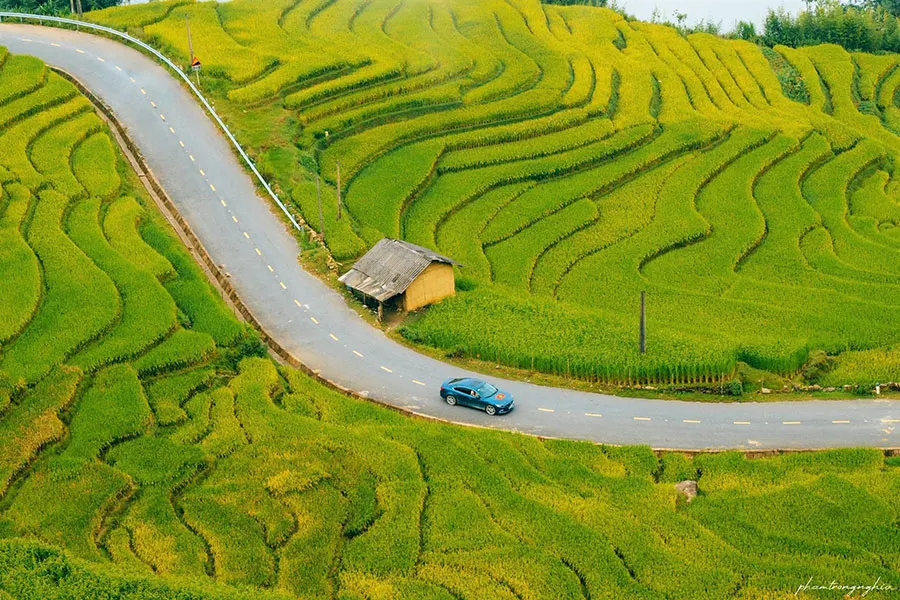
Mu Cang Chai is often the first place people imagine when they hear “Vietnam rice terraces.” Its fields sweep across steep mountains around La Pan Tan, Che Cu Nha and De Xu Phinh, creating some of the country’s most dramatic agricultural scenery.
Mam Xoi Hill is the famous viewpoint, but it can become crowded during harvest season. Travelers willing to walk beyond the main roadside stops will find quieter paths, wooden homes and broad views across the valleys.
September is usually associated with golden rice, although the precise harvest date changes each year. In May and June, the water season brings an entirely different beauty as newly flooded terraces reflect clouds and evening light.
Local tip: Stay overnight instead of attempting a rushed day trip from Hanoi. Early mornings offer softer light, cooler temperatures and a better chance to experience village life before tour groups arrive.
For travelers who want to explore beyond the roadside viewpoints, this complete Mu Cang Chai travel guide covers the area’s remarkable landscapes, local culture and essential planning tips.
2. Muong Hoa Valley, Sapa
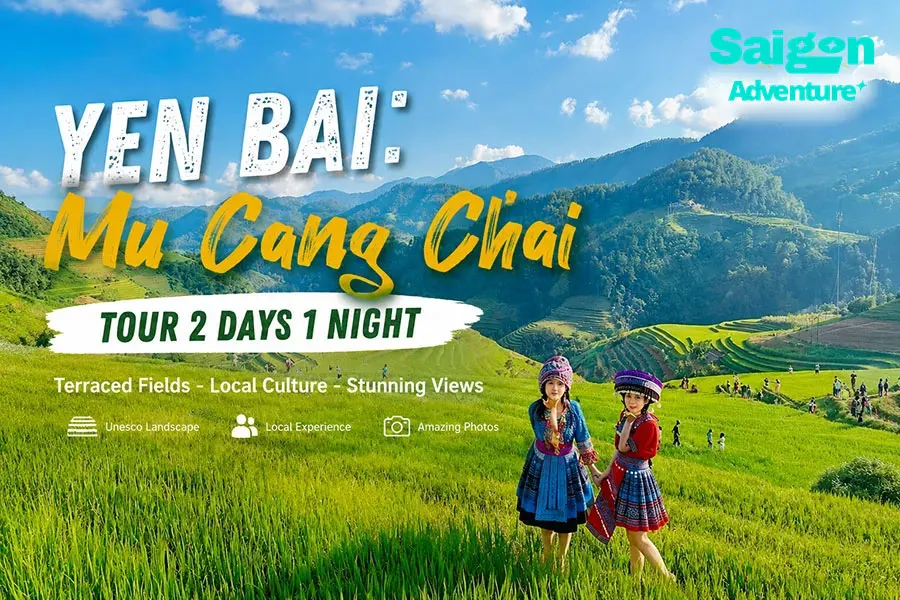
Muong Hoa Valley contains the best-known Sapa rice terraces, stretching below the Hoang Lien Son mountains between villages such as Y Linh Ho, Lao Chai and Ta Van. Mist, mountain streams and scattered homes give this landscape a softer character than Mu Cang Chai.
Sapa has a wider range of hotels, restaurants and transport options than most rice-growing regions. It is therefore a practical choice for first-time visitors who want beautiful scenery without traveling too far into remote mountain districts.
Popular trekking routes can feel busy, especially around Lao Chai and Ta Van. For a quieter experience, arrange a guided walk toward less-visited communities or begin early in the morning.
You can include Sapa within a broader Vietnam multi-day tour combining northern landscapes with Hanoi, Ha Long Bay or Ha Giang.
3. Hoang Su Phi, Ha Giang
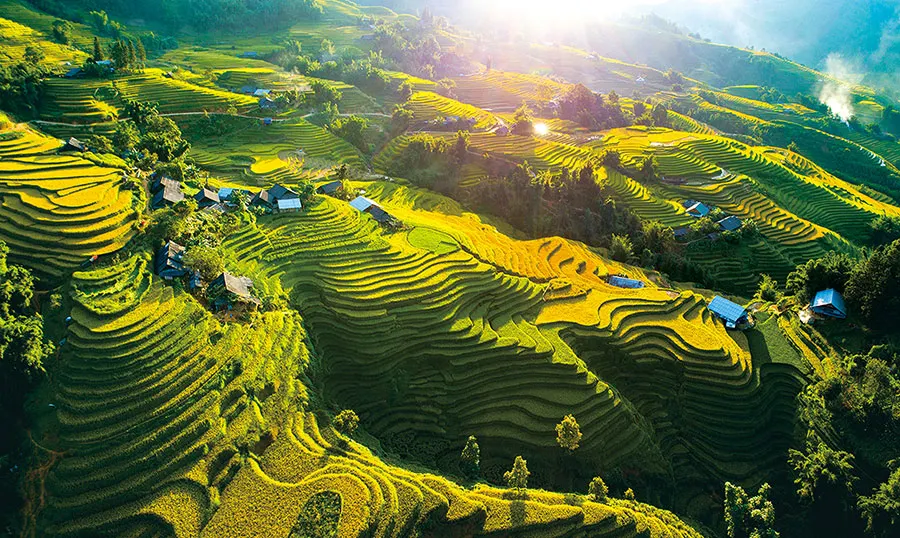
Hoang Su Phi feels wilder and more secluded than Sapa. Its terraces cling to steep mountains around villages including Ban Phung, Ban Luoc, Nam Ty and Thong Nguyen, often disappearing into layers of cloud.
This is one of the best rice terrace destinations in Vietnam for travelers who value trekking and cultural encounters over convenient sightseeing. Roads can be slow, accommodation is limited outside the main settlements, and several viewpoints require walking.
The reward is a landscape that still follows the rhythm of farming life. During the golden season, entire slopes turn yellow while valleys remain wrapped in morning mist.
Plan at least two or three nights in the region. A local guide is valuable for navigating village trails, understanding community customs and avoiding paths made slippery by rain.
4. Y Ty, Lao Cai
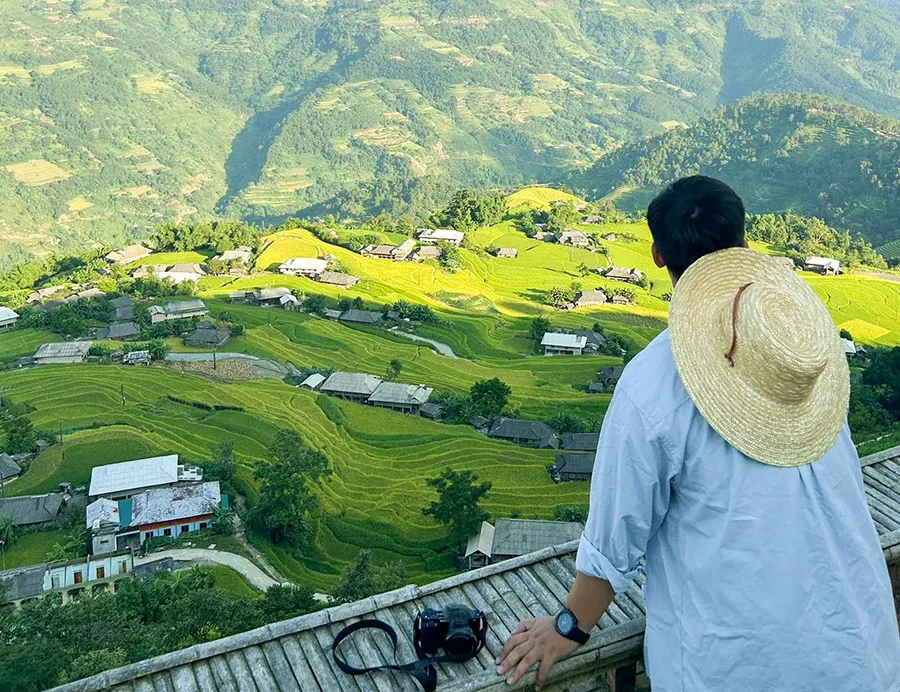
Near Vietnam’s northern border, Y Ty combines high-altitude rice terraces with cloud-covered valleys and traditional earthen houses. The journey is more demanding than the trip to central Sapa, which helps the area retain a quieter atmosphere.
Terraces around Den Sang, A Lu and Ngai Thau form striking patterns across the mountains. On clear days, the landscape opens into vast green or golden slopes; on misty mornings, houses and fields appear between moving clouds.
Accommodation and English-language services remain modest, so Y Ty suits independent travelers who are comfortable with basic facilities. Check road and weather conditions before leaving Lao Cai, particularly during periods of heavy rain.
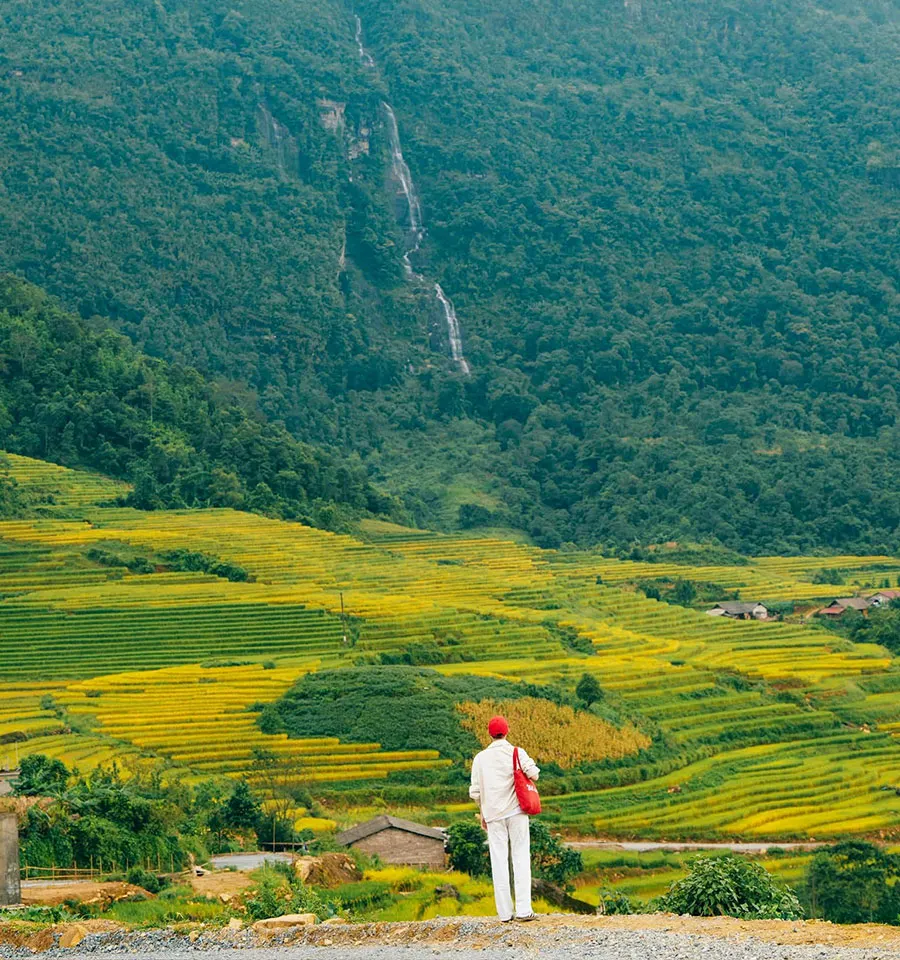
5. Pu Luong, Thanh Hoa
Pu Luong Nature Reserve offers a gentler alternative to the dramatic high mountains farther north. Rice terraces roll between limestone peaks, forests, streams and Thai villages, creating a peaceful setting for walking and slow travel.
Ban Don is the best-known base, while Kho Muong and Hieu Village offer rewarding countryside trails. Unlike many higher areas with one principal rice crop, planting and harvest patterns in Pu Luong can differ between valleys and elevations.
This variation means visitors may see green terraces in one village and harvested fields in another. Ask your accommodation about current field conditions rather than relying entirely on fixed seasonal calendars.
Pu Luong is particularly appealing to couples and families seeking short hikes, comfortable eco-lodges and rural views without an intensive mountain expedition.
6. Tu Le Valley, Yen Bai
Tu Le lies along the scenic route toward Mu Cang Chai, yet it deserves more than a quick roadside stop. Its broad valley is framed by mountains and filled with rice fields, villages and winding streams.
The terraces are less vertical than those around La Pan Tan, but the open landscape is exceptionally graceful during the green and golden seasons. Tu Le is also known for fragrant sticky rice, making it an interesting place to connect the scenery with local food traditions.
Many travelers spend one night here before continuing over Khau Pha Pass. This creates time for an afternoon walk, a relaxed local meal and an early departure toward Mu Cang Chai’s famous viewpoints.
7. Tram Tau, Yen Bai
Tram Tau remains relatively unfamiliar to international visitors despite its attractive rice terraces and mountain setting. Located in western Yen Bai, the district offers a slower and less commercial experience than Sapa.
Village paths lead past working fields, wooden houses and forested hills. The terraces may not cover the same enormous area as Mu Cang Chai, but their quiet surroundings make them especially rewarding for walkers and photographers.
Tram Tau is also associated with natural hot springs, which provide a welcome break after trekking. Transport requires more planning, so it is best included in a multi-day route through Yen Bai rather than treated as a quick excursion.
8. Mai Chau, Hoa Binh
Mai Chau is known for broad rice paddies across a mountain-ringed valley, with smaller terraced sections rising around its edges. Although the scenery is less dramatic than Hoang Su Phi, the area provides one of the easiest introductions to rural northern Vietnam.
Cycling between villages is the classic way to explore. Quiet lanes pass fields, bamboo groves and traditional stilt houses, making Mai Chau suitable for travelers who prefer gentle activity to steep trekking.
Its relative proximity to Hanoi makes it practical for a two-day escape. Staying overnight also allows visitors to experience the valley after day-trippers have left and the temperature begins to cool.
9. Bac Son Valley, Lang Son
Bac Son presents a striking patchwork of rice fields surrounded by limestone mountains. Because individual plots may be planted at different times, the valley can display several shades of green and gold within the same wide panorama.
The celebrated viewpoint from Na Lay Mountain requires a climb, but the elevated perspective reveals the full geometry of the valley. Begin before sunrise or late in the afternoon to avoid the strongest heat.
Bac Son receives fewer international travelers than Sapa or Mu Cang Chai. It is a good choice for photographers and repeat visitors looking for an agricultural landscape beyond Vietnam’s familiar northern circuit.
10. Binh Lieu, Quang Ninh
Binh Lieu surprises visitors who associate Quang Ninh Province only with Ha Long Bay. Near the mountainous border region, rice terraces spread around rural communities beneath ridgelines and forested hills.
The district is best known among domestic travelers for hiking routes and its famous reed-covered slopes, but the rice season brings a quieter attraction. Golden fields, village roads and distant peaks create a landscape that feels far removed from coastal Quang Ninh.
Facilities are developing but remain limited in rural areas. Allow extra travel time, carry cash and avoid driving mountain roads after dark if you are unfamiliar with the route.
Best Time to See Rice Terraces in Vietnam
There is no single date when every rice terrace reaches its peak. Elevation, rainfall, water supply and local planting schedules all influence when fields are flooded, planted and harvested.
In many highland destinations, May and June bring the water-pouring season. The terraces become reflective pools before young seedlings gradually turn the slopes bright green through summer.
Golden rice is commonly seen from late August into October, with timing varying by destination. Mu Cang Chai often attracts visitors in September, while some lower or warmer valleys may follow a different agricultural calendar.
Weather can also shift the harvest by several weeks. Check recent photographs, contact a local accommodation or ask a guide about actual field conditions shortly before traveling.
Vietnam’s official tourism website also provides useful seasonal inspiration for exploring northern Vietnam in early autumn.
How to Plan a Rice Terrace Journey
Choose one region and explore it slowly instead of trying to connect all ten places. Sapa is the easiest option for a first visit, while Mu Cang Chai offers iconic scenery and Hoang Su Phi rewards travelers with more time and an adventurous spirit.
Bring footwear with good grip because narrow paths become slippery after rain. Lightweight layers, sun protection, insect repellent, drinking water and a waterproof cover for electronics are also useful.
Mountain weather changes quickly, and travel times are often longer than maps suggest. Avoid scheduling a long road journey immediately before an international flight.
If your itinerary begins in southern Vietnam, this Vietnam itinerary covering Ho Chi Minh City, Hoi An and Hanoi offers a practical framework before adding Sapa or another northern mountain destination.
Travel Responsibly in Rice-Growing Communities
Use a local guide where possible and choose family-run homestays that provide clear prices and fair employment. Buying meals, handicrafts or transport directly from residents can spread tourism income beyond major hotels.
Never enter planted terraces without permission, even when another traveler has already done so. A damaged bank can release water, harm crops and create considerably more work for farming families.
Drones should only be flown where they are legal, safe and welcome. Avoid passing close to homes, livestock or people working in the fields, and always respect requests to stop filming.
Continue Your Journey Through Vietnam
Vietnam’s rice terraces are most memorable when experienced as living landscapes rather than quick sightseeing stops. Walk slowly, respect working farmland and leave enough time for changing mountain weather.
Start planning with our detailed Mu Cang Chai travel guide, or explore more destinations through Saigon Adventure’s Vietnam multi-day tours.
Traveling south after your mountain adventure? Join a Ho Chi Minh City motorbike food tour to discover local neighborhoods, family-run eateries and the authentic flavors of Saigon.
Find Your Most Memorable View of Vietnam
Vietnam’s rice terraces are most impressive when experienced as living landscapes rather than items on a sightseeing checklist. Walk slowly, watch farmers at work from a respectful distance and leave space in your schedule for changing weather.
Whether you choose Sapa’s accessible trails, Mu Cang Chai’s monumental slopes or the remote valleys of Hoang Su Phi, the journey reveals a side of Vietnam shaped by land, water and generations of knowledge.
Explore Saigon Adventure’s multi-day tours across Vietnam to connect the northern rice terraces with the country’s cities, heritage towns, food and natural wonders.
Frequently Asked Questions
Where are the most beautiful rice terraces in Vietnam?
Mu Cang Chai, Sapa and Hoang Su Phi are the three most celebrated destinations. Y Ty, Pu Luong and Tram Tau are strong alternatives for travelers seeking quieter landscapes.
When is the golden rice season in Vietnam?
Golden terraces are commonly visible from late August through October in northern Vietnam. Exact harvest dates vary with altitude, rainfall and local planting schedules, so confirm conditions shortly before visiting.
Is Sapa or Mu Cang Chai better for rice terraces?
Sapa is easier to reach and offers more accommodation, restaurants and organized treks. Mu Cang Chai generally feels more rural and has steeper, more expansive terrace landscapes.
Can I visit Vietnam’s rice terraces without a tour?
Yes, several destinations can be visited independently. However, a local guide is valuable for remote trails, cultural interpretation and areas where paths are poorly marked.
How many days do I need for a rice terrace trip?
Allow at least three days for Sapa or Mu Cang Chai, including transportation from Hanoi. Hoang Su Phi and combined mountain itineraries usually deserve four days or longer.
Are rice terrace treks difficult?
Difficulty ranges from easy village walks to steep full-day hikes. Rain can make even short routes slippery, so choose a trail suited to your fitness and wear proper footwear.
Are Vietnam’s rice terraces suitable for families?
Mai Chau, Pu Luong and accessible parts of Sapa can work well for families. Select short walks, arrange private transport and avoid exposed or muddy trails with young children.