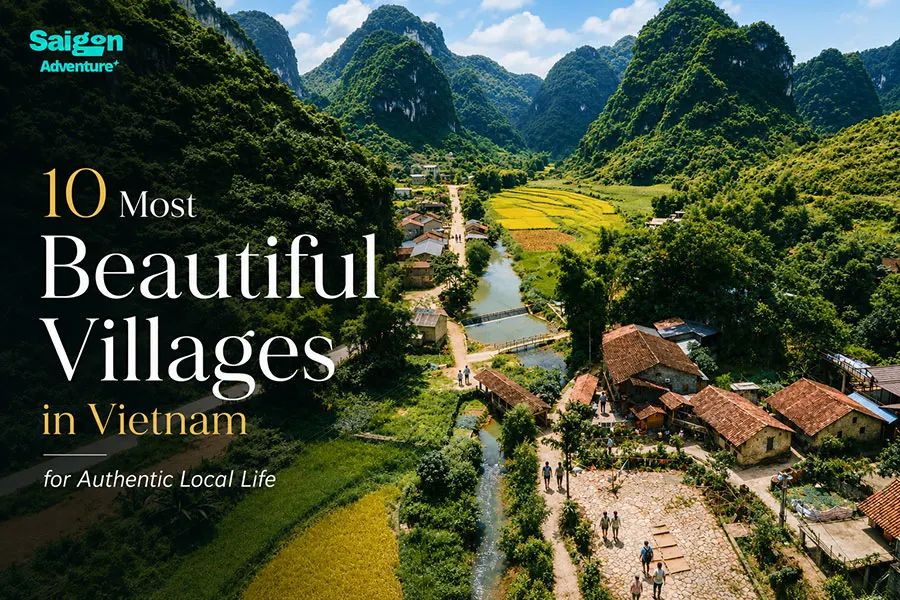
Vietnam is often introduced through energetic cities, limestone bays and tropical beaches, but some of its most memorable experiences happen far from the major landmarks. In farming communities, mountain hamlets and centuries-old craft villages, daily life still revolves around rice fields, family homes, traditional skills and local markets.
For travelers who want more than sightseeing, the most beautiful villages in Vietnam offer something harder to photograph but easier to remember: a genuine sense of place. You may cycle past vegetable gardens, sleep in a stilt house, watch an artisan shape clay or share tea with a local family.
Why Visit Vietnam’s Traditional Villages?
A village visit reveals a side of Vietnam that big-city itineraries can miss. You begin to notice how food is grown, how homes are built, how crafts survive and how landscapes shape everyday routines.
Some villages sit only a short ride from Hanoi or Hoi An; others reward a longer journey into the northern mountains or Central Vietnam. If you are planning a first trip, combine rural stops with the country’s major highlights in this guide to the best things to do in Vietnam.
10 Most Beautiful Villages in Vietnam to Experience Local Life
1. Duong Lam Ancient Village – Hanoi
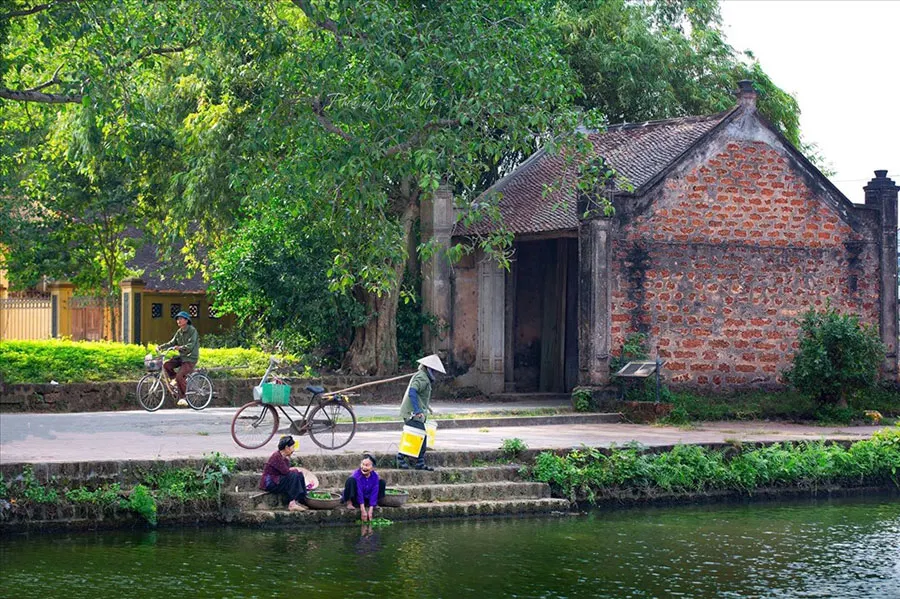
West of central Hanoi, Duong Lam feels like a doorway into traditional northern Vietnam. Narrow lanes lead past old laterite walls, tiled roofs, communal spaces and family homes that contrast sharply with the capital’s modern skyline.
Come early, walk rather than rush, and allow time for a simple local lunch. Local Tip: A weekday morning usually gives you quieter lanes and more natural village scenes.
2. Thai Hai Village – Thai Nguyen
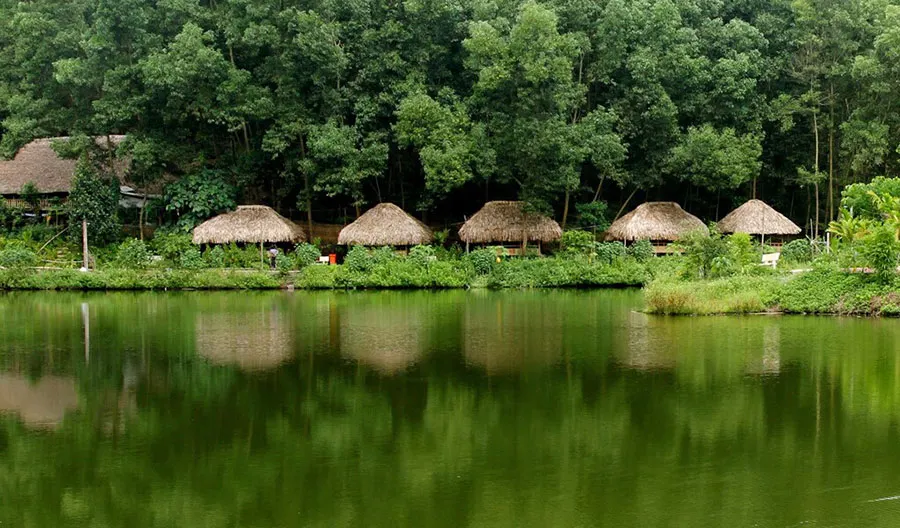
Thai Hai is one of Vietnam’s strongest examples of community-based cultural tourism. Recognized by UN Tourism as a Best Tourism Village in 2022, it preserves more than 30 traditional stilt houses and the customs, food and everyday traditions of the Tay community.
Visitors can learn about farming, local cooking, handicrafts and communal life rather than simply walking through a staged attraction. It is especially rewarding for travelers interested in responsible tourism and living cultural heritage.
3. Ta Van Village – Sapa
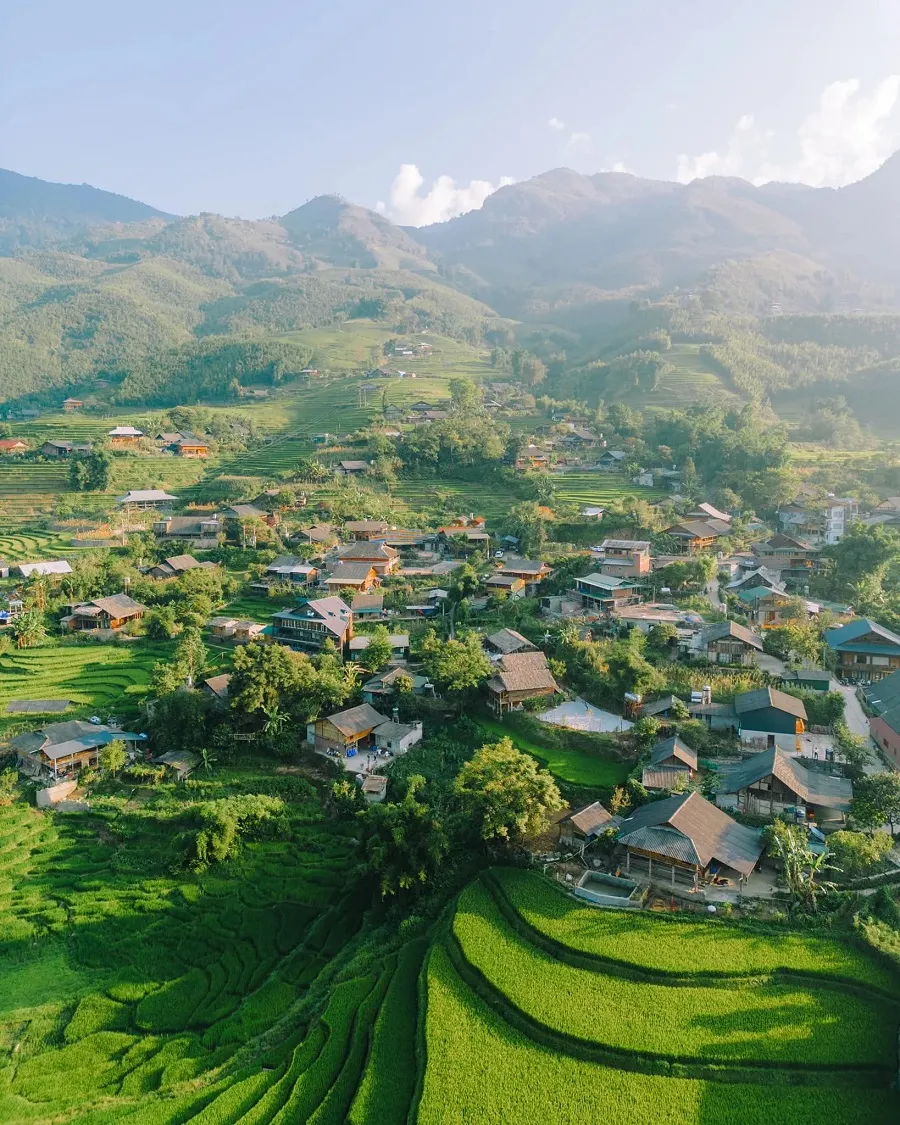
Set in the Muong Hoa Valley near Sapa, Ta Van combines mountain scenery with a strong sense of local life. Rice terraces, streams, footpaths and traditional homes make the journey through the valley as memorable as the village itself.
A locally run homestay lets you experience the area after day-trippers leave. Walk with a community guide and treat homes and fields as lived-in spaces, not photo sets.
4. Lo Lo Chai Village – Ha Giang
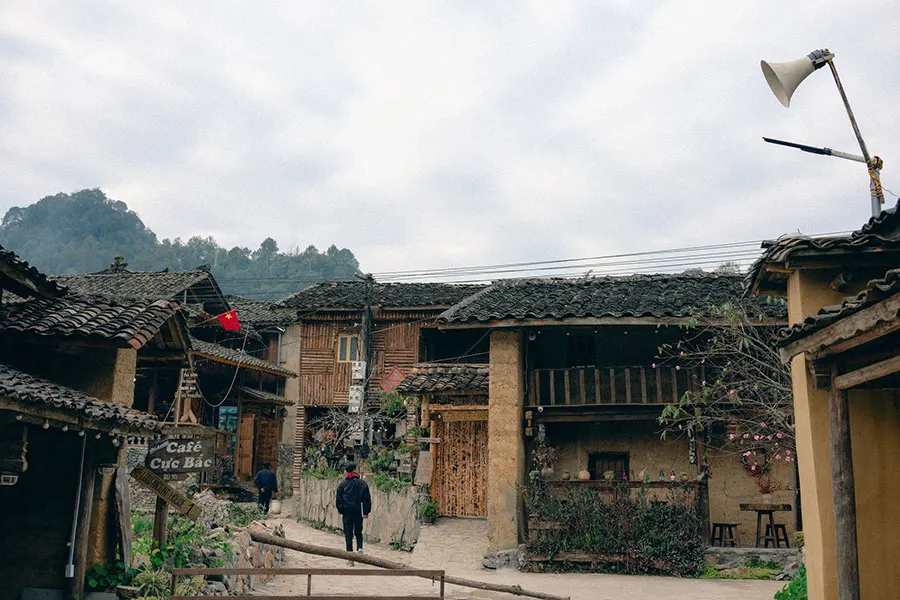
Near Lung Cu in far northern Ha Giang, Lo Lo Chai is one of the most visually distinctive villages on the Dong Van Karst Plateau route. Earthen houses, stone walls and mountain views create a dramatic setting, while the Lo Lo community maintains a strong cultural identity.
The village works best as part of a slower Ha Giang itinerary. Stay overnight if possible and experience the quiet morning before traffic returns to the mountain roads.
5. Lac Village – Mai Chau
Lac Village is an accessible introduction to the rural culture of Mai Chau Valley. White Thai families welcome visitors into traditional stilt houses surrounded by rice fields, limestone mountains and peaceful cycling paths.
Cycling is one of the best ways to explore. Ride beyond the main homestay area and you will quickly find quieter lanes and working fields.
6. Tra Que Vegetable Village – Hoi An
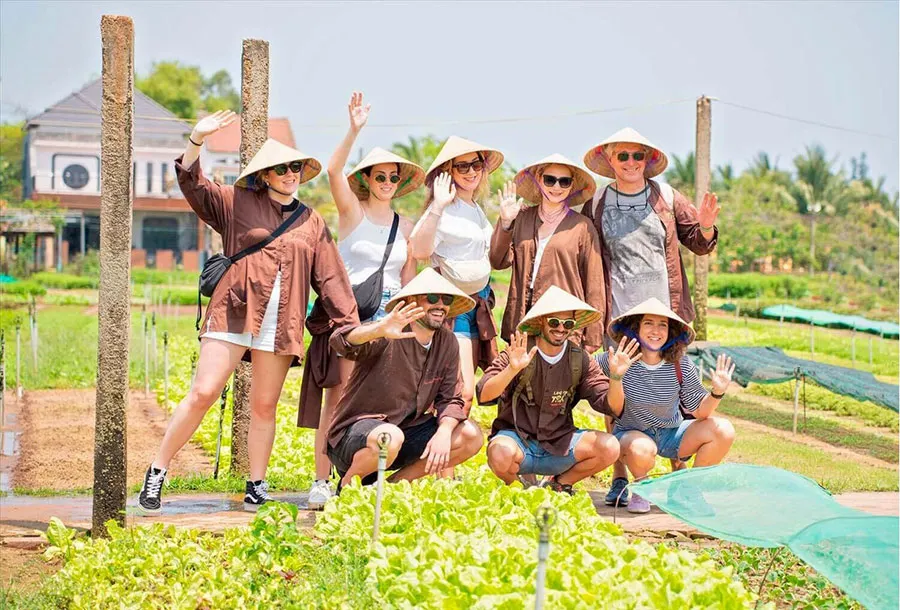
Only a few kilometers from Hoi An Ancient Town, Tra Que is a working farming village known for fragrant herbs and leafy vegetables. Local families have cultivated the area for nearly 400 years, and the village was recognized as a Best Tourism Village 2024 by UN Tourism.
Hands-on farming, cooking classes and garden-to-table meals make Tra Que ideal for food lovers. Pair a morning here with an afternoon exploring Hoi An Ancient Town.
7. Cam Thanh Coconut Village – Hoi An
Cam Thanh shows a different side of rural Hoi An. Its nipa-palm waterways have long been connected with fishing and river life, while traditional round basket boats are now the village’s best-known visitor experience.
Visit earlier in the day and choose a smaller Cam Thanh Coconut Village tour for more time on quieter waterways and better context about local fishing traditions. Travelers staying in Da Nang can also combine the coconut forest with lantern-lit Hoi An on a Da Nang to Hoi An tour.

8. Thanh Ha Pottery Village – Hoi An
Thanh Ha is one of the best villages in Vietnam for travelers who enjoy traditional crafts. Generations of artisans have shaped clay into household objects and decorative ceramics, and visitors can still watch pottery being formed by hand.
Do more than browse the souvenir stalls. A short pottery workshop gives meaning to the finished pieces and supports the craft directly.
9. Phuoc Tich Ancient Village – Hue
Phuoc Tich is a peaceful riverside village north of Hue with more than five centuries of history. Traditional wooden nha ruong houses, gardens, temples and a long pottery heritage preserve the atmosphere of an older Central Vietnamese settlement.
The pleasure here comes from quiet details rather than headline attractions. Walk beneath the trees, visit an old house and learn how local pottery traditions survived across generations.
10. Tan Hoa Village – Quang Binh
Surrounded by limestone mountains near the Tu Lan cave system, Tan Hoa combines striking scenery with an unusual story of community resilience. UN Tourism named it a Best Tourism Village in 2023, highlighting local participation, cultural preservation and tourism adapted to seasonal flooding.
Travelers come for caves, cycling and homestays, but the village itself deserves attention. Slowing down reveals how tourism, landscape and local livelihoods can work together when residents remain part of the experience.
How to Experience Village Life Responsibly
Authentic local life is not something travelers can demand on arrival. Choose locally owned homestays, community guides, family restaurants and workshops where your spending stays closer to the people maintaining the culture.
Ask before photographing residents, respect homes and religious spaces, and never enter fields without permission. Early mornings are often best for farming villages, while an overnight stay is more rewarding in mountain communities.
Which Village Should You Choose?
For easy day trips, choose Duong Lam from Hanoi or Tra Que and Cam Thanh from Hoi An. For mountain scenery and ethnic minority culture, Ta Van, Lo Lo Chai and Lac Village are stronger choices.
Craft lovers should prioritize Thanh Ha or Phuoc Tich, while Thai Hai and Tan Hoa stand out for community-based tourism. If your route continues south, the villages and waterways of the Mekong Delta offer another excellent look at rural Vietnamese life.
Discover Vietnam Beyond the Famous Landmarks
Vietnam’s villages are beautiful because they are more than scenery. They are places where farming, food, architecture, crafts and family traditions continue to shape everyday life.
Build your itinerary around a few meaningful encounters instead of trying to collect all ten. When your journey reaches Ho Chi Minh City, continue exploring everyday culture through Saigon Adventure’s Saigon food tours, where neighborhood eateries and family recipes reveal another side of Vietnamese life.
Frequently Asked Questions
What are the most beautiful villages in Vietnam?
Popular choices include Duong Lam, Ta Van, Lo Lo Chai, Lac Village, Tra Que, Cam Thanh, Phuoc Tich, Thai Hai and Tan Hoa. Your best choice depends on whether you prefer mountains, farming culture, crafts or community tourism.
Which village near Hanoi is best for a day trip?
Duong Lam Ancient Village is one of the easiest rural escapes from Hanoi, offering traditional architecture, quiet lanes and a strong sense of northern village heritage.
What is the best village near Hoi An?
Tra Que is best for farming and food, Cam Thanh for coconut waterways and basket boats, and Thanh Ha for pottery and traditional craftsmanship.
Where can I experience ethnic minority village life in Vietnam?
Good options include Ta Van near Sapa, Lo Lo Chai in Ha Giang and Lac Village in Mai Chau. A locally run homestay or community guide usually creates a more meaningful experience than a quick stop.
Are village tours in Vietnam worth it?
Yes, especially when they include genuine interaction with farmers, artisans, guides or local families. Avoid experiences built mainly around staged photos or shopping stops.
How can I visit villages in Vietnam responsibly?
Use local services, ask before photographing people, respect private homes and farmland, and buy directly from artisans when possible. Spending more time and money locally usually benefits the community more than a rushed visit.