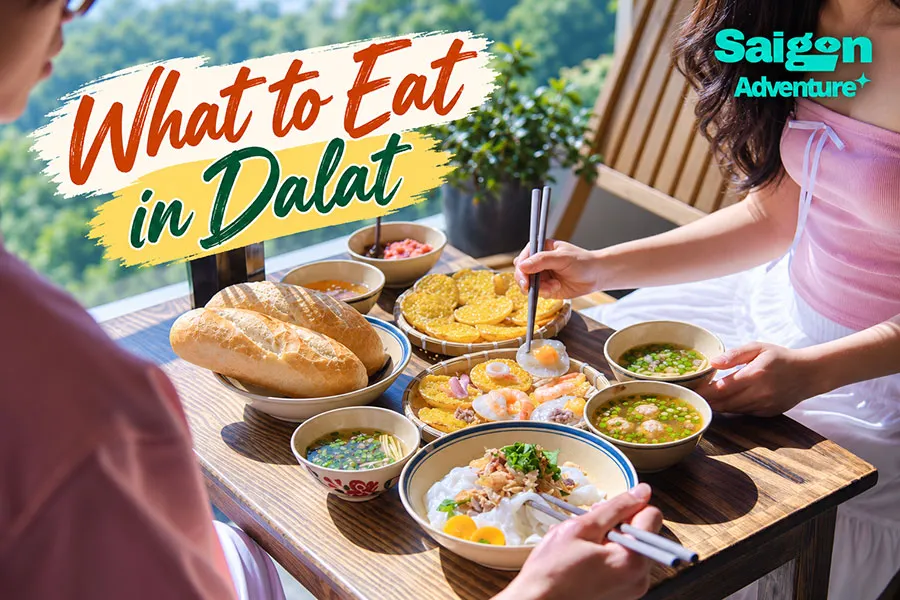
Dalat’s night market may be famous for grilled rice paper and steaming cups of soy milk, but some of the city’s most memorable meals are found elsewhere. Follow the morning crowds into a tiny breakfast shop, discover a family-run kitchen down a quiet street, or gather around a bubbling hotpot as the mountain air turns chilly.
If you’re wondering what to eat in Dalat, start with its comforting breakfasts, regional Vietnamese specialties, fresh highland vegetables, and dishes shaped by the city’s cooler climate. This guide introduces 12 local foods worth trying, where to look for them, and practical tips for eating like a local beyond the tourist crowds.
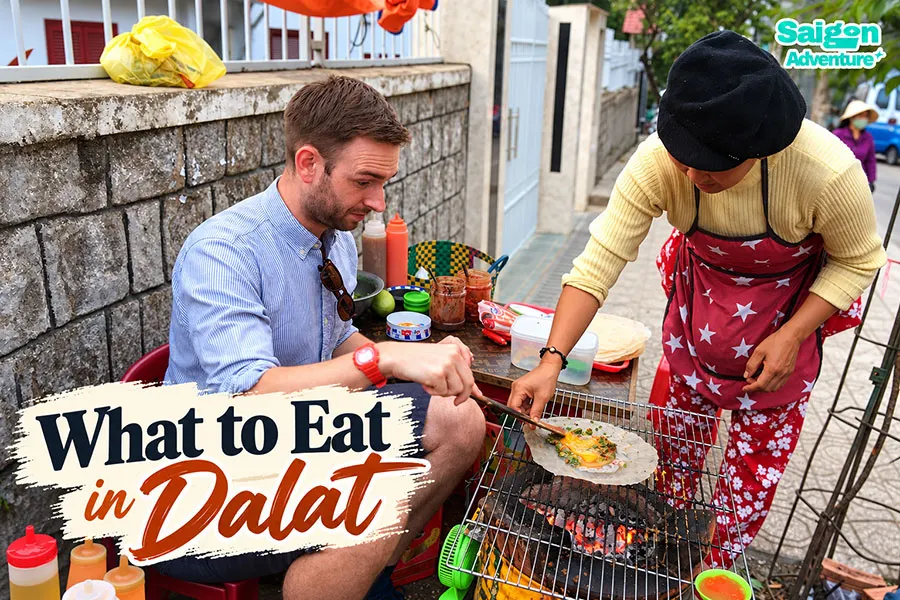
Why Is Dalat’s Local Food So Special?
Located in Vietnam’s Central Highlands, Dalat has a cooler climate than many other Vietnamese destinations. Its surrounding farms supply vegetables, strawberries, avocados, artichokes, and other fresh ingredients that influence everyday cooking.
Dalat’s food culture also reflects generations of migration from other Vietnamese regions. Rather than having an entirely separate cuisine, the city has adapted familiar dishes to local ingredients, tastes, and weather.
That is why a simple bowl of noodles, freshly baked rice cakes, or warm bread dipped into broth can feel especially satisfying here.
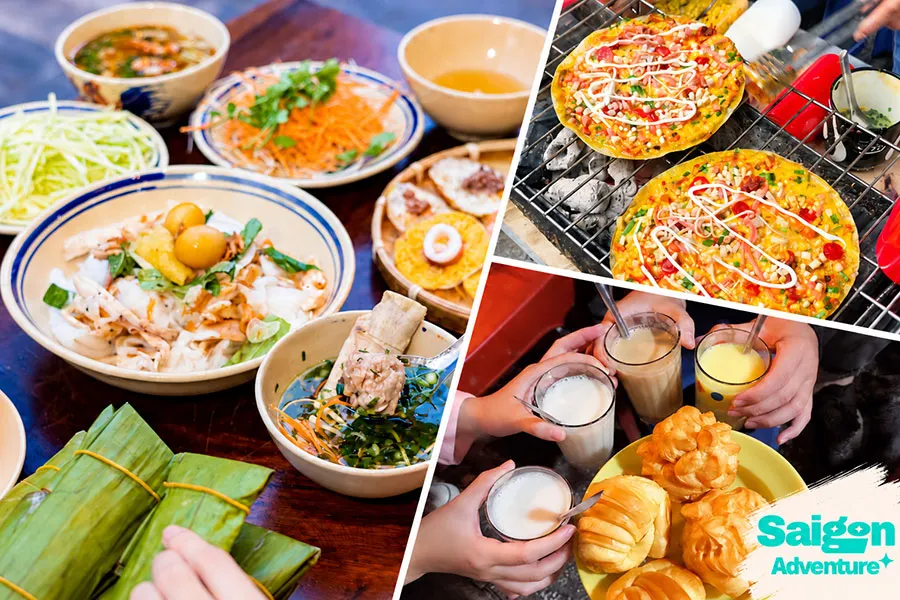
12 Must-Try Local Foods in Dalat Beyond the Night Market
1. Bánh Mì Xíu Mại – Vietnamese Bread with Pork Meatball Soup
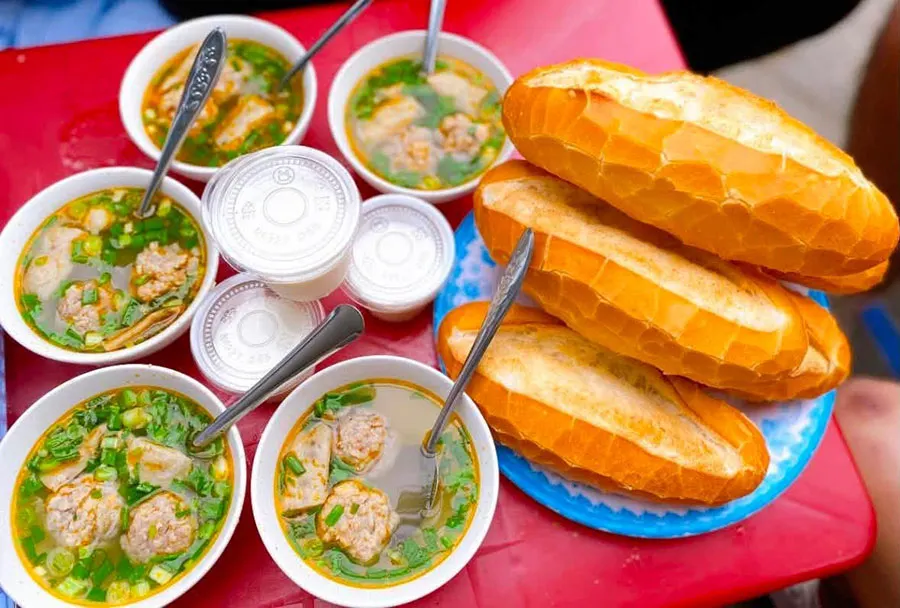
Forget the usual Vietnamese sandwich filled with pâté and cold cuts. Dalat’s bánh mì xíu mại typically comes with a small bowl of pork meatballs in savoury broth, served alongside crusty bread for dipping.
The bread absorbs the rich broth while the meatballs remain tender and juicy. Add fresh herbs or a little chilli if you prefer a stronger flavour.
Where to try: Look around Hoàng Diệu Street, which has established bánh mì xíu mại eateries.
Local Tip: Visit in the morning when the bread is fresh and the broth is hot. It is an excellent introduction to Dalat’s breakfast culture.
2. Bánh Căn – Mini Rice Pancakes Cooked in Clay Moulds
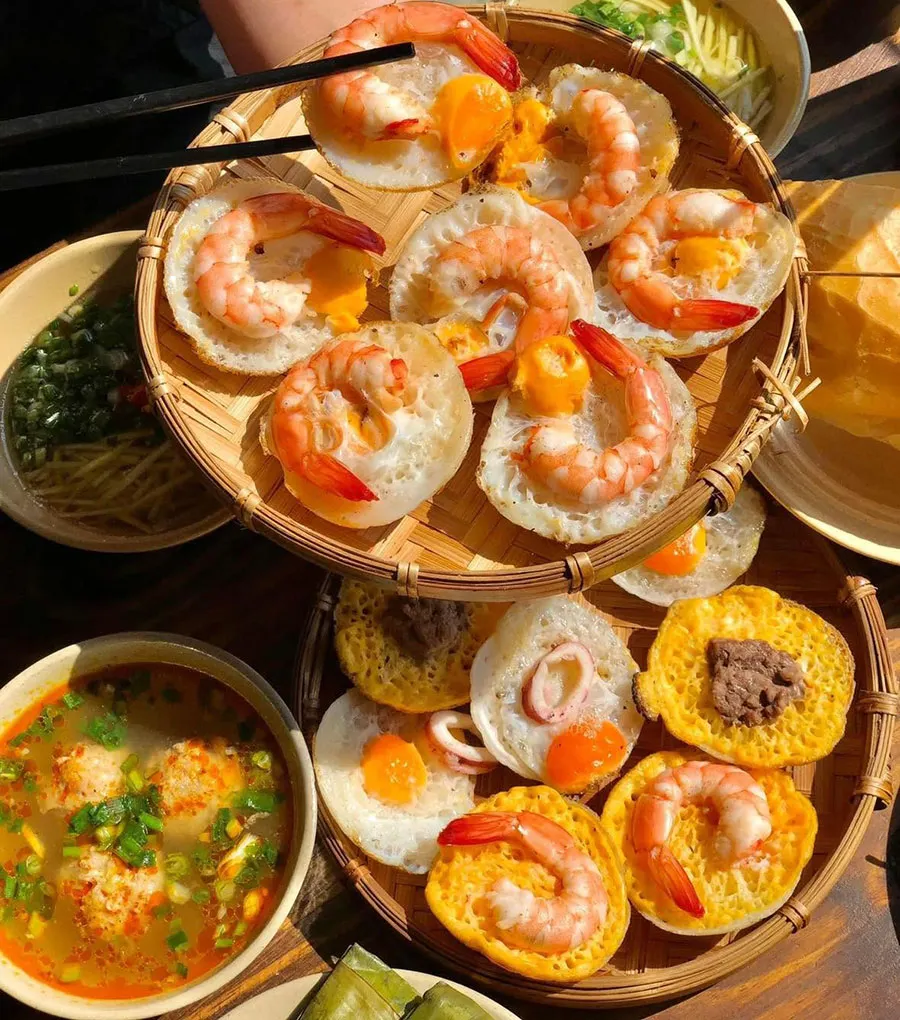
Bánh căn is one of the most enjoyable dishes to watch being prepared. Small portions of rice batter are poured into clay moulds, topped with eggs or other fillings, and cooked until the edges turn lightly crisp.
The pancakes are usually served with a savoury dipping sauce, sometimes accompanied by pork meatballs. The contrast between their delicate centres and crisp edges makes them particularly satisfying.
Where to try: Bánh Căn Lệ at 27/44 Yersin is an established option listed on Dalat’s tourism portal.
Local Tip: Eat bánh căn immediately after cooking. The texture is noticeably better before the pancakes cool.
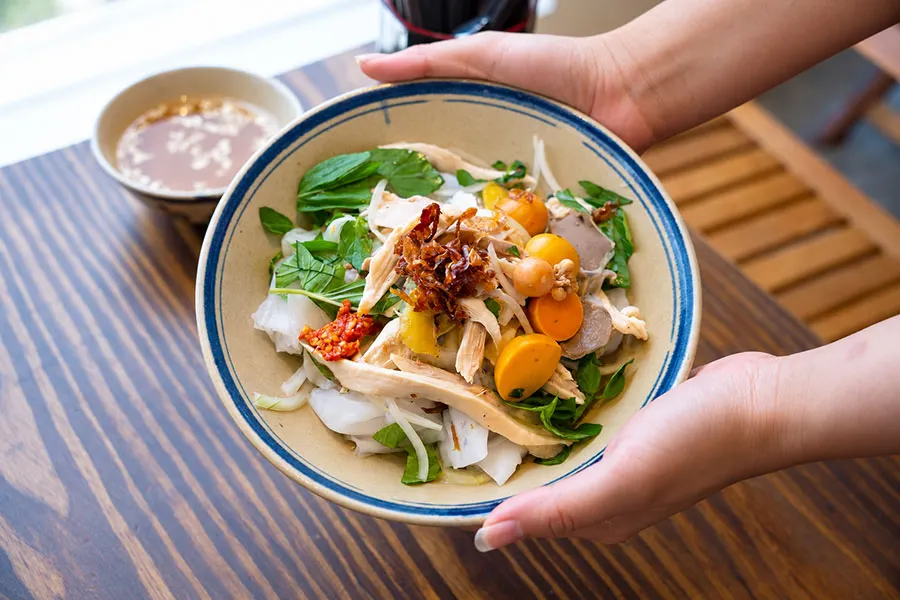
3. Bánh Ướt Lòng Gà – Steamed Rice Sheets with Chicken
This Dalat favourite combines soft steamed rice sheets with shredded chicken, herbs, fried shallots, and a seasoned fish sauce dressing. Traditional versions may also include chicken liver, gizzard, or other offal.
The dish offers an interesting combination of silky rice sheets, tender meat, aromatic herbs, and slightly tangy dressing. It is lighter than many noodle soups but still substantial enough for lunch.
Where to try: Tăng Bạt Hổ Street has several established bánh ướt lòng gà shops, including Bánh Ướt Lòng Gà 18.
Local Tip: If you prefer not to eat organ meats, request a chicken-only version and confirm the ingredients before ordering.
4. Nem Nướng Dalat – Grilled Pork Rolls with Fresh Herbs
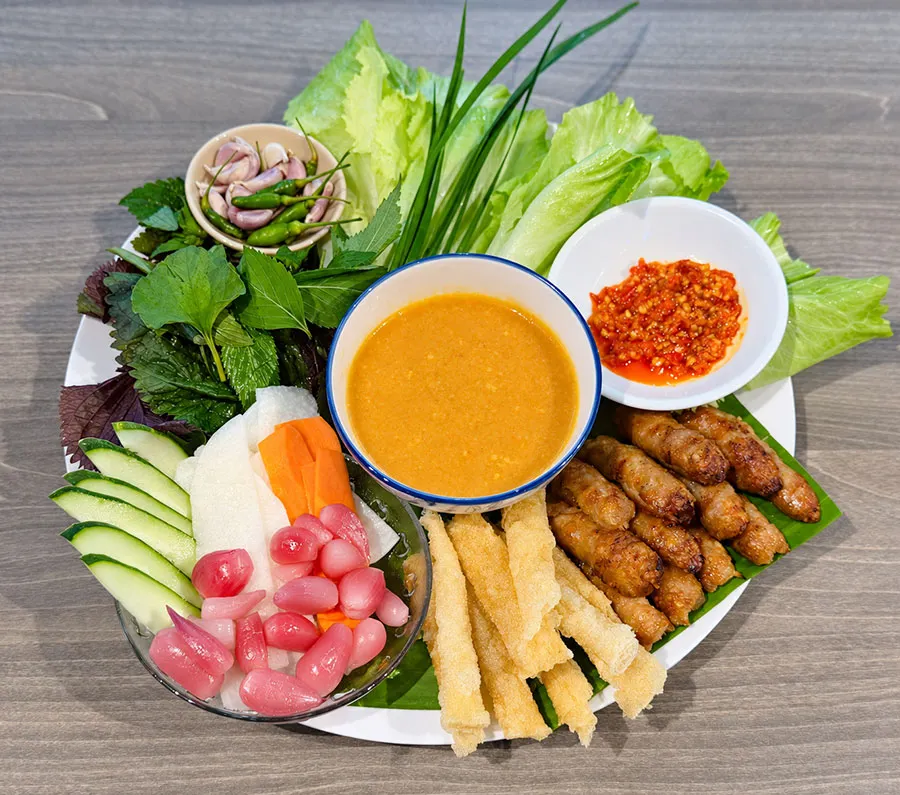
Nem nướng is a hands-on meal that rewards anyone who enjoys assembling their own food. Grilled pork is served with rice paper, fresh vegetables, herbs, and a distinctive dipping sauce.
To eat it, arrange a little pork and some vegetables on the rice paper, roll everything together, and dip it into the sauce. The combination of smoky meat, crunchy vegetables, and fresh herbs gives each bite plenty of texture.
Where to try: Look for dedicated nem nướng restaurants rather than general street-food stalls.
Local Tip: Start with a small amount of dipping sauce and add more as you go. Some versions are rich and strongly seasoned.
5. Lẩu Gà Lá É – Chicken Hotpot with Aromatic Herbs
Few meals suit Dalat’s chilly evenings better than lẩu gà lá é. This chicken hotpot features a fragrant broth, tender chicken, mushrooms or bamboo shoots, and lá é, an aromatic herb with peppery, basil-like notes.
The leaves are added to the hot broth shortly before eating, releasing their distinctive fragrance. Diners usually share the pot with noodles, making it a sociable meal for couples, families, or friends.
Where to try: Lẩu Gà Lá É Tao Ngộ on Đường 3 Tháng 4 is a well-known option.
Local Tip: Add the leaves gradually rather than cooking them for too long. They are particularly enjoyable when still fresh and fragrant.
6. Bánh Bèo – Steamed Rice Cakes with Savoury Toppings
Although bánh bèo originated in Central Vietnam, it has become part of Dalat’s everyday food scene. These delicate steamed rice cakes are often served with savoury toppings, fried shallots, and fish sauce.
Their soft texture contrasts with crispy garnishes, creating a simple yet satisfying snack. Some versions include shrimp or pork, so toppings vary between eateries.
Where to try: Search for small bánh bèo restaurants around Phan Đình Phùng Street.
Local Tip: Order a modest portion if you’re planning a food crawl. Bánh bèo is ideal for sampling between larger meals.
7. Bánh Tráng Nướng – Crispy Grilled Rice Paper
Often nicknamed Vietnamese pizza, bánh tráng nướng is made by grilling a sheet of rice paper over charcoal. Egg, spring onion, dried shrimp, sausage, or other toppings may be added before it becomes crisp.
Although this snack is famous at Dalat Night Market, smaller roadside vendors elsewhere in the city also prepare it. Watching the ingredients cook over the glowing charcoal is part of the experience.
Where to try: Look for roadside stalls around Nguyễn Văn Trỗi and other central streets.
Local Tip: Check the toppings before ordering, particularly if you avoid meat, seafood, or spicy sauces.
8. Ốc Bươu Nhồi Thịt – Snails Stuffed with Seasoned Meat
For adventurous eaters, ốc bươu nhồi thịt offers something different from the usual noodles and grilled snacks. The dish typically features cleaned snail shells filled with a seasoned mixture of snail meat, pork, and fragrant herbs.
Once steamed, the filling becomes juicy and aromatic. It is usually enjoyed with a dipping sauce that balances savoury and tangy flavours.
Where to try: Look for restaurants specialising in steamed snails and traditional Vietnamese dishes.
Local Tip: Share one portion before ordering more. Its texture and pronounced flavour may be unfamiliar to first-time visitors.
9. Lẩu Bò – Vietnamese Beef Hotpot
Beef hotpot is another warming dinner choice when Dalat’s evening temperatures drop. A bubbling pot of broth arrives with beef, vegetables, tofu, and noodles, depending on the restaurant.
Compared with chicken hotpot, the broth often has a richer, beefier flavour. It is particularly suitable for groups who prefer a leisurely dinner rather than a quick street snack.
Where to try: The Hoàng Diệu area is associated with Dalat’s well-known beef hotpot eateries.
Local Tip: Ask about portion sizes before ordering. A hotpot intended for several diners can be excessive for one person.
10. Bánh Canh – Thick Vietnamese Noodle Soup
Bánh canh is comforting without being complicated. Its thick noodles, made from rice flour, tapioca starch, or a combination, have a pleasantly chewy texture.
Depending on the restaurant, the soup may contain fish cakes, pork, or other savoury toppings. A hot bowl is particularly appealing after a morning spent exploring Dalat’s hills and gardens.
Where to try: Small breakfast and lunch restaurants around Nhà Chung Street are worth exploring.
Local Tip: Ask whether the broth contains seafood if you have allergies. Fish-based ingredients are not always obvious from the dish’s appearance.
11. Kem Bơ – Dalat Avocado Ice Cream
Dalat’s agricultural surroundings make avocado an appealing ingredient for local desserts. Kem bơ typically combines smooth avocado purée with a scoop of ice cream, often coconut-flavoured.
The result is creamy, mildly sweet, and refreshing without requiring an elaborate presentation. Some shops add coconut flakes or other toppings for extra texture.
Where to try: Nguyễn Văn Trỗi Street has established avocado dessert shops, including Kem Bơ Thanh Thảo.
Local Tip: Choose a shop preparing avocado drinks and desserts regularly, and ask about added sugar if you prefer a less sweet version.
12. Hot Soy Milk and Highland Snacks
A cup of warm soy milk may seem ordinary, but in Dalat it is part of the evening food experience. Street vendors often serve it alongside simple pastries, bread, or sweet snacks.
The drink provides a pleasant contrast to the cool mountain air, especially after sunset. For something different, explore cafés offering local coffee or artichoke tea.
Where to try: Streets near the central market have several soy milk vendors, but neighbourhood stalls can offer a quieter atmosphere.
Local Tip: Ask for less sugar if you prefer a more natural soybean flavour.
Where to Eat in Dalat Beyond the Night Market
You don’t need an elaborate food tour to discover local cooking. Some rewarding meals come from small restaurants specialising in only one or two dishes.
Local Food Streets Worth Exploring
| Area | What to Look For | Best Time |
|---|---|---|
| Hoàng Diệu Street | Bánh mì xíu mại, beef hotpot | Morning or evening |
| Tăng Bạt Hổ Street | Bánh ướt lòng gà, local breakfasts | Breakfast and lunch |
| Yersin Street | Bánh căn and small eateries | Morning |
| Phan Đình Phùng Street | Bánh bèo, noodle dishes | Late morning to afternoon |
| Nguyễn Văn Trỗi Street | Avocado desserts and snacks | Afternoon |
Individual restaurants have different opening hours, so check before travelling across town for a particular meal.
How to Find Authentic Local Restaurants
Look for places specialising in a small number of dishes rather than restaurants offering an enormous menu. A busy breakfast shop, a visible cooking station, and food prepared to order are useful signs.
Don’t assume an English menu guarantees better food. A Vietnamese-language menu with photographs can be perfectly manageable, especially if you learn a few dish names beforehand.
A One-Day Dalat Food Itinerary
If you have only one day to explore Dalat’s food scene, organise your meals around when each dish is most enjoyable.
Morning – 7:00 AM
Start with bánh mì xíu mại or freshly cooked bánh căn, followed by Vietnamese coffee.
Lunch – 12:00 PM
Try bánh ướt lòng gà or bánh canh at a local restaurant.
Afternoon – 3:00 PM
Enjoy kem bơ or a small plate of bánh bèo between sightseeing stops.
Evening – 6:30 PM
Share a chicken or beef hotpot, then finish with hot soy milk if you still have room.
Rather than eating continuously, leave enough time to enjoy the city’s cafés, lakeside walks, and relaxed atmosphere.
Practical Tips for First-Time Visitors
How Much Does Local Food Cost in Dalat?
Local dishes are generally affordable, although prices differ between neighbourhood eateries and tourist-oriented restaurants. The following ranges are approximate planning figures, not guaranteed menu prices.
| Food Experience | Estimated Price |
|---|---|
| Bánh mì xíu mại | 20,000–40,000 VND |
| Bánh căn | 30,000–50,000 VND |
| Bánh ướt lòng gà | 35,000–60,000 VND |
| Nem nướng | 40,000–80,000 VND |
| Kem bơ | 25,000–50,000 VND |
| Shared hotpot | 200,000–400,000 VND per pot |
Confirm prices and serving sizes before ordering, especially at restaurants without clearly displayed menus.
Food Safety, Dietary Needs and Ordering
Choose busy eateries where food is cooked freshly and served hot. Carry some Vietnamese cash, as small vendors may not accept international cards.
Vegetarian visitors should check whether soups, sauces, and toppings contain pork broth, fish sauce, or dried shrimp. For serious food allergies, use a translated allergy card and confirm ingredients directly with the restaurant.
Is Dalat Worth Visiting for Food Lovers?
Absolutely, especially if you enjoy discovering how climate and local produce influence regional cooking. Dalat may not have the international culinary reputation of Hanoi or Ho Chi Minh City, but its food culture offers something different.
Its greatest appeal lies in simple experiences: watching rice pancakes cook over charcoal, enjoying herbs grown in the surrounding highlands, and sharing a steaming hotpot on a cool evening.
For travellers interested in exploring Vietnam beyond its biggest cities, Dalat deserves a place on the itinerary.
Explore More of Vietnam’s Local Food Culture
Dalat is only one part of Vietnam’s diverse culinary landscape. From the mountain kitchens of the Central Highlands to the bustling food streets of southern Vietnam, each destination reveals different ingredients, traditions, and ways of eating.
If your journey continues south, discover more traditional dishes in our guide to the best bánh mì in Ho Chi Minh City, or explore the city’s vibrant food culture with Saigon Adventure’s local street food experiences.
Whether you’re tasting Dalat’s warming soups or discovering Saigon’s lively neighbourhood eateries, make time for the small places where everyday Vietnamese food tells its own story.
Frequently Asked Questions About What to Eat in Dalat
1. What food is Dalat most famous for?
Dalat is particularly well known for bánh căn, bánh mì xíu mại, bánh ướt lòng gà, chicken hotpot with lá é, grilled rice paper, and avocado ice cream. These foods reflect the city’s cooler climate and regional culinary influences.
2. What should I eat in Dalat for breakfast?
Bánh mì xíu mại and bánh căn are excellent breakfast choices. Both are commonly served hot and can be found at small local eateries, especially in the morning.
3. Where can I find local food outside Dalat Night Market?
Explore Hoàng Diệu, Tăng Bạt Hổ, Yersin, and Phan Đình Phùng streets. These areas have established restaurants specialising in local breakfasts, rice cakes, noodles, and other Vietnamese dishes.
4. Is Dalat street food expensive?
Most everyday street-food dishes are relatively affordable. Small meals often cost around 20,000–60,000 VND, while shared hotpots and larger restaurant meals cost more.
5. Are there vegetarian food options in Dalat?
Yes. Dalat has vegetarian restaurants and dishes featuring locally grown vegetables, tofu, and mushrooms. However, traditional soups, rice cakes, and dipping sauces may contain animal-derived ingredients, so confirm before ordering.
6. What is the best food to eat in Dalat on a cold evening?
Chicken hotpot with lá é and beef hotpot are excellent choices because they are served steaming hot. For a lighter option, enjoy bánh mì xíu mại or a cup of warm soy milk.
7. Can I explore Dalat’s local food without joining a tour?
Yes. Many traditional eateries are accessible independently, especially around central streets. A self-guided food walk works well if you research opening hours and learn the Vietnamese names of the dishes you want to try.